Osteora
Osteora
Osteora
Engineered for immediate stabilization, biomechanical strength, and precise reduction in severe trauma and reconstructive surgeries.
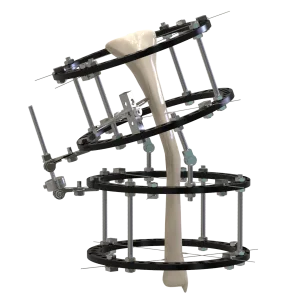
Spain boasts one of Europe's most rigorous healthcare ecosystems, spearheaded by the Spanish National Health System (Sistema Nacional de Salud - SNS) and overseen by the Spanish Agency for Medicines and Health Products (AEMPS). Clinical decision-making in trauma centers—ranging from Madrid to Catalonia—demands surgical components with high mechanical stability, proven biocompatibility, and strict compliance with the transition to European Medical Device Regulation (EU MDR 2017/745).
Within Spanish regional hospitals, the management of open fractures, non-unions, and complex bone deformities necessitates external fixation systems that combine stability with minimal postoperative soft-tissue disruption. Carbon fiber rods, titanium pins, and micro-adjustable ring fixators have become standard in Spanish emergency trauma departments, driving demand for dependable supply chains that offer high-precision materials at sustainable price points.
As healthcare costs rise, Spanish purchasing groups and medical distributors actively seek manufacturers outside of traditional domestic European hubs. Partnerships that combine cost-effective manufacturing with the strict quality controls required for CE and ISO certifications are increasingly favored.
Key drivers shaping the acquisition of trauma fixation systems across medical networks globally.
Rising high-energy trauma incidents require quick stabilization of unstable fractures before definitive open reduction and internal fixation (ORIF).
The integration of radiolucent carbon fiber materials, locking pin configurations, and computer-assisted hexapod deformity planning tools is redefining patient recovery cycles.
Modern implants use Grade 5 Titanium Alloy (Ti-6Al-4V ELI) and implant-grade stainless steel to ensure biocompatibility and reduce pin-site infections.
Leveraging high-end manufacturing lines, precise design validation, and efficient supply networks to support Spanish and global orthopedic demand.
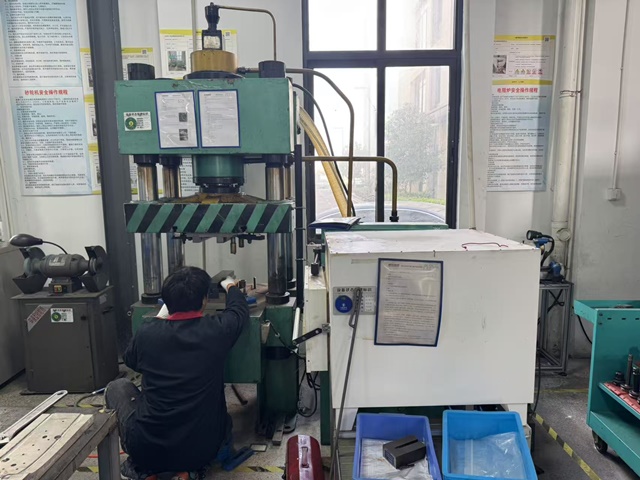
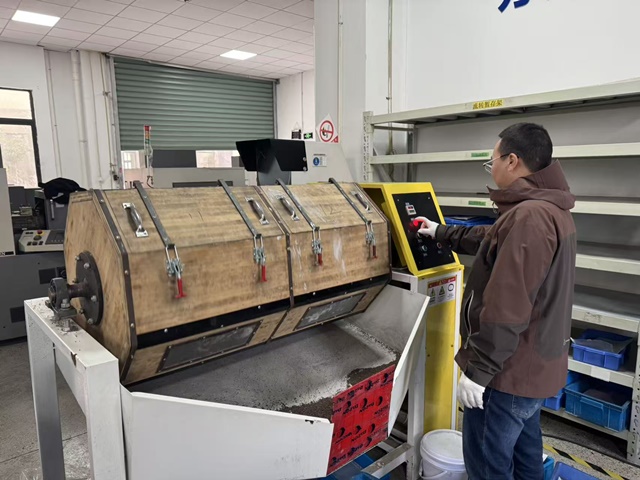
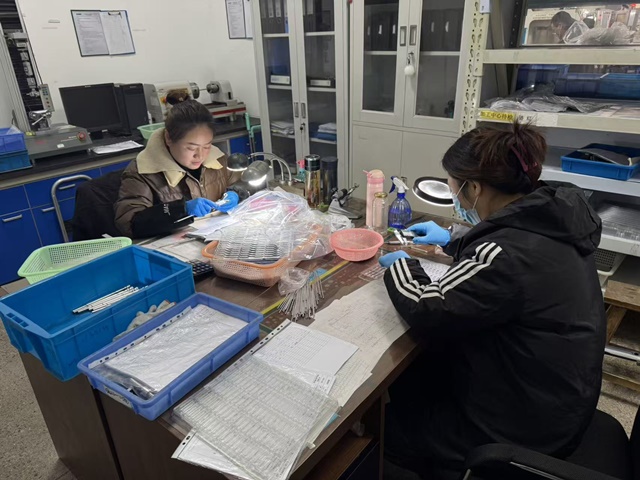
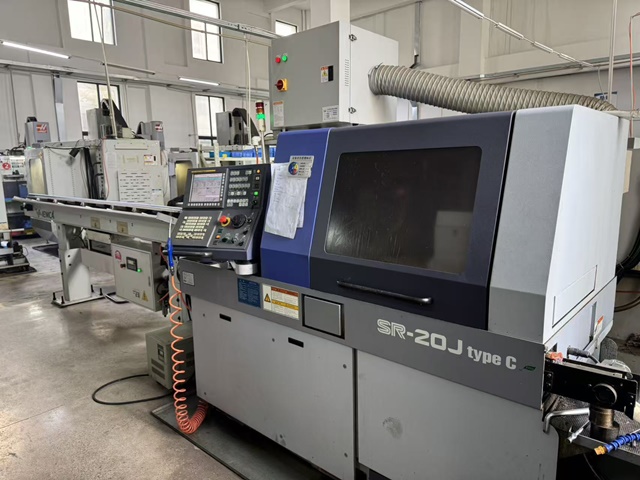
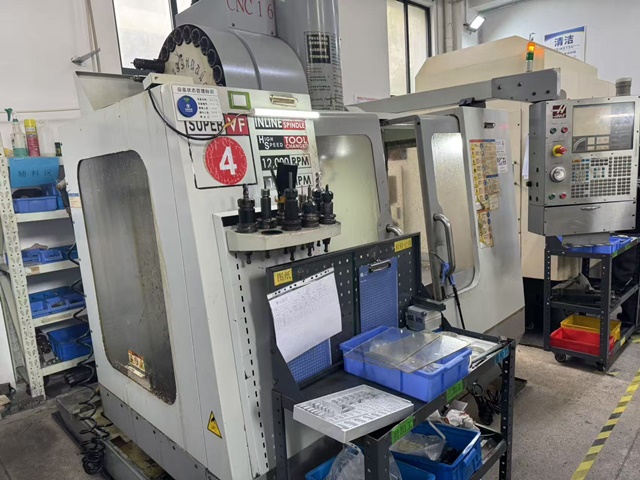
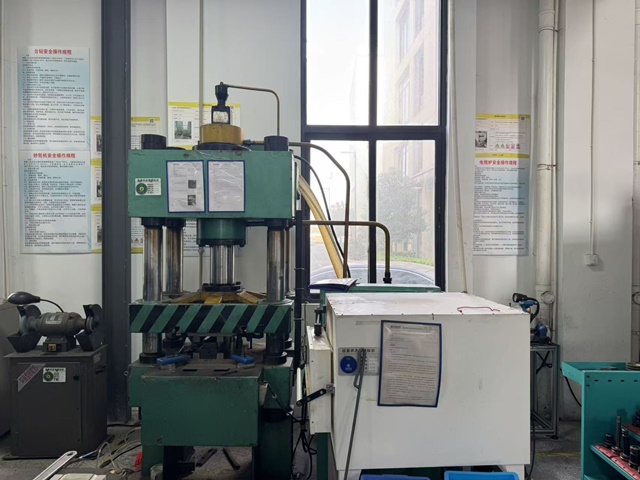
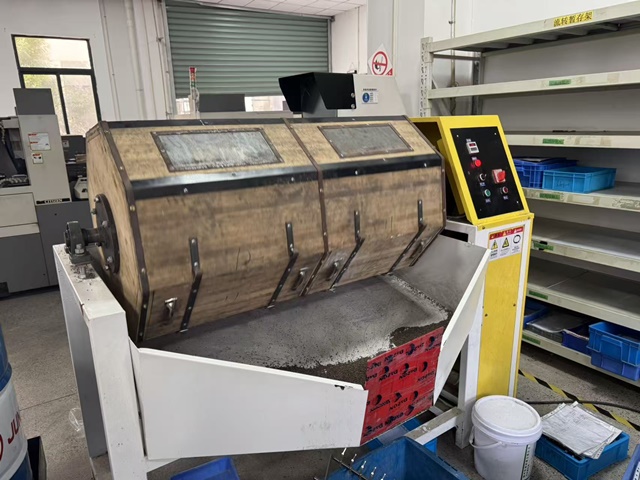
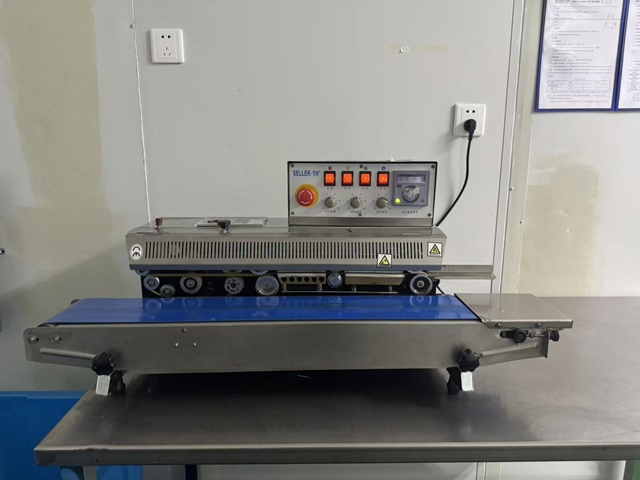
Established in 2016, Osteora Medical Devices Co., Ltd. has developed a strong reputation in the global orthopedic industry. Our facility supports integrated production, assembly, and testing operations. Backed by 8 years of export experience, Osteora maintains long-term partnerships with distributors in Europe, Southeast Asia, the Middle East, and South America. Annual export revenue ranges between USD 6 million and 14 million, highlighting steady growth.
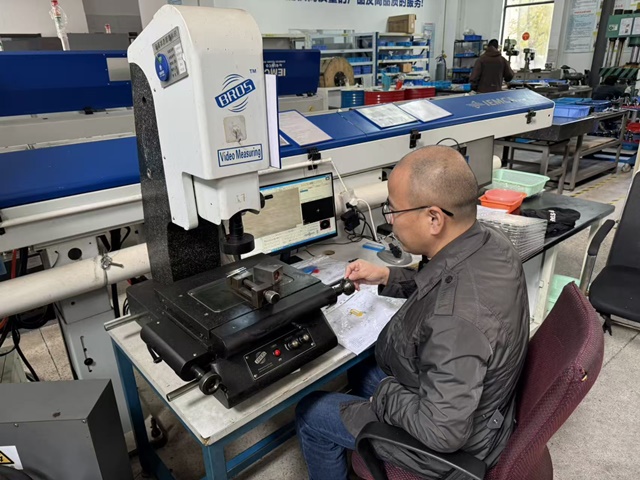
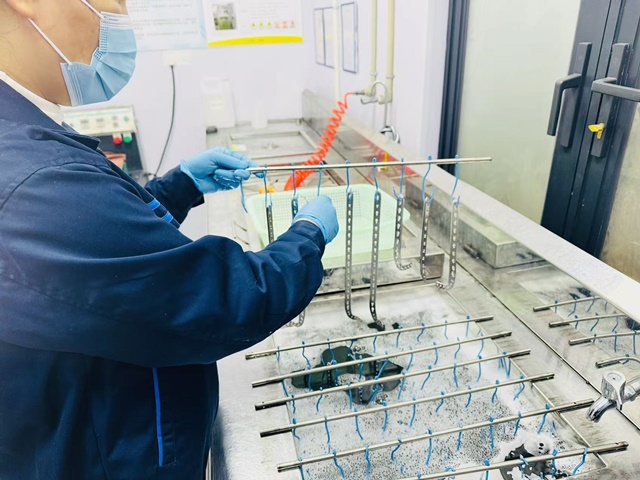
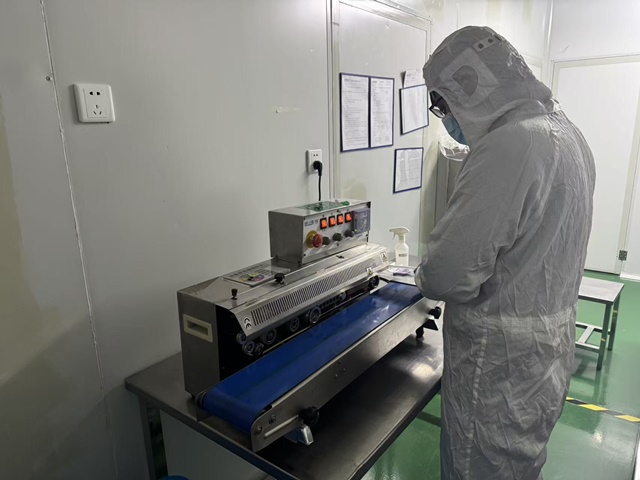
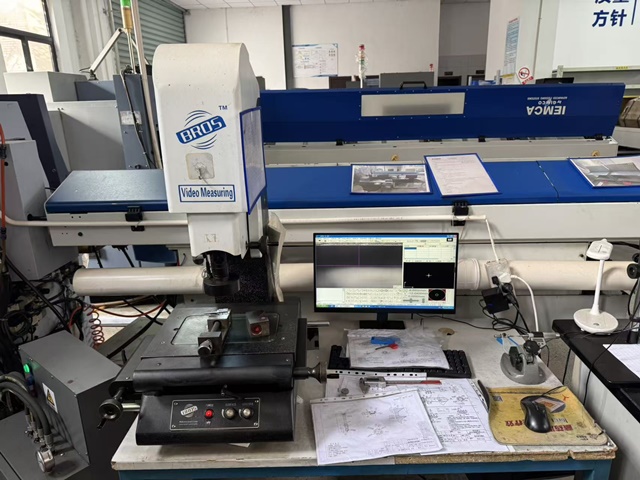
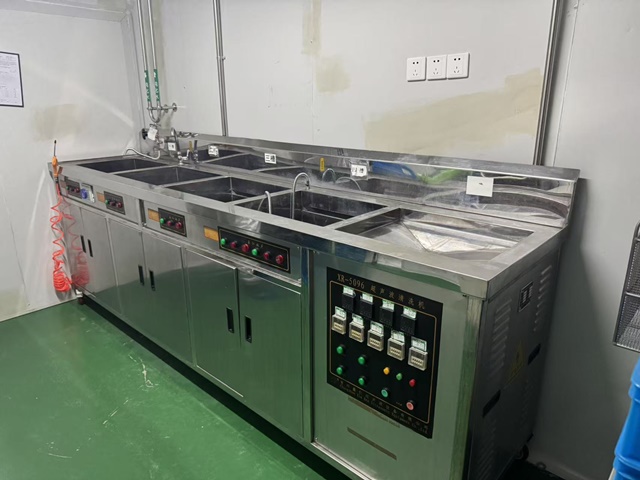
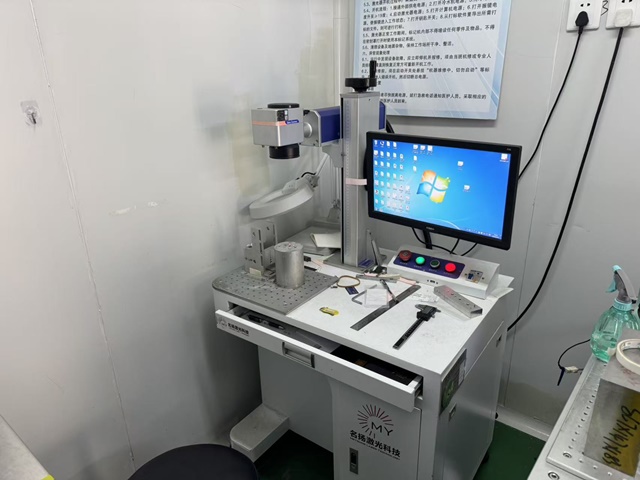
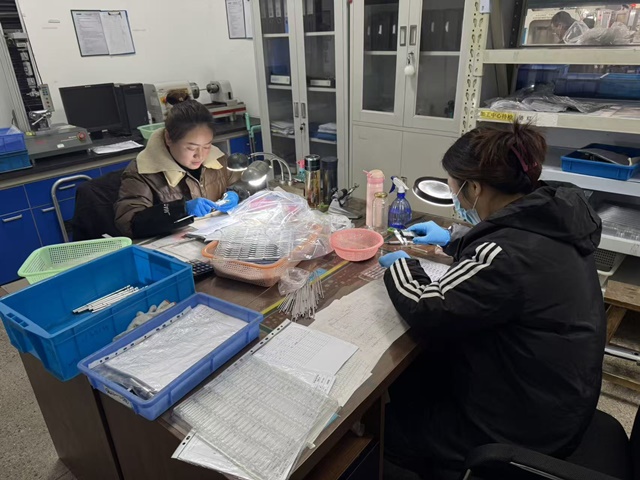
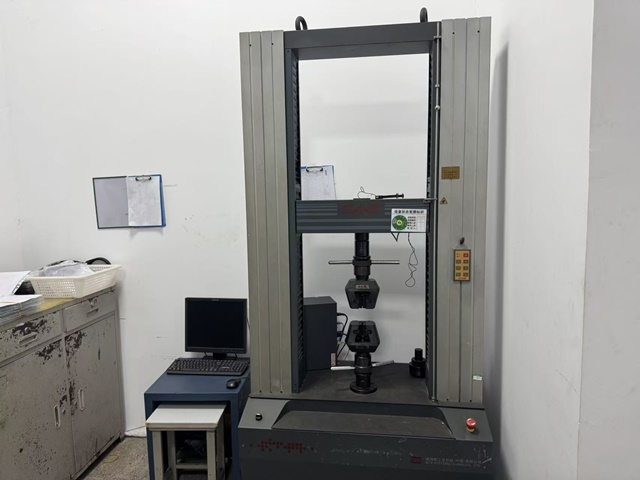
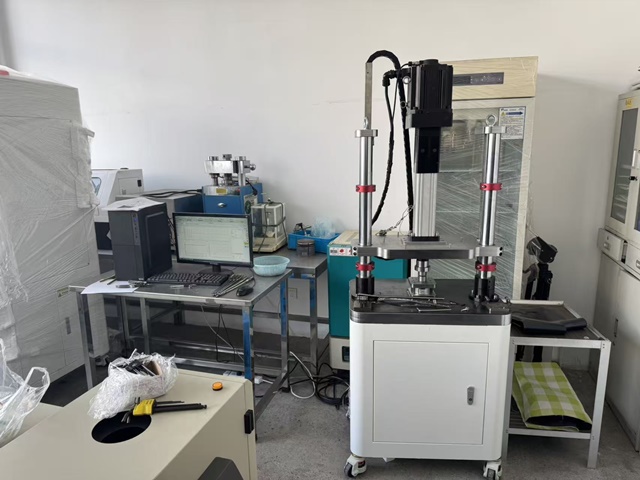
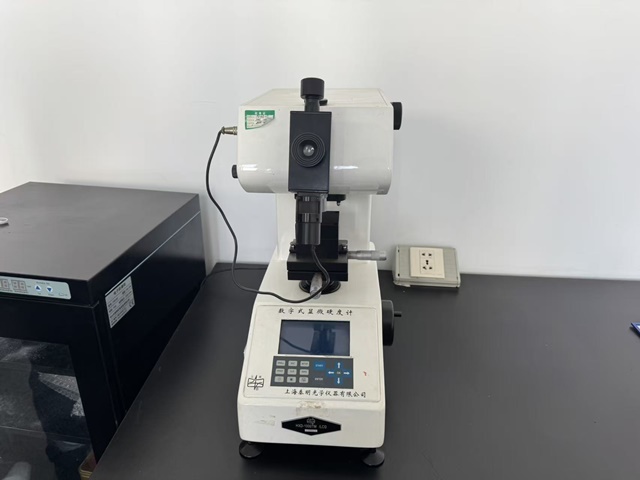
Our supply chain includes approximately 1,200 certified upstream and downstream partners, supporting stable production capacity. Quality assurance systems include ISO 13485 compliance, in-process inspections, and final random sampling. Our testing methods involve dimensional measurement, mechanical fatigue testing, and biocompatibility validation to meet international medical device standards.
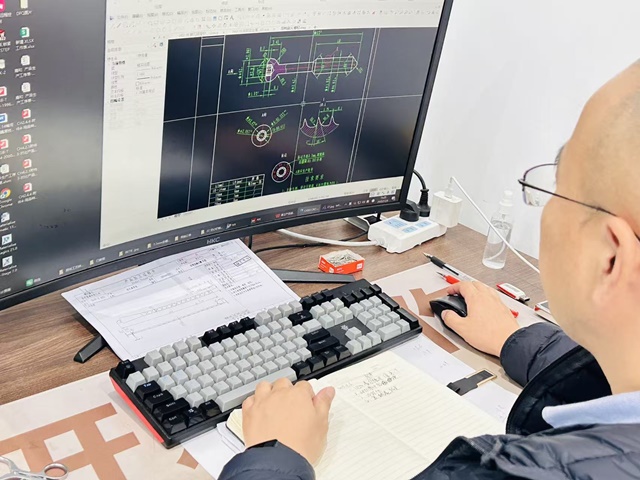
Additionally, Osteora's engineering team focuses on innovation in trauma fixation, spinal implants, and joint reconstruction. We offer comprehensive customization options, including OEM/ODM services, size variations, material customization, and private labeling. Last year, Osteora launched approximately 120 new products to meet evolving clinical needs.
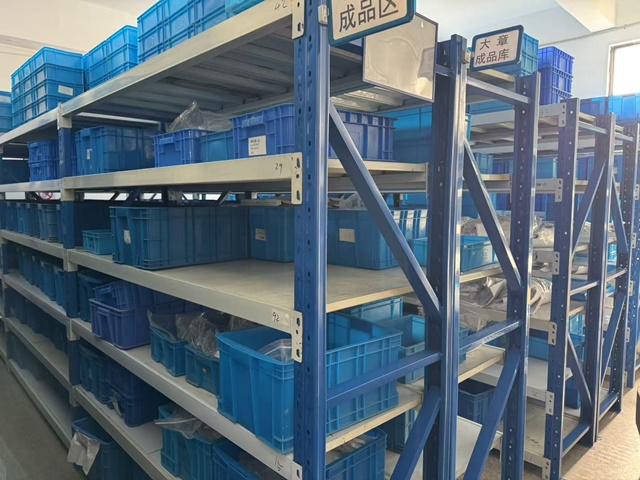
Take an inside look at our manufacturing processes and quality validation workflows.
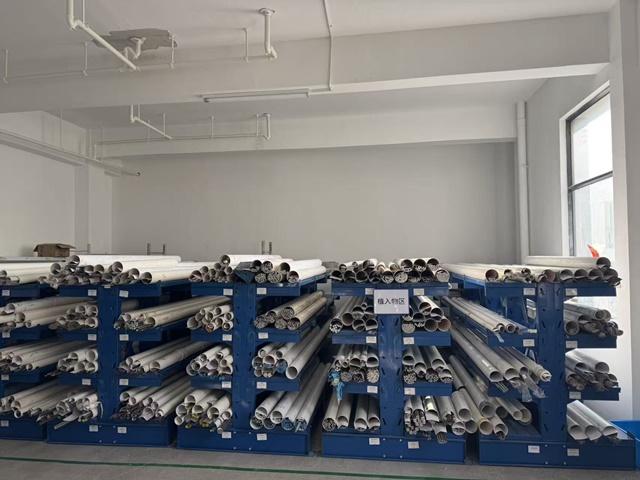
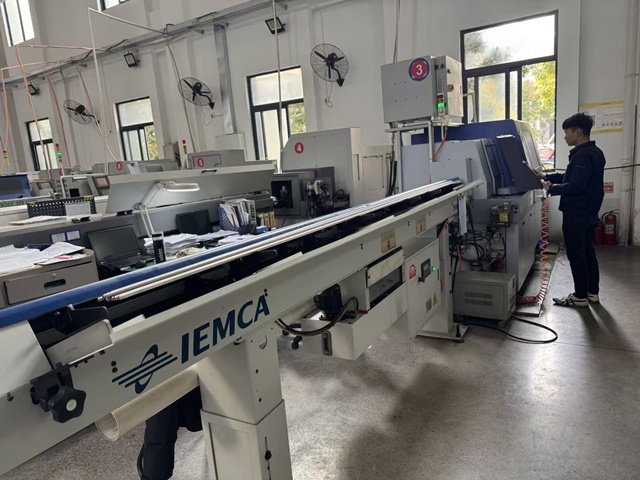
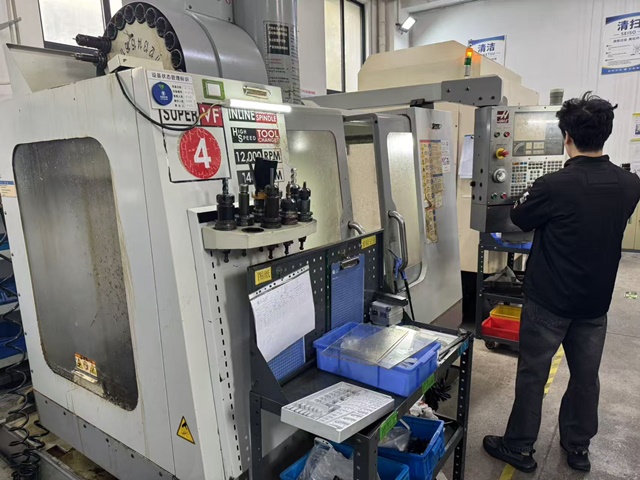
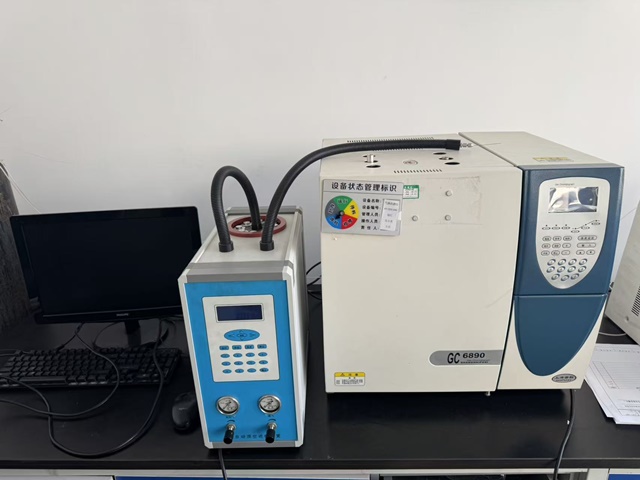
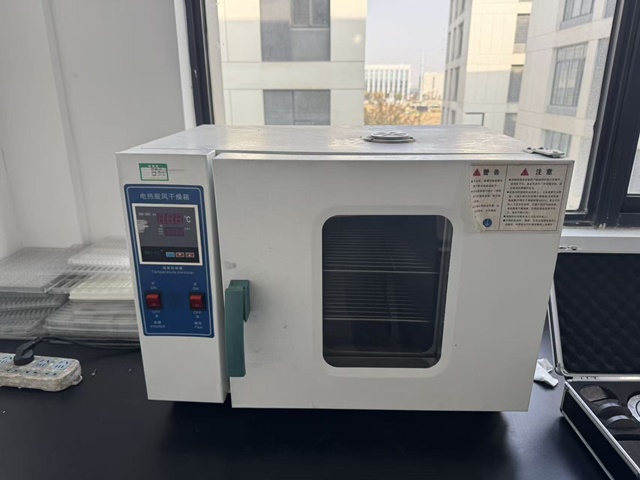
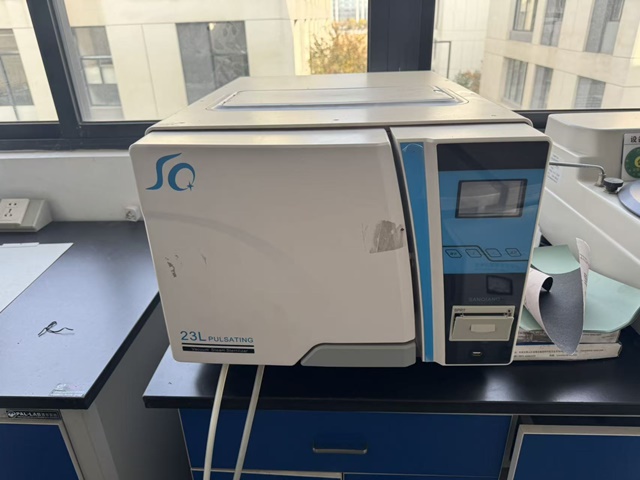
Tailoring trauma stabilization systems to meet the unique regional patient needs across Spain.
Regional Hubs: Madrid, Barcelona, Valencia, Seville.
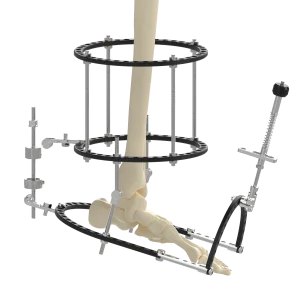
In major metropolitan areas, rapid fracture stabilization is critical for patients with high-energy injuries from traffic accidents. Our Hoffmann-compatible ankle and hybrid frames provide quick temporary stabilization in emergencies.
Key Focus: University Hospitals & Specialized Ortho Centers.
Treating congenital deformities, bone defects, and post-traumatic non-unions requires high precision. Our AO-style Ilizarov ring fixator systems allow for micro-incremental adjustments and physical reconstruction protocols.
Key Focus: Day Surgery Centers and Specialized Hand Units.
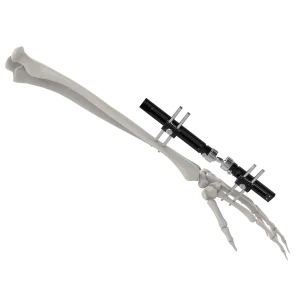
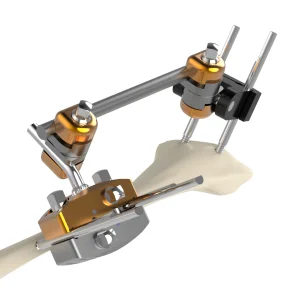
For complex hand and wrist fractures, miniature external fixators offer stable alignment without extensive internal metalwork, helping to minimize postoperative recovery times for patients.
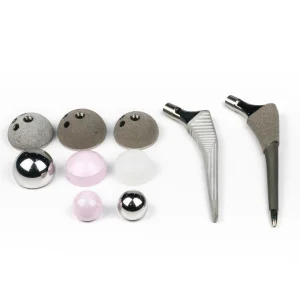
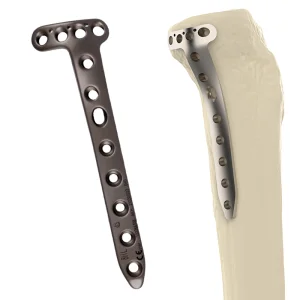
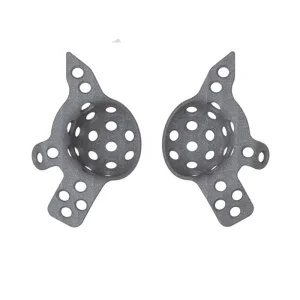
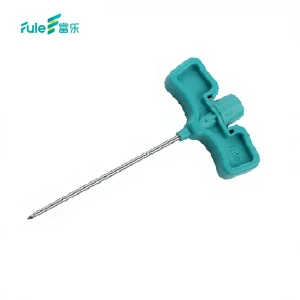
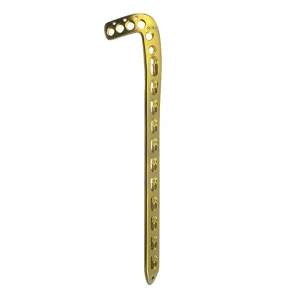
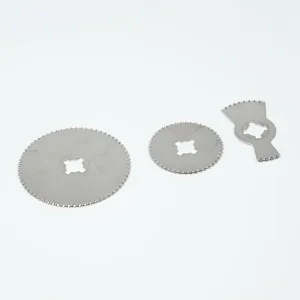
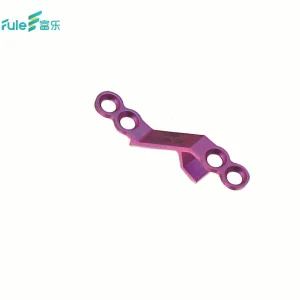
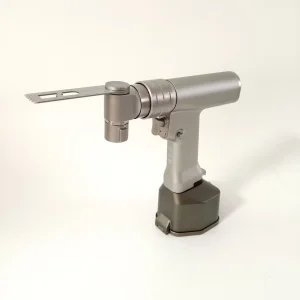
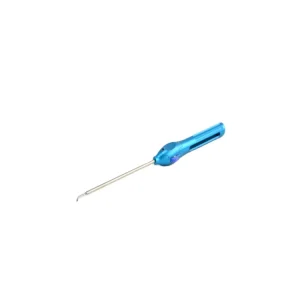
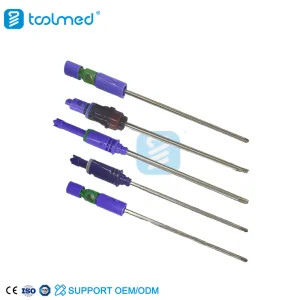
Extensive range of CE and ISO certified bone plates, joint replacement prosthesis systems, and arthroscopy instrumentation.
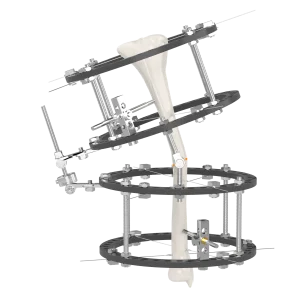
Ensuring streamlined logistical operations, regulatory compliance, and consistent supply lines for international distributors.
Technical and logistical insights for clinical procurement managers and medical distributors in Spain.
Contact our sales engineers today to receive technical specifications, catalog PDFs, and a detailed price quote.
Send Inquiry Now