Osteora
Osteora
Osteora
The Barcelona metropolitan area stands as one of Europe's premier biomedical and medtech clusters. Driven by a robust network of world-class clinical research hospitals—such as Hospital Clínic de Barcelona and Hospital Vall d'Hebron—the local Catalan market demands surgical instrumentation that satisfies strict clinical safety mandates, high mechanical resilience, and immediate logistics responsiveness.
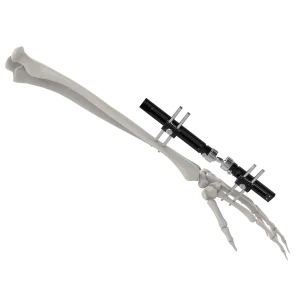
As global trauma demands shift towards modular, patient-specific orthopedic solutions, external fixation has emerged as the definitive modality for temporary stabilizing systems, complex limb reconstruction, and soft tissue preservation. In this white paper, we explore how cutting-edge external fixation manufacturers serve the Barcelona market, providing local distributors and public hospital buyers with compliant, high-performance implants that optimize patient recovery and lower the total cost of care.
Optimized for Spain's trauma centers, these systems feature advanced biomechanical profiles, compatibility with standard surgical techniques, and high-grade radiolucent component integration.
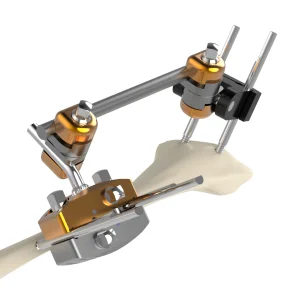
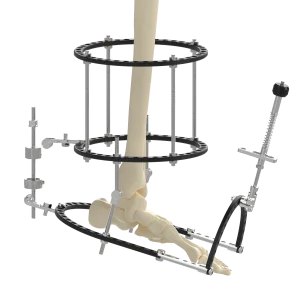
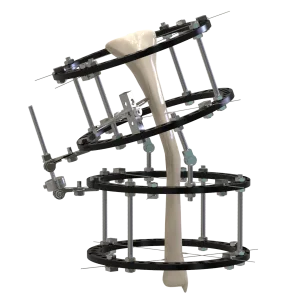
The international orthopedic implants market is currently undergoing critical transformations. Key trends targeting Spain and the broader European market include:
Combining the biomechanical stability of circular Ilizarov rings with the ease-of-use of linear rods. This is vital for complex periarticular fractures commonly managed at trauma units in Barcelona.
The implementation of carbon fiber composites and high-grade PEEK alloys ensures clear radiographic visualization during follow-ups, reducing artifacts under CT scans and standard X-ray imaging.
Reducing pin-track infection risk through optimized clamp configurations. Precision-engineered self-drilling and self-tapping pins protect the soft tissue structure, improving patient comfort.
Hospital buyers and medical distributors in Barcelona operate under strict EU Medical Device Regulations (EU MDR 2017/745). This has led to critical supply chain bottlenecks, as some traditional European manufacturers have discontinued lines due to compliance costs.
To mitigate these disruptions, global sourcing managers look for manufacturers with robust quality systems. Key sourcing requisites include:
Catalonia’s public health system (CatSalut) runs highly competitive tenders. Local distributors must balance high clinical standards with strict cost parameters. Partnering with a manufacturer offering comprehensive OEM/ODM capacities allows distributors to register products under localized proprietary labels, maintaining market exclusivity and high margins.
Osteora Medical Devices Co., Ltd. represents the new era of medical manufacturing—Factory 4.0. Integrating Swiss-type precision lathe systems with advanced mechanical testing platforms, Osteora guarantees consistent tolerances and uninterrupted delivery capacity for international markets.
Established in 2016, our facility stretches across 18,500㎡. We manage an active network of over 1,200 verified upstream and downstream supply partners, allowing us to maintain stable pricing and rapid production scalability, even when raw material markets fluctuate.
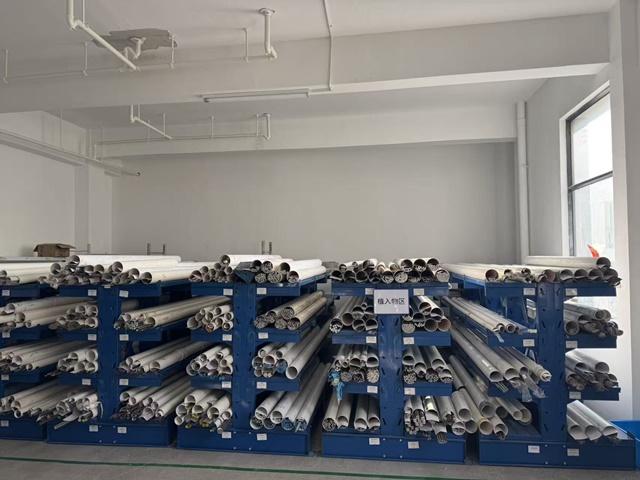
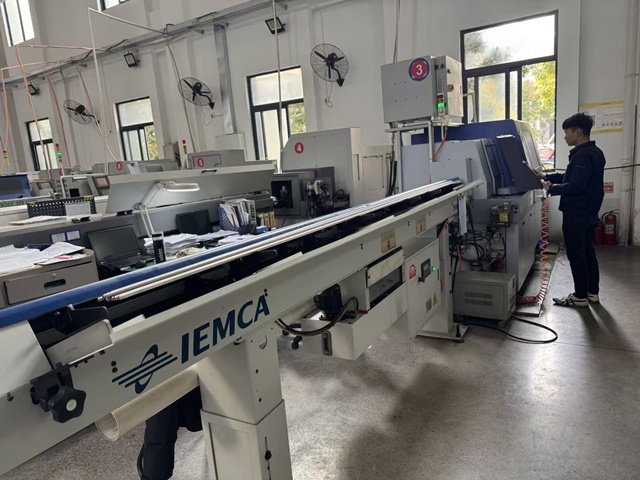
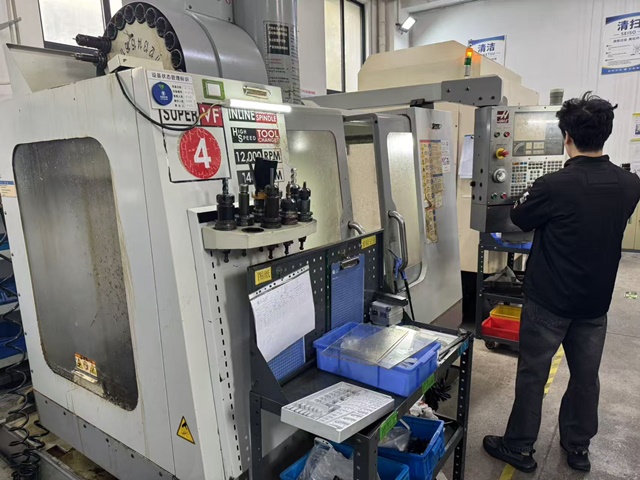
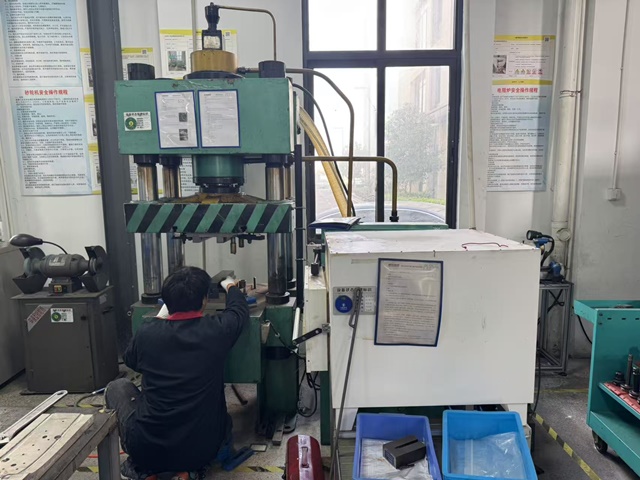
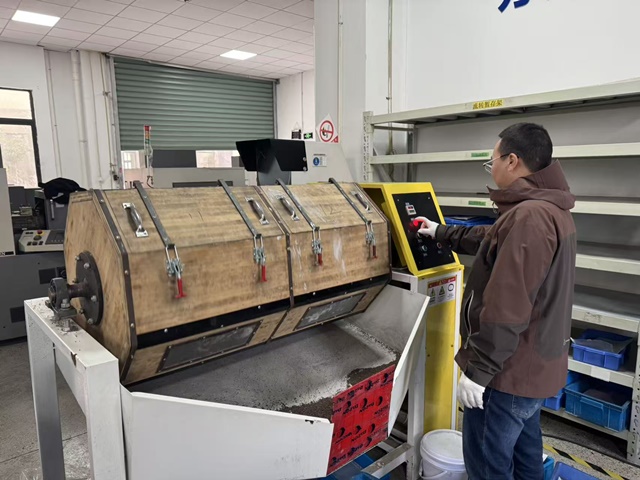
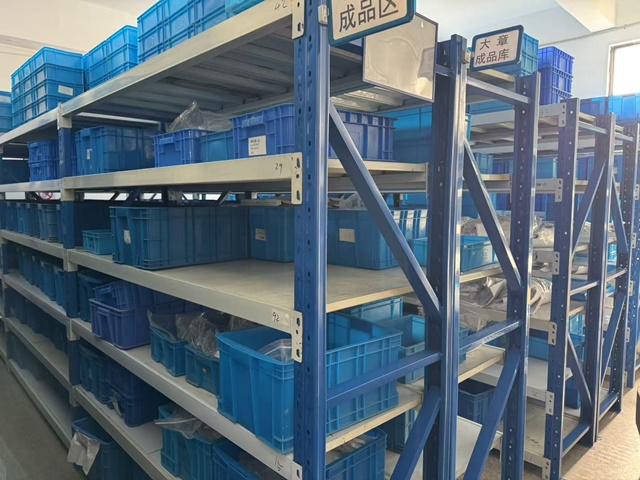
With 85 in-house R&D engineers, Osteora translates complex biomechanical blueprints into precise clinical solutions. Our hardware infrastructure includes multi-axis CNC machines and automated marking technologies to ensure perfect structural consistency.
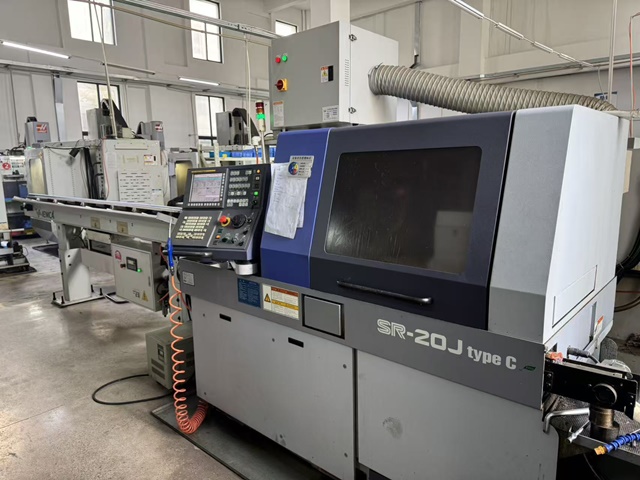
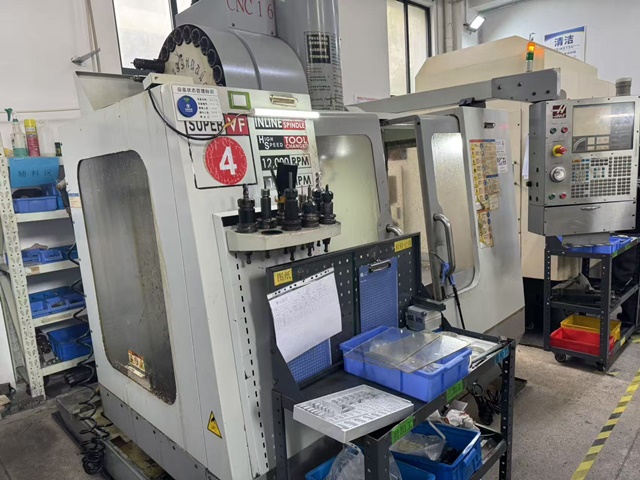
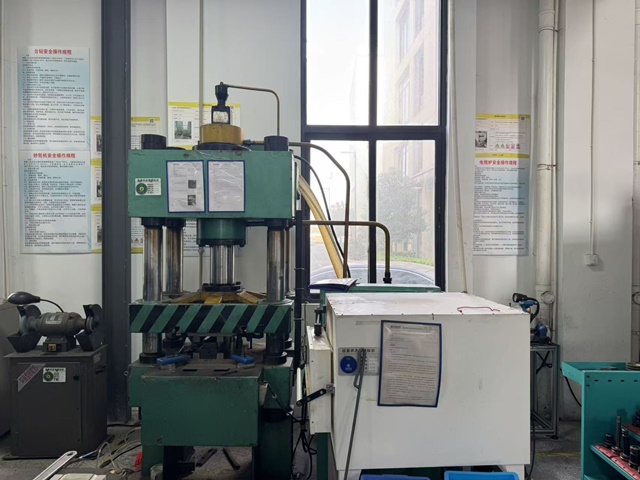
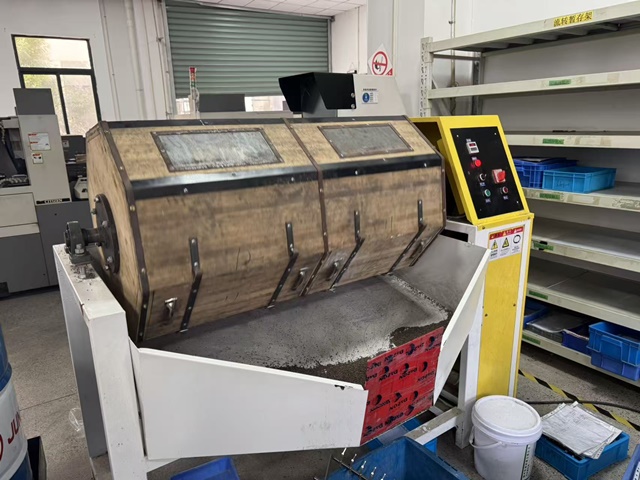
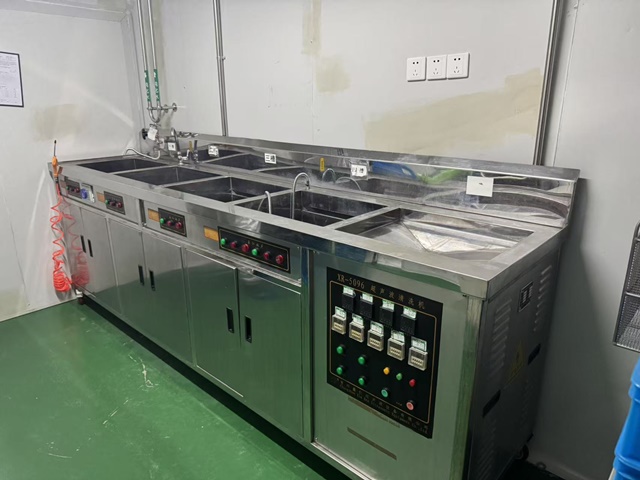
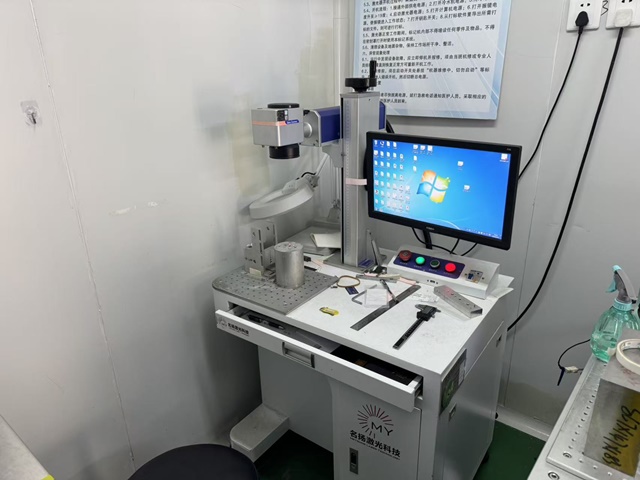
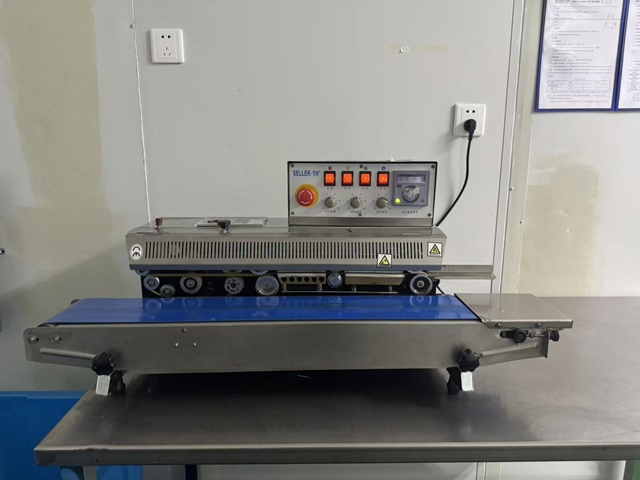
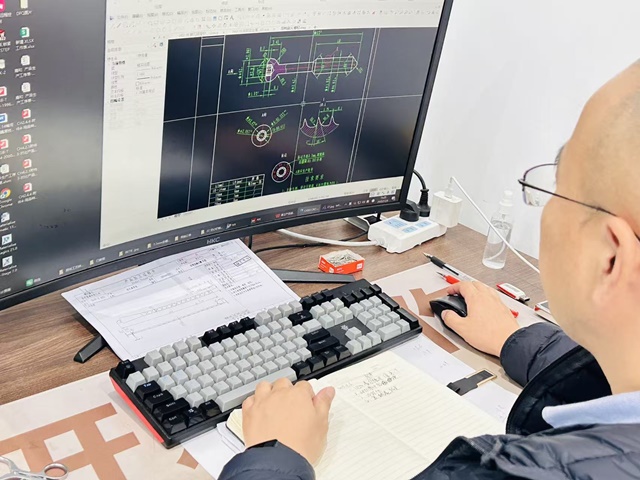
Quality assurance in medical device manufacturing cannot rely on statistical guesswork. Osteora deploys a specialized team of 42 QC inspectors using advanced mechanical and chemical verification systems to guarantee compliance with international standards (such as ASTM F136 titanium standards).
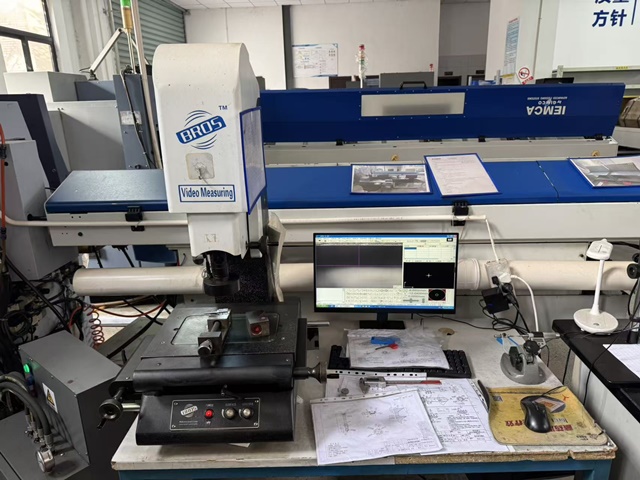
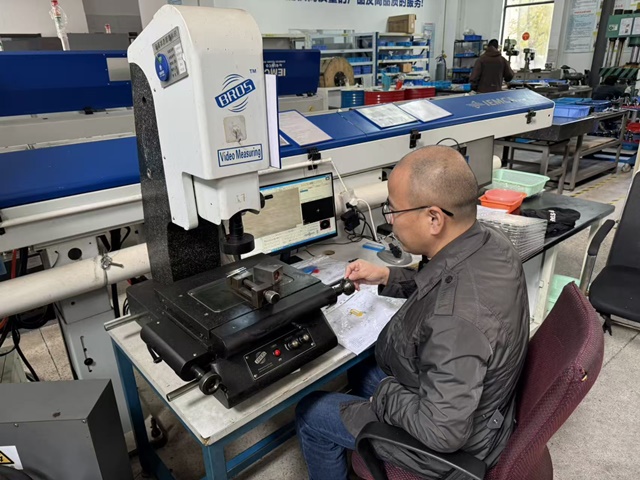
Optical automated measurement for sub-micron tolerances on screw threads and pin configurations.
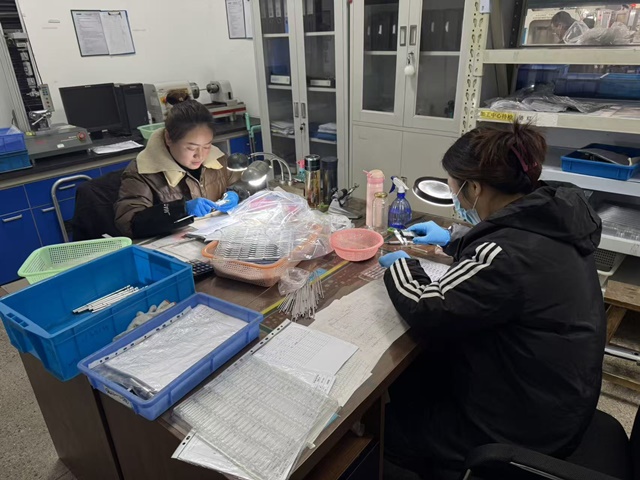
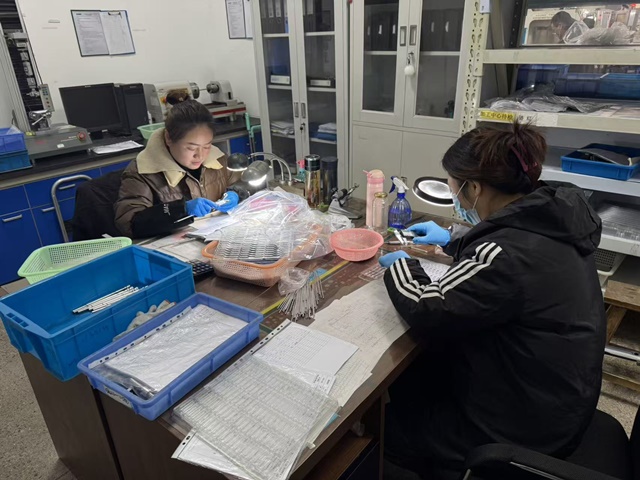
Two certified inspectors manually review every package to prevent any non-conformance exits.
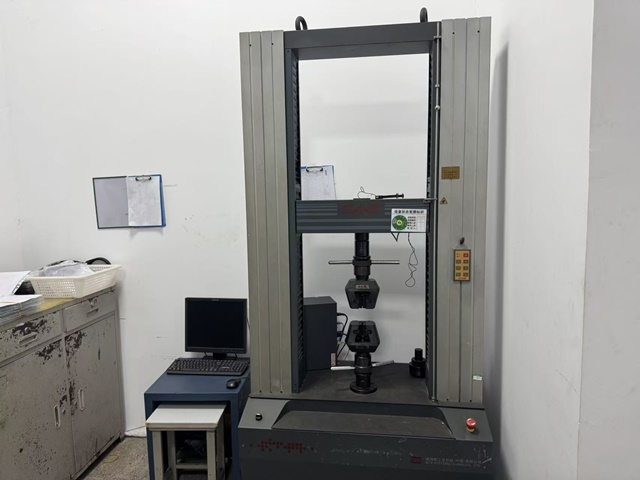
Stress-testing fixator clamps under cyclic loads using multifunctional mechanical testers.
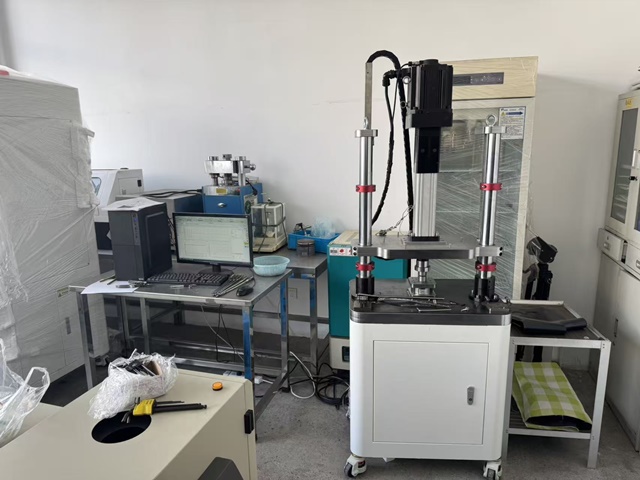
Evaluating structural yield points of linear struts and connecting rods to prevent structural collapse.
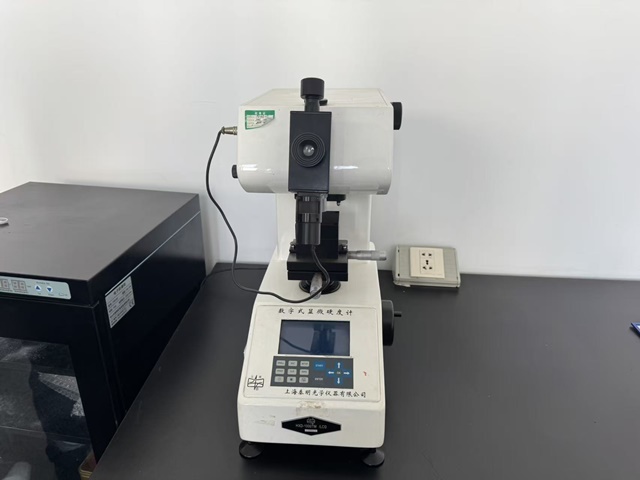
Vickers hardness testing to ensure heat-treatment protocols reach exact clinical specifications.
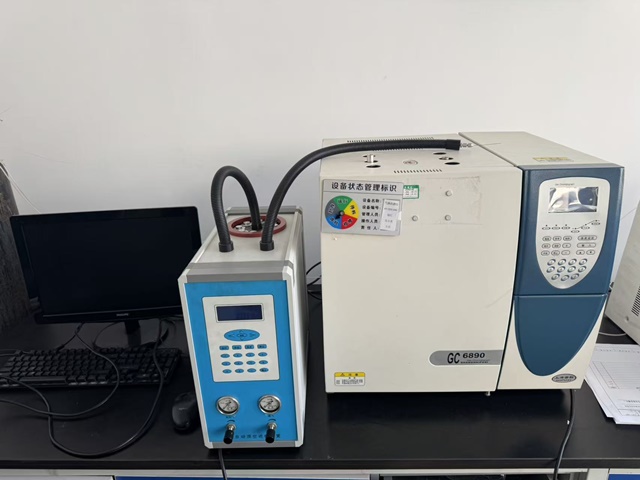
Analyzing raw titanium composition to verify trace gases remain within biocompatible bounds.
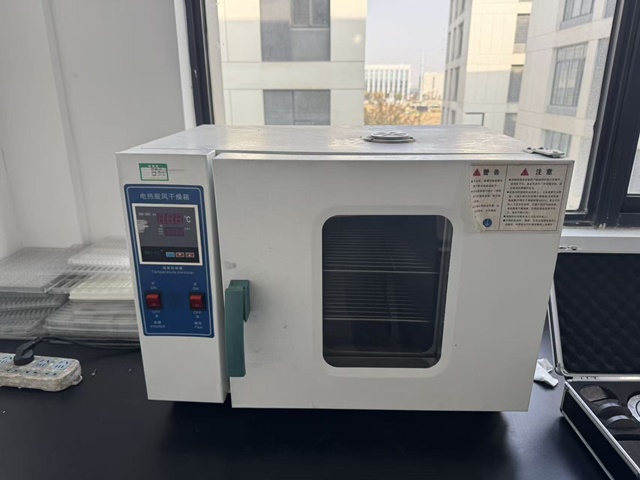
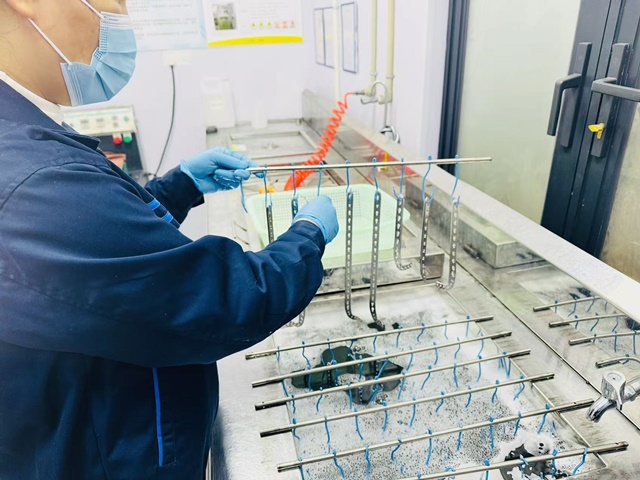
Industrial drying oven processing to guarantee absence of chemical contaminants post-wash.
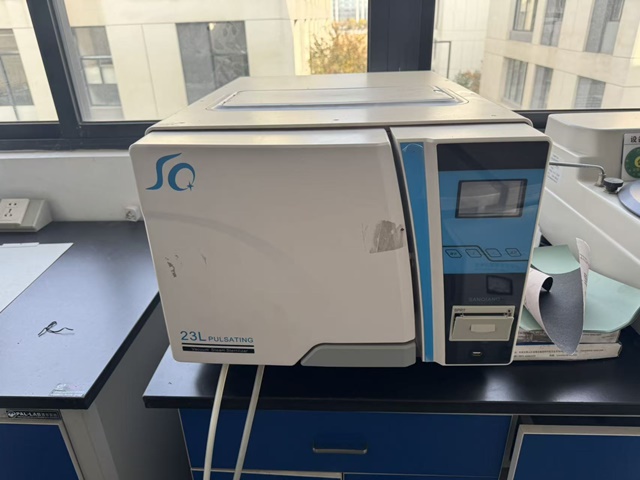
Subjecting orthopedic implant assemblies to dynamic cyclical stresses simulating patient walk cycles.
Traumatology units across Catalonia experience unique patient cohorts, requiring dedicated product variations:
Traffic incidents and high-velocity impacts require prompt temporary stabilization. Our Rapid-Assembly Bridging Fixators allow trauma teams to stabilize tibia and femur fractures in under 20 minutes in emergency suites.
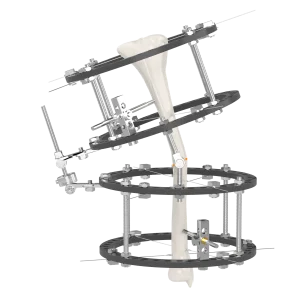
For non-unions, osteomyelitis, and congenital leg-length discrepancy, our Classic and Modernized Ring Fixators (Ilizarov type) provide micro-adjustability with stable axial translation.
A major demographic trend in Southern Europe is the aging population. Our specialized Hydroxyapatite-Coated Half-Pins prevent pin loosening in poor-quality, osteoporotic bone.
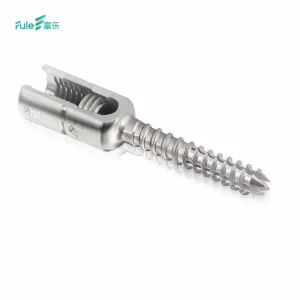
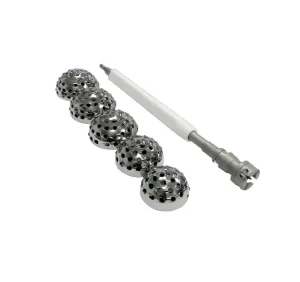
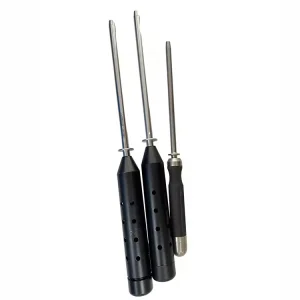
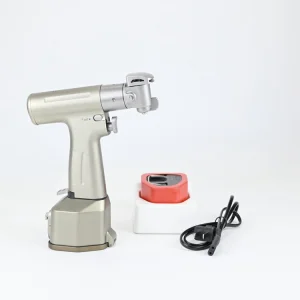
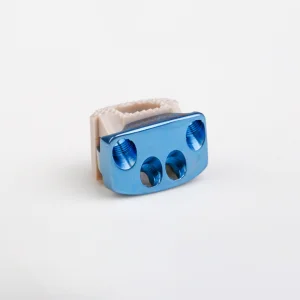
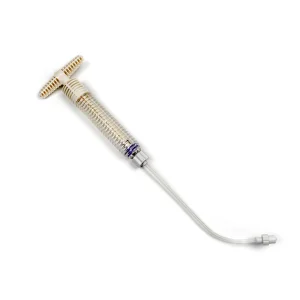
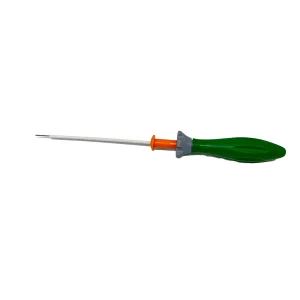
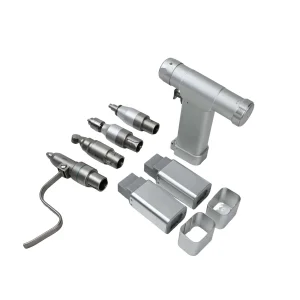
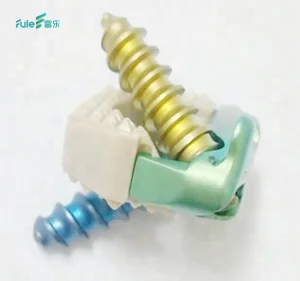
Explore our complete catalog of trauma, spine, joint reconstruction, and veterinary surgical components.
Find key answers on regulatory, logistics, and quality assurance processes for importing orthopedic devices into Spain.
Partner with an advanced Factory 4.0 medical manufacturer. Access high-compliance, cost-effective external fixation and spine implant systems built to meet EU regulations.