Osteora Osteora

External Fixation Manufacturer & Suppliers Serving Nagoya

High-Precision Orthopedic Trauma Fixators, Modular Systems, and Custom OEM/ODM Solutions Engineered for Nagoya's Elite Medical & Industrial Ecosystem.

Send Inquiry Now
Strategic Regional Alignment

Nagoya's Precision Industrial Base Meets Advanced Trauma Care

Nagoya, the industrial engine of the Chubu region, demands medical components that reflect its unmatched heritage in aerospace and precision mechanical manufacturing. In orthopedic surgery, especially complex trauma reconstruction requiring external fixation devices, stability and precise manufacturing tolerances are paramount.

Osteora Medical Devices Co., Ltd. serves the Nagoya healthcare system by supplying surgical-grade fixation devices designed for immediate clinical utilization. Bridging the gap between Nagoya's stringent quality expectations and global manufacturing efficiency, we supply direct-fit external fixators that integrate seamlessly into local clinical settings.

Whether addressing high-energy trauma at municipal hospitals or supporting localized clinical research hubs in Aichi, our instrumentation represents a union of engineering robustness and clinical agility.

18,500㎡
Modern Production Facility
12+ Yrs
Orthopedic Industry Expertise
85
In-House R&D Engineers
42
QA & Compliance Inspectors
Clinical Integrity

Engineering Efficacy in Trauma Fixation

Understanding the biomechanical challenges of tibial, femoral, and upper limb stabilization

Biomechanical Stability

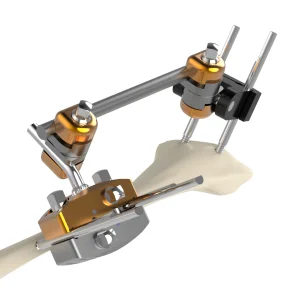
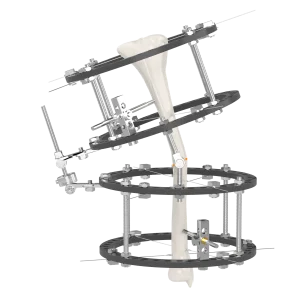
Our linear and hybrid LRS systems provide optimal rigidity under load, minimizing shear stress while promoting micro-motion to accelerate secondary bone healing.

Material Biocompatibility

Utilizing Medical Grade 5 Titanium (Ti-6Al-4V ELI) and carbon fiber composite rods, ensuring high strength-to-weight ratios and outstanding radiolucency during intraoperative imaging.

Modular Adaptability

Standardized pin-to-bar clamps and multi-pin configurations enable rapid construct customization, reducing operation room preparation times in emergency settings.

Facility Transparency

Standardized Orthopedic Production Lifecycle

Step-by-step documentation of our class-leading CNC fabrication, inspection, and sterile-packaging infrastructure
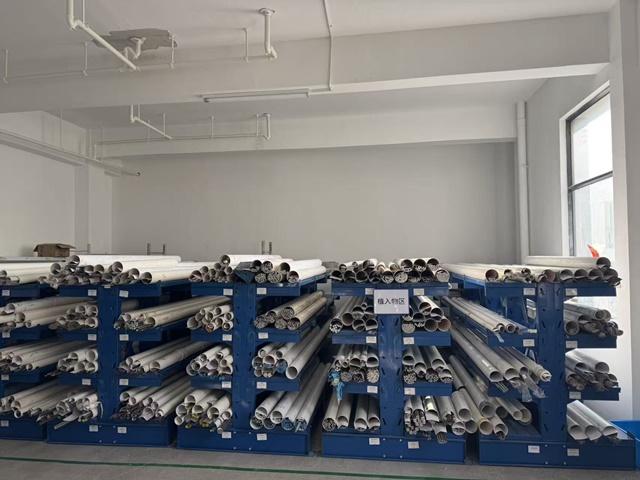
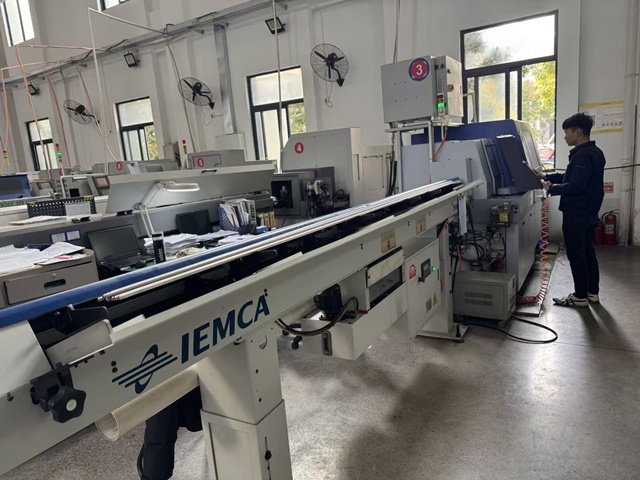
Raw Material Inspection
Step 01
Medical Raw Material Selection
Finishing Process
Step 02
Primary Finishing Process
Secondary Finishing
Step 03
Precision Milling & Finishing
Stamping Process
Step 04
Heavy-Duty Stamping
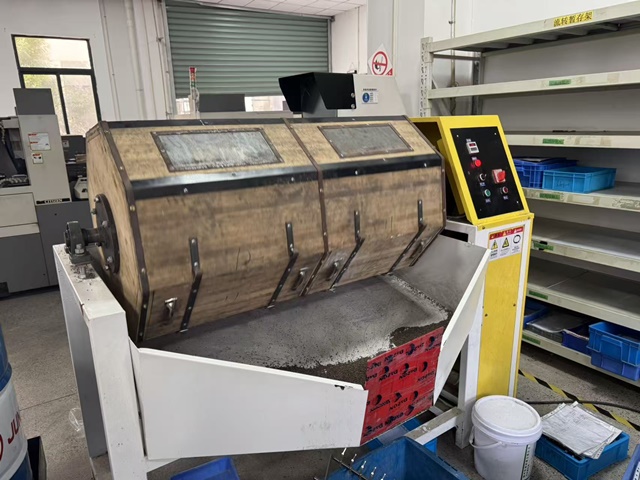
Grinding Process
Step 05
Surface Grinding & Smoothness
Checking Process
Step 06
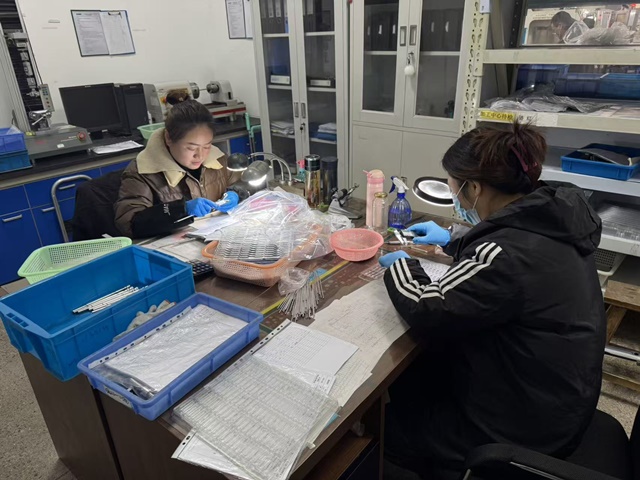
Manual Dimension Checking
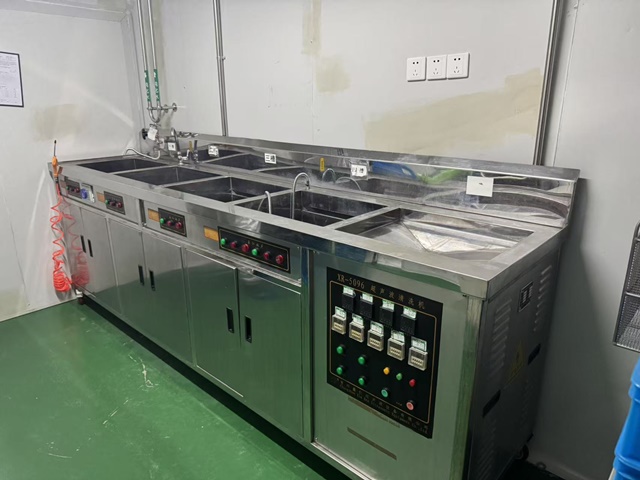
Cleaning Process
Step 07
Ultrasonic Cleaning Stage
Inspecting Process
Step 08
Comprehensive Quality Inspection
Packing Process
Step 09
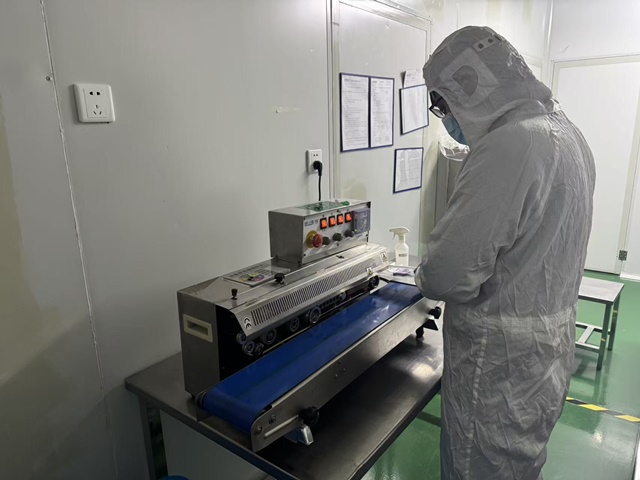
Dust-free Room Packing
Storehouse
Step 10
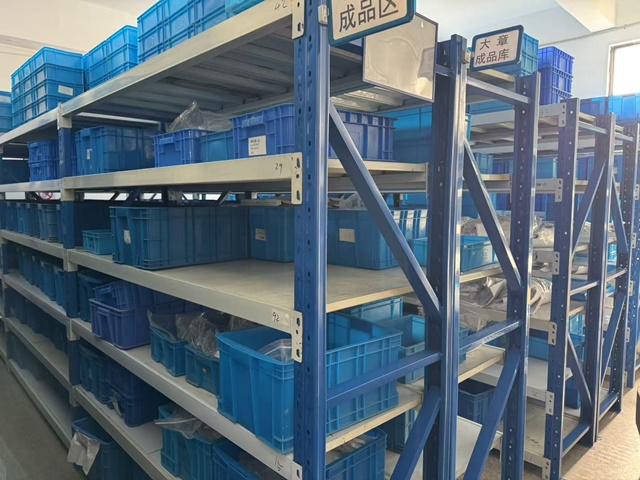
Inventory Control & Warehouse
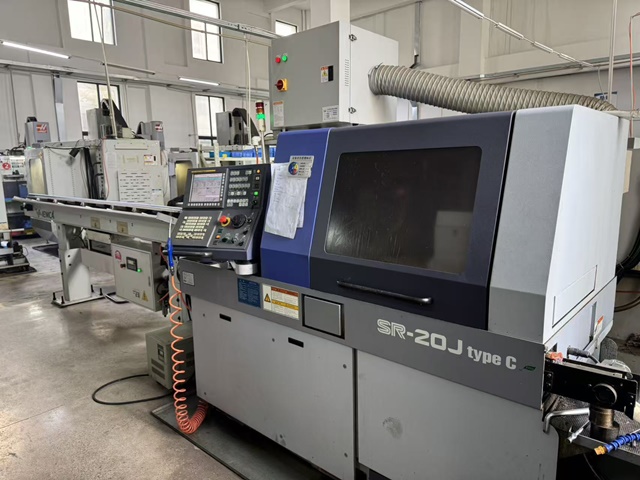
Swiss-type Lathe
Step 11
Swiss-type Lathe Operations
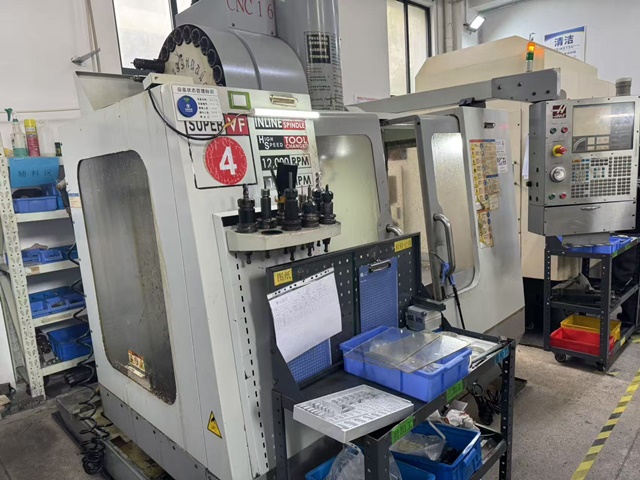
HAAS CNC
Step 12
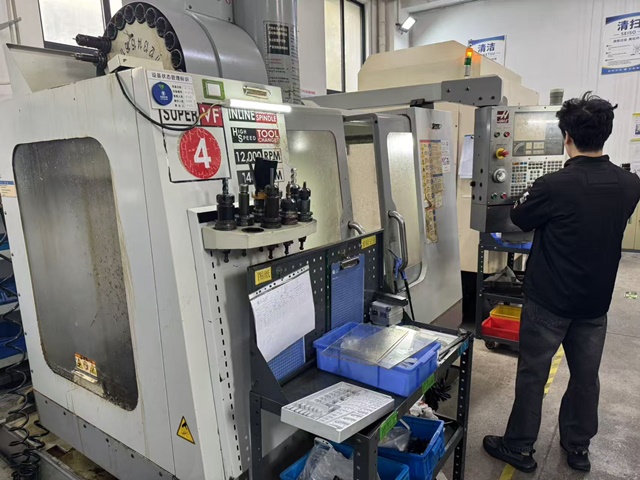
Precision HAAS CNC Centers
Zero-Tolerance Quality Control

Advanced Machinery & Verification Systems

How we ensure mechanical fatigue resistance, dimension control, and biocompatibility safety
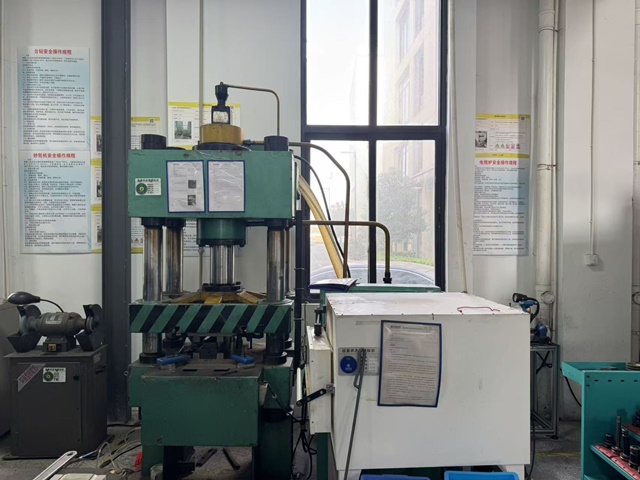
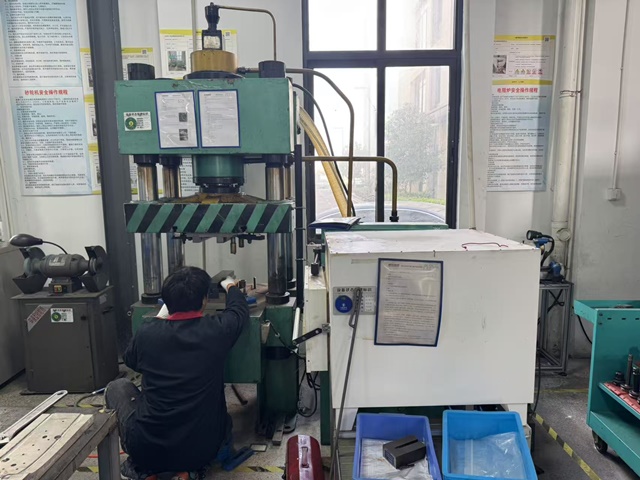
Stamping Machine
Production Equipment
Industrial Stamping Machine
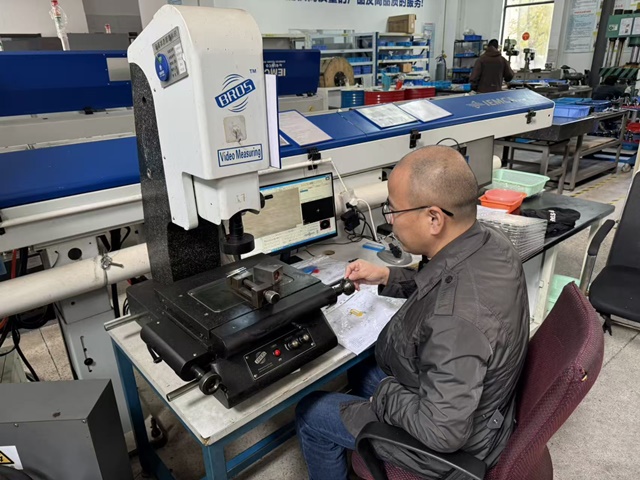
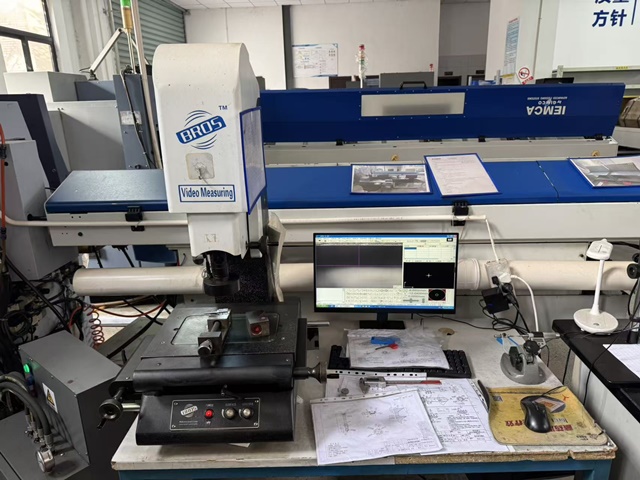
Vision Measuring Instrument
Verification
Precision Vision Measuring Instrument
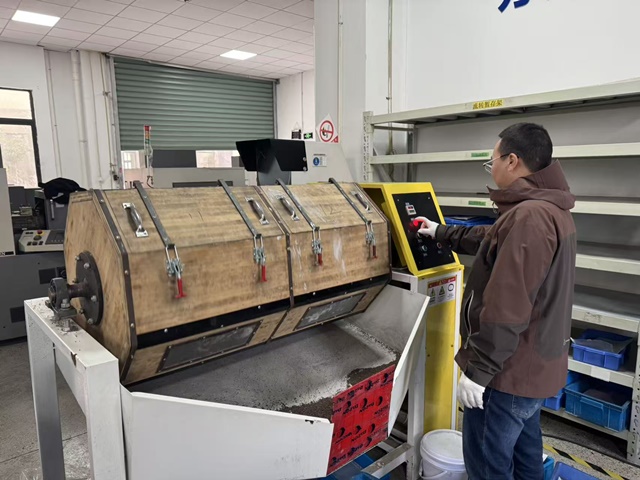
Grinding Machine
Production Equipment
Automatic Grinding Machine
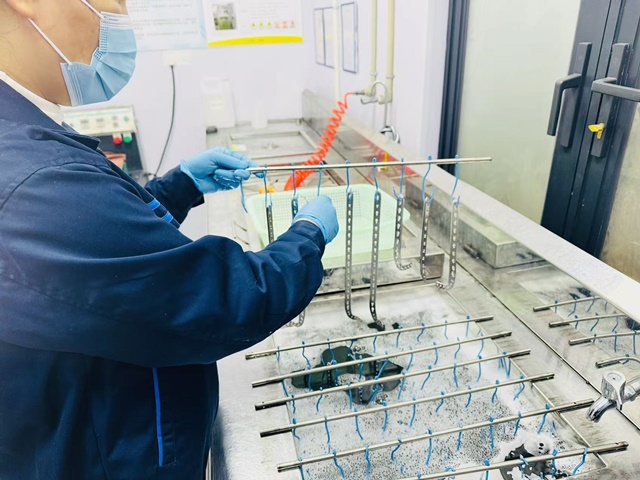
Cleaning Machine
Production Equipment
Ultrasonic Cleaning Equipment
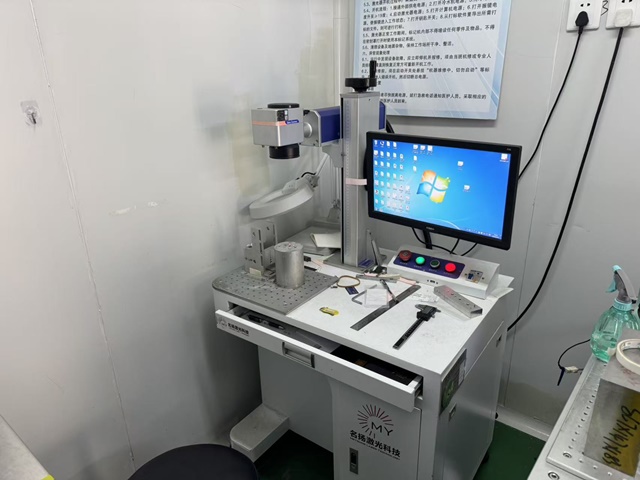
Laser Marking Machine
Post-Processing
Fibre Laser Marking Machine
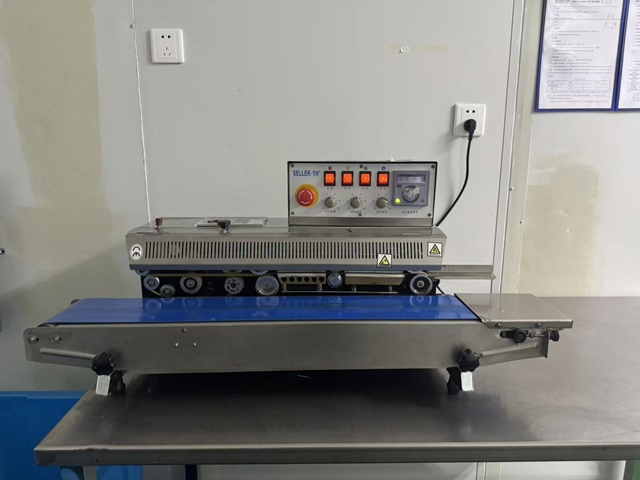
Packing Machine
Packaging
Intelligent Packaging Machine
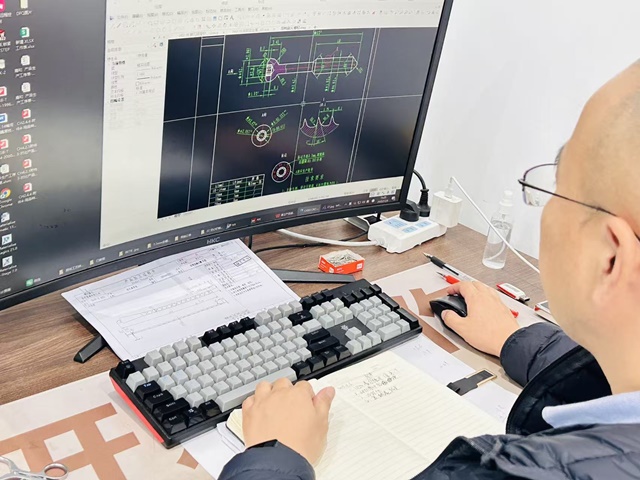
Designer Drawing
R&D
CAD/CAM Orthopedic Product Designing
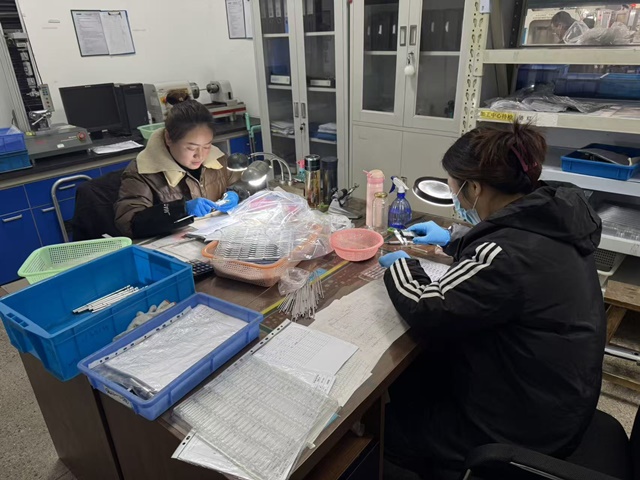
2 inspectors final inspection
Validation
Double Inspector Verification Team
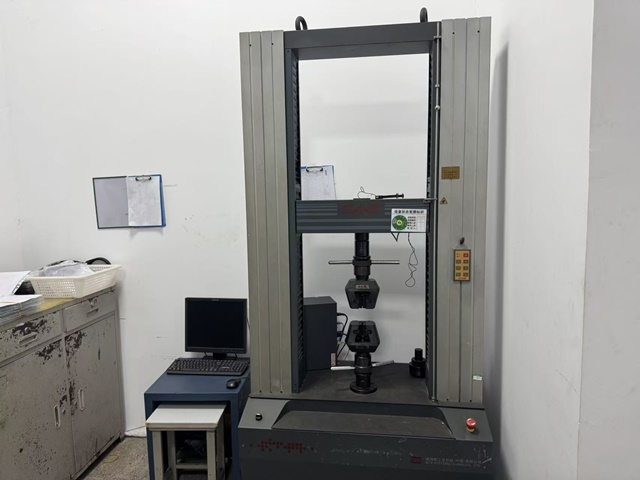
Multifunctional Mechanical Testing Machine
Fatigue Testing
Multifunctional Mechanical Testing
Mechanical Testing Machine
Fatigue Testing
Mechanical Axial Testing Machine
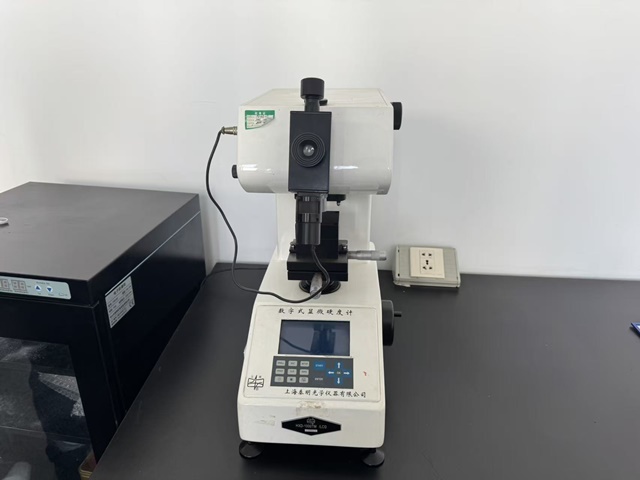
Vickers Hardness Tester
Material Science
Vickers Micro Hardness Tester
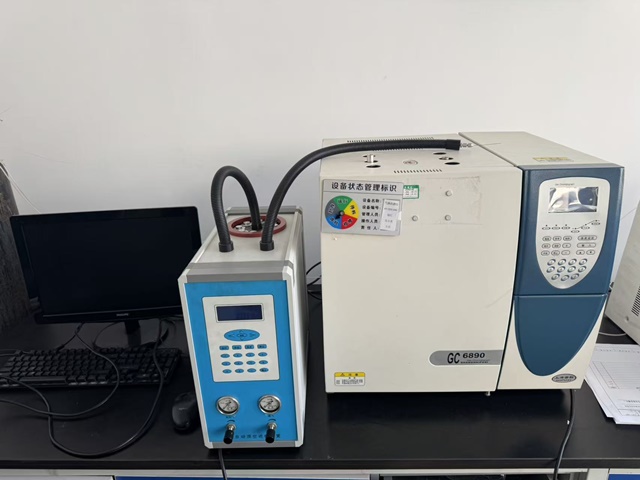
Gas Spectrometer
Material Science
Emission Gas Spectrometer Analysis
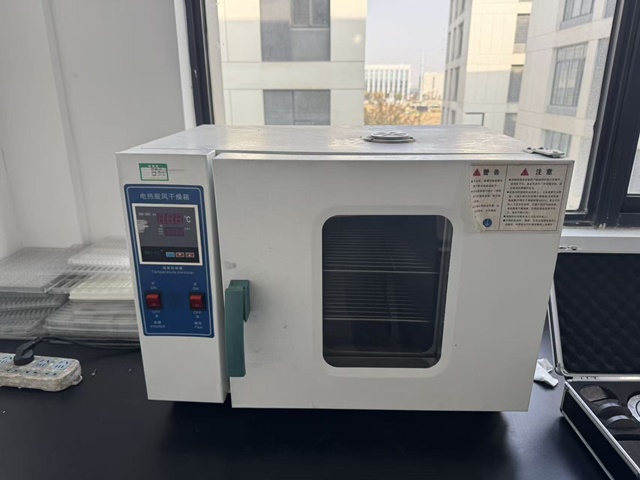
Drying Oven
Sterilization prep
Thermostatic Industrial Drying Oven
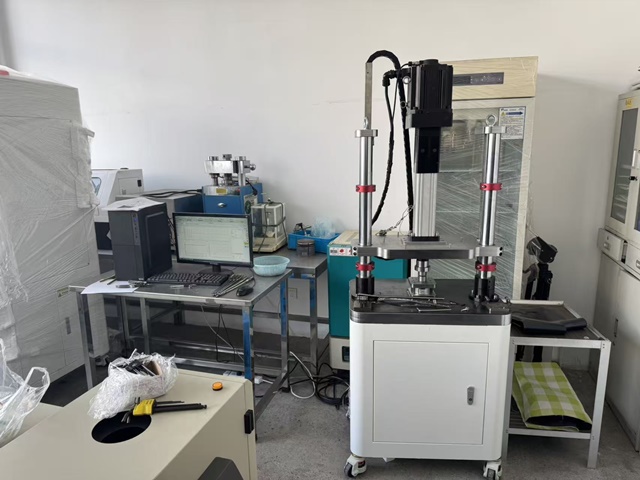
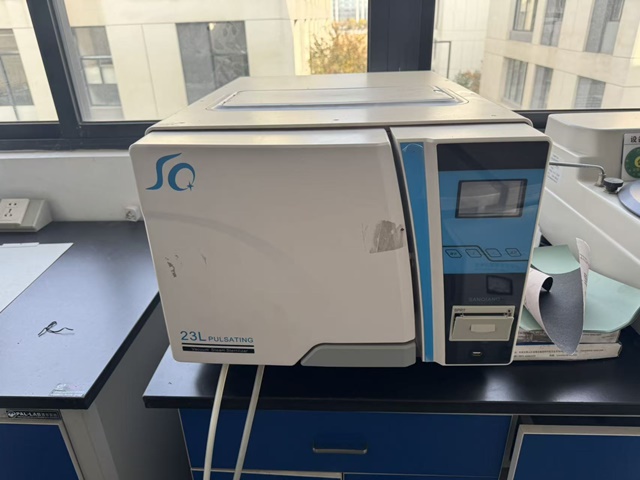
Pulsating Machine
Dynamic Stress
Pulsating Load Cycle Testing Machine
Industry Insight

Orthopedic Fixation Roadmap (2025 - 2030)

Evaluating future technical transitions in skeletal stabilization and bone tissue engineering

The global orthopedic market is undergoing a rapid evolution, moving away from simple static fixation constructs toward intelligent, load-sharing biological systems. For procurement managers and clinical directors in Nagoya's leading healthcare facilities, understanding this roadmap is crucial for long-term clinical excellence.

1. Transition to Smart External Fixation

Future external fixators will incorporate micro-electromechanical sensors (MEMS) capable of tracking axial loads and patient compliance in real-time. By feeding strain data directly into mobile platforms, physicians can monitor patient recovery non-invasively, optimizing the schedule for frame dynamization and ultimate hardware removal.

2. Advanced Anti-Infective Nanocoatings

Pin-tract infection remains one of the primary complications of external skeletal fixation. Our ongoing R&D initiatives focus on introducing silver-nanoparticle and hydroxyapatite (HA) multi-layered coatings on titanium pins. This dual-action coating maximizes osteointegration at the cortical bone interface while preventing bacterial biofilm formation along the transcutaneous tract.

3. Customized 3D-Printed Reconstruction Frames

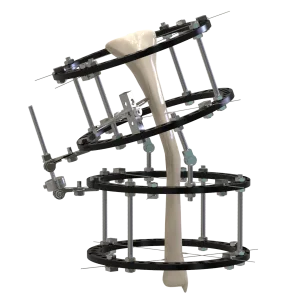
In cases of severe bone defects or complex deformity corrections, off-the-shelf ring fixators sometimes fall short. The future lies in patient-specific carbon-fiber reconstruction modules designed directly from patient CT scans, allowing customized mechanical trajectories that mimic the anatomical distribution of physical forces.

Strict Conformity & Global Regulatory Frameworks

At Osteora, we recognize that export quality is validated by regulatory compliance. Our complete manufacturing process is compliant with ISO 13485 regulations. With an annual export volume ranging from USD 6 million to USD 14 million, we routinely secure registrations in highly demanding regulatory territories including Europe, South America, and across Southeast Asia.

Our quality assurance pipeline includes 42 designated inspectors performing continuous dimensional audits, fatigue verification, and spectrometer composition verification on every incoming batch of raw medical alloy.

Product Catalog

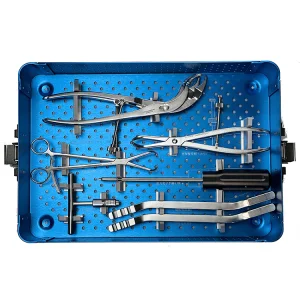
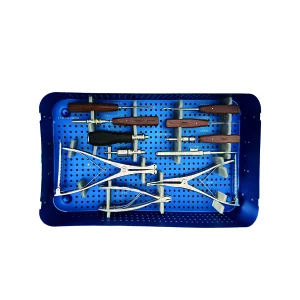
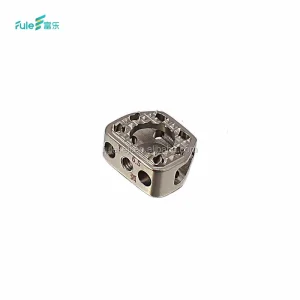
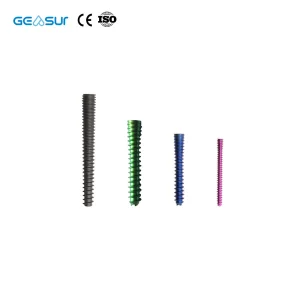
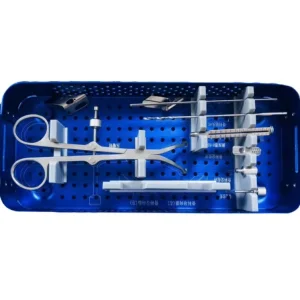
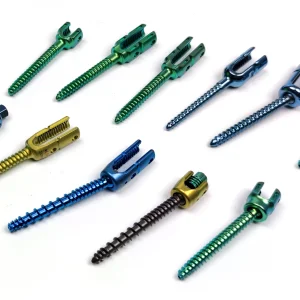
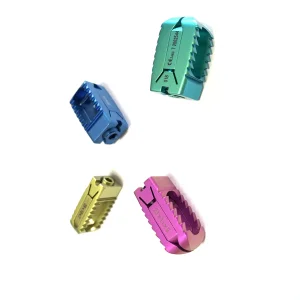
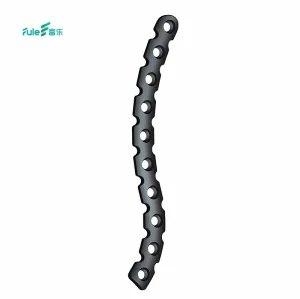
Trauma Plating, Spine Cages & Complete Instrument Sets

Reliable implant solutions designed for comprehensive orthopedic trauma management
Knowledge Base

Frequently Asked Questions

Technical and regulatory queries regarding external fixation systems supply for Nagoya partners
What materials are used in Osteora's external fixation rods and pins?
Our fixator rods are manufactured using carbon fiber reinforced polymer composites to provide optimal radiolucency and high stiffness-to-weight ratio. The bone pins and transfixion screws are fabricated from biocompatible Titanium Alloy (Ti-6Al-4V ELI) conforming to ASTM F136 standards, ensuring minimum tissue reaction and maximizing bone-to-pin mechanical interlocking.
How does Osteora handle OEM/ODM customization requests for Japanese distributors?
With our 85 in-house R&D engineers, we offer full design-to-manufacture customization services. This includes specific dimension variations, modified clamping mechanics, unique surface finishes, and private labeling. We work closely with clinical teams in regions like Nagoya to adapt instrumentation sets to fit localized surgical styles and sterilization tray layouts.
What quality assurance systems are implemented in your 18,500㎡ facility?
Our manufacturing operates strictly under ISO 13485 certification. Every production cycle includes rigorous quality gates: 100% optical inspection of thread dimensions, Vickers hardness testing to verify alloy structural integrity, and dynamic fatigue testing on our pulsating load cycle machinery to simulate in-vivo weight-bearing forces.
Can your external fixators be combined with third-party stabilization systems?
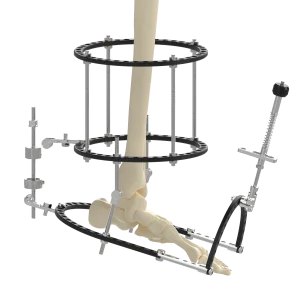
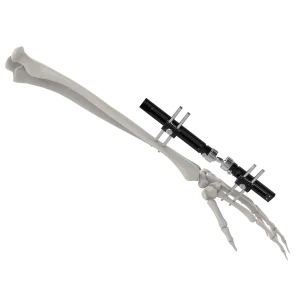
Yes, our modular systems are designed to be universally compatible with international standards. For example, our ankle and wrist external fixators are engineered to interface directly with Hoffmann-style and AO-style pins and rods, enabling trauma surgeons to easily integrate our hardware into existing hospital inventories.
What is the typical shipping turnaround time for medical distributors in Nagoya?
Standard stocked catalog systems are dispatched within 5-7 business days via reliable global logistics channels (DHL, Fedex). Custom OEM or bulk inventory orders are structured through predefined batch production protocols, with typical delivery timelines ranging from 30 to 45 days, backed by a robust supply chain involving 1,200 certified logistics and component partners.