Osteora
Osteora
Osteora
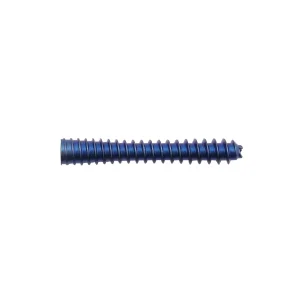
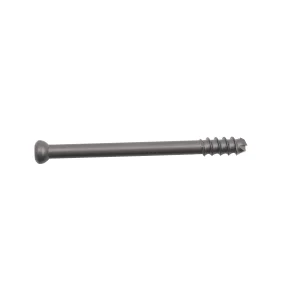
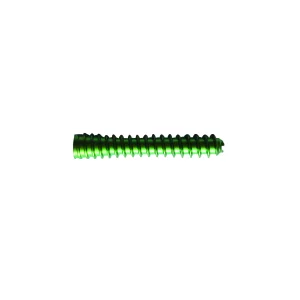
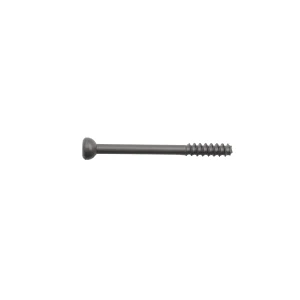
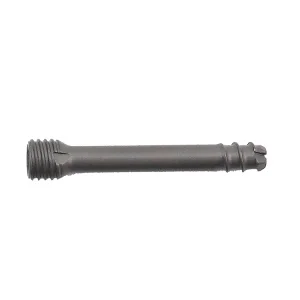
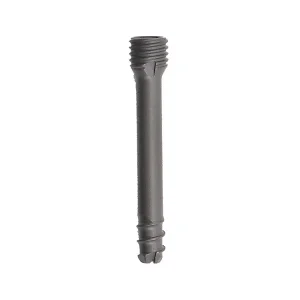
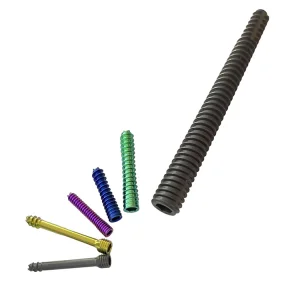
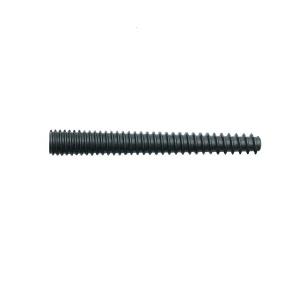
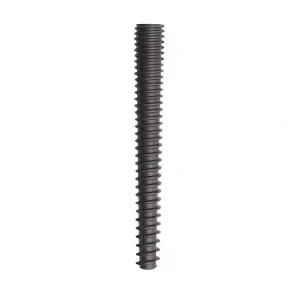
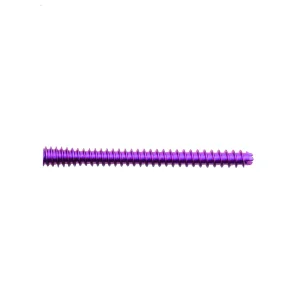
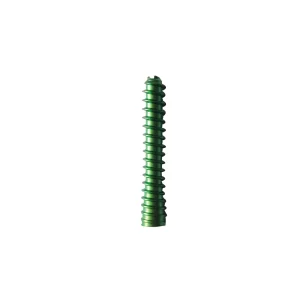
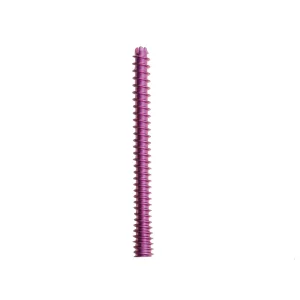
Precision engineered cannulated screw designs engineered for surgical excellence, hospital usage, and rigid fracture fixation.
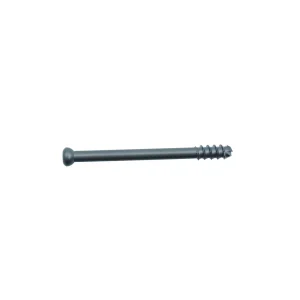
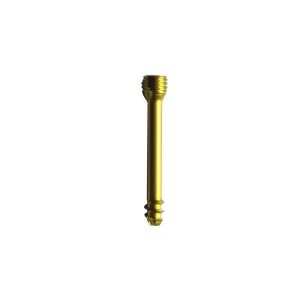
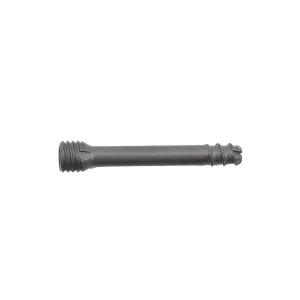
Under the visionary guidelines of Oman Vision 2040, the Sultanate of Oman is undergoing a massive structural transformation in its healthcare sector. The Ministry of Health (MoH) is aggressively expanding regional referral networks, investing heavily in state-of-the-art trauma centers, municipal hospitals, and specialized clinics across governorates from Muscat to Dhofar. Major healthcare institutions such as Khoula Hospital (Muscat's primary trauma center), Sultan Qaboos University Hospital, and the newly upgraded regional medical facilities in Sohar, Salalah, and Nizwa require a steady, highly regulated supply of Class III surgical implants.
This rapid hospital expansion directly correlates with a rising demand for specialized internal fixation materials. Cannulated screws—widely recognized for their hollow shafts that fit precisely over guide wires—have become the clinical benchmark for minimally invasive fracture fixation. These implants are essential for delicate procedures such as femoral neck fractures, talus and calcaneus reconstruction, and articular surface stabilization, minimizing tissue disruption and speeding recovery times for Omani patients.
Understanding the mechanics, geometry, and metallurgical innovations driving modern internal bone fixation.
In modern orthopedic biomechanics, the performance of cannulated compression screws relies on two critical pillars: geometry and material science. To prevent mechanical failure and ensure rapid osseointegration, manufacturers utilize medical-grade titanium alloy (Ti-6Al-4V ELI) and implant-grade stainless steel. The hollow core design enables surgeons to insert guide wires percutaneously under fluoroscopic guidance, dramatically decreasing operative exposure, reducing blood loss, and lowering infection risk.
Current developments focus on optimizing the thread pitch and depth ratio. The dual-thread design, commonly featured in Herbert-type headless compression screws, delivers uniform interfragmentary compression. By utilizing a leading thread and trailing thread with mismatched pitch, the screw naturally drives fracture fragments together as it advances, eliminating the need for a traditional screw head that might otherwise cause soft-tissue irritation or articular damage.
Furthermore, self-tapping and self-drilling tip configurations reduce surgical steps and minimize the generation of thermal necrosis in the surrounding cortical bone during insertion. For Omani medical professionals, these design elements translate directly to shortened surgical run-times, lower post-operative complications, and enhanced clinical outcomes.
A globally trusted orthopedic implant and surgical solution manufacturer serving hospitals, clinics, and distributors.
Osteora Medical Devices Co., Ltd. is a professional orthopedic implant and surgical solution manufacturer specializing in trauma, spine, and joint reconstruction systems under the brand Osteora.
Founded in 2016, the company has developed a strong reputation in the global orthopedic industry through continuous innovation and strict quality control standards. The facility covers an area of approximately 18,500㎡, supporting integrated production, assembly, and testing operations.
With 8 years of export experience and 12 years of industry expertise, Osteora has established stable cooperation with international distributors and hospitals across multiple regions. Annual export revenue ranges from USD 6 million to 14 million, reflecting steady global market growth.
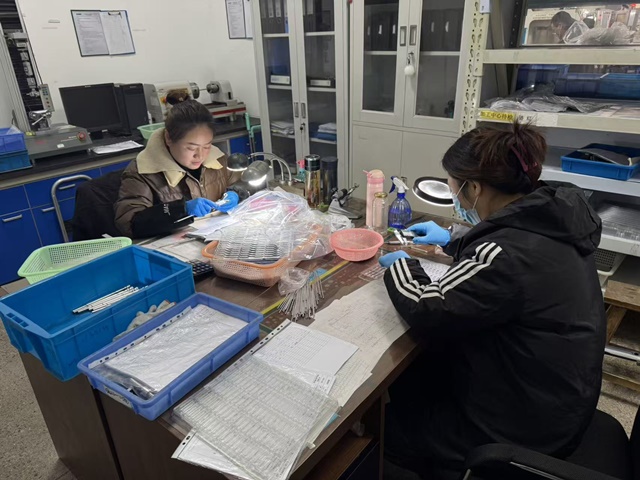
The company implements comprehensive quality assurance systems, including ISO 13485 compliance, in-process inspection, and final random sampling testing. Product inspection methods include dimensional measurement, mechanical fatigue testing, and biocompatibility validation. The quality control team consists of 42 specialized inspectors ensuring strict adherence to international medical device standards.
Osteora has a strong trade background in global medical device export and maintains long-term partnerships with distributors in Europe, Southeast Asia, the Middle East (including Oman), and South America, which are also its primary markets.
The company's supply chain includes approximately 1,200 certified upstream and downstream partners, supporting stable production capacity and reliable delivery performance. Its main customer base consists of hospitals, orthopedic clinics, surgical centers, and medical distributors.
With strong R&D capabilities, Osteora operates an in-house engineering team of 85 R&D engineers, focusing on innovation in trauma fixation systems, spinal implants, and joint reconstruction technologies. The company offers extensive customization options, including OEM/ODM services, size variations, material customization, and private labeling.
In the past year, Osteora launched approximately 120 new products, reflecting its continuous investment in innovation and product development to meet evolving clinical needs.
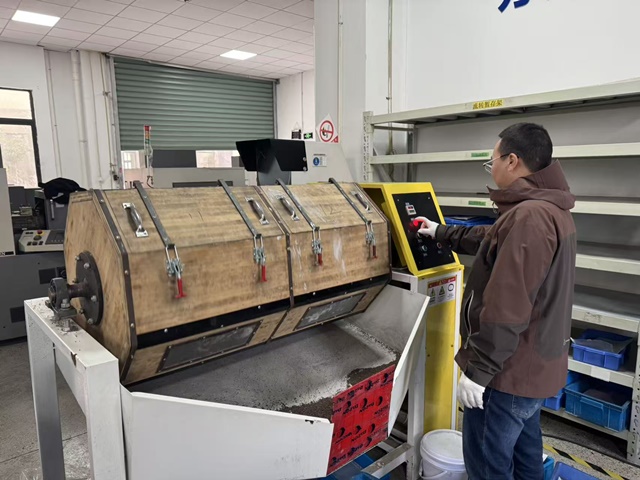
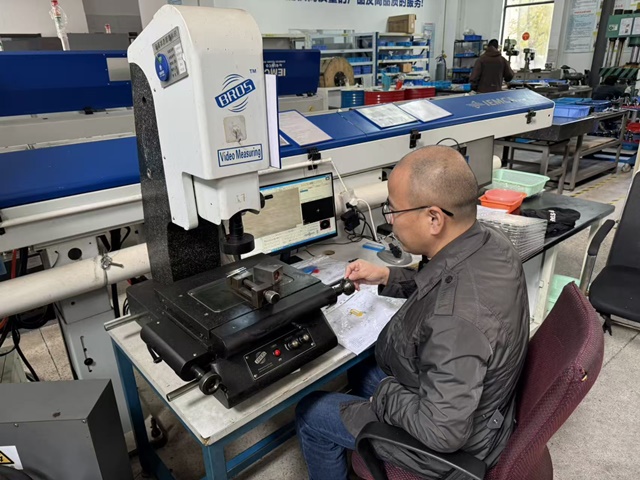
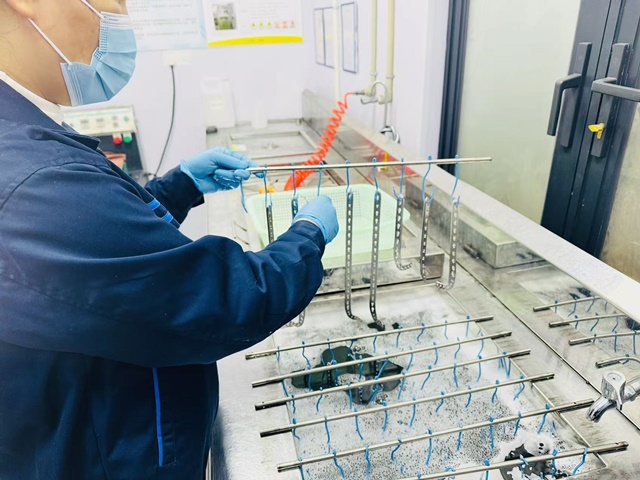
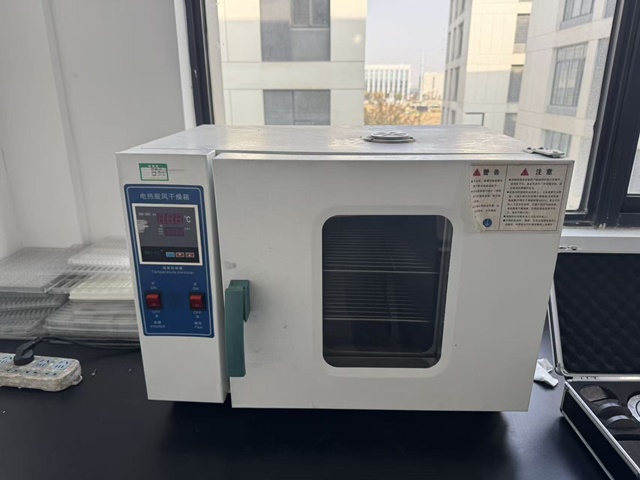
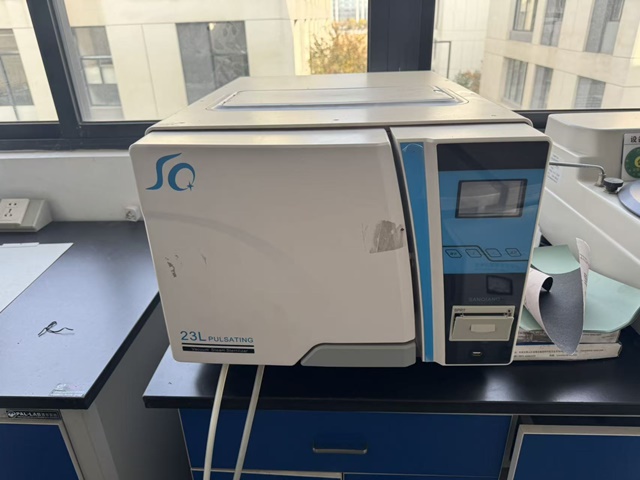
Visual insight into our raw materials, Swiss-type high-precision machining, chemical cleaning, and rigorous bio-mechanical testing.
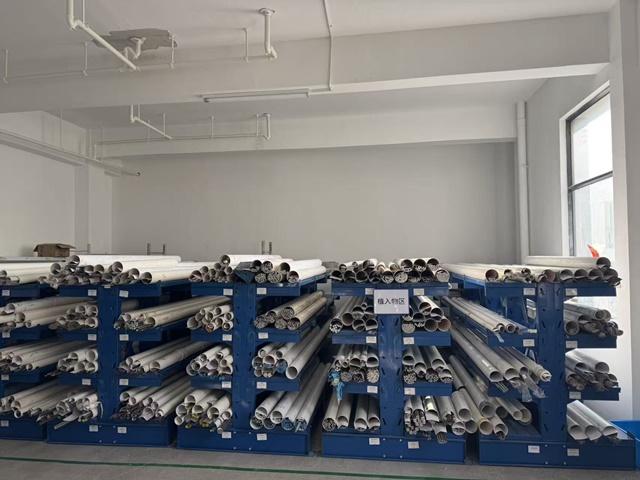
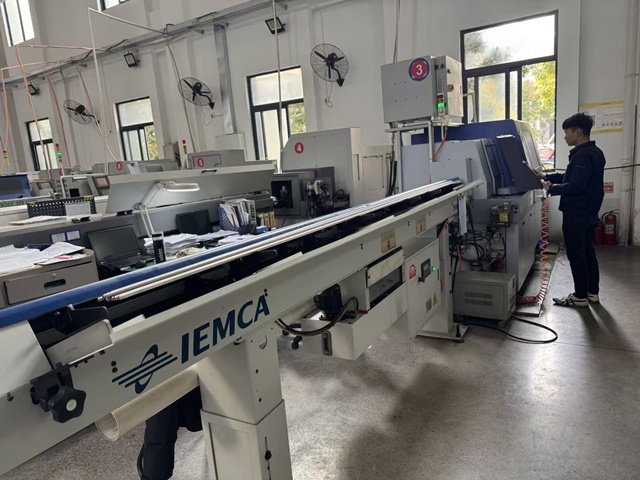
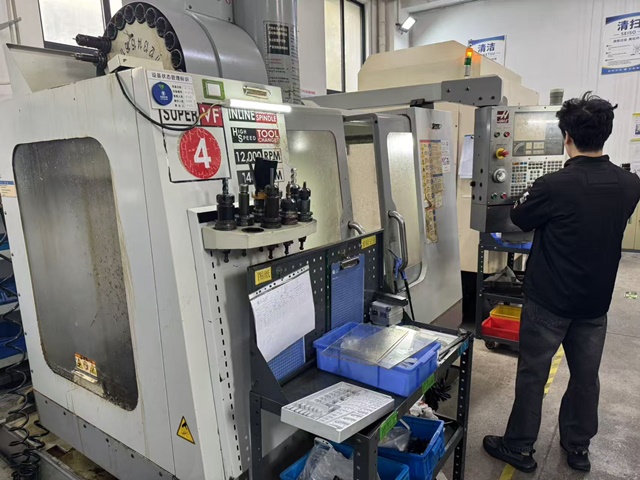
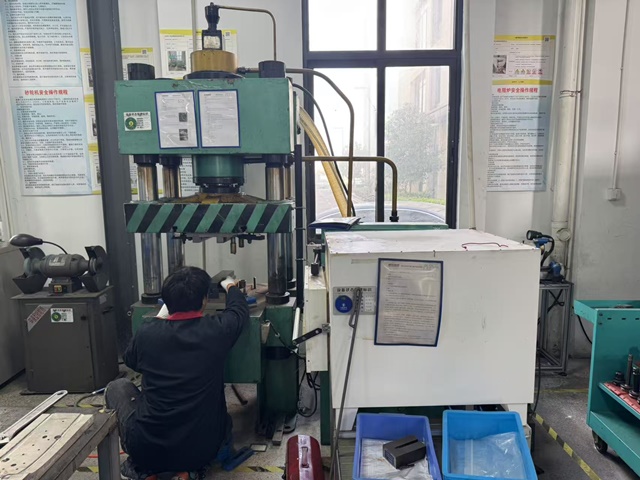
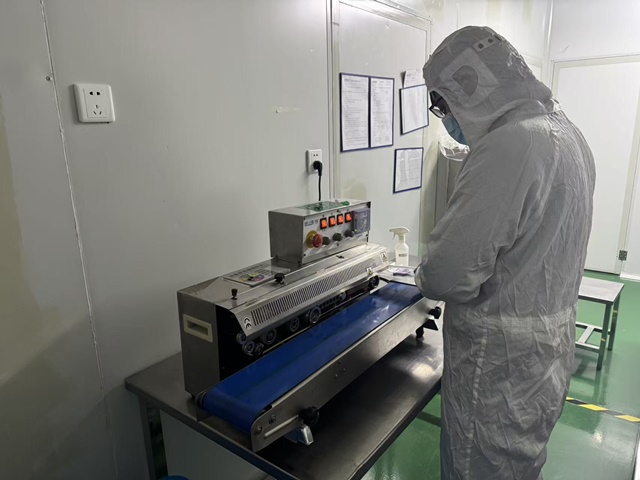
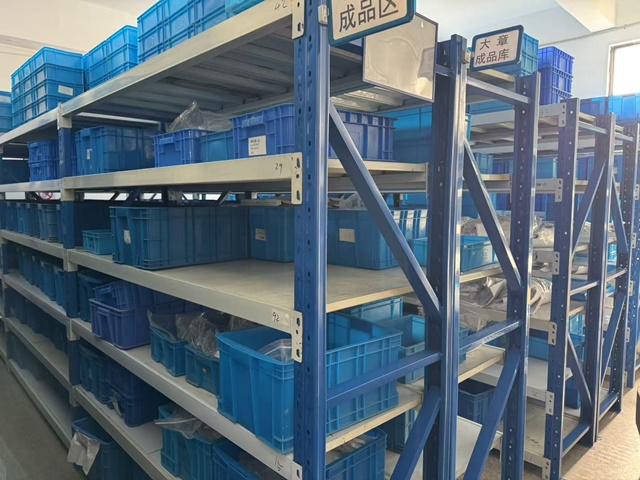
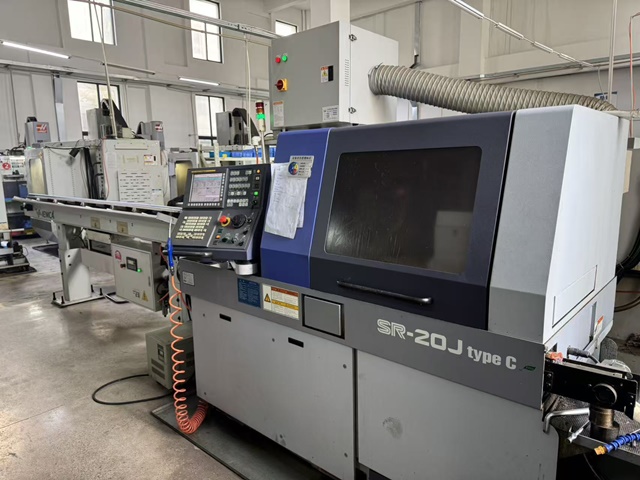
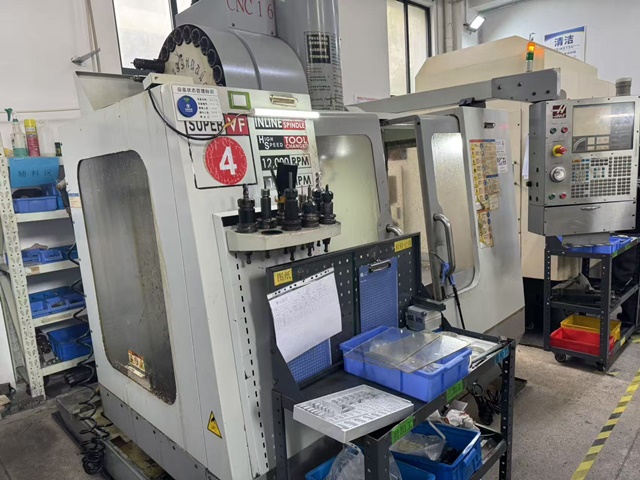
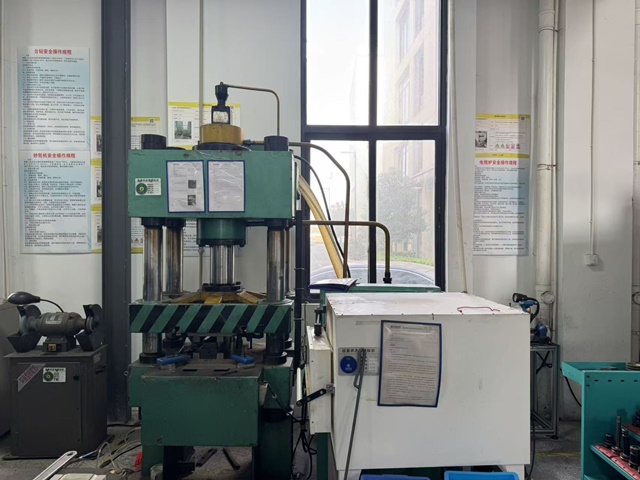
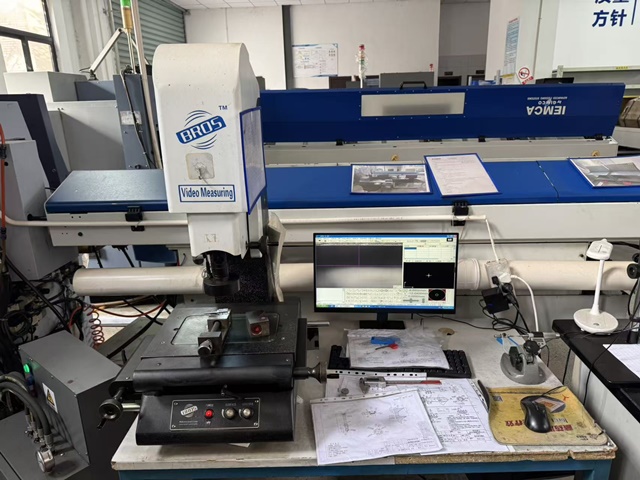
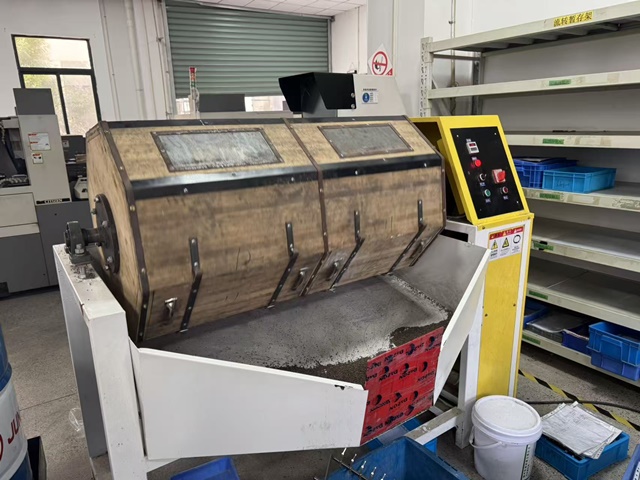
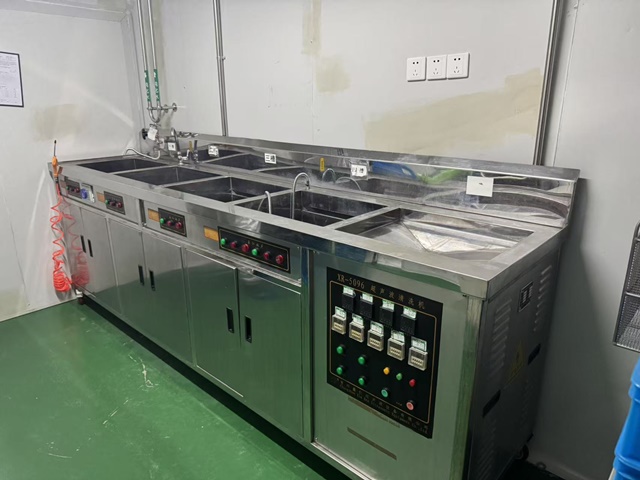
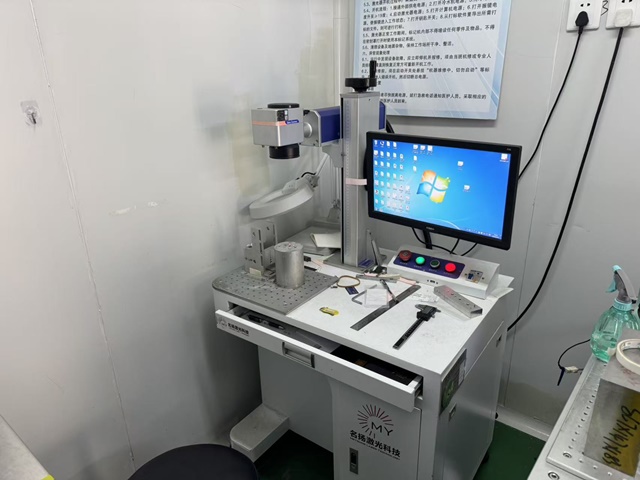
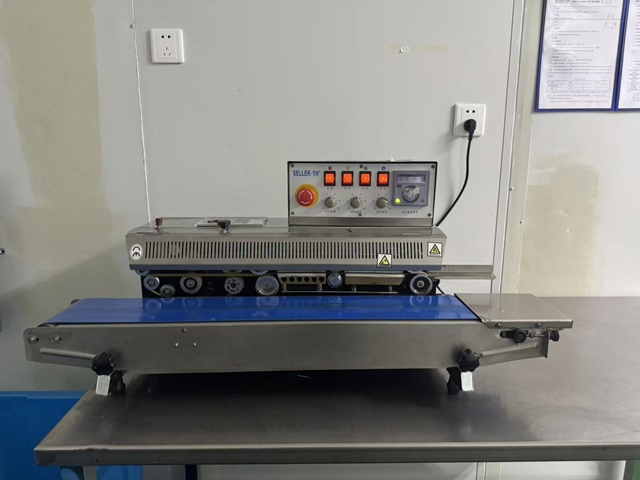
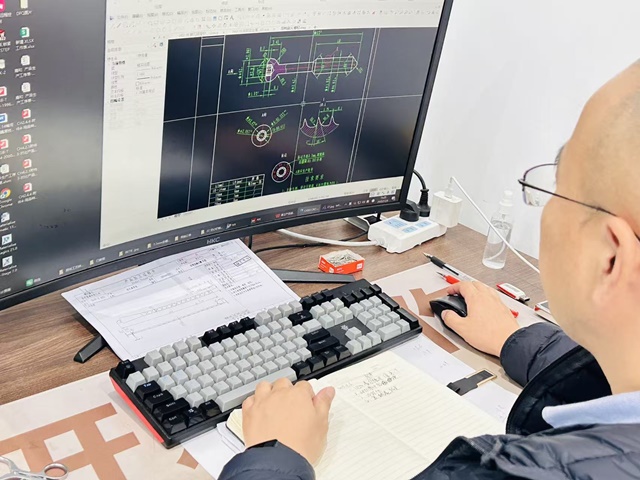
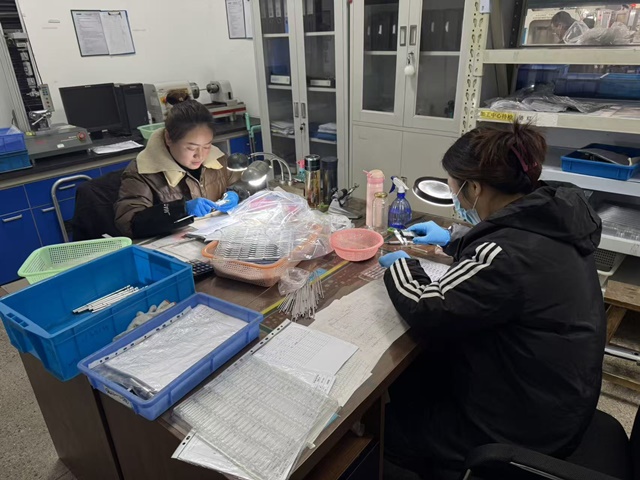
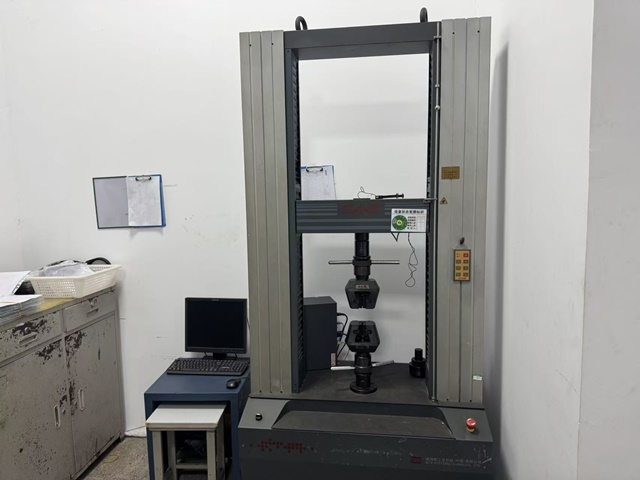
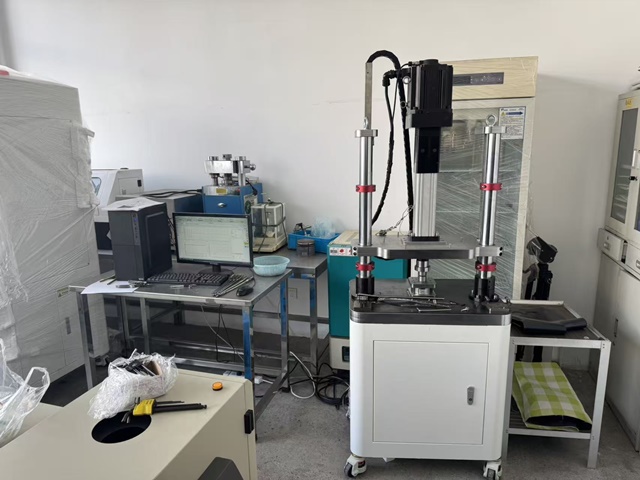
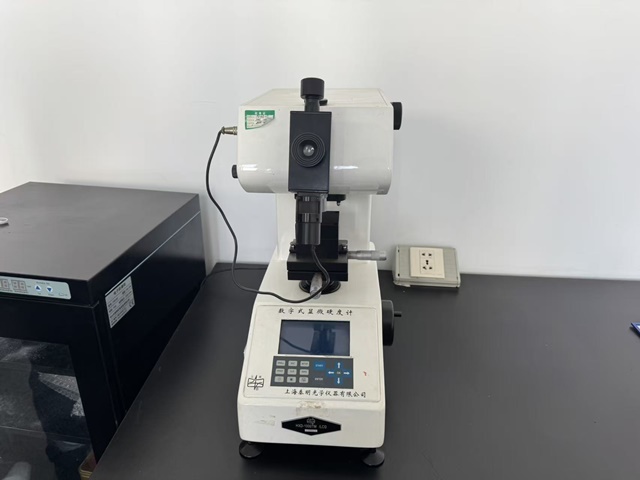
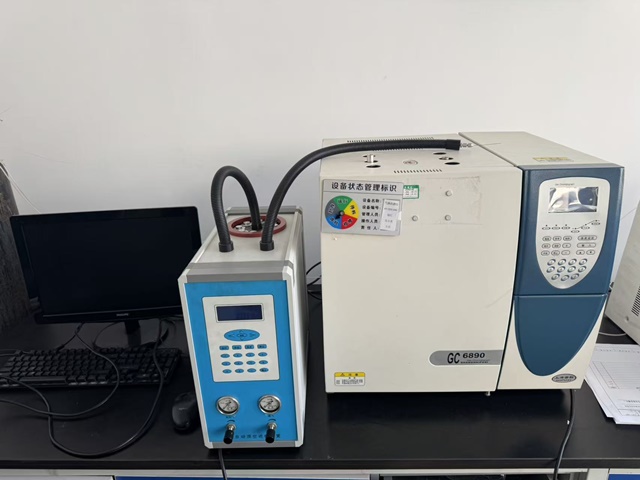
Aligning international implant engineering with Gulf Health Council (GHC) guidelines & local Omani orthopedic workflows.
Sourcing premium medical titanium to ensure ultimate fatigue strength, maximum tensile capabilities, and superior biocompatibility compared to general industrial metals.
Leveraging high-precision multi-axis Swiss CNC machining centers to mill screw threads, guide paths, and drive sockets with tolerances within 0.005mm.
Utilizing clean-room passivation techniques to create a stable titanium oxide film on implant surfaces, optimizing resistance to bio-fluid corrosion and wear.
Standardizing global orthopedic portfolios to align smoothly with GHC medical regulatory structures and Omani Ministry of Health compliance demands.
For medical distributors operating in Muscat, Salalah, and Sohar, secure supply chains and prompt lead times are critical. A delay in custom instrument kits or sterile implants can directly impact hospital operating schedules. By partnering with Osteora, Omani distributors gain direct access to an established medical-grade logistics framework designed to prevent stockouts.
We provide comprehensive documentation support, including Certificate of Origin, ISO 13485 declarations, sterilization validation reports (Gamma/EO), and mechanical testing sheets. Additionally, our customizable OEM/ODM services allow local entities to configure thread dimensions, screw lengths, custom instrument tray configurations, and local branding tailored to the specific bidding requirements of the Royal Oman Police (ROP) Hospital, military medical facilities, and MoH tenders.
Expert answers on technical characteristics, regulatory compliance, and distribution options in Oman.
Explore our full line of surgical implant materials, locking screws, and specialized orthopedic sets.