Osteora
Osteora
Osteora
The medical technology landscape in the Republic of Indonesia is undergoing a structural transition. Fueled by demographic transformations, a rising middle class, and the universal healthcare program BPJS Kesehatan (Badan Penyelenggara Jaminan Sosial), the demand for precision orthopedic implants has escalated. Fractures stemming from motor vehicle accidents, geriatric falls, and joint degeneration require immediate clinical solutions, positioning cannulated compression bone screws at the center of reconstructive surgery portfolios.
As the world's fourth most populous country, Indonesia faces unique epidemiological challenges. Rapid urbanization across metropolitan hubs like Jakarta, Surabaya, Bandung, and Medan has elevated traffic densities, resulting in a high incidence of extremity trauma. Orthopedic departments in primary general hospitals (RSUP) and private clinic chains (such as Siloam and Hermina) frequently perform osteosynthesis surgeries. Cannulated bone screws are the implants of choice for stabilizing femoral neck fractures, scaphoid non-unions, calcaneal fractures, and ankle arthrodesis because of their minimally invasive application potential.
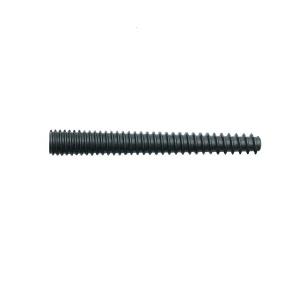
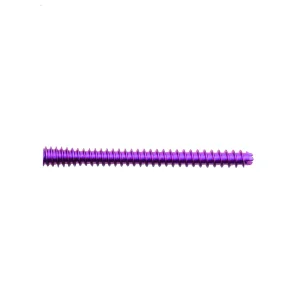
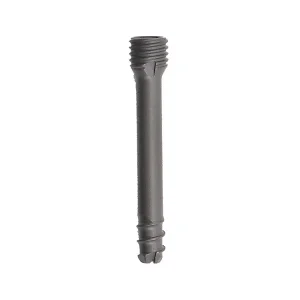
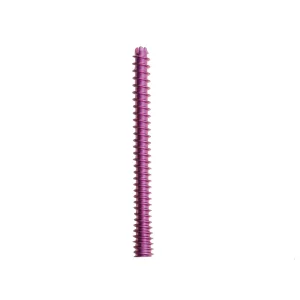
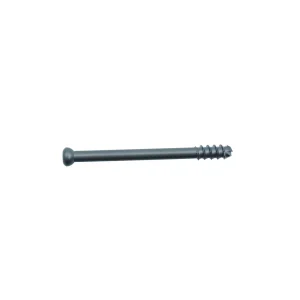
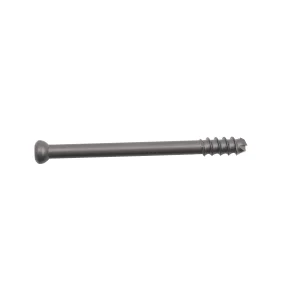
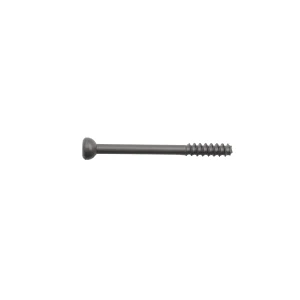
In trauma care, operating room efficiency and patient outcome are governed by implant engineering. Our titanium cannulated screws are designed with a hollow central shaft, allowing orthopedic surgeons to insert a guide wire (K-wire) under fluoroscopy (C-Arm) to secure precise anatomical placement before driving the screw. This reduces surgical time and collateral damage to adjacent vascular networks.
Femoral neck stabilization requires parallel configuration of 6.5mm or 7.3mm cannulated compression screws. In Indonesian rural clinics and central referral centers alike, our self-tapping, deep-threaded screws provide the compressive force needed to combat shear stresses, minimizing the incidence of avascular necrosis (AVN) of the femoral head.
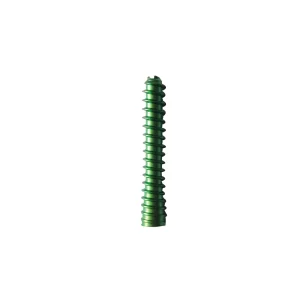
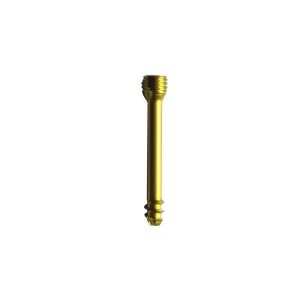
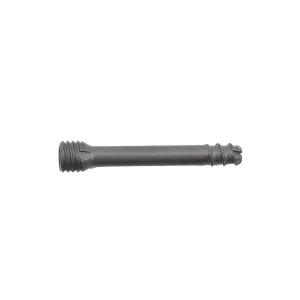
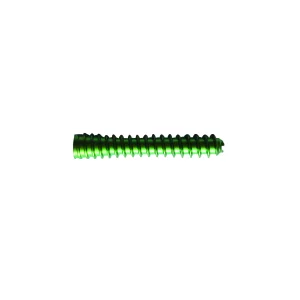
For scaphoid, osteochondral, and phalangeal fractures, our customized 2.4mm and 3.0mm headless compression screws (Herbert pattern) provide rigid internal fixation without leaving a protruding screw head that could interfere with joint cartilage. This is crucial for maintaining post-operative mobility in younger patient cohorts across regional sports clinics.
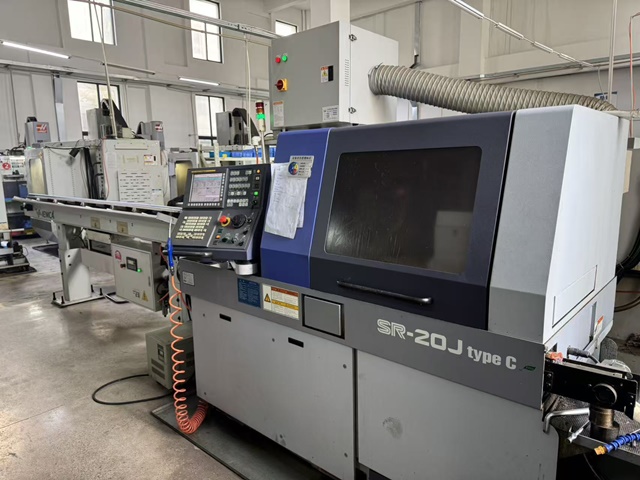
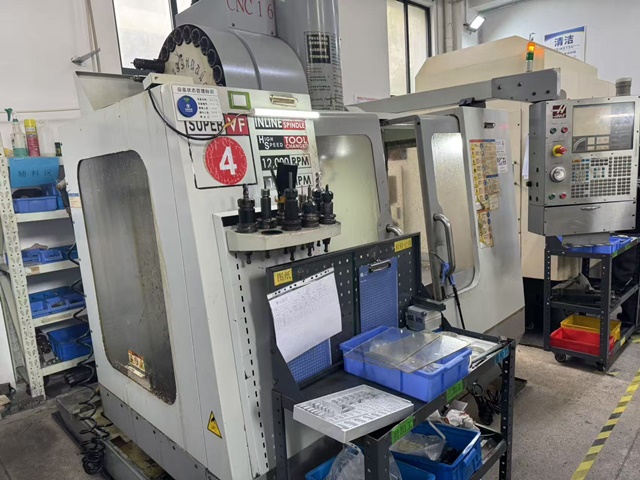
As a global supplier, our production capability aligns with the principles of Industry 4.0. We utilize Swiss-type CNC automatic lathes and Haas CNC machining centers to maintain manufacturing tolerances within 5 microns (0.005mm). This level of precision ensures that every guide wire passes smoothly through the cannulated core without binding or deflection.
Our raw material feedstock consists exclusively of medical-grade titanium alloy (Ti-6Al-4V ELI / ASTM F136), sourced from verified suppliers with certified mechanical properties and biocompatibility. To ensure supply chain resilience, we maintain an active network of over 1,200 upstream and downstream partners. This allows us to keep lead times brief and stable, even during periods of high demand from international medical distributors.
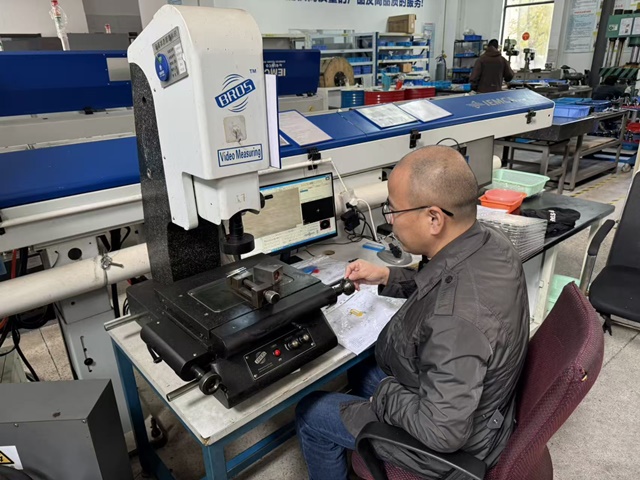
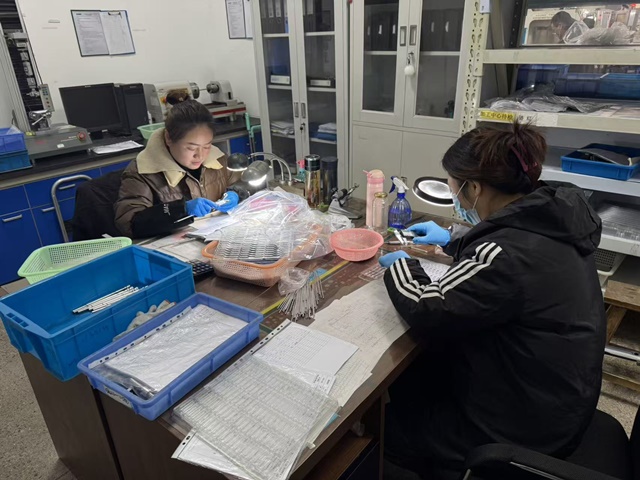
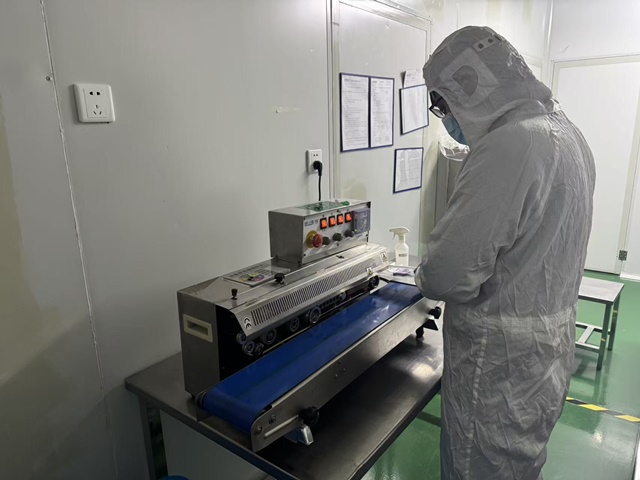
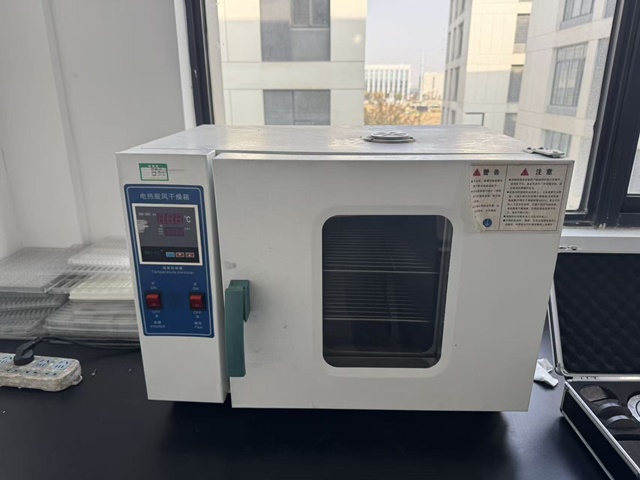
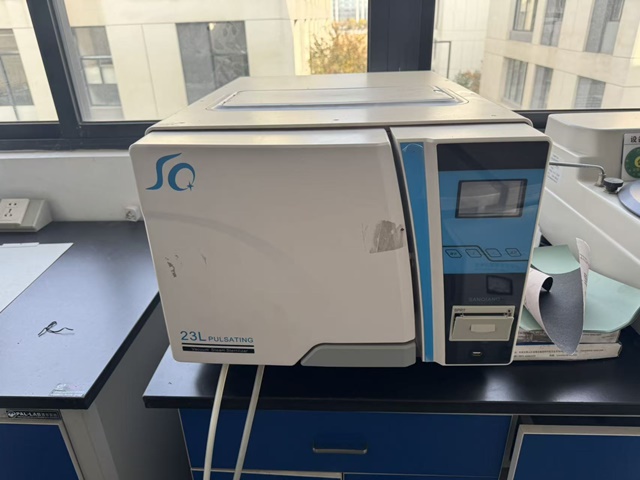
Every manufacturing batch undergoes step-by-step inspections. Our quality control team utilizes 3D optical vision measuring instruments, Vickers hardness testers, and gas spectrometers. Mechanical performance is validated through fatigue and tension tests on a multi-functional testing machine, ensuring the mechanical integrity of the implant during post-operative rehabilitation.
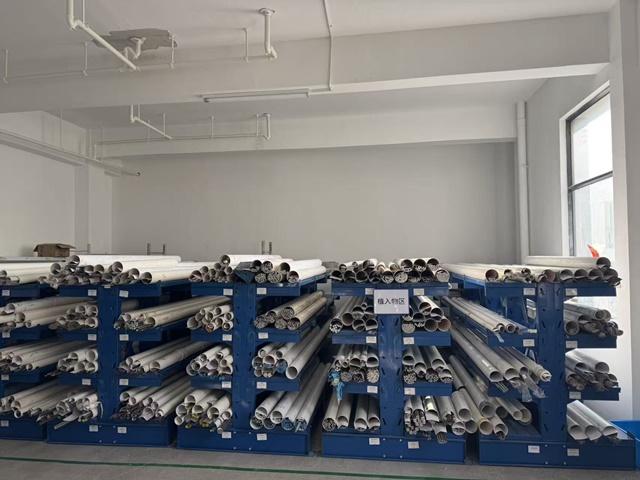
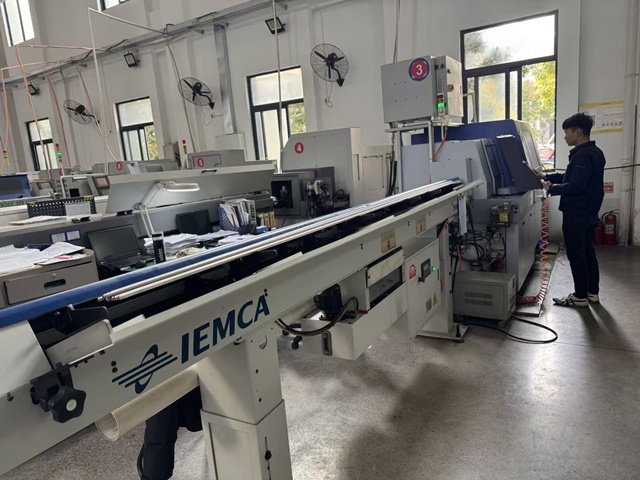
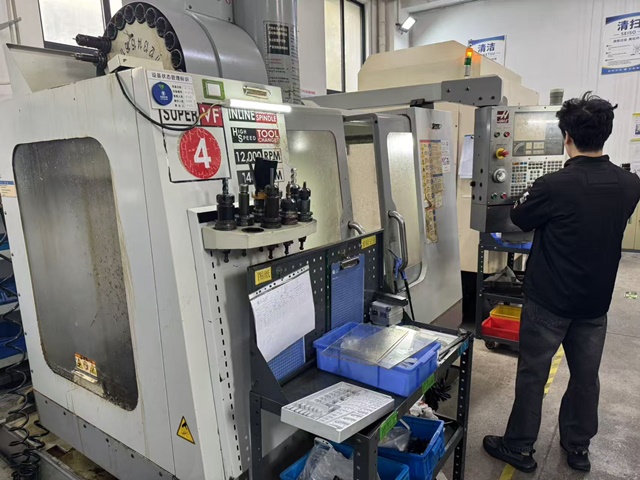
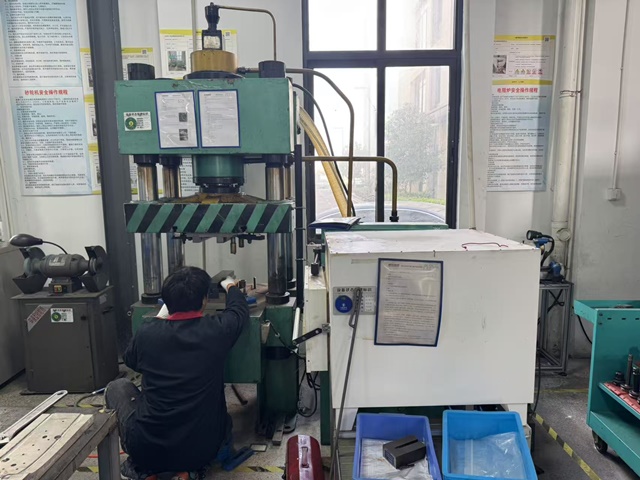
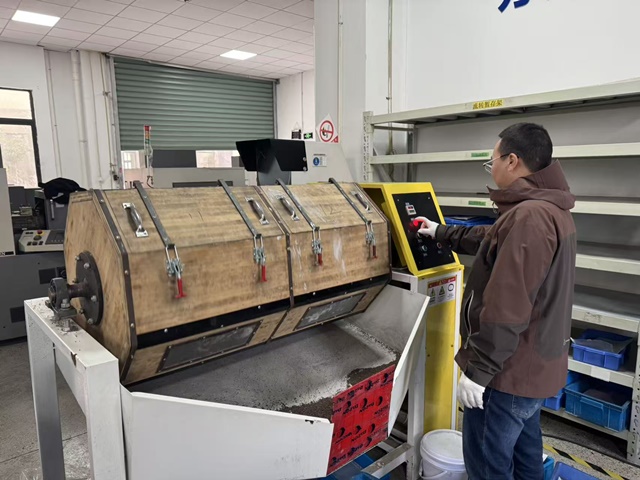
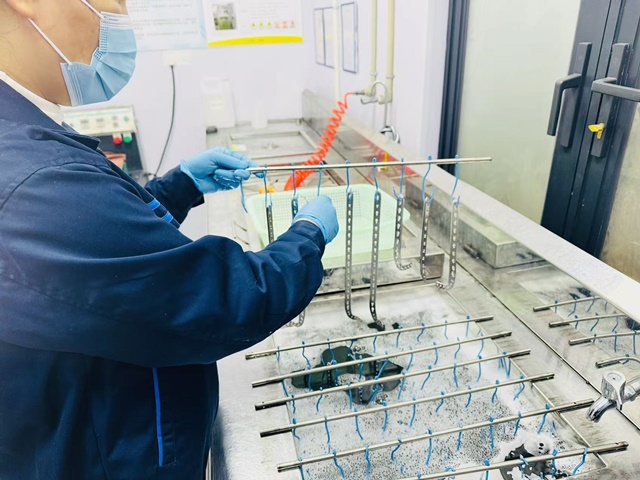
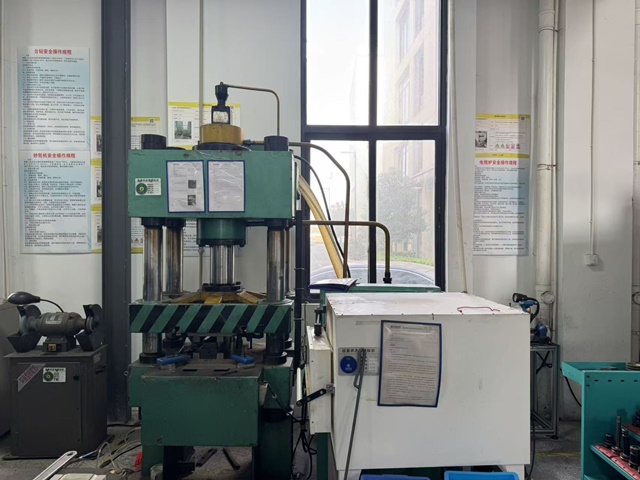
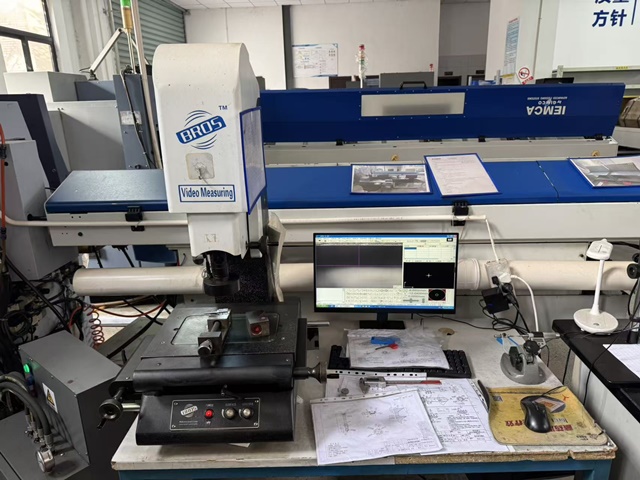
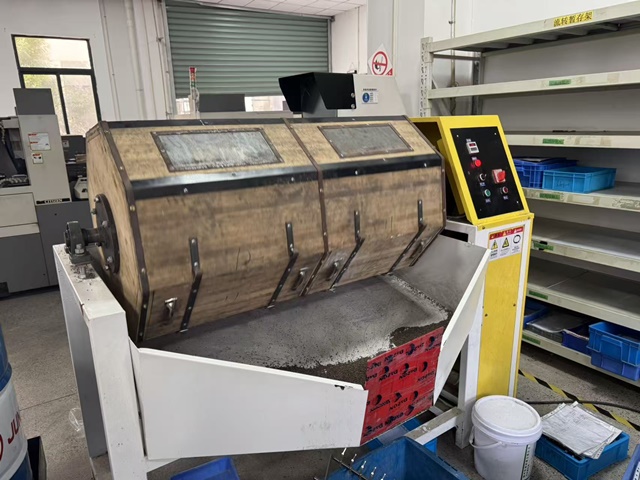
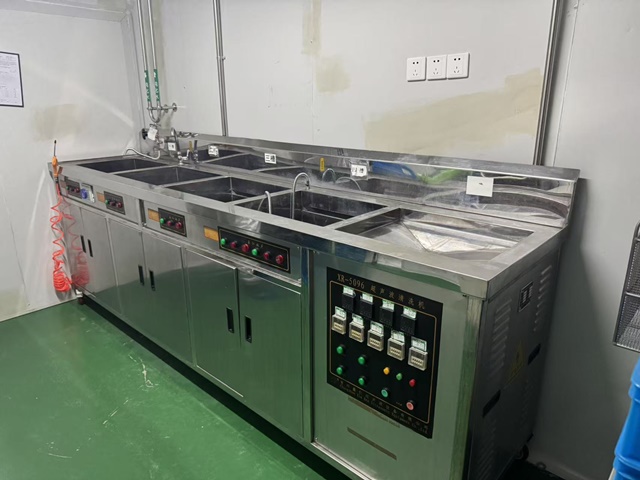
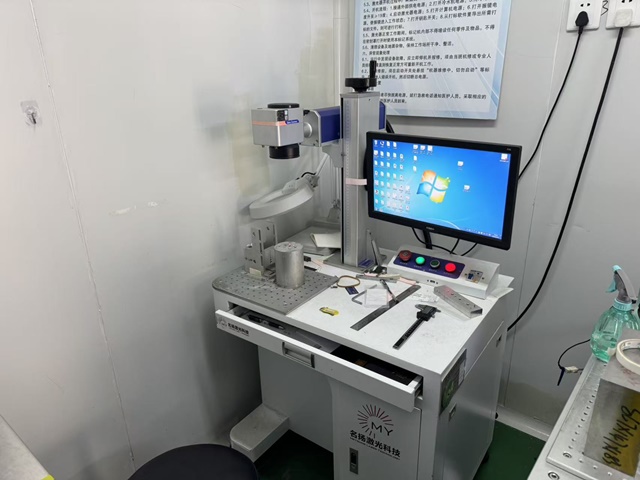
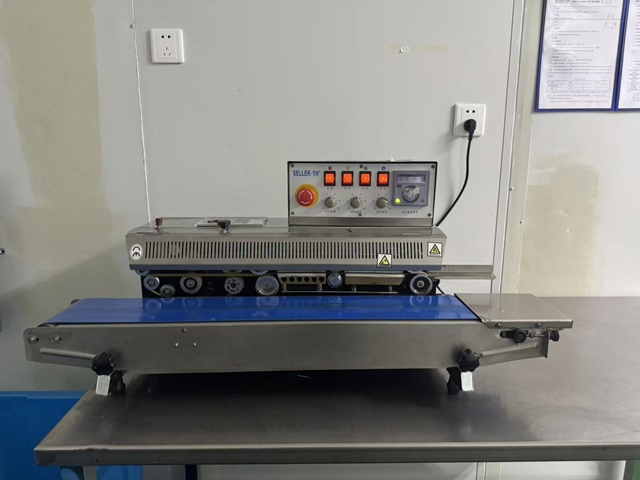
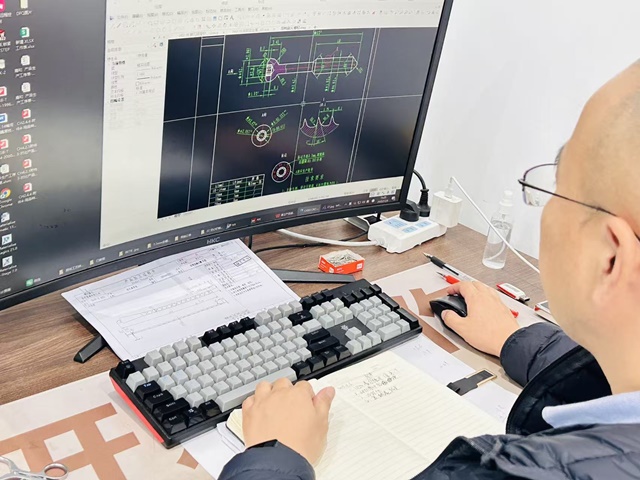
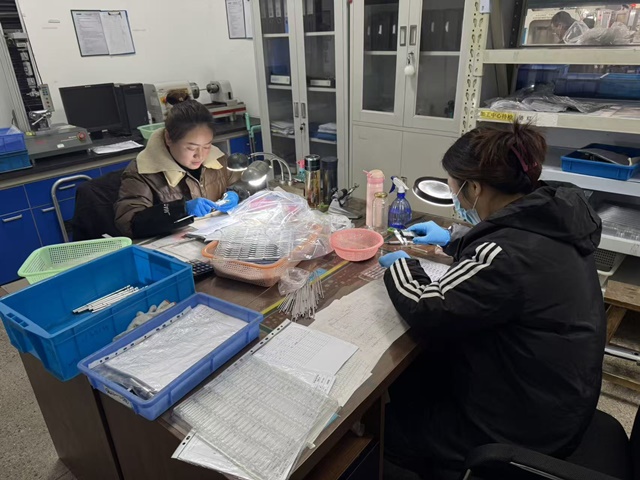
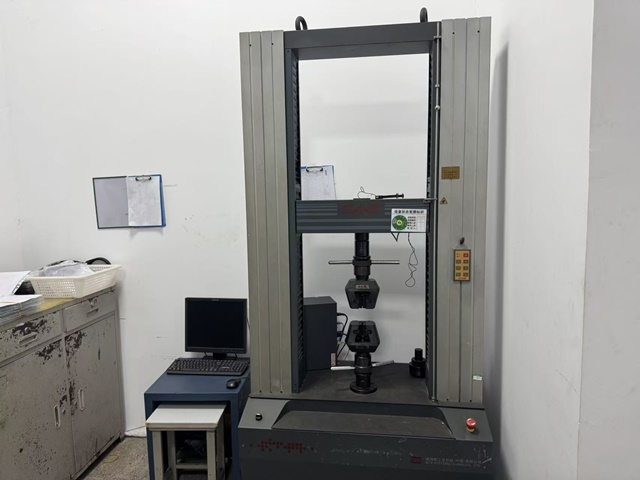
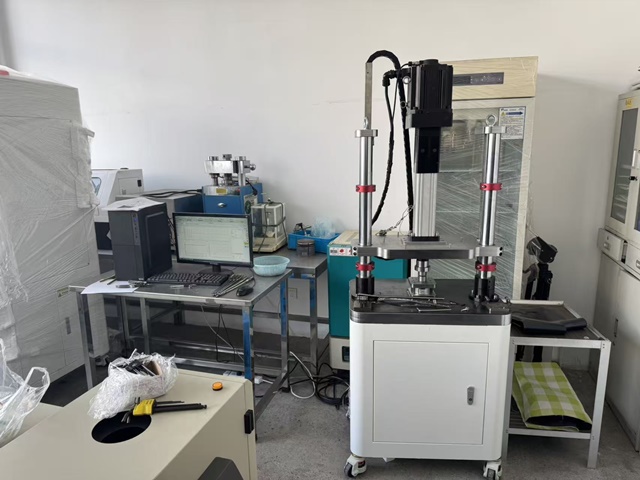
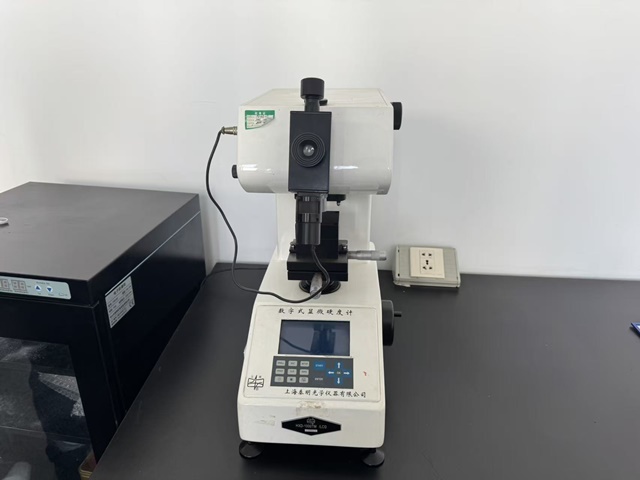
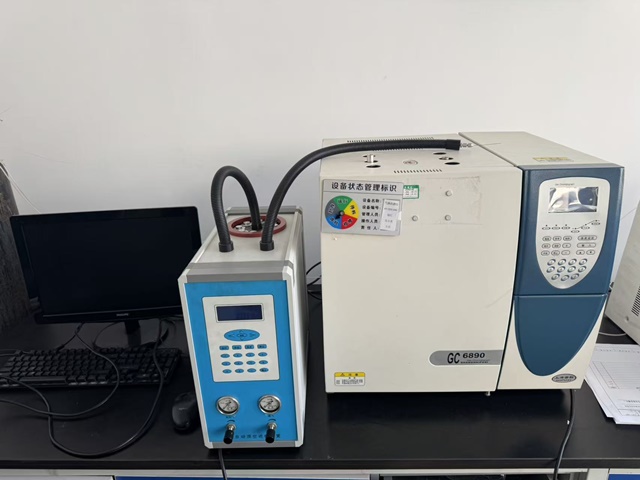
Osteora Medical Devices Co., Ltd. is a professional orthopedic implant and surgical solution manufacturer specializing in trauma, spine, and joint reconstruction systems under the brand Osteora.
Founded in 2016, the company has developed a strong reputation in the global orthopedic industry through continuous innovation and strict quality control standards. The facility covers an area of approximately 18,500㎡, supporting integrated production, assembly, and testing operations.
With 8 years of export experience and 12 years of industry expertise, Osteora has established stable cooperation with international distributors and hospitals across multiple regions. Annual export revenue ranges from USD 6 million to 14 million, reflecting steady global market growth.
The company implements comprehensive quality assurance systems, including ISO 13485 compliance, in-process inspection, and final random sampling testing. Product inspection methods include dimensional measurement, mechanical fatigue testing, and biocompatibility validation. The quality control team consists of 42 specialized inspectors ensuring strict adherence to international medical device standards.
Osteora has a strong trade background in global medical device export and maintains long-term partnerships with distributors in Europe, Southeast Asia, the Middle East, and South America, which are also its primary markets.
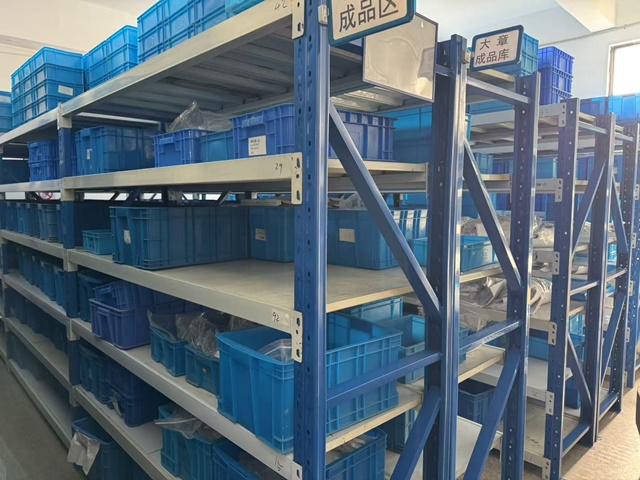
The company's supply chain includes approximately 1,200 certified upstream and downstream partners, supporting stable production capacity and reliable delivery performance. Its main customer base consists of hospitals, orthopedic clinics, surgical centers, and medical distributors.
With strong R&D capabilities, Osteora operates an in-house engineering team of 85 R&D engineers, focusing on innovation in trauma fixation systems, spinal implants, and joint reconstruction technologies. The company offers extensive customization options, including OEM/ODM services, size variations, material customization, and private labeling.
In the past year, Osteora launched approximately 120 new products, reflecting its continuous investment in innovation and product development to meet evolving clinical needs.
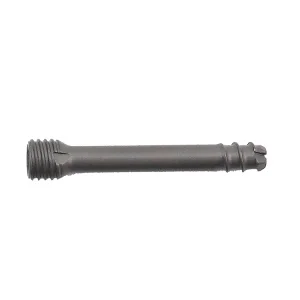
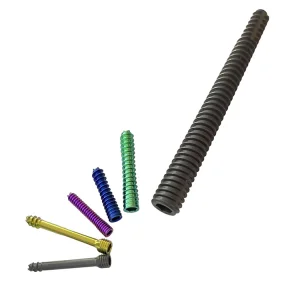
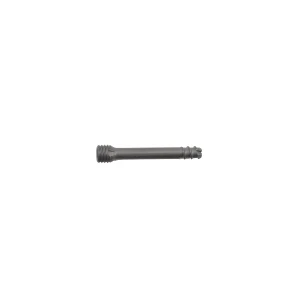
The success of internal fixation depends on the metallurgical stability of the implant. Pure titanium (Grade 2/4) or titanium alloys (Ti-6Al-4V ELI) are selected because they match the biomechanical characteristics of bone and resist corrosion in biological environments. Under physiological loading, the implant must withstand bending and torsional forces without fatigue failure.
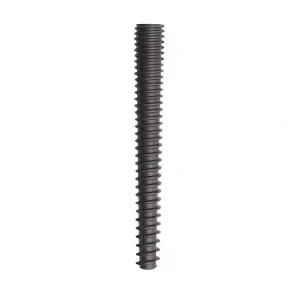
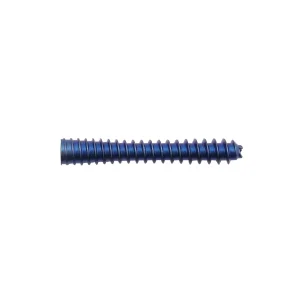
Our cannulated screws feature a optimized pitch ratio that distributes compression forces across the fracture line. Standard sizes (2.4mm to 7.3mm) are designed to fit conventional orthopedic instrumentation. The self-tapping profile reduces insertion torque, protecting the surrounding bone structure during installation.
Partner with Osteora for reliable supply, verified quality, and competitive manufacturing options. Request structural diagrams, material certifications, and custom pricing configurations today.