Osteora
Osteora
Osteora
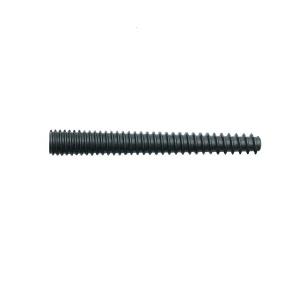
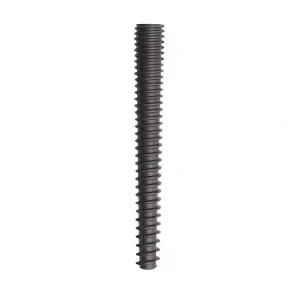
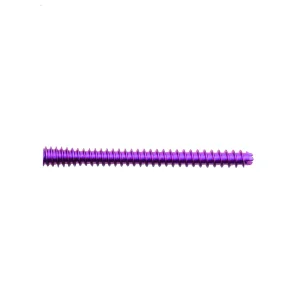
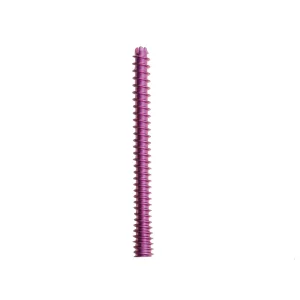
OEM/ODM Medical Titanium Compression Fixation Systems Conforming to PMDA Standards & JIS Clinical Benchmarks
Engineered for immediate implant and superior anatomical alignment. Check our primary selection of orthopedic trauma fixation components configured for Japanese hospitals.
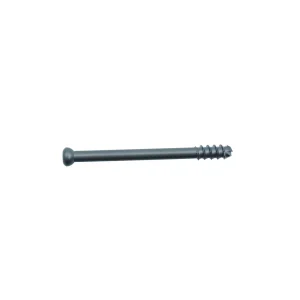
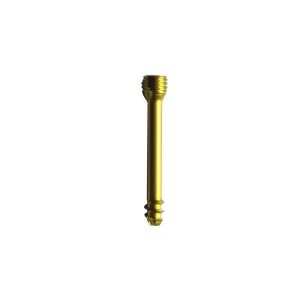
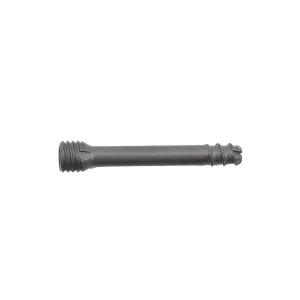
Japan represents one of the world's most advanced yet demographically challenging healthcare ecosystems. With over 29% of its population aged 65 and above, the clinical incidence of osteoporotic fractures—particularly femoral neck fractures, distal radius fractures, and ankle trauma—has risen consistently. Minimally invasive orthopedic surgeries (MIS) utilizing cannulated compression screws are critical for reducing anesthesia time and hospital stay lengths for geriatric patients.
Japanese medical device distributors and surgical units demand strict adherence to precision tolerances. A cannulated screw must act as a reliable guide-wire-based fixation system that prevents displacement during insertion. Screw thread profile geometries, micro-roughness, self-tapping capabilities, and torque transfer ratios are evaluated exhaustively before clinical deployment.
Importing orthopedic implants to Tokyo, Osaka, or Nagoya requires rigorous alignment with regulatory structures set forth by the Ministry of Health, Labour and Welfare (MHLW).
We provide full dossier support for foreign manufacturing accreditation (FMA) registrations, facilitating smooth transitions through Japanese pharmaceutical evaluation channels.
Our raw titanium materials comply with JIS T 0311 standards for medical implants. Quality management system conforms to ISO 13485:2016 for medical device manufacture.
Our manufacturing and processing lines are audited regularly to meet the critical risk mitigation policies required for biological class III implantable surgical units.
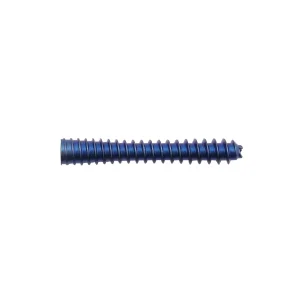
Explore additional products featuring varying thread profiles, design adjustments, and multi-component instrument kits.
Our integrated facility manages every stage of production—from raw titanium bar inspection to final sterile packaging validation—ensuring stable and reliable outputs.


Operating as a specialized manufacturer, Osteora maintains robust supply chains, state-of-the-art facilities, and strong technical capabilities to support international medical device distributors.
Established in 2016, Osteora has built a state-of-the-art production base covering 18,500㎡. We specialize in trauma, spine, and joint reconstruction technologies. Our core design capabilities allow for size adjustments, customized thread configurations, and custom private labeling services tailored specifically to the requirements of Japanese importers.
Our quality verification team includes 42 specialized inspectors who manage compliance checks at every processing stage. This team uses advanced verification tools like Vision Measuring Instruments, Vickers Hardness Testers, Gas Spectrometers, and Pulsating Machines to confirm that every shipment matches our technical datasheets before leaving the factory.
With over 8 years of export operations and 12 years of industry experience, Osteora maintains long-term partnerships with distributors and hospital networks across Europe, Southeast Asia, the Middle East, and South America, generating steady annual export revenues between USD 6 million and 14 million.
| Capability Indicator | Osteora Enterprise Baseline |
|---|---|
| Total Infrastructure Space | 18,500 ㎡ Cleanroom Integrated Plant |
| R&D Engineering Staff | 85 Specialized Orthopedic Engineers |
| Quality Inspectors | 42 Dedicated QC Technicians |
| Upstream/Downstream Partners | 1,200 Certified Supply Chain Nodes |
| Customization Programs | OEM/ODM, Dimension Variations, Private Labeling |
| Product Releases (Annual) | Approx. 120 New Medical SKUs Launched |
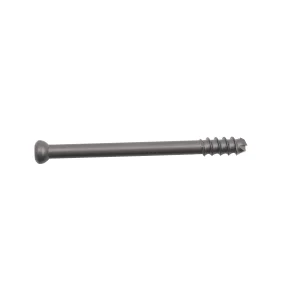
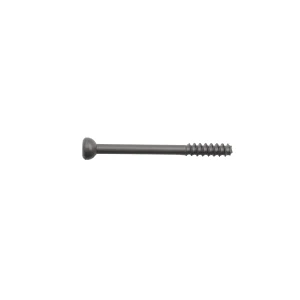
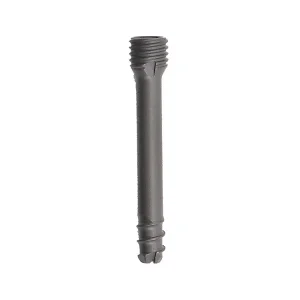
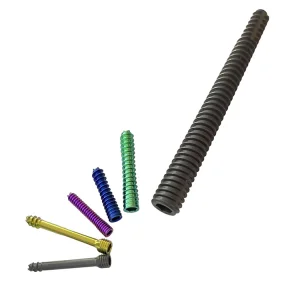
Our range of cannulated screws is designed to support specific clinical procedures, offering target-matched solutions for various fracture patterns.
Typically resolved using our 6.5mm or 7.3mm cannulated compression screws arranged in a triangular pattern. This configuration provides resistance to torsional loads in osteoporotic bone structures.
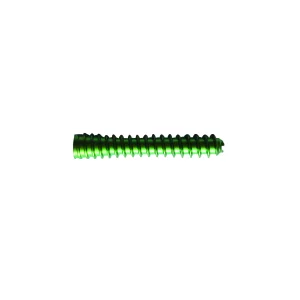
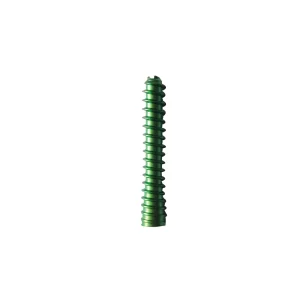
Our 2.4mm and 3.0mm headless compression screws (Herbert variant) provide compression across the fracture line. The countersunk design prevents tendon irritation in distal joint spaces.
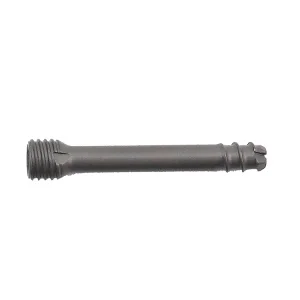
Designed for foot and ankle reconstruction, these screws provide reliable compression. Self-drilling and self-tapping designs help reduce operating times in complex reconstructive cases.
Review our complete list of cannulated implant designs, interface styles, and titanium orthopedic locking hardware configured for regional healthcare distributors.
Understanding modern trends helps shape our manufacturing processes, ensuring compliance with global clinical requirements.
The global orthopedic community is moving toward smart implant integration and variable pitch designs. Our headless compression screws feature pitch differences between the leading and trailing threads, allowing for progressive compression during insertion. Self-drilling geometries help minimize surgical times by removing the pre-drilling step, reducing heat generation during insertion and protecting bone tissue.
Additionally, modern surgeons demand specialized surface treatments to support biological integration. We offer customizable options, including anodizing configurations, acid etching, and micro-grooving, to meet the specific requirements of our clients.
For Japanese medical suppliers, logistics efficiency is highly critical. We work with international freight forwarders to ensure customs clearances in Tokyo and Osaka are completed efficiently. By using high-precision manufacturing processes, we minimize assembly deviations and ensure consistent product quality, helping clients optimize their inventory management.
Our facility offers flexible production scheduling to meet fluctuating market demands. This adaptability supports distributors in maintaining optimal supply levels and meeting regional clinical requirements.
Clear answers regarding compliance, material traceability, procurement cycles, and manufacturing capabilities.