Osteora
Osteora
Osteora
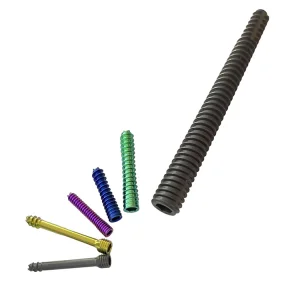
High-precision internal fixation implants manufactured in compliance with ISO 13485, engineered for immediate interfragmentary compression.
Houston, Texas is home to the world's largest concentration of healthcare and research institutions, anchored by the renowned Texas Medical Center (TMC). With tier-1 trauma hubs such as Memorial Hermann, Harris Health Ben Taub, and Houston Methodist, the regional demand for high-strength, precision-engineered orthopedic implants is exceptionally sophisticated.
For procurement officers, surgical distributors, and orthopedic department heads serving the Houston metropolitan area, sourcing cannulated screws is not merely about finding a vendor. It requires partner manufacturers who offer absolute dimensional repeatability, validated biocompatibility (ASTM F136 ELI Titanium), and a highly reliable supply chain that meets the rapid turnaround cycles of Ambulatory Surgery Centers (ASCs).
Osteora Medical Devices Co., Ltd. addresses these exact criteria. By integrating Swiss-type precision machining with rigorous ISO 13485 quality protocols, we serve as a premier offshore manufacturer delivering surgical-grade cannulated screws directly to Texas-based healthcare networks and independent orthopedic distributors. Our systems facilitate minimally invasive osteosynthesis (MIO), ensuring stable fixation of small and large bone fragments under high mechanical loads.
Custom logistics routes mapping directly to Port of Houston and IAH airport, reducing lead times to clinics and distribution yards across Harris County.
Exclusively employing Medical-grade Titanium Alloy (Ti-6Al-4V ELI) to achieve optimal fatigue resistance and modulus of elasticity matching human cortical bone.
Comprehensive technical documentation files supporting regulatory compliance for global distribution, surgical center audits, and clinical risk assessments.
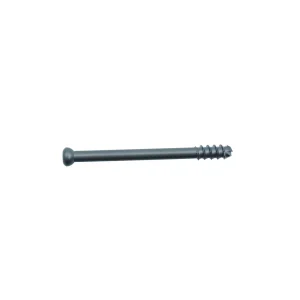
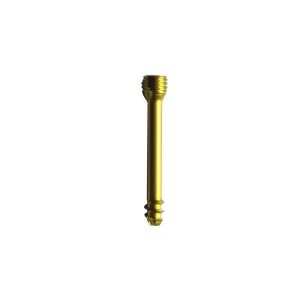
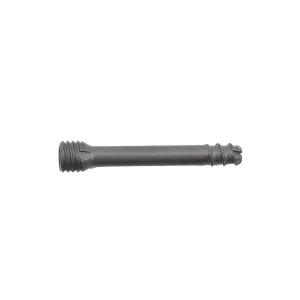
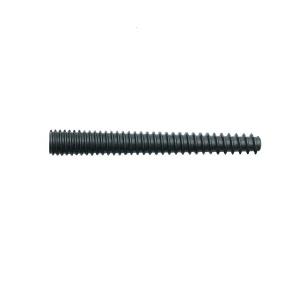
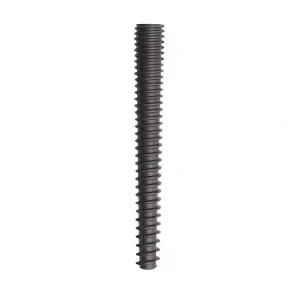
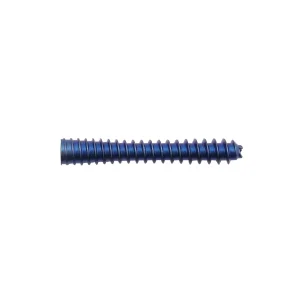
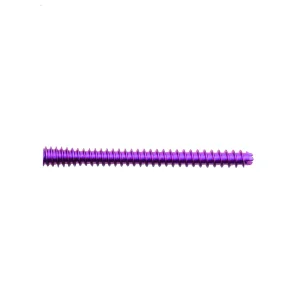
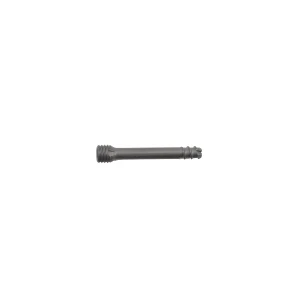
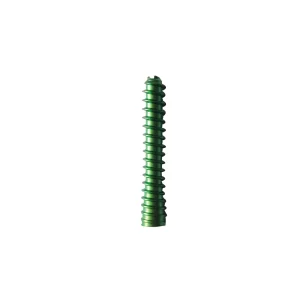
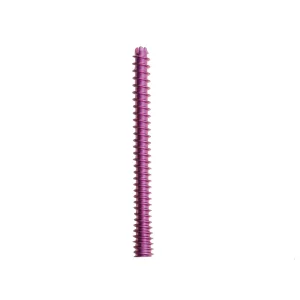
Engineered with varying thread pitch architectures to maximize compression across articular fractures and osteotomies.
Analysis of clinical trends, material advancements, and biomechanical principles governing the modern traumatology implant sector.
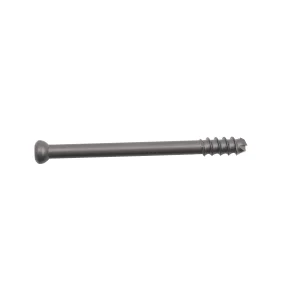
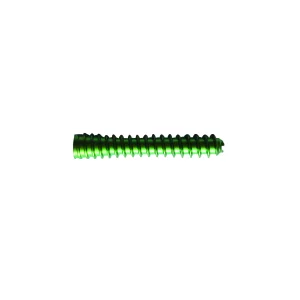
Articular fracture management demands rigid interfragmentary compression without implant prominence. Traditional headed screws can cause soft tissue irritation, impingement, and cartilage degradation. The adoption of headless compression screws (pioneered by the Herbert design) utilizes a differential thread pitch. The leading threads grip the distal fragment, while the trailing threads with a wider pitch advance faster, compressing the fracture line securely as the screw is driven home.
Orthopedic implants must balance biocompatibility with high fatigue limit. We employ certified titanium alloy conforming to ASTM F136. Lowering oxygen, nitrogen, and carbon levels enhances ductility and fracture toughness. This reduces risk of guide-wire breakage during insertion and prevents hardware failure under postoperative weight-bearing cycles. In addition, our surface anodization creates a stable titanium dioxide layer, preventing ion release.
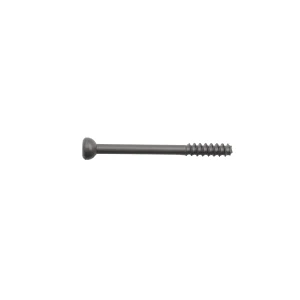
Precision cannulation is the core challenge in producing hollow surgical fasteners. A off-center lumen results in uneven wall thickness, creating mechanical weak points susceptible to torsional shear during insertion. Osteora employs high-end Swiss-type sliding headstock lathes and gun-drilling systems to achieve sub-micron concentricity. This guarantees smooth advancement over guide wires and eliminates intraoperative stalling.
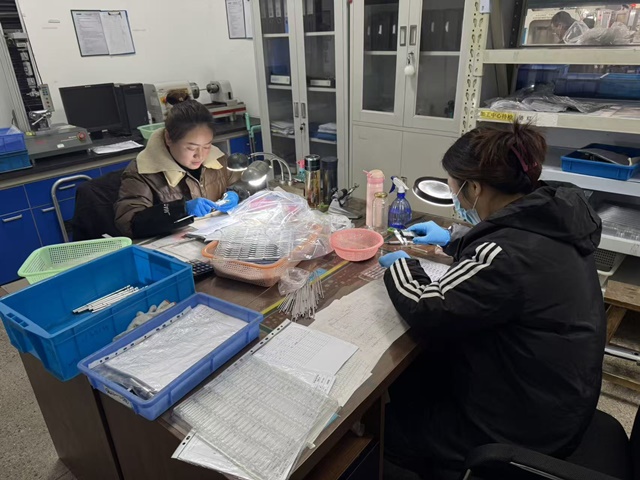
A transparent look inside the Osteora manufacturing plants. Our facility houses multi-axis CNC machines, automated chemical washing systems, and structural testing labs.
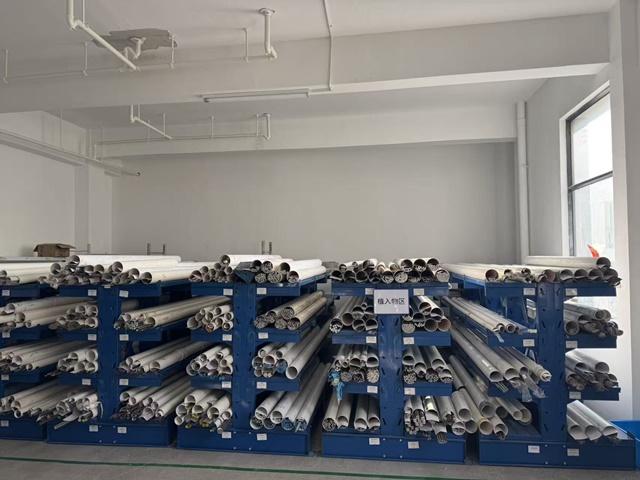
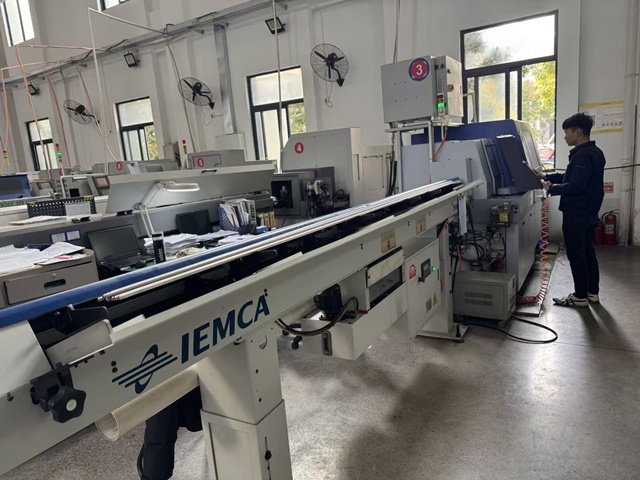
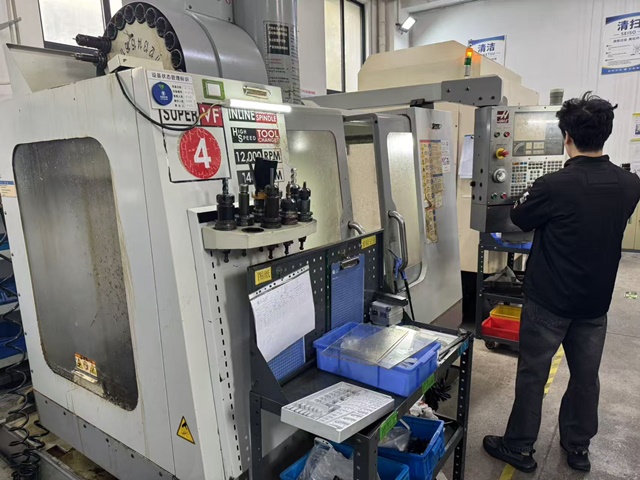
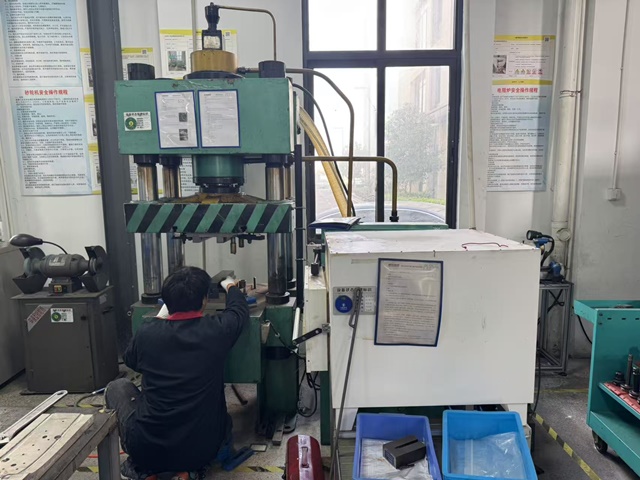
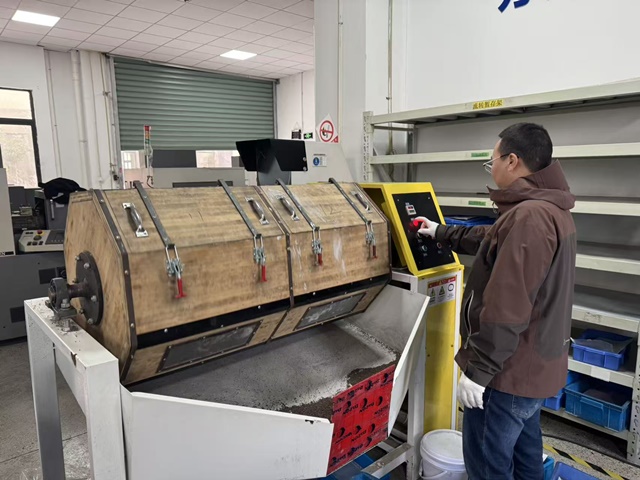
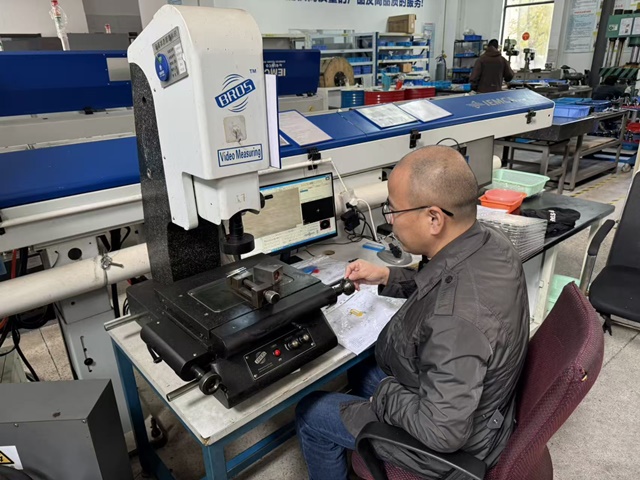
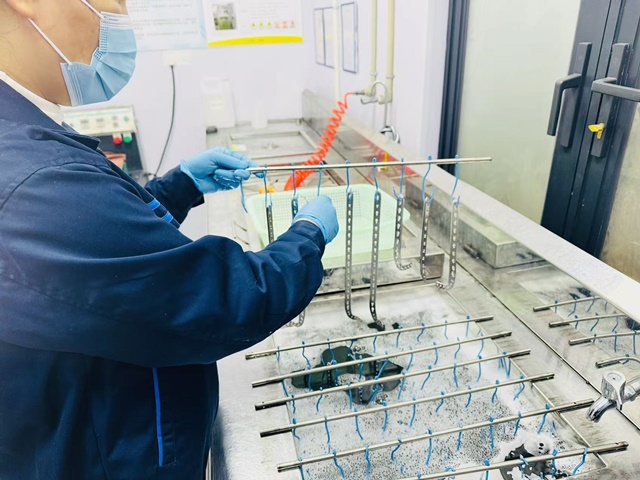
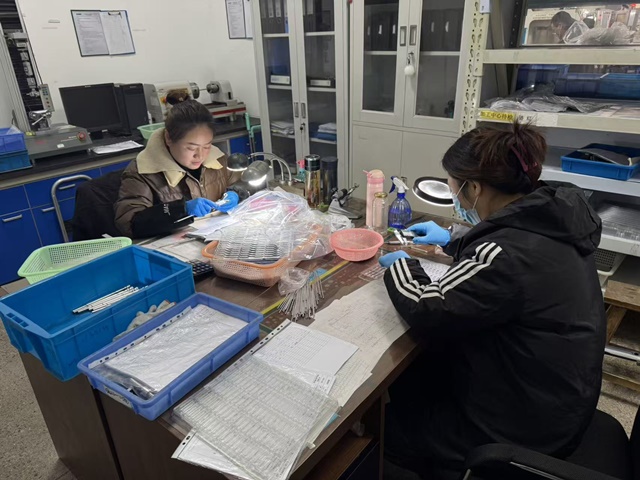
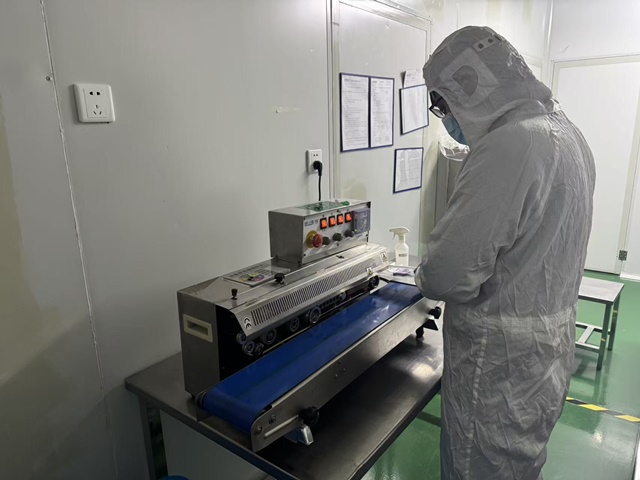
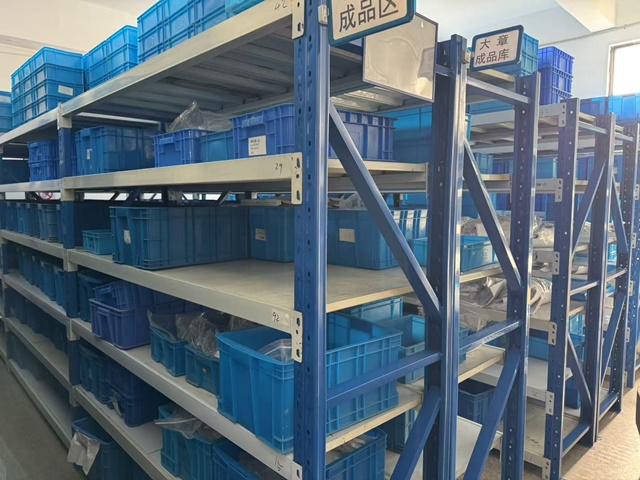
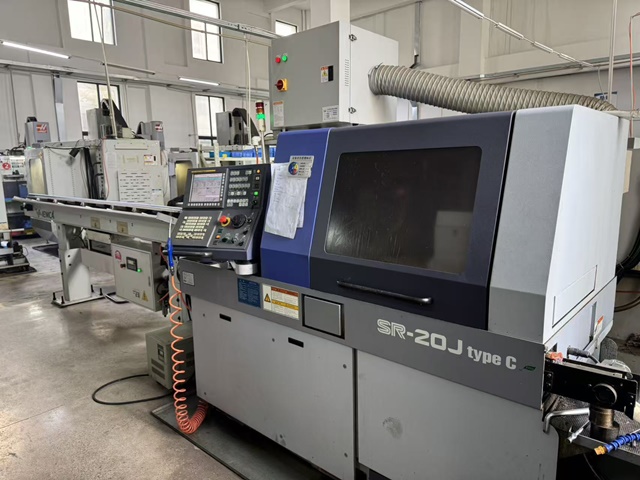
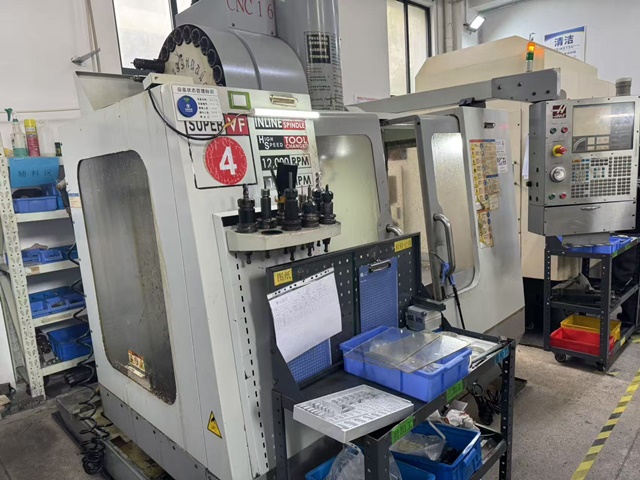
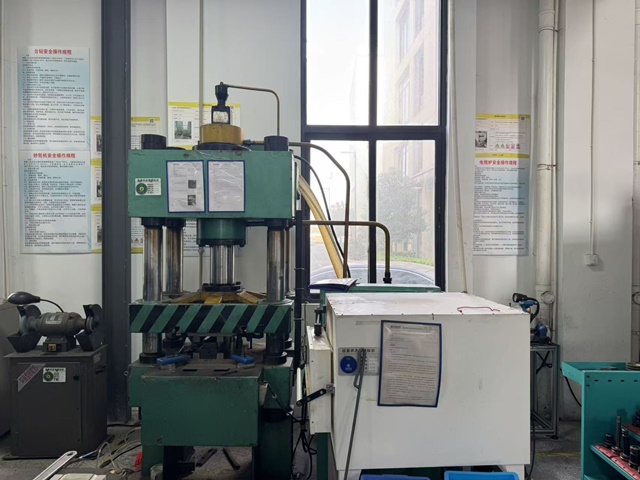
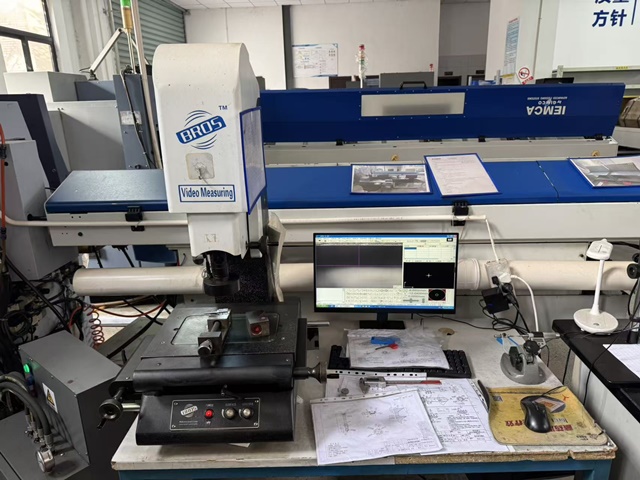
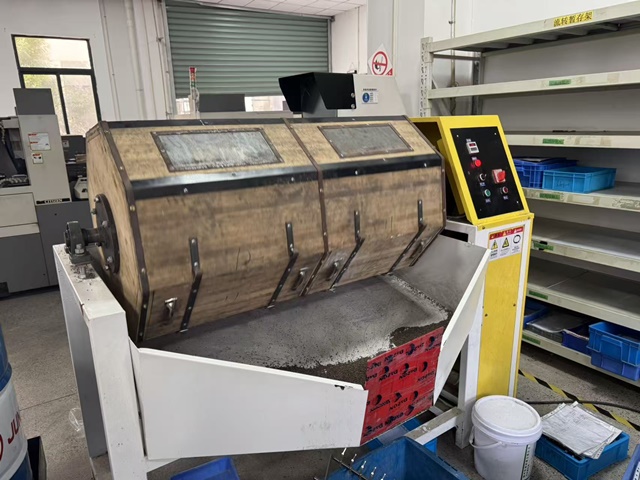
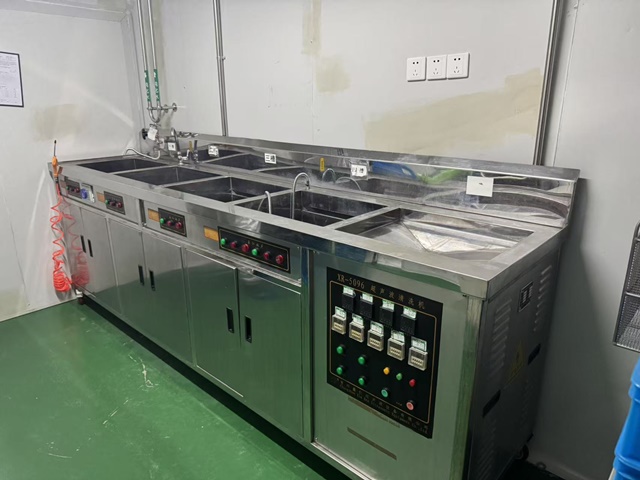
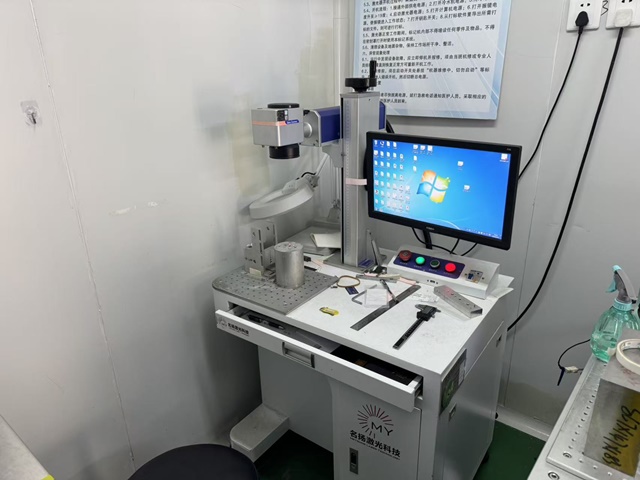
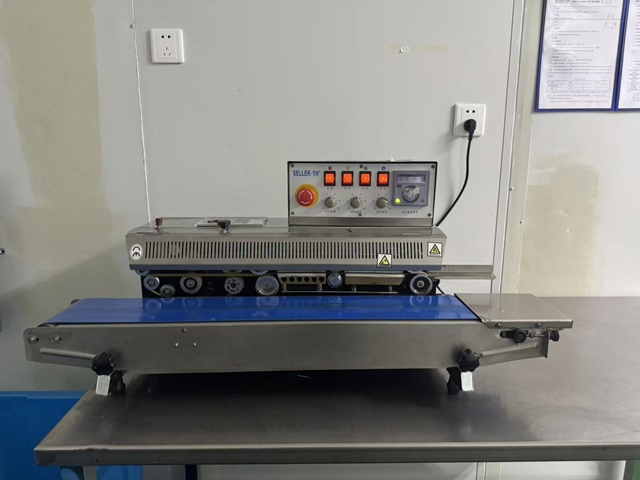
Our quality assurance protocol includes 100% in-process inspection of critical thread criteria, pitch variation, and hex/torx socket depth. We verify mechanical fatigue parameters in compliance with ISO 13485 and global ASTM standards. Every manufacturing run is mapped back to its raw material heat lot number for full trace stability.
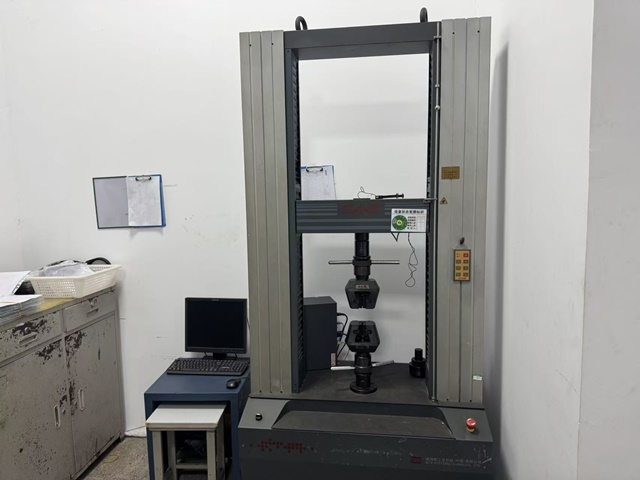
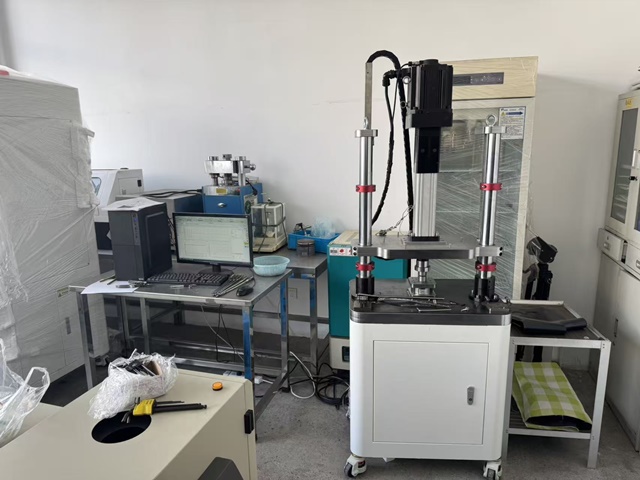
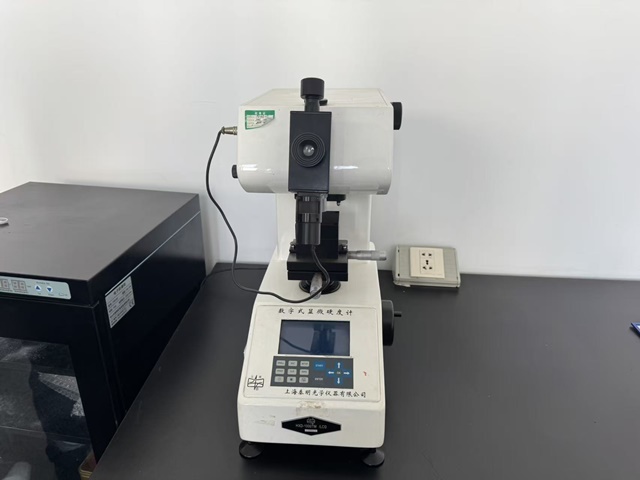
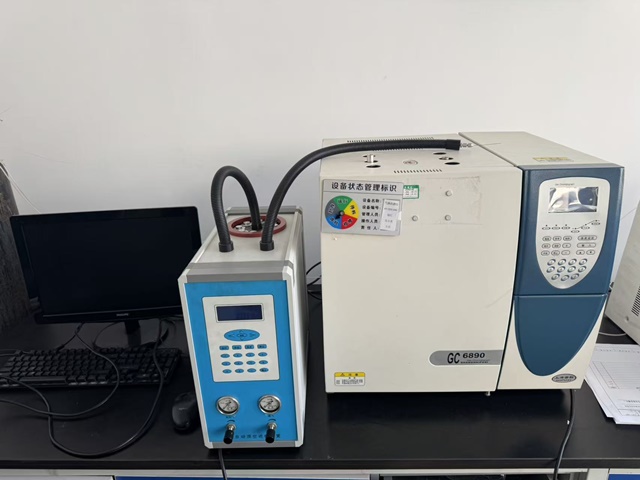
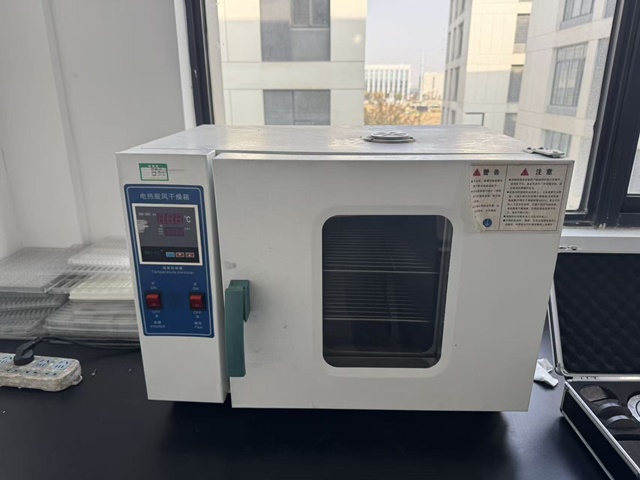
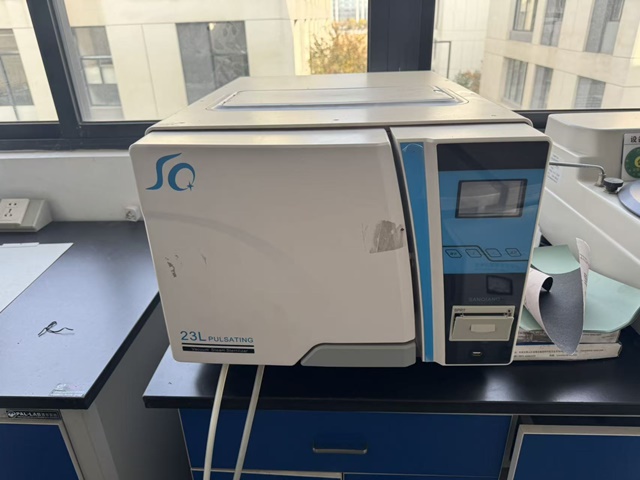
Under the supervision of our 42 dedicated QA inspectors, we implement rigorous testing programs including three-point bending fatigue, pull-out resistance tests, and chemical spectroscopy validation of the alloy structure. Below are the actual laboratory instruments used daily to certify our trauma and joint reconstruction fasteners:
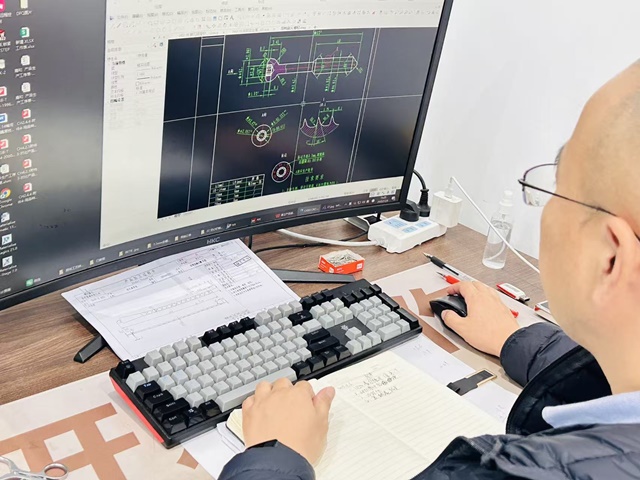
Key specifications, raw material details, and integration steps answered by Osteora's engineering team.
Our ISO-compliant production lines deliver standard and custom cannulated fasteners for trauma, reconstructive hand & foot surgery, and spinal fixation.
For medical device distributors across Texas, maintaining a competitive edge requires reliable supply partners. Osteora Medical Devices Co., Ltd. offers a combination of manufacturing expertise and flexible logistics solutions tailored to commercial requirements:
Connect with our technical sales division to request material certificates, product catalogs, or to arrange a consultation for custom configurations.
Send Inquiry Now