 Osteora
Osteora
Osteora
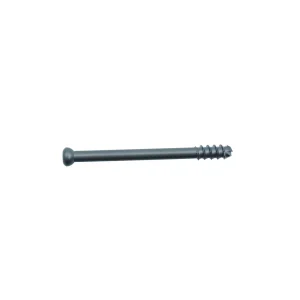
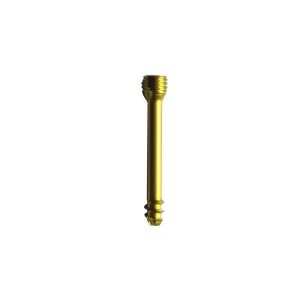
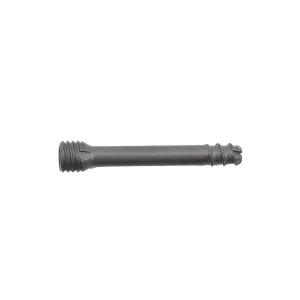
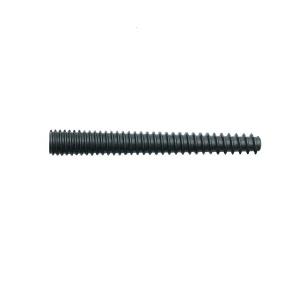
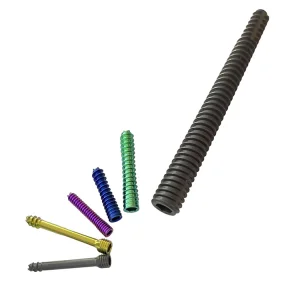
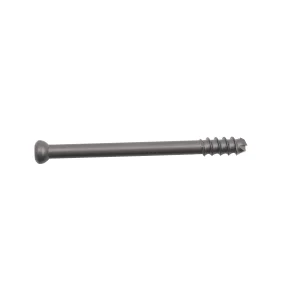
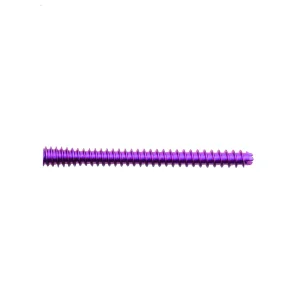
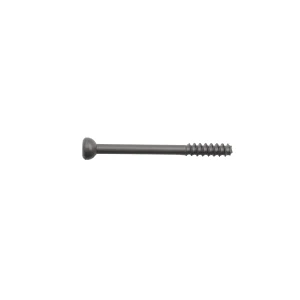
Featured high-performance titanium implant configurations optimized for immediate orthopedic trauma interventions.
A macroeconomic analysis of regulatory pathways, infrastructure developments, and purchasing trends within Malaysia’s leading healthcare hub.
Kuala Lumpur, alongside the broader Klang Valley region, stands as the commercial heart of Malaysia's high-growth medical technology sector. With an increasing geriatric demographic and a high incidence rate of vehicle and industrial accidents, the demand for reliable osteosynthesis materials, particularly cannulated compression bone screws, has risen dramatically over the past decade. Local procurement officers at premier institutions such as Pantai Hospital, Gleneagles Kuala Lumpur, and Sunway Medical Centre are prioritizing biocompatibility, predictable pull-out strength, and immediate regulatory traceability.
The Malaysian Healthcare Travel Council (MHTC) has actively promoted Kuala Lumpur as a regional hub for medical tourism. This clinical influx demands that local distributors supply implants that meet rigorous international criteria (specifically CE, FDA, and domestic MDA registrations). Consequently, medical device suppliers must establish resilient partnerships with direct-manufacturing partners capable of delivering surgical-grade titanium locking systems without localized supply bottlenecks.
Analyzing advanced metallurgy, variable pitch thread engineering, and bio-functional surface modifications.
Modern clinical pathways are shifting toward Titanium Grade 5 (Ti-6Al-4V ELI) compliant with ASTM F136. This material maximizes tensile fatigue life while minimizing imaging artifacts under post-operative MRI scans, a critical consideration for Malaysian surgeons monitoring bone healing stages.
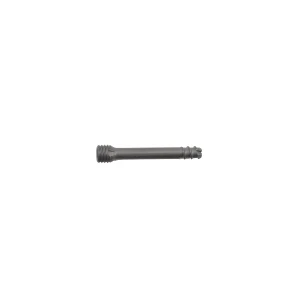
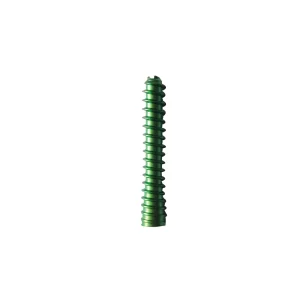
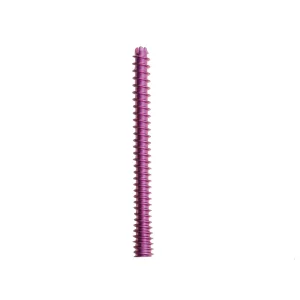
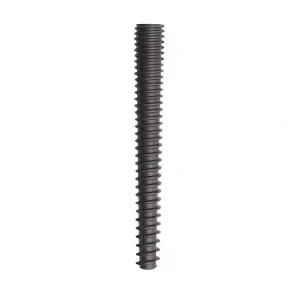
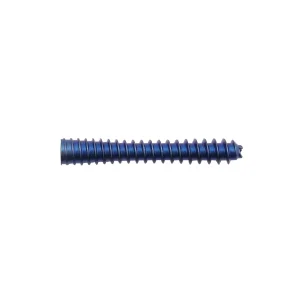
The mechanical efficiency of the Herbert screw design lies in its variable thread pitch. The leading threads grip the distal bone fragment while the trailing threads lock into the proximal fragment, pulling them together to establish uniform, micro-motion-free interfragmentary compression.
Future iterations of cannulated hardware incorporate type II anodization and hydroxyapatite (HA) surface structures. These modifications promote osteointegration, reduce risk of bacterial biofilm colonization, and facilitate easier extraction if implant removal is planned.
A trusted global orthopedic manufacturer offering clinical solutions through precision engineering and advanced smart manufacturing.
Osteora Medical Devices Co., Ltd. is a professional orthopedic implant and surgical solution manufacturer specializing in trauma, spine, and joint reconstruction systems under the brand Osteora. Founded in 2016, the company has developed a strong reputation in the global orthopedic industry through continuous innovation and strict quality control standards.
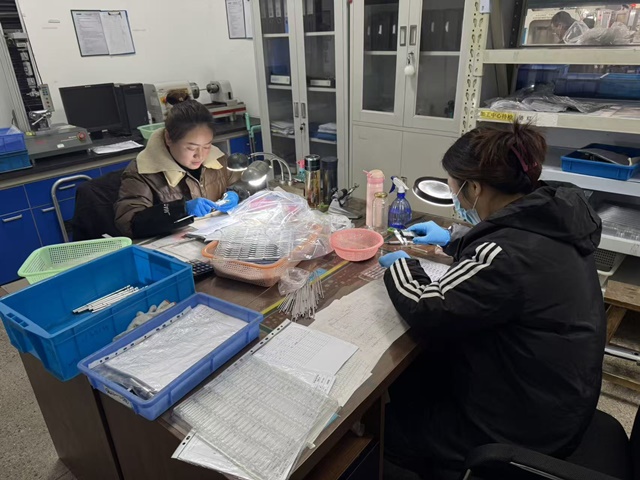
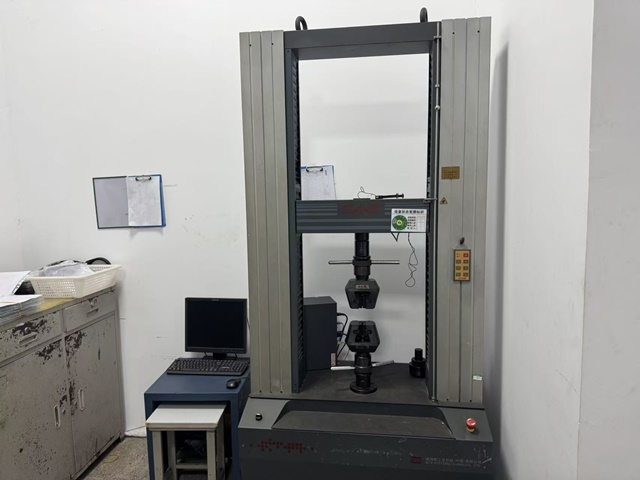
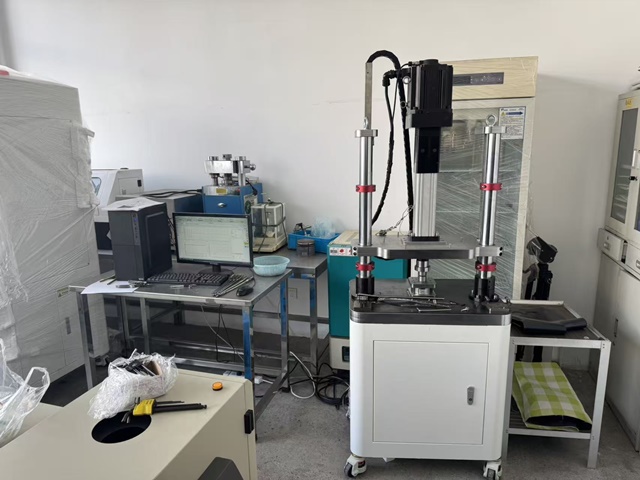
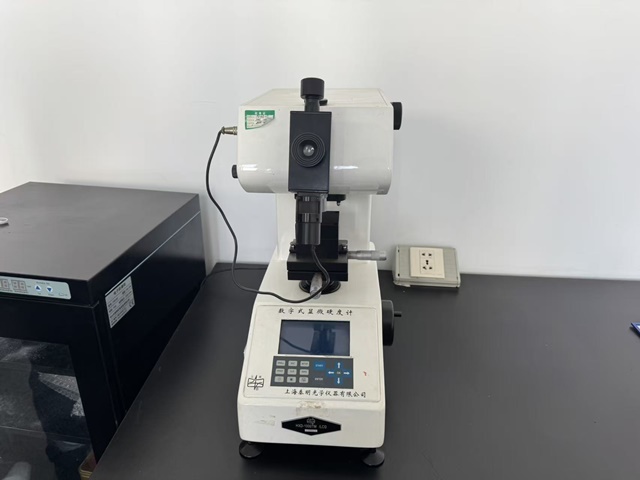
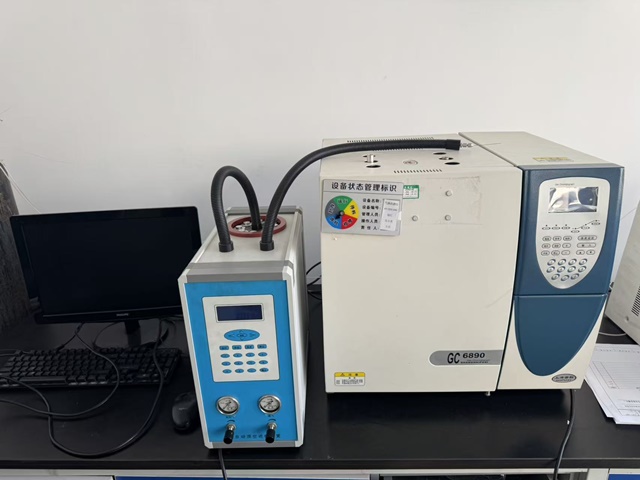
Visualizing our transparent quality control, precise stamping, mechanical testing, and cleanroom workflows.
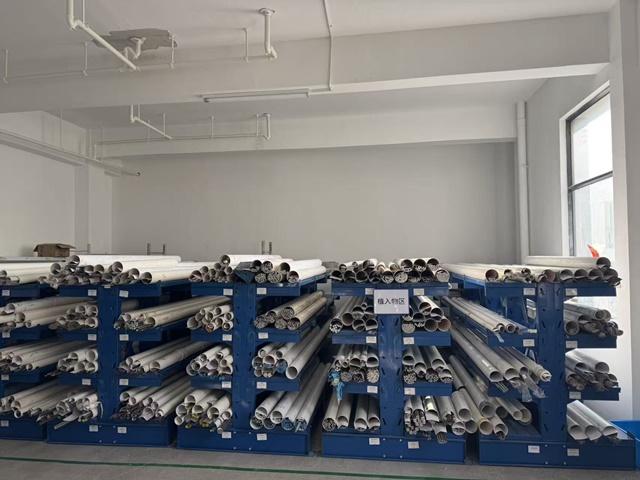
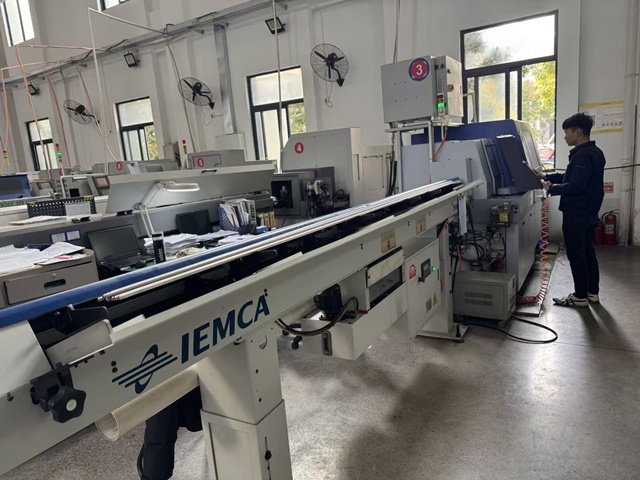
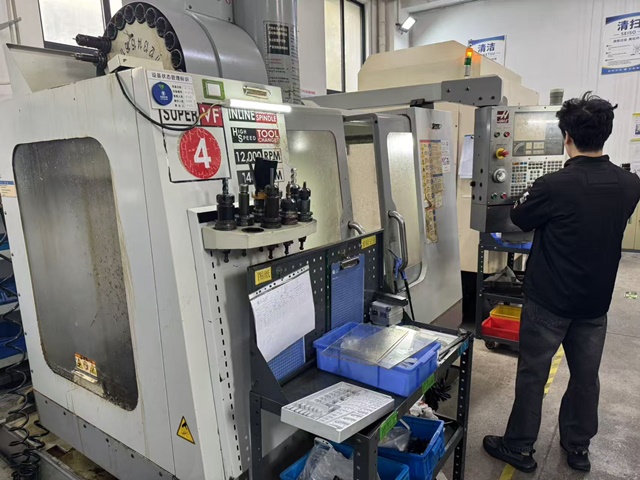
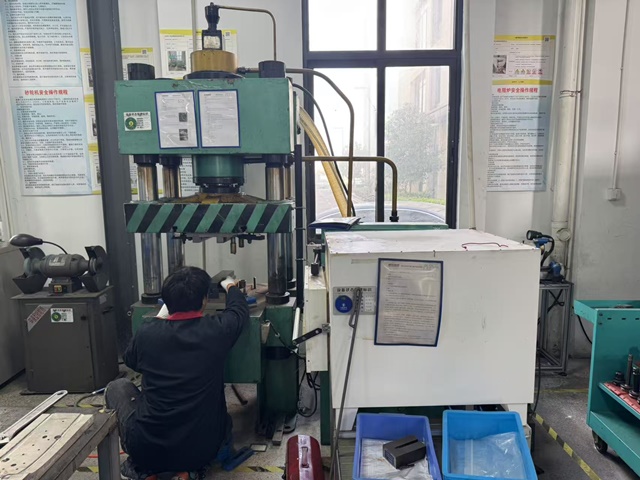
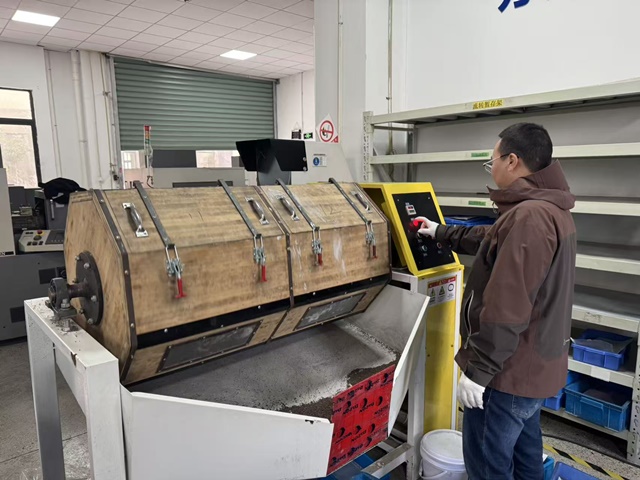
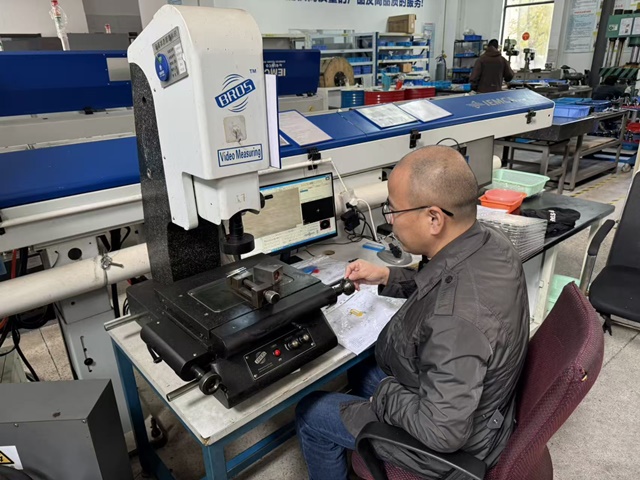
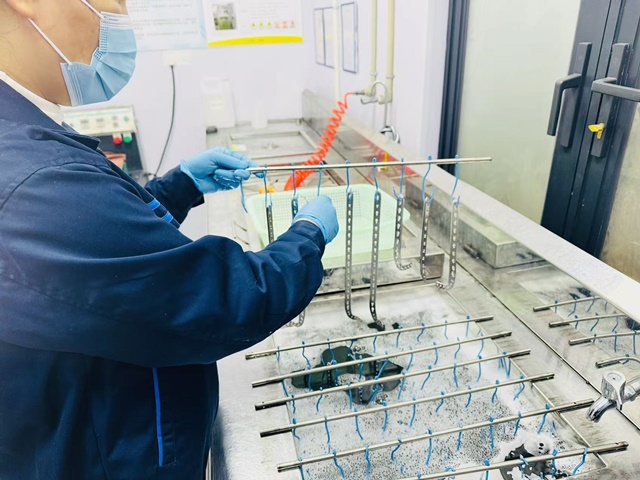
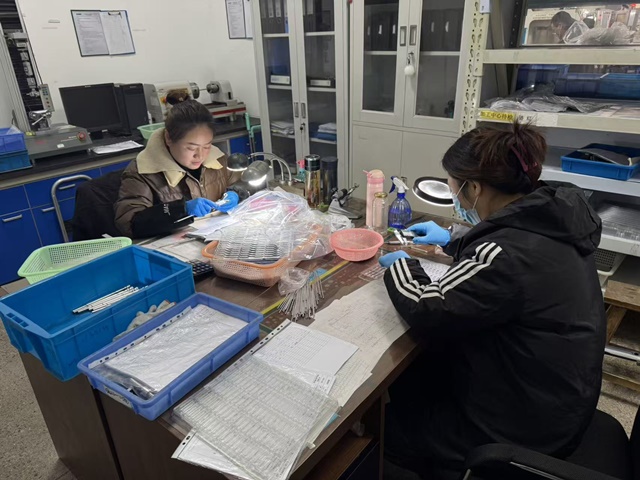
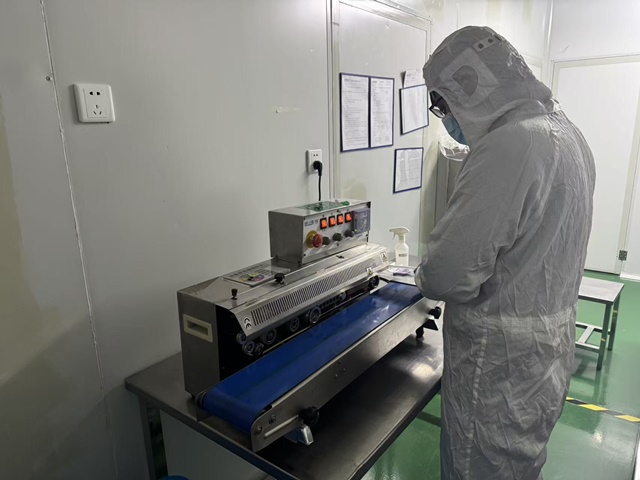
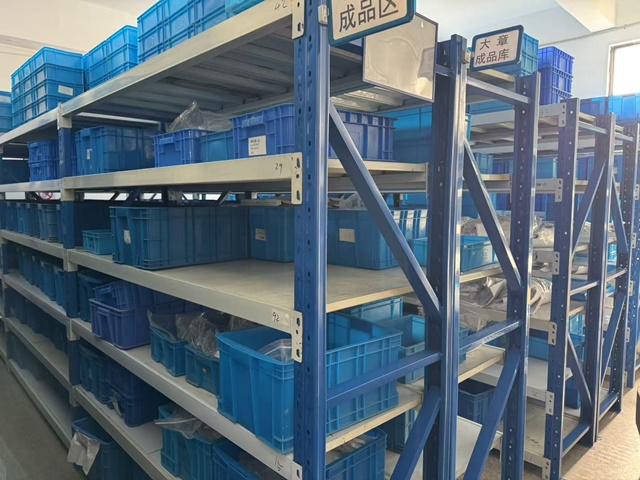
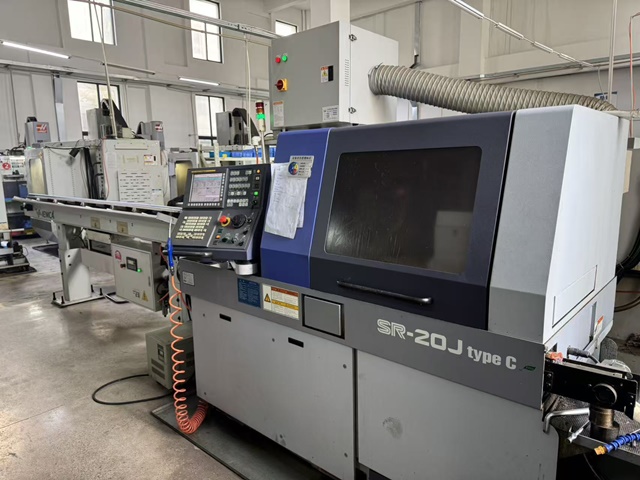
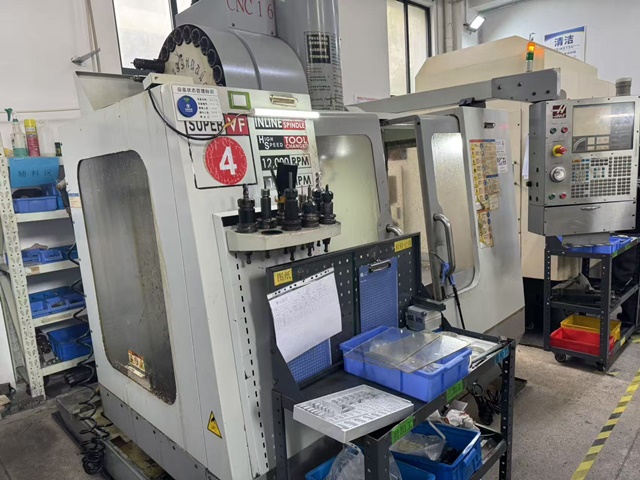
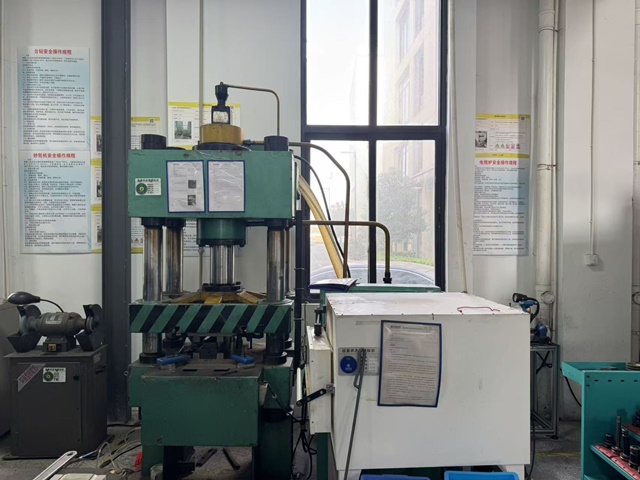
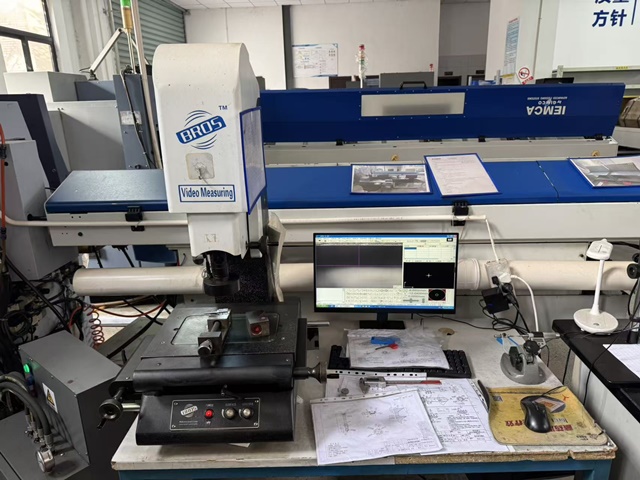
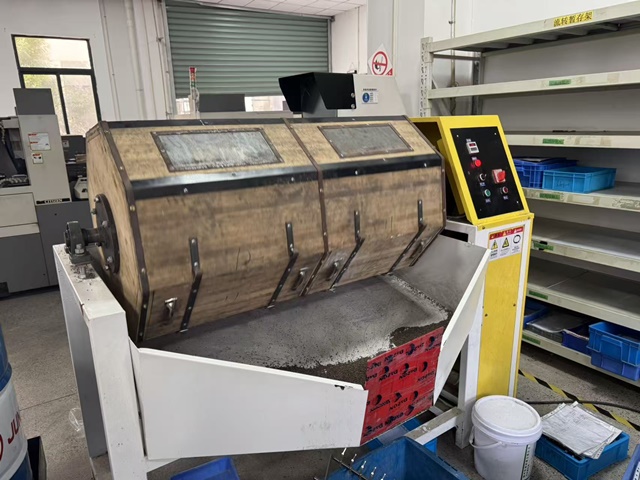
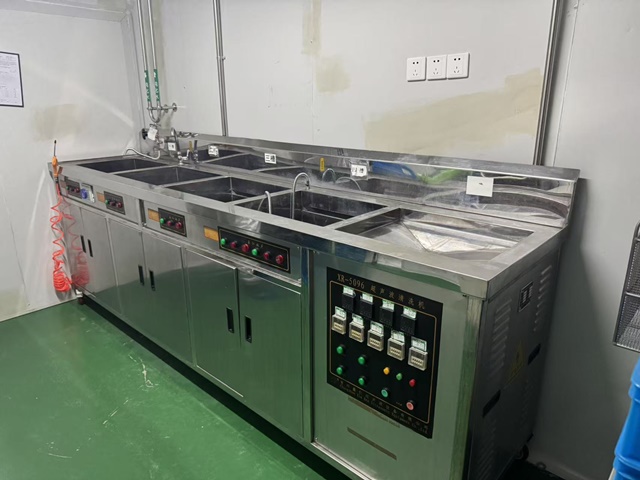
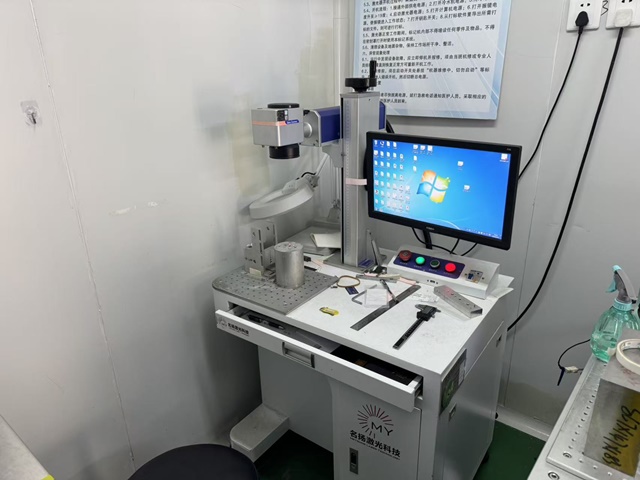
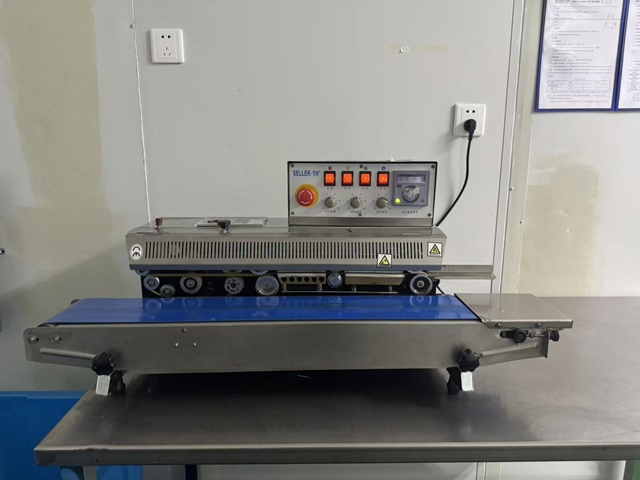
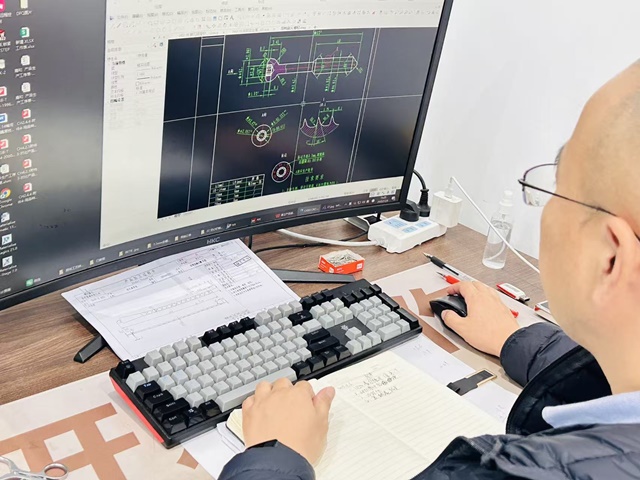
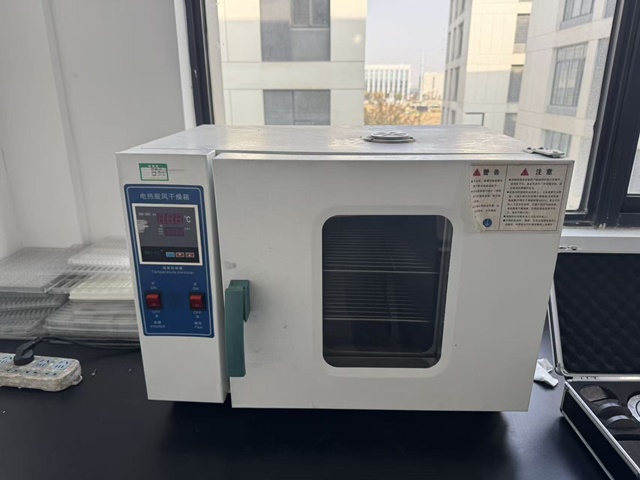
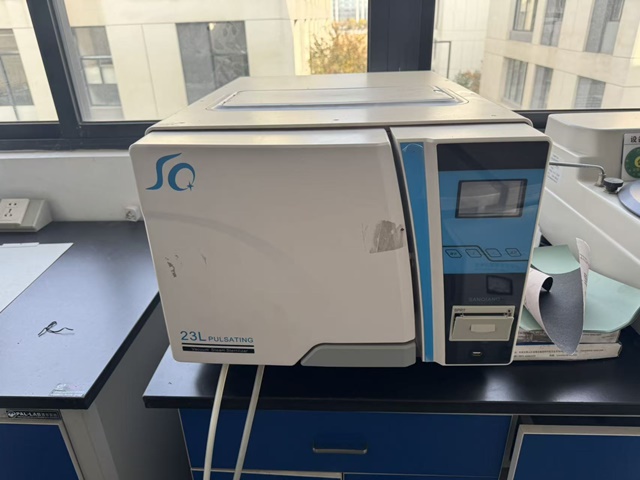
Our quality assurance laboratory is staffed by 42 specialized inspectors conducting multi-point verification. No raw material batch enters the machinery line, and no packaged lot exits the facility, without validation across the following testing methodologies:
Expanding orthosynthesis capabilities with targeted surgical hardware including interference configurations and custom Herbert options.
How Osteora integrates large-scale production capacities and localized compliance protocols to serve international distributors.
By leveraging an industrial network of 1,200 certified upstream and downstream partners, Osteora stabilizes lead times against regional raw material shortages. Our production facility implements real-time monitoring across all manufacturing stages—from initial bar stock extrusion to final chemical decontamination. This prevents the supply line vulnerabilities typical of smaller distributors.
For B2B buyers and surgical distributors in the Klang Valley, this structural stability translates directly to optimized hospital tender management. We guarantee rapid delivery times and flexible logistics options (FOB, CIF, air freight) directly to Kuala Lumpur International Airport (KLIA) or Port Klang, bypassing third-party trading markups.
With an active engineering hub comprising 85 R&D specialists, we offer deep customization options to match local surgeon preferences. Whether your client portfolio requires specialized thread lengths, customized color anodization for size grouping, or private-label surgical kits, we manage the complete lifecycle from initial CAD design to physical prototyping and regulatory validation.
Additionally, our Class III surgical hardware undergoes extensive biomechanical testing—including torsional load resistance, pull-out validation under synthetic bone block mediums, and micro-hardness testing—ensuring long-term implant performance in clinical settings.
High-precision headless, self-tapping, and instrumented implant assemblies engineered for clinical efficiency.
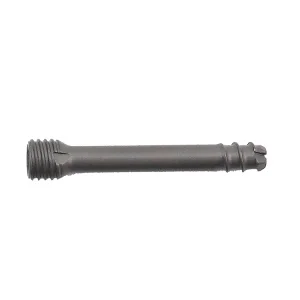
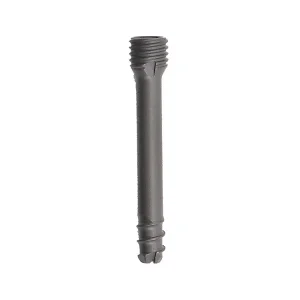
Critical engineering and regulatory answers for clinical distributors and medical device procurement teams in Malaysia.
Collaborate with a certified manufacturer to access high-precision cannulated screw configurations, customized surgical solutions, and OEM production runs.
Send Inquiry Now