 Osteora
Osteora
Osteora
Select from our premium, guide-wire-compatible clinical fixation products, engineered to meet strict Malaysian and international trauma standards.
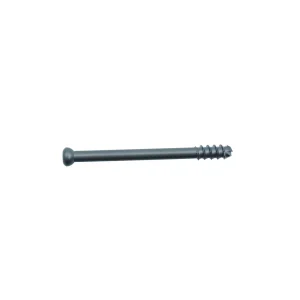
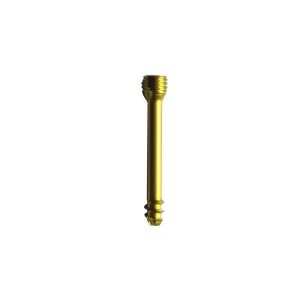
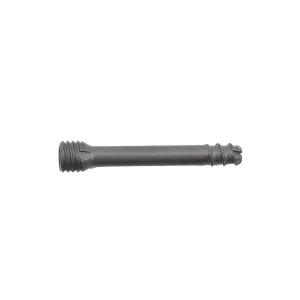
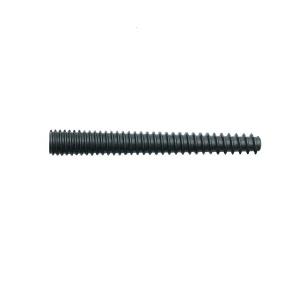
Malaysia's healthcare ecosystem is undergoing rapid modernization, fueled by public health development projects under the Ministry of Health (MOH) and the expansion of private medical groups such as KPJ Healthcare and Pantai Hospitals. As a result, the clinical demand for advanced trauma fixation, particularly cannulated compression screws, has reached unprecedented levels.
The rise in surgical demand is mainly driven by three main factors: high rates of road traffic accidents (RTA) requiring emergency orthopedic intervention, a rapidly aging population, and complications from diabetic osteopathy. In joint reconstruction and trauma surgery, minimally invasive percutaneous fixation using guide wires has become the standard of care. This procedure reduces patient recovery times and post-operative infection risks in humid tropical environments.
Navigating the regulatory environment in Malaysia requires strict alignment with the Medical Device Authority (MDA) guidelines. Implants must demonstrate absolute material integrity, clear traceability, and proven biocompatibility. Under MDA Class C medical device registration regulations, medical suppliers must provide complete technical files, clean room manufacturing documentation, and ISO 13485 certifications to ensure patient safety across public and private hospitals.
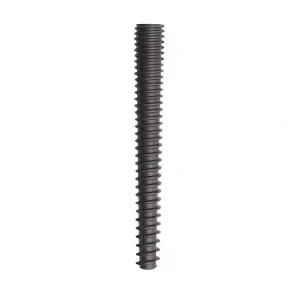
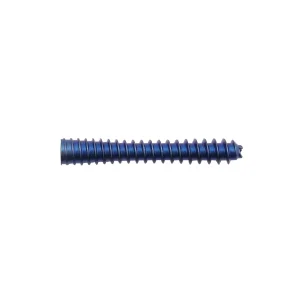
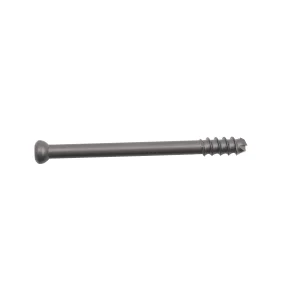
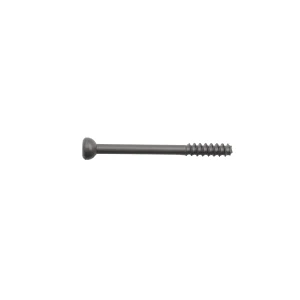
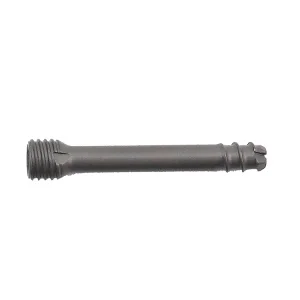
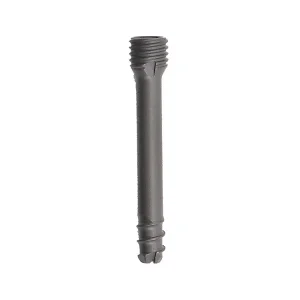
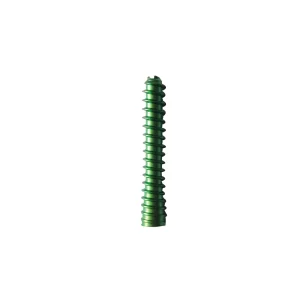
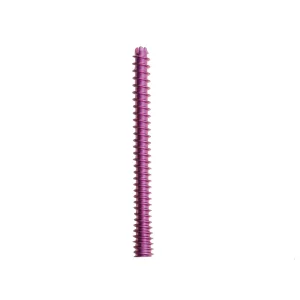
Cannulated screws are critical in modern trauma fixation. The central hollow core allows for the insertion of a guide wire, which enables orthopedic surgeons to achieve precise percutaneous placement before inserting the screw. This technique is essential for stabilizing femoral neck fractures, scaphoid non-unions, calcaneus fractures, and ankle arthrodesis.
Our manufacturing protocols leverage advanced micro-machining of titanium alloys to provide high pull-out resistance, excellent fatigue limits, and optimal compression. By using a specialized pitch design—often featuring variable thread pitches—our headless compression screws (Herbert type) provide continuous compression across the fracture gap. This is achieved as the screw is driven home, drawing the bone fragments together without the need for a traditional screw head.
| Screw Parameter | Design Value / Standard | Clinical Benefit |
|---|---|---|
| Material Specification | Ti-6Al-4V ELI (ASTM F136) | Excellent biocompatibility & mechanical strength |
| Diameter Range | 2.4mm to 7.3mm | Covers small bone joints to heavy hip fixations |
| Thread Design | Partial / Full (Self-Tapping / Self-Drilling) | Optimizes interfragmentary compression and speed |
| Cannulation Diameter | 0.8mm to 3.2mm (Guide wire aligned) | Ensures precise intraoperative guideway control |
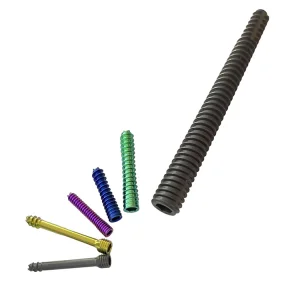
| Anodization Type | Type II Anodic Coating (optional) | Enhances fatigue wear resistance & color coding |
Leveraging advanced manufacturing technologies to supply high-quality orthopedic implants to Southeast Asia at competitive lead times.
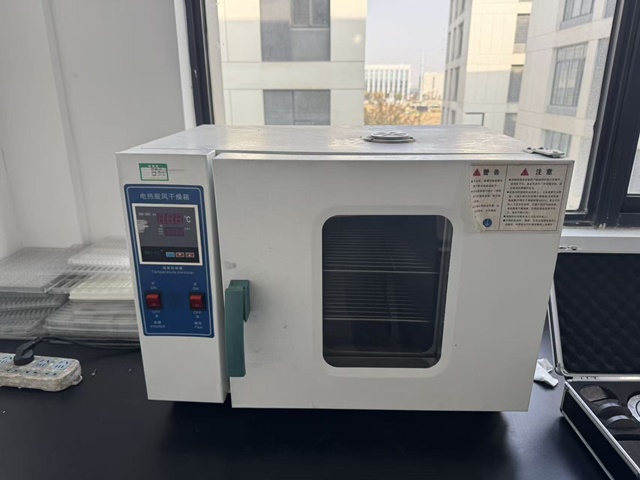
Our facility is equipped with imported Swiss-type longitudinal CNC lathes and HAAS CNC machine centers. These machines allow us to produce high-precision cannulated profiles with tolerances as tight as ±0.005mm. This degree of accuracy is critical to ensuring that guide wires slide smoothly through the center of the screw without jamming during surgery.
By coordinating everything from raw material verification to advanced surface treatment and sterile packaging in-house, we reduce production turnaround times. This vertical integration allows us to respond quickly to custom OEM/ODM requests, material modifications, and private label requests from our international clients.
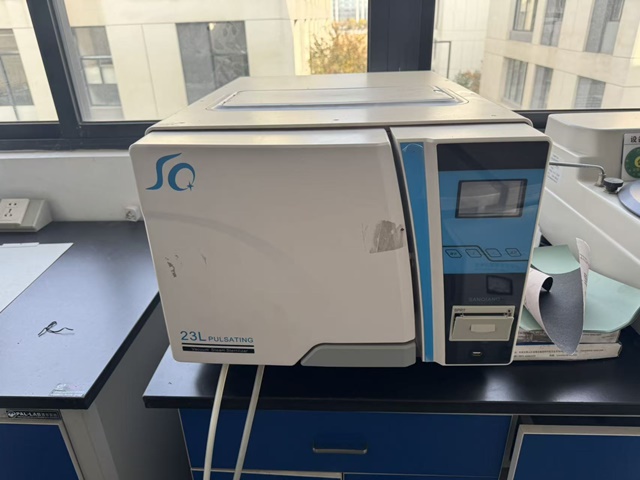
Our quality assurance process includes dimensions inspections, mechanical fatigue testing, and biocompatibility validations. With 42 quality control inspectors managing our workflows, we ensure that every batch of titanium cannulated screws meets global surgical safety standards before shipment.
How Osteora builds reliability into every implant, from raw medical-grade titanium to sterile-packaged products.
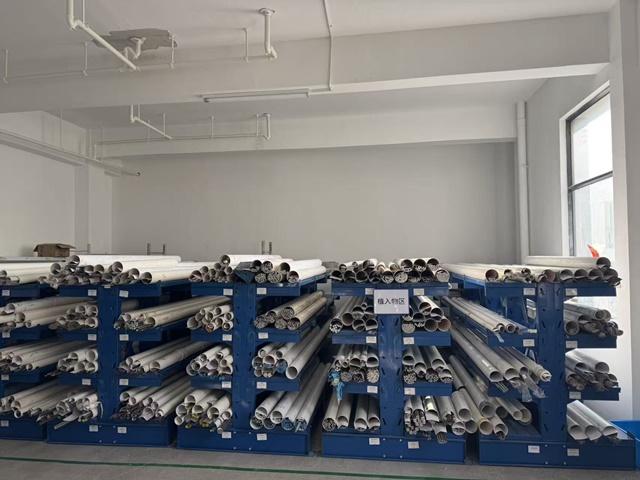
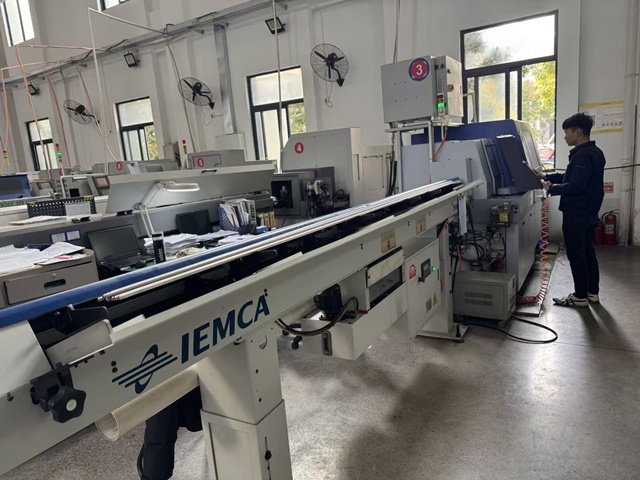
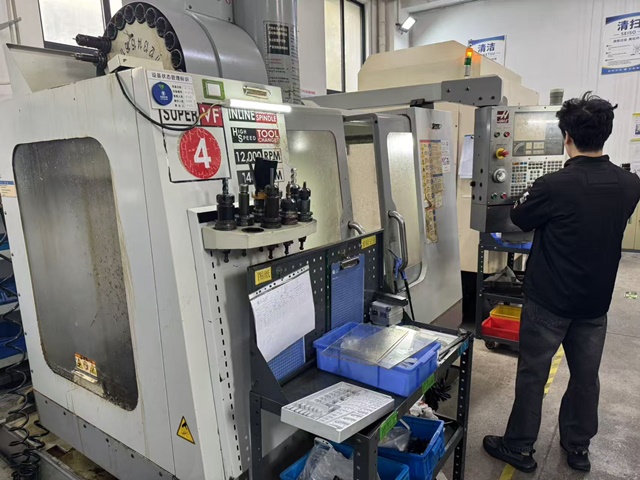
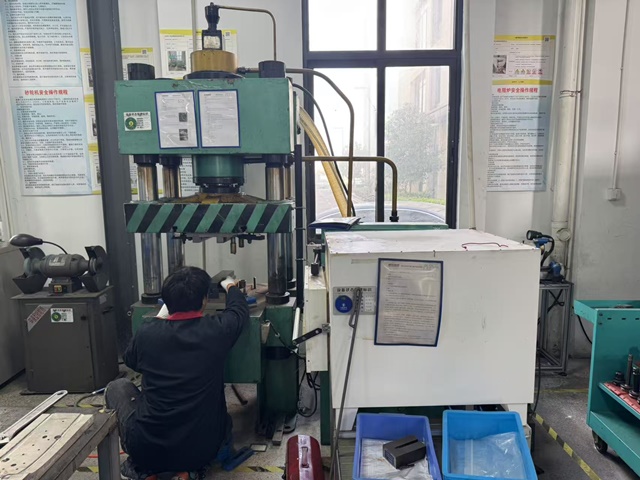
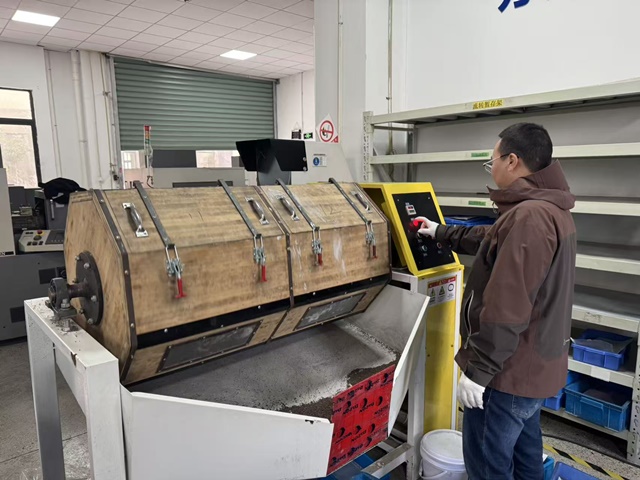
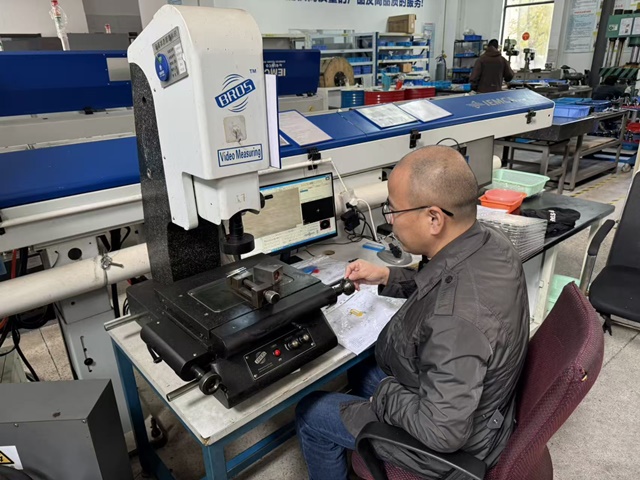
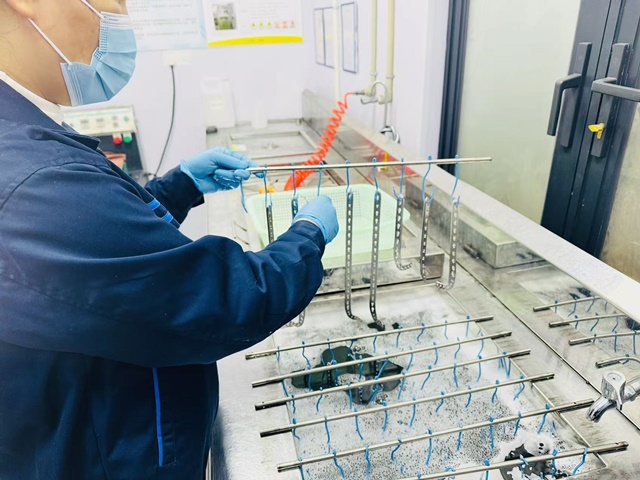
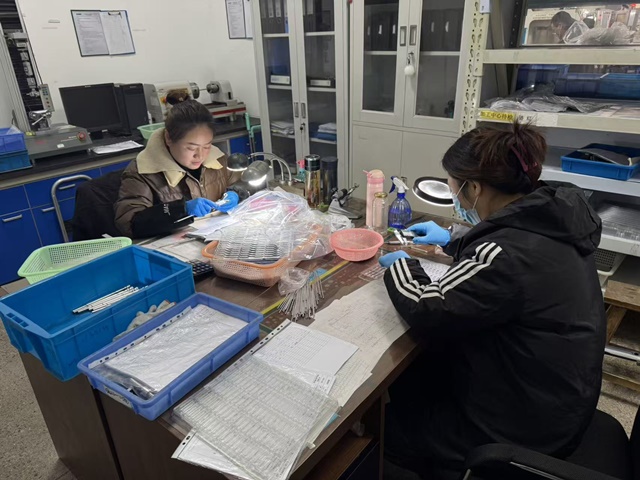
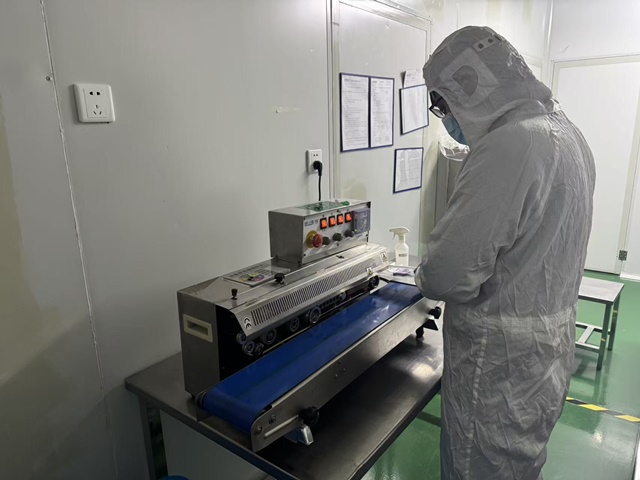
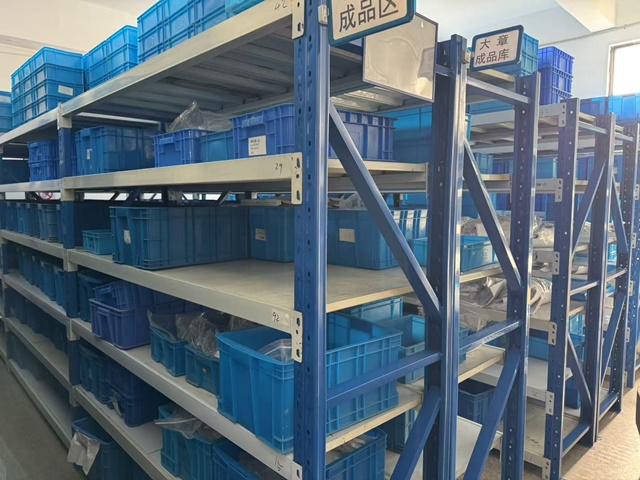
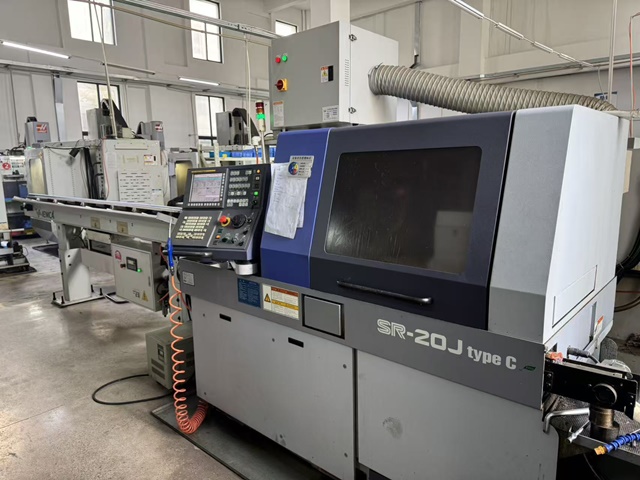
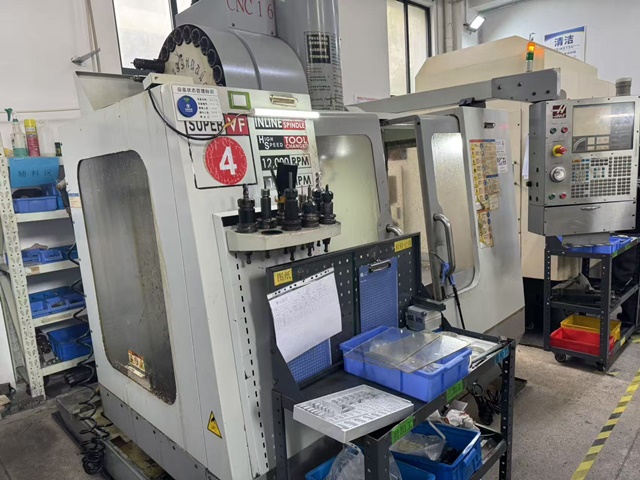
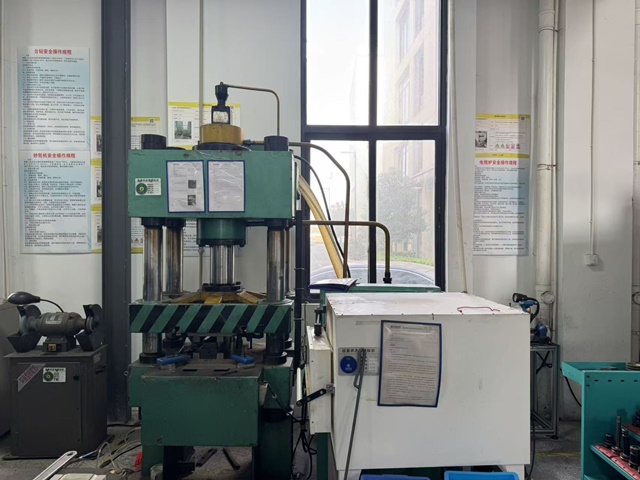
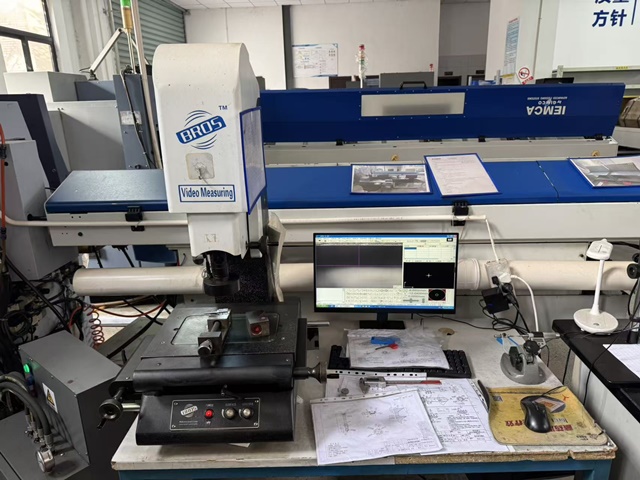
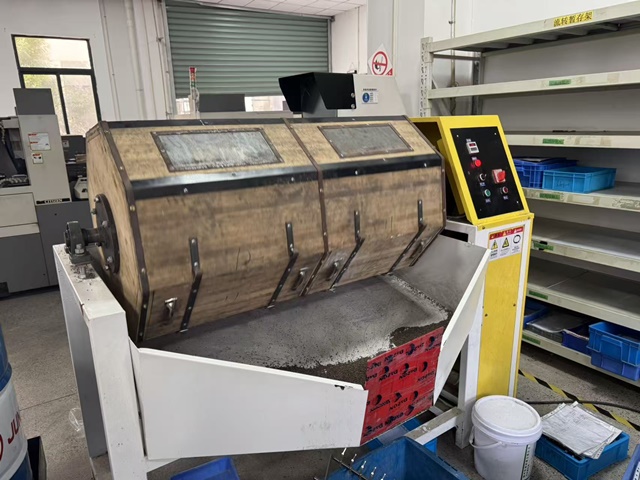
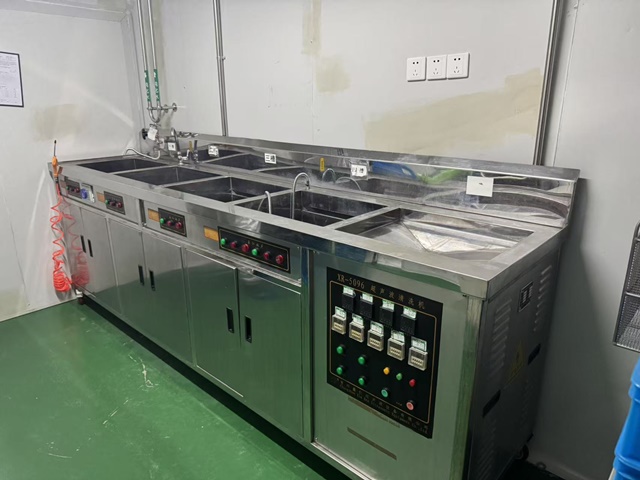
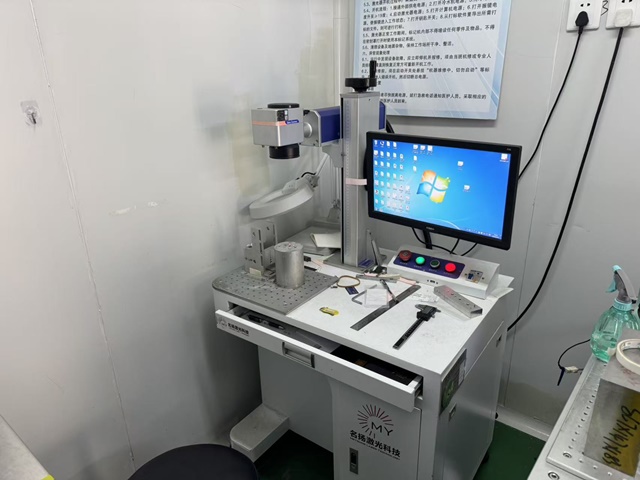
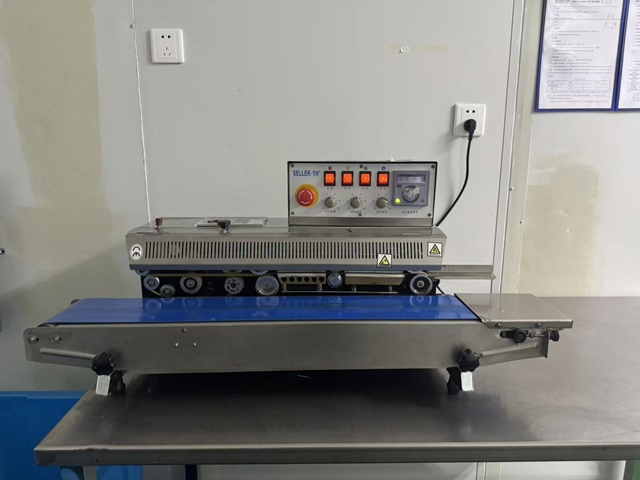
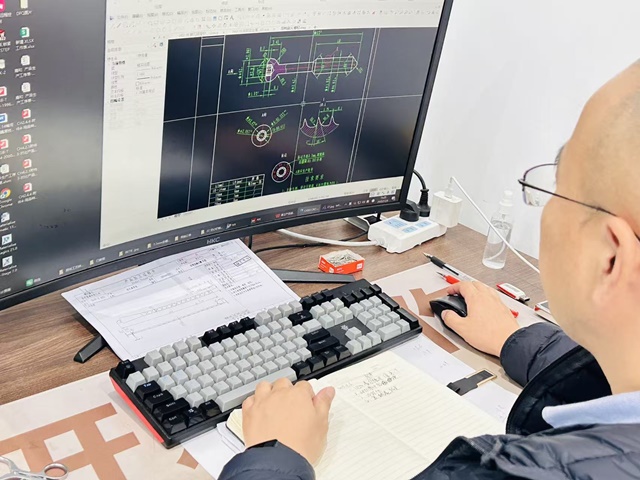
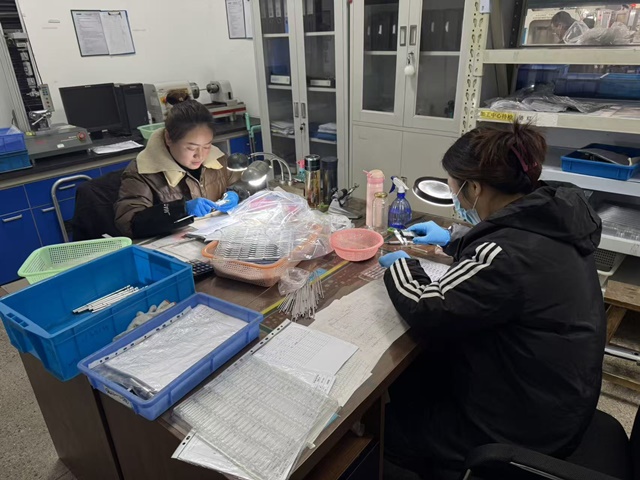
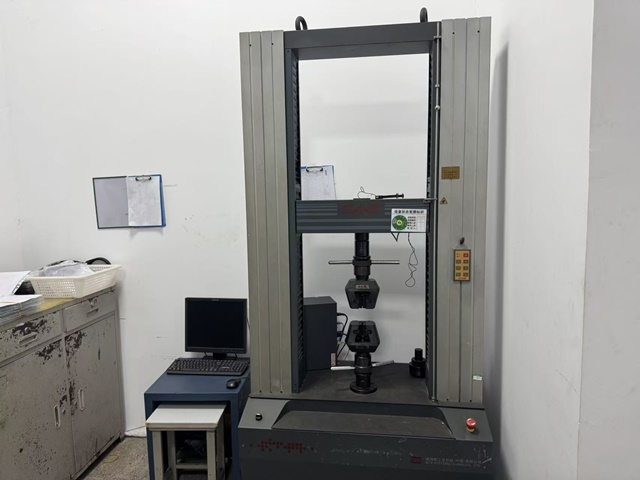
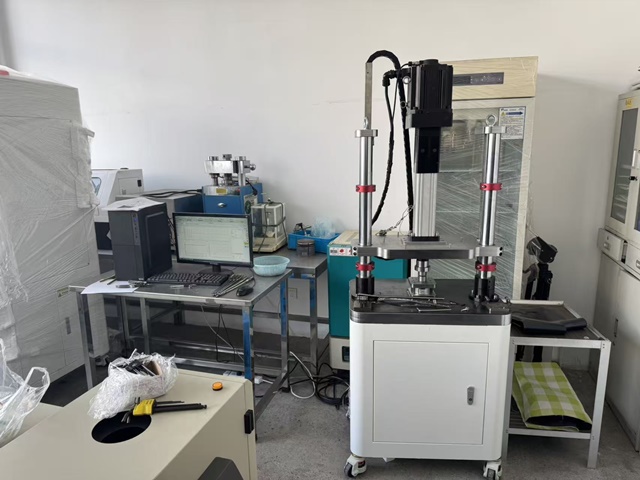
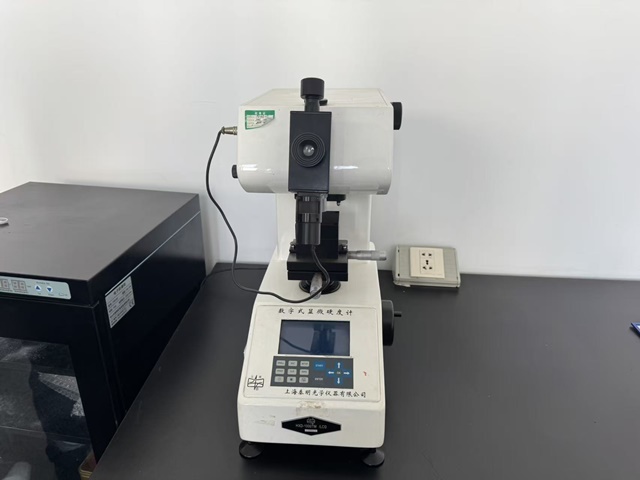
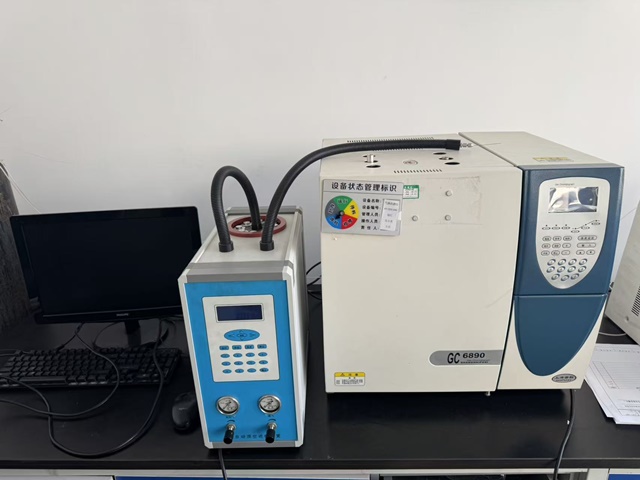
Ensuring surgical success and implant integration across standard and specialized orthopedic procedures.
With an aging demographic in urban centers like Penang and Kuala Lumpur, there is a steady increase in fragile hip fractures. Our 6.5mm and 7.3mm cannulated compression screws provide stable fixation. They allow for early patient mobilization, which helps reduce post-operative complications.
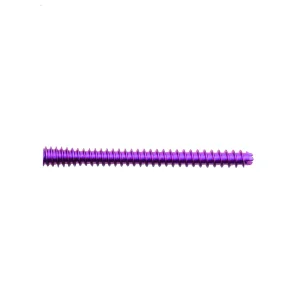
Sports clinics in Johor Bahru and Selangor see regular cases of ACL and PCL reconstructions. Our cannulated interference screws provide secure graft fixation. Their design helps prevent slippage and promotes tendon-to-bone healing.
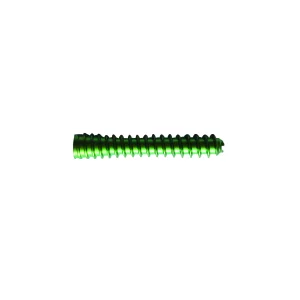
Given the prevalence of diabetes in Malaysia, Charcot arthropathy is a significant clinical challenge. Small bone, headless compression screws (2.4mm to 3.5mm) are commonly used to fuse unstable tarsal joints. This minimally invasive approach helps avoid major surgical incisions in compromised soft tissues.
Procuring surgical implants for large hospital groups or national tenders requires a reliable manufacturer. Supply chain managers look for partners who can deliver stable product quality, complete certification files, and consistent production lead times.
At Osteora, we offer comprehensive OEM and ODM support. We provide customized dimensions, private labeling, color-coded anodization, and specialized packaging (sterile single-pack or bulk instrumentation kits). Our team collaborates directly with clinical and regulatory representatives to ensure smooth product integration into target markets.
Explore our full range of CE-conforming medical bone compression and locking screws, designed for clinical reliability.
Get quick answers to common regulatory, material, and logistics questions for the Malaysian medical market.
Yes. We supply comprehensive technical documentation—including ISO 13485 certification, biocompatibility evaluation reports, and manufacturing process validations—to assist our Malaysian distributors with the Medical Device Authority (MDA) Class C registration process.
We use medical-grade Titanium Alloy (Ti-6Al-4V ELI) conforming to ASTM F136 and ISO 5832-3. This material provides high biocompatibility, excellent fatigue strength, and corrosion resistance inside the human body.
Yes, we provide full OEM/ODM customization. Our engineering team can adjust variables like thread pitch, overall length, cannulation diameter, and head configurations (e.g., star drive or hexagonal) to match your surgical preferences.
For standard inventory items, processing and shipment can be completed within 7 to 10 days. For custom OEM orders, typical lead times range from 30 to 45 days, depending on order size and complexity.
Yes. We supply dedicated, sterile-pack surgical instrument sets—including matching guide wires, cannulated drill bits, countersinks, and depth gauges—to ensure precise implant insertion during surgery.
We use multi-axis deep-hole gun-drilling machinery followed by high-definition vision measuring and clean-room ultrasonic flushing. This process ensures that the internal lumen is smooth and free of burrs or metal filings, allowing the guide wire to pass through without resistance.
Whether you are an orthopedic distributor in Kuala Lumpur, a clinic in Penang, or a hospital purchasing officer in East Malaysia, our team is ready to support your supply requirements.
Send Inquiry Now