Osteora
Osteora
Osteora
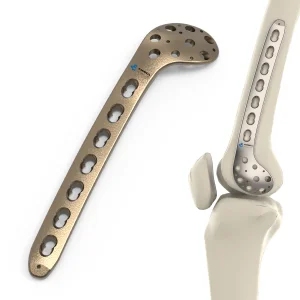
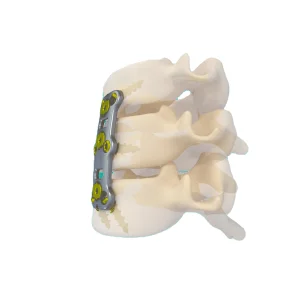
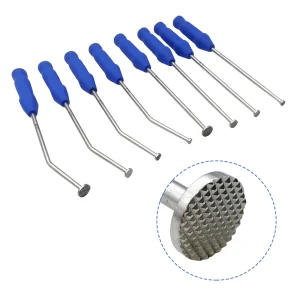
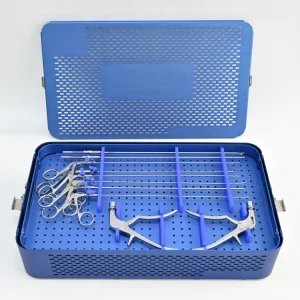
Explore our top-tier catalog including high-performance micro power saws, minimally invasive spinal retractors, and robust trauma implant systems certified for global healthcare structures.
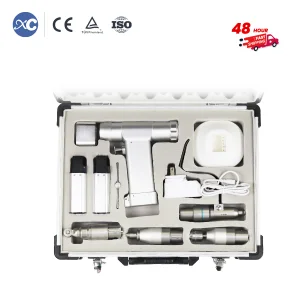
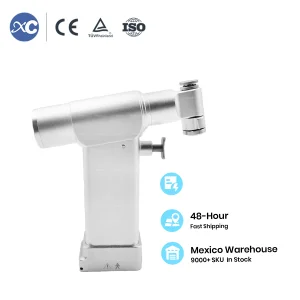
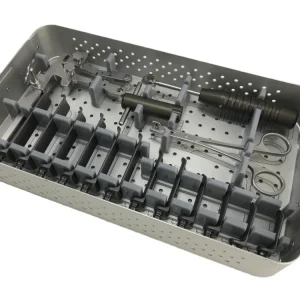
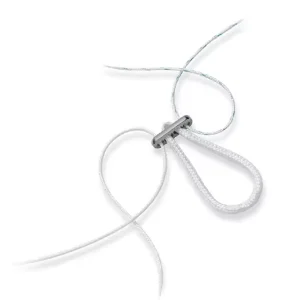
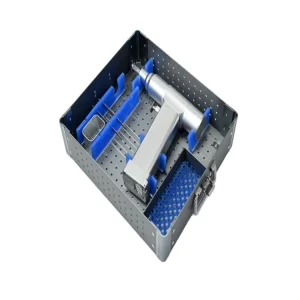
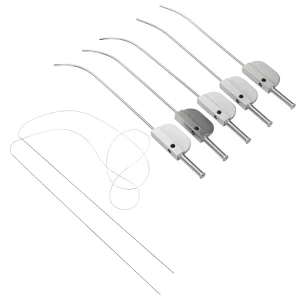
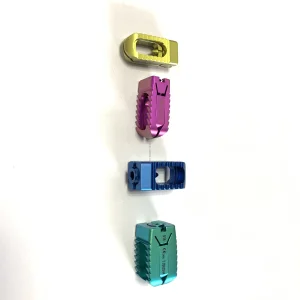
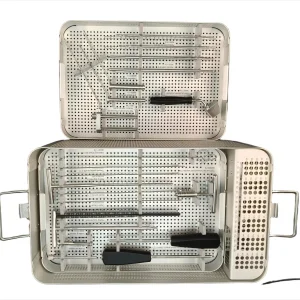
Osteora Medical Devices Co., Ltd. stands as a premium, highly specialized developer and manufacturer of orthopedic implants and surgical instruments. Operating under our internationally recognized brand Osteora, we design, manufacture, and distribute comprehensive trauma fixation systems, advanced spinal implants, and robust joint reconstruction systems.
Established in 2016, our modern facility spans approximately 18,500 square meters, containing integrated manufacturing corridors, ISO Class 7 cleanrooms, mechanical verification laboratories, and digitalized storage solutions. Over our 12 years of industry expertise, supplemented by 8 years of dedicated global export experience, we have cultivated a strong reputation for structural integrity, clinical precision, and engineering excellence.
"Our objective is clear: to engineer and supply flawless trauma instrument sets and matching implant structures that minimize surgical variables and guarantee patient recovery milestones."
The global orthopedic trauma market has experienced significant structural changes over the past decade. The demand for reliable trauma instrument sets is no longer limited to basic mechanical functionality. Modern clinical scenarios require absolute synergy between the implant (e.g., locking plates, intramedullary nails) and the instrument kit used to deliver them. The rise in geriatric populations suffering from osteoporotic fractures, coupled with rising road transport accident rates worldwide, has intensified the pressure on healthcare institutions to maintain highly optimized, durable, and easily sterilized trauma sets.
Currently, the market is shifting toward specialized, modular setups that minimize sterilization footprints while maximizing surgical versatility. Advanced medical economies in Europe and North America have set high regulatory barriers, requiring manufacturers to demonstrate comprehensive traceabilities. Manufacturers must detail raw material verification, processing validation, and cleaning validations. As a premier exporter shipping globally across Europe, Southeast Asia, the Middle East, and South America, Osteora addresses these strict demands. We supply highly standardized instrument configurations that are compatible with global surgical techniques, ensuring a seamless user experience in trauma units, orthopedic clinics, and surgical centers.
Several critical dynamics are shaping the future of trauma instrumentation:
A. Advanced Metallurgy & Biocompatibility: Traditional medical-grade stainless steels are increasingly being replaced by high-performance Titanium Alloys (Ti-6Al-4V ELI / ASTM F136) and specialized medical plastics like PEEK (Polyetheretherketone). These materials offer excellent fatigue resistance, superior strength-to-weight ratios, and optimal imaging transparency during fluoroscopic procedures.
B. Minimalist & Smart Ergonomics: Micro-power tools and minimally invasive surgical (MIS) retractors must reduce physical fatigue for the surgeon. Modern hand-held tools feature lightweight silicone handles, balanced centers of gravity, and quick-coupling configurations that expedite instrument transitions mid-operation.
C. Universal Component Standardization: Global surgical practices demand that screwdriver tips (e.g., Star, Hexagonal, Cruciate) and screw thread profiles match exact international parameters. This compatibility ensures that trauma instrument sets function reliably, regardless of the clinical site or country of deployment.
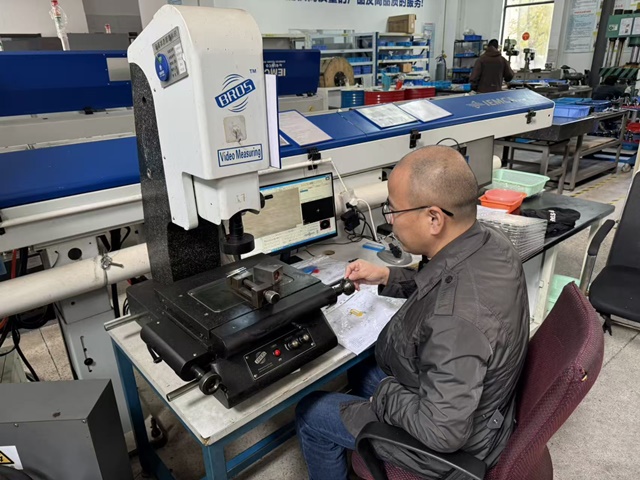
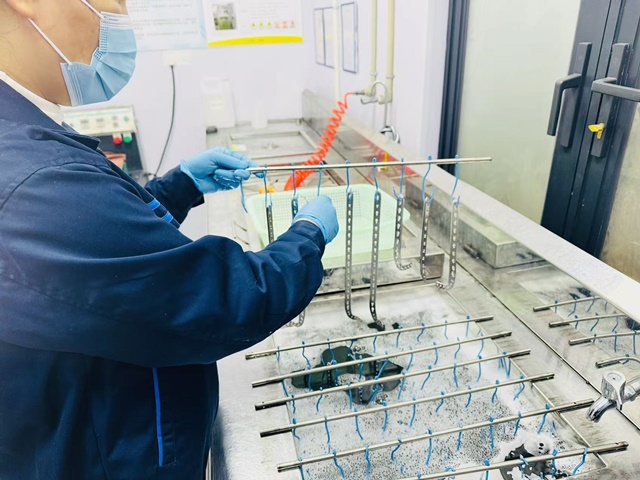
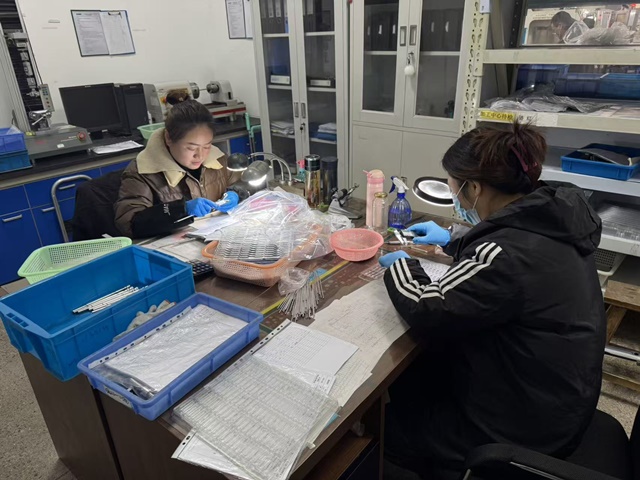
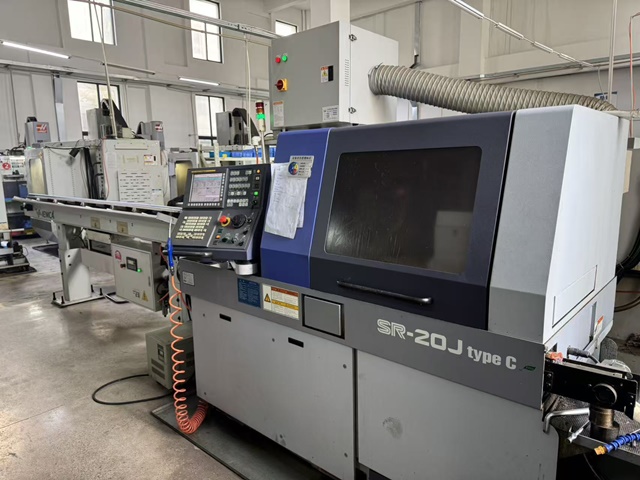
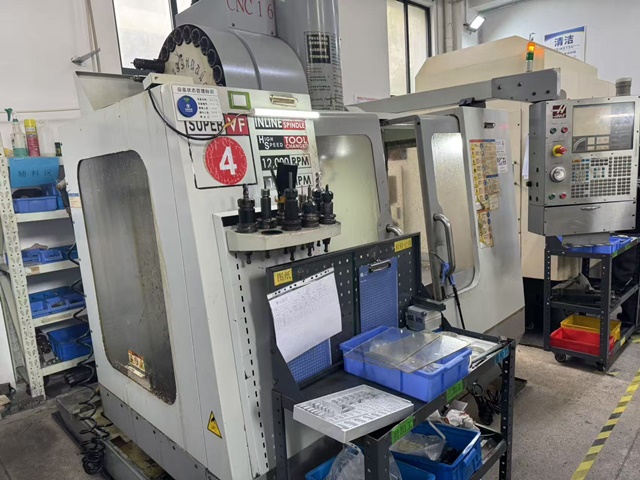
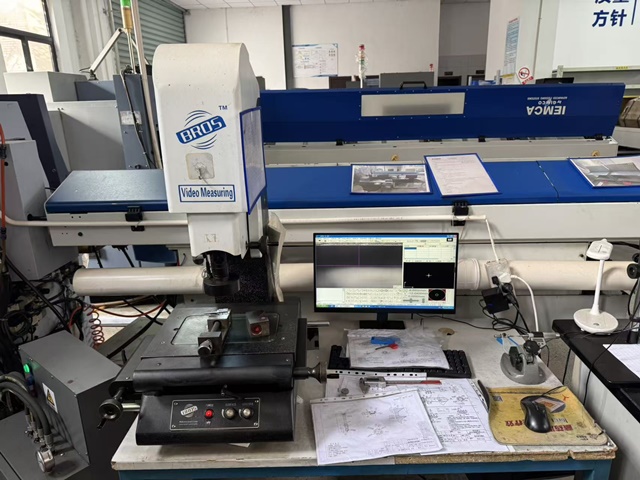
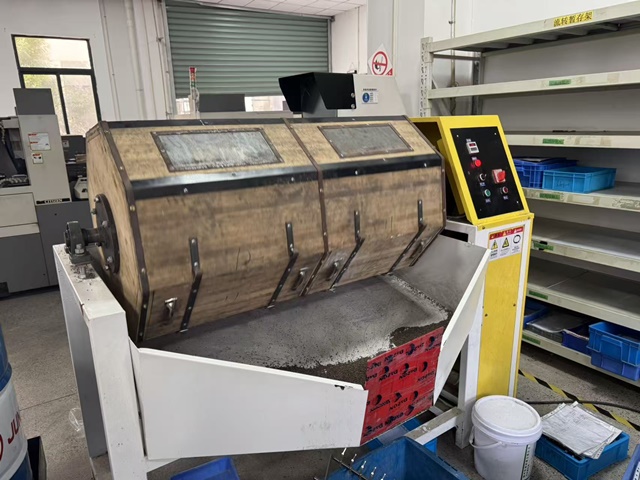
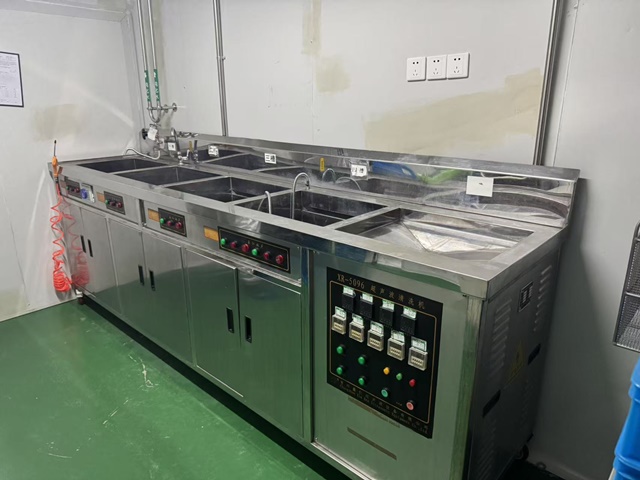
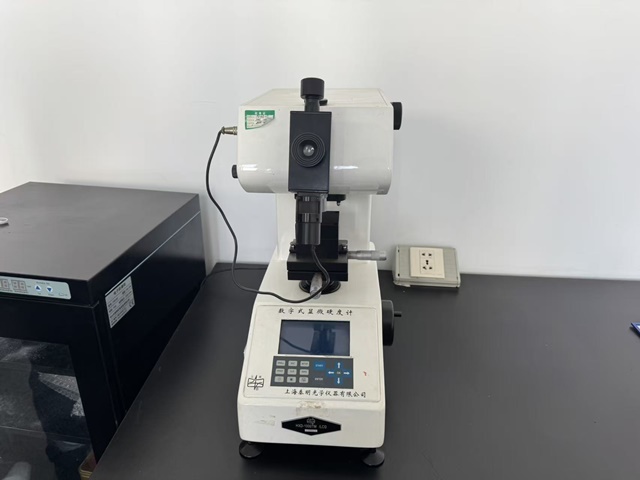
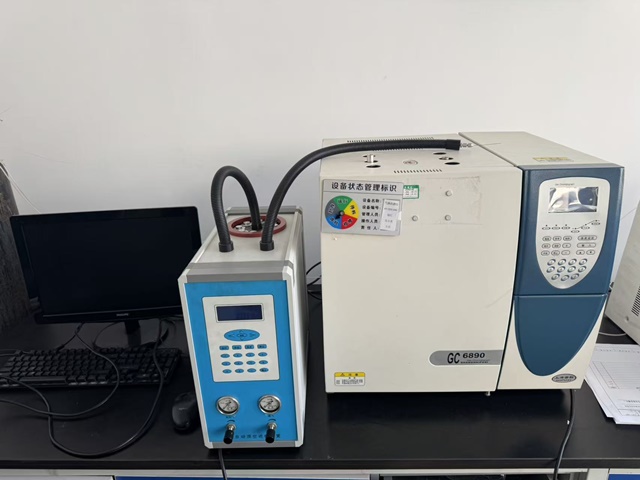
A visual and technical walk-through of our integrated production floor, illustrating how raw metals are processed into micro-tolerance medical instruments.
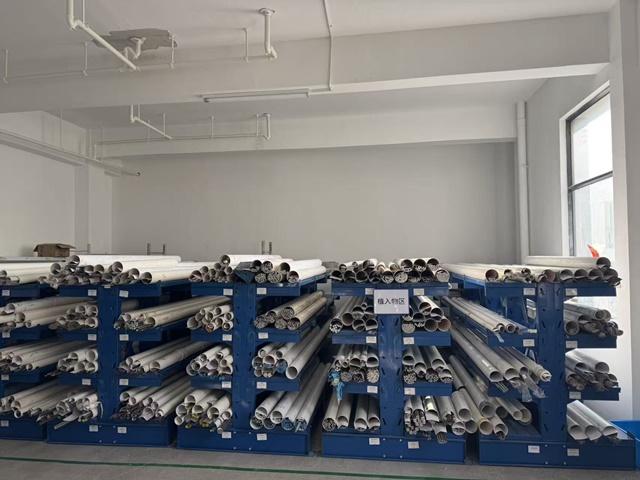
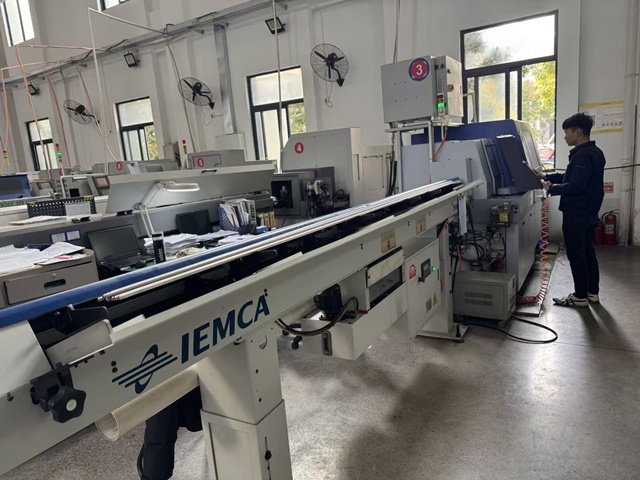
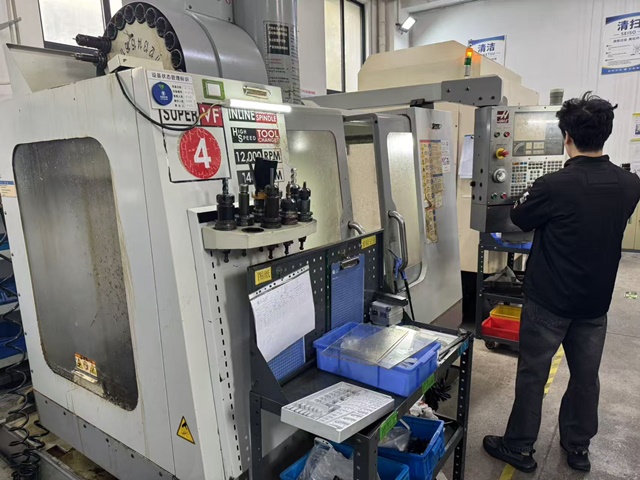
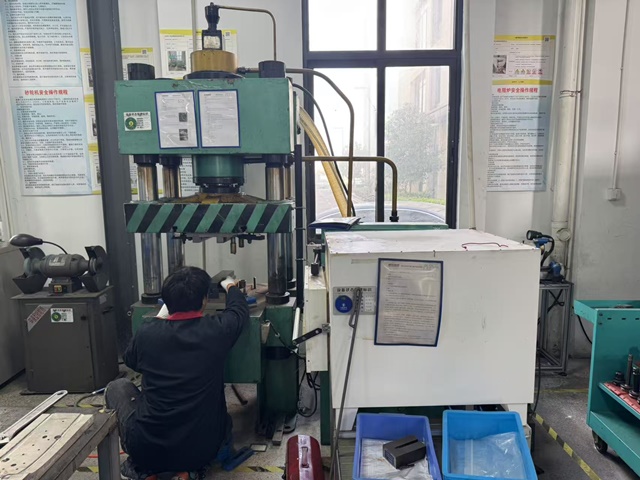
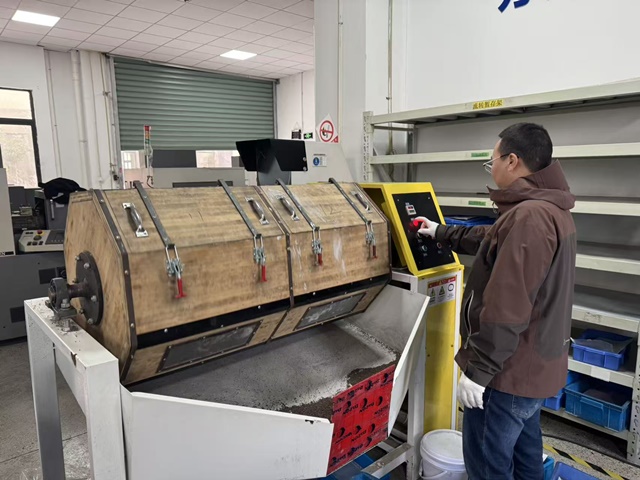
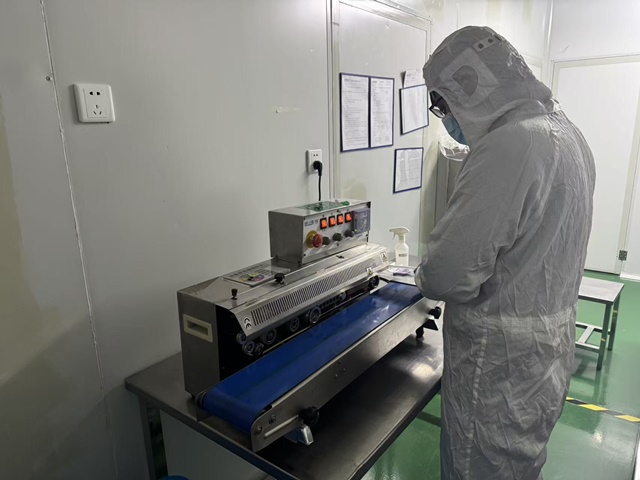
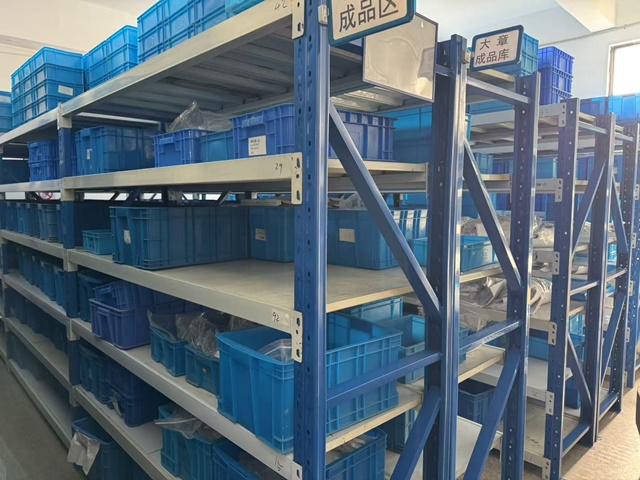
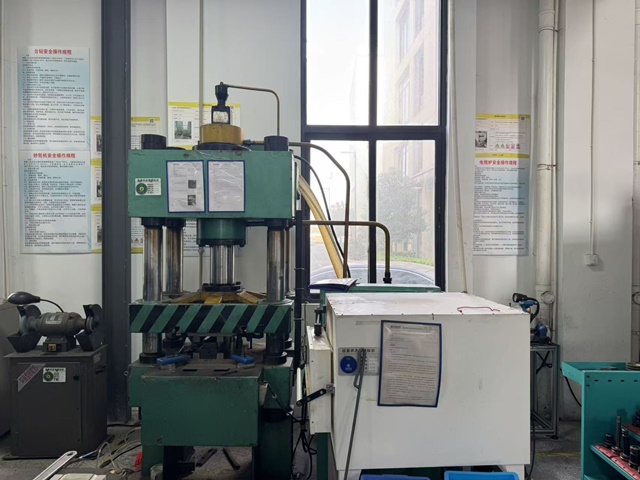
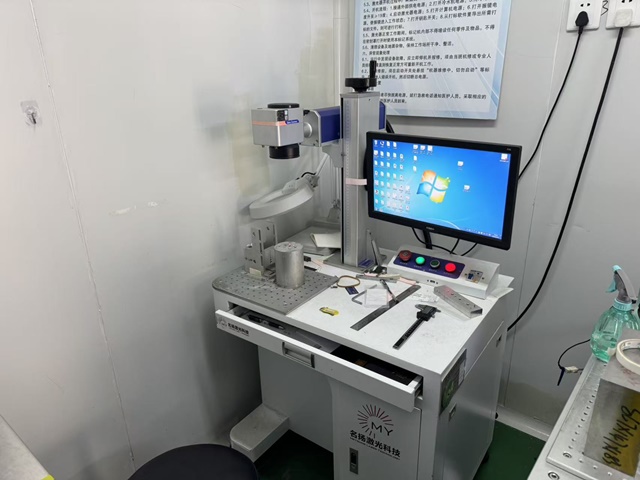
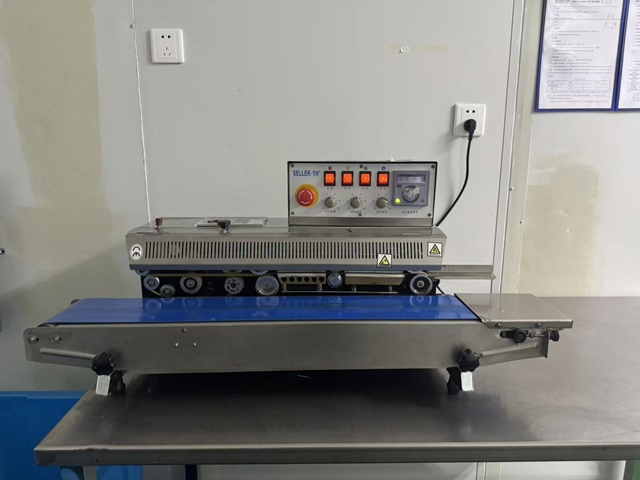
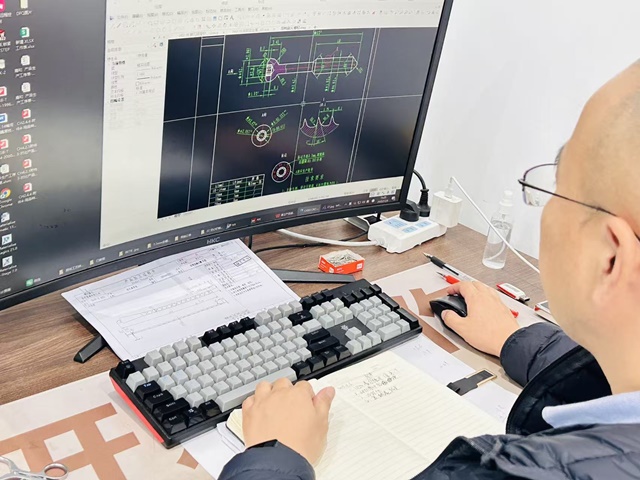
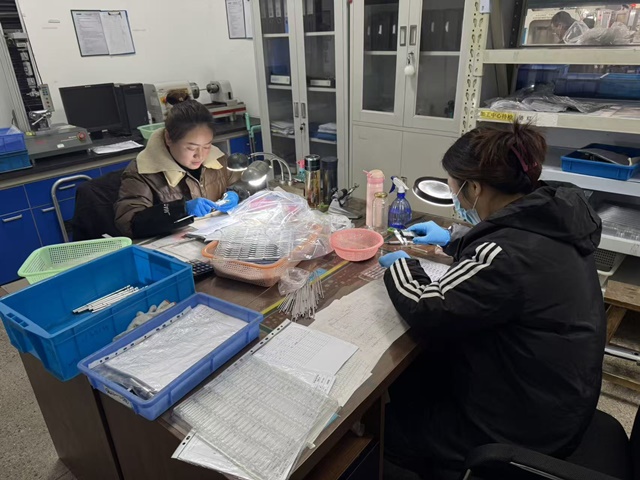
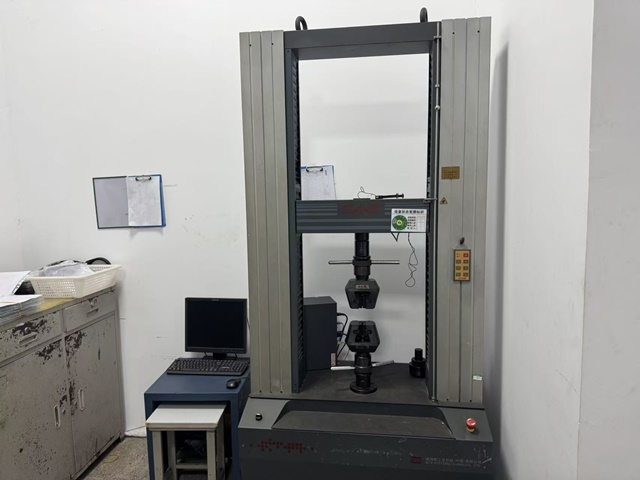
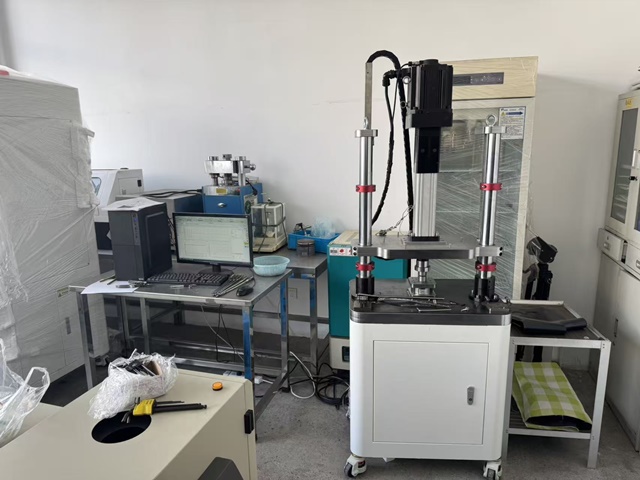
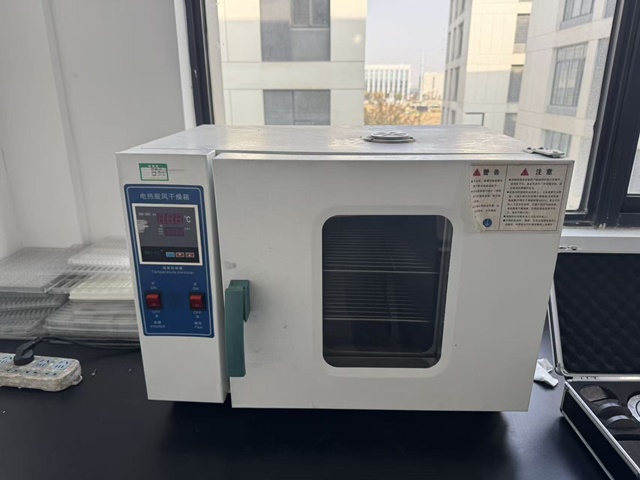
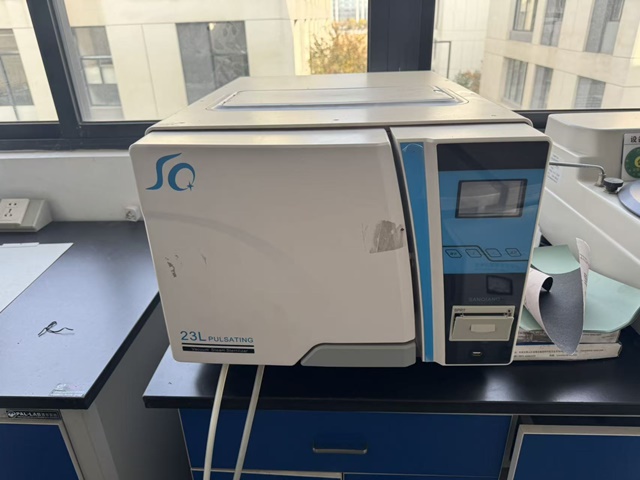
Trauma recovery requires quick clinical response times and versatile instrument kits. Osteora addresses these needs by supplying complete surgical kits, including locking plate instrumentation, intramedullary nail systems, and external fixation setups. We understand that medical centers require customized configurations to align with specific surgical preferences. Thus, our OEM/ODM customization workflow supports dimensional alterations, custom laser branding, and material selection (e.g., medical-grade steel vs. anodized titanium).
Our raw material testing protocols use gas spectrometry and hardness verification to guarantee chemical stability before manufacturing begins. Precision components are machined on HAAS CNC hubs and Swiss-type lathes to ensure dimensional tolerances within a few microns. Every component is laser-marked for clinical traceability (UDI requirements) and undergoes ultrasonic cleaning before being packaged in controlled cleanrooms. This comprehensive manufacturing control ensures that Osteora trauma instrument sets perform reliably through repeated autoclave cycles.
Our trauma instrument sets are engineered for two primary application sectors, each demanding distinct design methodologies:
A. Human Emergency Trauma & Reconstruction: In human surgical centers, trauma instruments must accommodate complex structural realities. Our systems, such as distal radius volar locking sets and MIS tubular retractor spine sets, help surgeons navigate difficult anatomies with minimal tissue disruption. Instruments are designed to prevent accidental stripping, cross-threading, or tissue snagging in high-stress surgical environments.
B. Advanced Veterinary Orthopedics: The veterinary orthopedic sector requires specialized, smaller tools for companion animals. Standard human instruments are often too large for small and toy-breed dogs. Osteora supplies dedicated mini multi-functional orthopedic drills and mini sagittal saws specifically calibrated for small bone applications. These compact veterinary systems utilize high-RPM motors with reduced torque output to prevent bone thermal necrosis during precision operations.
Osteora's product development is guided by key industry shifts: 1) integrating optical tracking markers directly onto surgical retractors and handles to support robotic and navigation systems; 2) utilizing 3D-printing technologies to construct custom-fit, lightweight titanium instruments; and 3) developing smart orthopedic power tools with built-in sensors that detect bone density variations and automatically adjust speed to prevent over-penetration.
Key technical insights regarding our certifications, manufacturing materials, customization, and export capabilities.
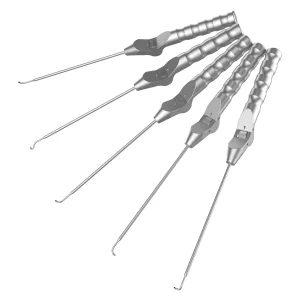
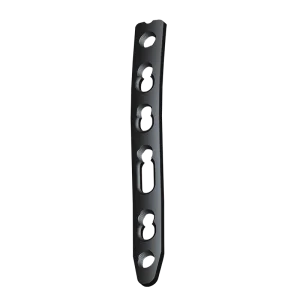
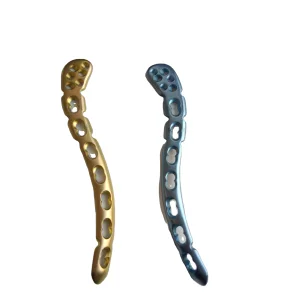
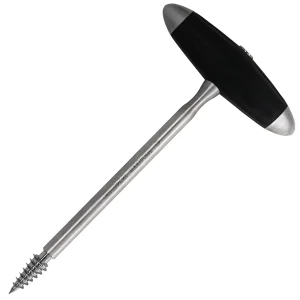
Complete your clinical setup with our specialized orthopaedic hardware, distal locking plates, and manual extraction instrument systems.