Osteora
Osteora
Osteora
Direct supply from Osteora's advanced medical production lines, offering raw biocompatibility and ISO-certified precision instrumentation.
Unlike adult counterparts, the pediatric skeletal system is characterized by rapid growth cycles, active epiphyseal growth plates, and elastic biomechanical properties. Consequently, clinical interventions in pediatric trauma, spinal correction (such as early-onset scoliosis), and congenital musculoskeletal deformities require highly specialized implants that mitigate growth restrictions and avoid premature growth plate fusion.
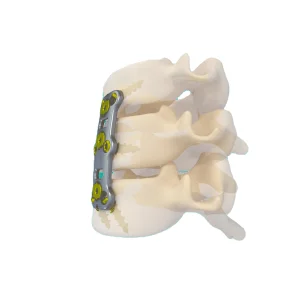
Surgical systems must utilize low-profile plates and dynamic screws that yield to structural skeletal elongation, reducing secondary correctional surgeries.
Utilizing high-purity medical grade Ti-6Al-4V ELI (Grade 5 Titanium) and Stainless Steel 316L prevents heavy metal ion release in pediatric tissue environments.
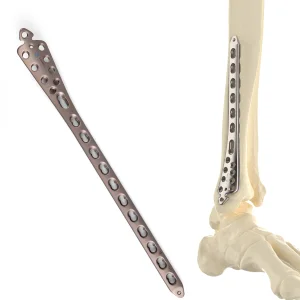
Pre-contoured fixation plates minimize intraoperative bending, preserving structural fatigue strength and reducing operative times in pediatric units.
Established in 2016, Osteora Medical Devices Co., Ltd. (brand: Osteora) is a pioneer in medical-grade trauma fixation systems, spinal correction constructs, and joint reconstruction systems. Built upon a legacy of 12 years of industry experience and 8 years of export trade excellence, the company has created an expansive supply footprint covering Europe, Southeast Asia, the Middle East, and South America.
Total Manufacturing Facility
Specialist Design Engineers
Annual Global Export Volume
Resident System Inspectors
With an active network of over 1,200 certified upstream and downstream partners, Osteora ensures unparalleled supply chain resilience. This structural advantage allows for the rapid transition from R&D concepts to clinical deployment, outputting more than 120 new medical products annually to keep pace with modern minimal-invasive surgical trends.
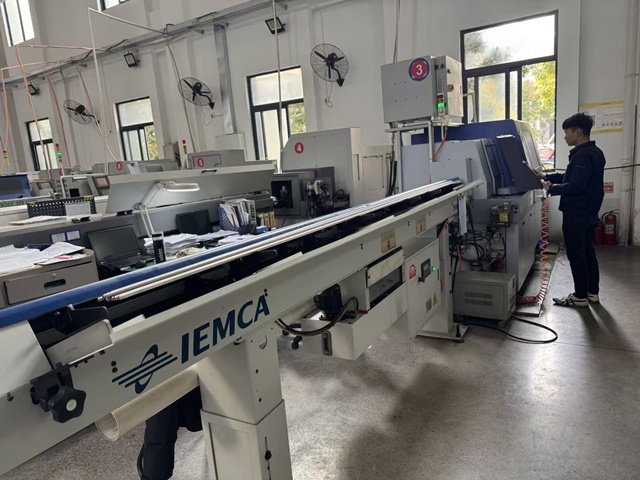
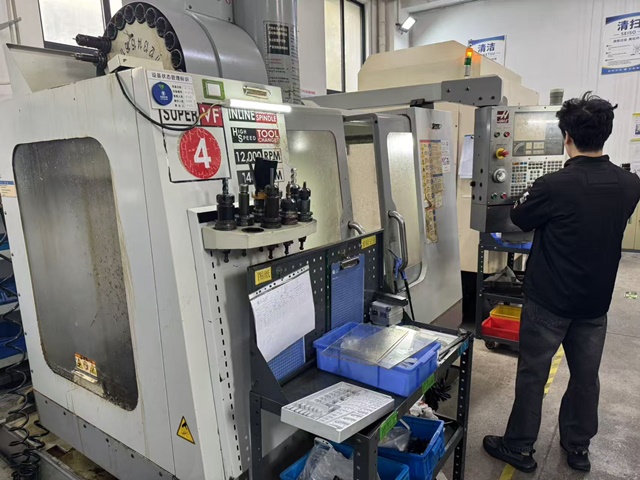
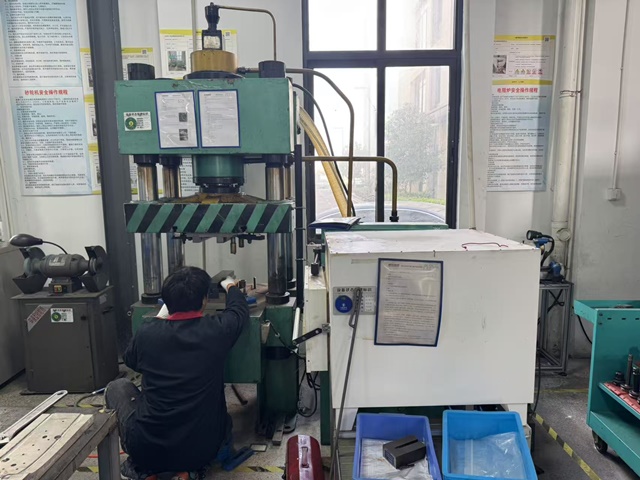
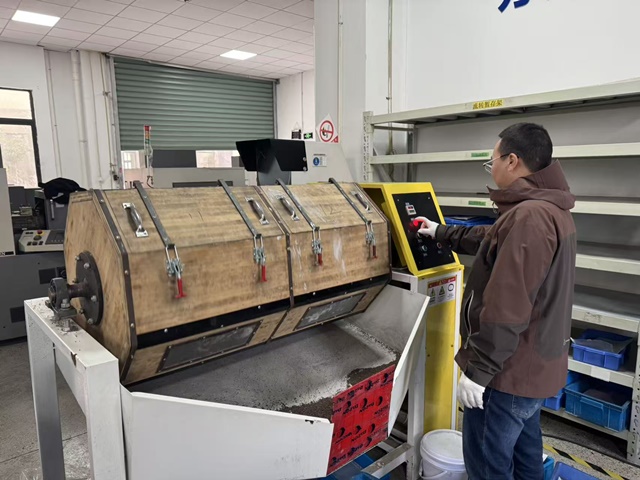
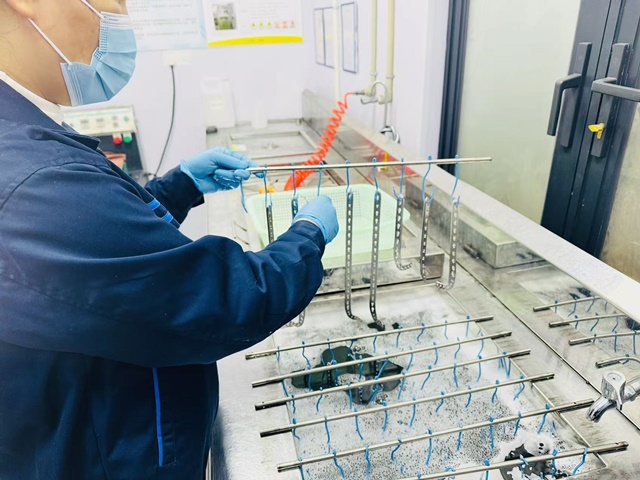
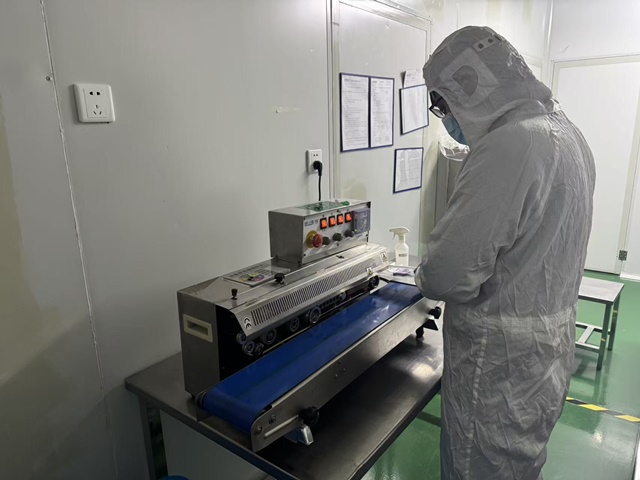
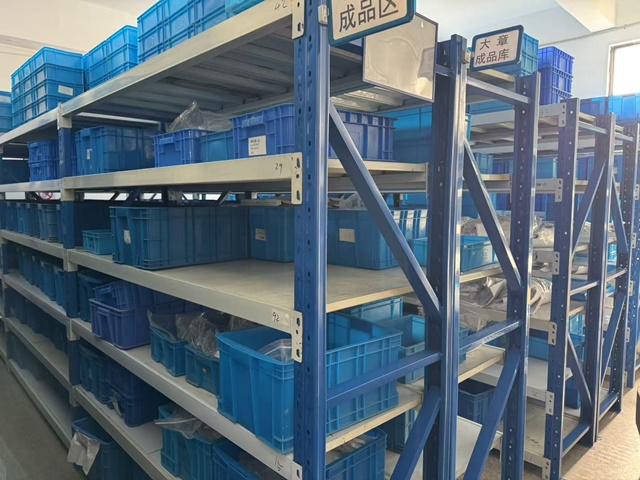
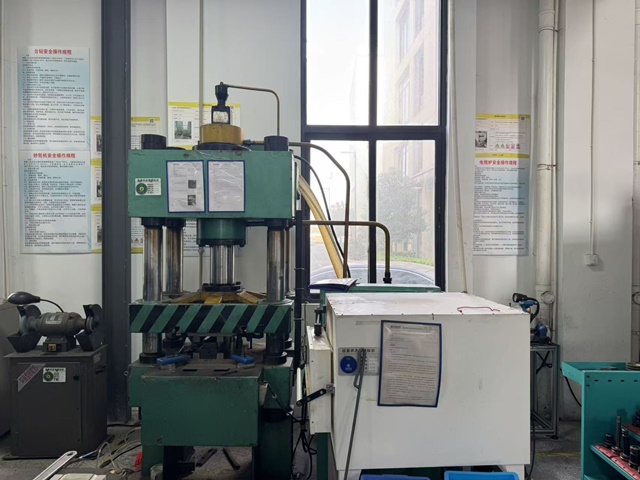
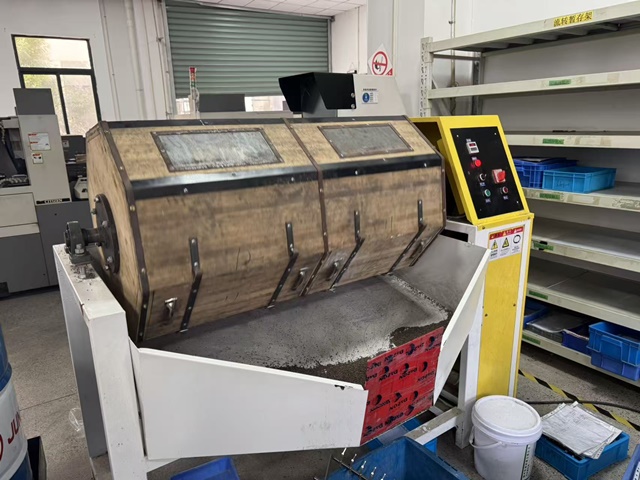
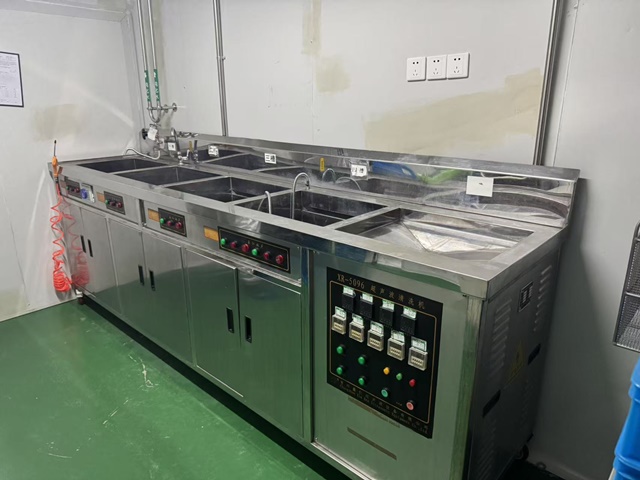
Osteora's state-of-the-art facilities rely on an end-to-end traceably controlled manufacturing environment. Below is our visual system representing the steps from raw material intake to final medical sterile dispatch:
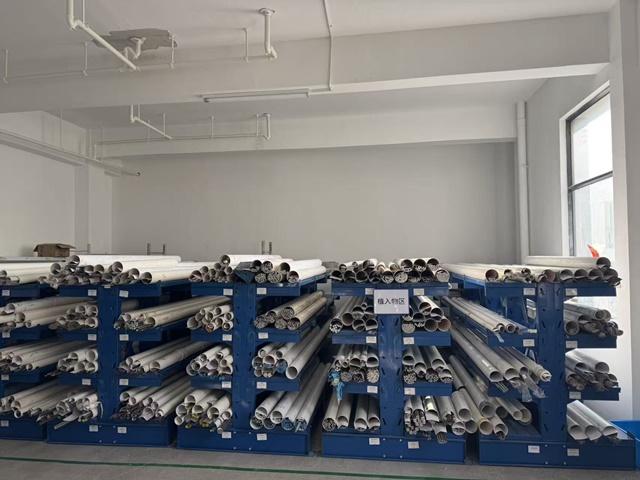
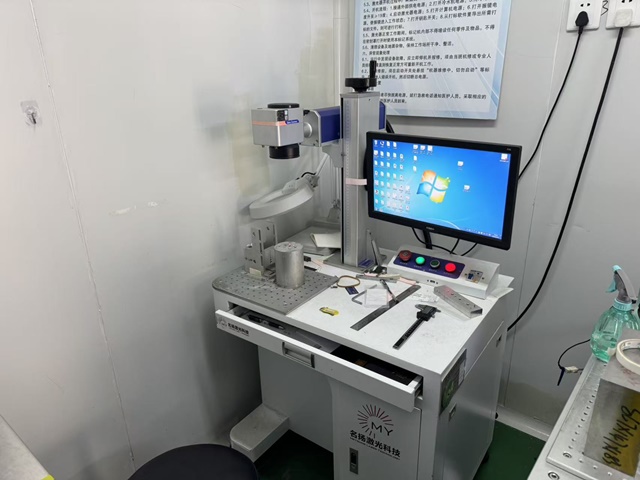
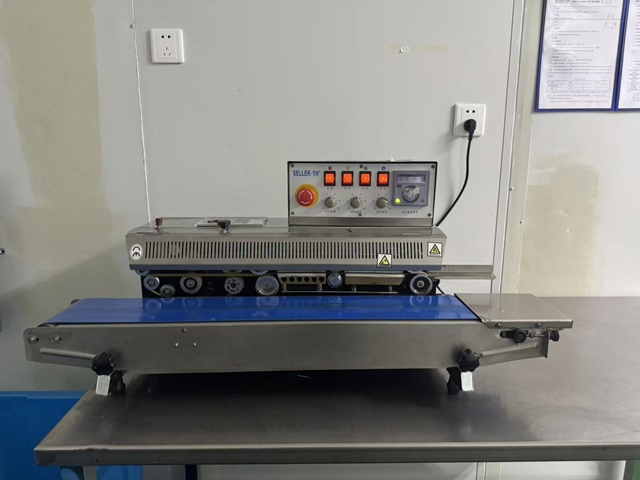
Our research roadmap centers around minimizing pediatric growth restraints while keeping implant mechanical resilience to the highest level. Pediatric orthopedics demands custom modulus matching to optimize healing profiles without stressing bone remodeling units.
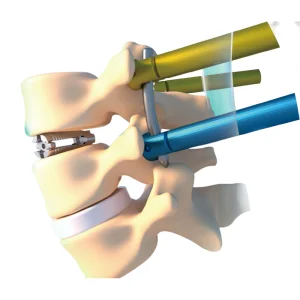
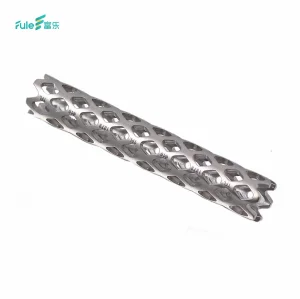
Designed for correction during growth, our telescopic spinal constructs slide and lengthen dynamically alongside pediatric patients, reducing the trauma of revision surgeries.
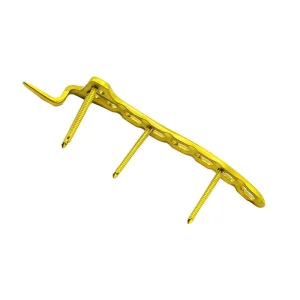
Minimally invasive distal femoral and tibial plates designed with anatomical bypass channels avoid traversing active growth plates, securing long-term bone growth paths.
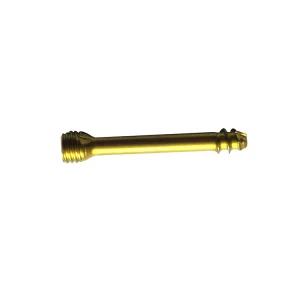
Highly tailored 1.5mm to 3.5mm cannulated locking screw systems configured with micro-threaded designs provide reliable fixation strength in thin cortical bones.
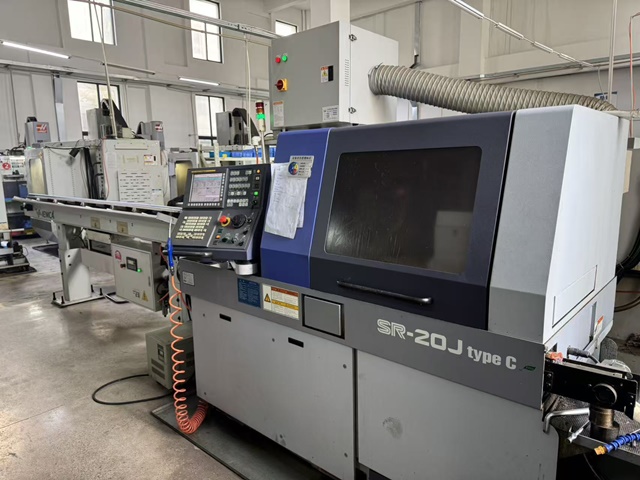
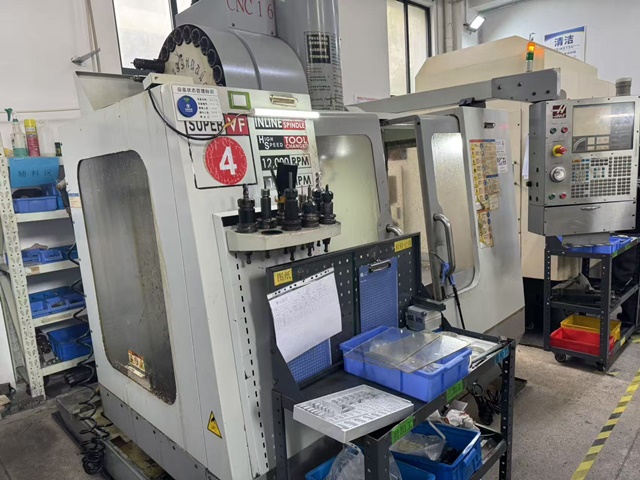
Through strategic deployment of Swiss-type high-speed lathes and HAAS CNC centers, Osteora manufactures orthopedic implants that conform to extreme micro-tolerances. Each implant undergoes comprehensive post-machining passivation and dynamic mechanical fatigue validation to prevent postoperative material fail or crack propagation under physiological loads.
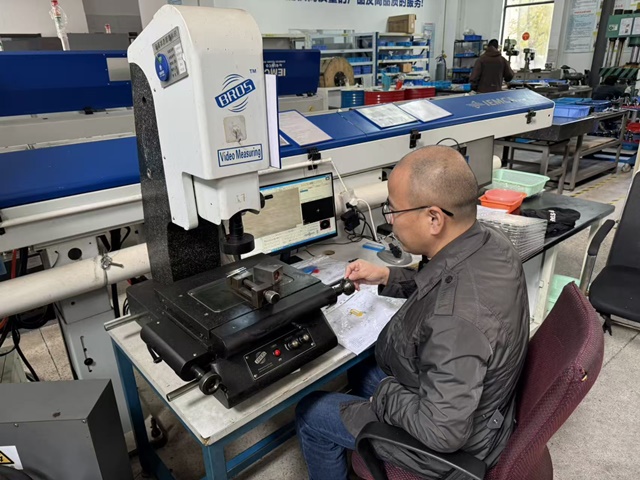
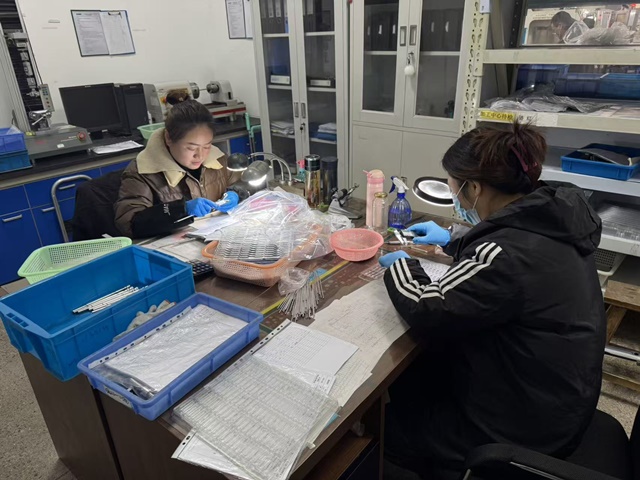
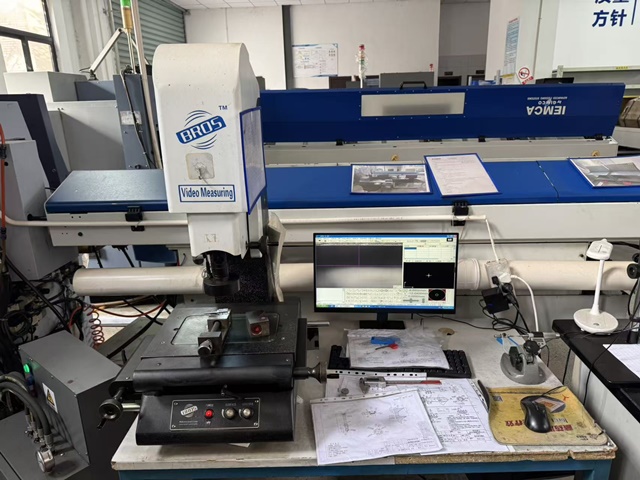
Our dedicated quality framework is built upon international medical device standards (ISO 13485). Out of 42 inspection specialists, 2 are dedicated exclusively to executing random sampling and micro-finish reviews prior to cleanroom entry. Below are our mechanical verification and QA components:
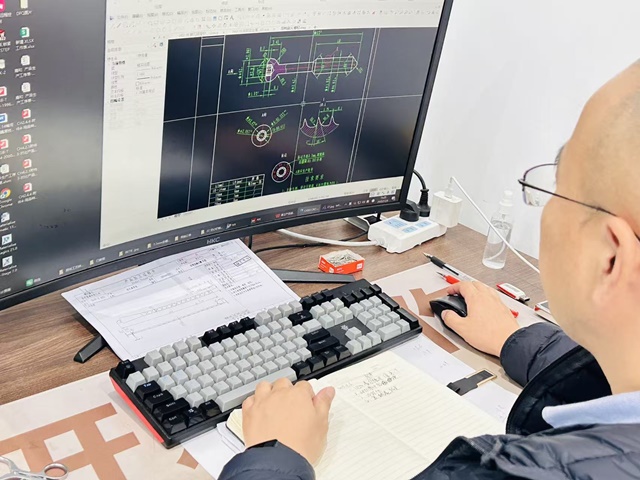
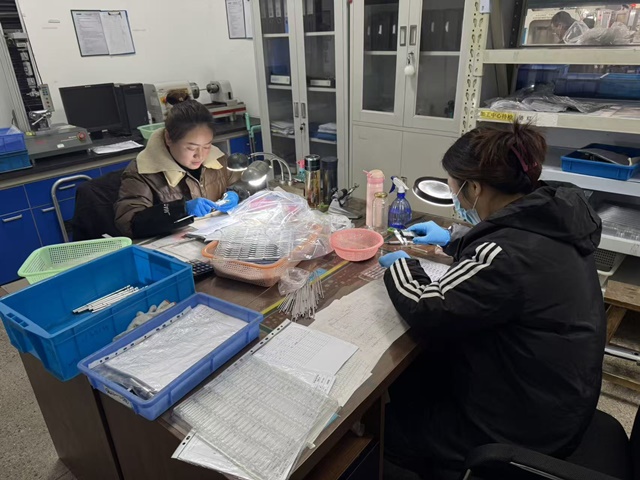
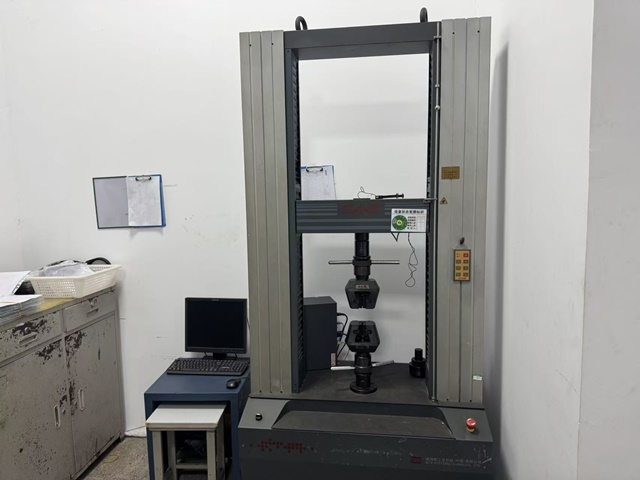
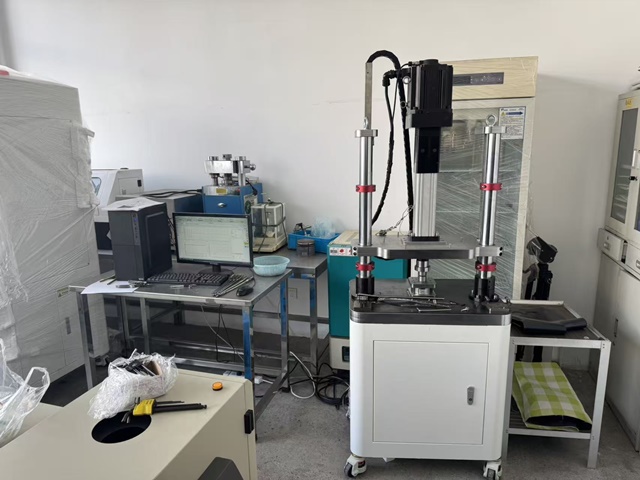
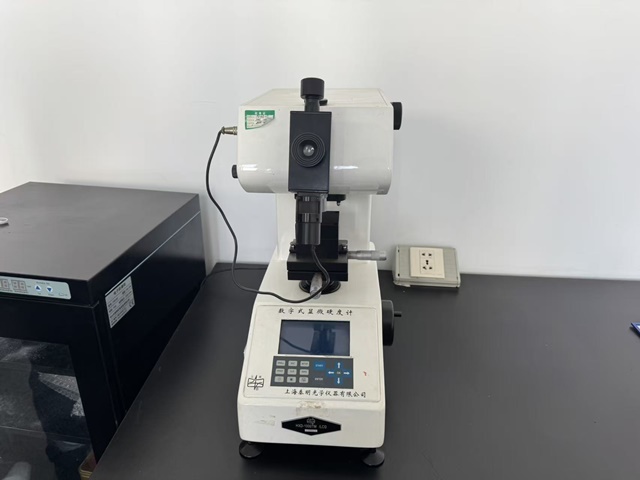
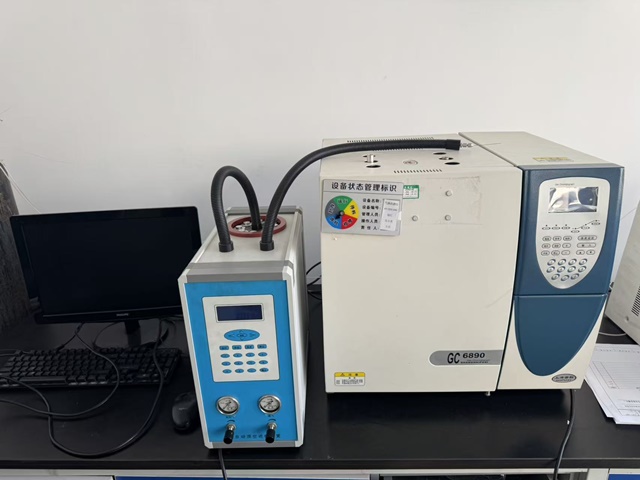
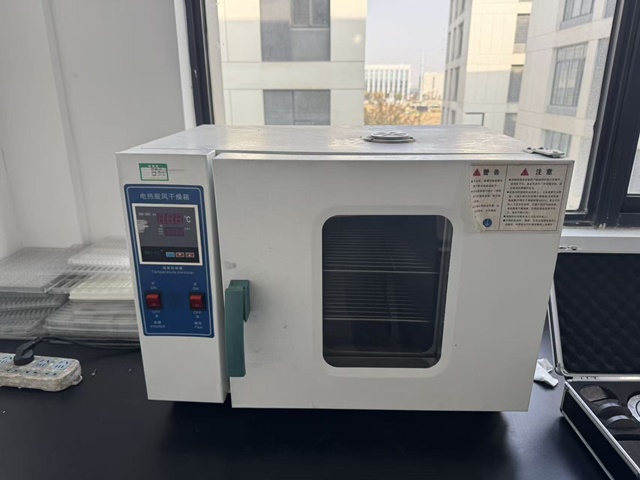
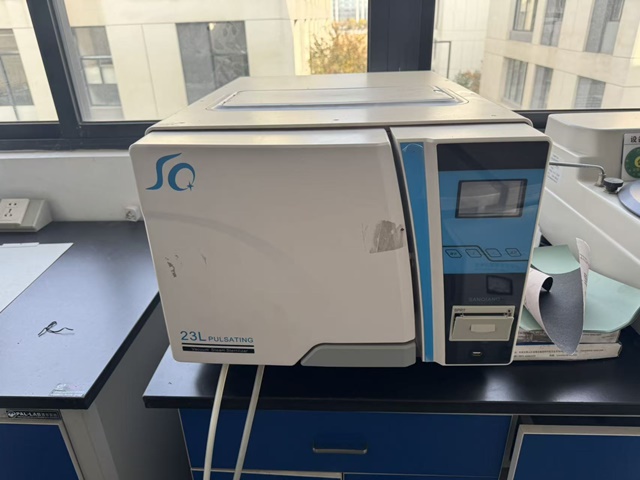
This deep mechanical testing pipeline verifies structural hardness (Vickers Method), chemical compositions (via Gas Spectrometry), and implant performance under biological load profiles to prevent in-vivo fatigue failure.
Get professional technical insights regarding our manufacturing, customization capabilities, and clinical compliance protocols.
Pediatric implants must account for continuous bone growth. This requires dynamic sliding fixation designs, smaller sizes, and biomechanically matching materials to prevent early epiphyseal plate fusion and reduce bone resorption rates.
Osteora works under a strict ISO 13485 quality system. Our implants undergo dimensional inspections, mechanical load profiling, gas spectrometry audits, and biocompatibility verification to meet CE standards.
Yes. Backed by 85 R&D engineers, we offer extensive OEM/ODM services, custom dimensions, private labeling, and material customizations (such as PEEK or Titanium alloy constructs) for distributors worldwide.
Standard custom batches require 4 to 6 weeks, which includes prototype design, multi-axis HAAS CNC machining, surface treatment, quality validation, and packaging.
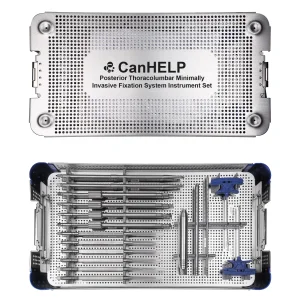
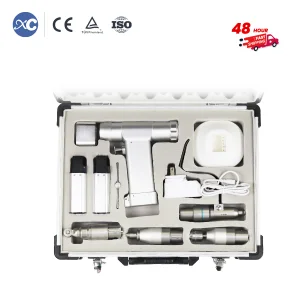
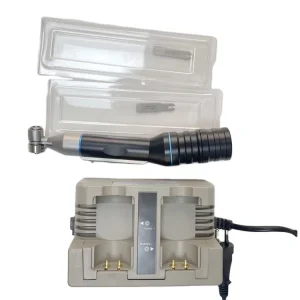
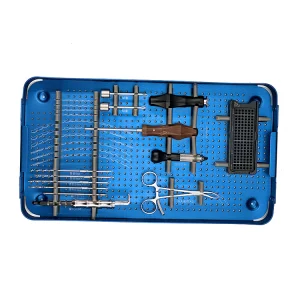
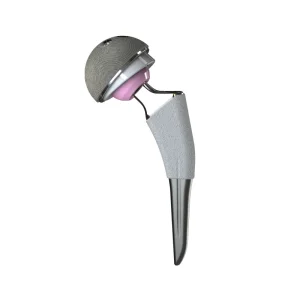
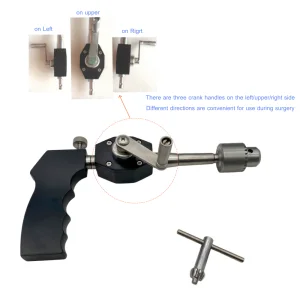
Our complete catalog provides stable fixation, joint reconstruction, and dedicated instruments for clinics and surgical centers.