Osteora
Osteora
Osteora
Explore our flagship collection of implants, precision drills, and specialized instruments, engineered to support orthopedic surgeons in trauma, spine, and joint interventions.
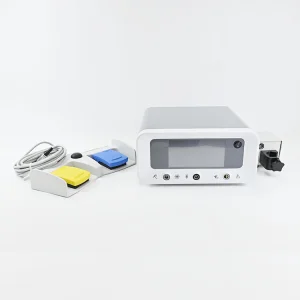
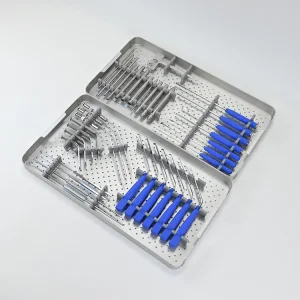
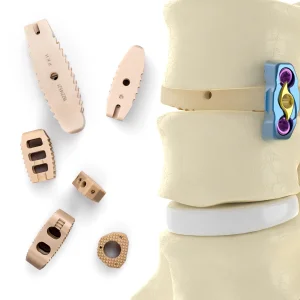
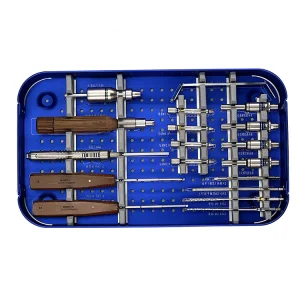
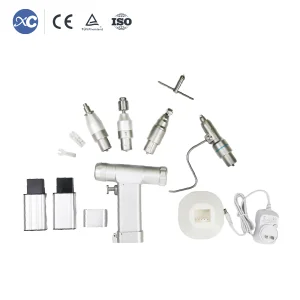
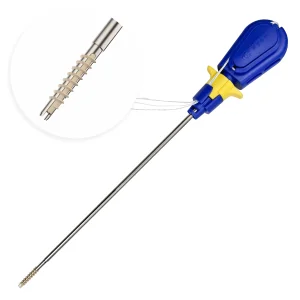
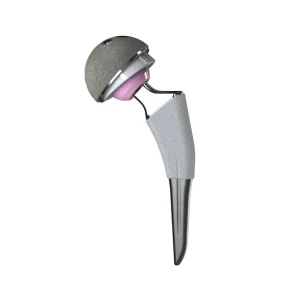
The global orthopedic surgical instruments and implants market is currently undergoing a massive structural transformation. According to clinical consensus and global distribution data, the combination of a rapidly aging worldwide demographic, the rising incidence of complex polytrauma events, and a surge in high-impact sports injuries has driven demand for highly durable, bio-compatible osteosynthesis systems to an all-time high. Surgeons and medical procurement officers are no longer looking for simple hardware; they require sophisticated mechanical systems that facilitate faster osseointegration, reduce postoperative infection risk, and guarantee structural integrity under extreme physiological stress cycles.
Currently, the industrial ecosystem for orthopedic devices is dominated by strict material regulations and high barriers to entry. Leading manufacturers are investing heavily in advanced alloy processing, medical-grade polymers (such as carbon-fiber-reinforced Polyetheretherketone or PEEK), and specialized surface texturing methodologies. For medical distributors and hospital networks, identifying reliable, long-term manufacturing partners who bridge the gap between high-precision Swiss-type engineering and cost-effective volume production has become the primary operational objective. As clinical applications shift toward minimally invasive surgery (MIS), the design of implants has transitioned from bulky hardware to sleek, modular, and biomechanically responsive structures that align with natural human osteogenesis patterns.
"The survival rate of an orthopedic implant depends entirely on the micro-engineering of its surface interface and its fatigue resistance. As global supply chains consolidate, our focus at Osteora is to deliver surgical systems that consistently match or exceed standard reference tolerances, ensuring clinical safety in trauma clinics and operating rooms worldwide."
Osteora Medical Devices Co., Ltd. represents the absolute pinnacle of domestic production expertise and international supply integrity. Operating since 2016, our brand has synthesized deep industry expertise with state-of-the-art technological infrastructures. Situated within an expansive 18,500㎡ facility, Osteora coordinates every phase of production, from raw titanium ingot inspection to Swiss CNC machining, electrochemical surface treatments, and cleanroom packaging. We serve as the backbone supplier to hundreds of medical distributors and surgical facilities across Europe, Southeast Asia, the Middle East, and South America.
The performance of orthopedic implants like anterior cervical spine plates, lumbar fusion cages, and locking trauma systems is fundamentally governed by the metallurgy and material science applied during production. Osteora relies primarily on medical-grade Titanium Alloys (Ti-6Al-4V ELI / ASTM F136) and Polyetheretherketone (PEEK). Titanium alloy remains the gold standard for trauma plates due to its exceptional strength-to-weight ratio, superb corrosion resistance, and verified biocompatibility. On the other hand, PEEK offers a modulus of elasticity that closely mimics human cortical bone, reducing the phenomenon of "stress shielding" and promoting natural bone remodeling around interbody fusion cages.
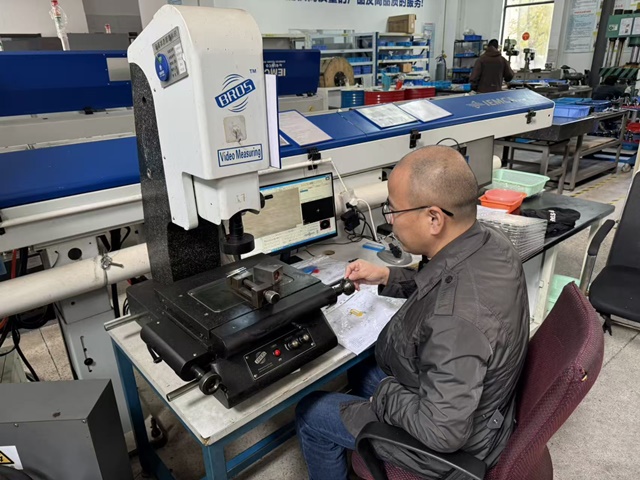
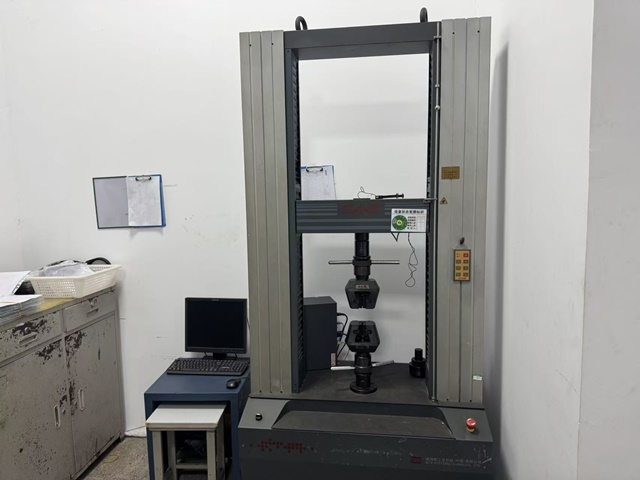
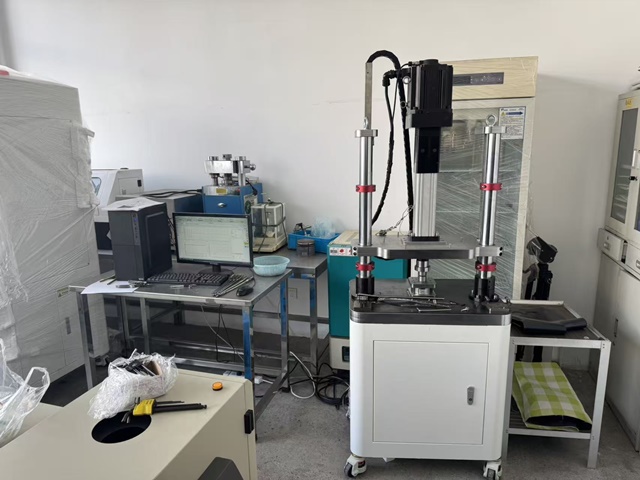
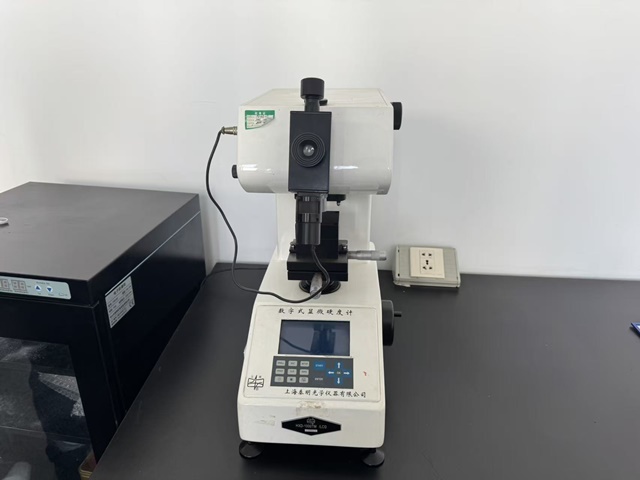
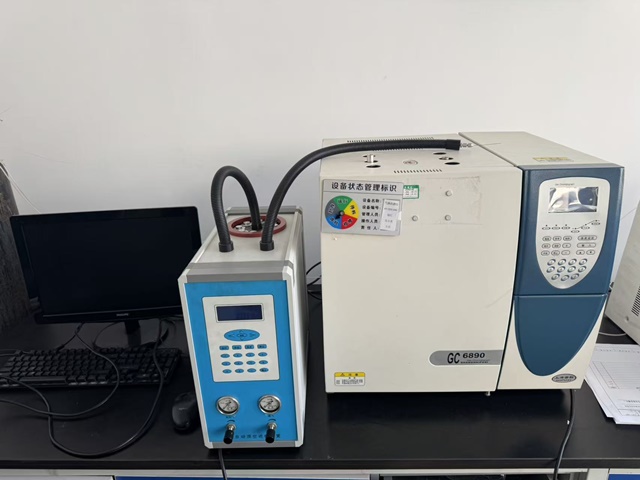
To guarantee these materials perform flawlessly inside the human body, our testing laboratories execute rigorous validation protocols. This includes **mechanical fatigue testing** to simulate millions of load-bearing cycles, **dimensional coordinate measurements** via vision measuring instruments to ensure sub-micron accuracy, and comprehensive **Vickers hardness testing** to verify surface tempering and stress resilience. Furthermore, raw materials undergo gas spectrometry and chemical composition analysis to eliminate any risk of heavy metal impurity or structural degradation prior to CNC tooling.
ASTM F136 Titanium and PEEK polymers optimized for human bone elasticity, verified through ISO 10993 biocompatibility testing and chemical profiling.
Multi-axis mechanical simulators load implants up to 5 million cycles, validating long-term structural survivability and stress-limit boundaries.
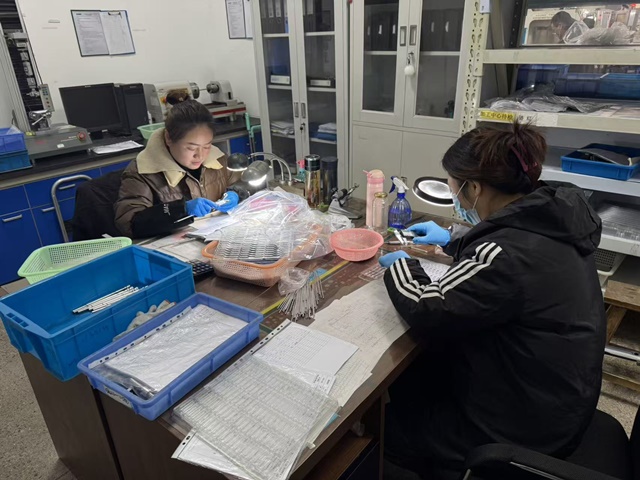
Class 10,000 cleanroom packaging facilities prevent particle contamination, maintaining maximum sterility prior to clinical delivery.
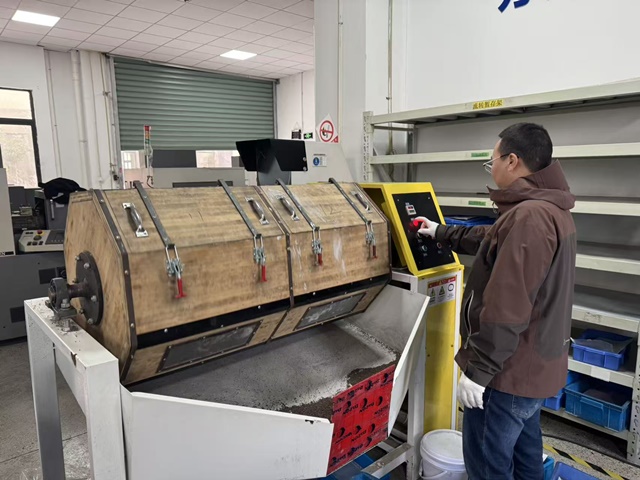
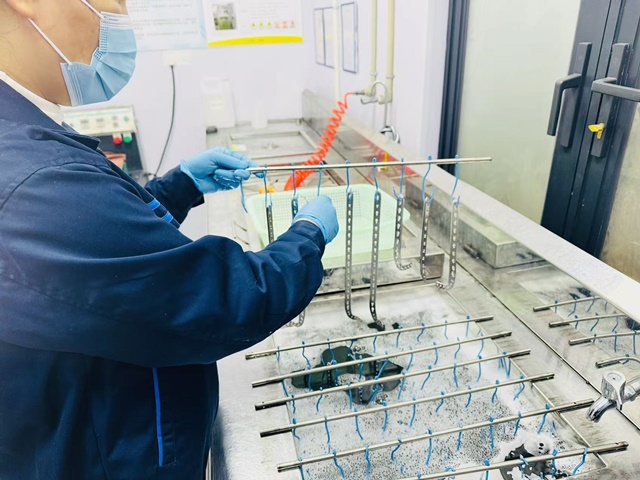
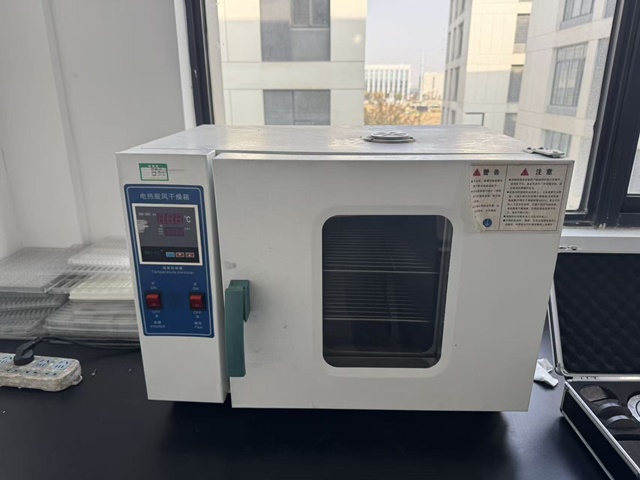
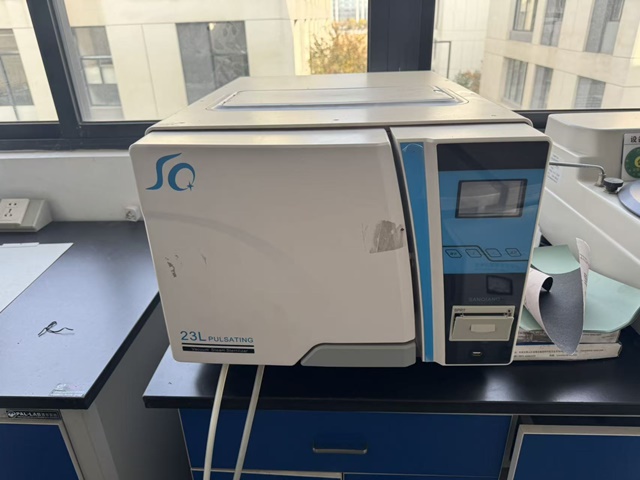
Take a look inside Osteora's vertically integrated manufacturing lines. Every step—from raw ingot receipt to final laser etching and packing—is tightly monitored by our 42 QC specialists.
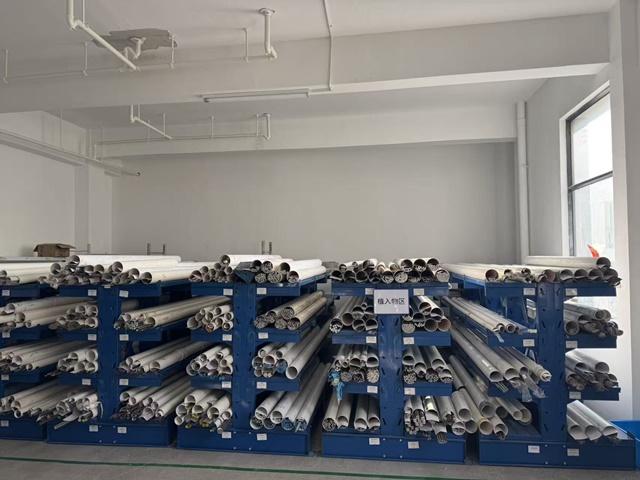
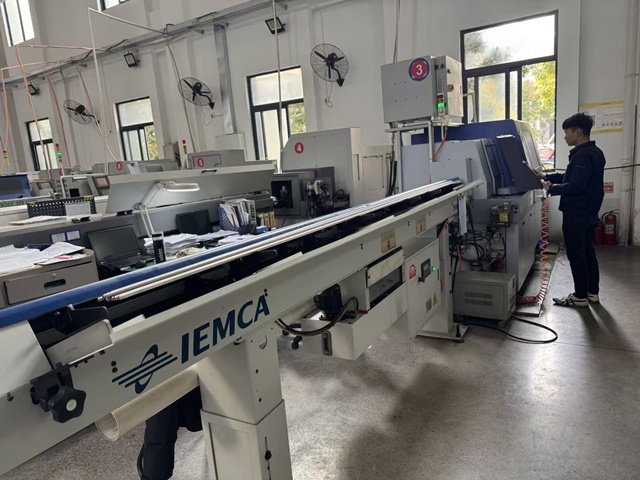
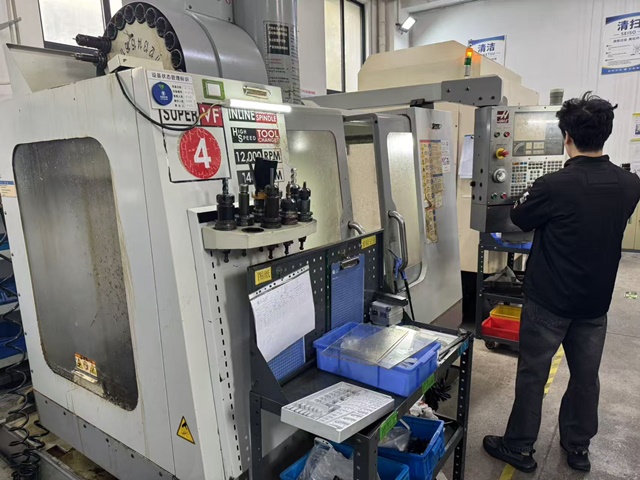
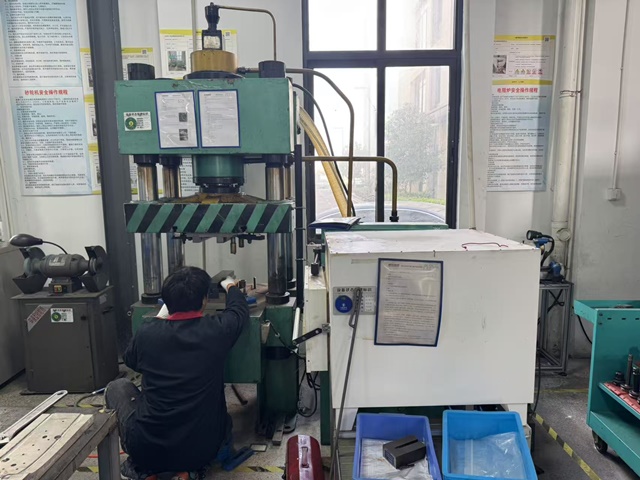
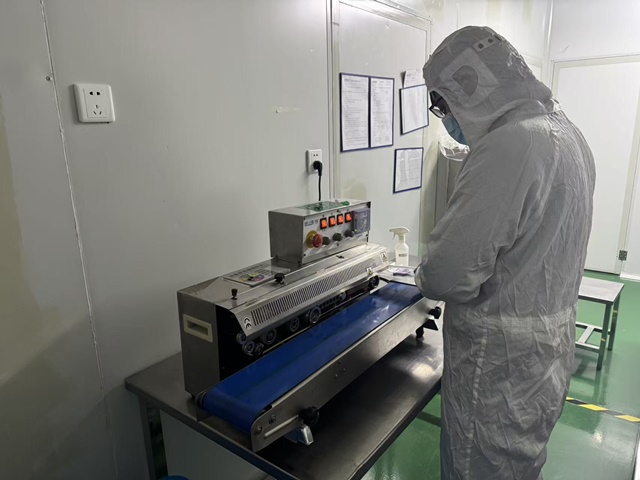
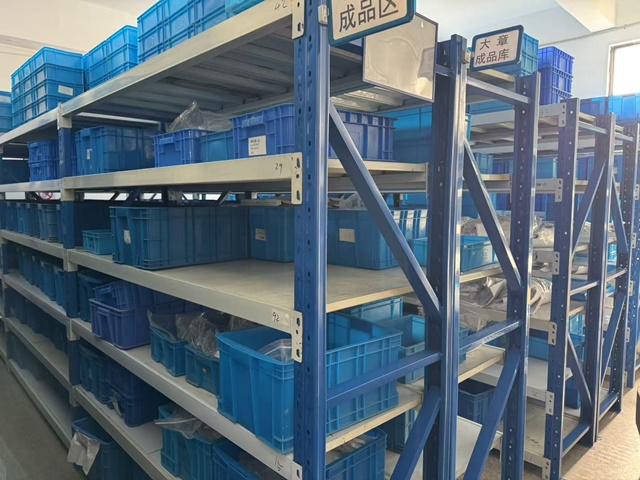
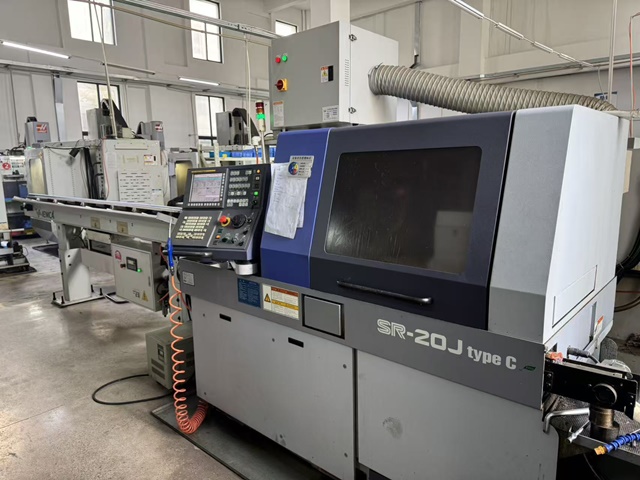
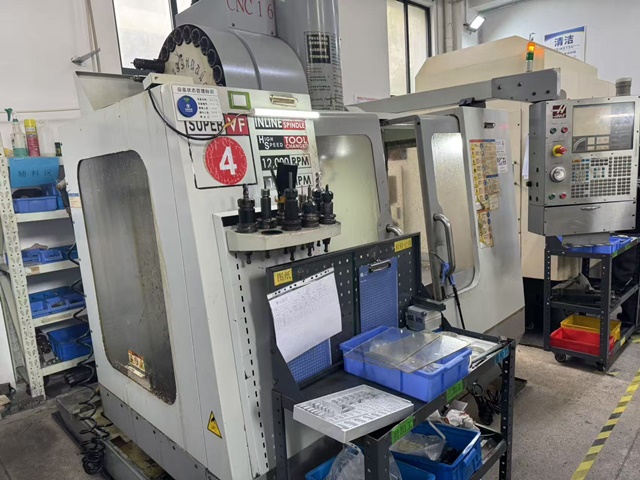
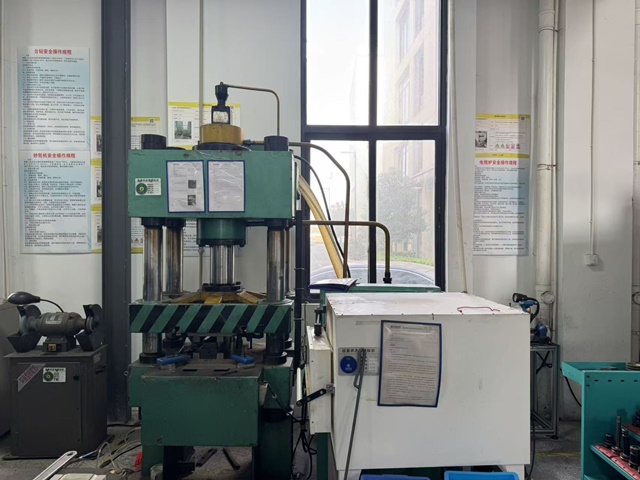
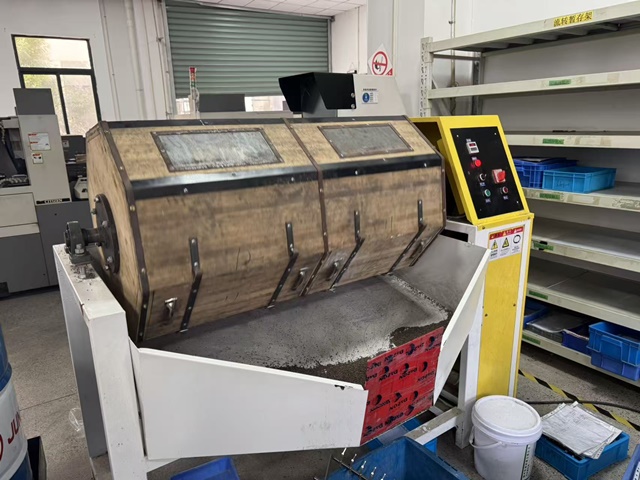
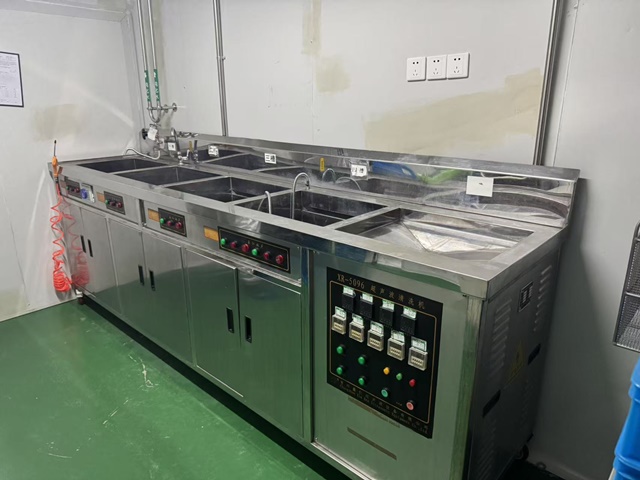
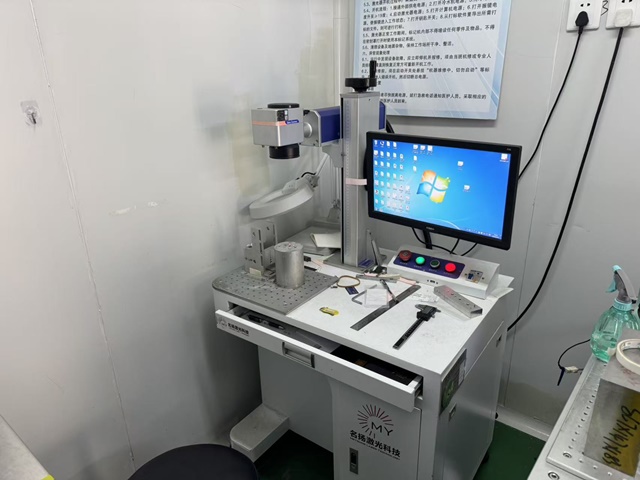
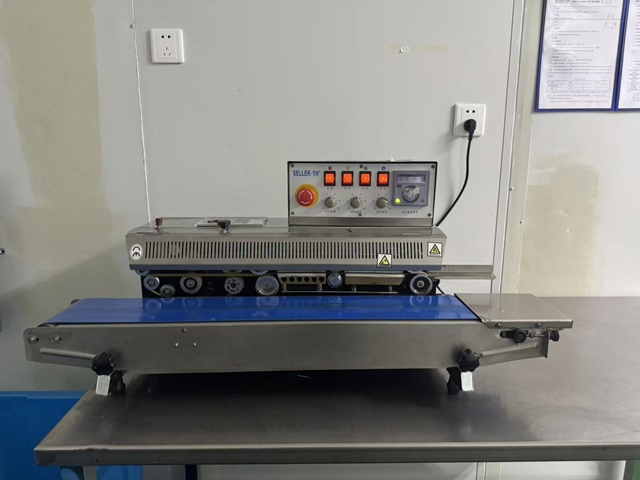
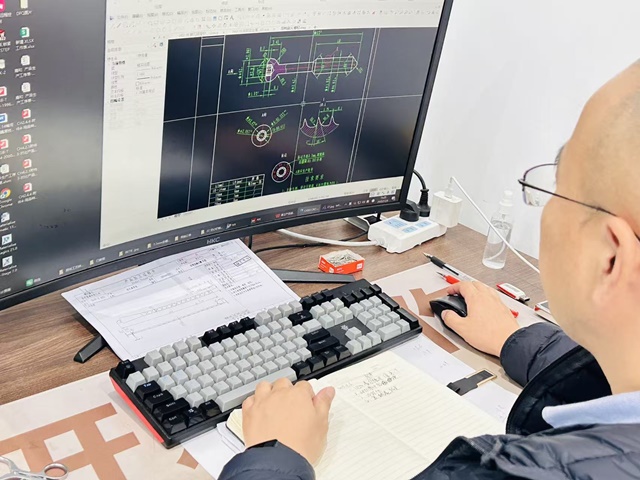
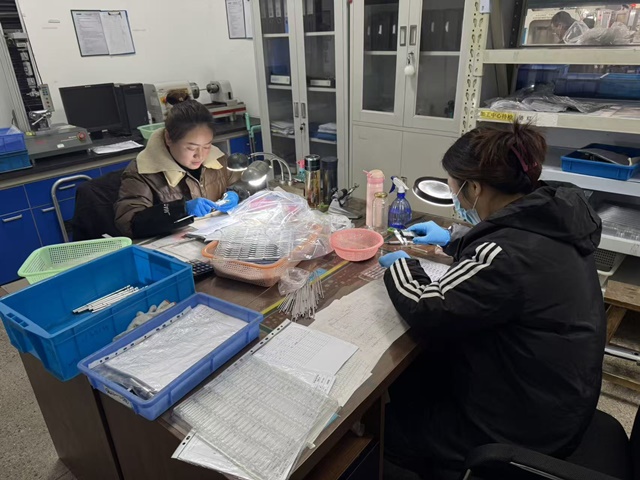
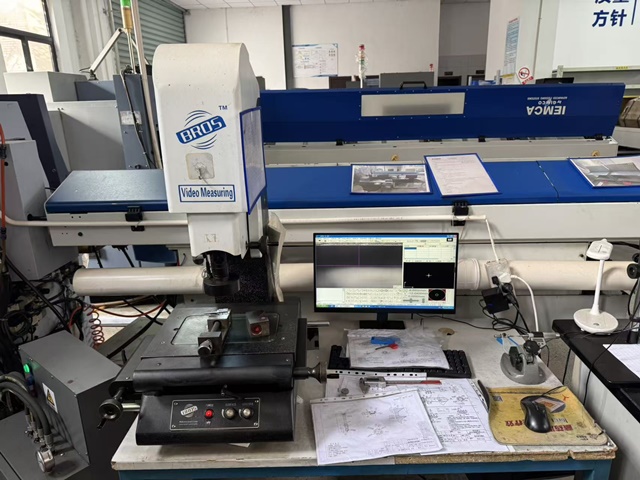
Orthopedic surgeries vary drastically in terms of anatomical demands, patient age, bone mineral density, and biomechanical stress profiles. A comprehensive supplier must offer customized systems that cater specifically to distinct surgical scenarios. Osteora's catalog spans four critical domains: Spine Surgery, Trauma Internal Fixation, Sports Medicine, and Veterinary Orthopedics.
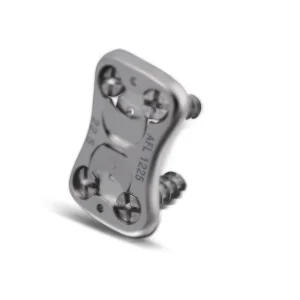
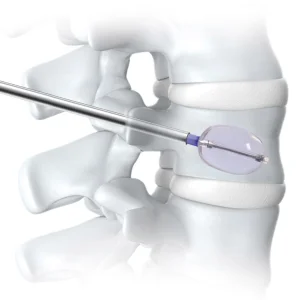
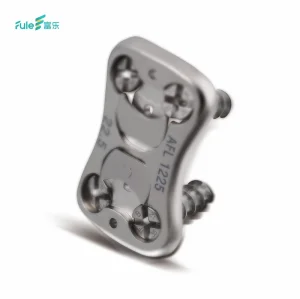
For degenerative disc disease, scoliosis, and spinal compression fractures. Solutions include Anterior Cervical Spine Plates, PEEK interbody fusion cages (ALIF, TLIF, PLIF), and Percutaneous Kyphoplasty (PKP) balloon kits.
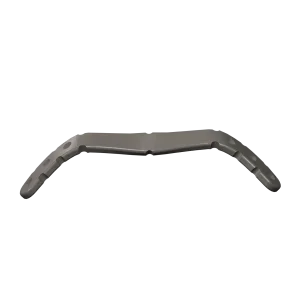
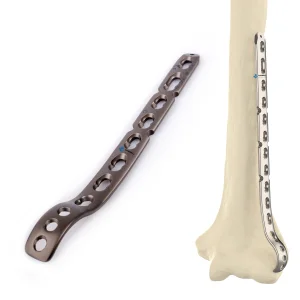
Key Focus: Modulus of elasticity matching trabecular bone, optimal bone graft volume windows.For high-impact skeletal fractures requiring immediate fixation. Solutions encompass titanium distal humeral locking plates, straight and arc-shaped pelvic reconstruction plates, and variable-angle screws.
Key Focus: Multi-axial locking capabilities, low-profile designs to minimize soft-tissue irritation.For ligamentous tears, rotator cuff tears, and labral damage. Solutions include RF Plasma Electrodes for precise soft tissue ablation, along with high-strength PEEK suture anchors.
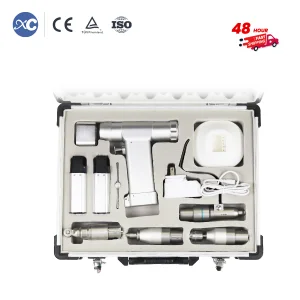
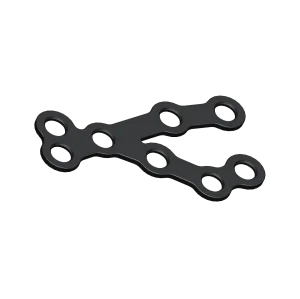
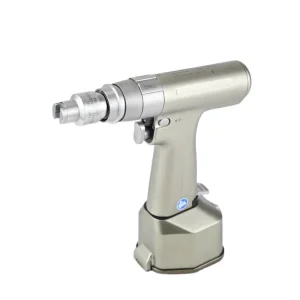
Key Focus: Minimal thermal damage margins, high anchor pull-out force resistance.Meeting the rapidly growing global veterinary surgery demand. Solutions feature cementless femoral stems with Hydroxyapatite (HA) coatings, specialized veterinary bone drills, and sub-miniature locking plates.
Key Focus: HA coating for cementless biological fixation, ergonomic handpieces for dynamic surgical fields.Exporting Class III medical devices to highly regulated territories requires more than basic manufacturing capability. It demands strict alignment with global standards, including ISO 13485 (Medical Devices Quality Management Systems), CE certification for the European economic zone, and appropriate FDA approvals. Osteora maintains a comprehensive and traceable documentation system for every single batch of implants. From raw material melt-records to sterilizing validations, we provide distributors and hospital procurement divisions with the necessary documentation to easily clear local customs and health authorities.
Our robust global network of approximately 1,200 upstream and downstream partners ensures supply chain stability, shielding clients from material shortages and transport bottlenecks. We provide customized support packages to our partners in Europe, Southeast Asia, South America, and the Middle East, including local clinical workshops, technical brochures, custom-tailored instrument cases, and direct engineer-to-surgeon consulting pathways. For large healthcare networks, we also offer extensive OEM/ODM capabilities, allowing adjustments in sizing parameters, plate curvatures, and custom private labeling.
"A robust supply chain is the backbone of surgical continuity. Osteora ensures a 98% on-time delivery rate, backed by our large material reserves and direct collaborations with top logistics providers across Europe and South America."
Looking ahead, Osteora is targeting key advancements in bio-compatible materials and advanced manufacturing technologies. Our R&D division, featuring 85 engineers, is focusing on two primary areas: additive manufacturing (3D-printed porous titanium scaffolds) and bio-active surface modifications.
Through electron beam melting (EBM) and selective laser sintering (SLS), we are prototyping custom, patient-specific orthopedic implants that integrate seamlessly with natural bone. Additionally, our research into surface finishes focuses on nano-scale texturing and bio-active coatings, such as advanced Hydroxyapatite (HA), to accelerate osseointegration and shorten patient recovery times. Furthermore, we are designing our instrument kits to be fully compatible with surgical robotic systems, ensuring our partners are prepared for the next wave of computer-assisted orthopedic interventions.
Find answers to the most common technical, regulatory, and commercial inquiries from medical buyers and distributors.
We use medical-grade Titanium Alloys (specifically Ti-6Al-4V ELI conforming to ASTM F136 / ISO 5832-3) and pure Titanium (conforming to ASTM F67). For spine fusion cages, we source certified PEEK-OPTIMA polymers. These materials offer exceptional biocompatibility, high fatigue resistance, and minimize tissue rejection.
Our quality control process is managed by 42 dedicated inspectors. We operate under strict ISO 13485:2016 regulations, utilizing vision measuring instruments for dimensional verification, Vickers hardness testers to assess surface tempering, and mechanical testing machines to evaluate load limits. We also run random batch sampling tests before final packaging.
Yes. With an in-house team of 85 R&D engineers, Osteora provides complete OEM and ODM support. This includes customized implant sizing, plate profile modifications, and private labeling. We also engineer custom instrument cases matching specific surgical preferences.
Our annual export volume ranges between USD 6 million and 14 million. For standard catalog items, orders typically ship within 15–30 days. For custom OEM/ODM production batches, lead times range from 45 to 60 days, depending on regulatory documentation and production complexity.
Absolutely. Our veterinary implant line—including cementless femoral stems, bone plates, and power drills—is processed on the exact same HAAS CNC machines and Swiss lathes as our human orthopedic line. They undergo the same strict cleaning, passivation, and inspecting procedures to ensure maximum safety and durability.
We provide a complete regulatory document package, including ISO 13485 certificates, CE declarations of conformity, biocompatibility reports (ISO 10993), sterilization validation documentation, and material analysis certificates. This documentation helps streamline clearances with local health departments and customs authorities.
Review our specialized surgical instruments, veterinary kits, and anatomically responsive reconstruction systems.