Osteora
Osteora
Osteora
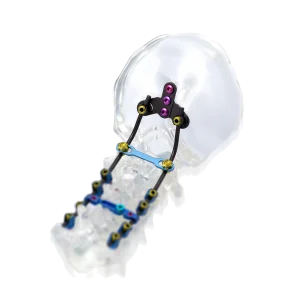
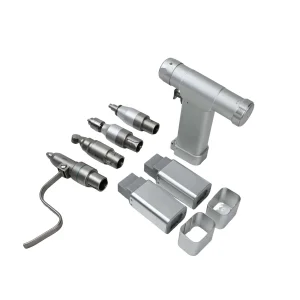
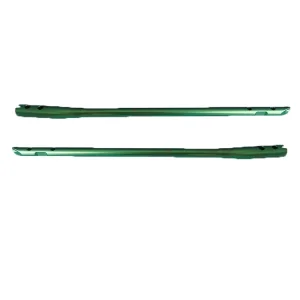
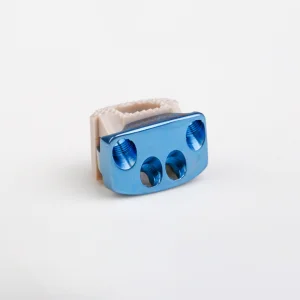
Advanced trauma stabilization devices, spinal systems, and custom orthopedic implants developed to meet rigid ISO 13485 manufacturing benchmarks.
Founded in 2016, Osteora Medical Devices Co., Ltd. has established itself as an authoritative leader in the orthopedic trauma field. Specializing in advanced trauma systems, spinal reconstruction, and joint arthroplasty, the company operates a state-of-the-art facility covering 18,500㎡. We merge research, design, precision manufacturing, and regulatory compliance into a unified healthcare framework.
With 12 years of industry expertise and 8 years of global export performance, we support orthopedic surgeons, trauma centers, and medical device distributors in Europe, Southeast Asia, South America, and the Middle East. Through a robust network of 1,200 certified upstream and downstream partners, Osteora stabilizes the clinical supply chain for high-performance surgical equipment.
Exploring the biomechanical considerations, frame styles, and regulatory priorities for international orthopedic procurements.
Wrist external fixators serve as a primary stabilization system for unstable distal radius fractures, comminuted intra-articular fractures, and corrective osteotomies of the wrist joint. By utilizing the principle of ligamentotaxis, external fixation frame structures maintain length, align articular fragments, and restore normal anatomic relationships. This reduces post-traumatic arthritis risk and maintains range of motion.
Modern wrist fixators must resolve two conflicting needs: mechanical stiffness to maintain structural alignment under load, and lightness to minimize patient discomfort. Osteora implements medical-grade titanium alloy (Ti-6Al-4V ELI) and carbon fiber composite materials to deliver optimal radiolucency, high strength-to-weight ratios, and excellent biocompatibility. Our design optimizes the distance between the fracture line and the adjacent bone pins, reducing construct compliance and ensuring anatomical preservation.
A step-by-step review of our ISO 13485-compliant manufacturing lifecycle, ensuring absolute structural integrity from raw materials to final packaging.
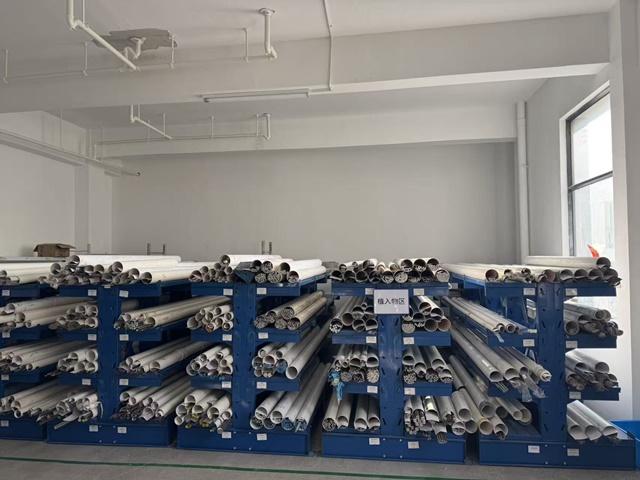
Sourcing biocompatible titanium alloy (Ti-6Al-4V ELI) and stainless steel bars. Every batch is chemically verified and logged for trace accountability.
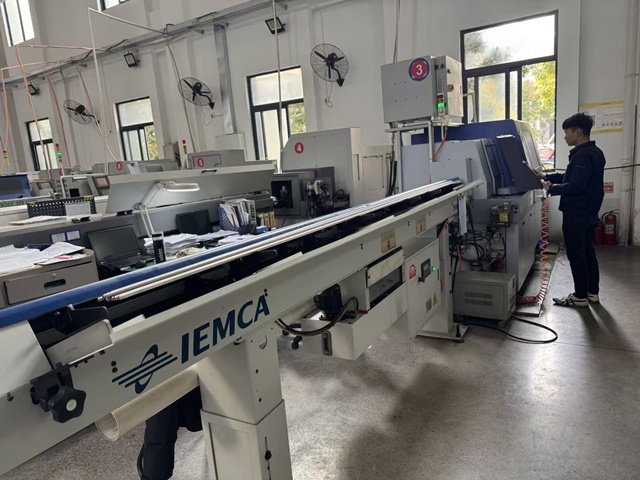
Initial component profile machining under rigid tolerance criteria, converting raw material stocks to anatomical profiles.
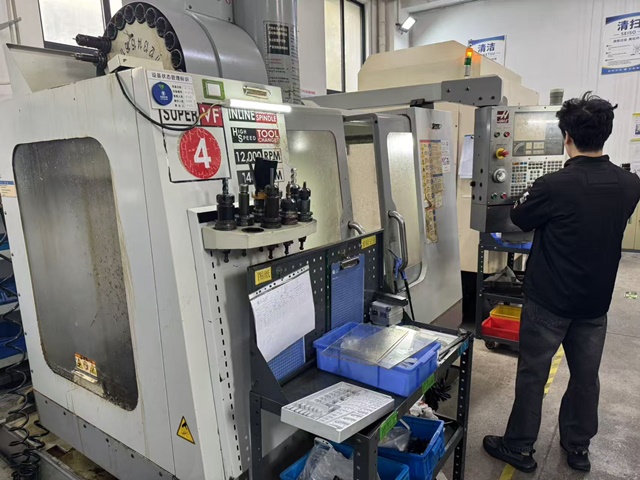
Multi-axis surface finishing reduces microscopic irregularities, minimizing soft tissue friction during application.
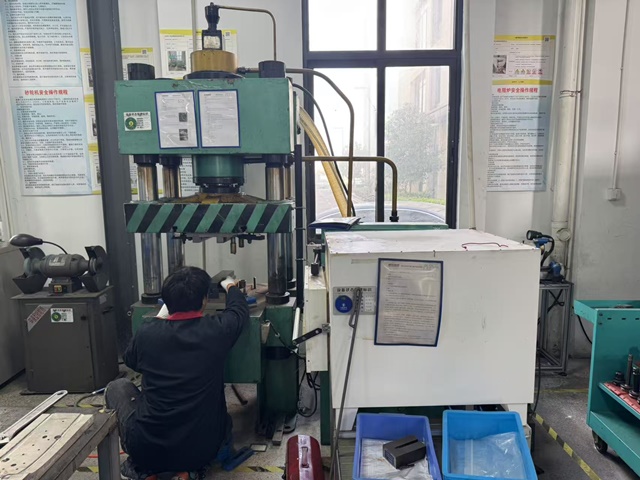
Advanced stamping techniques for secondary hardware, achieving highly uniform geometric components.
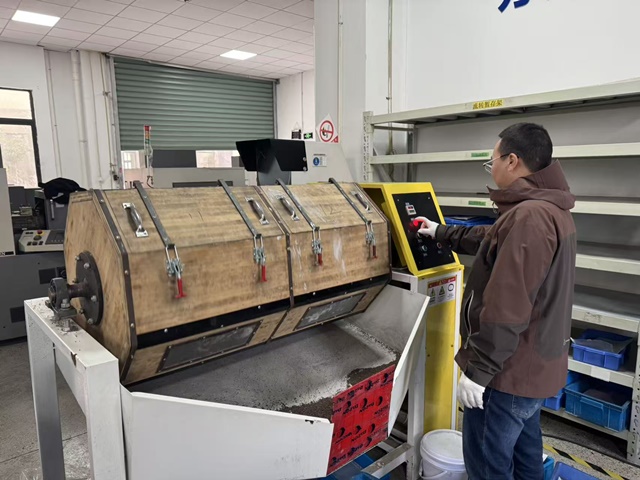
Removing rough edges from fixation clamps, pins, and joint linkages to reduce risk of stress concentration.
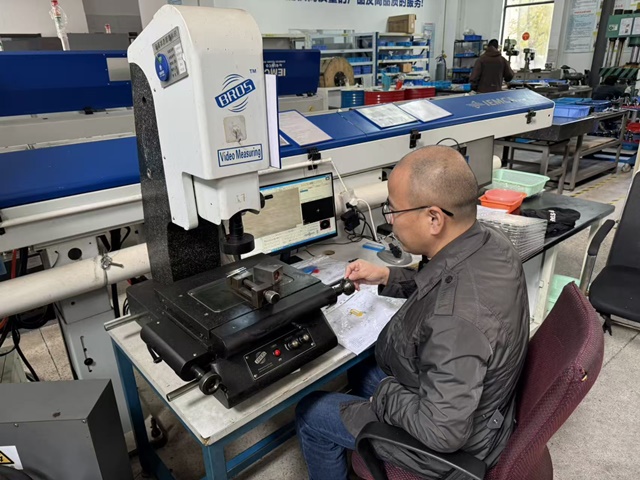
Intermediate measurement check-points compare fabrication outputs against CAD specifications and tolerancing limits.
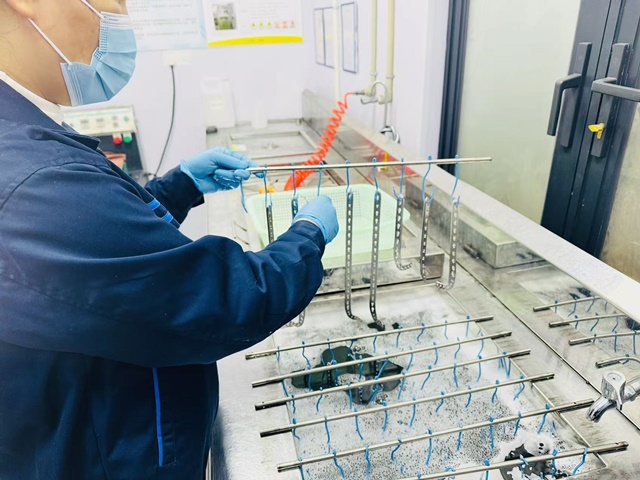
Ultrasonic decontamination cycles remove residues, machining oils, and particulate contaminants.
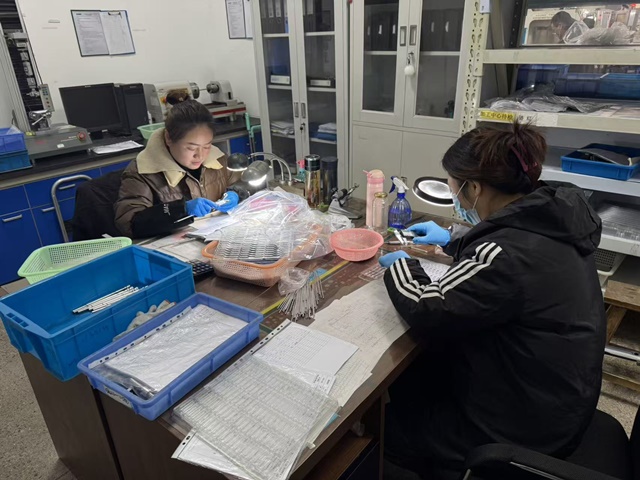
Detailed checking using digital vision measuring systems and precision calipers to confirm sub-micron alignment accuracy.
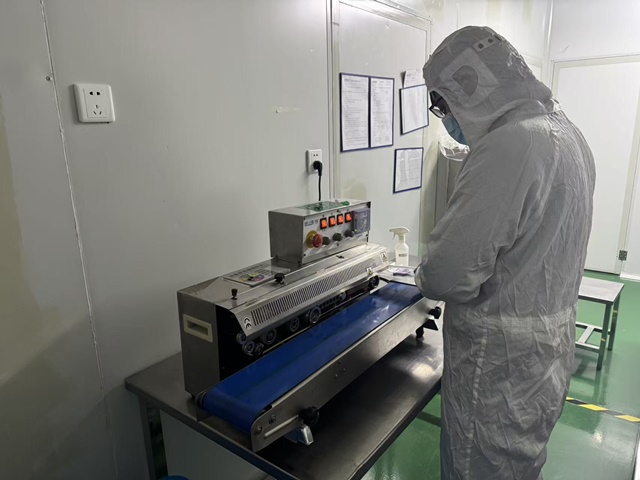
Sealed in medical-grade sterilization pouches inside a controlled environment to ensure biological integrity during transit.
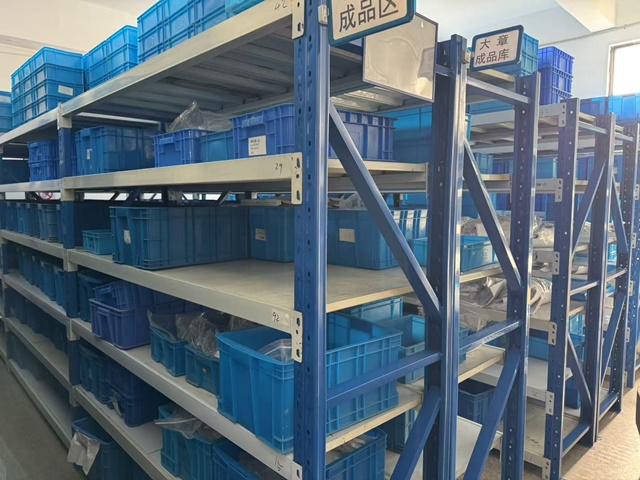
Finished goods are stored in a temperature-regulated, ERP-managed warehouse for rapid order retrieval and tracking.
Our workshop features advanced CNC milling centers, automatic Swiss lathes, and specialized quality-control instrumentation.
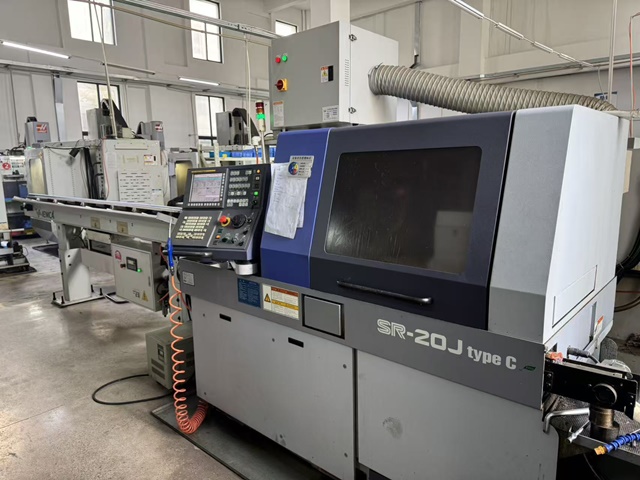
High-speed, continuous bar machining optimized for producing orthopedic bone pins and complex hinge geometries.
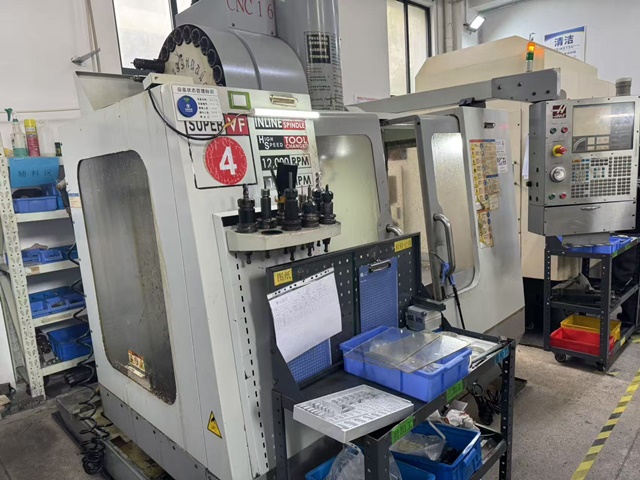
Advanced vertical machining centers provide precise, repeatable milling for multi-pin clamps and fixator bodies.
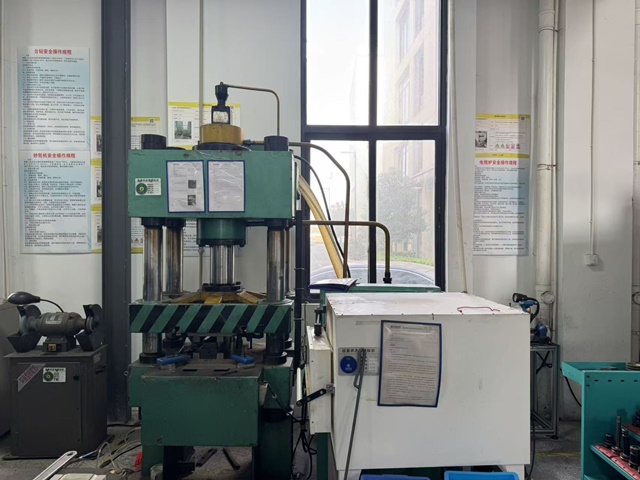
Precision stamping equipment designed for rapid manufacturing of hardware accessories and washers.
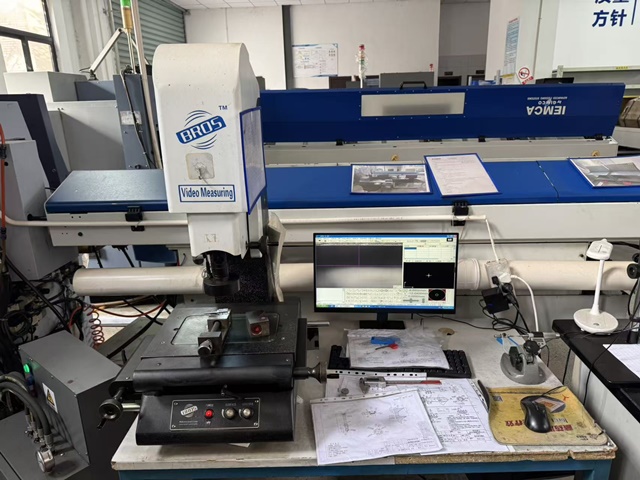
Automated optical metrology measures component dimensions without physical contact, verifying alignment down to the micron.
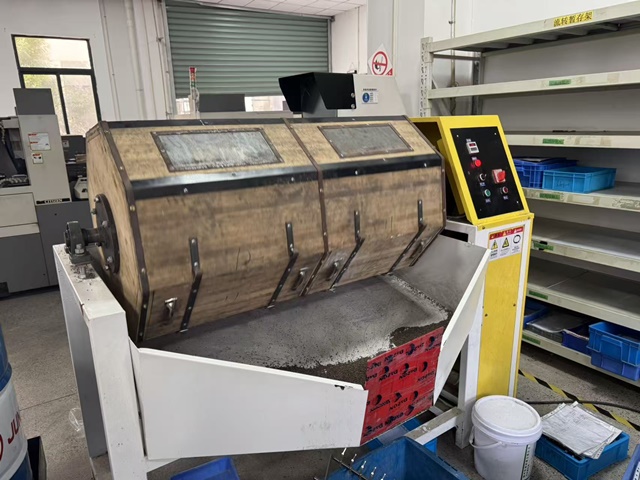
Provides highly parallel surfaces and smooth tactile interfaces, critical for clamping mechanisms.
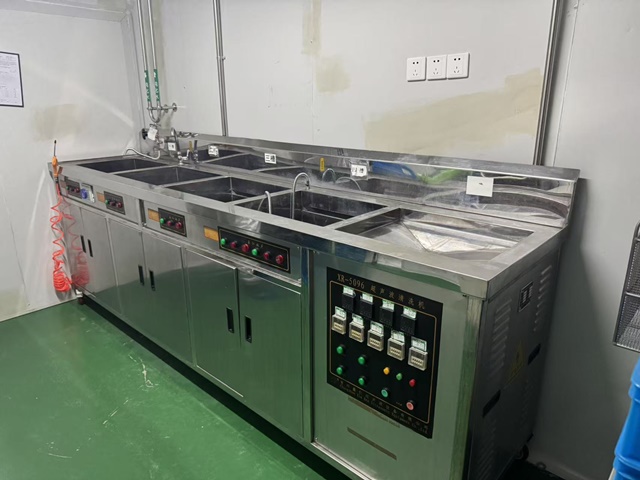
Automated multi-frequency cavitation cycles dissolve grease, fine metallic dust, and biological contaminants.
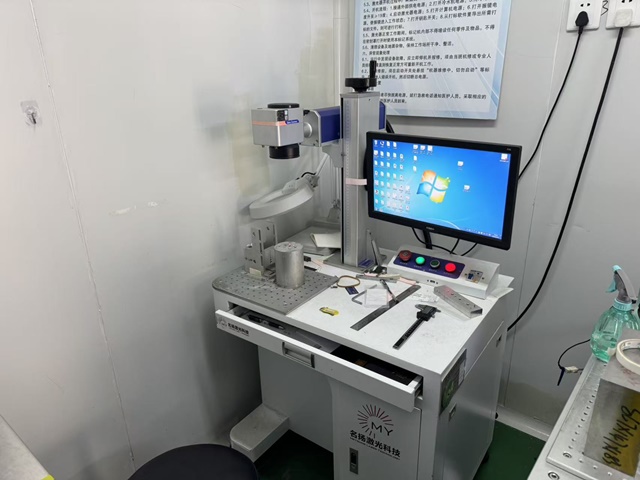
Applies high-resolution, corrosion-resistant UDI codes and markings to facilitate medical hardware tracking.
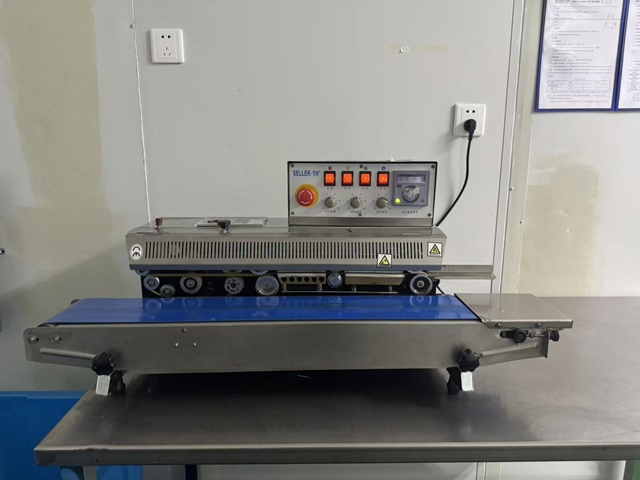
Automated vacuum sealing and labeling line preserves cleanliness and prepares products for international shipping.
A look at the diagnostic equipment, design validation procedures, and material testing used to ensure clinical safety.
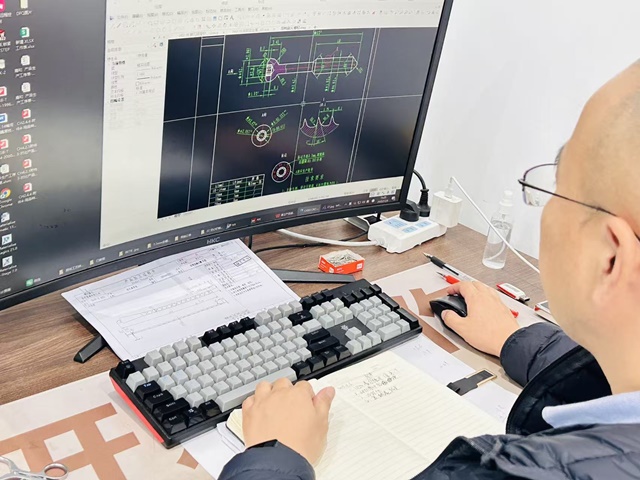
Experienced design engineers create three-dimensional models, utilizing finite element analysis (FEA) to simulate load paths and stress states.
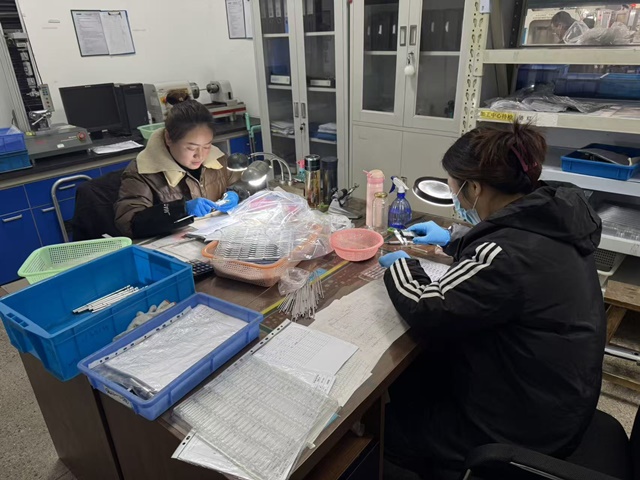
Certified QA professionals perform 100% inspections on functional tolerances to ensure locking mechanisms and joints work correctly.
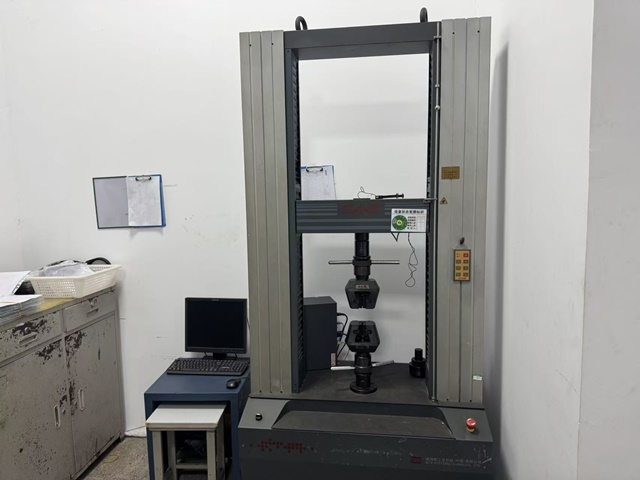
Measures tensile and compressive strength. Ensures fixators do not fail under sudden loading.
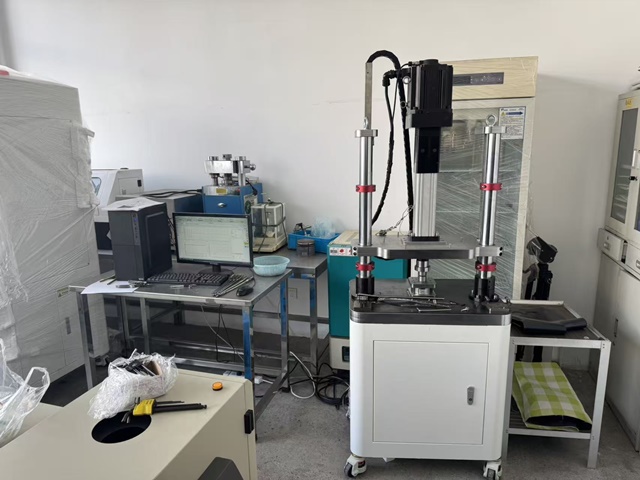
Subjects fixation components to cyclic loading conditions, verifying long-term resistance to wear and structural fatigue.
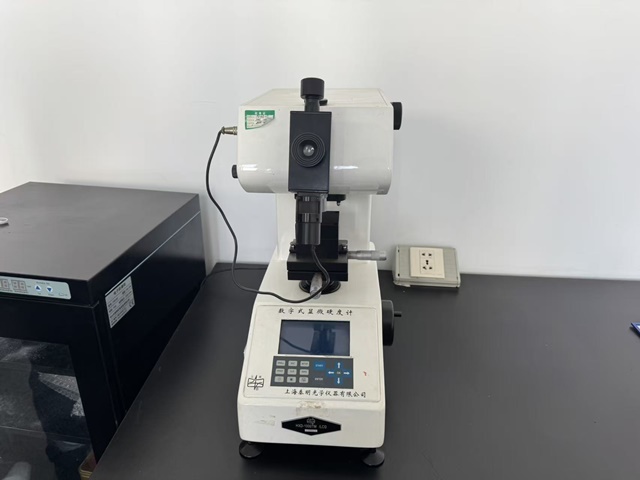
Measures surface hardness to confirm the effectiveness of thermal treating processes, preventing pin deformation under load.
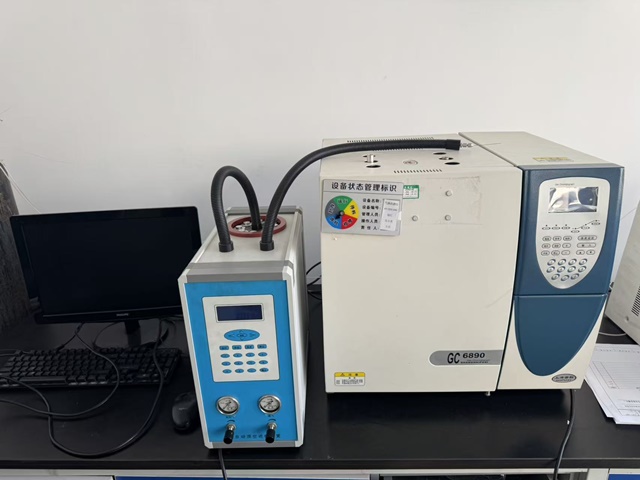
Analyzes chemical composition to verify titanium grade purity, helping to ensure biocompatibility and osseointegration.
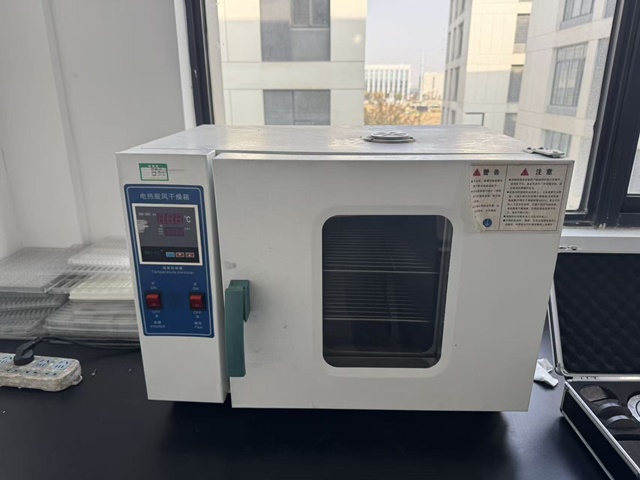
Dries clean instruments, removing moisture residues to protect raw surfaces from oxidation.
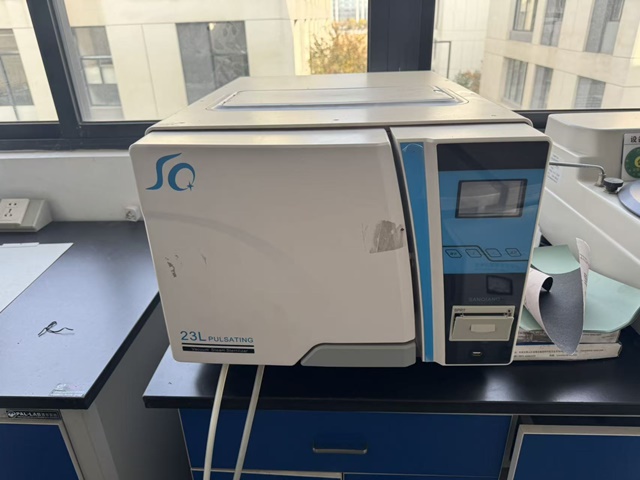
Simulates hospital sterilization conditions, confirming that fixator assemblies can withstand repeated autoclave processing.
By operating inside China's leading medical-grade manufacturing clusters, Osteora coordinates raw material procurement, thermal processing, multi-axis machining, and cleanroom packaging within a compact regional footprint. This concentration helps manage costs while providing rapid scalability.
Our network of 1,200 upstream and downstream partners guarantees access to certified materials, sterile packaging components, and specialized surface treatments (such as Type II anodization). This allows us to scale production up or down in response to demand fluctuations, maintaining stable delivery timelines for global healthcare providers.
We provide medical device distributors, hospitals, and orthopedic brands with comprehensive OEM/ODM solutions tailored to local preferences.
Entering international medical markets requires deep regulatory compliance. Osteora provides comprehensive documentation support to help our partners secure import clearance and local medical device registrations.
Our regulatory team prepares detailed technical dossiers, including biocompatibility reports (ISO 10993), sterilization validation documentation, mechanical testing validation data, and ISO 13485 quality system certificates. This thorough preparation helps streamline compliance reviews with ministries of health and regulatory bodies worldwide.
The field of external fixation is shifting toward dynamic, radiolucent, and minimally invasive designs. Surgeons increasingly request frames that allow early, controlled joint mobilization without compromising stability.
Osteora's engineering team is developing composite carbon fiber components to provide clearer post-operative radiographs. Additionally, our dynamic joint assemblies allow controlled micro-motion to stimulate bone healing, helping to reduce joint stiffness and improve long-term patient outcomes.
Expert insights regarding biomechanical engineering, material parameters, regulatory pathways, and supplier partnerships.
Explore our full range of advanced orthopedic solutions, specialized surgical instrumentation sets, and joint implants designed for global healthcare requirements.