Osteora
Osteora
Osteora
Precision-engineered medical devices designed for complex joint reconstruction, trauma fixation, and spinal surgeries.
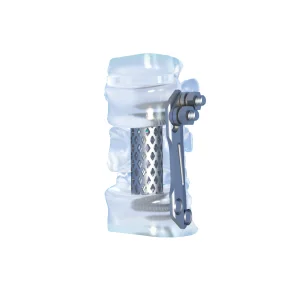
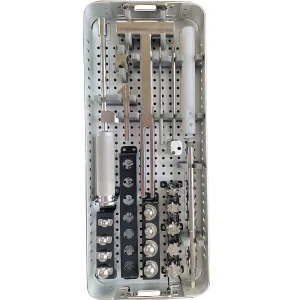
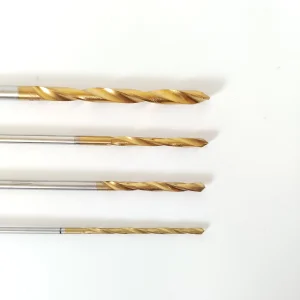
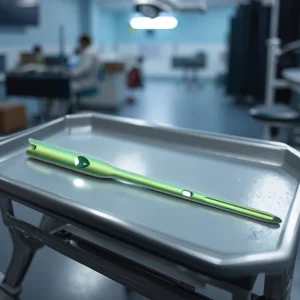
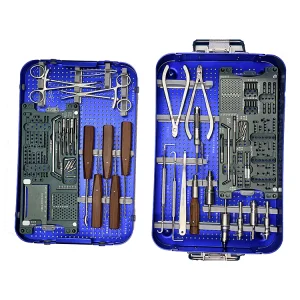
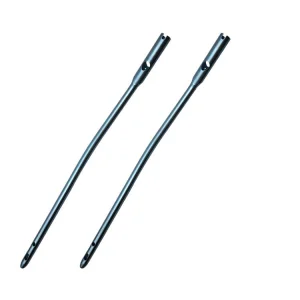
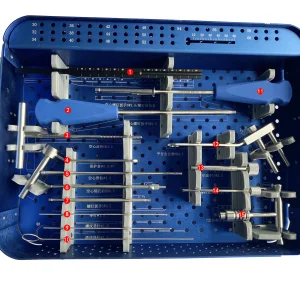
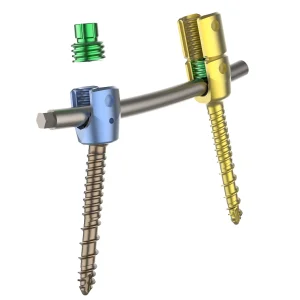
Founded in 2016, Osteora Medical Devices Co., Ltd. has established a strong reputation in the global orthopedic industry through continuous innovation and strict quality control standards. Under the brand Osteora, the company operates as a professional orthopedic implant and surgical solution manufacturer specializing in trauma, spine, and joint reconstruction systems.
Our facility covers an area of approximately 18,500㎡, supporting integrated production, assembly, and testing operations. We integrate 12 years of industry expertise and 8 years of export experience to bridge the gap between academic medical innovations and massive manufacturing capacity.
With an annual export revenue ranging from USD 6 million to 14 million, Osteora sustains long-term partnerships with distributors and hospitals across Europe, Southeast Asia, the Middle East, and South America, delivering clinically reliable orthopedic solutions.
Our supply chain supports stable production capacity and reliable delivery performance. The main customer base consists of hospitals, orthopedic clinics, surgical centers, and medical distributors seeking reliable partners who understand strict compliance mandates.
Key technological and regulatory forces reshaping the joint reconstruction landscape globally.
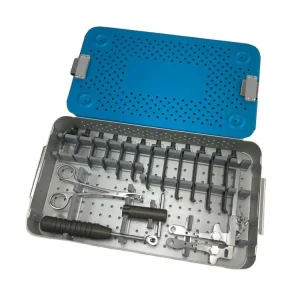
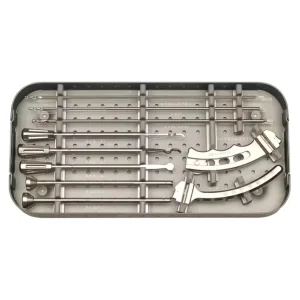
The surgical trend is heavily shifting toward minimally invasive procedures. DAA specific retractors, offset broach handles, and customized femoral elevators significantly reduce muscle damage, requiring manufacturers to produce highly curved and angled instruments with high mechanical durability.
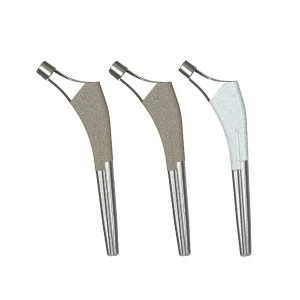
Advanced cementless femoral stems utilize plasma-sprayed titanium coatings or hydroxyapatite (HA) surface structures to accelerate osteointegration. Instruments must adapt to prevent scratching these sensitive coatings during trial fittings and permanent implantation.
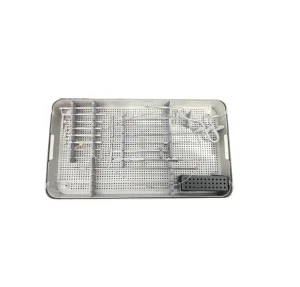
Sterilization efficiency and OR setup time constraints drive the need for organized, modular toolkits. Reducing the footprint of surgical trays while keeping all crucial sizing trials, reamers, and drivers is a paramount design objective for modern procurement agencies.
A transparent overview of our 18,500㎡ facility, showing the transformation of raw titanium alloys into clinical-grade orthopedic systems.
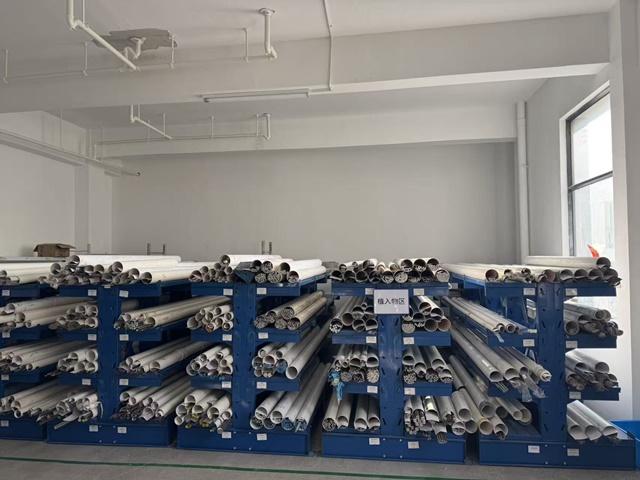
Certified medical-grade titanium alloy and stainless steel bars.
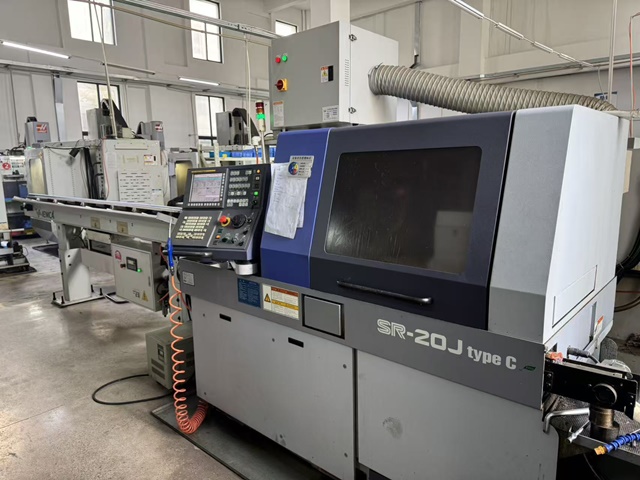
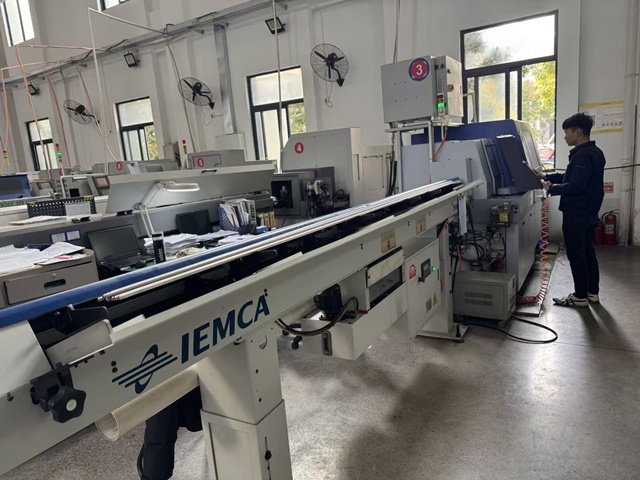
Automated ultra-precision micro-machining for complex screw threads.
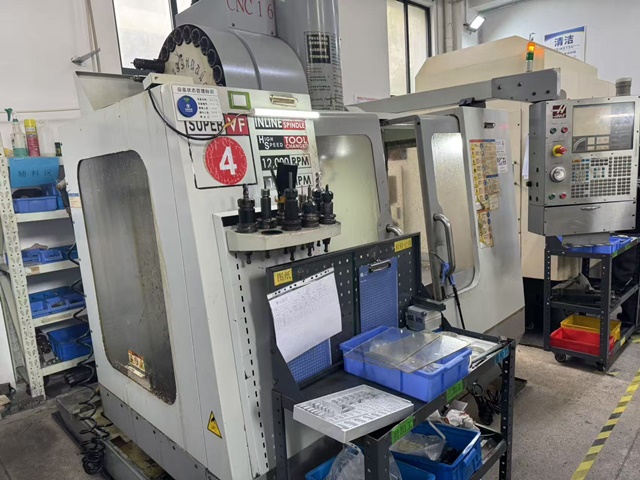
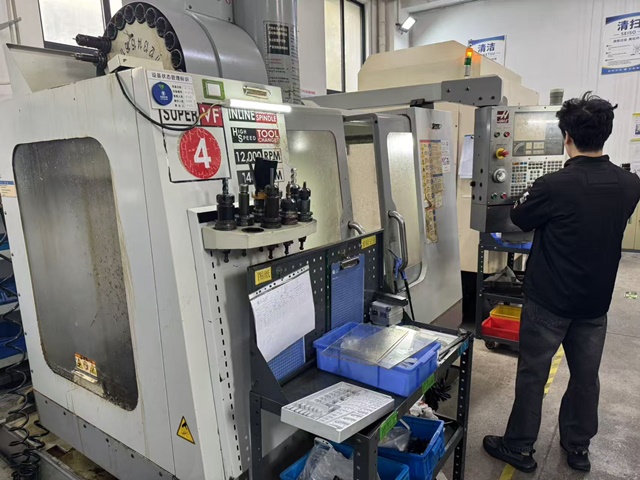
5-axis multi-station milling centers for exact anatomical dimensions.
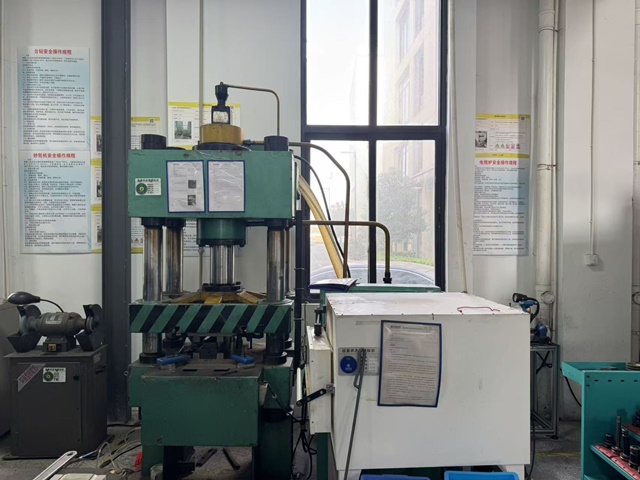
Heavy shaping machinery for orthopedic plate pre-formations.
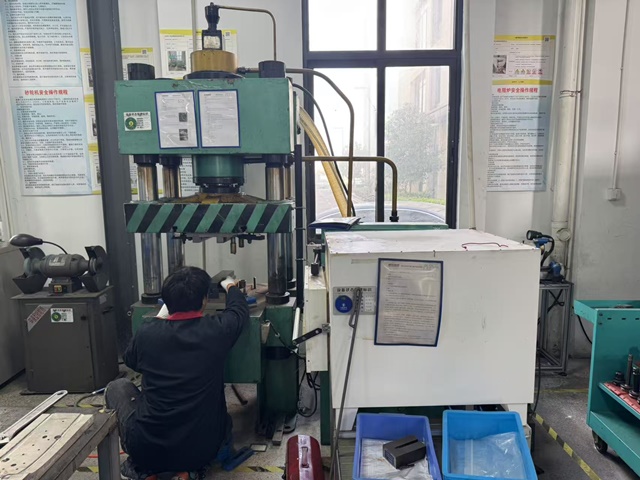
Active metal-forming execution under rigorous stress monitoring.
Surface grinding for micro-tolerance adjustment.
Manual edge deburring and contour perfecting.
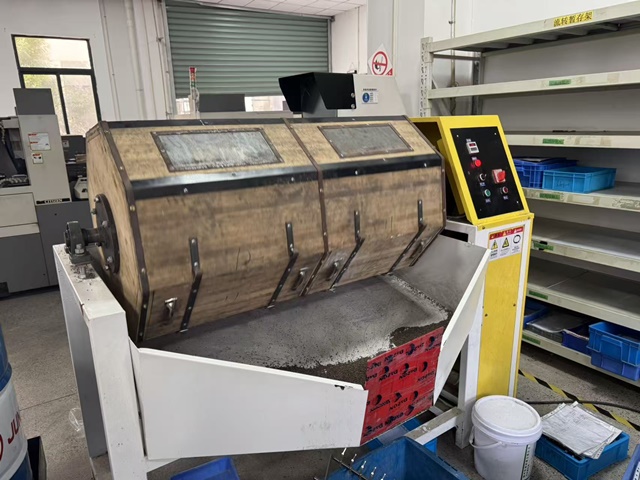
Secondary mechanical smoothing and buffing.
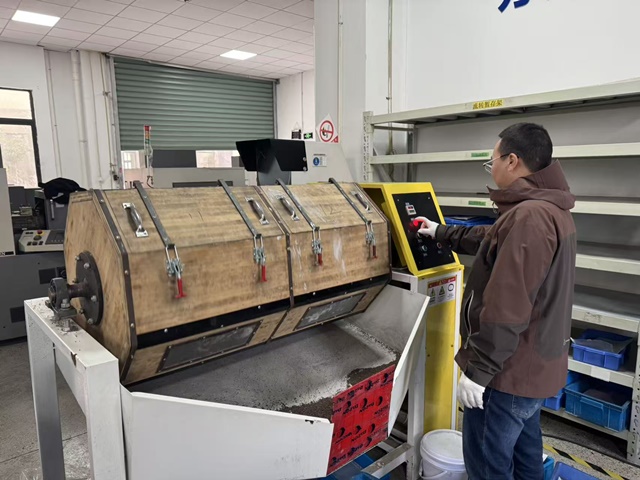
Precision abrasives to achieve specialized roughness profiles.
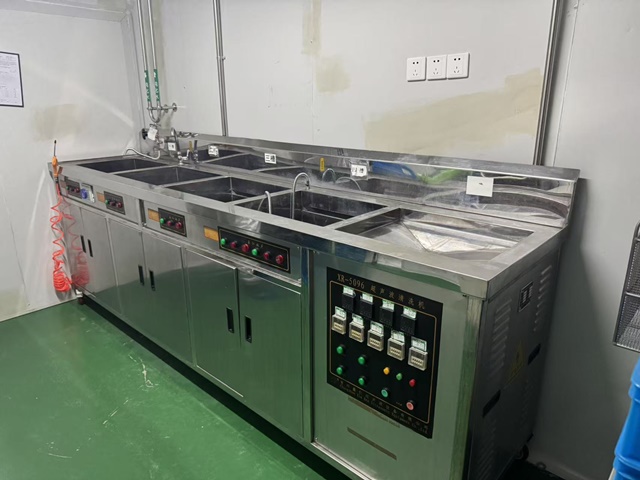
Industrial ultrasonic cleaning system removing micro-residues.
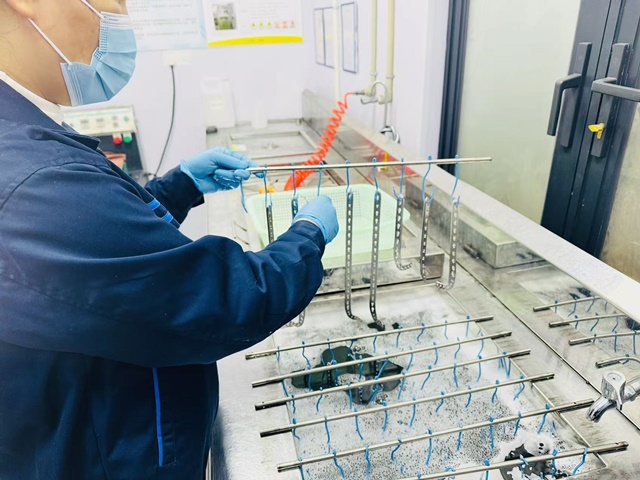
Chemical passivation and thorough deionized water rinsing.
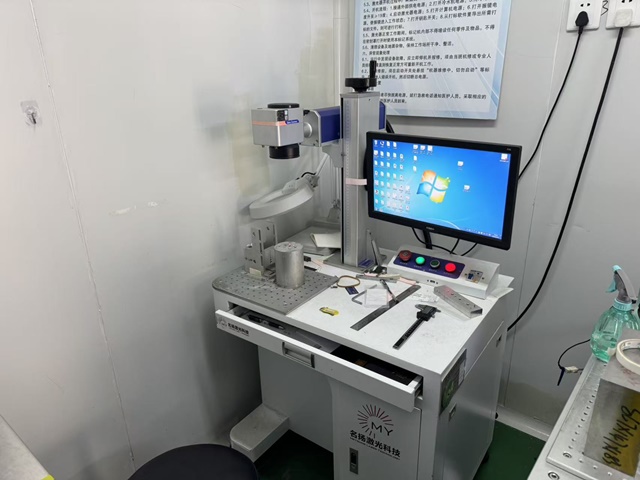
Etching unique batch UDI and tracking numbers on products.
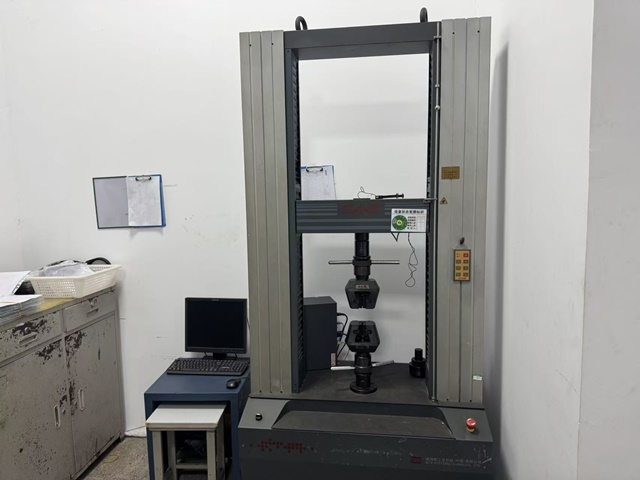
Assessing load thresholds and tensile limits of materials.
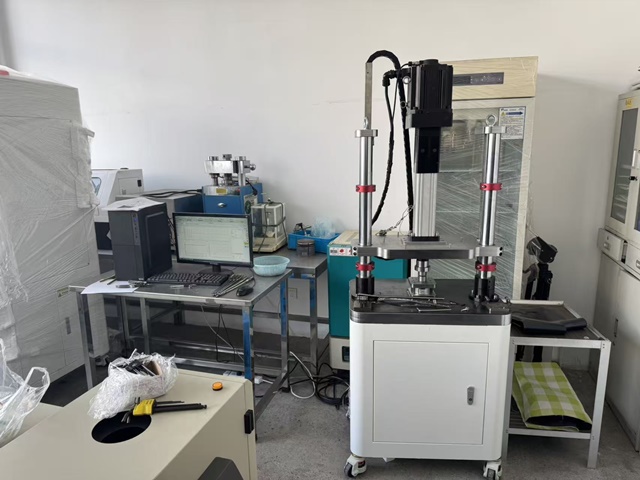
Cyclic fatigue testing to simulate long-term in-vivo dynamics.
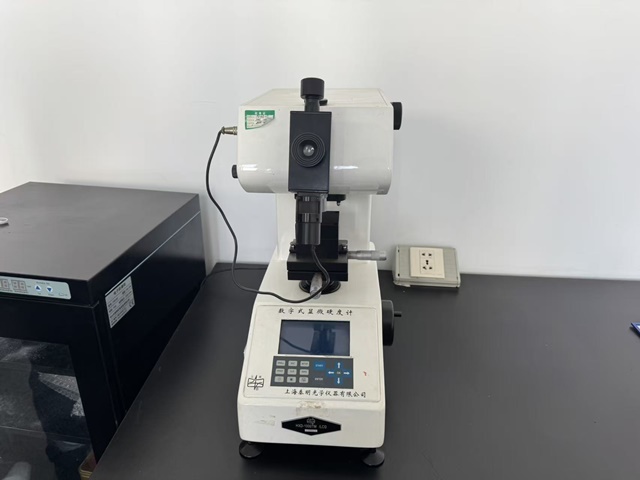
Measuring structural resistance at microscopic indentations.
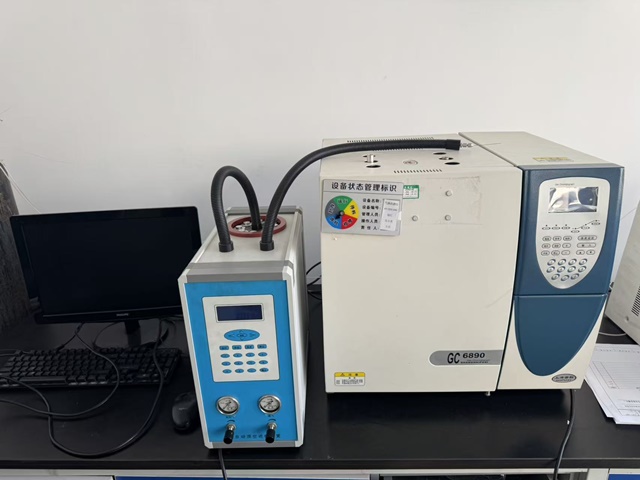
Evaluating chemical composition and trace gases in raw alloys.
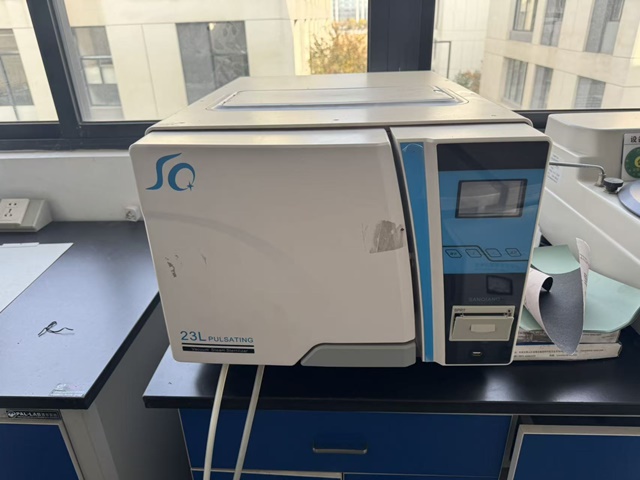
Simulating high-frequency dynamic forces on spinal and joint devices.
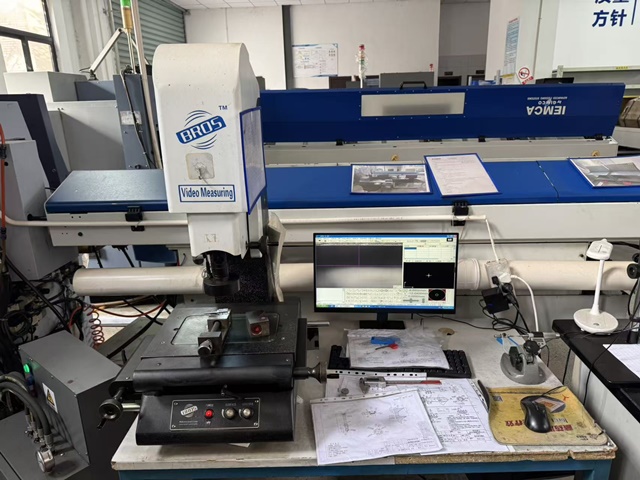
Non-contact precise optical sizing validation.
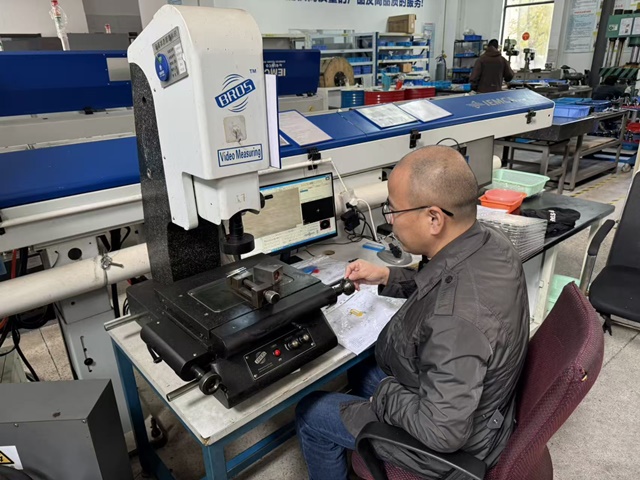
Visual check for structural uniformity and zero exterior defects.
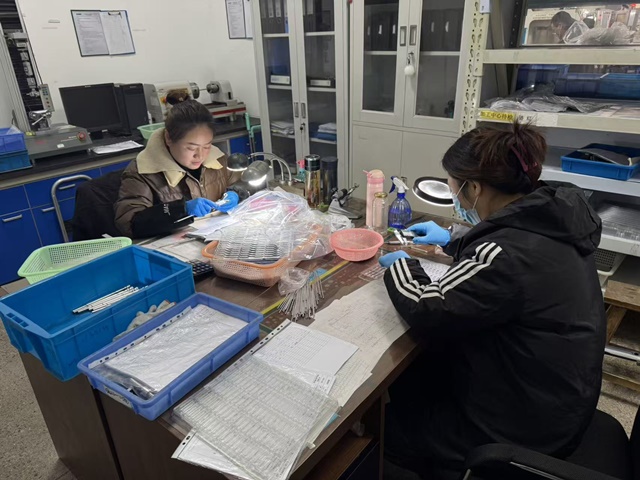
In-process dimensions check verifying micron-level tolerancing.
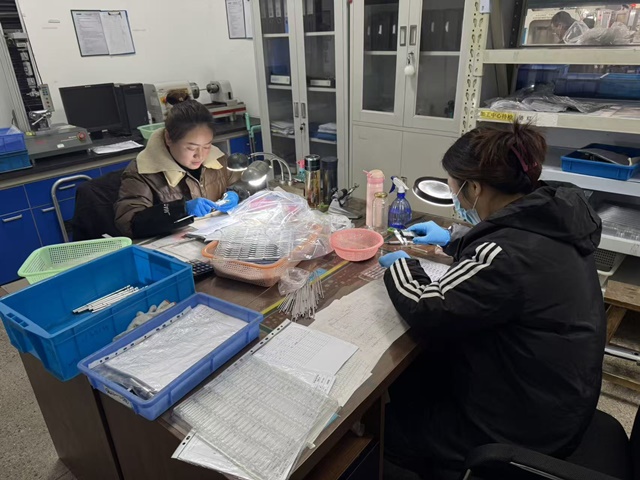
Redundant verification checks prior to sterile barrier packing.
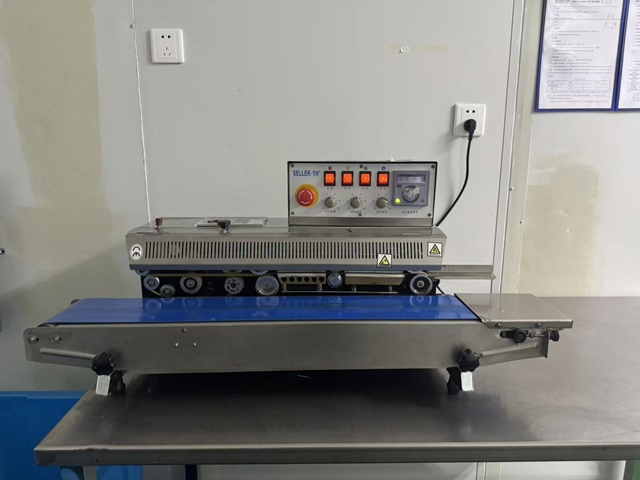
Automated vacuum pouch packaging and thermoformed tray sealing.
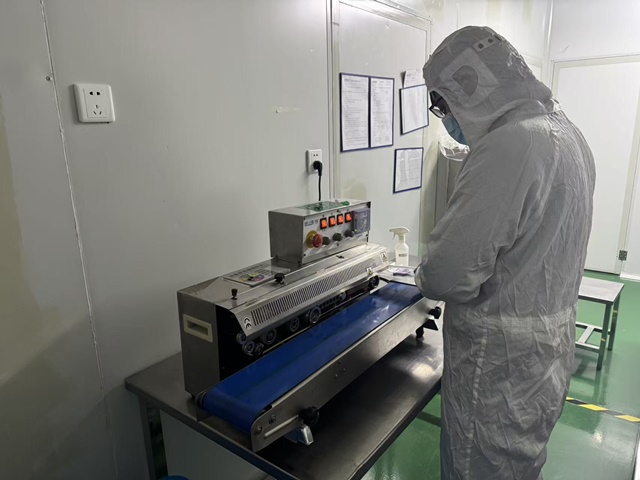
Double barrier containment for clean room standard maintenance.
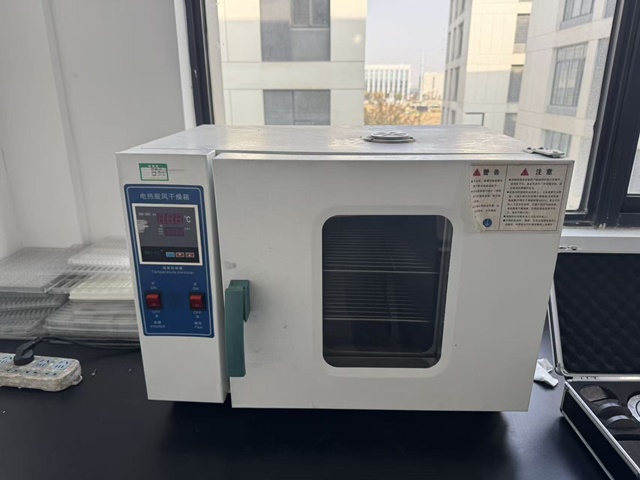
Thermal treatment securing moisture-free packaging environments.
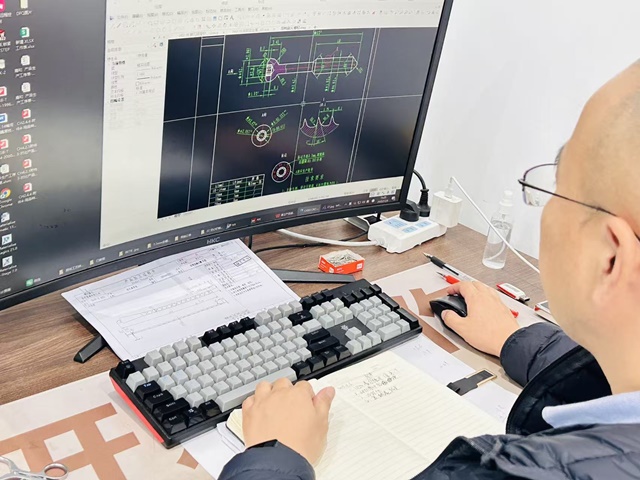
CAD drafting translating orthopedic biomechanical specifications.
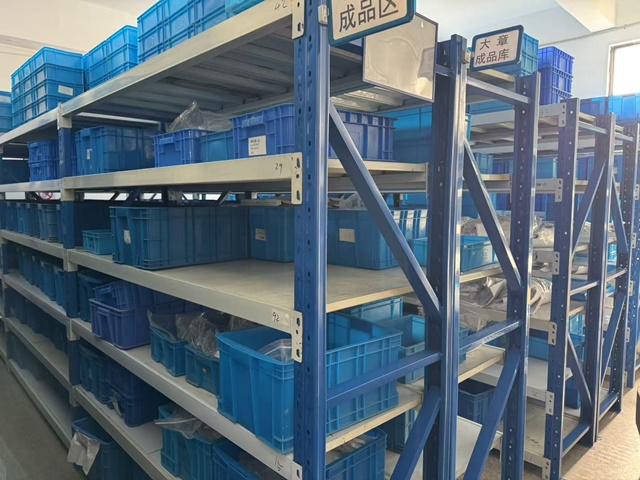
Climate-controlled inventory control storage ensuring timely delivery.
Global procurement teams in search of Chinese orthopedic suppliers face strict criteria to guarantee safety and compliance. Regulatory alignment represents the primary foundation. Partners must demonstrate compliance through certifications such as ISO 13485, and products targeting export regions like Europe must conform to CE (MDR) standards.
Material verification reports (such as ASTM F136 titanium alloy) and cytotoxicity testing compliance validation are required.
A reliable supplier network is essential. Osteora partners with 1,200 downstream/upstream distributors to prevent logistics delays.
Orthopedic load-bearing implants must withstand fatigue limits tested in our mechanical testing facilities.
Recognizing the diversity in healthcare protocols, Osteora offers tailored production paths for orthopedic distributors:
The technological path Osteora is charting to advance clinical patient outcomes.
Transitioning from subtractive HAAS CNC machining to advanced electron beam melting (EBM) titanium printing. This enables trabecular metal structures that mirror native bone, enhancing long-term implant stability.
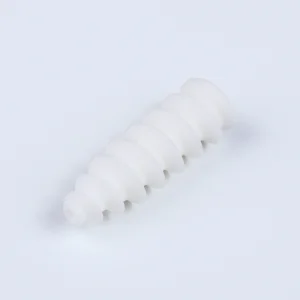
Building on our PLGA ACL reconstruction technology, we are refining composite bioabsorbable designs that support natural bone healing before safely dissolving, eliminating the need for removal surgeries.
Integrating digital tracking arrays into trial hip systems. This allows real-time alignment tracking under fluoroscopic computer navigation, reducing leg-length discrepancies.
Introducing silver-doped and copper-doped surface structures to target surgical site infection risk, providing a sterile environment immediately after joint placement.
Answers to key questions from hospital procurement officers and medical importers.
Osteora operates under an ISO 13485 certified Quality Management System. Our key joint and trauma products are CE marked and conform to Class III medical device standards, ensuring compliance with global regulatory requirements.
We conduct chemical verification of titanium alloys via Gas Spectrometry. Structural integrity is validated through Vickers hardness testing, and long-term durability is measured using our multifunctional mechanical testing and pulsating fatigue machines to simulate millions of load-bearing cycles.
For standard catalog sizes, delivery varies from 15 to 30 days depending on stock. For custom CAD blueprints or material modifications, our 85 engineers handle design verification in 7-14 days. Production lead times for custom runs typically span 45-60 days, depending on regulatory testing requirements.
Our key export channels supply hospitals and distributors throughout Europe, Southeast Asia, South America, and the Middle East, supported by dedicated logistics specialists to manage customs documentation and import compliance.
Additional specialized medical devices engineered to Osteora's rigorous quality standards.