Osteora
Osteora
Osteora
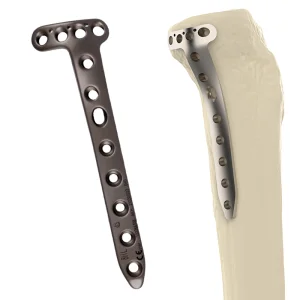
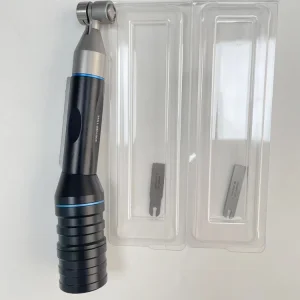
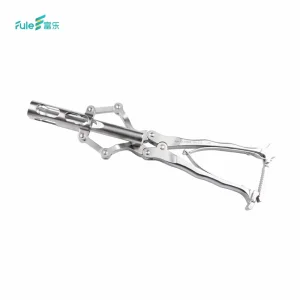
Explore our CE-certified trauma fixation plates, orthopedic power tools, spine systems, and instrumentation designed to maximize surgical efficacy and patient recovery.
Analyzing market drivers, clinical indications, and biomechanical demand for intramedullary fixation systems.
Femoral intramedullary nailing (IMN) represents the gold standard for stabilizing femoral shaft, subtrochanteric, and distal metaphyseal fractures. Globally, clinical adoption favors intramedullary nailing over open plating because of its load-sharing capabilities, preservation of periosteal blood supply, and smaller surgical incision requirements.
With the rise in global life expectancy, geriatric hip and proximal femur fractures have escalated significantly. Concurrently, high-energy polytrauma cases resulting from industrial and traffic accidents in emerging economies require robust, durable, and rapid fixation. These twin factors propel the global demand for titanium intramedullary nails.
Medical device procurement directors are navigating rising cost pressures across healthcare systems. Hospitals require implants that yield identical clinical outcomes to top-tier brands but at sustainable price points. This structural shift has positioned major Chinese manufacturing clusters as essential partners for global supply chains.
Why leading medical distributors rely on China's integrated raw material ecosystems, precision toolings, and lean manufacturing.
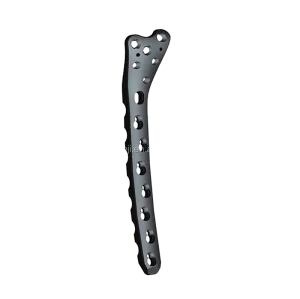
China’s leading orthopedic implants factories leverage a unique combination of supply chain consolidation, advanced automation, and highly trained research and development talent. By utilizing medical-grade titanium alloys (ISO 5832-3 / ASTM F136) and cobalt-chrome, these facilities fabricate anatomical designs that ensure optimized bone-implant interfaces.
The production efficiency advantages in China stem from integrated industrial zones where raw material processing, multi-axis precision machining, electrochemical surface treatment (anodization), and cleanroom packaging happen within short proximity. This enables factories to compress lead times for bulk OEM orders while maintaining rigorous traceability standards.
A premier manufacturer specializing in trauma, spine, and joint reconstruction systems under the brand Osteora.
Founded in 2016, Osteora has built a global reputation for innovation and quality control. The company's production facility spans approximately 18,500㎡, hosting integrated processes from raw material inspection to final sterile packaging.
With 8 years of export experience and 12 years of industry expertise, Osteora serves distributors, clinics, and surgical centers in Europe, Southeast Asia, the Middle East, and South America. Annual export revenue ranges between USD 6 million and 14 million.
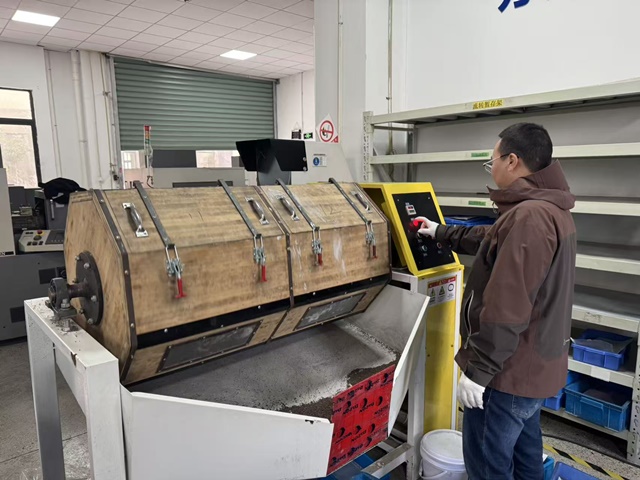
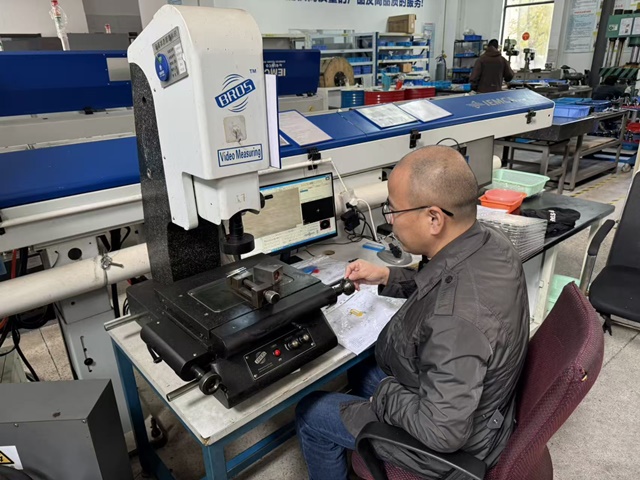
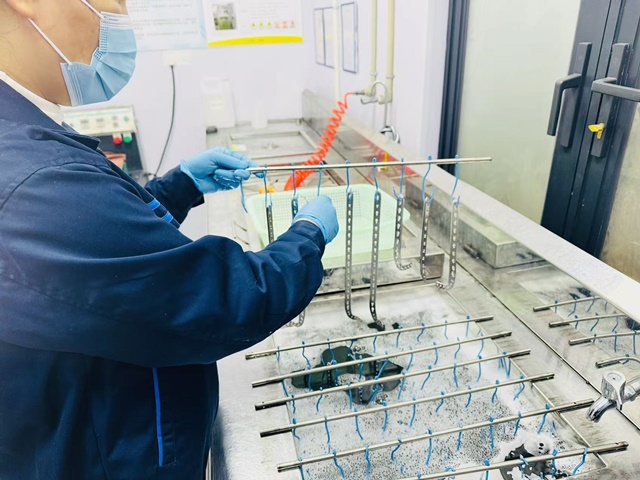
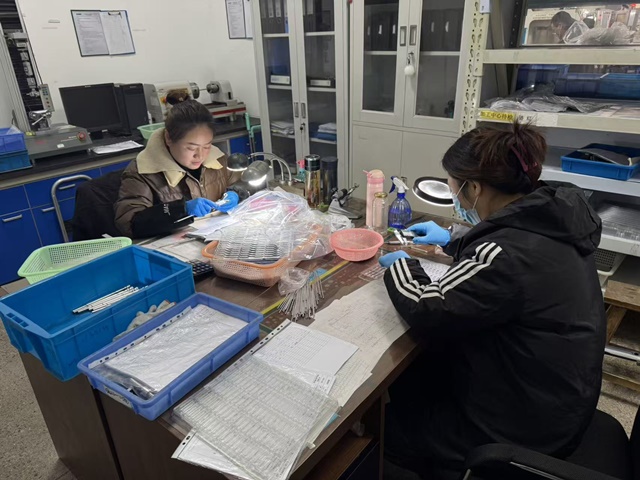
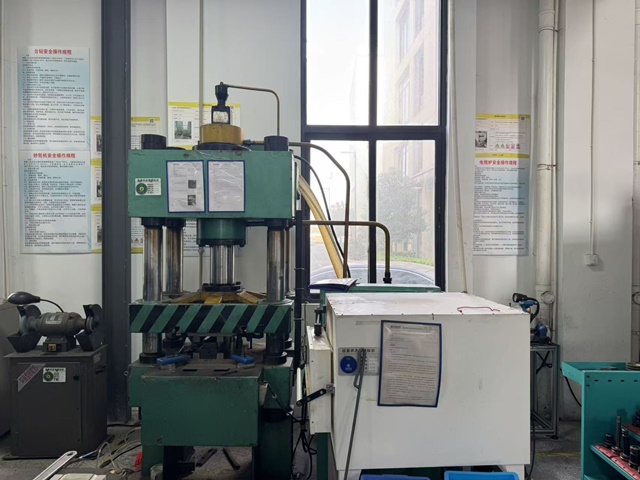
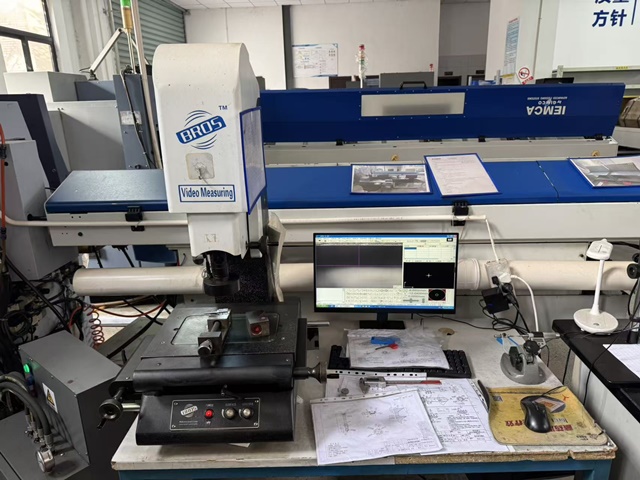
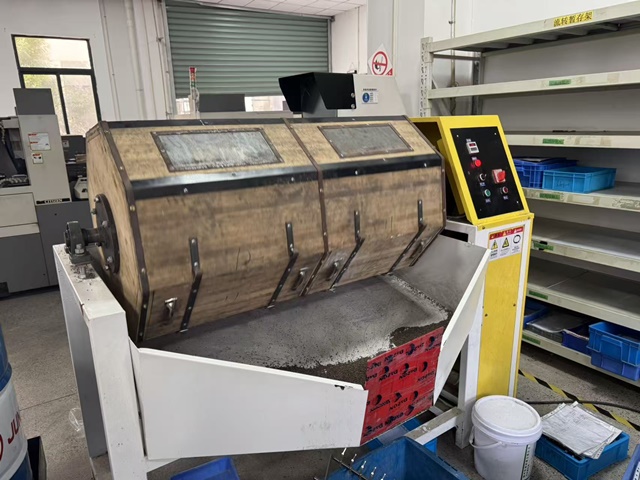
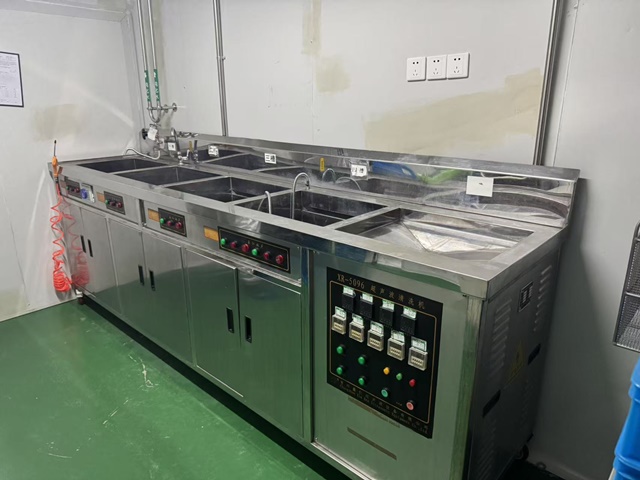
A visual tour of the specialized machinery, CNC lathes, surface polishing, quality checking, and mechanical testing labs at Osteora.
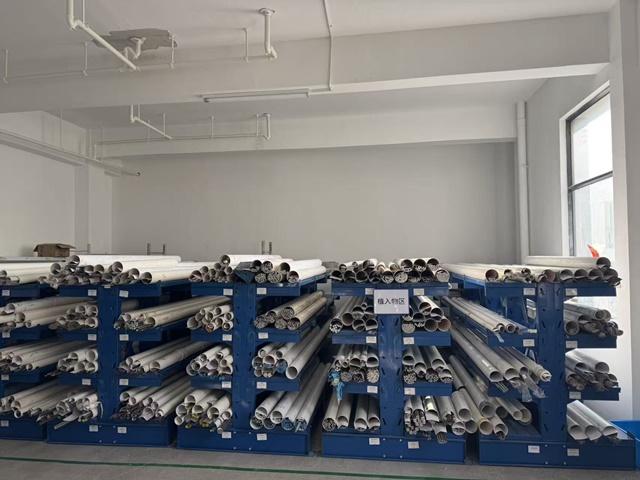
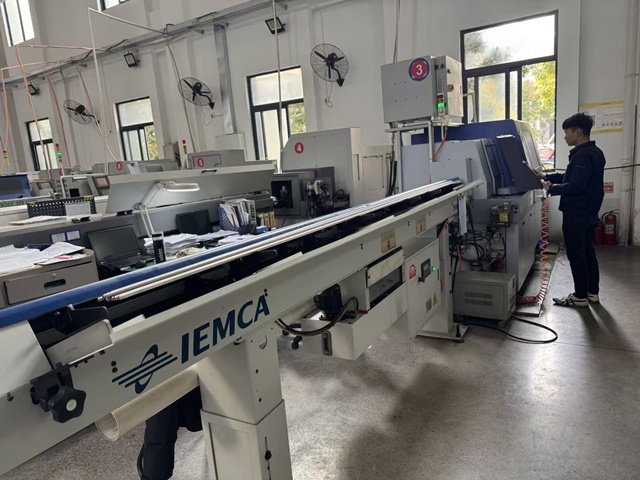
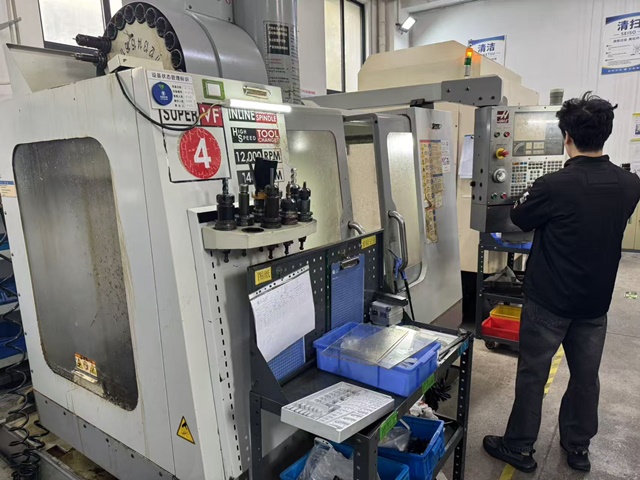
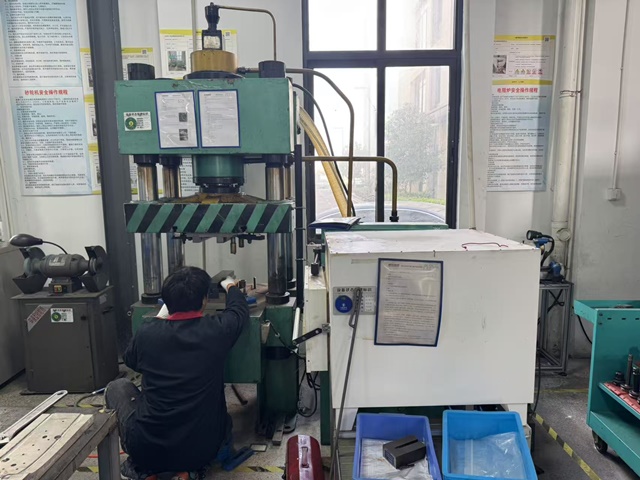
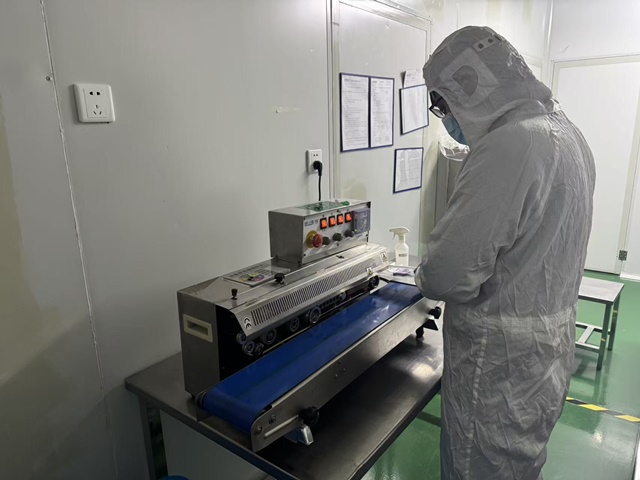
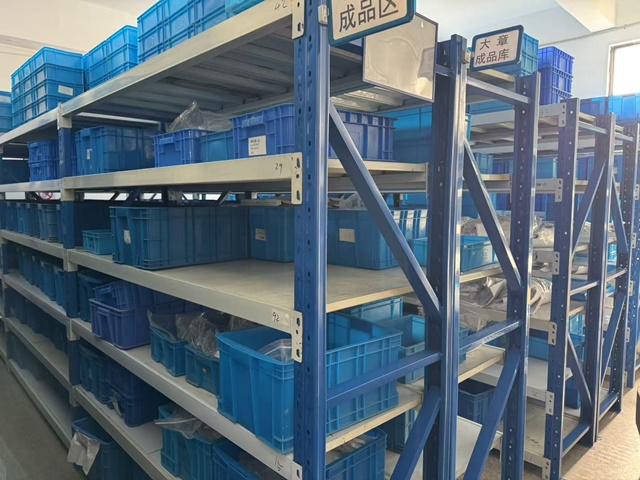
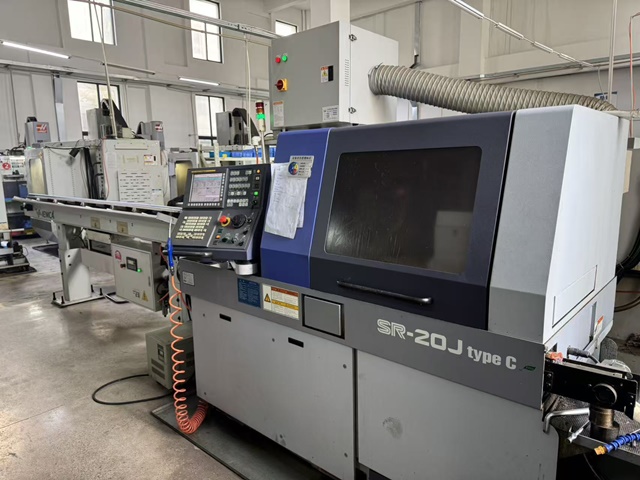
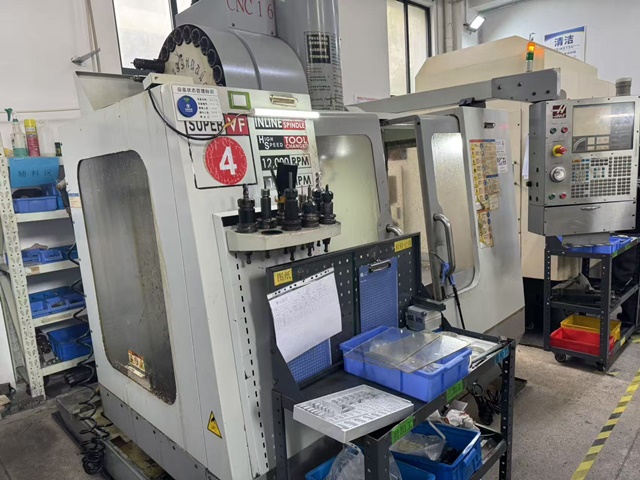
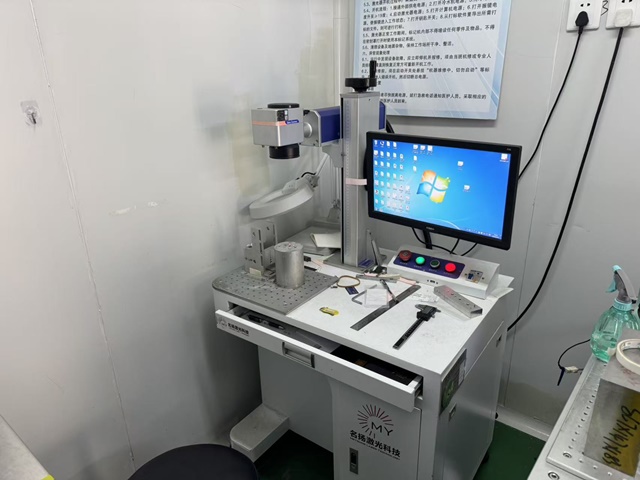
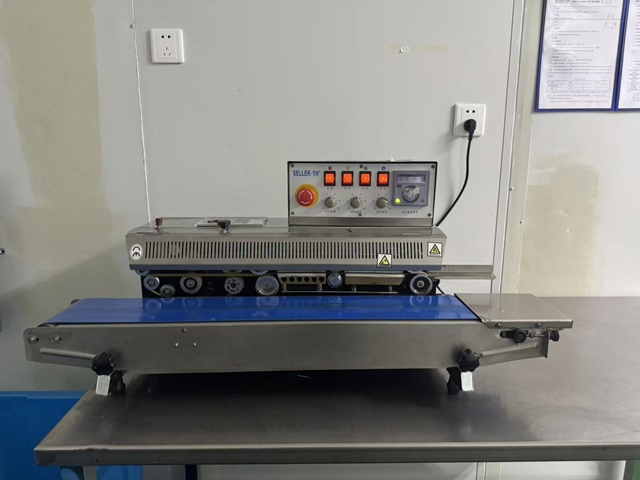
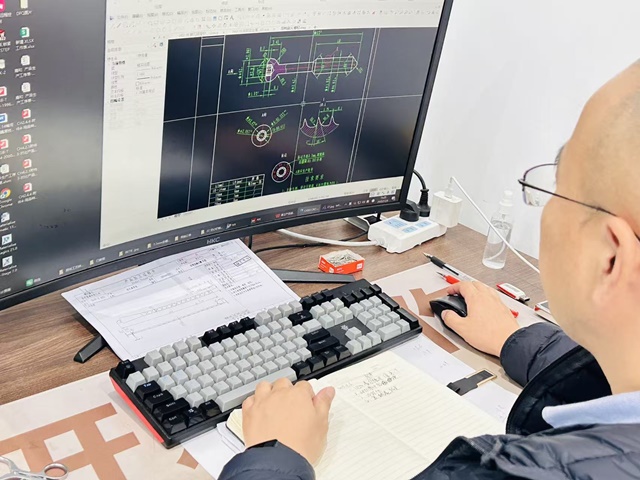
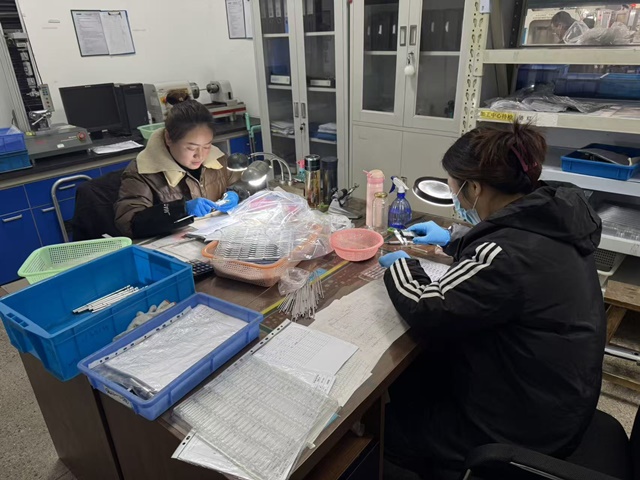
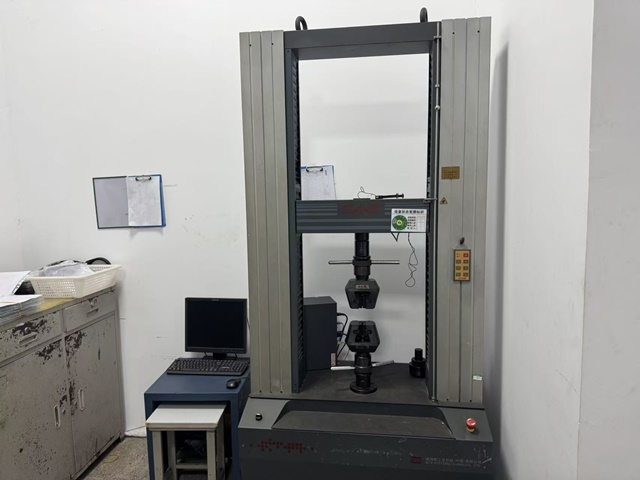
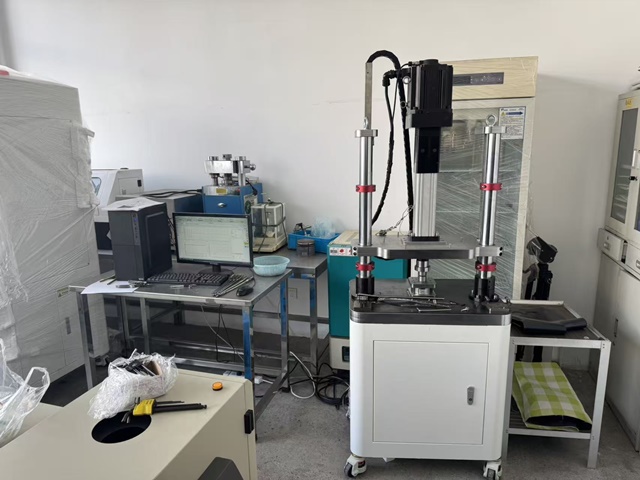
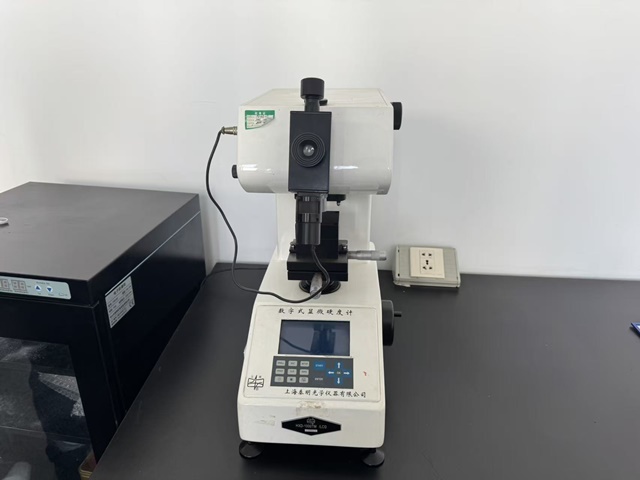
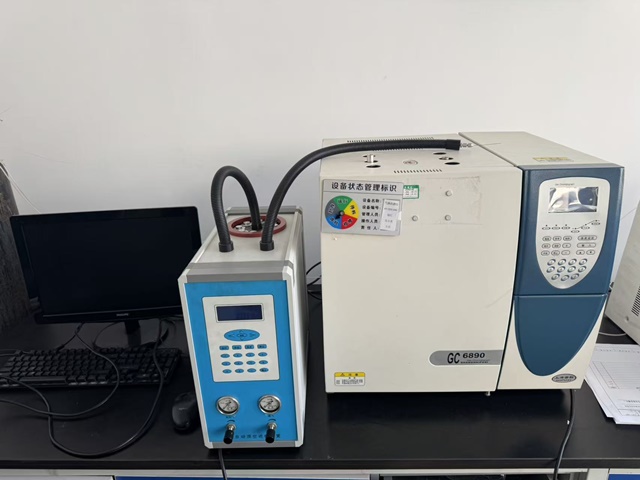
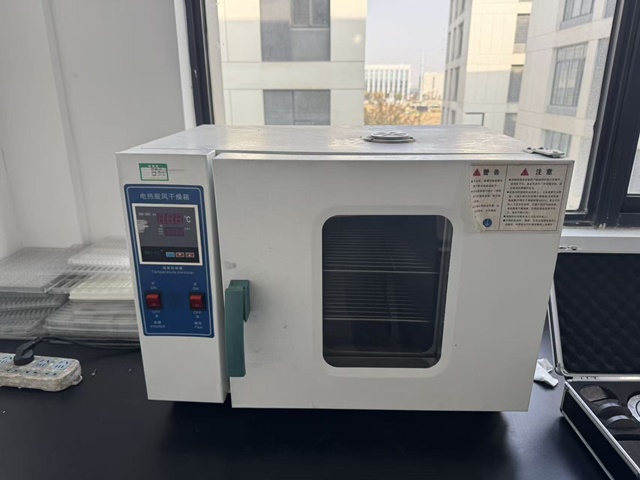
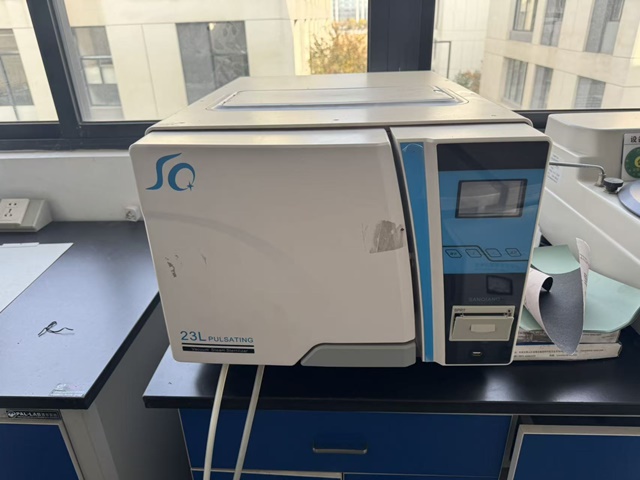
How Osteora's 42-inspector quality control team prevents implant failures in the human body.
Implanted nails must endure cyclic weight-bearing load before solid union occurs. Using the Multifunctional Mechanical Testing Machine and the Pulsating Machine, we perform compression, torsion, and bending fatigue validation under ASTM F1264 guidelines, simulating millions of gait cycles.
We run full chemical analyses using our in-house Gas Spectrometer and Vickers Hardness Tester. By validating the precise alloy elements of incoming medical titanium rods, we guarantee that implants do not trigger host tissue toxic reactions or early metallosis.
Even a 0.05 mm deviation can impede smooth intramedullary canal insertion or screw interlocking. Our inspectors utilize high-accuracy Vision Measuring Instruments alongside custom go/no-go gauges to verify the outer diameter, inner cannulation alignment, and thread pitch of locking bolts.
Navigating regulatory pathways, demographic variations, and procurement dynamics across world regions.
In highly regulated markets, procurement centers emphasize regulatory compliance (EU MDR, FDA 510k), clinical evidence, and instrumentation efficiency. These buyers prioritize cleanroom sterile packaging, complete instrument tracking codes, and minimal revision rates.
Anatomic nails must feature an optimal proximal bend (typically 4° or 6° Valgus curvature) to facilitate trochanteric insertion paths, minimizing bone fragmentation at the entry point.
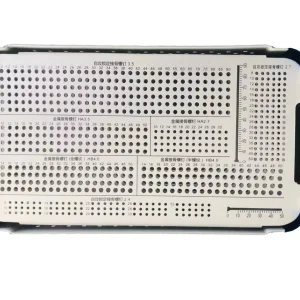
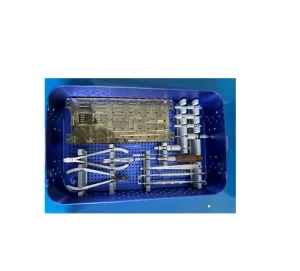
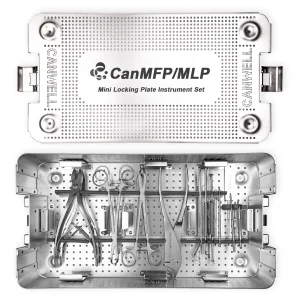
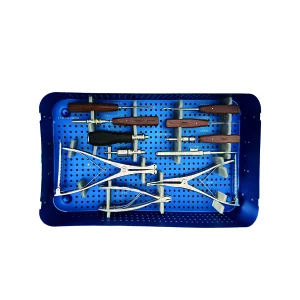
Emerging economies prioritize supply chain resilience and cost-contained surgical systems. Standard non-sterile implants that are autoclaved in-hospital are highly utilized, making strong surgical instrument cases and organization trays essential.
Furthermore, anatomical sizes require variation. People in Asian regions often have a more pronounced anterior femoral bow, which mandates nails with a smaller radius of curvature (ROC) to prevent anterior cortex perforation.
How next-generation materials and real-time visualization systems are reshaping patient outcomes.
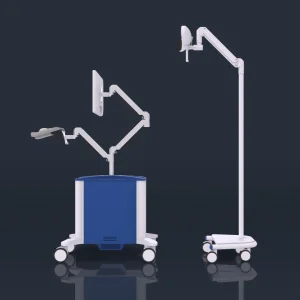
Securing the distal locking screws of an intramedullary nail has traditionally required extensive fluoroscopic X-ray imaging, raising radiation exposure for patients and staff. The incorporation of real-time 3D optical tracking and C-arm integration assists surgeons in placing interlocking bolts with high precision.
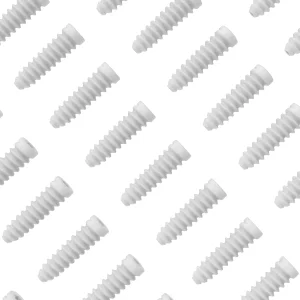
For sports medicine and soft tissue reconstructions, such as ACL/PCL tendon fixation, bioabsorbable materials (like PLGA) eliminate the need for permanent implant retention. These implants provide structural support during the healing phase and are gradually replaced by host bone.
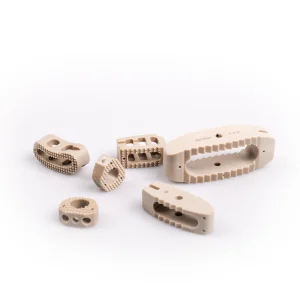
Polyetheretherketone (PEEK) represents a breakthrough for load-bearing spine reconstruction. Its modulus of elasticity closely matches that of cortical human bone, reducing stress shielding and promoting spinal fusion within posterior and transforaminal interbody spaces.
Connect directly with Osteora's engineering department to coordinate custom alloy designs, request dynamic fatigue testing files, or secure regional distribution rights.
Our ISO 13485 cleanroom, automated CNC platforms, and regulatory compliance specialists support your brand's growth and clinical success.
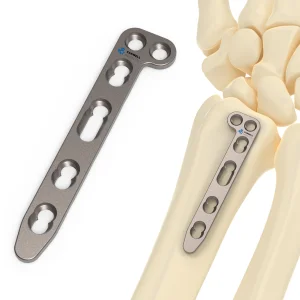
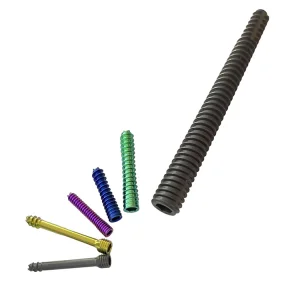
Explore our spinal fusion systems, trauma fixation screws, mini locking plates, and intraoperative positioning platforms.
Technical and procurement answers for orthopedic device importers, distributors, and surgical coordinators.