Osteora
Osteora
Osteora
Explore our top-tier surgical instruments and implants, designed under strict CE & ISO standards to ensure long-term clinical safety and patient success.
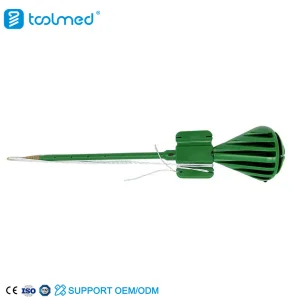
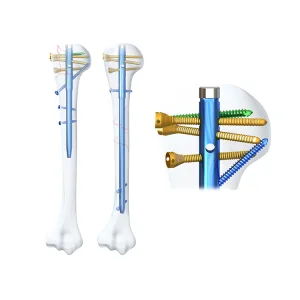
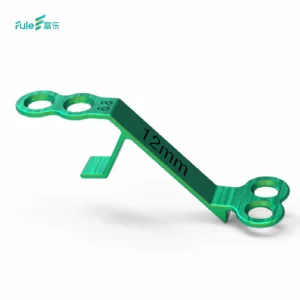
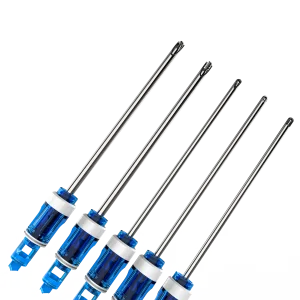
Founded in 2016, Osteora Medical Devices Co., Ltd. has established itself as an elite orthopedic developer, driving innovation across trauma, spine, joint reconstruction, and sports medicine systems. Spanning an integrated facility of 18,500㎡, we leverage advanced machinery, strict quality oversight, and a comprehensive ecosystem of over 1,200 partners to deliver premium products to global markets.
Extensive background in design, material engineering, and mechanical testing.
Dedicated professionals handling ISO 13485 in-process and final testing.
In-house development team updating clinical systems continuously.
Serving hospitals, clinics, and surgical distributors globally.
In sports medicine—specifically anterior cruciate ligament (ACL) and posterior cruciate ligament (PCL) reconstructions—fixation methods determine the mechanical security and success rate of the graft. The industry has shifted significantly toward suspensory cortical fixation buttons. Unlike traditional interference screws, which can cause graft laceration or bone tunnel widening, cortical buttons anchor the graft outside the femoral tunnel, engaging the dense cortical bone of the distal femur.
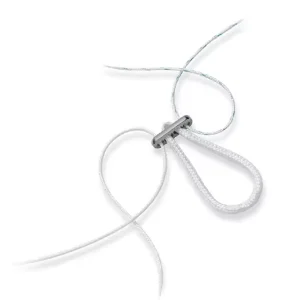
Our design incorporates medical-grade Titanium Alloy (Grade 5, Ti-6Al-4V ELI) or biocompatible PEEK (Polyetheretherketone) to optimize tensile strength and fatigue resistance. When paired with Ultra-High-Molecular-Weight Polyethylene (UHMWPE) loop braids, these buttons deliver superior load distribution, mitigating the "windshield-wiper" and "bungee-cord" effects that historically compromised graft-to-tunnel healing.
As a premier exporter, Osteora offers both Fixed-Length Belt Loops (such as our Knee Lock Titanium Plate Belt Loop) and Adjustable Loop systems. Fixed loops offer maximum stiffness and zero slippage, ideal for precise tunnels. In contrast, adjustable systems accommodate variable tunnel lengths, allowing surgeons to pull the graft into the tunnel until ideal tension is achieved.
The competitive edge of choosing a top-tier Chinese exporter like Osteora stems from our highly integrated vertical manufacturing ecosystem. Utilizing Swiss-type Lathes and American-made HAAS CNC centers, we achieve dimensional tolerances as narrow as ±0.005mm.
This mechanical accuracy is paired with high efficiency. By operating on-site stamping, precision grinding, and pulsating stress tests, Osteora maintains a cost-to-performance ratio that Western suppliers cannot easily replicate. Our automated line output guarantees that large-scale bulk orders for international distributors are processed with consistent, high-yield quality.
Procurement officers from Europe, Southeast Asia, South America, and the Middle East prioritize supply chain resilience and regulatory compliance. Osteora addresses these needs with:
Take a transparent look inside Osteora's 18,500㎡ facility, where cutting-edge technology and skilled inspectors guarantee orthopedic excellence.
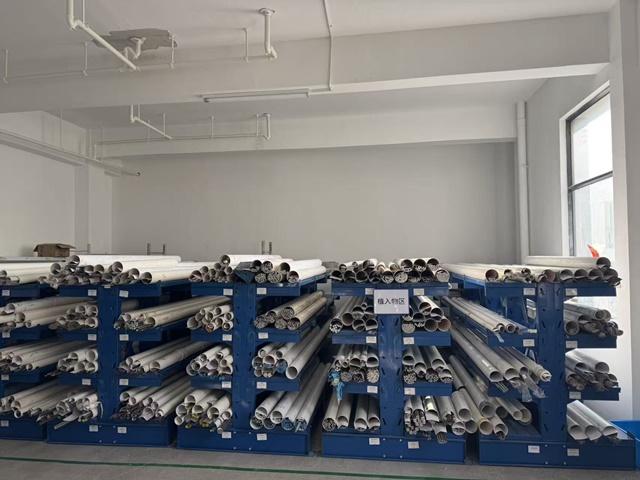
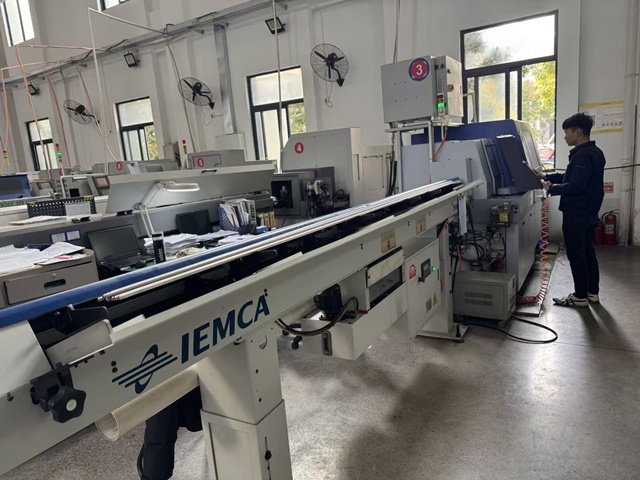
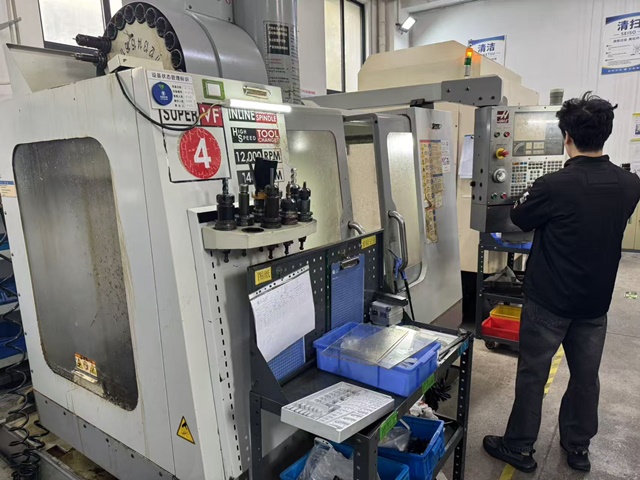
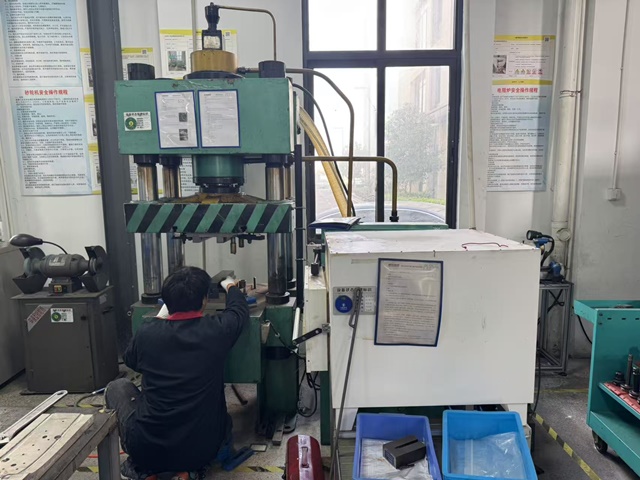
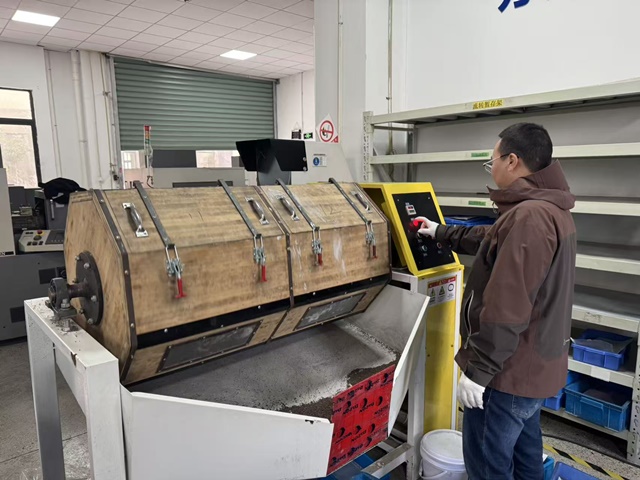
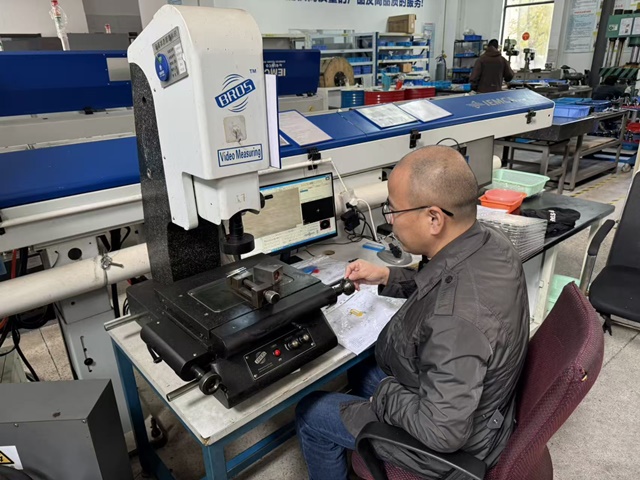
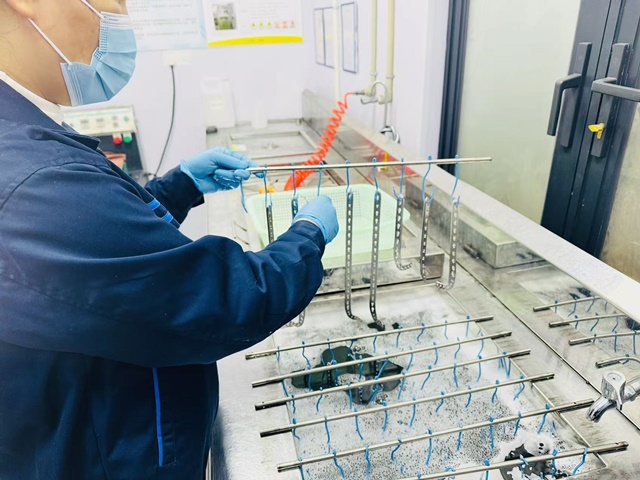
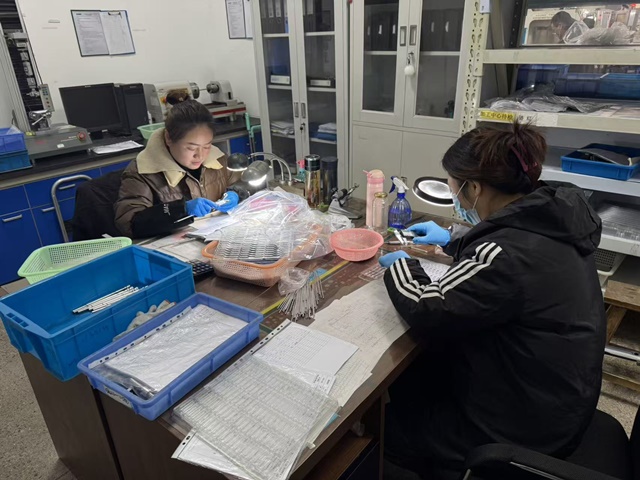
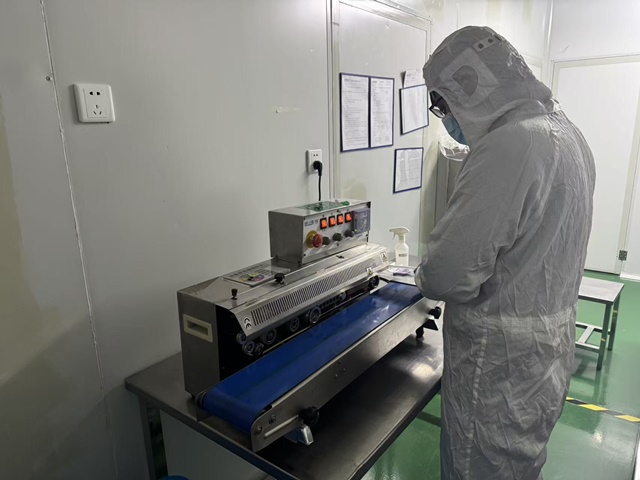
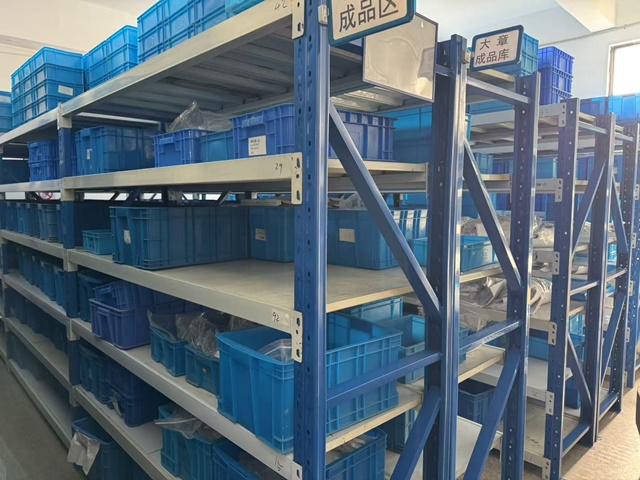
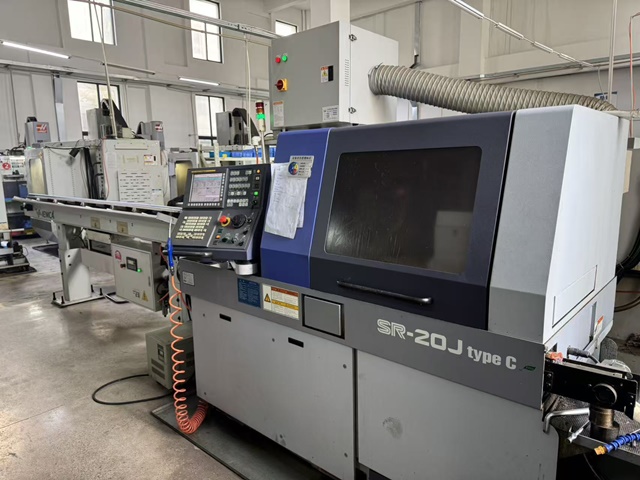
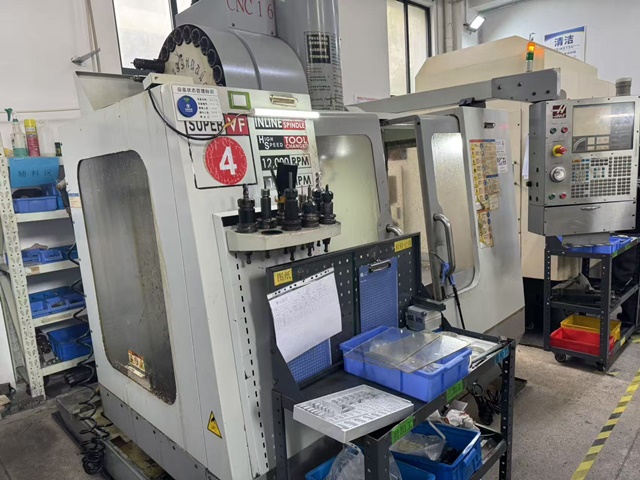
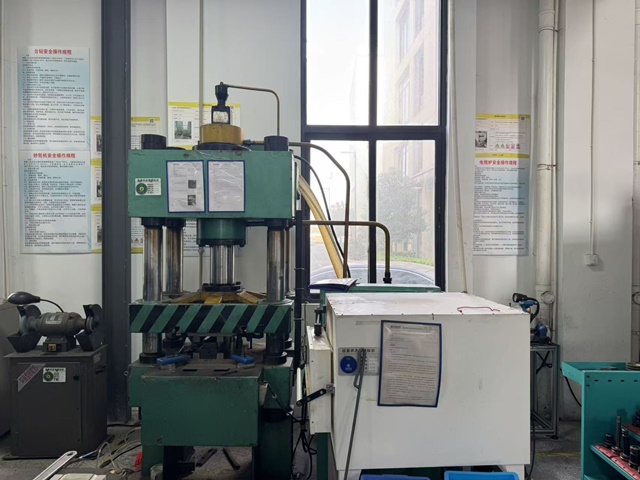
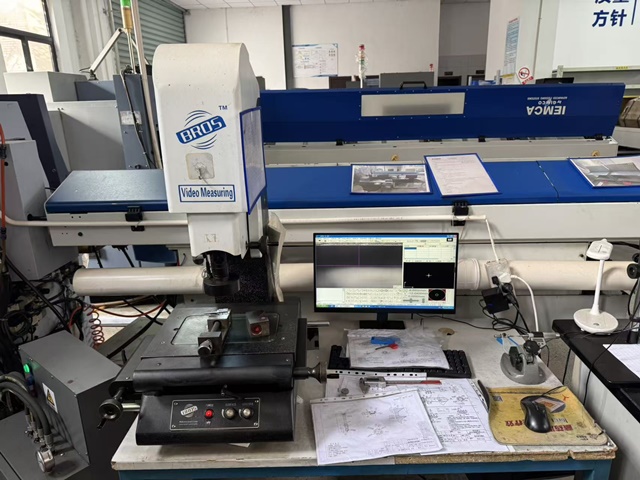
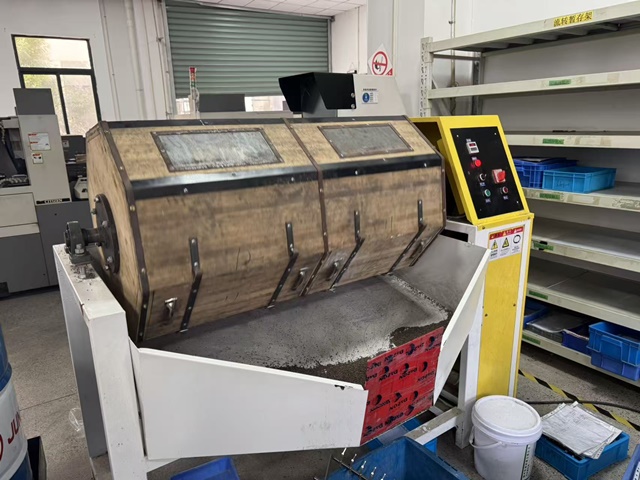
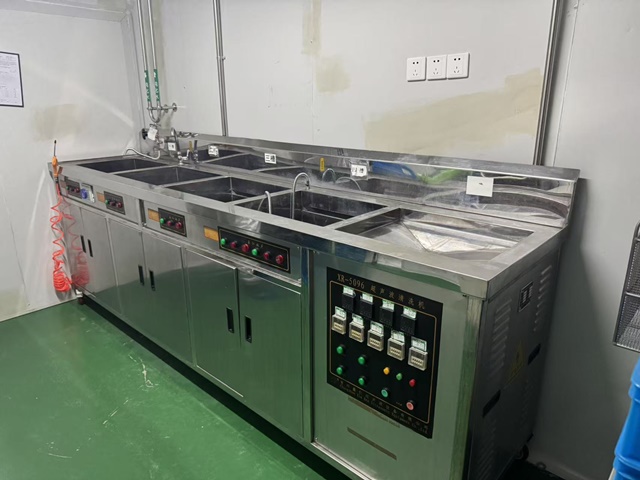
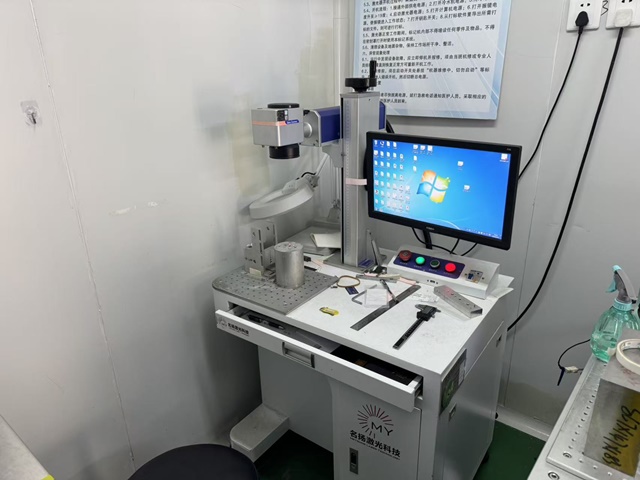
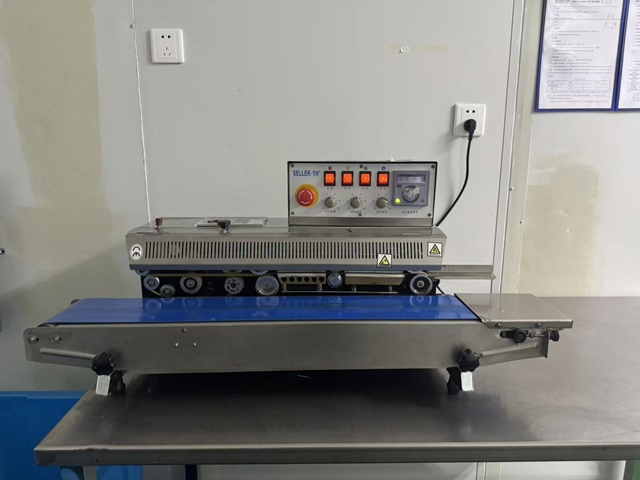
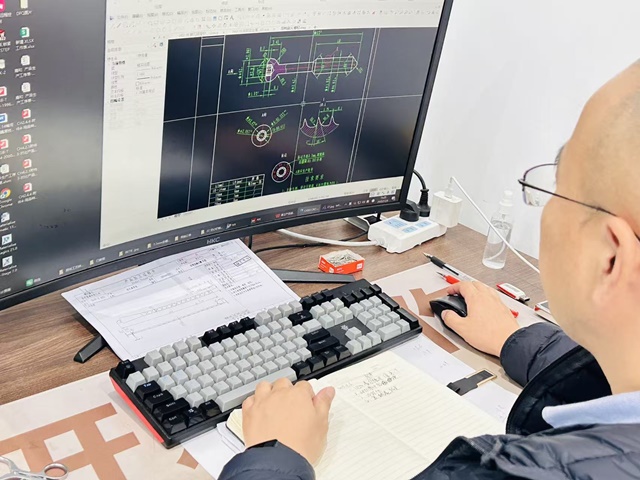
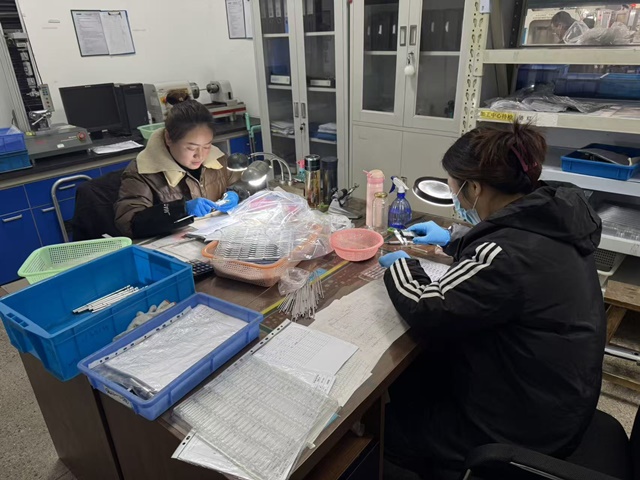
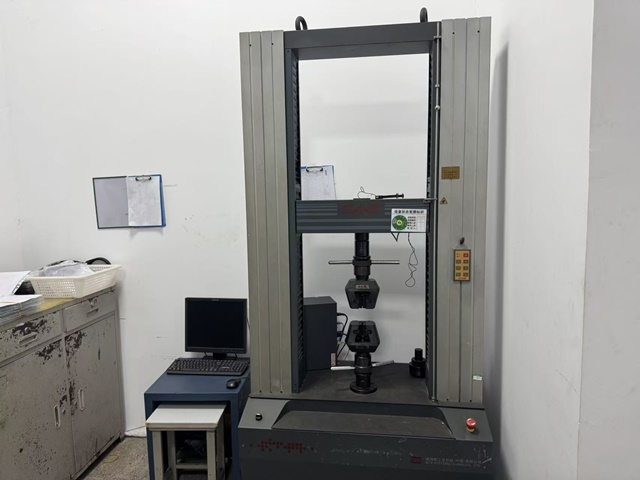
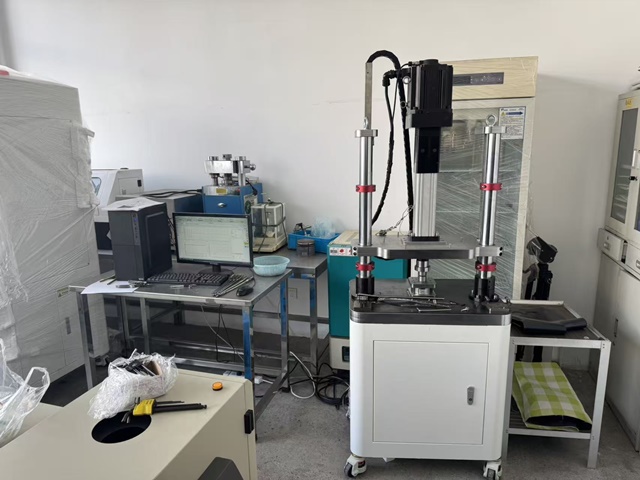
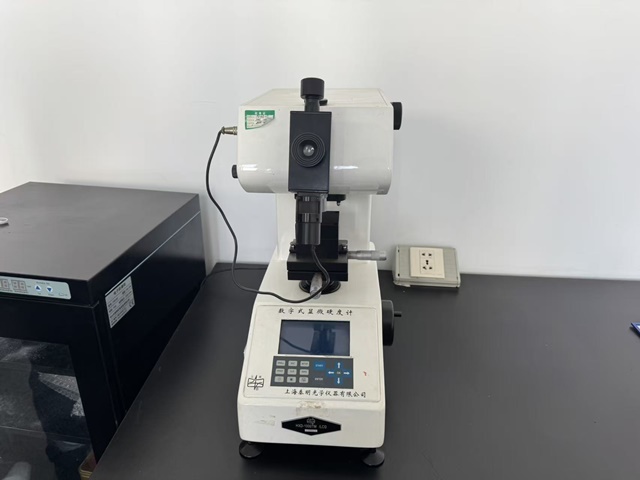
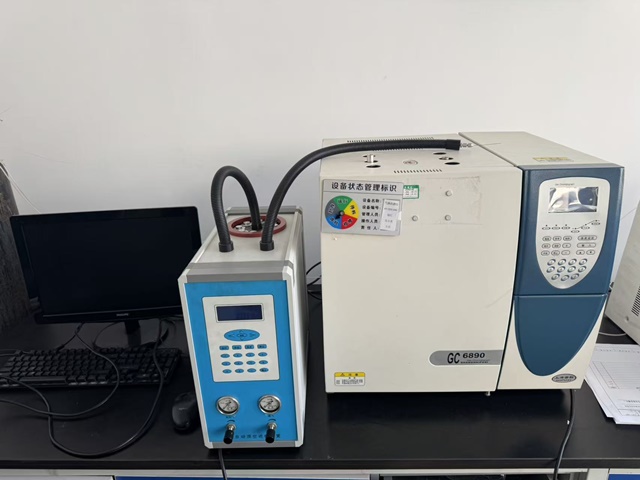
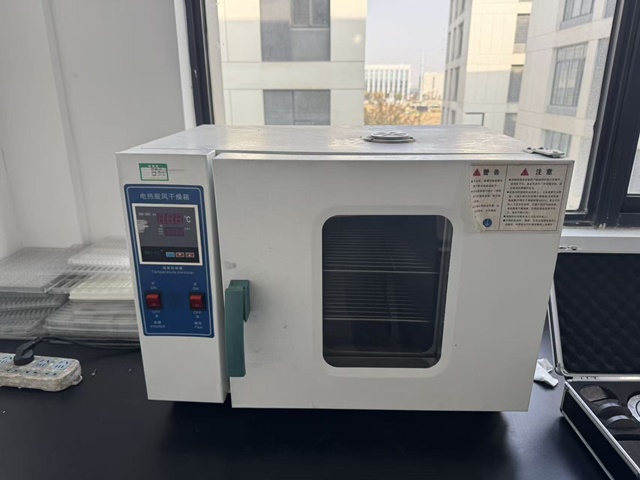
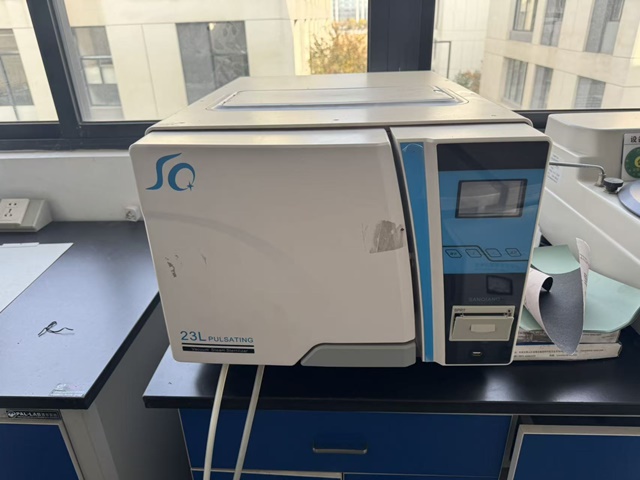
From raw alloy evaluation to sterile shipping, we uphold a zero-defect policy under clinical inspection standards.
We source only high-purity Titanium Alloy (Ti-6Al-4V ELI) and PEEK polymer, backed by trace certificates. Our chemical compositions are verified via on-site gas spectrometer analysis to prevent post-op local tissue reactions.
Each batch of cortical fixation buttons undergoes dynamic fatigue tests using our mechanical testing systems. We simulate millions of walking cycles to ensure the UHMWPE loop doesn't fail under physiological load.
Through our dedicated 85-member R&D team, Osteora offers bespoke OEM/ODM options. Adjust loop lengths, modify cortical footprint shapes, create specialized insertion instruments, or utilize customized sterile branding.
Technical, clinical, and logistical insights for B2B buyers, orthopedic distributors, and hospital procurement departments.
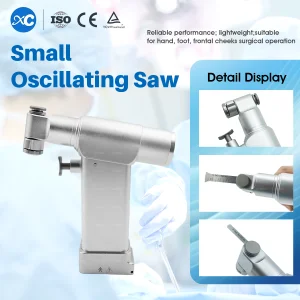
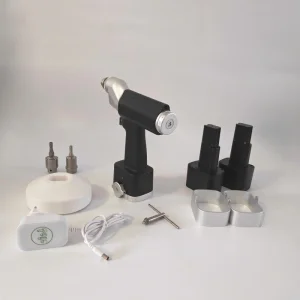
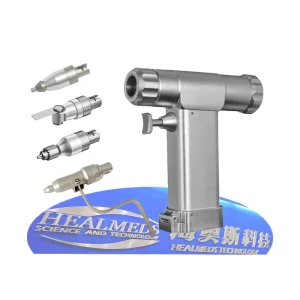
From surgical power drills to trauma plate systems, discover the full range of Osteora implants and medical devices.