Osteora
Osteora
Osteora
Premium trauma implants, surgical tools, and sports medicine accessories manufactured to precise mechanical tolerances.
Analyzing clinical demands, engineering breakthroughs, and material evolution in neurosurgery.
Cranial reconstruction (cranioplasty) has progressed significantly from simple protective plating to custom-designed anatomical frameworks. In the early eras of neurosurgery, autologous bone was the primary reconstructive substrate. However, complications like bone resorption, donor site morbidity, and infection led to a shift toward synthetic solutions. Today, Titanium Mesh For Cranial Repair represents the gold standard for stabilizing bone flaps, correcting cranial defects, and ensuring long-term cerebral protection.
The contemporary neurosurgical landscape has moved toward tissue-engineered micro-environments. Modern titanium mesh must not only serve as a mechanical barrier but also promote integrated tissue healing. Researchers and biomechanical engineers emphasize materials that support vascularization and prevent fibrous encapsulation. Grade 3 and Grade 4 Titanium (unalloyed biocompatible formulations) and Ti-6Al-4V titanium alloys are highly favored due to their balance of tensile strength, structural memory, and minimal artifact induction during postoperative CT/MRI imaging.
Furthermore, the industry is witnessing progress in surface modification techniques. Chemical etching and electrochemical oxidation are applied to titanium to create nanoscale topography, mimicking biological structures. This micro-porous geometry enhances cellular adhesion, promoting osteoblast migration and direct bone integration (osseointegration) at the interface of the native skull.
Addressing the complex requirements of medical device distributors and hospital chains.
Procurement managers in international healthcare systems, medical device distributors, and private hospital networks face a demanding procurement matrix. When selecting an OEM/ODM titanium mesh factory, quality assurance frameworks override basic pricing concerns. In regulatory jurisdictions like the European Union (under the Medical Device Regulation - MDR) and the United States (under FDA 510k criteria), sourcing unregistered implants carries massive legal and financial liabilities.
Beyond regulatory compliance, supply chain continuity is vital. Sourcing teams look for key capabilities:
| Procurement Parameter | Industry Standard Requirement | Osteora Strategic Capabilities |
|---|---|---|
| Quality Management System | ISO 13485:2016 Certified | Fully integrated ISO 13485 facility with 42 specialized inspectors. |
| Traceability | Batch-level raw material certification | Swiss-type CNC tracking and documented raw material mill runs. |
| Biocompatibility Validation | ISO 10993 Compliance | Full biological, mechanical fatigue, and cytotoxicity testing. |
| Customization Agility | Rapid prototype conversion | 85 R&D engineers capable of executing custom OEM/ODM specifications. |
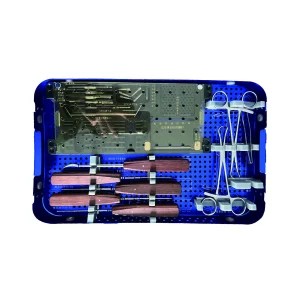
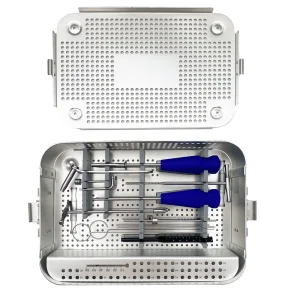
Global buyers prioritize suppliers that offer full validation documentation, sterilization compatibility reports, and specialized instrument kits designed specifically for securing the mesh. A stable, single-source partner who can provide titanium plates, micro-screws, and sterilization boxes minimizes procurement overhead and simplifies inventory management.
How digital manufacturing infrastructure creates structural advantages for global medical OEMs.
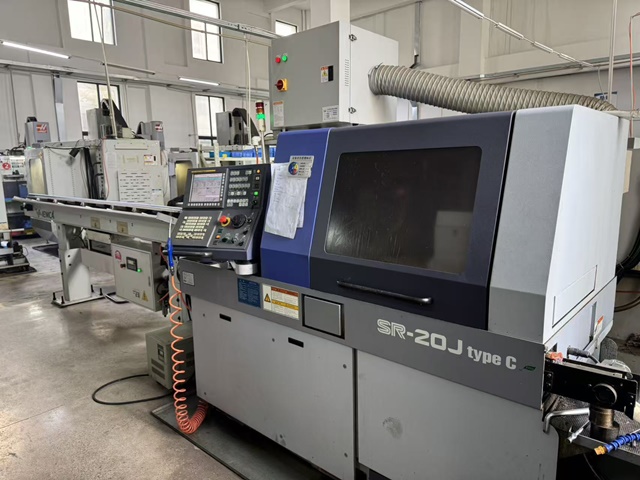
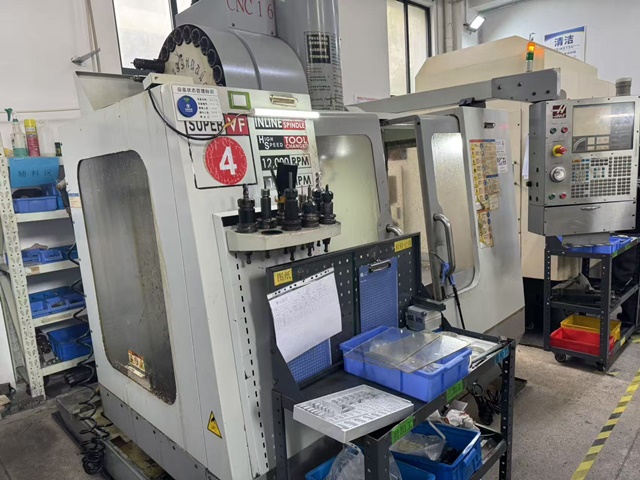
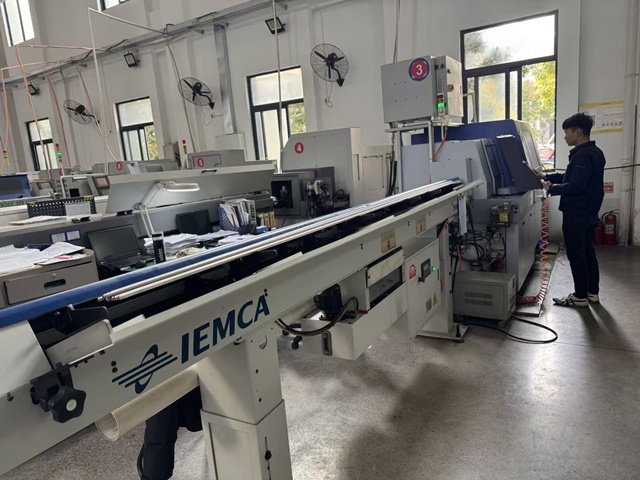
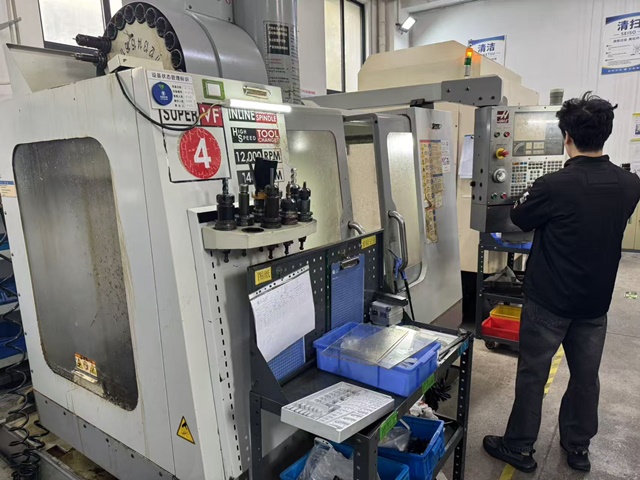
Utilizing high-end HAAS CNC centers and Swiss-type lathe equipment to deliver consistent tolerances down to the sub-micron level.
Backed by over 1,200 upstream and downstream certified medical supply partners to secure materials even during sudden market demand shifts.
Every batch undergoes mechanical, chemical, and dimensional inspections, documented under strict ISO 13485 protocols.
China's surgical manufacturing industry has transitioned from manual processing to highly automated Factory 4.0 facilities. This evolution is vital for delicate components like cranial titanium mesh, which require thin, precise profiles and complex, burr-free perforation grids.
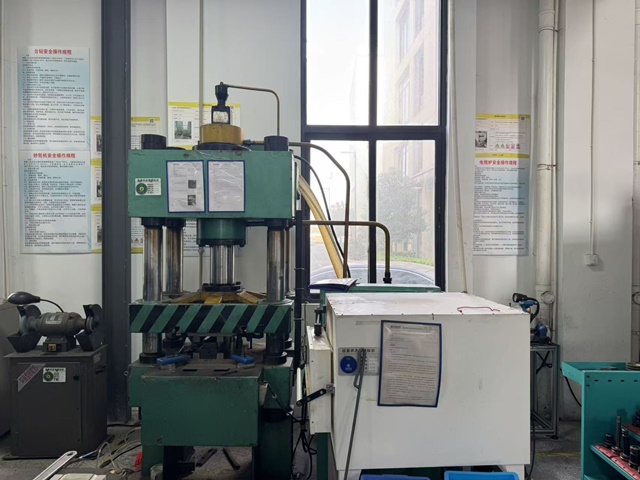
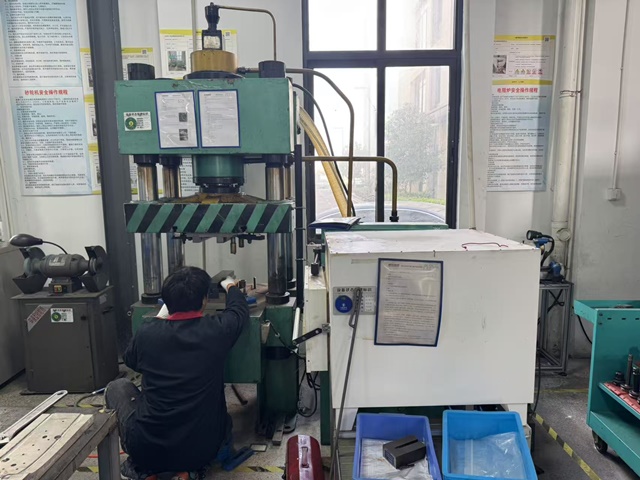
In a Factory 4.0 setup, advanced multi-axis stamping and laser cutting systems are monitored in real time. Digital feedback loops check parameters like punch force, temperature, and tool wear during the stamping and grinding stages. This level of process control minimizes variations across batches, which is critical for medical implants where slight deviations can impact tensile strength or fatigue life. Sourcing from a modern digital factory ensures stable quality and reduces product defect rates to near-zero.
Professional Orthopedic Implant Manufacturer specializing in Trauma, Spine, and Reconstruction Systems.
Osteora Medical Devices Co., Ltd. is a professional orthopedic implant and surgical solution manufacturer specializing in trauma, spine, and joint reconstruction systems under the brand Osteora.
Founded in 2016, the company has developed a strong reputation in the global orthopedic industry through continuous innovation and strict quality control standards. The facility covers an area of approximately 18,500㎡, supporting integrated production, assembly, and testing operations.
With 8 years of export experience and 12 years of industry expertise, Osteora has established stable cooperation with international distributors and hospitals across multiple regions. Annual export revenue ranges from USD 6 million to 14 million, reflecting steady global market growth.
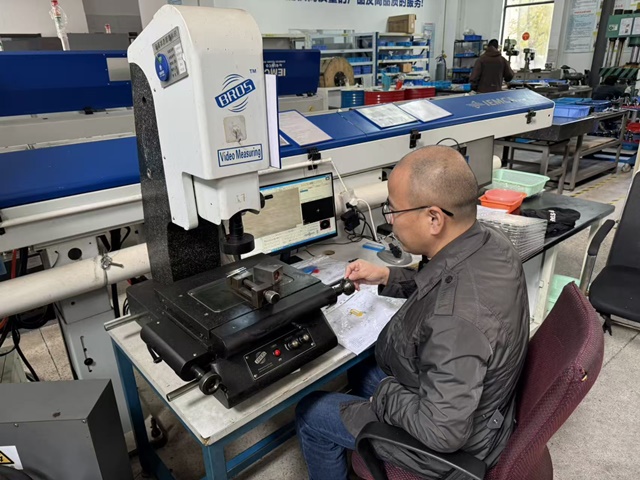
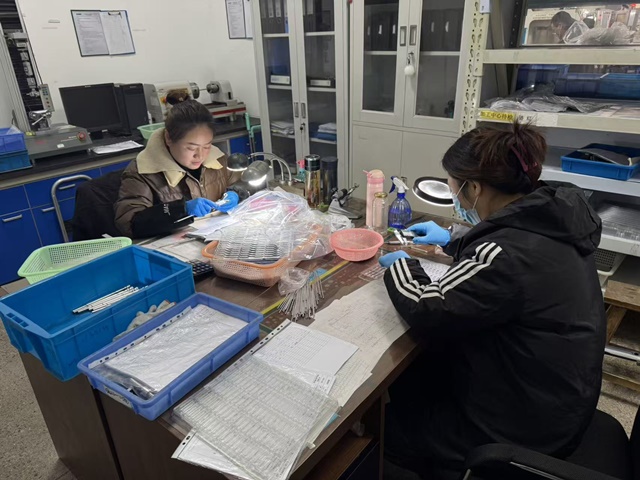
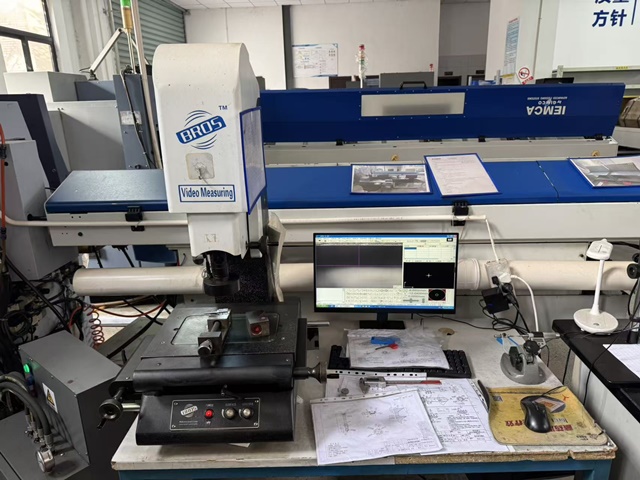
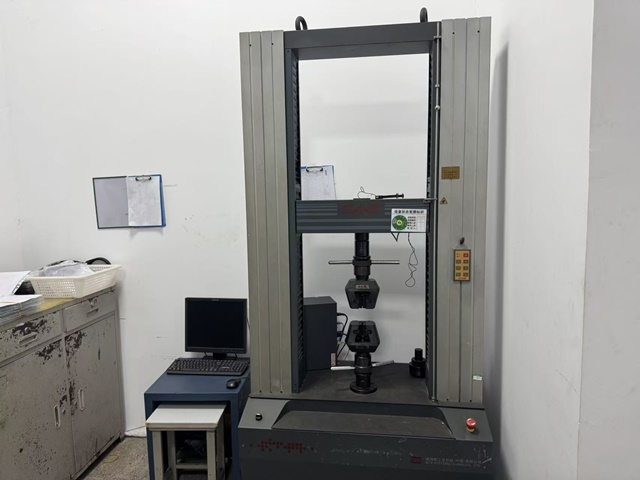
The company implements comprehensive quality assurance systems, including ISO 13485 compliance, in-process inspection, and final random sampling testing. Product inspection methods include dimensional measurement, mechanical fatigue testing, and biocompatibility validation. The quality control team consists of 42 specialized inspectors ensuring strict adherence to international medical device standards.
Osteora has a strong trade background in global medical device export and maintains long-term partnerships with distributors in Europe, Southeast Asia, the Middle East, and South America, which are also its primary markets.
The company’s supply chain includes approximately 1,200 certified upstream and downstream partners, supporting stable production capacity and reliable delivery performance. Its main customer base consists of hospitals, orthopedic clinics, surgical centers, and medical distributors.
With strong R&D capabilities, Osteora operates an in-house engineering team of 85 R&D engineers, focusing on innovation in trauma fixation systems, spinal implants, and joint reconstruction technologies. The company offers extensive customization options, including OEM/ODM services, size variations, material customization, and private labeling.
In the past year, Osteora launched approximately 120 new products, reflecting its continuous investment in innovation and product development to meet evolving clinical needs.
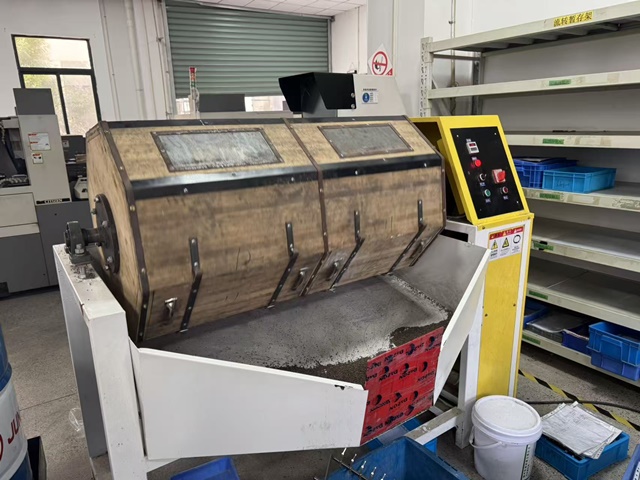
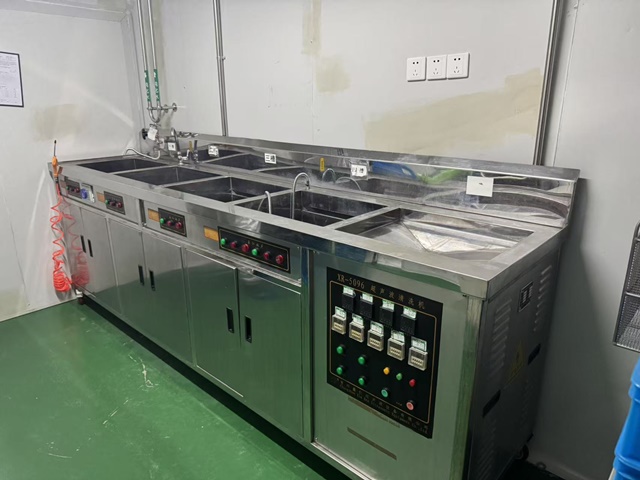
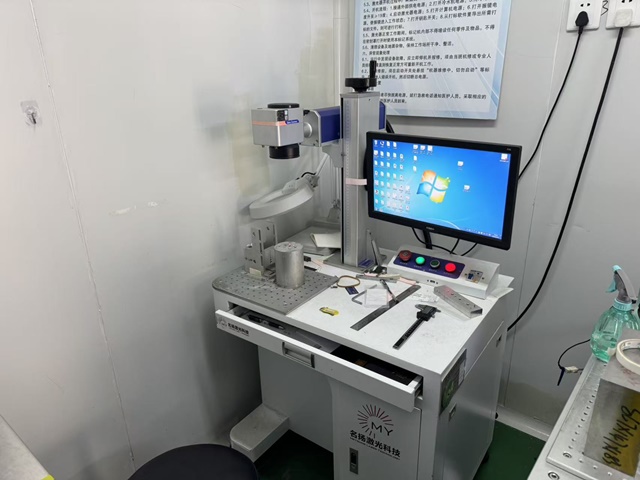
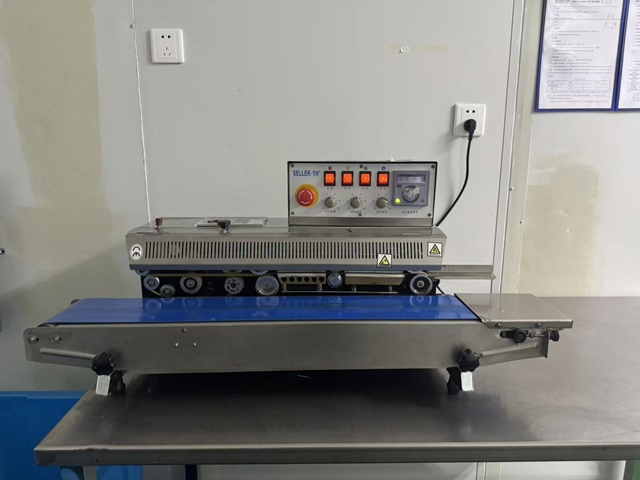
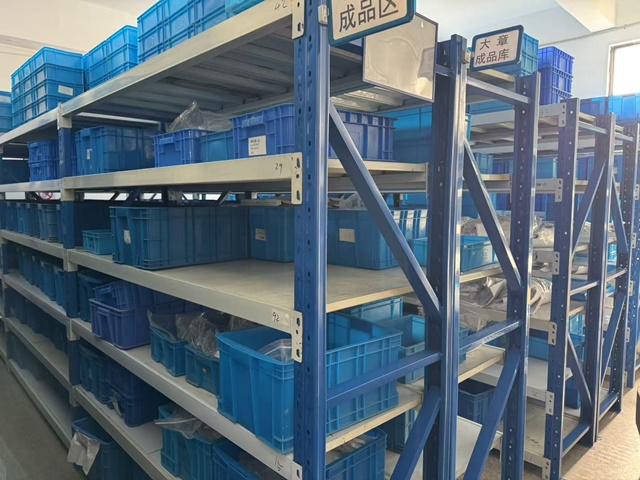
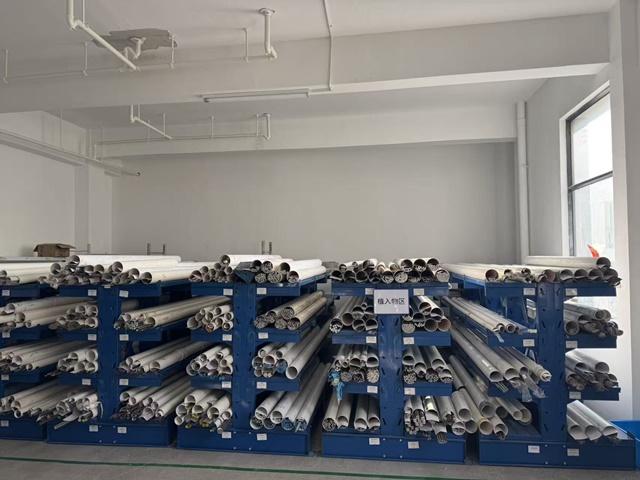
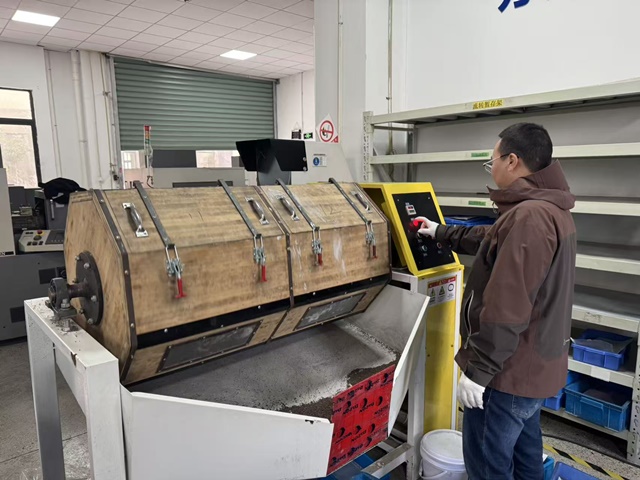
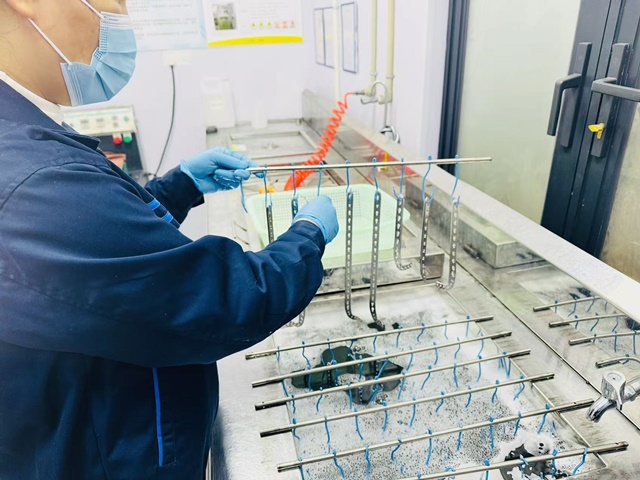
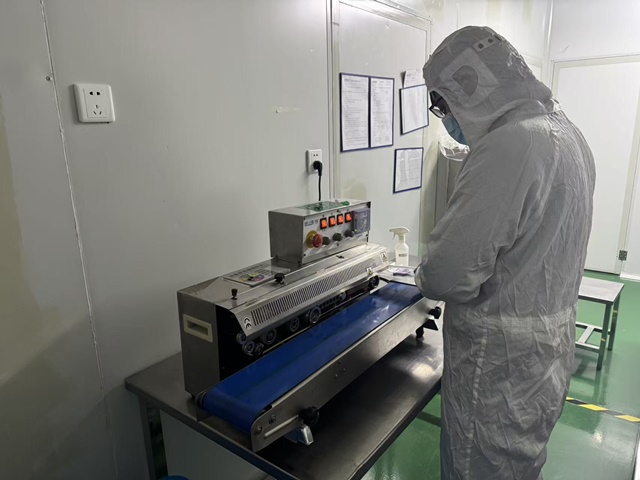
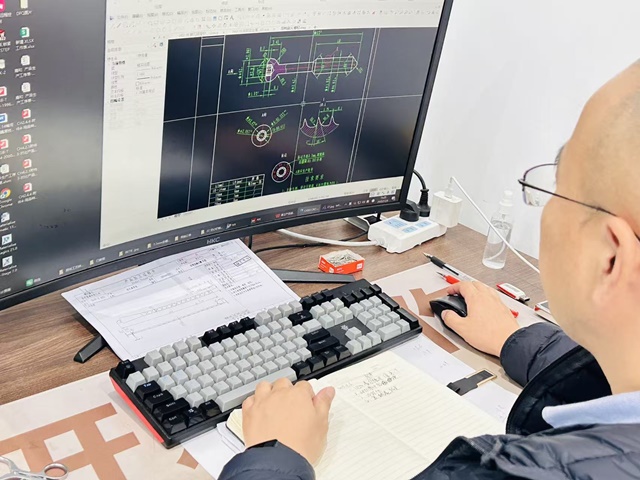
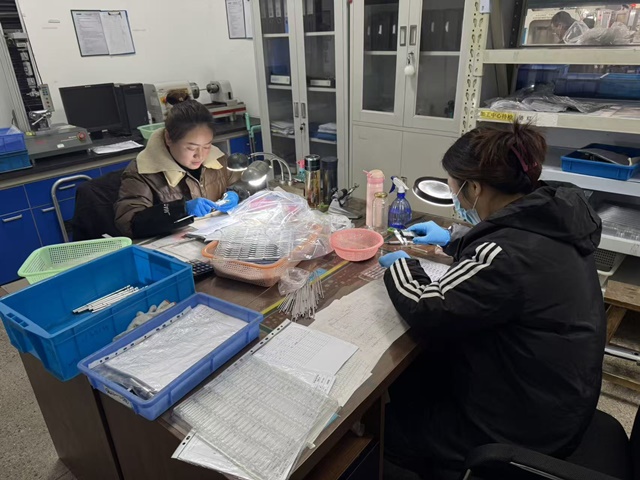
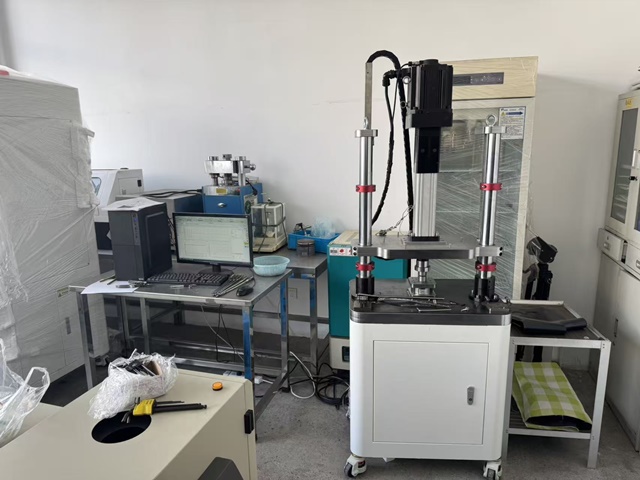
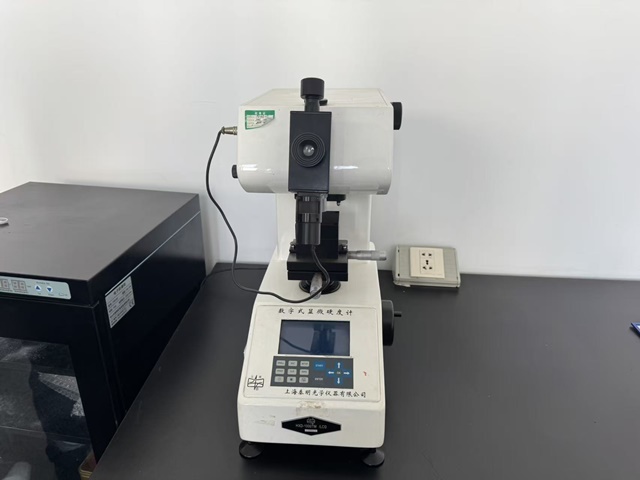
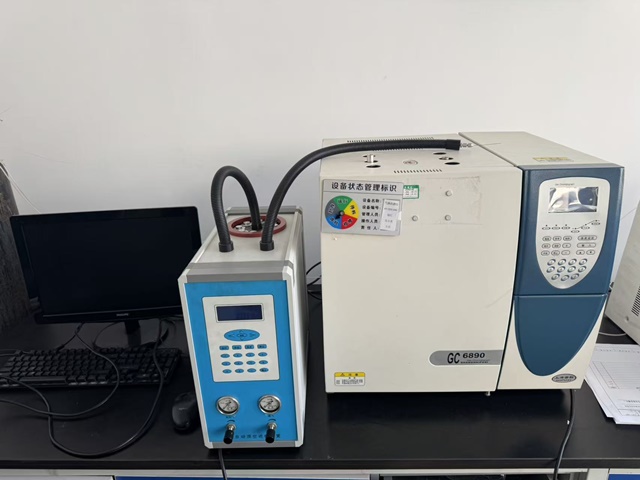
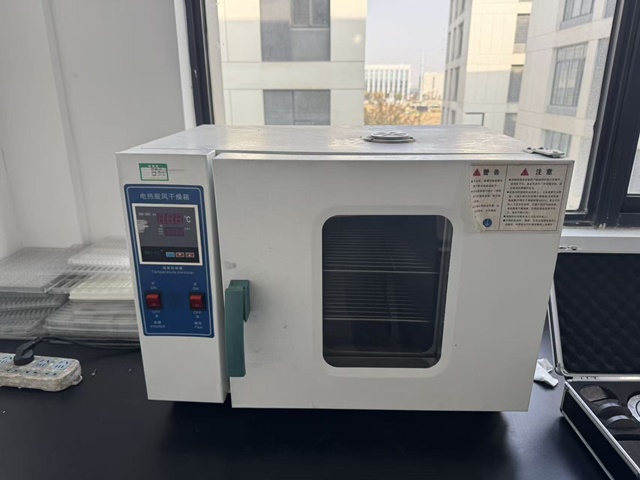
A transparent look inside our manufacturing floor, processing phases, and mechanical laboratories.
Adapting titanium implant technology to neurosurgical demands and emergency trauma procedures.
Cranial implants serve critical needs across three main surgical scenarios:
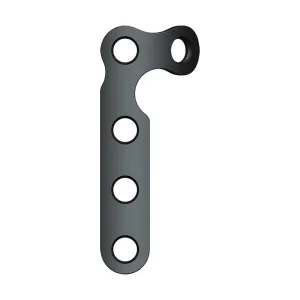
Through our OEM/ODM custom services, Osteora provides medical device brands with customized options, including modified mesh thicknesses (ranging from 0.4mm to 1.0mm), variable pore diameters, pre-shaped temporal plates, and private labeling. These components are cleanroom washed, sterilized, and boxed, allowing immediate integration into operating room inventories.
Detailed answers regarding materials, manufacturing standards, and customized orders.
Premium medical hardware, titanium nails, surgical instruments, and modular cages for diverse clinical specialties.