Osteora
Osteora
Osteora
High-quality, CE & ISO certified orthopedic equipment for reconstruction, trauma recovery, and spinal therapies.
Production Facility
Industry Expertise
Dedicated R&D Team
Supply Chain Partners
Founded in 2016, Osteora Medical Devices Co., Ltd. has established itself as a premier, professional orthopedic implant and surgical solution manufacturer. Operating under our flagship brand Osteora, we specialize in high-precision trauma systems, joint reconstruction solutions, and advanced spinal fusion architectures. Over the past 12 years, our core engineering team has driven orthopedic innovation, accumulating 8 years of extensive export experience.
With an annual export revenue ranging between USD 6 million and 14 million, Osteora has established stable alliances with medical distributors, private hospital groups, and orthopedic clinics across Europe, Southeast Asia, South America, and the Middle East. Our modern, integrated production space spans 18,500㎡, structured specifically to handle high-throughput manufacturing alongside tight quality-control steps.
Osteora's core capability centers around rapid R&D iteration and manufacturing flexibility. Supported by 85 dedicated R&D engineers, we continuously develop products that meet the shifting demands of modern surgeons. In the past year alone, Osteora introduced over 120 new products, expanding our product catalog across trauma plates, joint prostheses, and customized spinal instrumentation.
Our OEM/ODM services enable global medical device organizations to bring proprietary concepts to market efficiently. We provide extensive design adjustment options, including material alterations (Ti6Al4V ELI, PEEK, CoCrMo), sizing configurations, surface modification, and custom branding/labeling. By aligning with our partners, we lower engineering costs and shorten the timeframe from drawing board to operating room.
Exploring the mechanical dynamics, biocompatibility frameworks, and design pathways of modern spinal hook fixation devices.
Modern spinal fixation requires metals that resist fatigue while remaining inert inside the human body. Osteora utilizes medical-grade Ti-6Al-4V ELI (Extra Low Interstitial) alloy conforming to ASTM F136 standards. By reducing oxygen, nitrogen, and carbon content, we achieve exceptional fatigue life and fracture resistance compared to standard titanium grades. This ensures that thin-walled spinal hooks remain intact under continuous load cycles.
Spinal hooks are designed to target specific anatomical zones without damaging surrounding bone or nerve tissue. Our portfolio includes pedicle hooks, which seat into the facet joint, laminar hooks, designed to hug the lamina edge, and transverse process hooks. Each variation is engineered with optimized blade profiles and low-profile body dimensions to reduce soft tissue irritation and preserve local blood flow.
Osteora's future product roadmap is centered around surface modification technologies. We are actively researching and implementing advanced coatings, such as plasma-sprayed hydroxyapatite (HA) and porous titanium lattices, to encourage bone integration directly with the implant surface. This reduces the risk of implant displacement and improves long-term stability in osteoporotic patients.
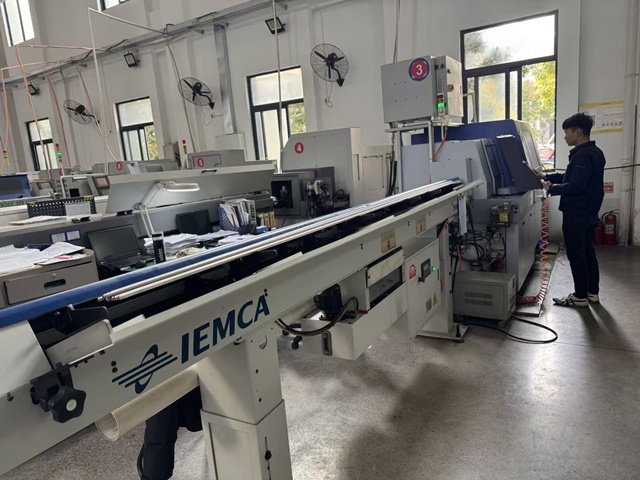
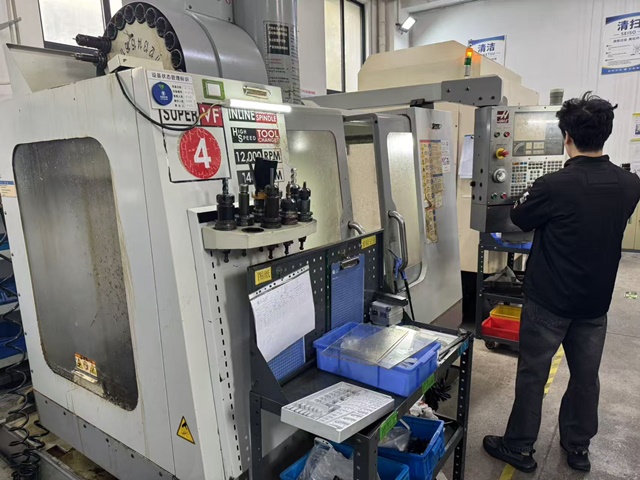
Inside our integrated production lines where advanced Swiss CNC lathes, HAAS mills, and robust QA protocols manufacture flawless implants.
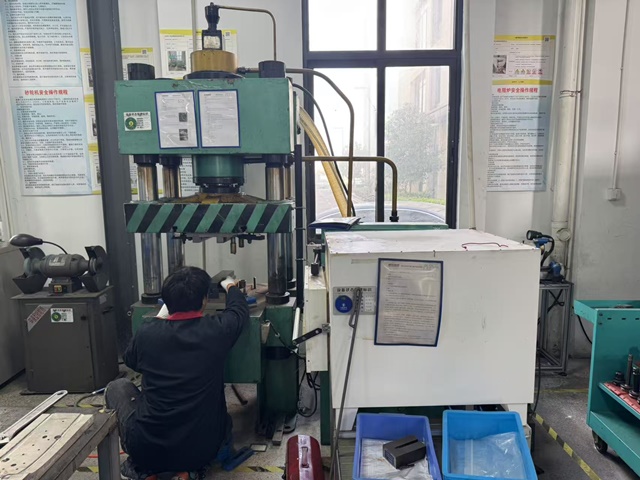
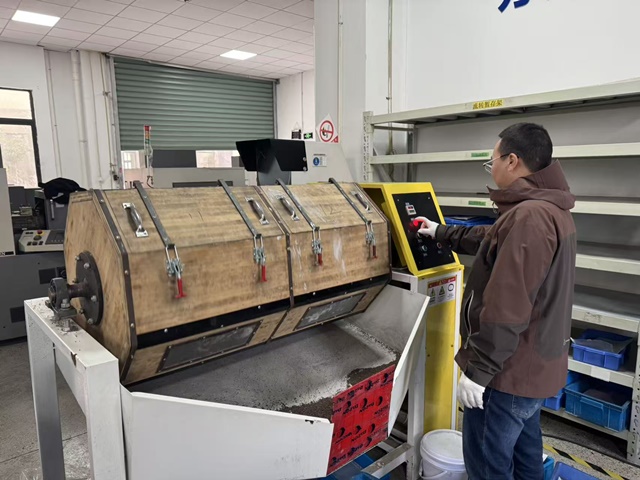
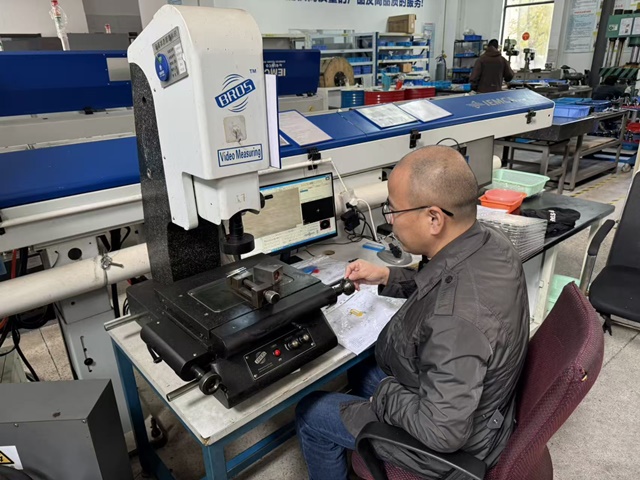
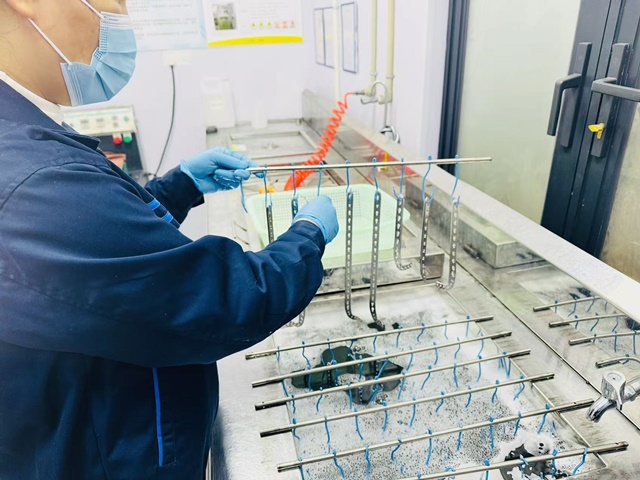
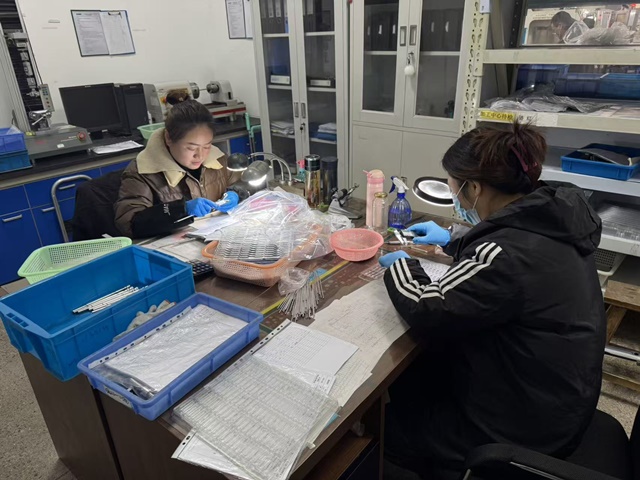
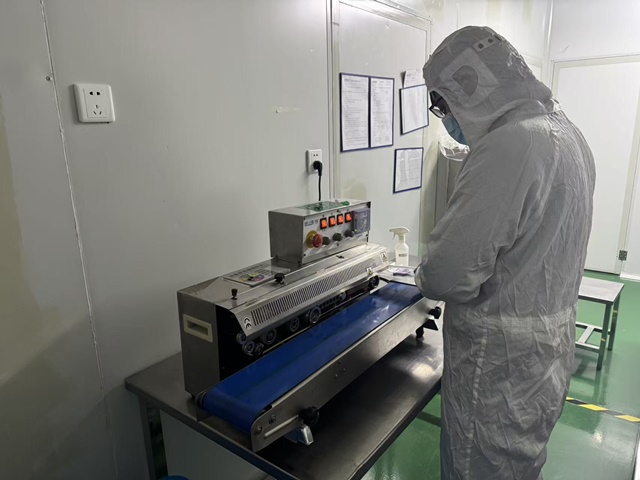
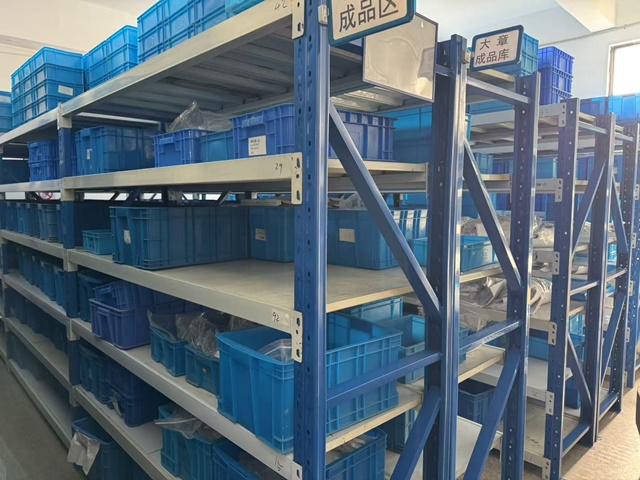
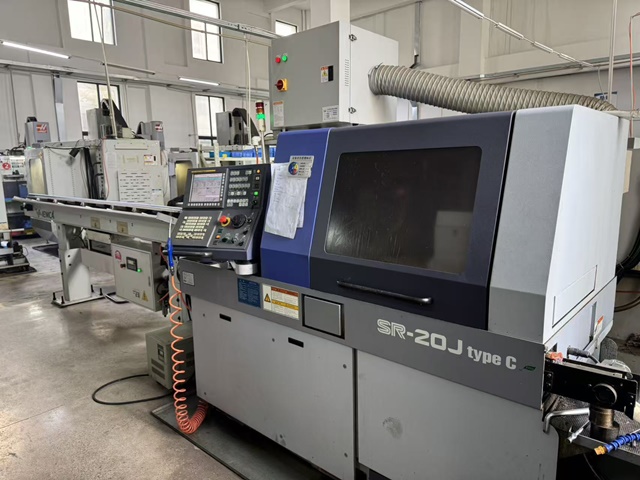
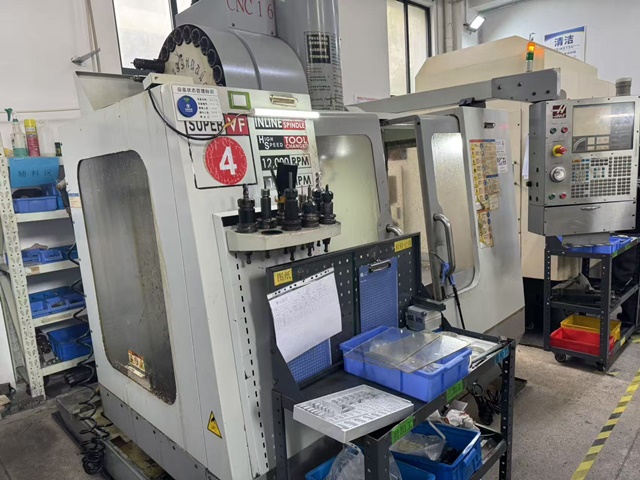
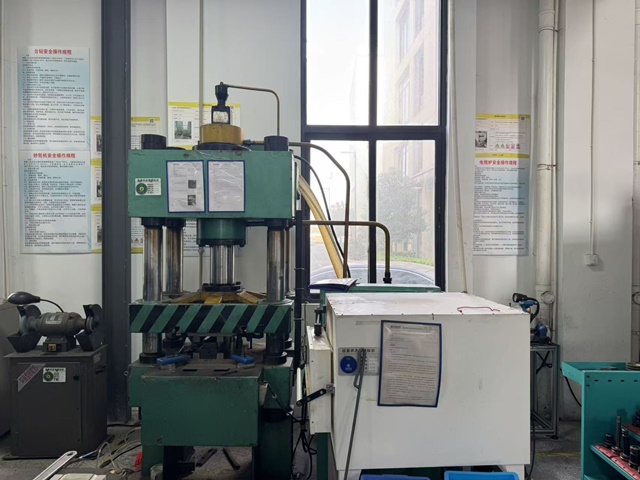
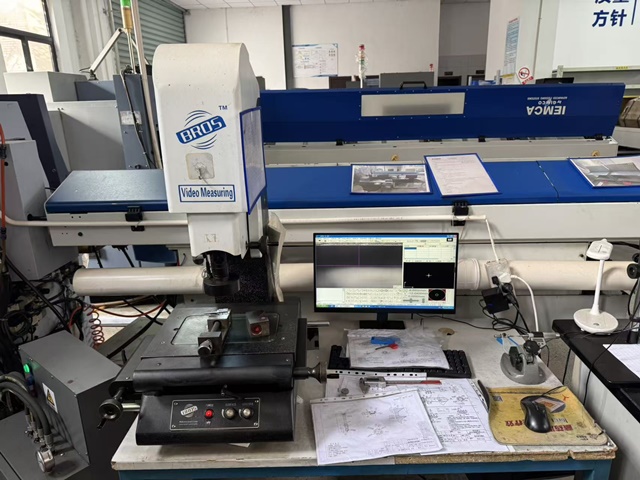
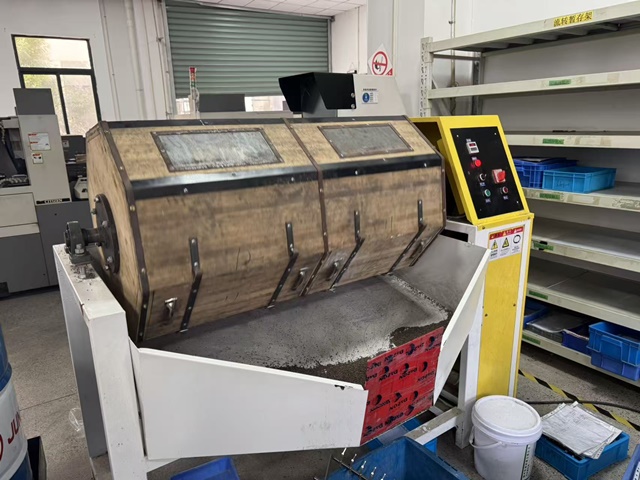
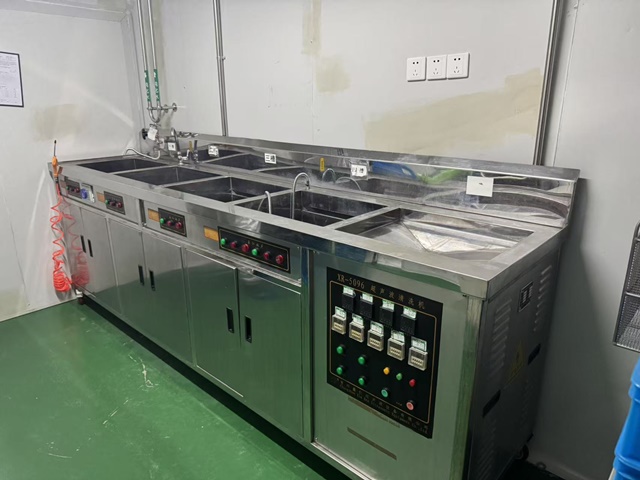
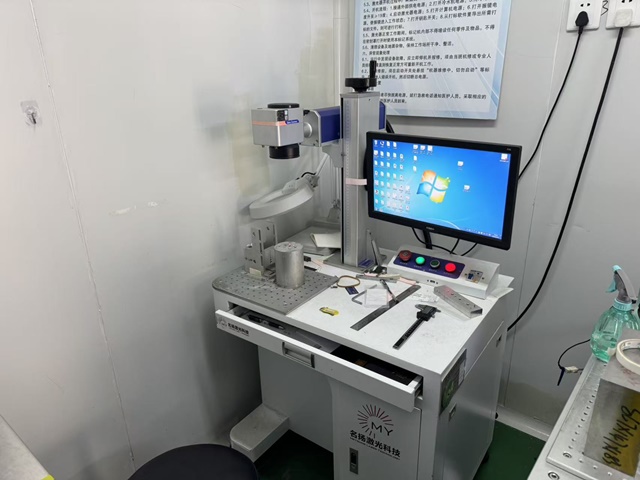
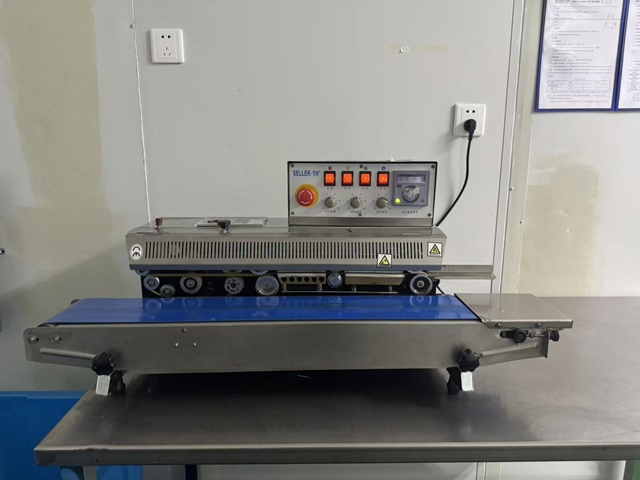
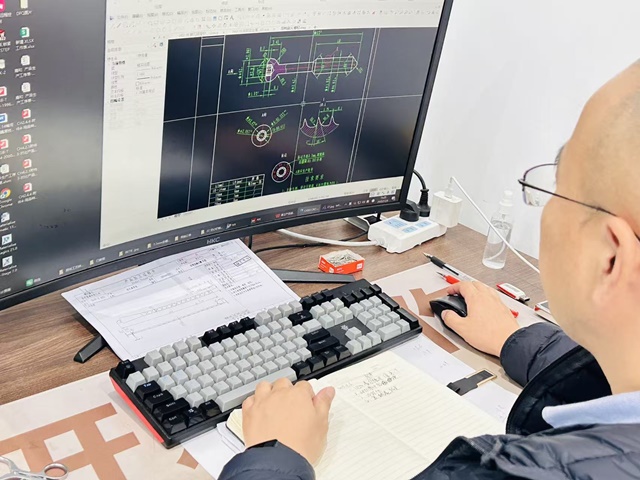
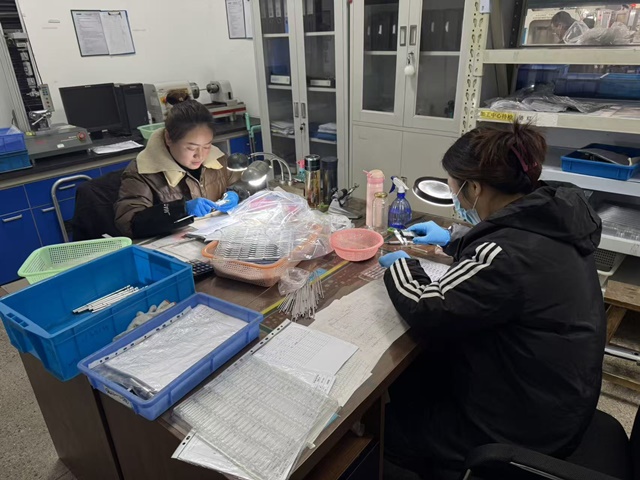
Every batch undergoes exhaustive material validation and fatigue testing, managed by a team of 42 QC inspectors.
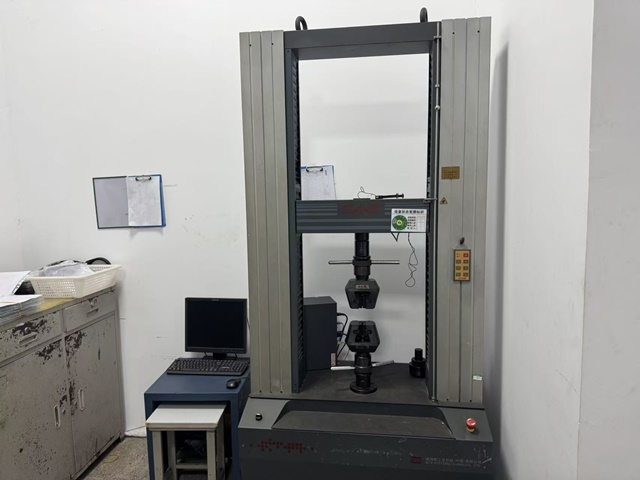
Multifunctional Mechanical Testing Machine: Determines tensile strength, shear yield, and compression resistance of complex hook assemblies.
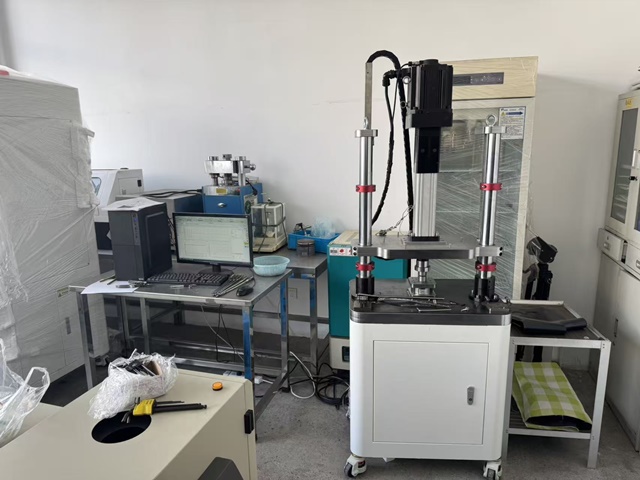
Mechanical Testing Machine: Simulates multi-directional physiological loading and structural fatigue life up to 5,000,000 cycles.
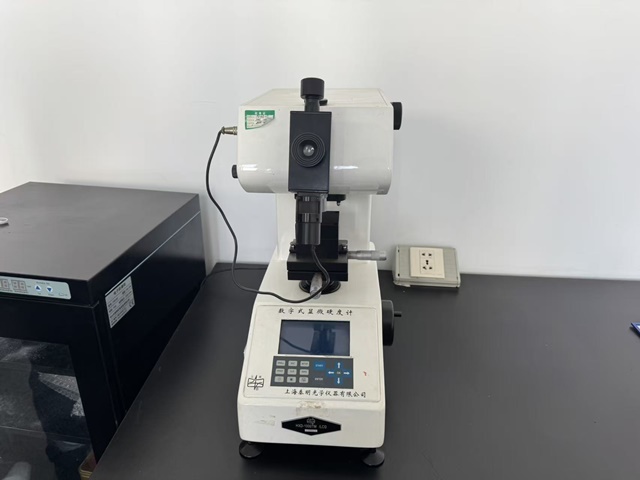
Vickers Hardness Tester: Ensures titanium profiles maintain optimal hardness gradients without microstructural defects.
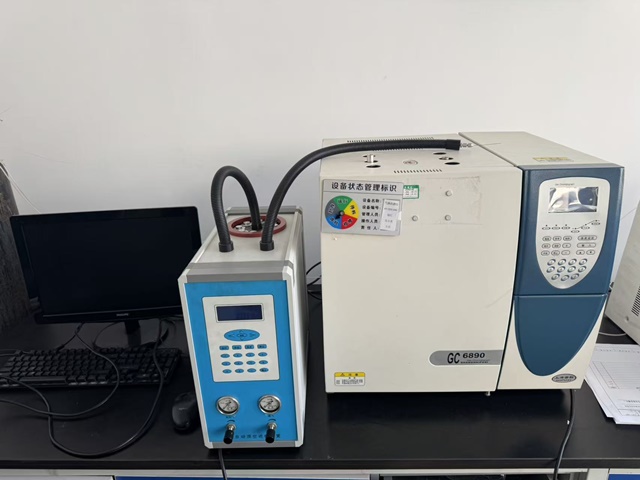
Gas Spectrometer: Chemically monitors composition levels to ensure zero impurity contamination in raw metals.
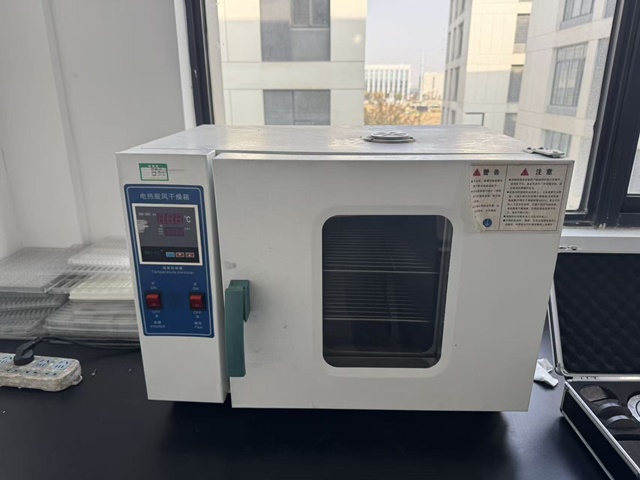
Drying Oven: Eliminates residual manufacturing fluids post ultrasonic cleaning, preparing products for final packaging.
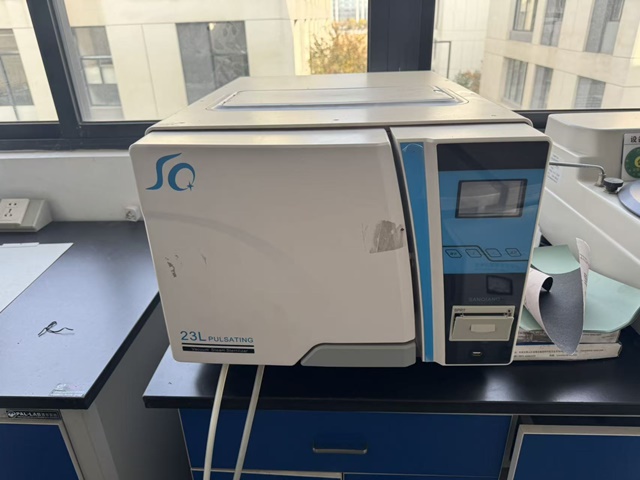
Pulsating Machine: Applies high frequency fluid or mechanical cycles to verify structural seal and overall assembly integrity.
We streamline logistics, quality assurance, and engineering support for high-volume B2B customers, orthopedic distributors, and clinical buying groups.
Sourcing from overseas requires transparency and supply chain stability. Osteora works with a network of 1,200 certified partners to maintain consistent raw material supply and logistics pathways. We offer customizable packaging, laser engraving for private labels, and direct delivery options. This ensures products arrive in market-ready condition, reducing warehouse handling times and customs delays.
Additionally, our production lines accommodate fast-tracked runs, enabling distributors to scale up volume in response to hospital tenders or seasonal demand spikes.
Large healthcare providers demand predictable clinical outcomes and cost efficiency. Our strict adherence to ISO 13485, backed by 42 quality control inspectors, ensures that every spinal hook meets international tolerances. By controlling the entire manufacturing process in-house—from raw material inspection to final dynamic fatigue testing—we deliver implant quality comparable to tier-one global brands at a competitive cost.
This allows purchasing managers to optimize budgets without compromising patient care, mechanical reliability, or surgical performance.
Optimizing costs and lead times through digital manufacturing systems and vertically integrated production lines.
Our workshop houses high-precision HAAS CNC centers and Swiss-type lathes. These systems run 24/7 to produce complex geometries with dimensional tolerances within micrometers. Automation reduces human error, ensuring consistent manufacturing across large production runs.
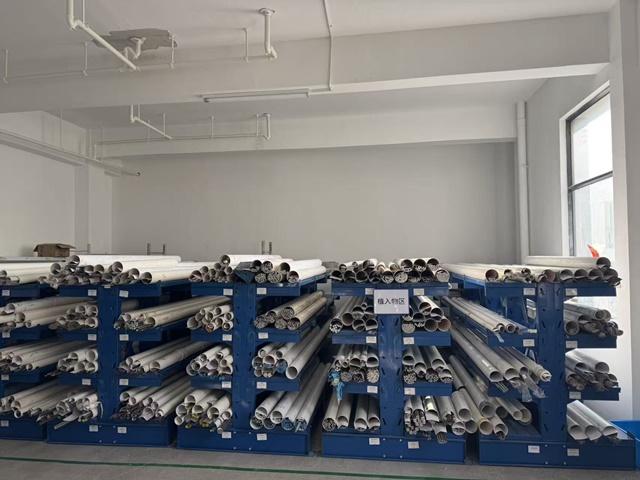
We source raw medical-grade titanium and PEEK exclusively from certified global steel mills and chemical processors. Each batch of raw material is fully traceable and accompanied by mill test certificates, chemical analysis reports, and mechanical validation sheets.
From automated grinding to bead-blasting and electrochemical anodization, all surface treatments are completed in-house. This gives us complete control over surface roughness (Ra values) and oxide layer thickness, optimizing the bone-to-implant interface.
Operating in global orthopedic markets requires strict regulatory alignment. Osteora maintains an active Quality Management System (QMS) certified to ISO 13485 standards. Our spinal implants and trauma systems comply with CE and Class III medical registration pathways, facilitating registration processes in South America, the Middle East, Europe, and Southeast Asia.
We provide comprehensive document packages to support registration filings, including biocompatibility reports (ISO 10993), sterilization validation, clinical evaluation files, and structural testing data.
We establish partnerships with regional agents and distributors to provide responsive customer support. From our headquarters, we offer technical assistance via video conferences with our engineering team, CAD design revisions within 48 hours, and training documentation for sales teams.
If clinical complications arise or specific instrument modifications are required for regional surgical practices, our engineers adjust designs quickly to maintain patient safety and clinical efficacy.
Answers to common engineering, regulatory, and commercial inquiries from B2B partners.
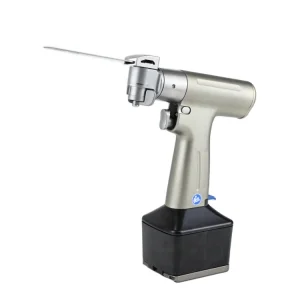
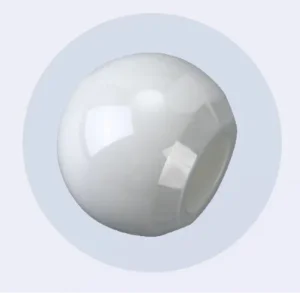
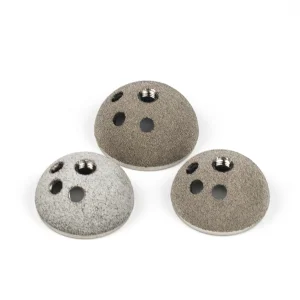
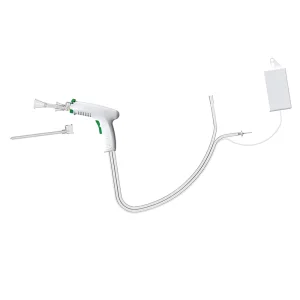
Explore our wider catalog of joint reconstruction systems, power tools, and surgical consumables.