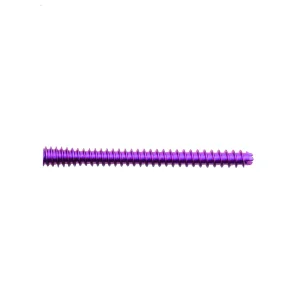
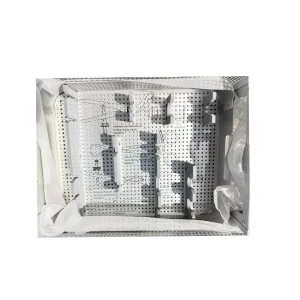
Osteora Osteora

OEM/ODM Proximal Femoral Nail Antirotation Factory & Suppliers

Precision-Engineered Orthopedic Trauma Solutions conforming to ISO 13485 & CE Certification. Powered by Osteora Medical Devices.

Deep Dive: The Biomechanical Evolution of Proximal Femoral Nail Antirotation (PFNA)

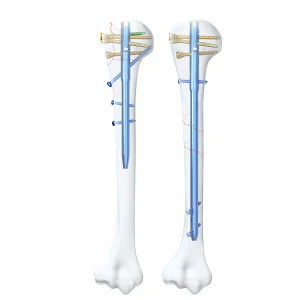
The surgical management of trochanteric and subtrochanteric fractures has shifted dramatically over the past two decades. Traditional dynamic hip screws (DHS) have largely given way to intramedullary systems, specifically the Proximal Femoral Nail Antirotation (PFNA) system. The key clinical superiority of the PFNA lies in its mechanical configuration: a single helical blade that compacts the cancellous bone during insertion instead of removing it, which is the case with traditional dynamic lag screws. This compaction mechanism delivers significantly higher resistance against cut-out, which is especially critical in osteoporotic bone profiles commonly seen in elderly populations.
As a leading OEM/ODM manufacturing partner, Osteora Medical Devices Co., Ltd. has engineered next-generation PFNA systems optimized for anatomical compliance across diverse patient populations. Anatomical curvature variations present major challenges during surgery. Caucasian and Asian femoral radii differ substantially. Standard intramedullary nails with uniform curvature can lead to distal anterior cortical impingement or penetration if not meticulously tailored. Osteora's advanced R&D team addresses this by fabricating nails with customized curvatures (varying femoral radii of curvature from 1.5m to 2.0m), varying lengths, and dynamic distal locking mechanisms that minimize stress concentration at the nail tip.

Clinical Advantages of PFNA Biomechanics

  • Bone Compaction Design: The helical blade compresses cancellous bone during insertion, increasing mechanical stability.
  • Rotational & Angular Stability: The mechanical interlocking prevents rotation of the femoral head fragment, minimizing dynamic varus collapse.
  • Minimally Invasive Entry: Simplified insertion instruments minimize surgical trauma and blood loss.
  • Reduced Stress Shielding: Optimized load-sharing properties promote rapid osseointegration and callus formation.

OEM/ODM Customization Parameters

For global distributors and medical device brands, standard stock sizes are rarely sufficient. We offer customized OEM/ODM options:

  • Material Profiles: Ultra-high tensile Medical Titanium Alloys (Ti-6Al-4V ELI, ASTM F136) and High-Nitrogen Stainless Steel.
  • Anatomical Radius: Scaled nail profiles matching regional skeletal characteristics.
  • Coating Options: Anodization, bioactive hydroxyapatite (HA) coatings for rapid bone anchoring.

Addressing Global Procurement Bottlenecks in Orthopedic Supply Chains

Procurement directors at major hospitals and medical device distributors face mounting pressures: tightening regulatory standards (EU MDR, FDA 510k), rising logistic costs, and the risk of supply chain disruptions. In the orthopedic sector, material traceabilities and quality inconsistencies are catastrophic. An unstable implant could lead to revision surgeries, patient distress, and severe legal liabilities.
18,500㎡
Modern Production Facility
85
Dedicated R&D Engineers
42
Specialized QC Inspectors
1,200+
Certified Supply Chain Partners
Osteora Medical Devices Co., Ltd. addresses these concerns with industrial-scale infrastructure. Founded in 2016, backed by 12 years of industry expertise and 8 years of export experience, Osteora operates an integrated production ecosystem. With annual export revenues reaching up to USD 14 million, we provide our clients with predictable lead times, transparent material traceabilities, and stable batch-to-batch consistency.

Vertical Integration: From Raw Material to Sterile Pack

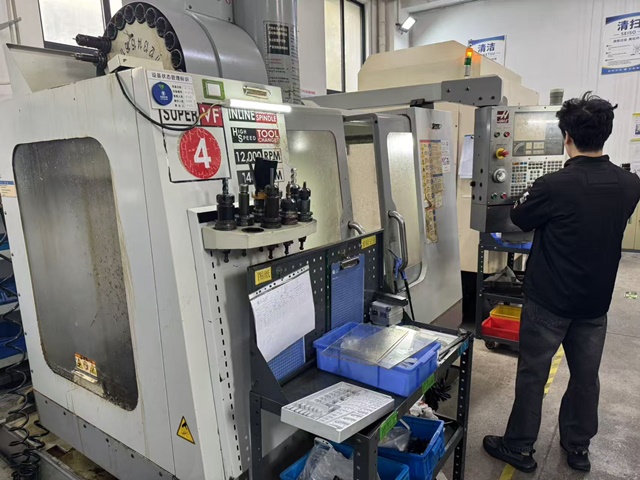
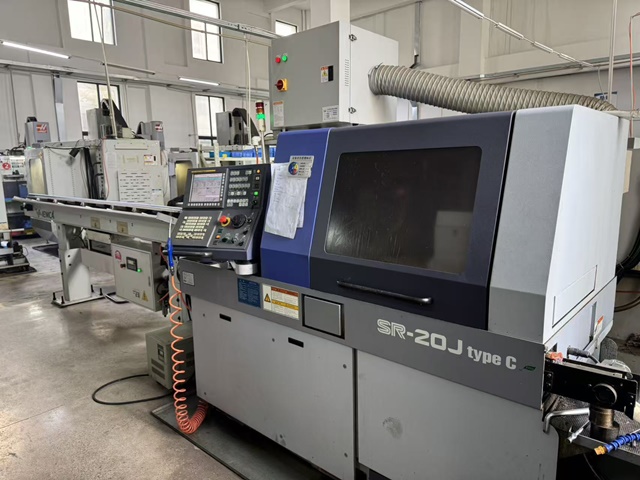
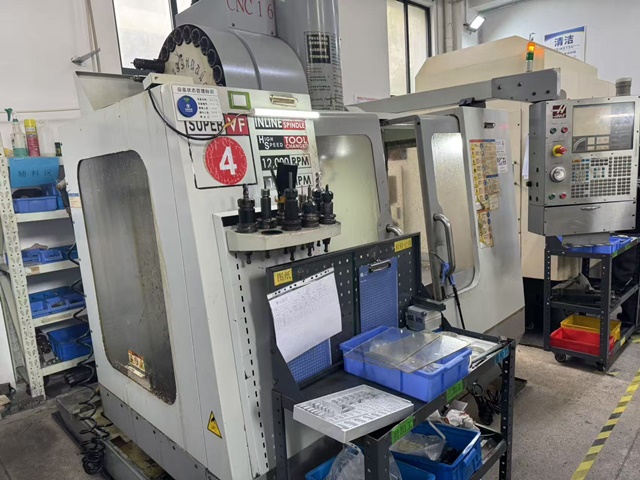
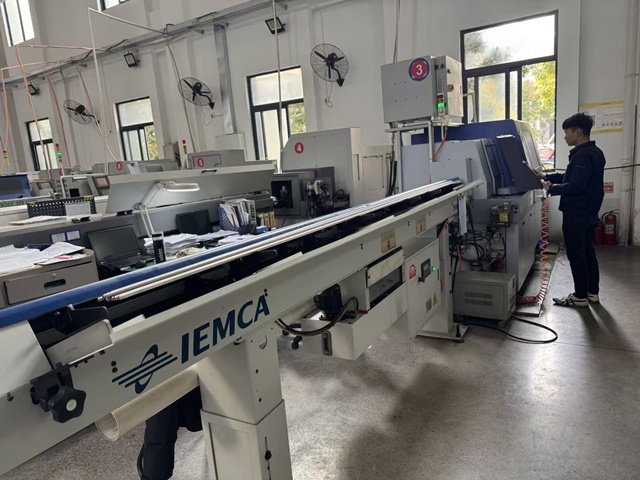
Our ISO 13485-certified facility in China leverages advanced Swiss-type CNC lathes, HAAS machining centers, and strict automated quality checks to guarantee surgical-grade precision.
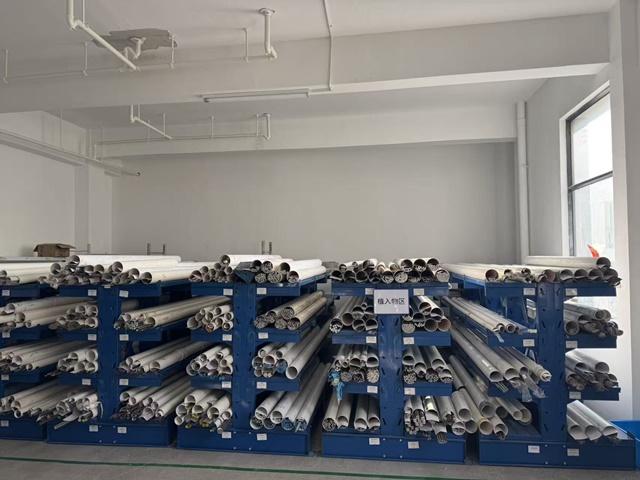
Raw Material Inspection
Raw Material
Finishing Process
Finishing Process
Finishing Process Phase 2
Finishing Process II
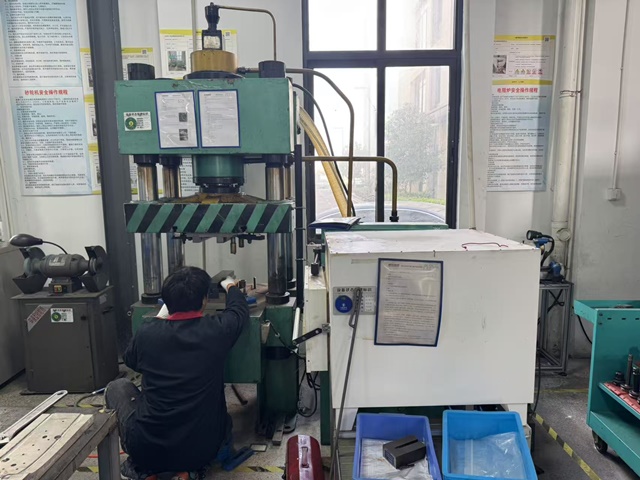
Stamping Process
Stamping Process
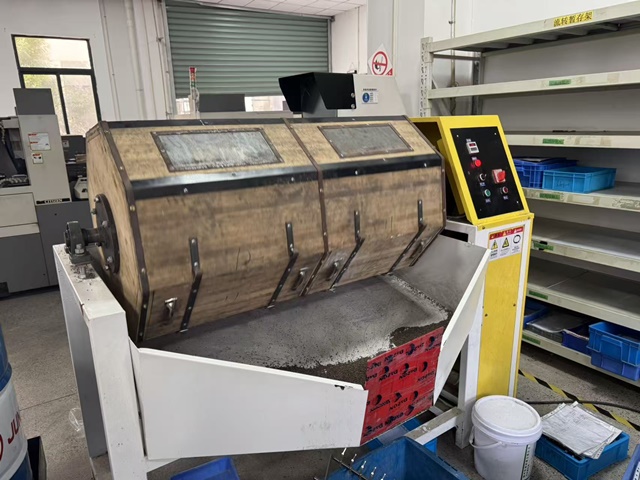
Grinding Process
Grinding Process
Checking Process
Checking Process
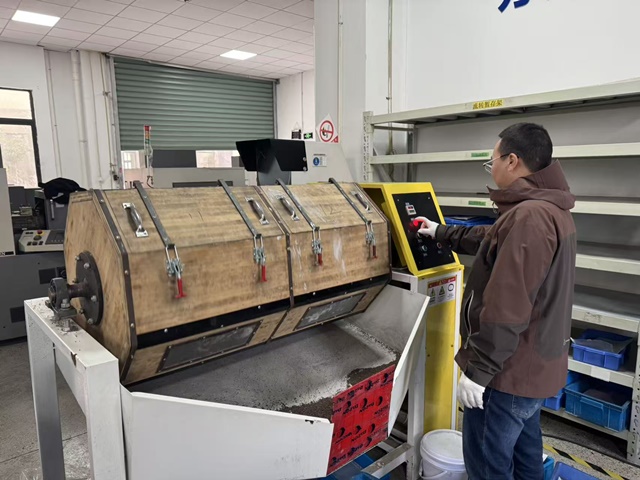
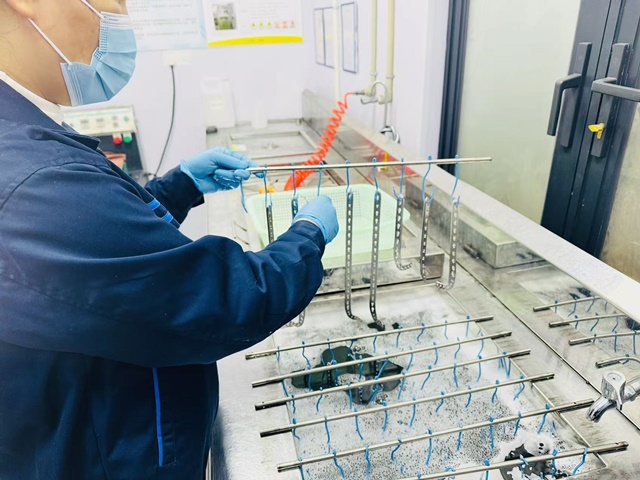
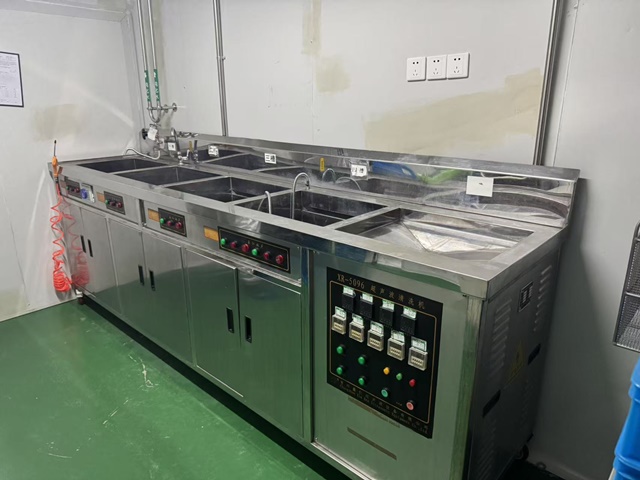
Cleaning Process
Cleaning Process
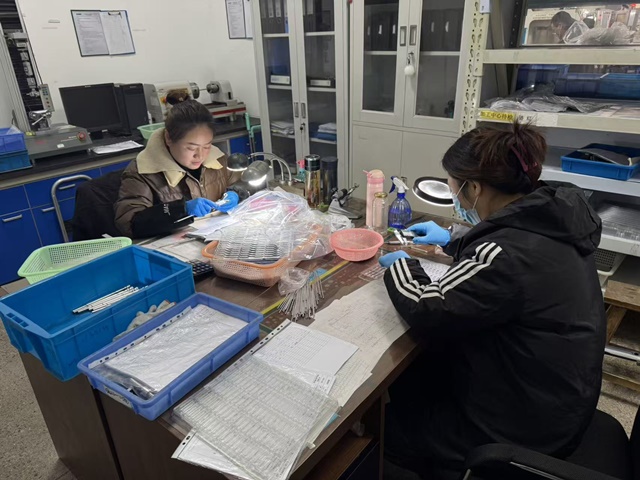
Inspecting Process
Inspecting Process
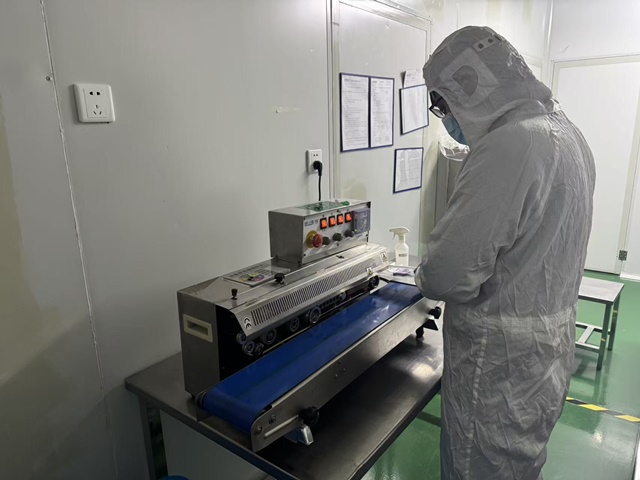
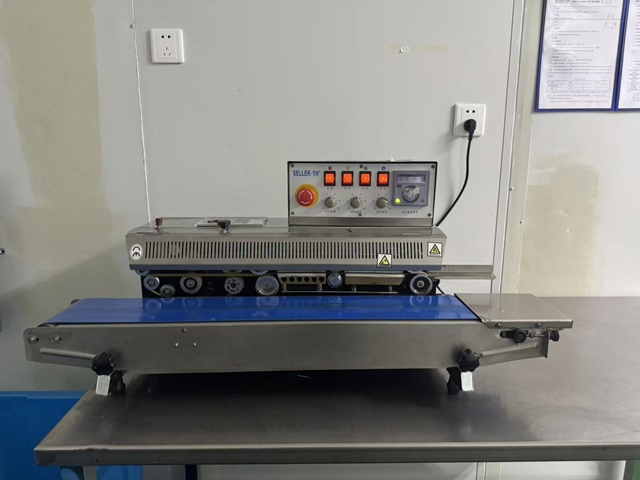
Packing Process
Packing Process
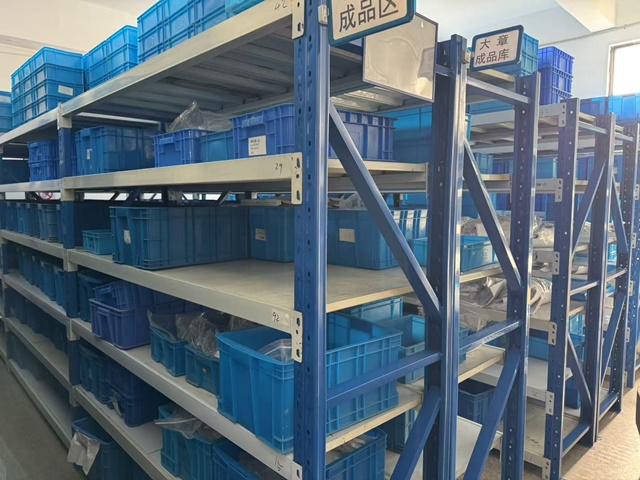
Storehouse Logistics
Storehouse
Swiss-type Lathe Equipment
Swiss Lathe
HAAS CNC Machinery
HAAS CNC
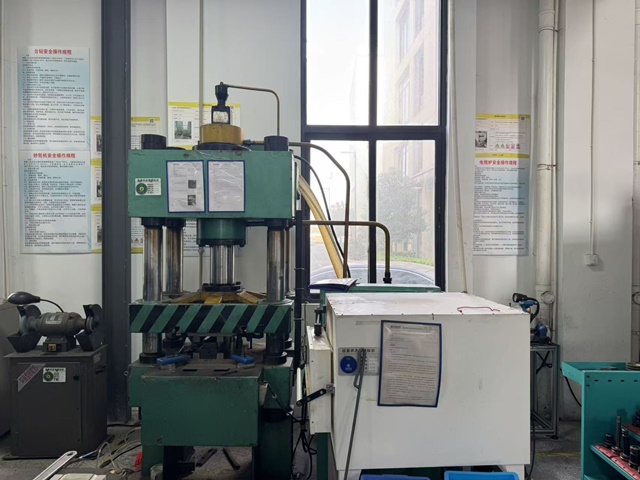
Stamping Machine
Stamping Machine
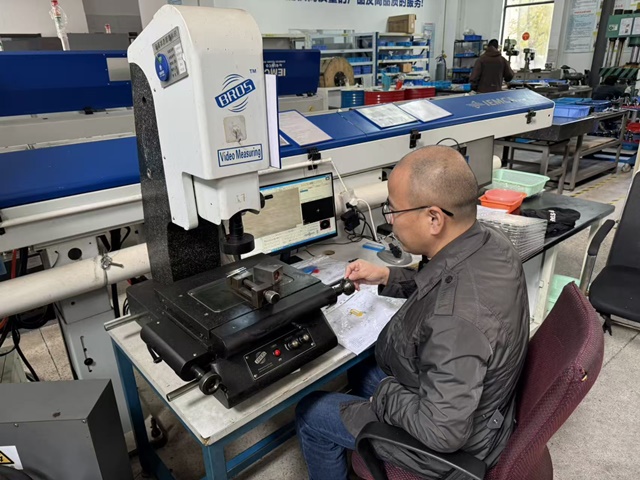
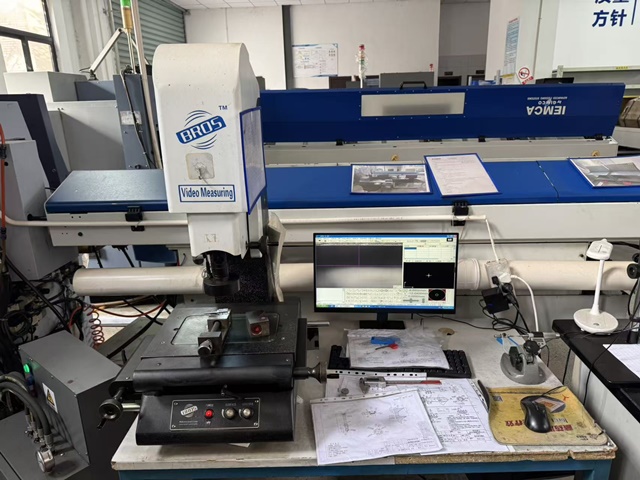
Vision Measuring Instrument
Vision Measurement
Grinding Machine
Grinding Machine
Cleaning Machine
Cleaning Machine
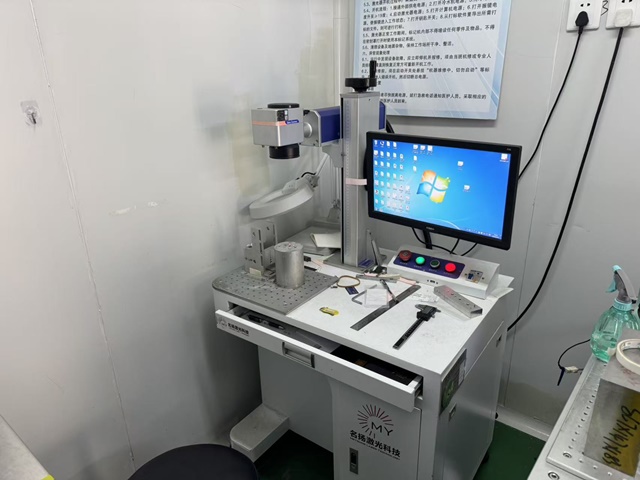
Laser Marking Machine
Laser Marking
Packing Machine
Packing Machine
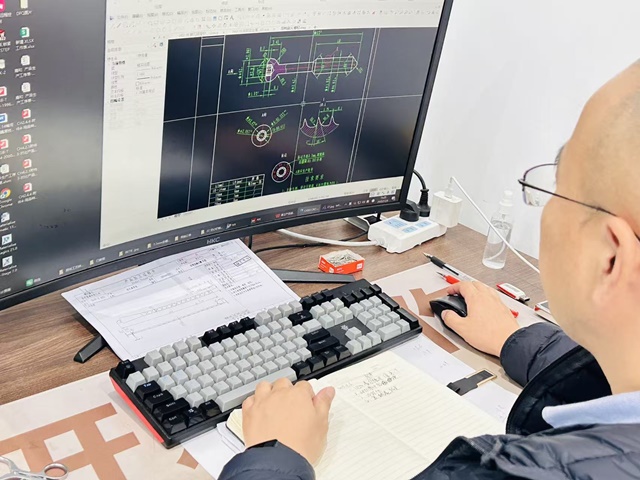
Designer Drafting & 3D Modeling
Designer Drawing
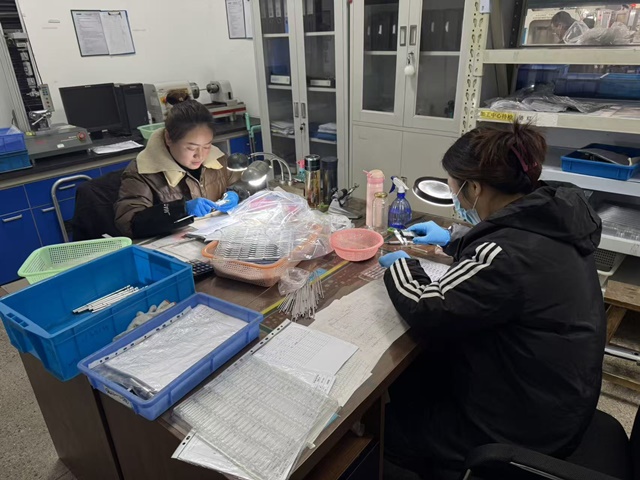
Final Quality Control Inspection
Final Inspection (2 Inspectors)
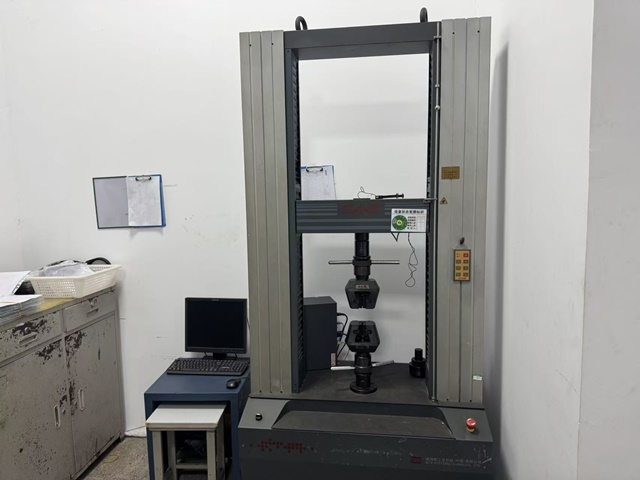
Multifunctional Mechanical Testing Machine
Multifunctional Testing
Mechanical Testing Machine
Mechanical Testing
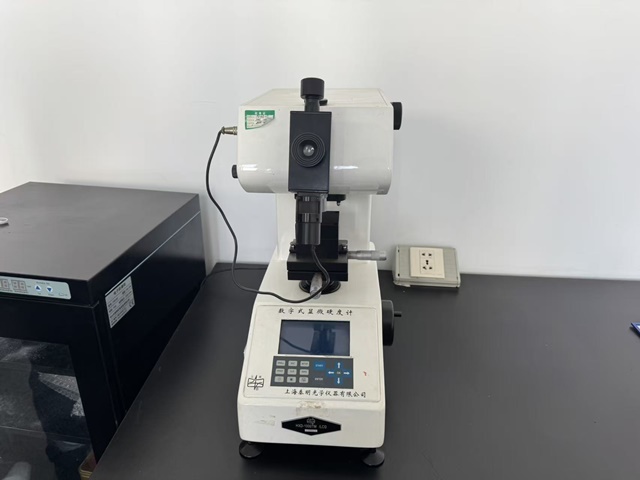
Vickers Hardness Tester
Vickers Hardness
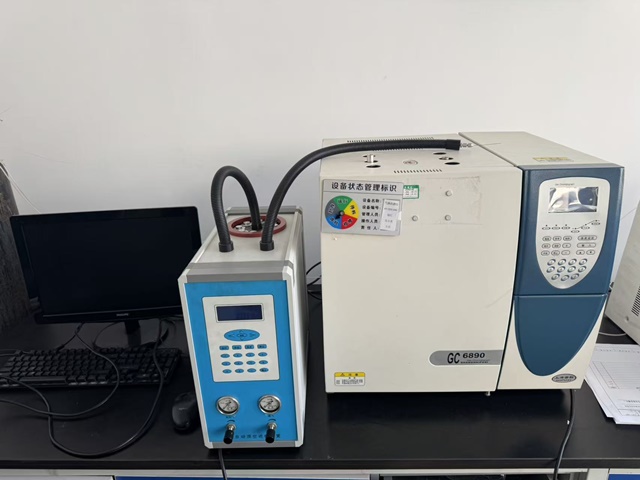
Gas Spectrometer Analysis
Gas Spectrometer
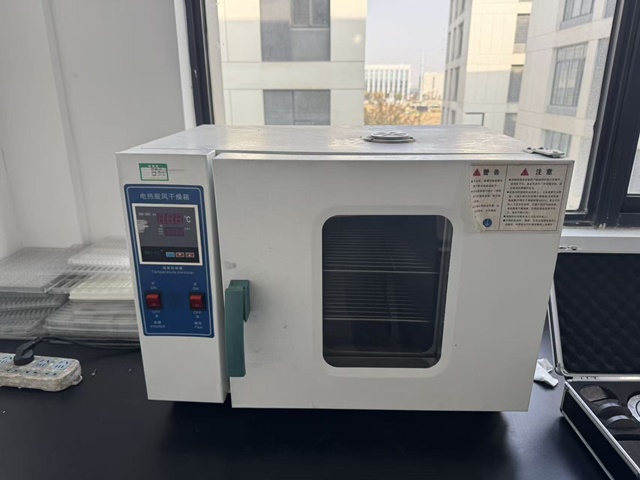
Drying Oven Preparation
Drying Oven
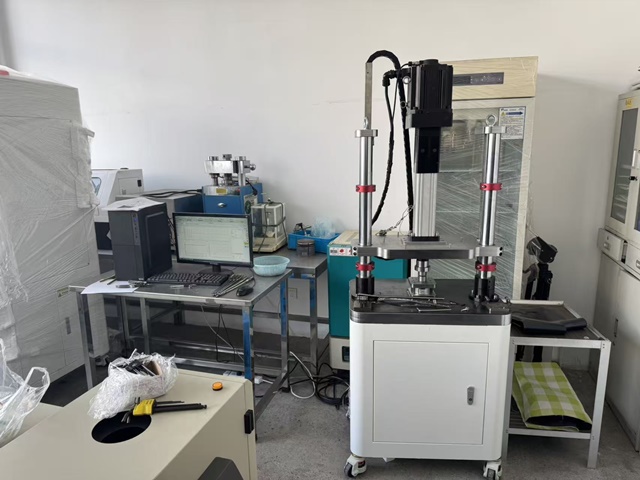
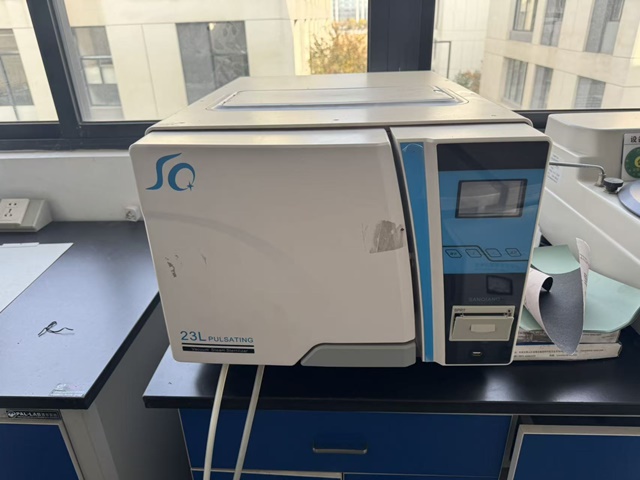
Pulsating Fatigue Testing Machine
Pulsating Machine

Rigorous Testing Metrics & Regulatory Adherence

Every PFNA unit leaving Osteora is tracked throughout production. Quality control is managed by a team of 42 specialized inspectors, who execute three core verification protocols:

Our Verification Standard

  • Dimensional Tolerance Control: Verified using CNC-integrated optical vision measurement systems. Tolerances are held within micrometric thresholds (less than 5μm deviation).
  • Mechanical Fatigue Testing: Replicated load simulations running up to 5 million cycles via dynamic axial fatigue testers, verifying structural integrity against implant fracture.
  • Biocompatibility Validation: Rigorous passivating protocols followed by chemical analysis using gas spectrometers to guarantee zero cell cytotoxicity.

Regulatory Alignment

Our systems comply with the strict guidelines of ISO 13485:2016, facilitating seamless market entries in Europe, Southeast Asia, South America, and the Middle East. Through organized technical dossiers (including biocompatibility summaries, mechanical validation reports, and raw material mill certificates), our clients experience fast regulatory clearances.

Technological Roadmap: The Future of Intramedullary Osteosynthesis

As trauma care moves toward digital surgery and customized patient recovery, intramedullary designs are undergoing a major technology shift. Osteora launched 120 new products in the last year alone, focusing on three major long-term technology roadmaps:

1. Advanced Surface Treatment Technologies

We are investing in electrochemical nanostructured anodization. This creates a biocompatible oxide layer on titanium surfaces, which reduces bacterial colonization risks while encouraging rapid cell migration to promote osseointegration.

2. Smart Orthopedic Implants

Our research and development team is exploring the integration of micro-sensors within intramedullary nail channels. These micro-sensors monitor strain changes in real-time, providing surgeons with diagnostic data during bone consolidation phases.

Frequently Asked Questions (FAQ)

What grades of raw titanium materials are used in Osteora's PFNA manufacturing?
Osteora exclusively sources titanium alloy matching ASTM F136 specifications (Ti-6Al-4V ELI - Extra Low Interstitials). This grade offers exceptional tensile strength, fatigue resistance, and biocompatibility, outperforming standard grade 5 titanium in critical orthopedic implant applications.
How does the helical blade design prevent cut-out in osteoporotic bone?
Unlike dynamic lag screws that remove bone during thread cutting, the helical blade is hammered in, which compacts the surrounding cancellous bone. This compaction maximizes mechanical purchase, significantly reducing cutting/plowing forces inside the femoral head, minimizing the risk of varus collapse.
What are the typical lead times for custom OEM/ODM orthopedic orders?
Typical OEM/ODM lead times range from 30 to 45 days. This includes drawing approval, CNC programming validation, tool setup, trial batch runs, automated inspections, and sterile/non-sterile double blister packing. Special geometries or customized coatings may require up to 60 days.
Are Osteora instruments interchangeable with other PFNA systems on the market?
Our standard PFNA lines are engineered according to international conventions, making them compatible with major systems. For OEM contracts, we customize both thread pitches and coupling interfaces to match our client's existing proprietary instrument kits.
How is traceabilty maintained for each manufactured implant?
Every implant undergoes laser marking with a unique batch number, linking back to the initial raw material mill certificate, CNC technician logs, furnace heat treatment parameters, anodization reports, and final quality control approvals.

Partner with Osteora Medical Devices

Access global-standard trauma implant manufacturing capabilities. Request a detailed engineering consultation or customized OEM/ODM quotes from our R&D team today.
Request OEM/ODM Quote Technical Specification Sheet