Osteora
Osteora
Osteora
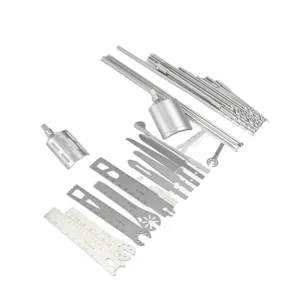
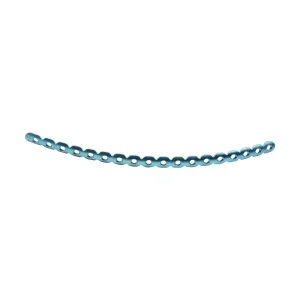
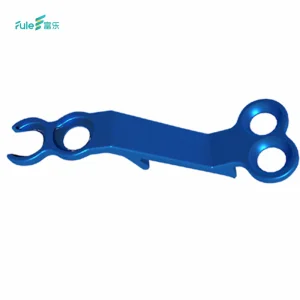
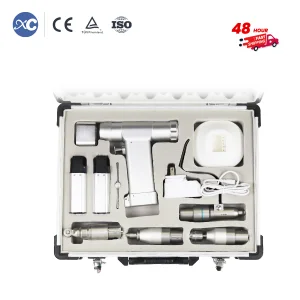
Explore our premium clinical portfolio including sports medicine, veterinary saw systems, and trauma products optimized for global export markets.
Founded in 2016, Osteora Medical Devices Co., Ltd. has established itself as an authoritative leader in the development and manufacture of orthopedic trauma, spinal fixation, and joint reconstruction technologies. Backed by 12 years of industry expertise and 8 years of dedicated medical export operations, we serve top-tier surgical centers and regional medical distributors worldwide under our proprietary brand, Osteora.
Our manufacturing complex spans 18,500 square meters, utilizing highly advanced automated lines to oversee every phase of fabrication, assembly, and rigorous dynamic validation. Maintaining an annual export volume between USD 6 million and USD 14 million, our global infrastructure is optimized to provide fast lead times and high-volume output without compromising clinical performance.
Our collaborative network consists of roughly 1,200 validated upstream and downstream partners, guaranteeing secure access to medical-grade titanium and high-end surface treatment components. Just within the past year, we have commercialized approximately 120 new products, reinforcing our ongoing clinical innovation and capability to adapt to changing surgical needs.
Key technological advancements transforming proximal femoral fracture treatment internationally.
Modern clinical practices favor minimal exposure. Intertrochanteric fractures are treated using nails with dynamic compression and improved stress distribution to prevent tip apex distance (TAD) failures and lag screw cut-outs.
By moving from stainless steel to biocompatible Titanium Alloy (typically Ti-6Al-4V ELI), implants achieve a modulus of elasticity closer to cortical bone, significantly minimizing stress shielding and accelerating patient mobility.
Newer designs focus heavily on user-friendly distal carbon-fiber aiming instrumentation. Carbon-fiber guides reduce intraoperative radiation exposure and allow surgeons to align interlocking screws precisely.
Hospitals, high-volume surgical centers, and medical device distributors need a reliable, cost-efficient supply of intramedullary implants. Procurement teams face challenges with strict regulatory audits, production delays, and varying anatomical requirements between patient demographics.
Osteora's OEM/ODM medical engineering program solves these issues by providing:
Our network of 1,200 suppliers ensures we can scale production quickly during high demand. With an annual capacity of several thousand units of trauma implants, Osteora provides medical distributors with consistent lead times and reliable shipping routes to Europe, Southeast Asia, the Middle East, and South America.
Every batch of OEM trauma components undergoes strict chemical composition verification and mechanical fatigue analysis to guarantee patient safety and minimize the risk of implant failures.
Engineered according to rigorous biomechanical parameters to maximize surgical efficacy and patient comfort.
Osteora's Gamma Intramedullary Nails utilize a modern lag-screw design that facilitates controlled dynamic compression at the fracture line while preventing lateral migration. The nail's anatomical curvature simplifies insertion, protecting the greater trochanter and surrounding soft tissues.
| Parameter / Dimension | Standard Specification | OEM Customization Range |
|---|---|---|
| Material Class | Ti-6Al-4V ELI (ASTM F136 / ISO 5832-3) | Grade 5 Titanium / Special Alloys |
| Nail Diameter | 9.0mm, 10.0mm, 11.0mm, 12.0mm | 8.0mm to 14.0mm custom steps |
| Short Nail Length | 180mm / 200mm / 240mm | Custom lengths on request |
| Long Nail Length | 300mm to 420mm (20mm increments) | Up to 460mm, custom radius |
| Neck-Shaft Angle | 120°, 125°, 130° | 115° to 135° customized angles |
| Lag Screw Diameter | 12.0mm / 10.5mm dual threads | Thread geometry modification |
| Distal Locking Config | Static or Dynamic options | Multi-planar distal screw configurations |
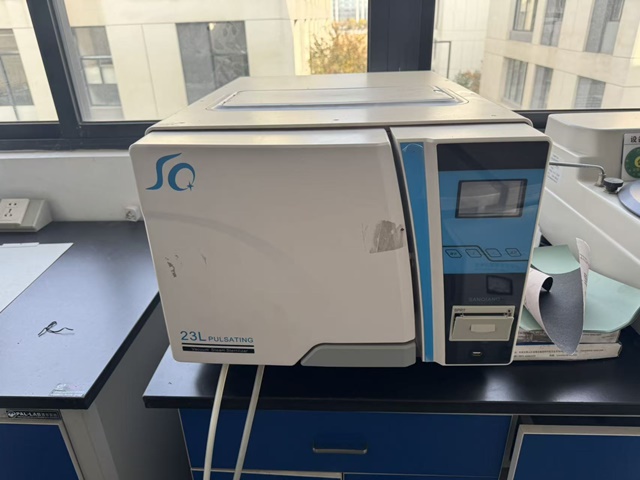
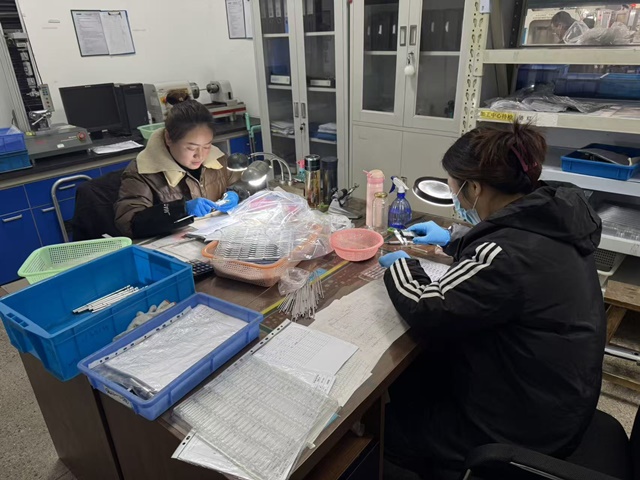
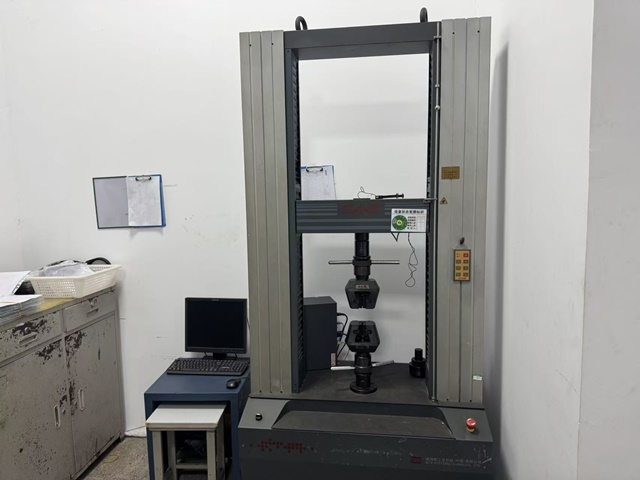
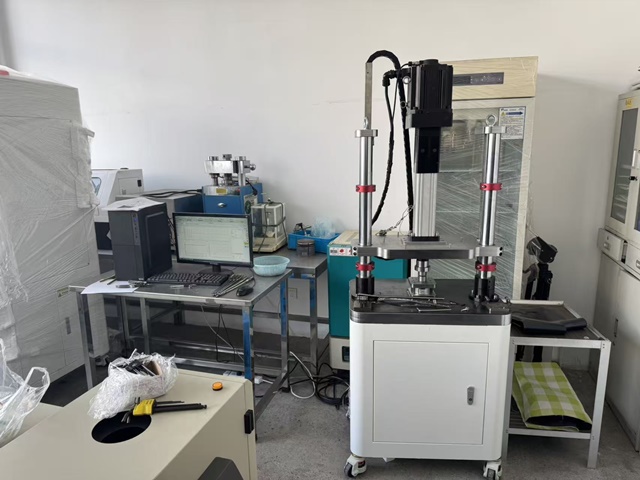
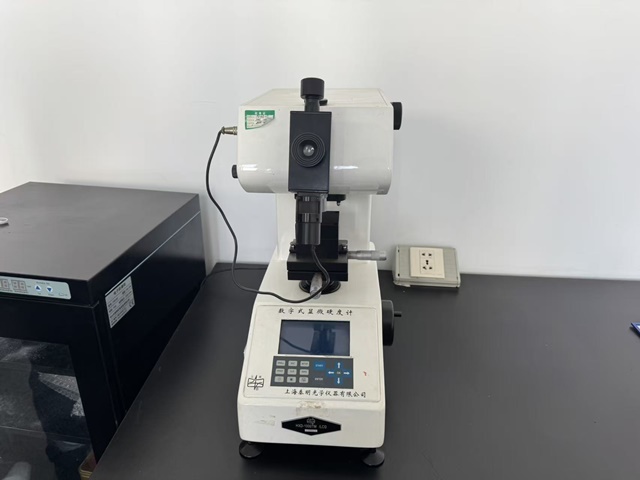
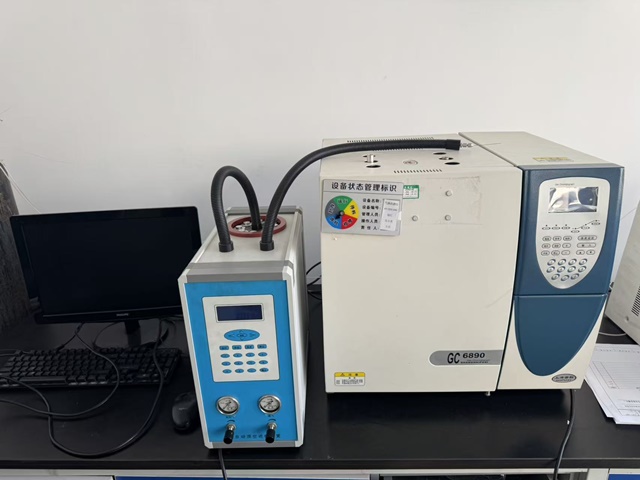
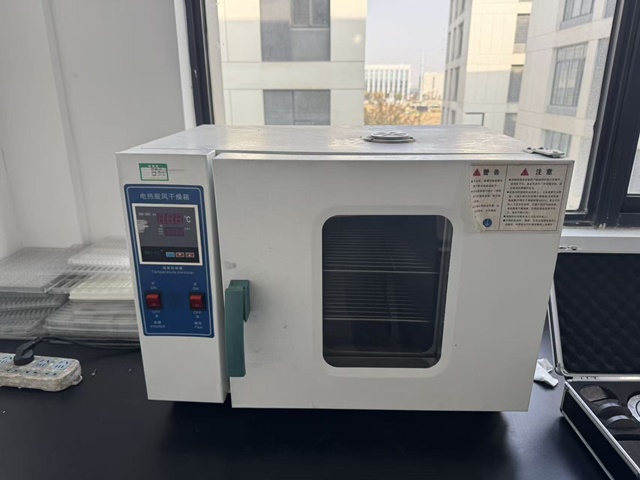
Explore our cleanrooms, precision Swiss machining tools, and testing apparatuses that ensure high dimensional quality.
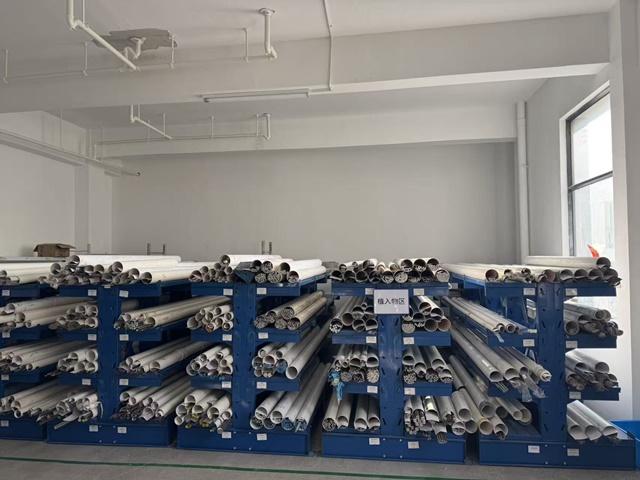
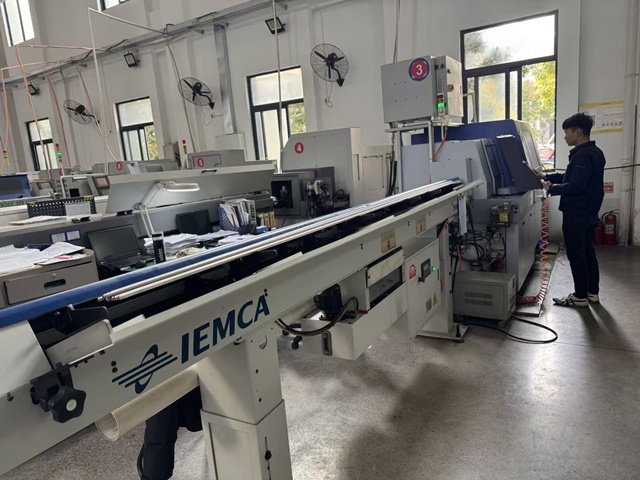
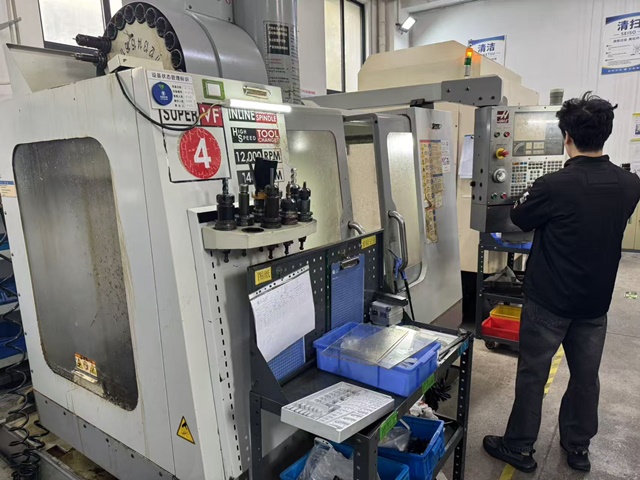
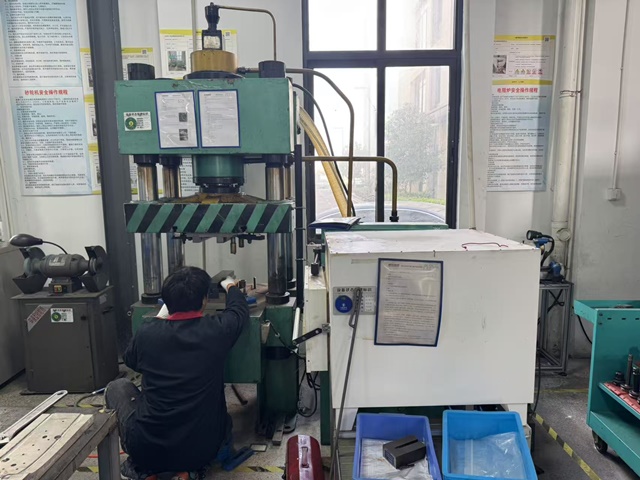
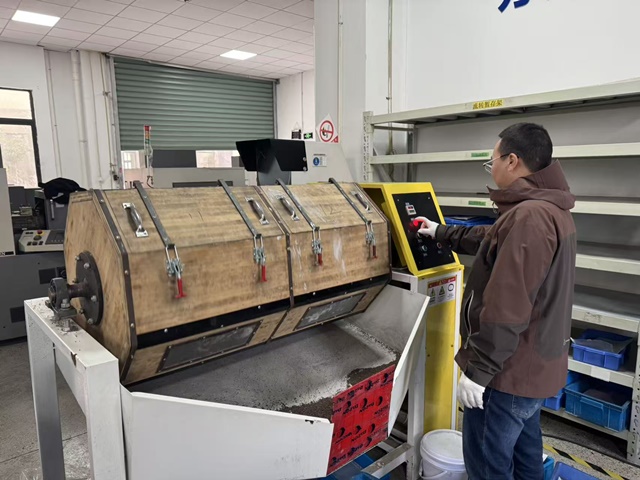
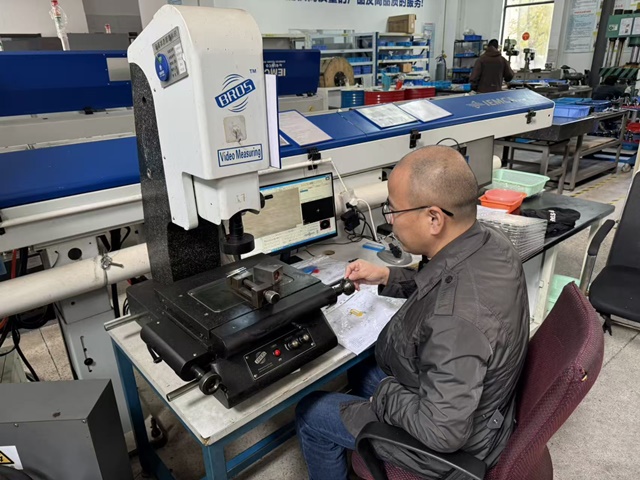
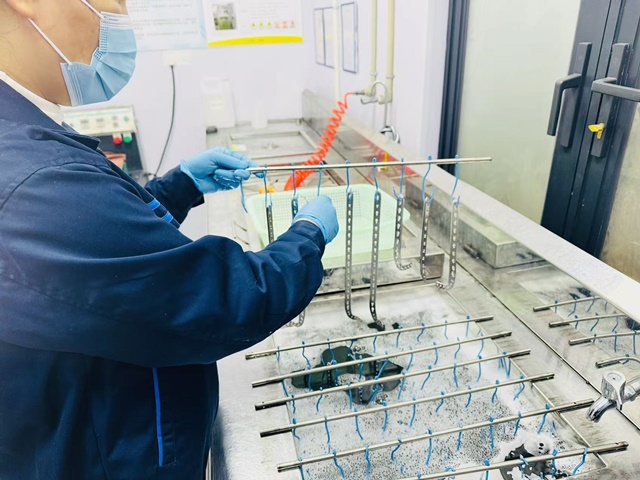
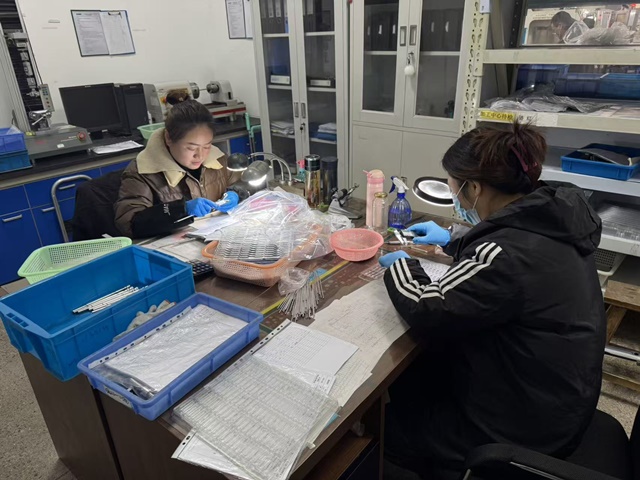
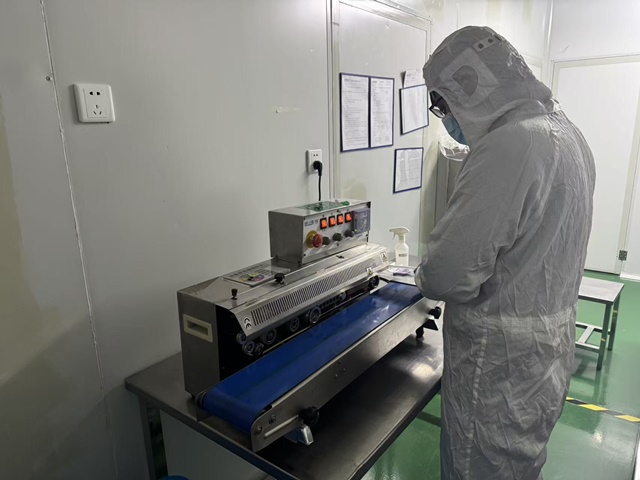
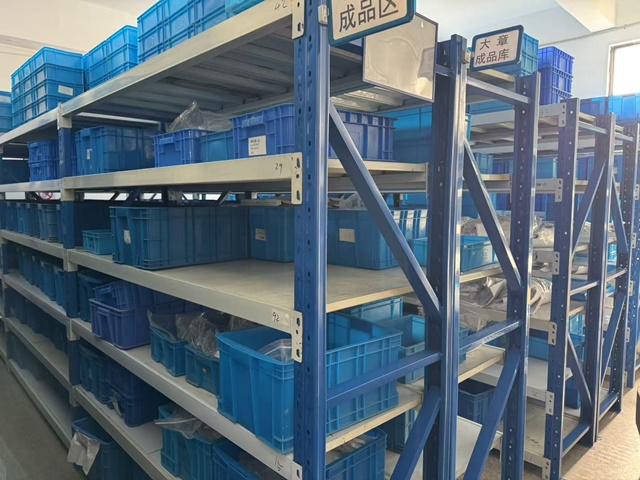
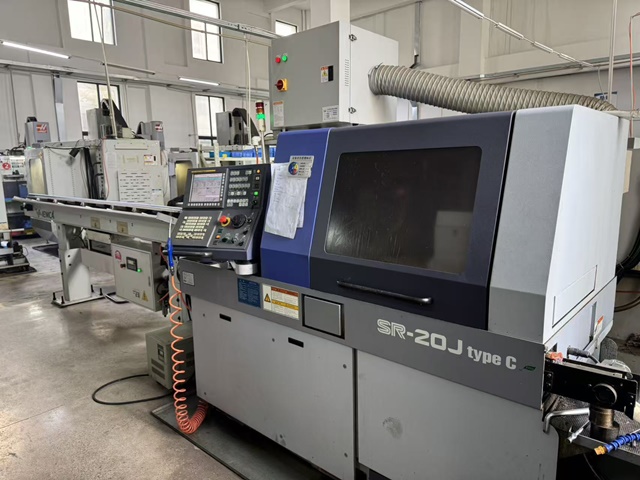
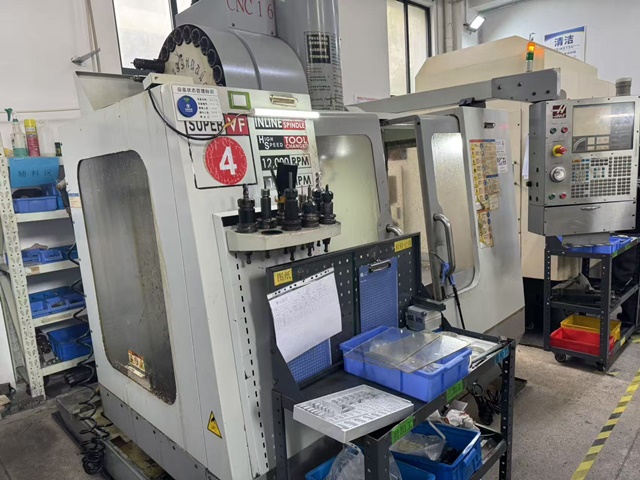
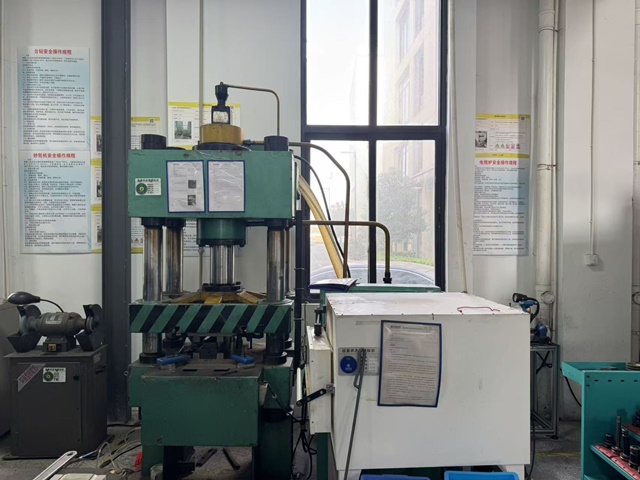
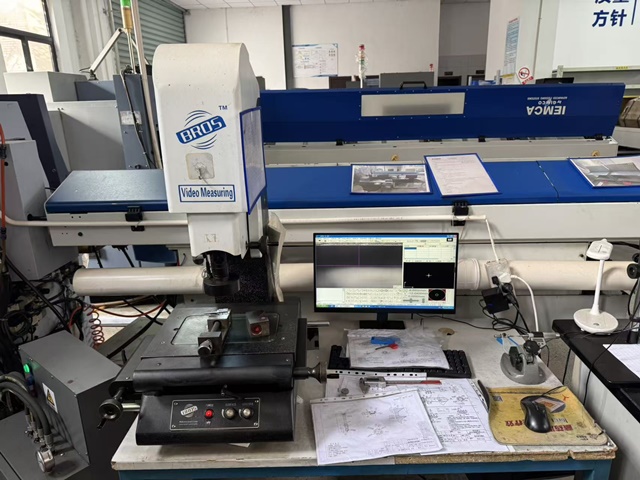
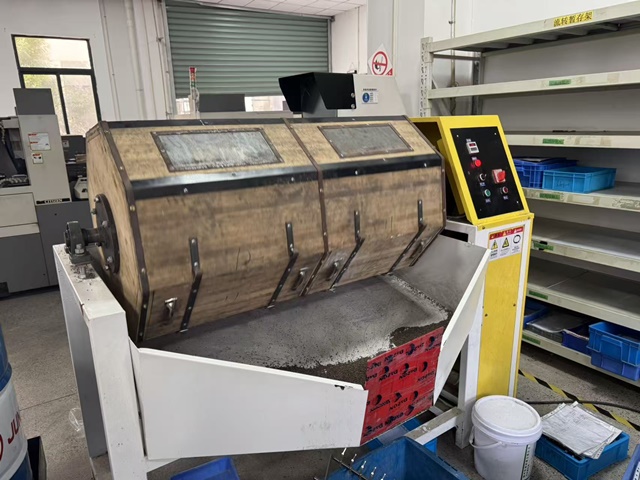
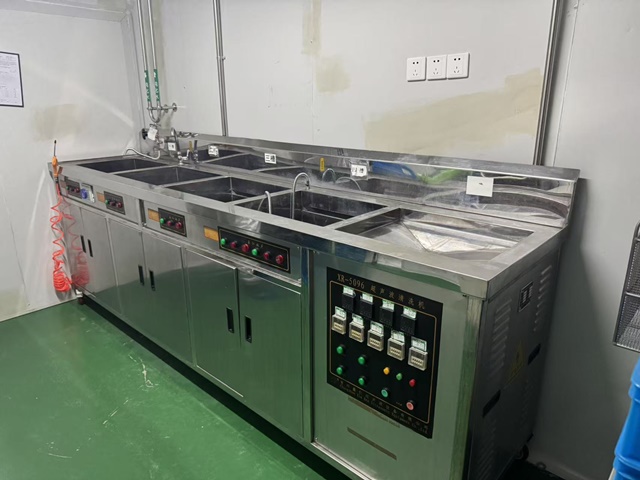
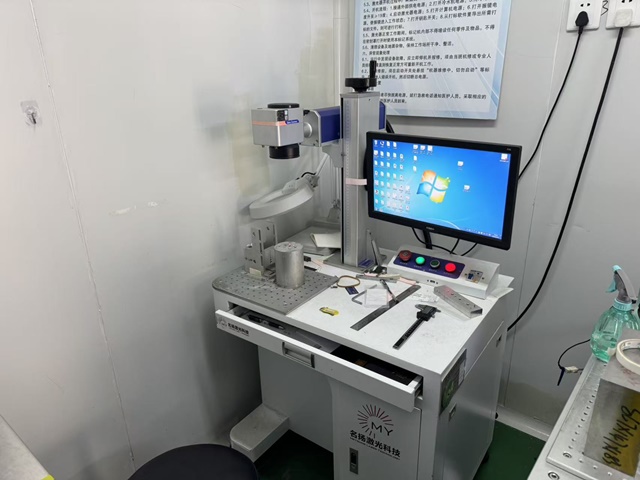
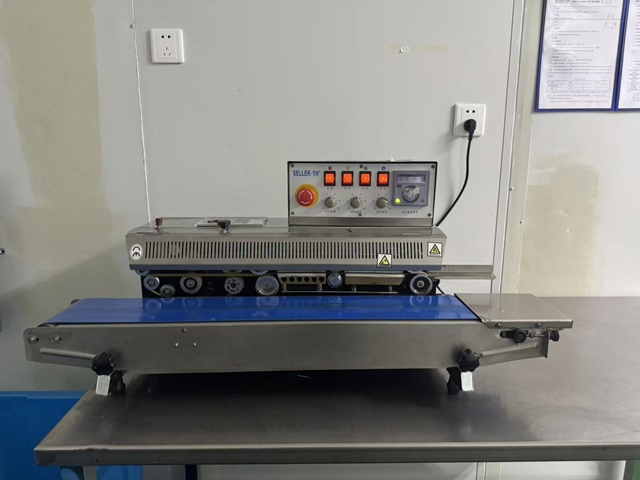
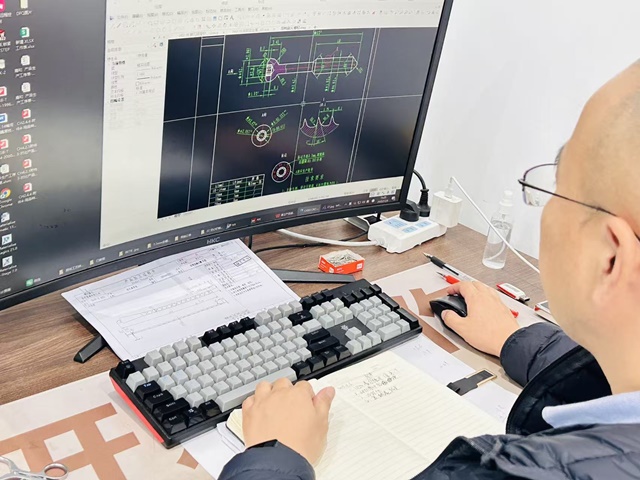
The import of load-bearing medical implants requires strict documentation. Osteora supports international procurement departments with a full suite of regulatory filings. Our Class III implant configurations are backed by comprehensive dossiers that simplify local authority approvals.
Our regulatory assistance portfolio includes:
Whether your business is located in the European Economic Area, Southeast Asia, South America, or the Middle East, our technical teams provide customized support to align product details with regional clinical rules and local hospital tenders.
Next-generation advancements in proximal femoral reconstruction and trauma solutions.
Integrating hydroxyapatite (HA) or anodic oxidation coatings on lag screw interfaces to improve osseointegration, speed up healing, and reduce postoperative rotation.
Developing instrumentation and targeting guides compatible with computer-assisted surgery (CAS) and active fluoroscopic systems to improve screw insertion accuracy.
Researching bioabsorbable polymer distal locking components that gradually transfer stress load back to the healing bone, minimizing stress shielding.
Answers to technical, regulatory, and procurement questions for hospitals and global distributors.
A: Ti-6Al-4V ELI (Extra Low Interstitial) has a lower modulus of elasticity compared to stainless steel. This properties reduce stress shielding, decrease pain, and lower the risk of implant failure, while offering superior biocompatibility and fatigue resistance.
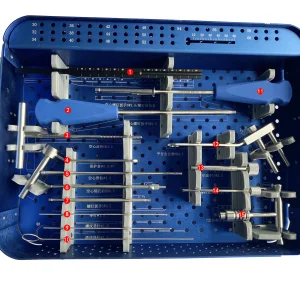
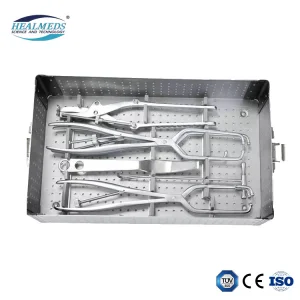
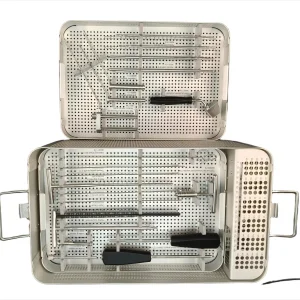
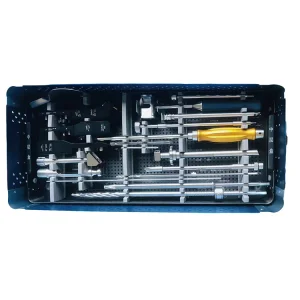
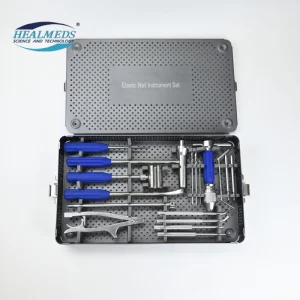
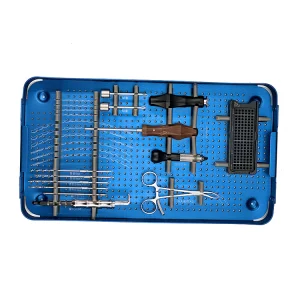
A: Yes. We customize surgical guides, carbon fiber aiming devices, and drilling accessories. We also design dedicated anodized sterilization trays, complete with custom laser-etched branding and parts tracking.
A: Our 42-inspector quality control team uses dynamic pulsating testing systems to simulate physiological load levels for up to one million cycles. We also perform Vickers hardness testing and gas spectrometry analysis to verify titanium composition before processing.
A: We provide complete regulatory documentation, including ISO 13485 certification, Certificates of Free Sale (CFS), dynamic biomechanical testing logs, and sterilization validation records, ensuring compliance with local import standards.
A: OEM production timelines generally range from 30 to 45 days, depending on customization details and order size. Our network of 1,200 suppliers ensures stable raw material supply, helping to prevent production delays.
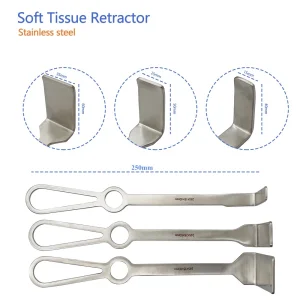
Explore our selection of specialized orthopedic tools, including compression screw systems and veterinary plates.