Osteora
Osteora
Osteora
The global orthopaedic implant landscape is undergoing a critical transformation. Driven by an aging population, increasing incidence of osteoarthritis, and the clinical demand for active lifestyles post-surgery, the necessity for high-performance total joint replacement systems is at an all-time high. In particular, Total Hip Arthroplasty (THA) has evolved from a standard surgical option into a personalized intervention requiring specialized biocompatible configurations.
Medical institutions and global distributors face mounting pressures: rising surgical volumes require components that guarantee long-term stability, minimal wear rates, and anatomical compliance across diverse patient demographics. Standardized implants often fall short of meeting complex biomechanical dynamics. This shortfall highlights the clinical necessity of custom OEM and ODM total hip implants, where manufacturing processes align closely with surgical requirements and patient anatomy.
1. Stress Shielding Minimization: Advanced modulus-matched materials optimize physiological load distribution.
2. Tribological Performance: High-crosslinked ultra-high-molecular-weight polyethylene (UHMWPE) and premium ceramic interfaces reduce wear debris.
3. Primary Stability: Tailored porous coatings promote rapid osteointegration and biological fixation.
Under our flagship brand Osteora, we deliver clinical excellence through advanced design, integrated manufacturing capability, and global logistics support.
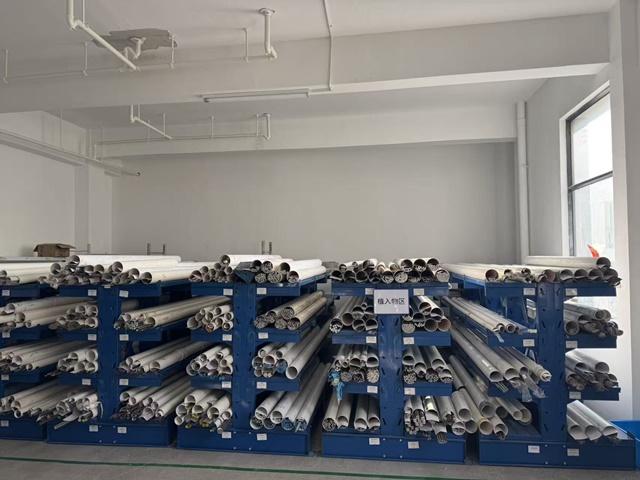
Founded in 2016, Osteora Medical Devices Co., Ltd. has established a strong reputation in the global orthopedic industry by emphasizing manufacturing quality and continuous product innovation. Operating from our state-of-the-art 18,500㎡ facility, we support the complete lifecycle of joint reconstruction, spinal fixation, and trauma systems. Our infrastructure integrates raw material testing, high-speed CNC machining, automated cleanroom packaging, and in-house mechanical validation.
With over 12 years of industry expertise and 8 years of export operations, Osteora serves as a reliable manufacturer and partner for international medical distributors, private labeling buyers, and clinical networks. Our annual export revenue averages USD 6 million to 14 million, reflecting our consistent performance and regulatory compliance in target markets across Europe, Southeast Asia, the Middle East, and South America.
Every implant manufactured at Osteora undergoes a structured sequence of precision machining, finishing, and biological validation to ensure high clinical performance.
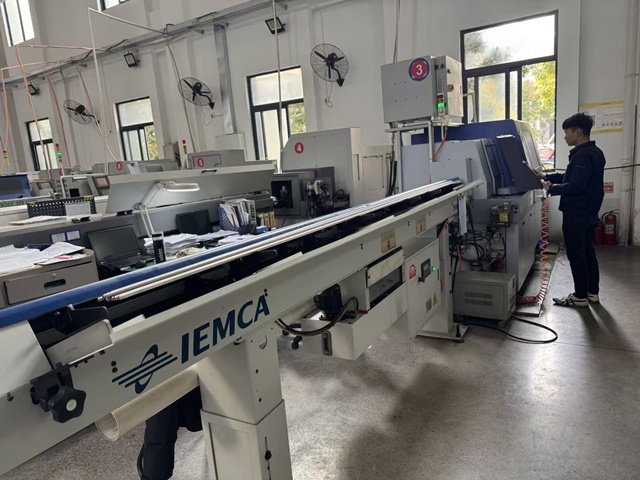
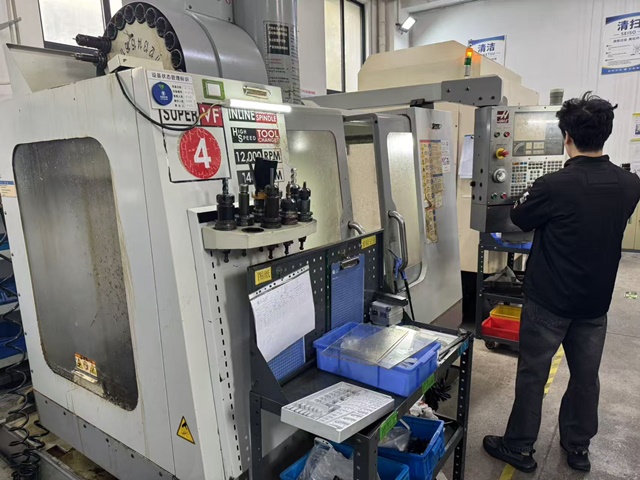
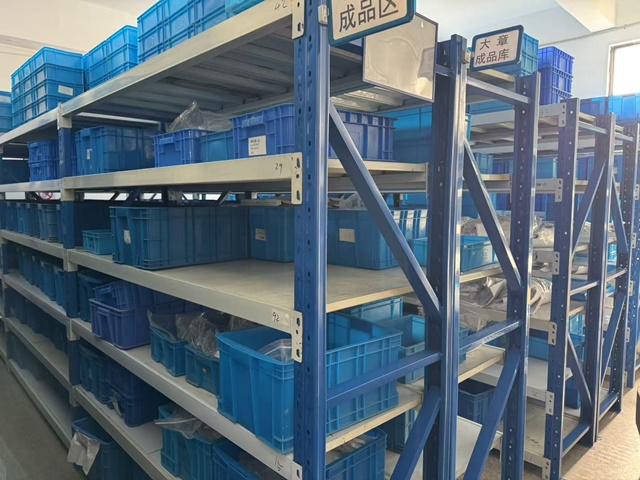
We utilize Swiss-type lathes and American-built HAAS CNC systems to maintain close tolerances and consistent surface finishes.
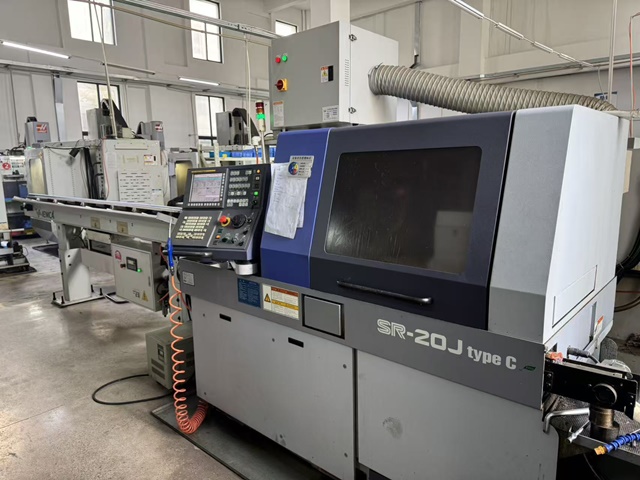
Ideal for machining small, high-precision shafts, bone screws, and specialized orthopaedic connectors, ensuring concentricity and surface finish.
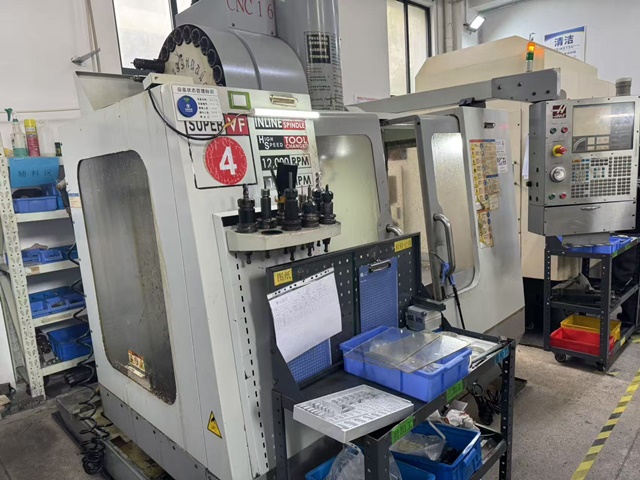
Multi-axis milling centers handle complex structures, including custom acetabular cups and anatomically curved femoral stems, with consistent repeatability.
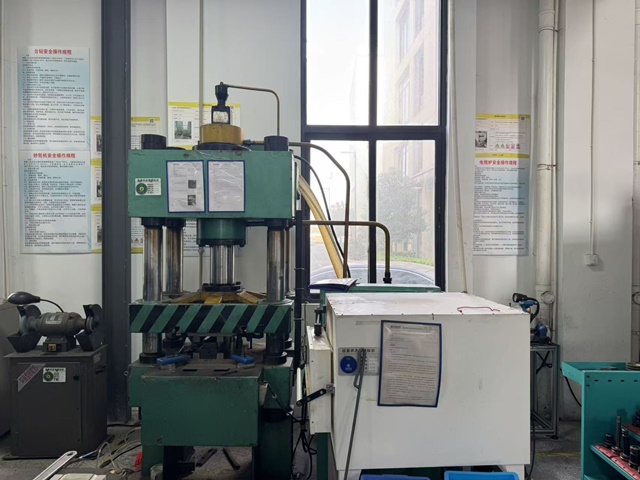
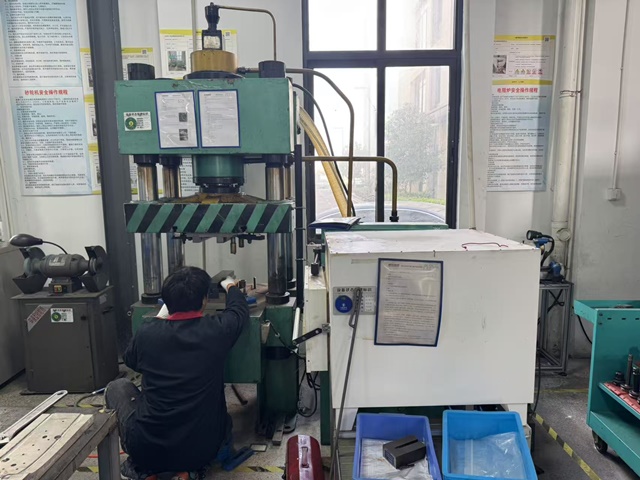
Supports fast production cycles for primary blanks, retaining rings, and internal plates while maintaining microstructural properties.
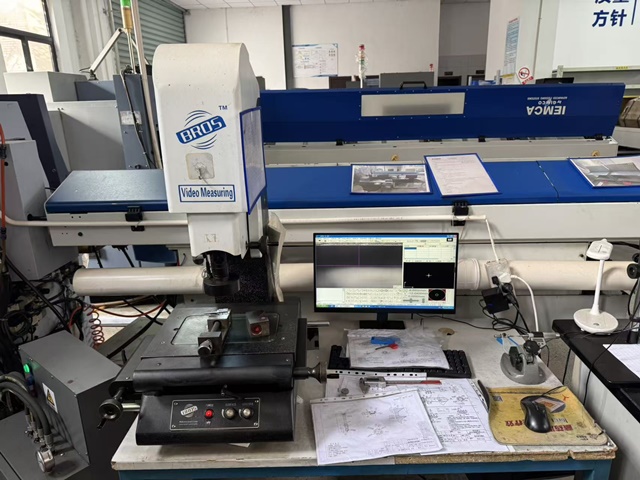
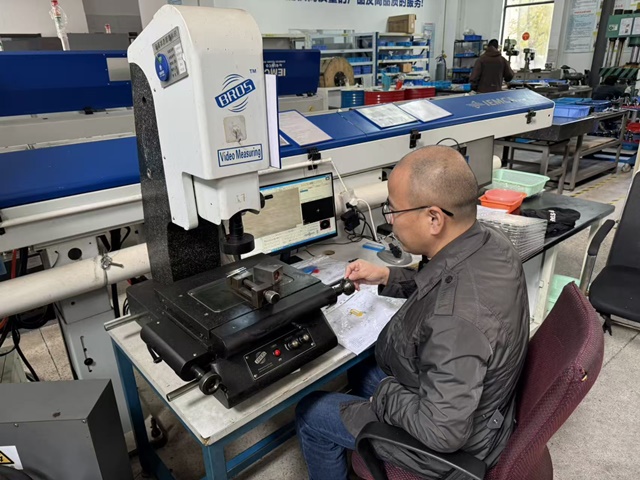
Automated optical systems measure geometries and tolerances down to the sub-micron range to verify alignment with engineering CAD models.
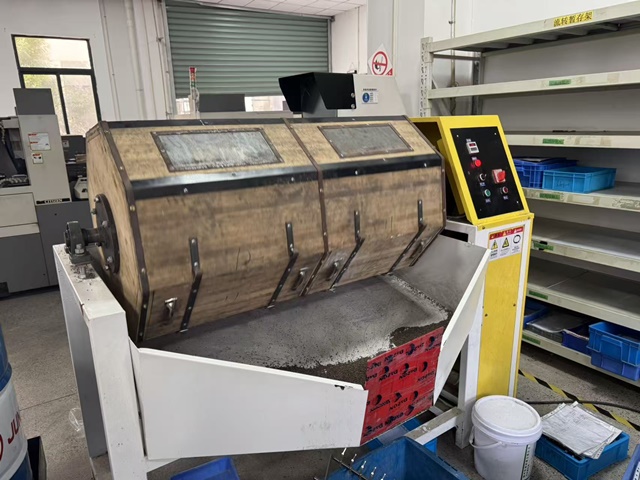
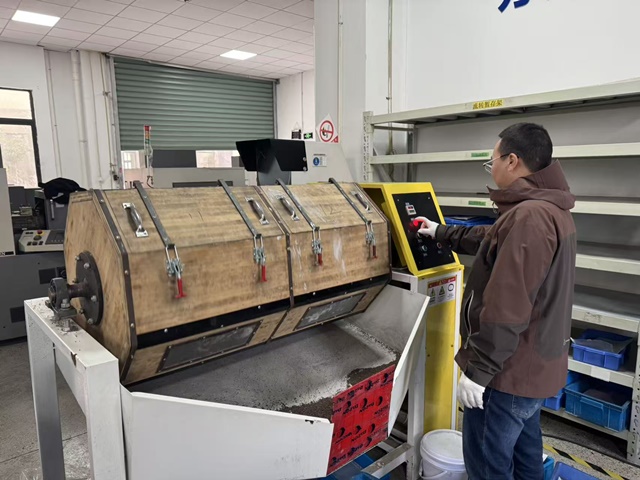
Achieves sub-micron surface finishes on articulation surfaces, reducing friction and wear on femoral heads and liners.
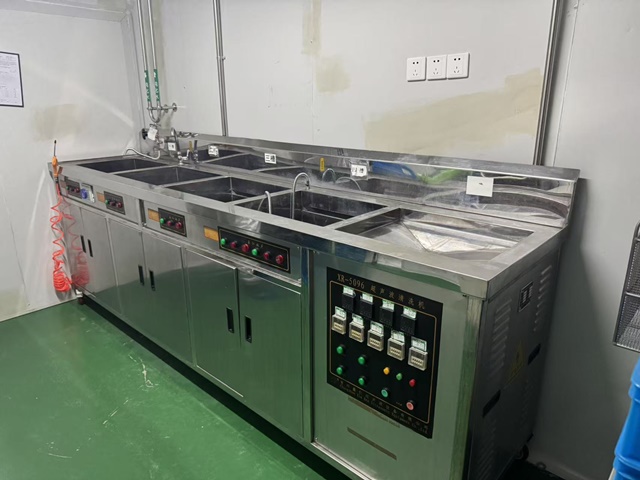
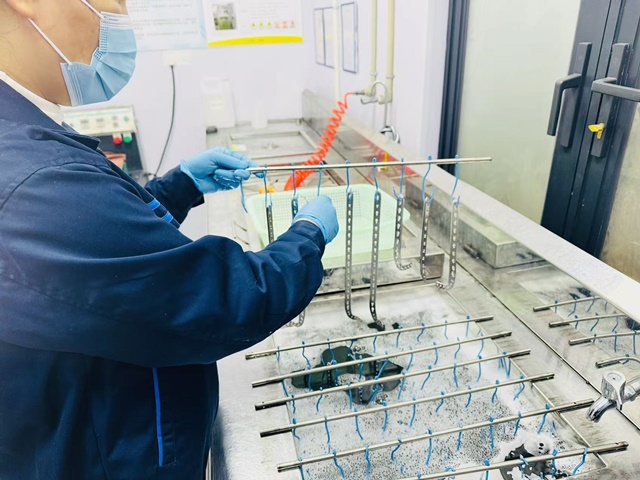
Removes machining residues, oils, and metal particulates using ultrasonic cleaning cycles prior to sterile-barrier packaging.
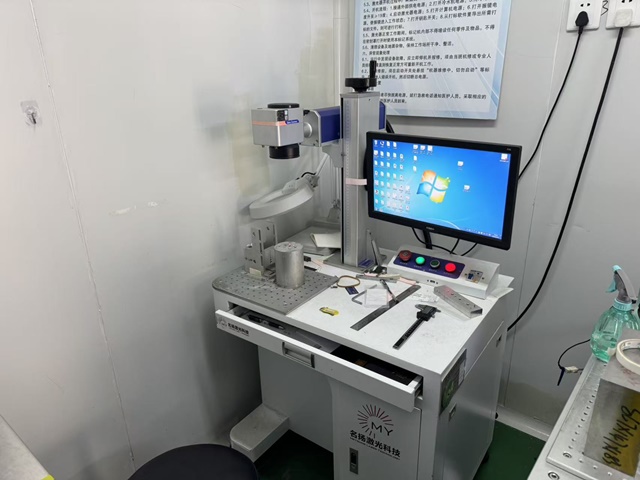
Applies permanent, biocompatible Unique Device Identification (UDI) laser marking to ensure tracking throughout the clinical supply chain.
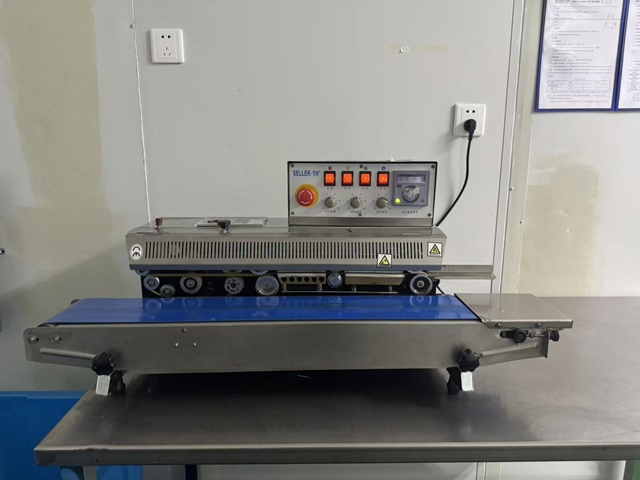
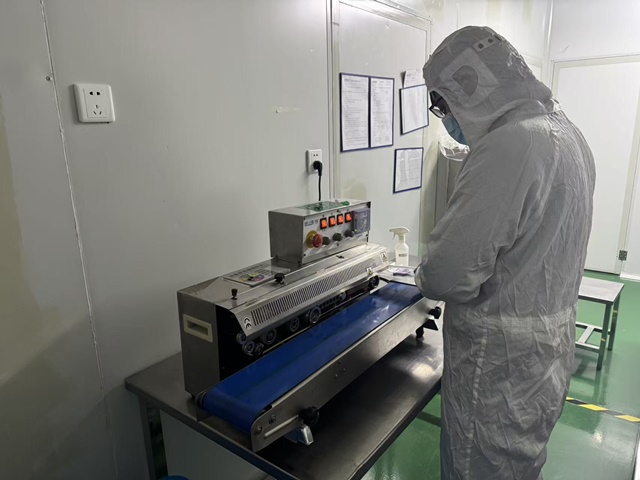
Automated barrier sealing in ISO Class 7 cleanrooms ensures sterile integrity up to the point of clinical use.
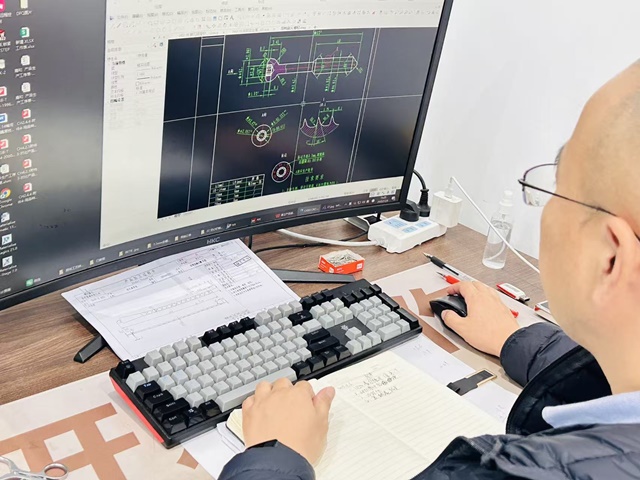
Our engineering team utilizes custom medical scan inputs (CT/MRI) to design patient-specific implants matching precise bone structures.
| Implant Component | Common Materials Utilized | Standards Compliance | Key Performance Metrics |
|---|---|---|---|
| Femoral Stem (Cementless) | Titanium Alloy (Ti-6Al-4V ELI) | ASTM F136 / ISO 5832-3 | Low elastic modulus, high fatigue resistance, porous-coated for osseointegration |
| Femoral Stem (Cemented) | Cobalt-Chromium-Molybdenum (Co-Cr-Mo) | ASTM F75 / ISO 5832-4 | High mechanical strength, corrosion-resistant, optimized for bone cement bonding |
| Femoral Head | Alumina Matrix Ceramic / Co-Cr-Mo | ISO 6474 / ASTM F799 | Low friction coefficient, high scratch resistance, micro-polished surface |
| Acetabular Shell | Commercially Pure Ti / Ti-6Al-4V | ASTM F67 / ASTM F136 | Interlocking backing, options for plasma spray or 3D printed trabecular metal |
| Acetabular Liner | Highly Cross-linked Polyethylene (XLPE) / Vitamin E XLPE | ASTM F648 / ISO 5834-2 | Reduced wear rate, resistance to oxidation, high impact strength |
Osteora enforces a multi-tier quality control architecture directed by 42 specialized quality inspectors to meet international medical device standards.
For load-bearing orthopaedic implants, manufacturing quality directly affects clinical outcomes. Osteora implements an ISO 13485:2016 certified quality management system covering our entire workflow—from raw material sourcing to final packaging. We trace each production batch back to its original melt heat, recording mechanical property data along the way.
Our quality control workflow includes in-process inspections at every stage of CNC machining, followed by final random sampling validation. We check components for dimensional accuracy, mechanical fatigue limits, and biocompatibility profile. This testing program ensures that all joint reconstruction products conform to the safety guidelines required by European CE Class III and other international medical standards.
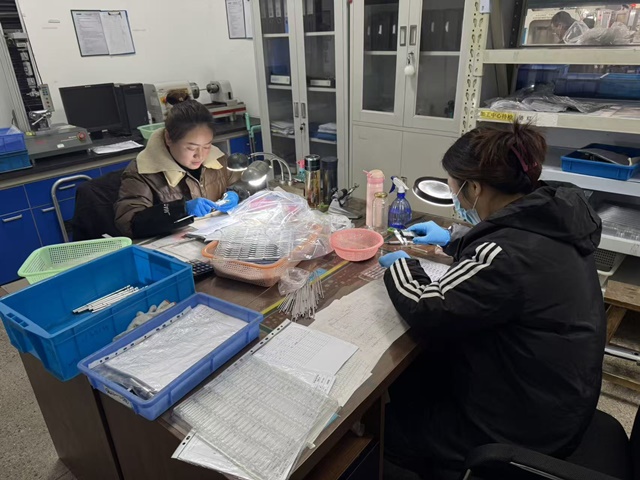
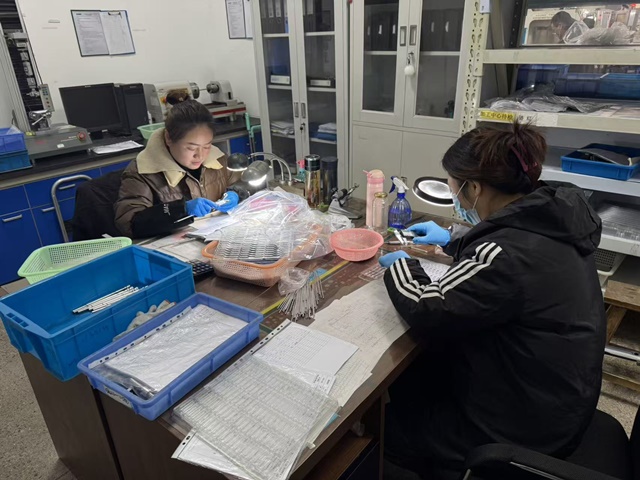
Two qualified QA inspectors verify every final batch to ensure it matches engineering blueprints.
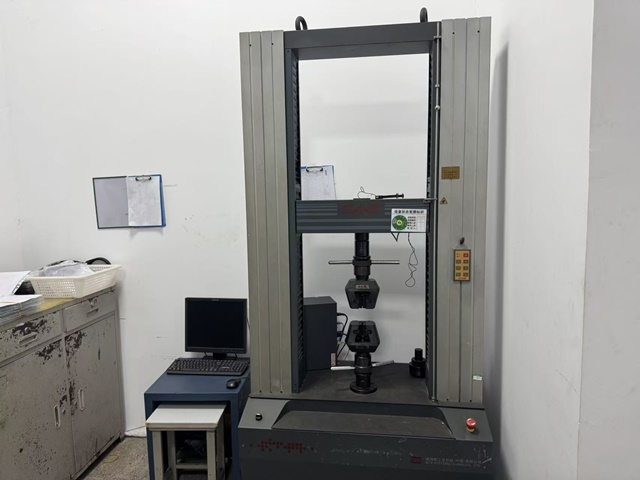
Implant components undergo high-cycle fatigue testing to simulate long-term in vivo loading.
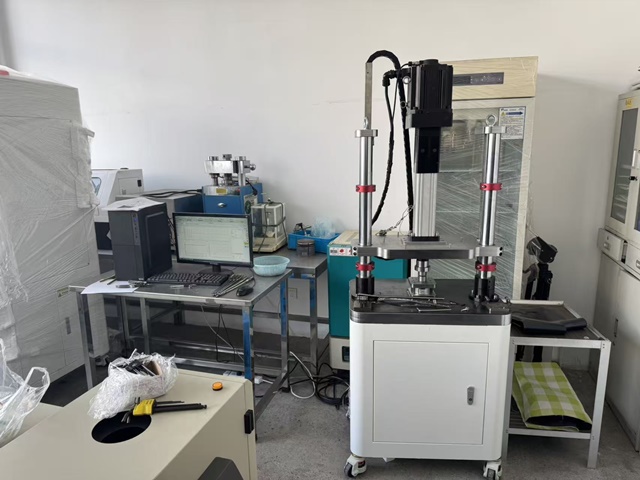
Determines yield point and elongation to verify structural integrity under load.
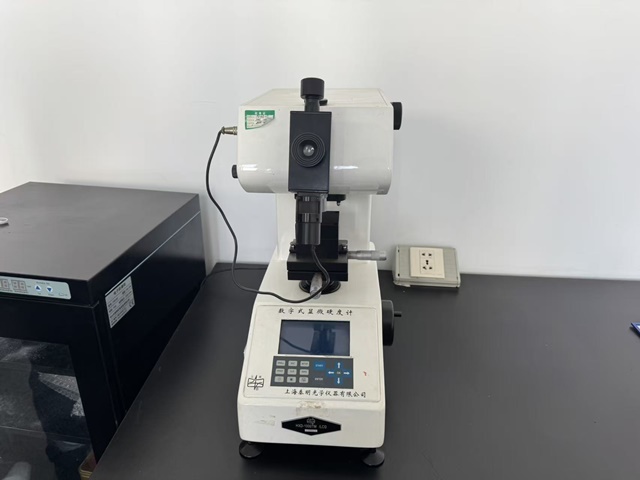
Verifies material hardness specifications to prevent wear and deformation.
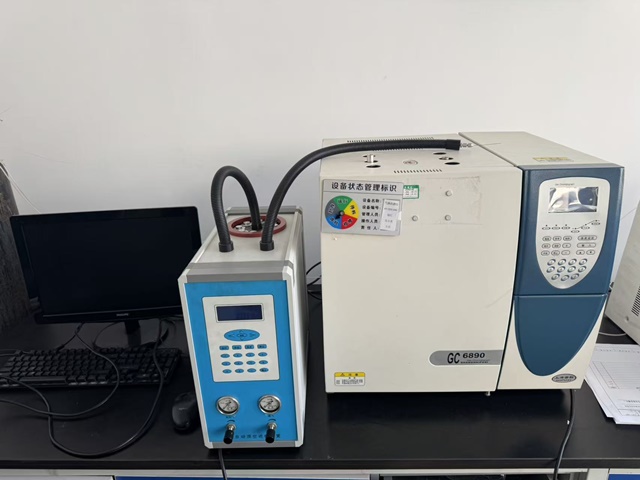
Monitors trace chemical elements in metals to ensure purity standards.
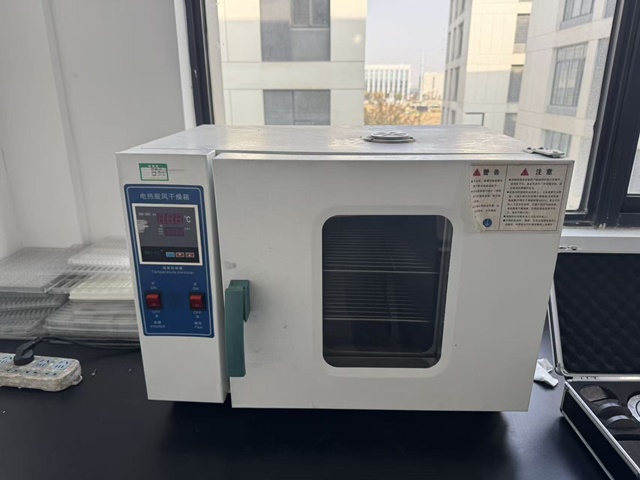
Removes residual moisture to prepare implants for cleanroom packaging.
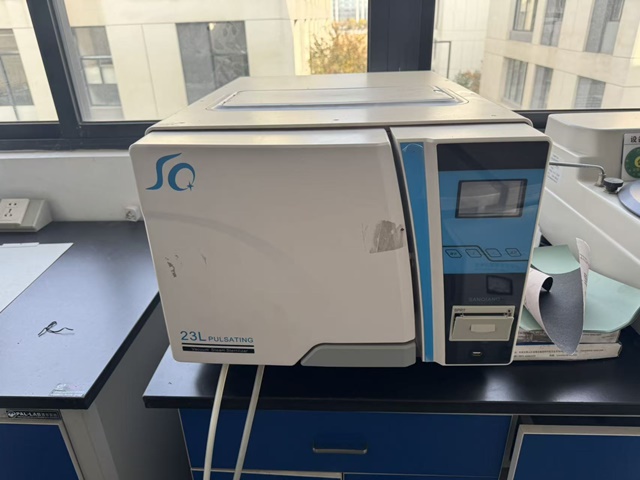
Applies cyclical pressures to evaluate joint component longevity.
Osteora supports medical supply chains with localized product customization and regulatory documentation for diverse markets.
We provide full technical documentation and clinical evaluation reports (CER) to assist distributors in meeting European Medical Device Regulation (MDR) standards.
We supply implant designs and sizes tailored to the anatomical dimensions typical of APAC patient demographics, backed by localized regulatory filings.
Our team offers complete quality registration files, free sale certificates, and logistical support to streamline customs clearance and market entry.
Osteora works with medical brands to deliver customized implants through a structured process:
Osteora invests in ongoing R&D to incorporate advanced materials and manufacturing methods into our orthopedic line.
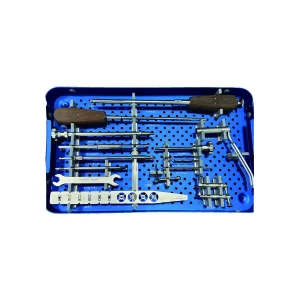
Our engineering team, consisting of 85 R&D specialists, develops new implants and instrumentation kits to support evolving surgical procedures. Over the past year, we introduced 120 new products, focusing on less invasive surgical access and improved biological fixation.
Our research roadmap focuses on three main developments: 3D printed trabecular titanium surfaces to improve biological fixation, modified vitamin E cross-linked polyethylene to reduce long-term wear rates, and single-use instrument kits designed to improve sterile management in operating rooms.
Detailed answers regarding Osteora's engineering services, certification documents, quality control systems, and ordering parameters.