Osteora
Osteora
Osteora
Explore our state-of-the-art orthopedic devices and surgical solutions manufactured under strict CE and ISO compliance.
Over a decade of manufacturing excellence, specialized R&D, and certified global distribution systems.
Spinal arthrodesis, particularly Posterior Lumbar Interbody Fusion (PLIF), has remained a surgical standard for treating severe degenerative disc disease, spondylolisthesis, and spinal instability. Historically, surgical choices were split between autologous bone grafts—which posed donor-site morbidity issues—and metallic titanium cages, which often resulted in high stress shielding and subsidence rates due to their high Young's modulus.
The introduction of Polyetheretherketone (PEEK), a high-performance thermoplastic, revolutionized this clinical landscape. PEEK provides an elastic modulus (approx. 3.6 GPa) closely matching that of human cortical bone (approx. 18 GPa compared to Titanium's 110 GPa). This mechanical harmony significantly reduces stress-shielding risks, thereby encouraging natural bone remodeling under physiological load sharing. Additionally, its radiolucency allows clear radiographic tracking of the fusion mass without metallic artifacts.
About Osteora Medical Devices Co., Ltd.: Founded in 2016, Osteora is a specialized orthopedic implant and surgical solution manufacturer. Operating an integrated 18,500㎡ facility, we combine 12 years of industry expertise and 8 years of export experience to deliver certified OEM/ODM services globally. With annual export revenues ranging between USD 6 million and 14 million, we support surgical centers and distributors across Europe, Southeast Asia, the Middle East, and South America.
The global market for spinal fusion implants is undergoing major transformations driven by an aging demographic, the rising incidence of obesity-associated spinal degeneration, and an increasing preference for minimally invasive surgery (MIS). As interbody fusion remains a primary intervention, the demand for customizable OEM PLIF PEEK Cages is surging, especially in regions with stringent quality standards.
In mature markets like North America and Europe, clinicians look for advanced surface treatments—such as plasma-sprayed titanium on PEEK or porous PEEK structures—to enhance osseointegration while maintaining radiolucency. In emerging markets like Southeast Asia and South America, the focus is on cost-effective, high-quality implants that meet CE and local regulatory approvals. Osteora bridges these regional needs by offering flexible custom sizes, various lordotic angles, and complete private labeling.
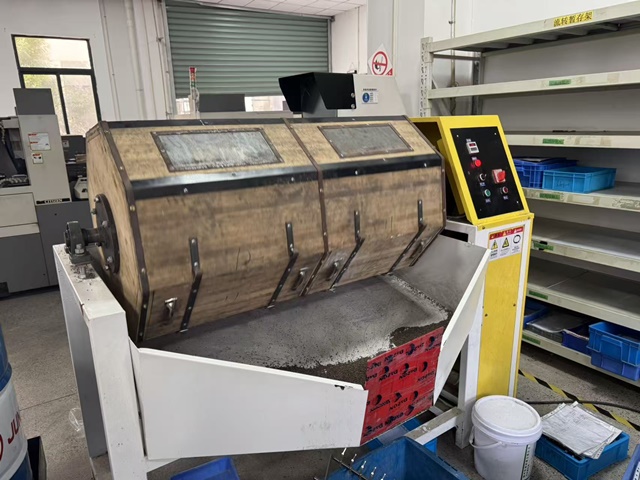
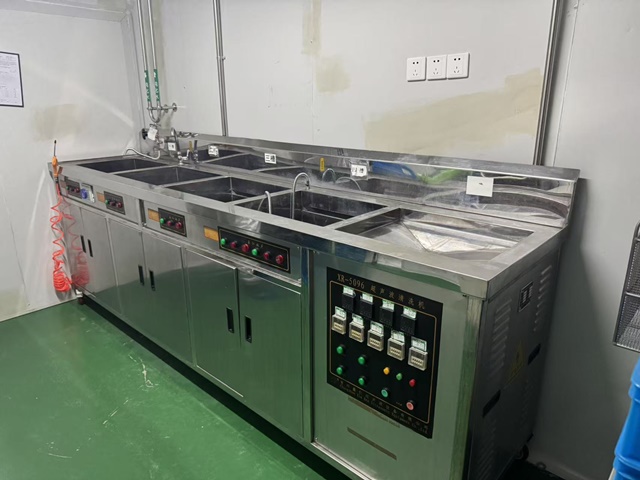
Producing implantable PEEK components requires high precision and strict environmental controls. At Osteora, we run an end-to-end manufacturing workflow. This ranges from importing medical-grade raw materials (such as Evonik VESTAKEEP® or Solvay Zeniva® PEEK) to machining on Swiss-type lathes and HAAS CNC units, followed by multi-stage cleaning and cleanroom packaging.
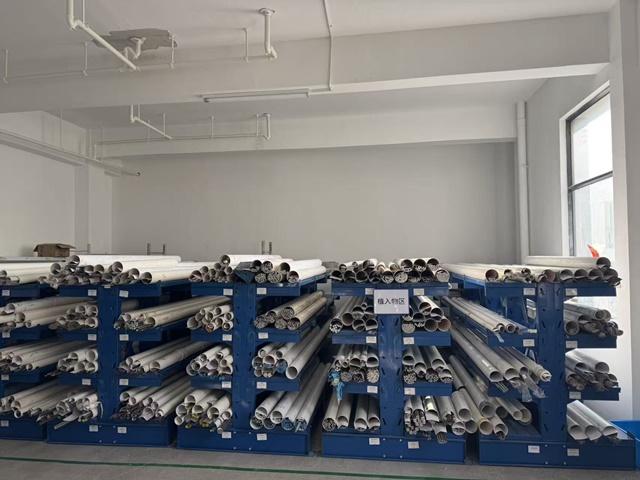
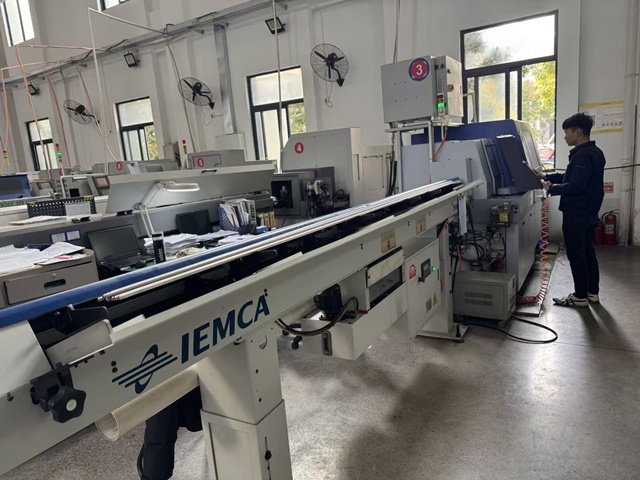
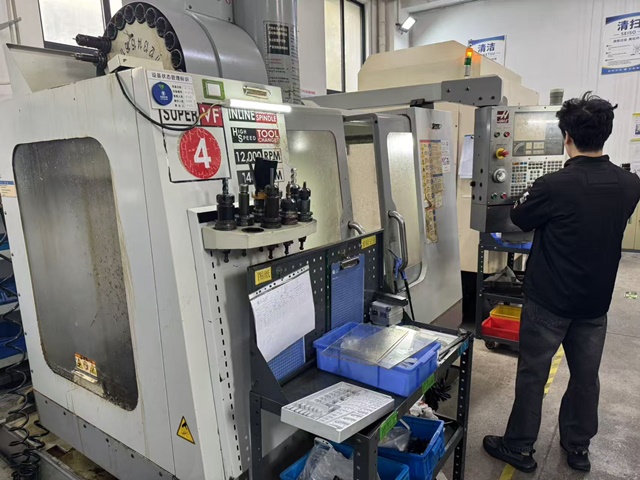
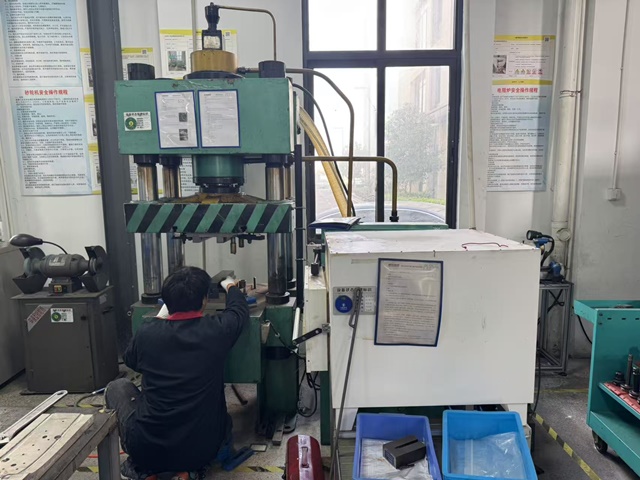
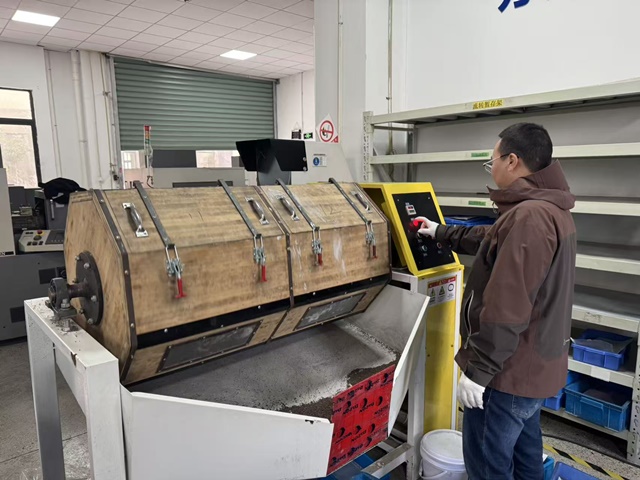
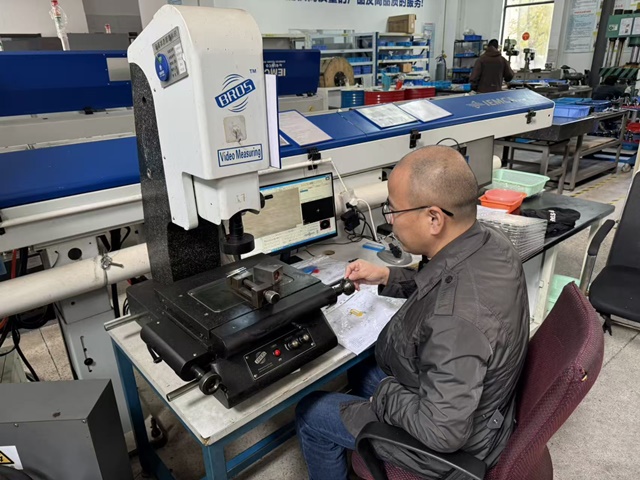
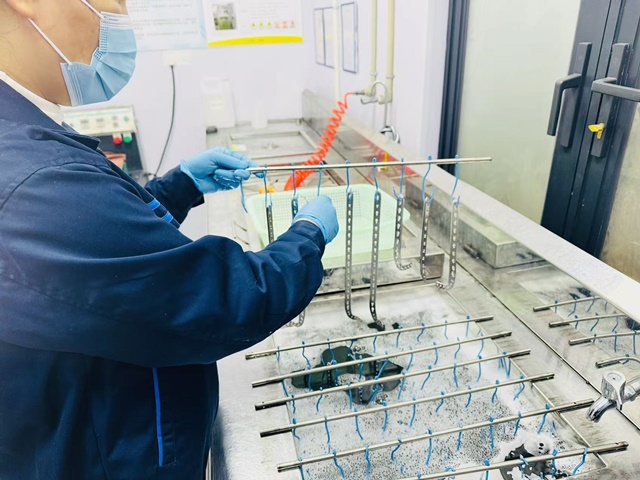
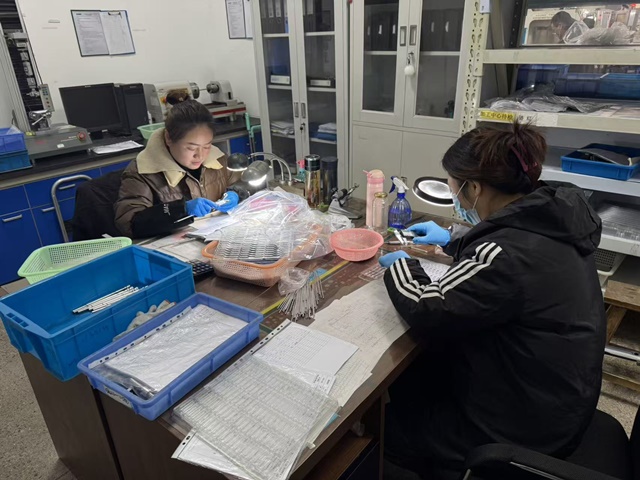
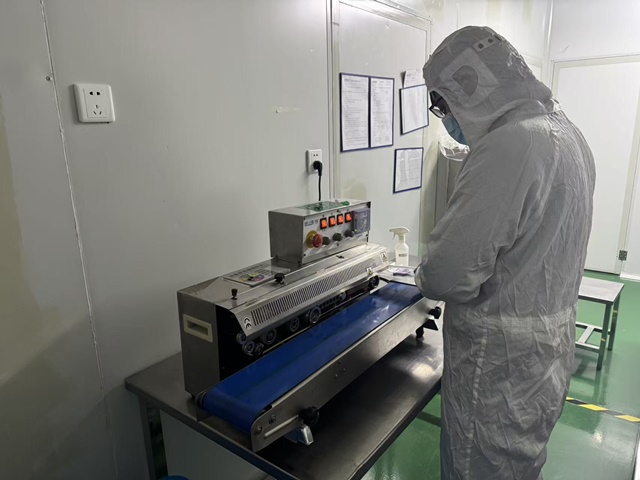
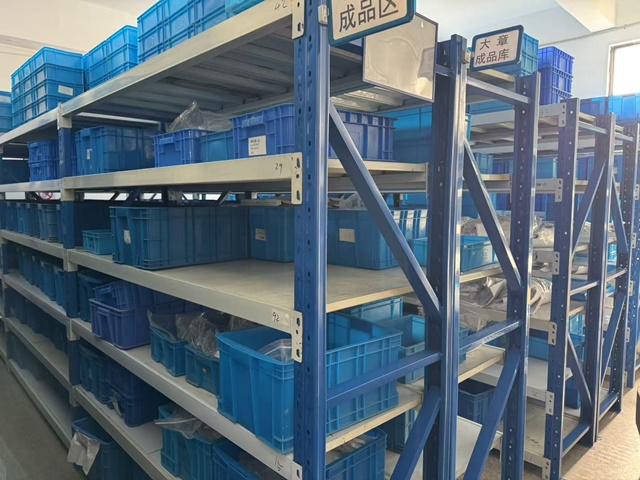
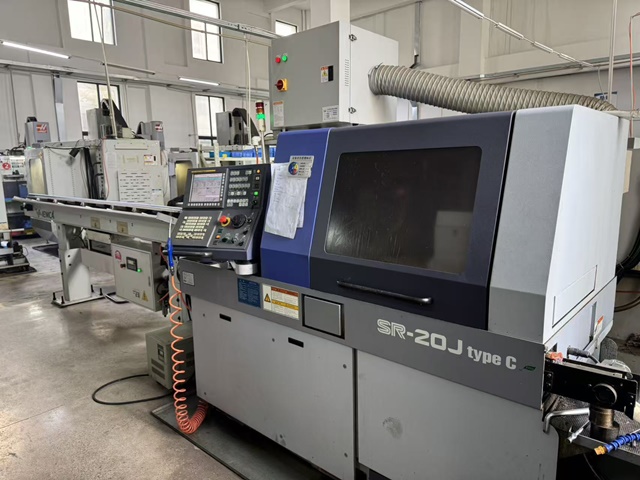
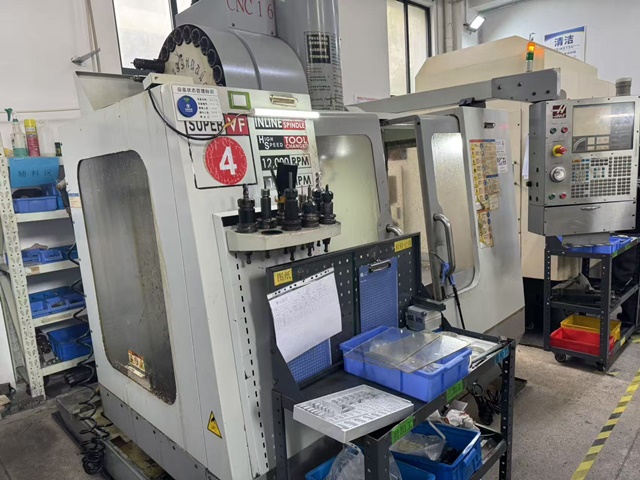
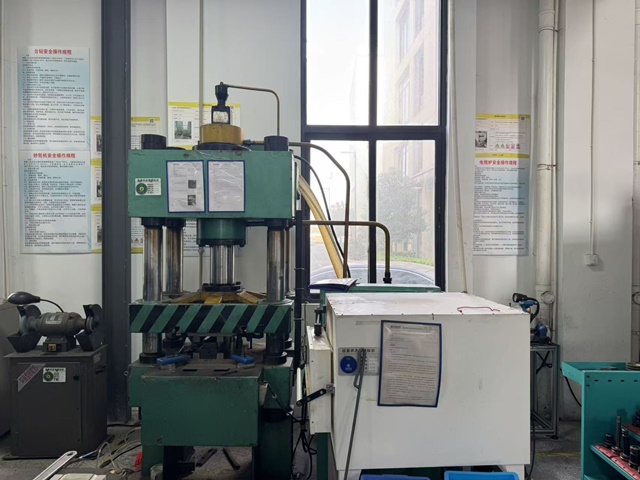
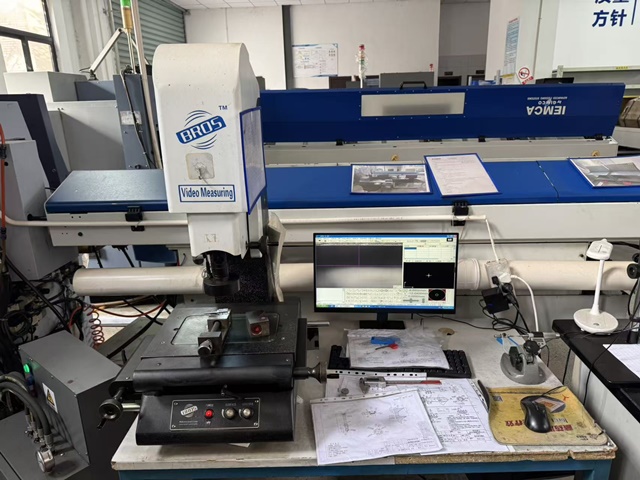
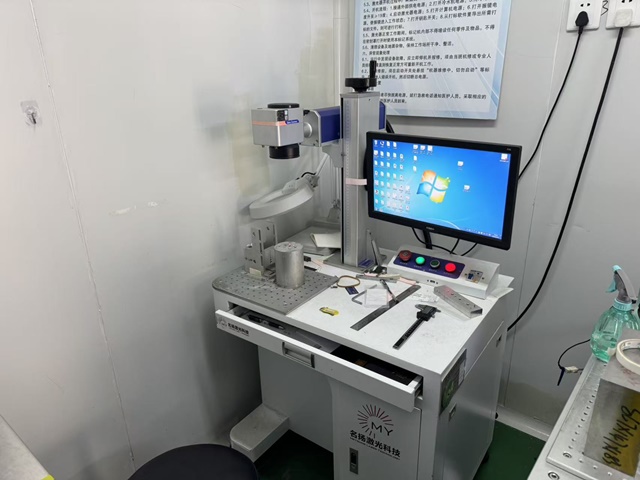
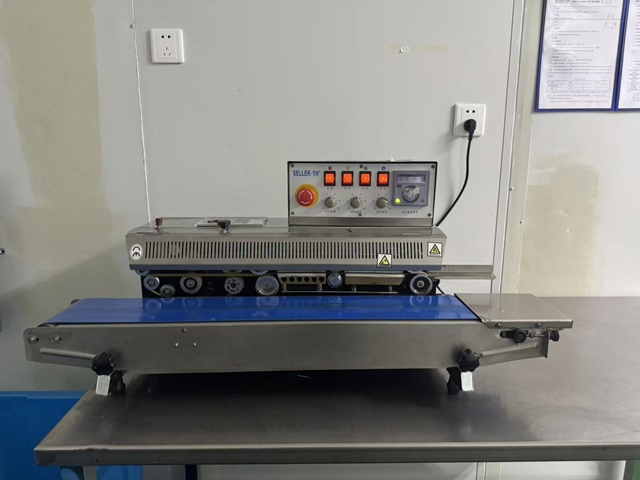
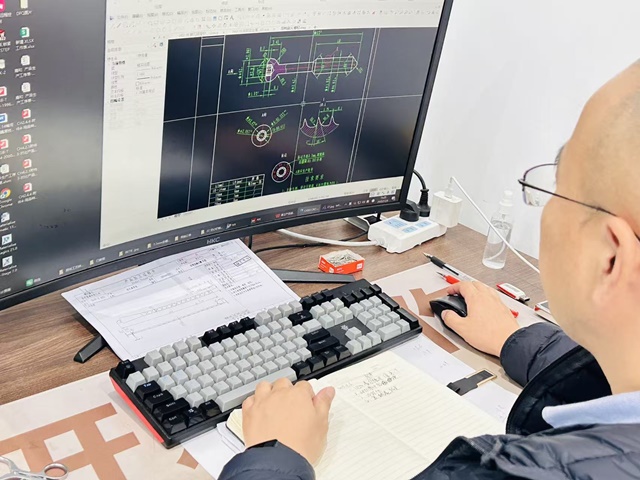
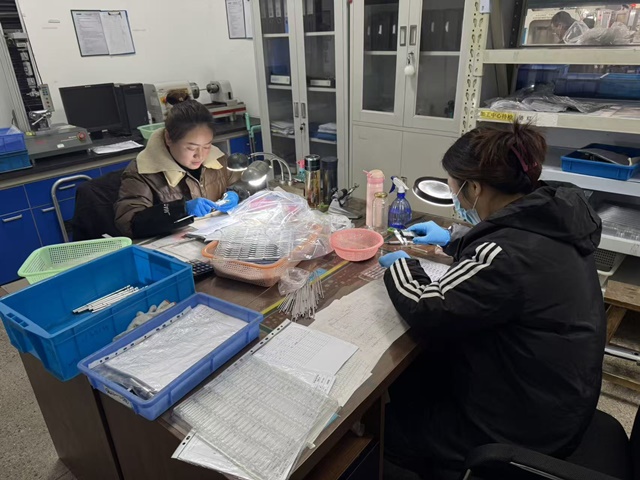
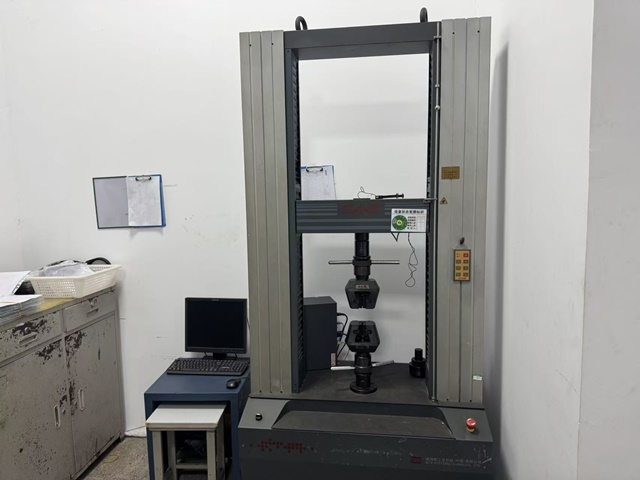
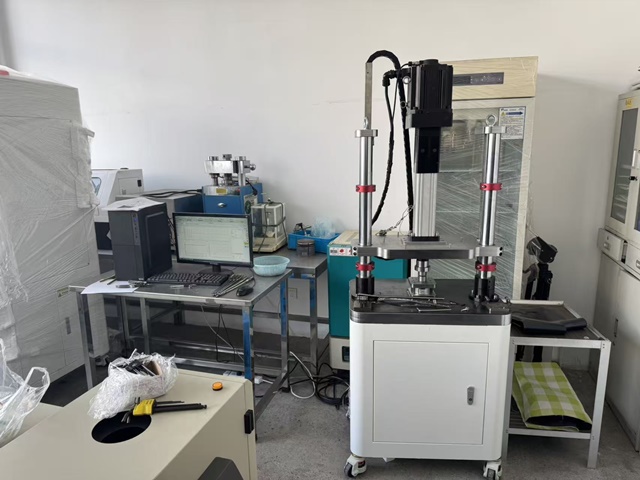
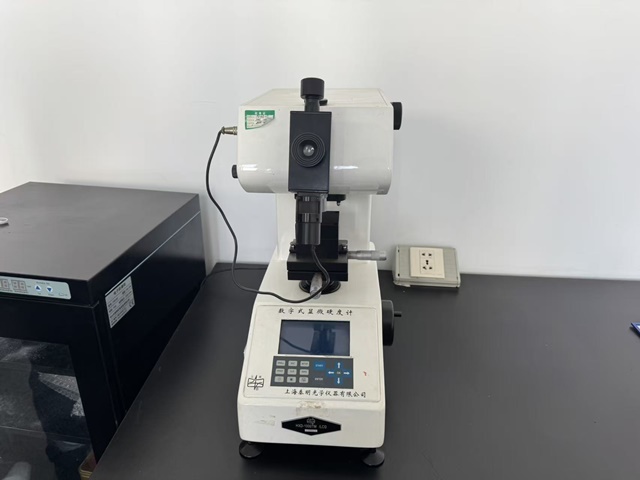
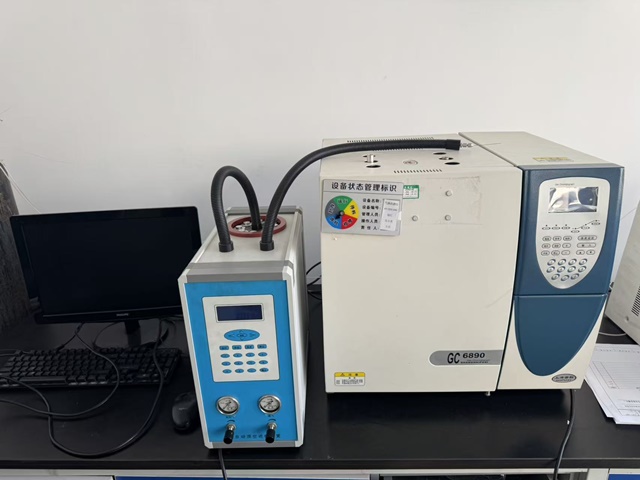
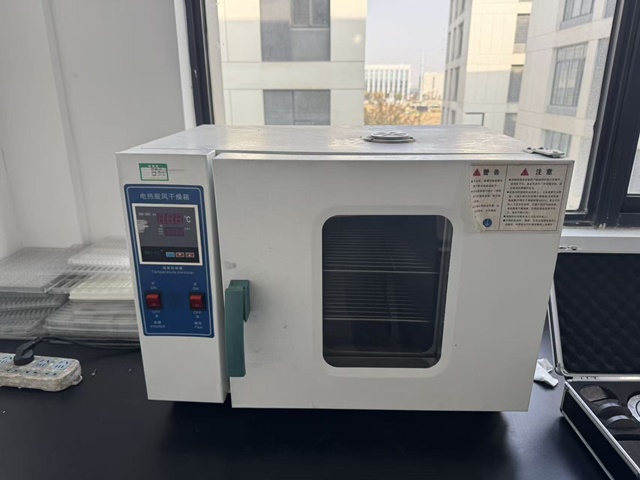
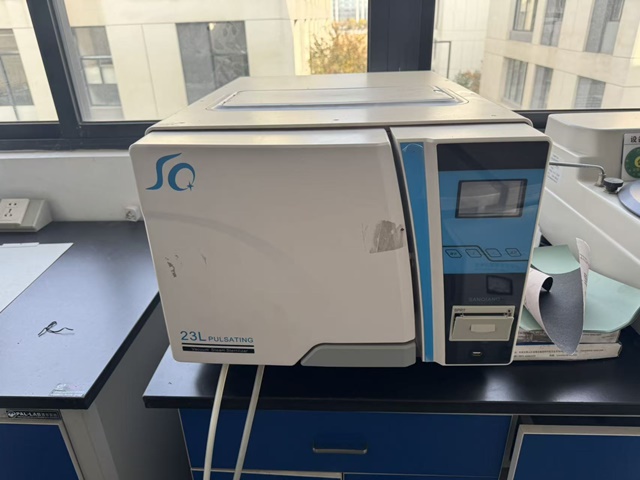
Our Quality Control team consists of 42 specialized inspectors who manage verification protocols. Mechanical testing follows ASTM F2077 and ASTM F2267 standards, covering static and dynamic compression, shear tests, and subsidence evaluation. These tests help ensure the structural integrity of our cages under heavy axial loads.
No single anatomical design fits all patient demographics. Osteora works closely with orthopedic distributors and spinal surgeons to build custom PLIF PEEK systems designed for specific clinical applications.
| Customizable Parameters | Standard Range Options | Clinical / Engineering Significance |
|---|---|---|
| Lordotic Angles | 0°, 4°, 8°, 12°, 15° | Restores natural sagittal balance and lumbar lordosis. |
| Footprint Sizes | Lengths: 20–32mm | Widths: 8–11mm | Accommodates variations in patient vertebral body sizes. |
| Height Configurations | 7mm to 16mm (in 1mm increments) | Helps restore disc height and decompress neural structures. |
| Surface Textures | Grooved, Pyramidal Teeth, Porous PEEK, Titanium Coated | Enhances primary mechanical stability and long-term osseointegration. |
| Marker Configurations | Tantalum Pin Markers (2 to 4 pins) | Ensures clear visibility and placement tracking under intraoperative fluoroscopy. |
The future of spinal implants lies in smart materials that actively promote bone healing. While standard PEEK is chemically inert, next-generation implants incorporate advanced surface modifications to improve healing:
At Osteora, we do more than manufacture products—we help our global partners succeed. We understand that medical distributors and hospitals need reliable delivery times, clear product documentation, and custom solutions to run smoothly.
Discover our comprehensive range of surgical instruments, hardware, and joint replacements built to global clinical standards.