Osteora
Osteora
Osteora
Advanced trauma, spine, arthroscopy and joint reconstruction systems engineered to exact OEM tolerances.
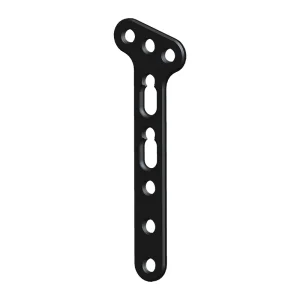
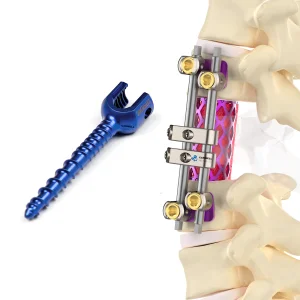
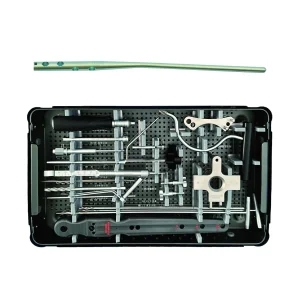
A professional orthopedic implant and surgical solution manufacturer specializing in trauma, spine, and joint reconstruction systems under the brand Osteora.
Founded in 2016, Osteora has built a strong global profile through continuous clinical validation, state-of-the-art metallurgy, and strict compliance architectures. With 8 years of dedicated export experience, we have nurtured strategic alliances with medical distributors, trauma hubs, and municipal health networks throughout Europe, Southeast Asia, the Middle East, and South America.
Our supply chain ecosystem encompasses approximately 1,200 certified upstream and downstream partners, guaranteeing unparalleled material access, rapid production ramp-ups, and structural redundancy that shields our distributors from logistics disruptions. Designed for direct implementation in high-pressure trauma centers, municipal clinics, and military surgical setups, our assemblies prioritize biomechanical dependability under the most strenuous physiological circumstances.
Pelvic fractures constitute one of the most high-stakes challenges in orthopedic trauma surgery. Due to the proximity of the pelvic ring to major cardiovascular branches and visceral organs, pelvic disruptions resulting from high-energy impacts—such as motor vehicle accidents or industrial falls—often present life-threatening retroperitoneal bleeding. Stabilizing the pelvic ring within the golden hour of trauma is paramount to achieving hemodynamic stability and reducing internal pelvic volume, thereby facilitating natural compression and thrombus formation.
Our Custom OEM Pelvic External Fixators are designed to bridge the gap between immediate emergency resuscitation and definitive internal fixation. Utilizing anatomical pins inserted into the supra-acetabular region or the iliac crest, the external frame provides rigid biomechanical counter-pressure. Engineering custom configurations for different clinical scenarios requires a sophisticated understanding of load distribution, structural kinematics, and materials science. Osteora’s pelvic fixators deliver optimal rigidity with minimal structural profile, ensuring radiolucency where necessary to facilitate clear intraoperative fluoroscopic visualization.
Minimally displaced pelvic fractures requiring provisional stability during patient transport and diagnostics. Focused on patient comfort and quick rod alignment adjustments.
Compromised anterior pelvic structure (Open Book). Requires targeted anterior compression provided by adjustably locked distraction-compression crossbars.
Total dissociation of posterior sacroiliac structures. Demands heavy-duty multi-pin modular frames with carbon-fiber rods to maintain stability under physiological loads.
From CAD simulation and Finite Element Analysis (FEA) to rapid CNC prototyping and validation.
In the global medical procurement arena, standard off-the-shelf fixators frequently fail to meet specialized anatomical demographics or complex surgical techniques preferred by regional surgical boards. Osteora resolves this through comprehensive OEM and ODM customization channels. Utilizing patient-specific CT datasets or detailed clinical feedback from orthopedic surgeons, our 85-strong engineering team designs localized components that integrate seamlessly with pre-existing instrument inventories.
Customization options include:
• Schanz Pin Geometry: Thread pitch variations, self-drilling vs. self-tapping tips, and customized core diameters.
• Clamp Microstructures: Single-pin, multi-pin, and universal snap-on articulation clamps featuring serrated contact faces to eliminate slippage.
• Radiolucent Rod Composition: Varied carbon fiber configurations for non-obstructive post-operative radiographic analysis.
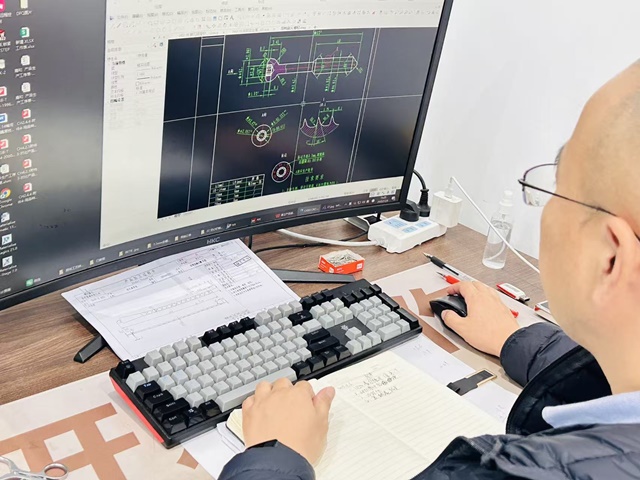
China’s orthopedic manufacturing industry has evolved from low-cost replication to a global hub of medical-grade precision engineering. As a leading manufacturer based in this dynamic industrial environment, Osteora leverages cluster-based supply chain networks. By integrating raw material sourcing, automated machining, heat treatment, surface processing, and final sterile packaging in a single region, we compress typical lead times by 30% to 45% compared to Western competitors.
Our 18,500㎡ facility houses advanced Swiss-type CNC lathes and Haas CNC machining centers. This technology allows us to process complex geometries on critical components—such as double-threaded pelvic pins and multi-directional articulation joints—with zero manual positioning errors. For global distributors, this efficiency translates into lower unit costs without compromising structural safety or clinical compliance.
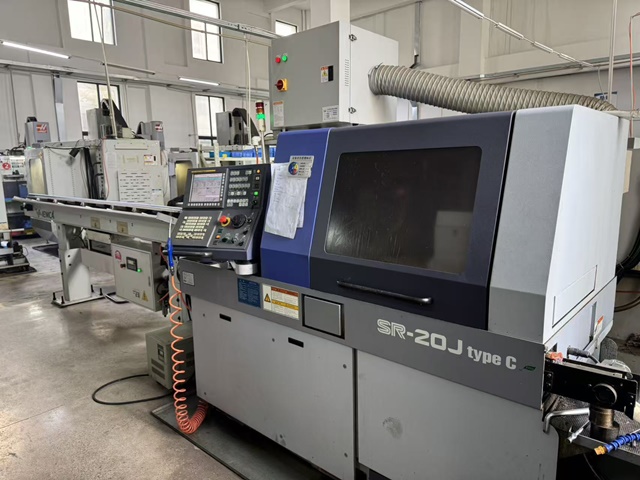
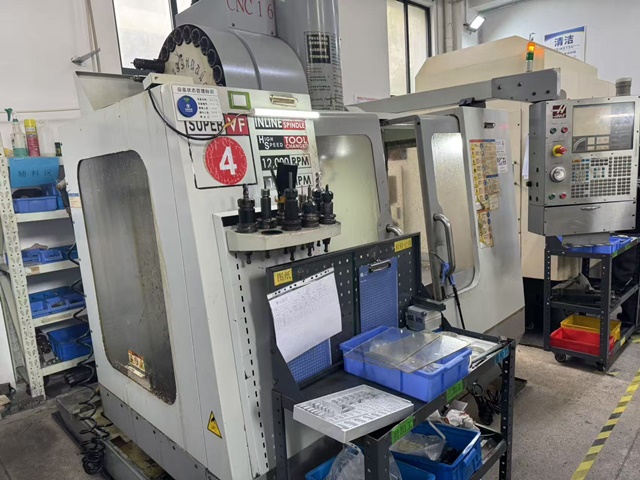
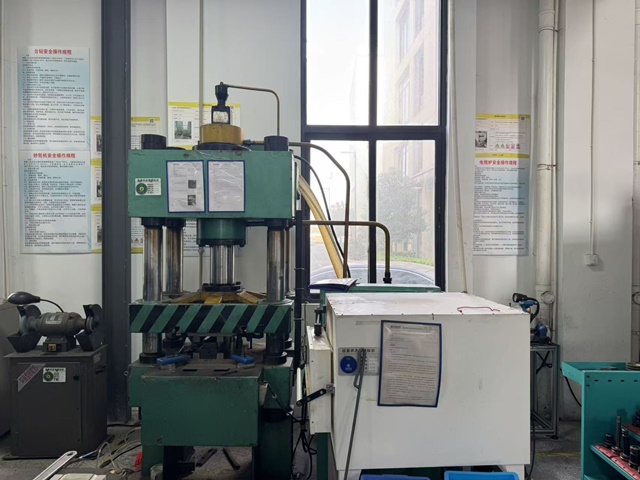
A step-by-step trace of how we transform medical-grade titanium alloy into finished pelvic fixators.
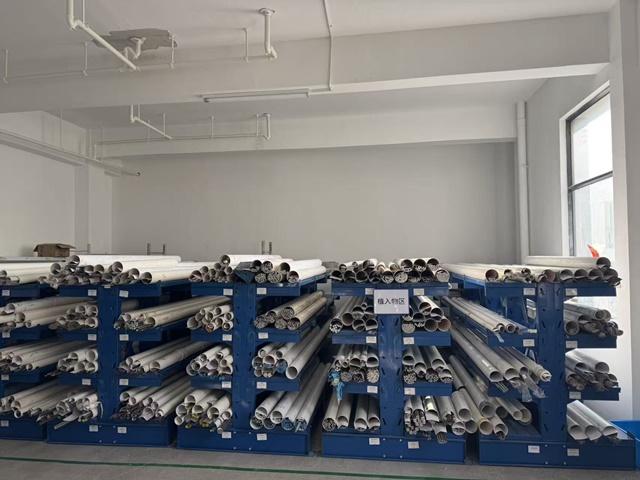
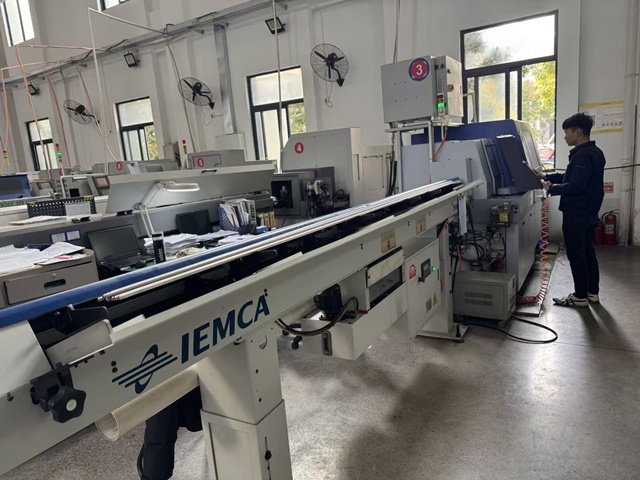
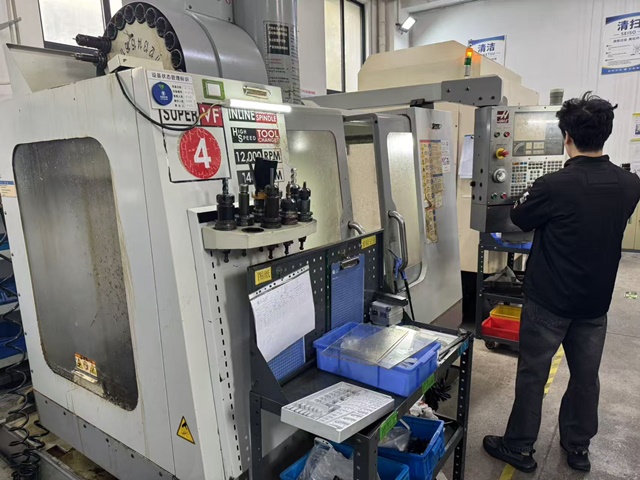
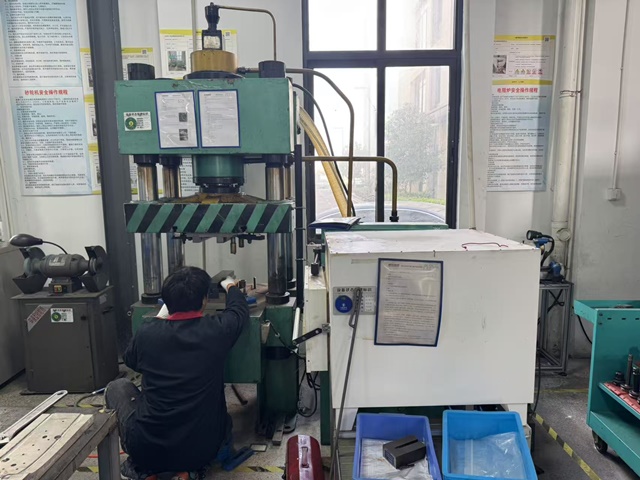
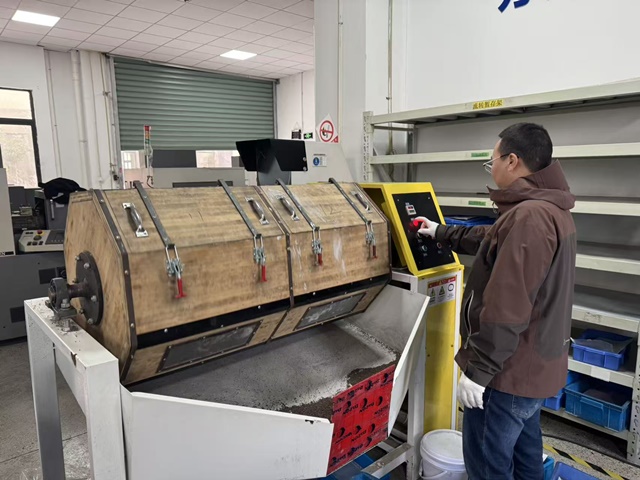
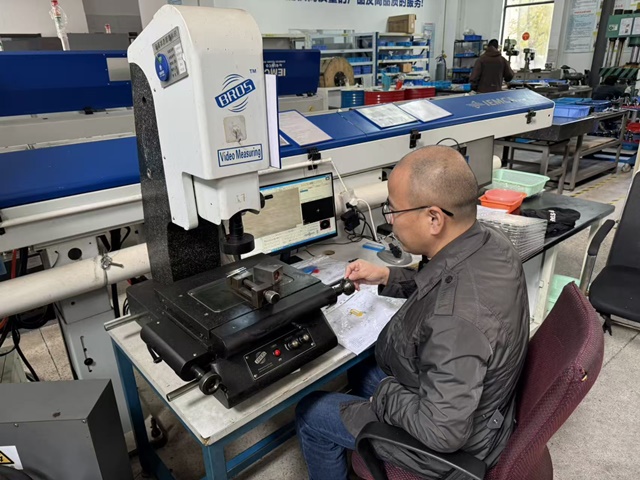
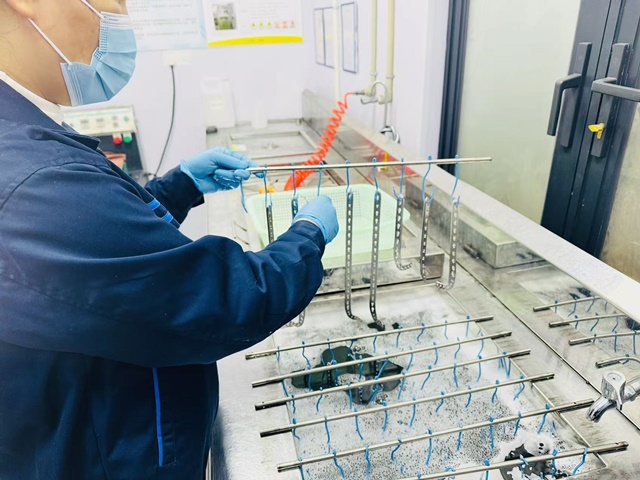
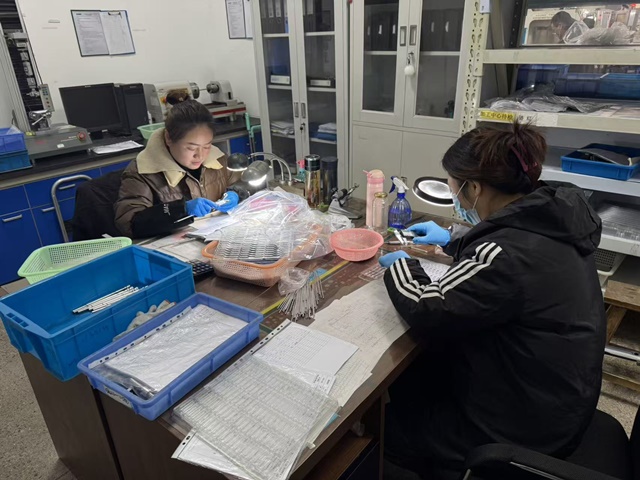
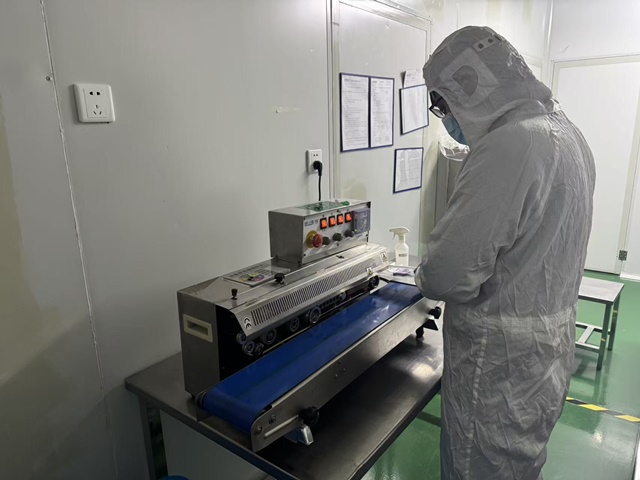
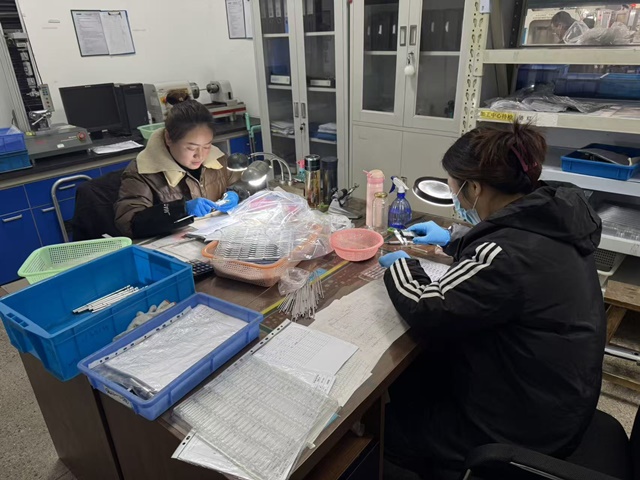
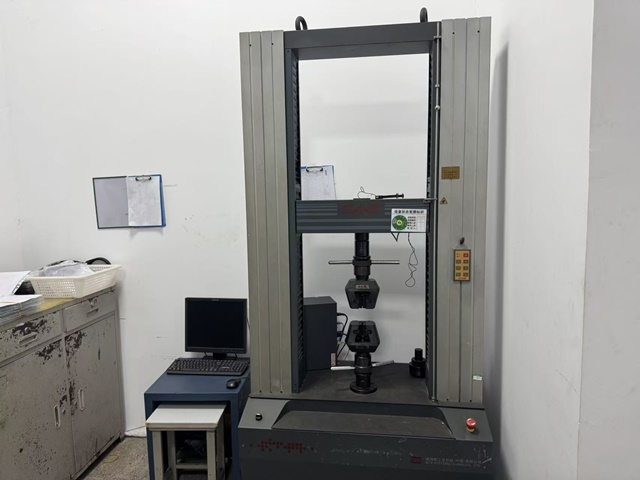
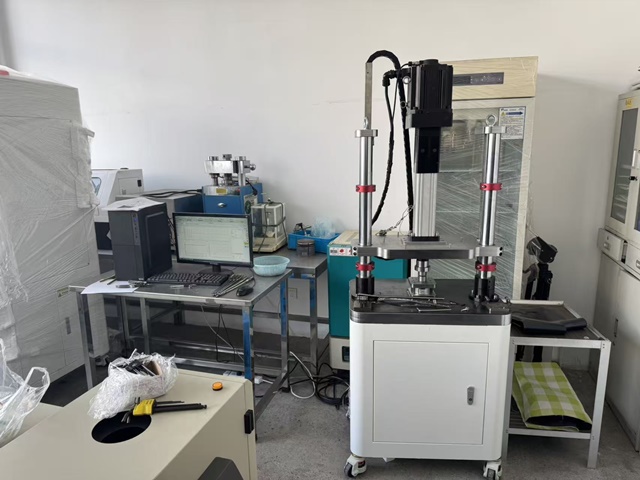
42 specialized inspectors operating in ISO-compliant laboratories validate safety limits under physiological stresses.
Pelvic fixators carry structural loads that directly affect bone alignment and soft tissue healing. Structural failures, such as pin shearing or rod clamp slippage under load, can lead to loss of fracture reduction, pain, and secondary nerve injury. Osteora maintains a quality control infrastructure featuring advanced mechanical and chemical testing equipment to prevent these issues.
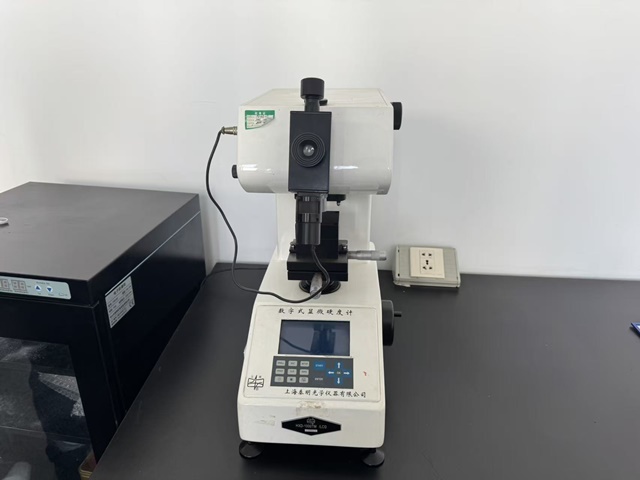
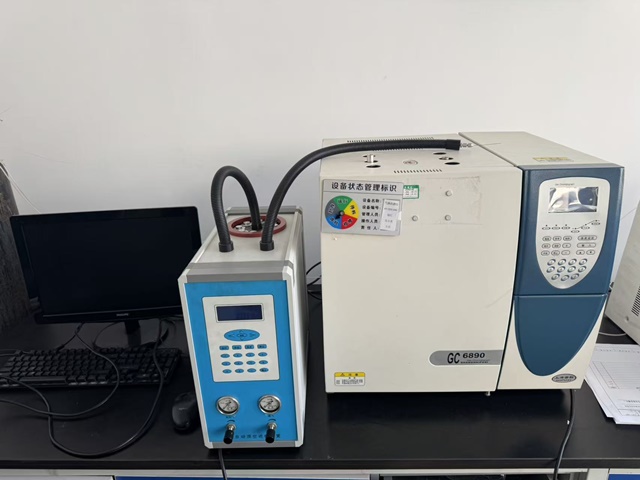
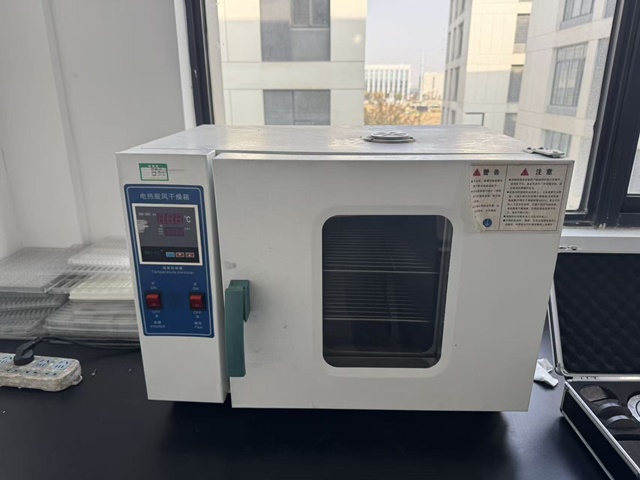
Pelvic external fixation frameworks operate across three primary clinical environments, each requiring distinct design configurations:
Here, the priority is assembly speed. Universal snap-on clamps and quick-connect couplings allow surgeons to stabilize hemodynamically unstable patients in under 10 minutes.
For patients requiring temporary external fixation for 2 to 6 weeks before definitive reconstruction. Focuses on biocompatibility, skin clearance, and pin track infection resistance.
Demands lightweight, robust, and corrosion-resistant systems. Materials must withstand harsh storage conditions, with carbon-fiber rods offering high strength at low weight.
The global pelvic external fixator market is moving toward smart, hybrid, and non-conductive systems. Key developments include:
• Radiolucence & CT Compatibility: The integration of PEEK (Polyether ether ketone) and aircraft-grade carbon fiber composites to eliminate metal scattering during post-fixation CT scans.
• Antibacterial Surface Modification: Coating Schanz pins with silver nanoparticles, titanium nitride, or hydroxyapatite to reduce pin-track infection rates.
• Modular Compression Clamps: Micro-adjustable tension indicators that allow precise calibration of distraction or compression forces.
When sourcing pelvic external fixators, hospital buyers and medical distributors face strict regulatory requirements. A reliable supplier must provide comprehensive metallurgical documentation, including raw material certificates (verifying Ti-6Al-4V titanium alloy or surgical steel chemistry) and dynamic fatigue performance test reports conforming to ASTM F1541 standards.
Distributors should also evaluate supply chain reliability. Osteora’s network of 1,200 partners and 42-inspector quality control team ensure consistent quality. Our factory’s yearly output of 120 new products demonstrates our capacity for continuous design innovation.
Addressing key queries from orthopedic procurement managers and medical distributors.
Premium orthopedic solutions designed for trauma, spine, arthroscopy, and joint replacement.