Osteora Osteora
ISO 13485 & CE Certified OEM Manufacturer

Custom OEM Patellar Components Manufacturers & Suppliers

Precision-engineered patellar resurfacing implants and joint reconstruction systems. Accelerating total knee arthroplasty (TKA) clinical outcomes through customized design, biocompatible UHMWPE materials, and robust global orthopedic supply chains.

Whitepaper Core

Biomechanical Precision in Patellar Resurfacing

Total Knee Arthroplasty (TKA) demands exact kinematics. Patellofemoral complication remains one of the primary drivers for revision surgery. Achieving optimal patellar tracking and minimizing contact stresses requires highly precise patellar components.

As a leading orthopedic manufacturer, Osteora Medical Devices Co., Ltd. produces customized OEM patellar components engineered to restore natural patellofemoral dynamics. Whether choosing an inlay or onlay configuration, our components are designed to limit shear force transmission to the bone-cement interface while preserving anatomical subchondral bone.

With 12 years of industry expertise and 8 years of export operations, we work hand-in-hand with orthopedic device companies, surgical designers, and research labs worldwide. We translate complex patient geometries and surgical techniques into highly repeatable, high-performance implants that improve patient quality of life.

Key Technical Specifications of Osteora Patellar Components

  • Material: Medical-grade Ultra-High-Molecular-Weight Polyethylene (UHMWPE) conforming to ASTM F648 and ISO 5834-2.
  • Design Formats: Domed (symmetric/asymmetric), anatomical, and multi-peg options for customizable contact surface area.
  • Fixation System: Cemented three-peg or single-peg designs with deep cement pockets for long-term mechanical stability.
  • Sterilization Options: Gamma irradiation in vacuum or Ethylene Oxide (EtO) sterilization to ensure product sterility without degrading polymer bonds.
  • Sterile Packaging: Class 10,000 cleanroom packaging with ISO 11607 validation.
Global Infrastructure

Osteora Medical Devices: Scale, Precision, and Capacity

Established in 2016, Osteora has built a robust reputation in global joint reconstruction, trauma fixation, and spinal implants. Our integrated facility covers approximately 18,500㎡, optimized specifically for medical implant extrusion, compression molding, precision machining, and validation testing.

Supported by an advanced team of 85 dedicated R&D engineers and 42 specialized quality inspectors, we maintain a complete manufacturing ecosystem. This vertical integration allows us to design, prototype, and scale custom patellar designs with unmatched agility, launching over 120 new products last year to support dynamic clinical partners.

18.5K
Sqm Facility
85
R&D Engineers
42
QA Inspectors
8+
Export Years

Annual Export Value: USD 6 Million – 14 Million | Certified Partners: 1,200+

Vertical Quality Control and Production Workflow

From raw materials to finished implants, our cleanroom operations and heavy manufacturing are monitored at every phase to guarantee zero defects.
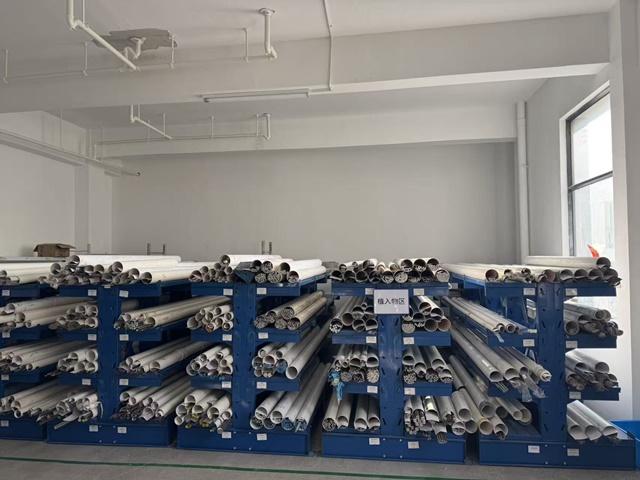
Raw Material Inspection
Finishing Process
Finishing Process
Advanced Finishing
Advanced Polishing
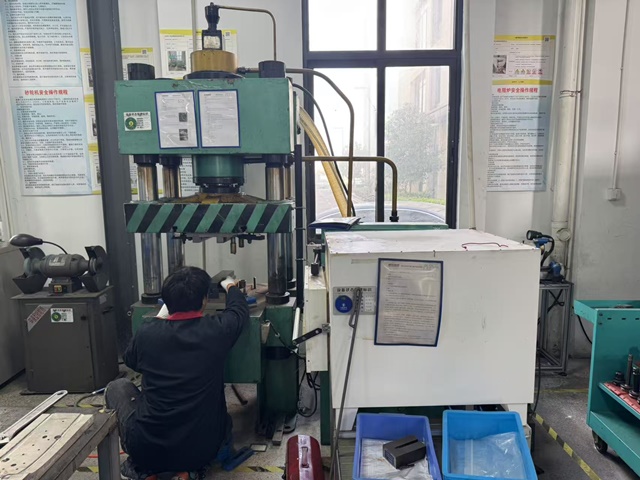
Stamping Process
Stamping Process
Grinding Process
Grinding Process
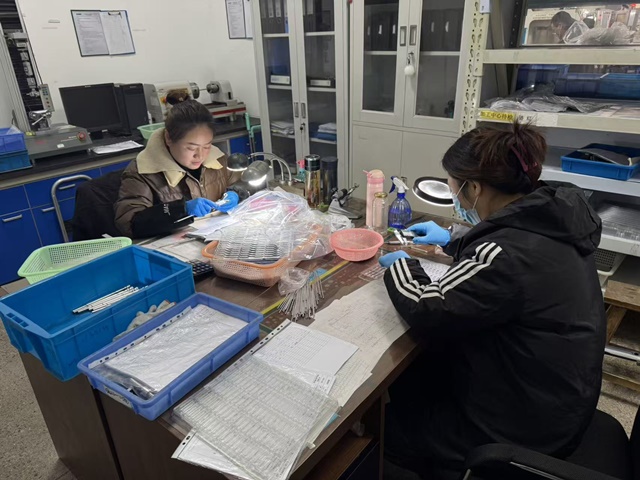
Dimension Checking Process
In-Process Dimension Check
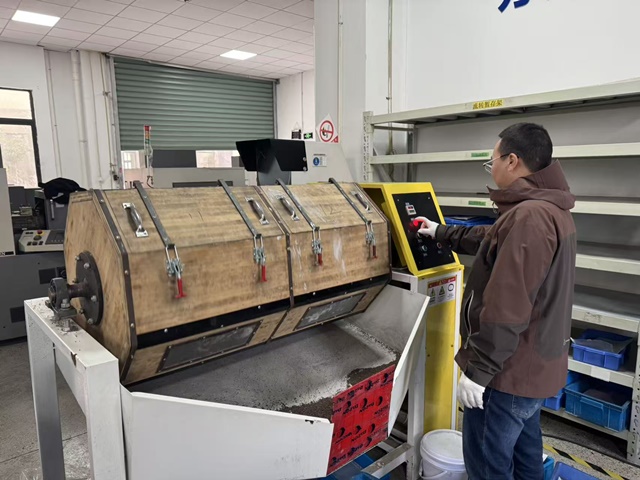
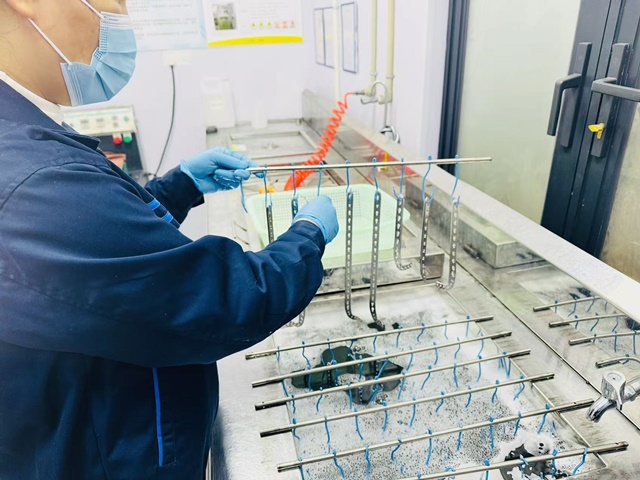
Cleaning Process
Ultrasonic Cleaning
Final Inspecting Process
Final Cleanroom Inspection
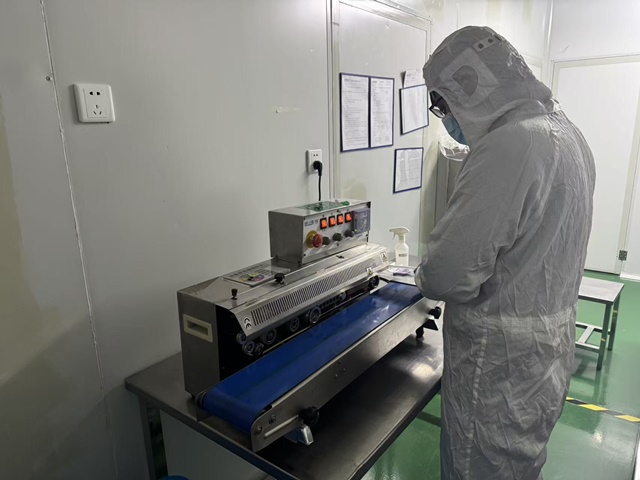
Sterile Packing Process
Sterile Packaging
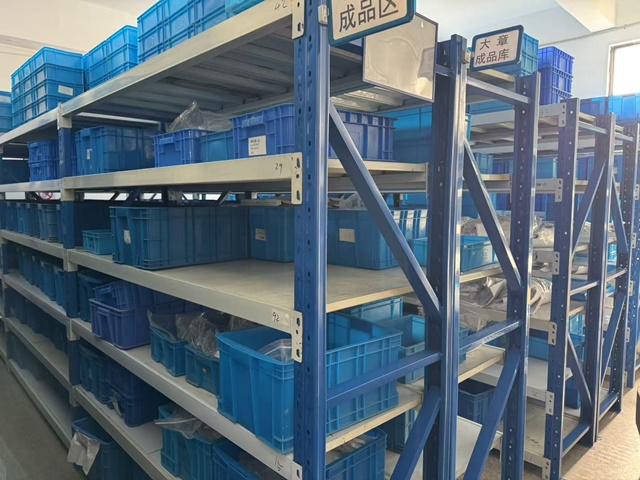
Storehouse and Logistics
Storehouse & Distribution
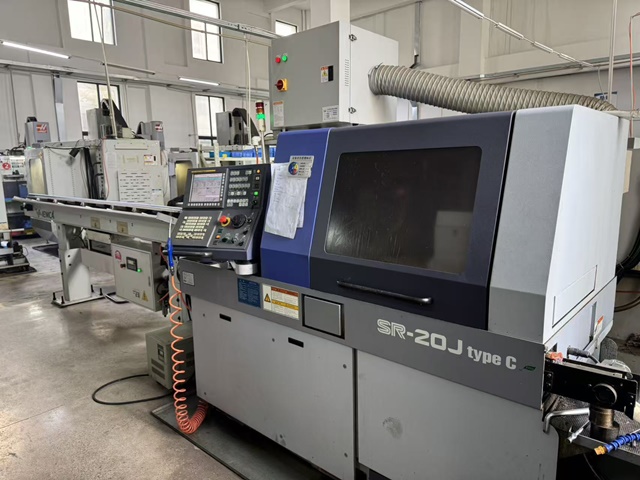
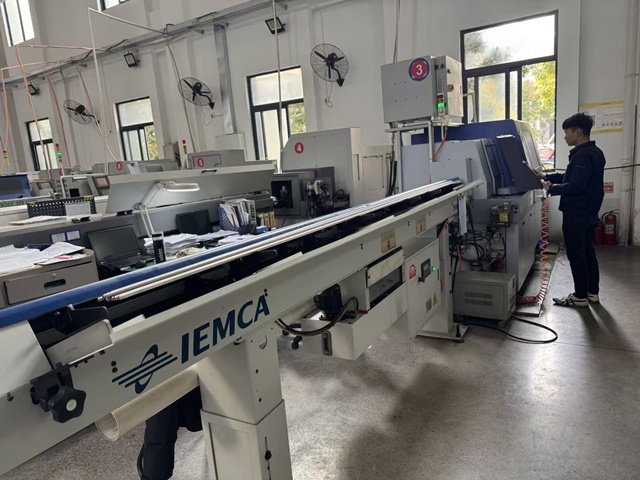
Swiss-type Lathe Equipment
Swiss-type Lathe Operations
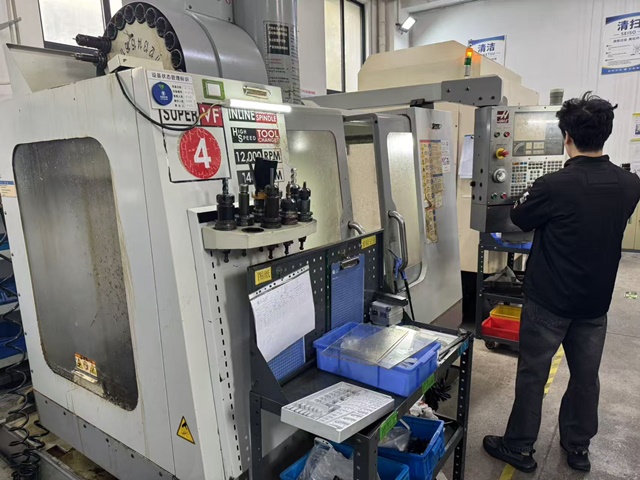
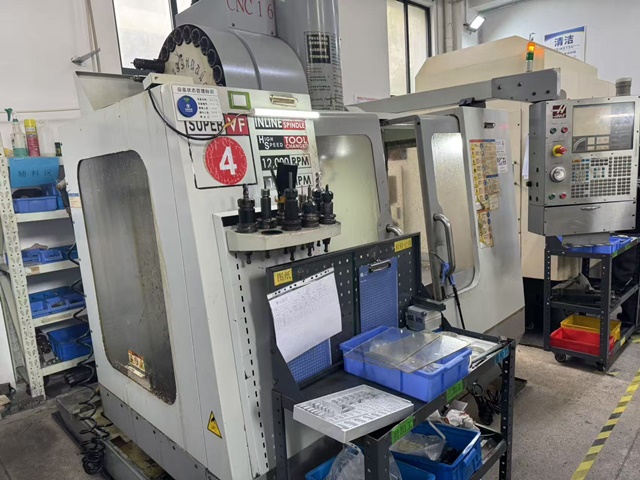
HAAS CNC Machinery
HAAS CNC Milling Center

Technological Roadmap & Materials Engineering

Continuous clinical improvements demand high-performance materials and advanced structural design.

Standard patellar components are subject to wear, delamination, and mechanical failure over millions of gait cycles. Our R&D team addresses these risks through materials development and precise machining.

Ultra-High Cross-Linked UHMWPE (XLPE)

Highly cross-linked polyethylene drastically reduces wear rates in high-demand young patients. By cross-linking standard polymer lines using controlled irradiation followed by thermal melting, our XLPE patellar components offer up to an 80% reduction in long-term wear volume compared to standard UHMWPE.

Vitamin E-Stabilized Polymers

To combat oxidative degradation without sacrificing mechanical properties, we offer custom blending of Vitamin E (alpha-tocopherol) with raw UHMWPE. This acts as a long-term free-radical scavenger, retaining fatigue strength and preventing brittle fracture in active total knee arthroplasty patients.

Highly Porous Titanium Metal Backings

To address patellar component loosening, our OEM capability includes hybrid polymer-metal components. These utilize a 3D-printed porous titanium mesh backing that mimics natural trabecular bone structure, supporting rapid bone ingrowth for cementless biological fixation.

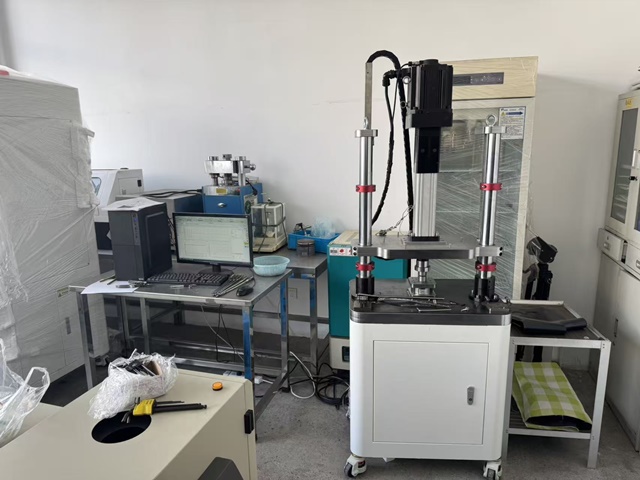
Physical & Mechanical Testing Suite

Our raw material validation and final product releasing protocols rely on a state-of-the-art metrology and physical testing laboratory equipped with:

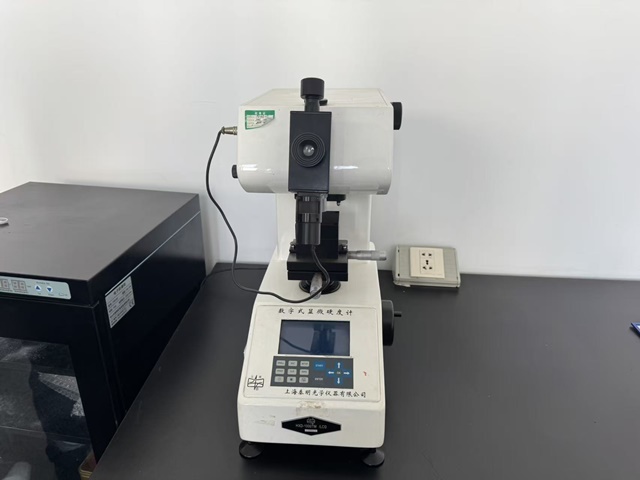
  • Vickers Hardness Testing: Measuring local surface toughness and confirming consistent polymer density.
  • Gas Spectrometry: Verifying high-purity composition of starting medical resins and titanium alloys.
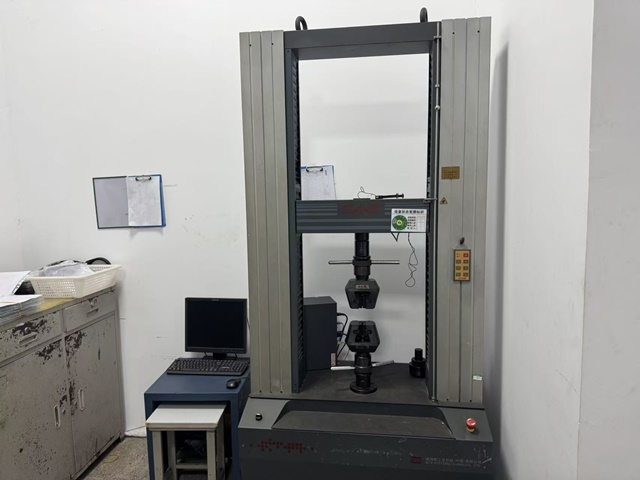
  • Multifunctional Mechanical Testing: Performing tensile, shear, and compression stress curves at critical peg junctions.
  • Pulsating & Wear Fatigue Simulators: Simulating joint pressure profiles over millions of cycles to isolate potential failure modes before production.
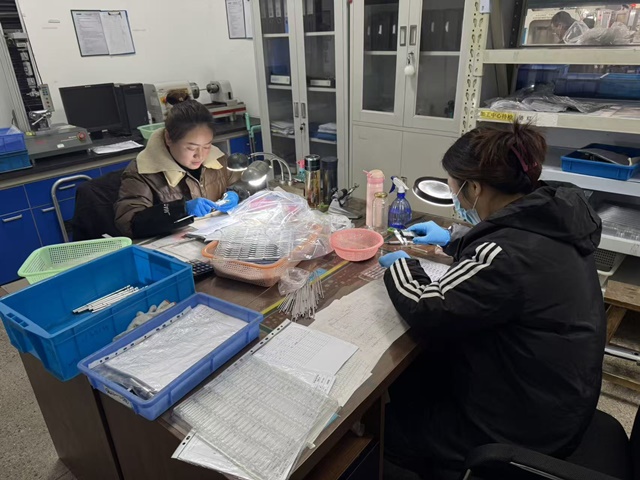
Inspectors final check
Double Inspector Verification
Multifunctional Mechanical Testing Machine
Multifunctional Mechanical Tester
Mechanical Testing Machine
Mechanical Static & Fatigue Tester
Vickers Hardness Tester

OEM/ODM Customization Capabilities

Global orthopedics does not follow a "one-size-fits-all" model. Clinical markets across Europe, Southeast Asia, the Middle East, and the Americas exhibit wide variation in patient bone dimensions, surgical approaches, and implant geometries. We address these needs through localized support:

  • Anatomical Morphometry Customization: Adjusting dome thickness, outer diameter ratios, and peg geometry to fit specific regional patient populations (e.g., matching the distinct anatomy of Asian vs. Western knee morphology).
  • Optimized Peg Systems: Offering single, dual, or triple-peg layouts based on the host surgical instrumentation system.
  • Variable Sizing Increments: Supporting precise gradations from 26mm up to 41mm diameters with custom component thicknesses to avoid overstuffing the patellofemoral joint space.
  • Design Collaboration: Utilizing high-end 3D CAD/CAM packages to design, simulate, and produce implant prototypes directly from surgical specs.
Supply Chain Advantage

Supply Chain Resilience & Efficiency

Osteora maintains a deep ecosystem of over 1,200 verified upstream and downstream suppliers, securing material pipelines and reducing lead times.

We source medical-grade UHMWPE resins and Cobalt-Chromium-Molybdenum (CoCrMo) alloys from certified suppliers. This ensures that every manufacturing run has complete material traceability, backed by raw material heat certificates and spectral validation.

By leveraging advanced automation—including high-speed Swiss-type lathes and HAAS CNC milling centers—our production line balances cost efficiency with precision. This ensures that we can scale production from low-volume custom runs up to high-volume commercial contracts, while keeping lead times predictable and competitive.

100% Material Traceability
< 6 Weeks Standard OEM Lead Time

Compliance, Validation & Quality Control Equipment

Every implant that leaves our warehouse must comply with international regulatory standards, verified by advanced diagnostic equipment.
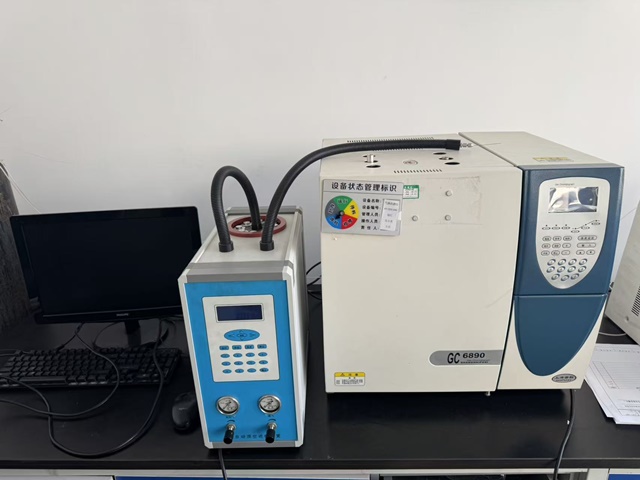
Gas Spectrometer

Gas Spectrometer

Ensures chemical composition of metals and alloys is strictly pure.
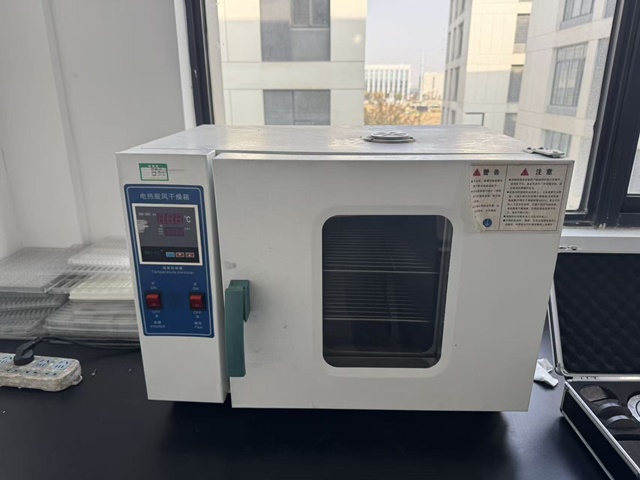
Drying Oven

Drying Oven

Used for thermal conditioning and sterilization validation.
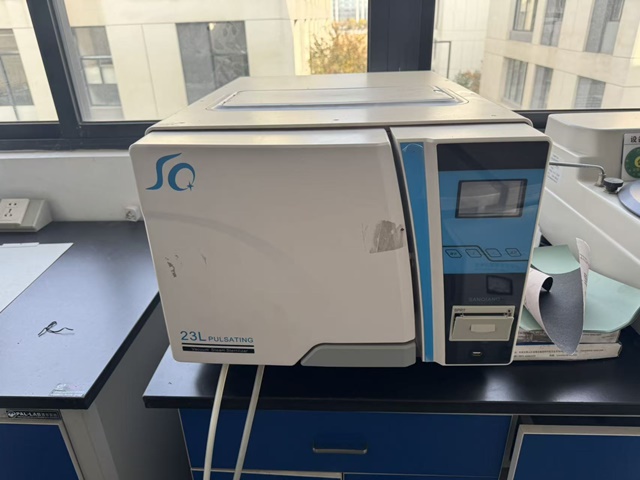
Pulsating Machine

Pulsating Machine

Applies dynamic stress cyclic testing to polymer pegs.
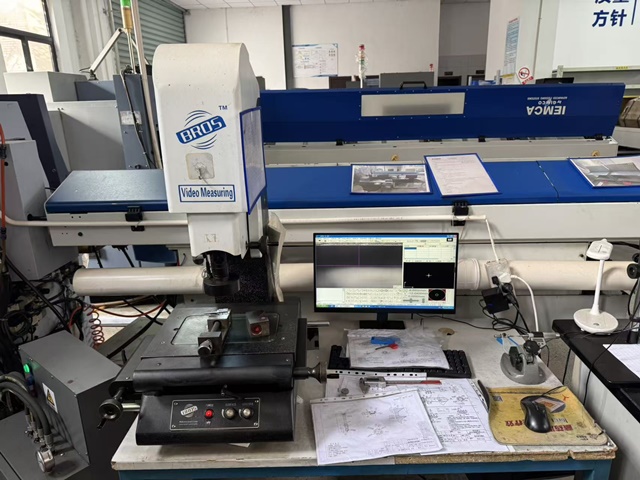
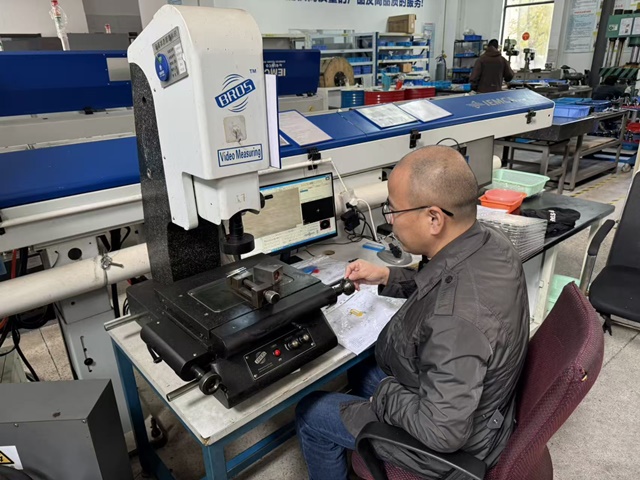
Vision Measuring Instrument

Vision Measurement

Automated non-contact optical checks with micron-level accuracy.

Regulatory Certifications & Global Compliance

Our quality management systems conform to global standards, ensuring straightforward registration in target markets:

ISO 13485 Compliance

Complete medical device quality management standard governing all development, validation, and manufacturing steps.

Class III Medical Device Protocols

Engineered to meet stringent requirements for permanent surgical implants, backed by full traceability records.

Biocompatibility Validation

All raw materials undergo chemical characterization and biological evaluation in compliance with ISO 10993.

Frequently Asked Questions

Technical and operational insights on our custom patellar components and OEM manufacturing services.

Q: What grades of UHMWPE does Osteora use for custom patellar components?
A: We use high-purity medical-grade UHMWPE (specifically GUR 1020 and GUR 1050) conforming to ASTM F648 and ISO 5834-2 standards. These materials provide high impact strength, low friction coefficient, and excellent wear resistance.
Q: What design options are available for OEM patellar components?
A: We manufacture symmetric domes, asymmetric anatomical designs, and inlay or onlay formats. These can be configured with single-peg or three-peg designs, complete with built-in cement pockets to match specific surgical instrumentation systems.
Q: How does Osteora prevent oxidation in high-cross-linked polyethylene?
A: For highly cross-linked patellar components (XLPE), we offer customized formulation options that blend Vitamin E (alpha-tocopherol) directly into the raw resin. The Vitamin E acts as an antioxidant, eliminating free radicals and preventing long-term embrittlement without compromising wear resistance.
Q: What is the typical lead time for custom OEM medical implant projects?
A: Lead times vary based on the complexity of the design. Standard OEM modifications based on existing tooling take 4 to 6 weeks. Completely new custom designs requiring unique molds, CNC setups, and validation protocols generally take 8 to 12 weeks from finalized engineering drawings.
Q: How is product sterilization and packaging handled?
A: Components are packaged in our certified cleanrooms (Class 10,000 / ISO Class 7) using validated Tyvek pouch systems. We offer sterile delivery utilizing Gamma irradiation or Ethylene Oxide (EtO) sterilization, with complete documentation and packaging validation matching ISO 11607 standards.