Osteora
Osteora
Osteora
Explore our specialized range of CE-certified implants and precision instrument sets for critical osteosynthesis and spinal applications.
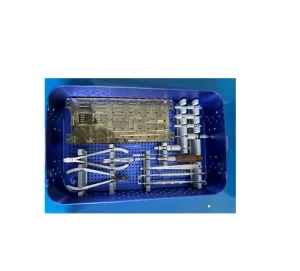
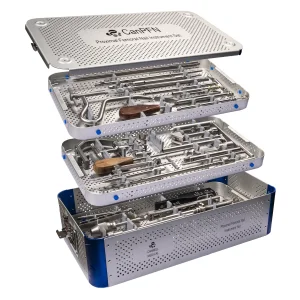
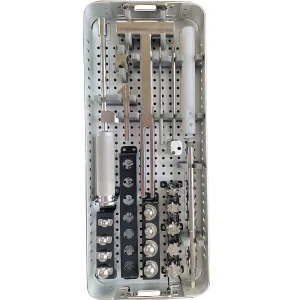
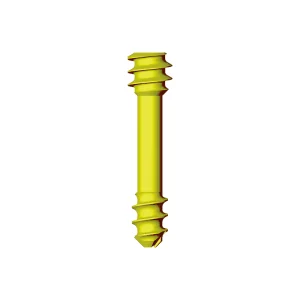
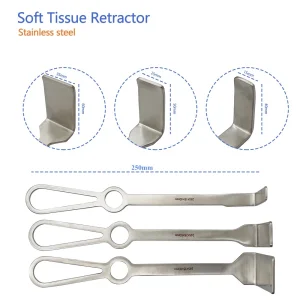
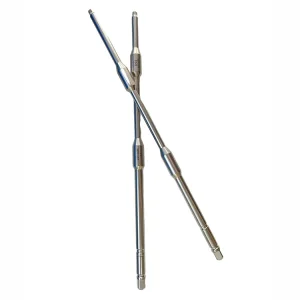
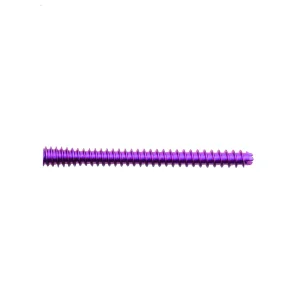
A trusted global manufacturer specializing in orthopedic implants, trauma fixation systems, and joint reconstruction technologies.
Osteora Medical Devices Co., Ltd. is a professional orthopedic implant and surgical solution manufacturer specializing in trauma, spine, and joint reconstruction systems under the brand Osteora. Founded in 2016, the company has developed a strong reputation in the global orthopedic industry through continuous innovation and strict quality control standards. Our facility covers an area of approximately 18,500㎡, supporting integrated production, assembly, and testing operations.
With 8 years of export experience and 12 years of industry expertise, Osteora has established stable cooperation with international distributors and hospitals across multiple regions. Annual export revenue ranges from USD 6 million to 14 million, reflecting steady global market growth. Backed by 85 dedicated R&D engineers, we focus on cutting-edge spine fixation systems, introducing 120 new products annually to match evolving clinical demands.
A Technical Whitepaper on Rigidity, Biomechanical Stability, and Global Sourcing Demands
In modern spinal reconstruction surgery, the debate between utilizing polyaxial and monoaxial pedicle screws is centered around biomechanical trade-offs. Polyaxial screws offer surgical convenience by allowing multidirectional adjustments of the screw head, simplifying rod alignment in complex curves. However, this flexibility comes at the expense of rigid fixation in specific planes.
Monoaxial pedicle screws feature a fixed head relative to the shaft. This rigid construction ensures direct translation of forces from the vertebral body to the rod system, making them the mechanical gold standard for correcting severe axial and coronal deformities. Specifically, during Direct Vertebral Rotation (DVR) maneuvers in scoliosis correction, monoaxial screws provide the torque resistance necessary to rotate the vertebrae into anatomical alignment without risk of head-to-shaft slippage.
"Biomechanical analyses indicate that monoaxial pedicle screws deliver superior fatigue life and higher pull-out strength compared to their polyaxial counterparts, making them essential for high-stress spinal correction sites."
Procuring orthopedic implants is a complex process due to strict medical standards, regulatory requirements, and supply chain risks. Medical distributors, purchasing teams, and hospitals face three main challenges:
At Osteora, we utilize China's advanced manufacturing capabilities to build a robust, vertically integrated supply chain. Our 18,500㎡ facility uses digital production systems to coordinate raw materials, machining, surface finishing, and quality assurance. Supported by approximately 1,200 certified partners, we secure stable access to medical-grade titanium and specialized components, keeping lead times short and pricing competitive even during supply disruptions.
Every step of our production workflow, from raw material procurement to biomechanical validation, is managed in-house to guarantee reliability and precision.
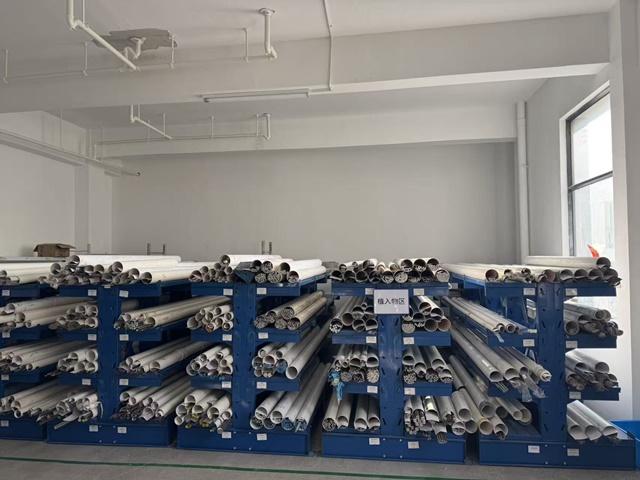
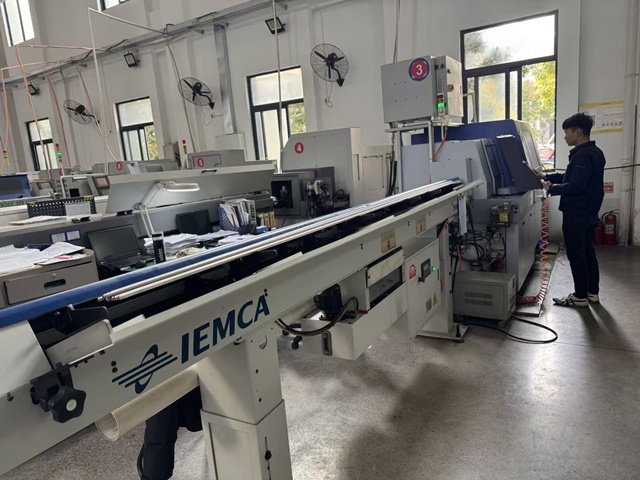
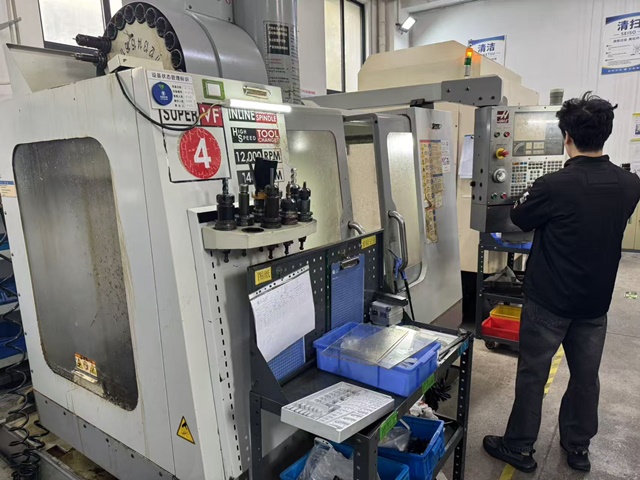
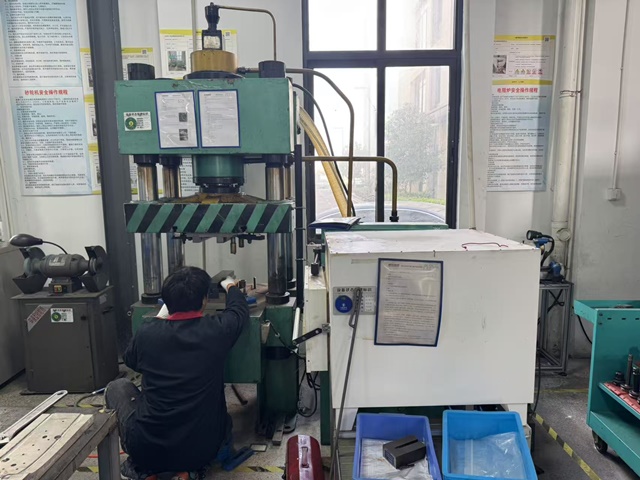
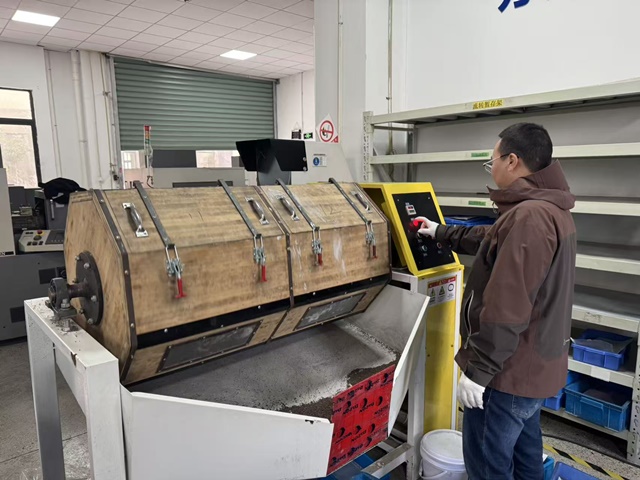
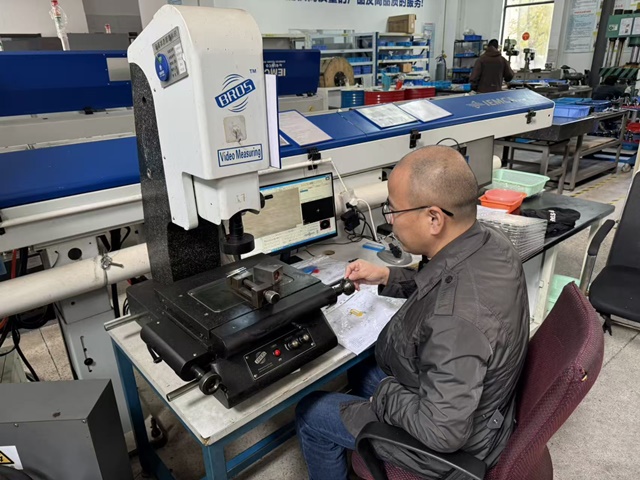
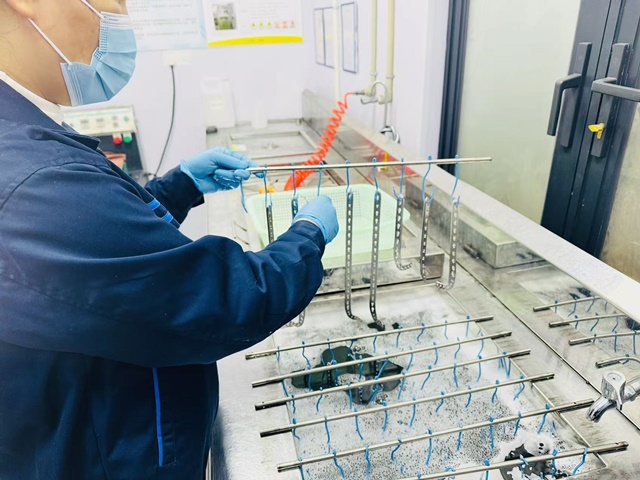
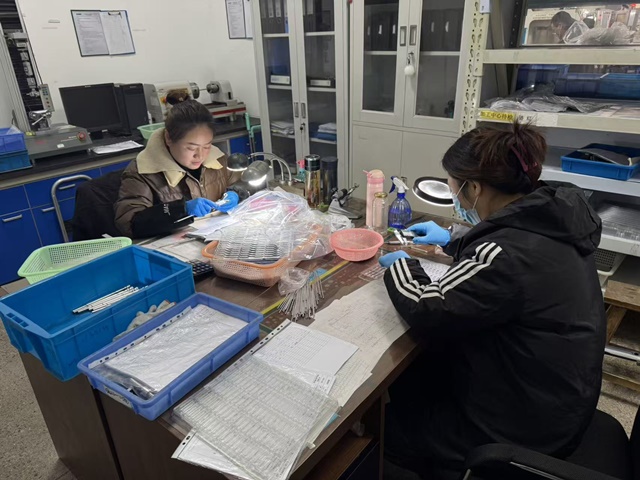
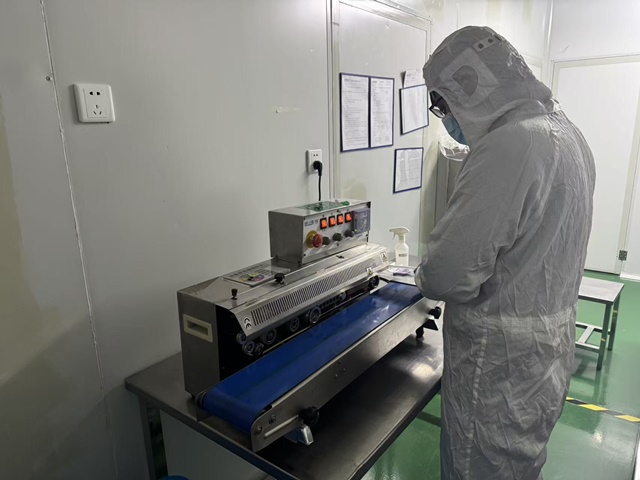
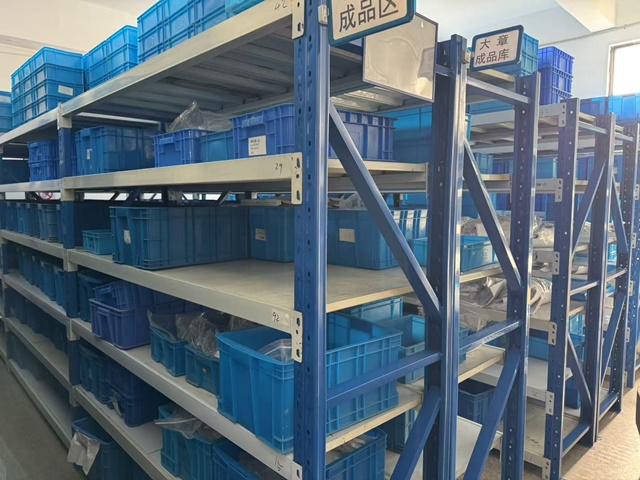
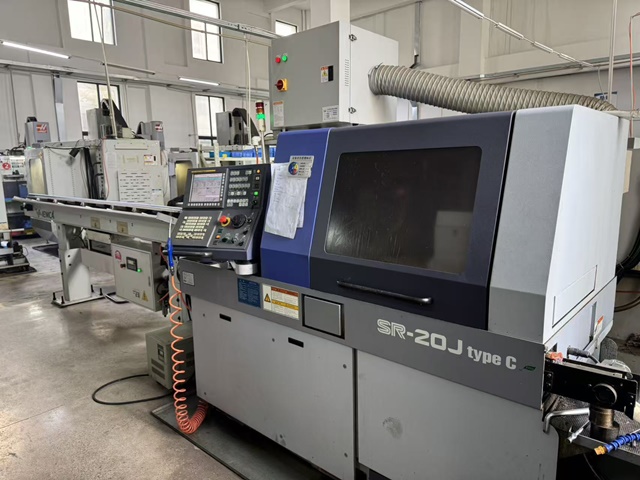
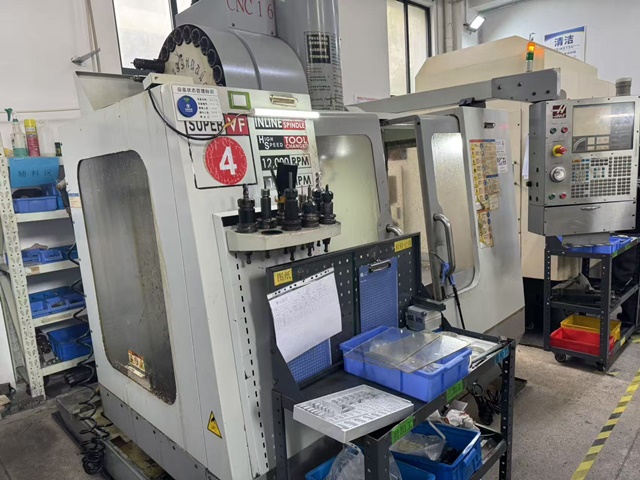
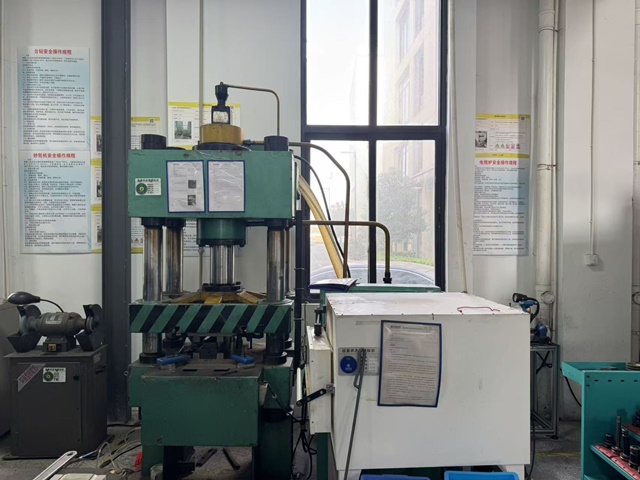
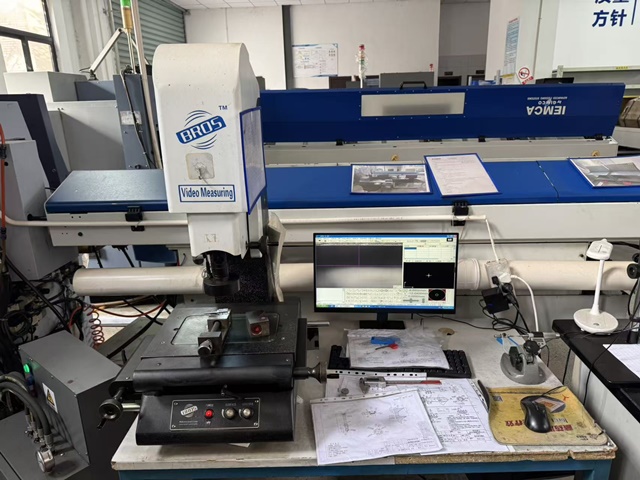
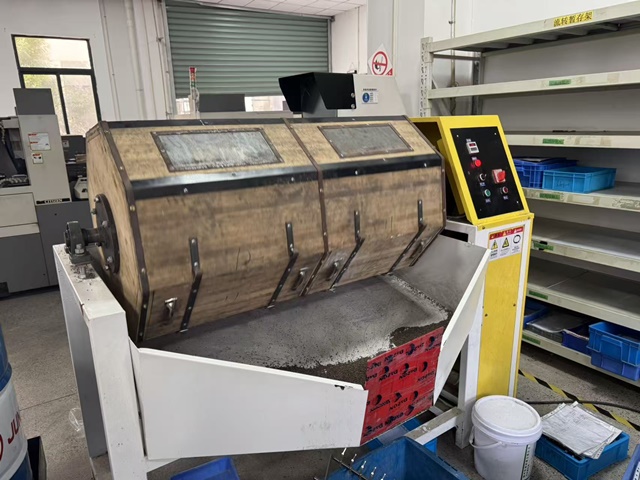
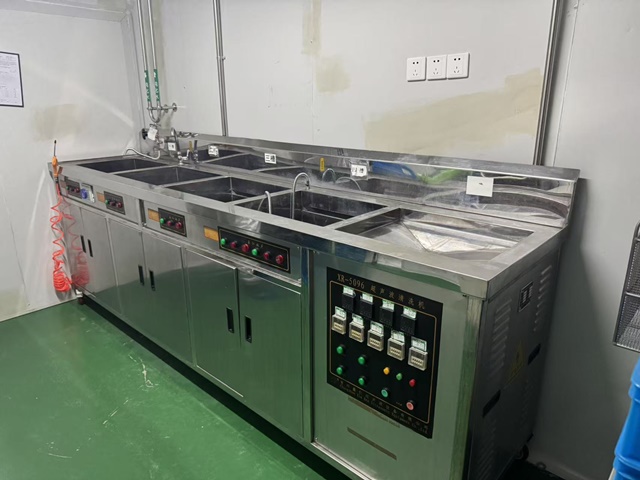
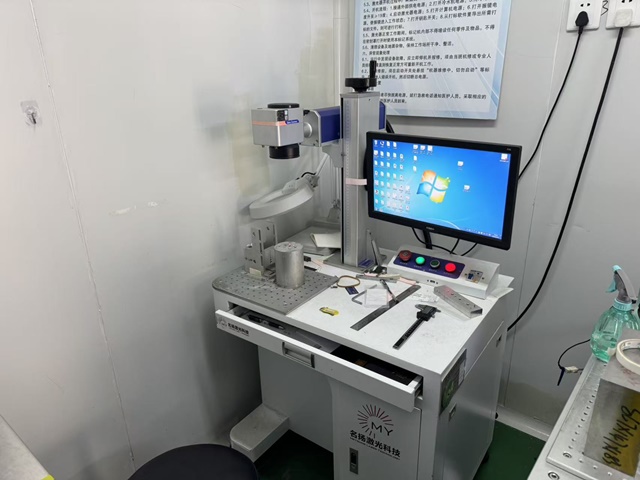
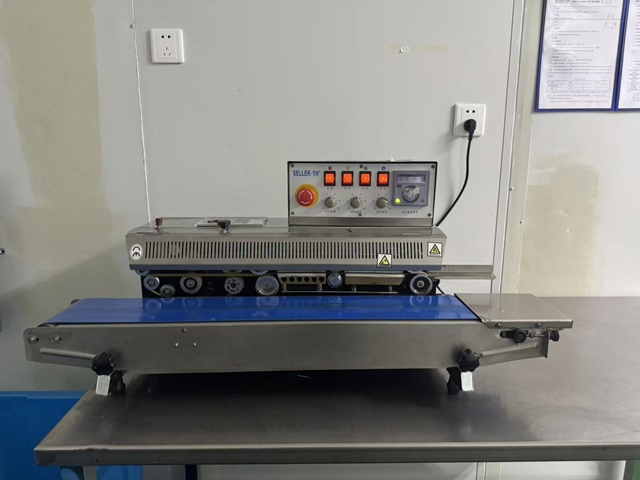
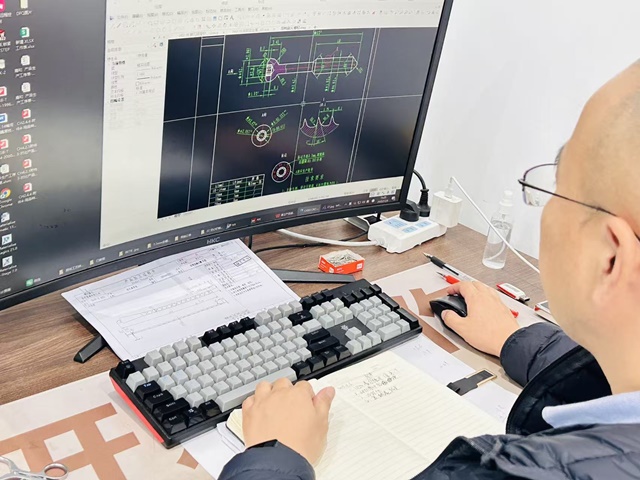
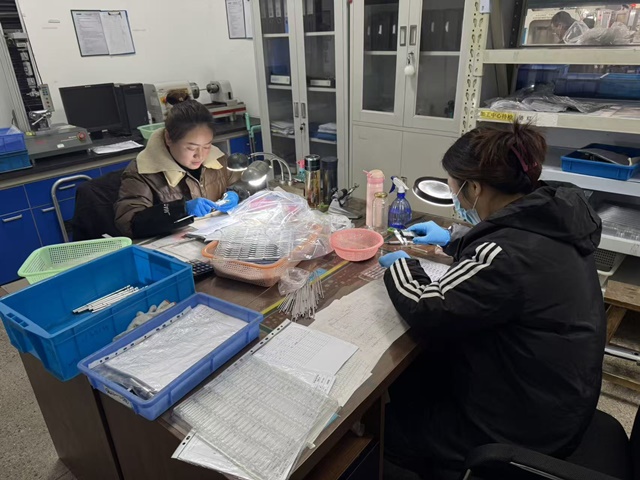
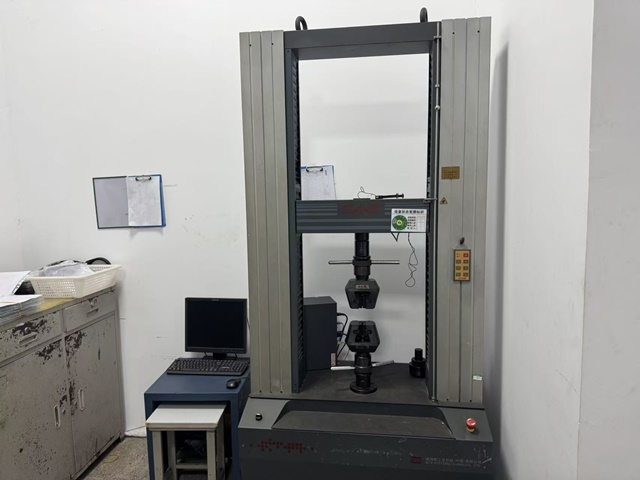
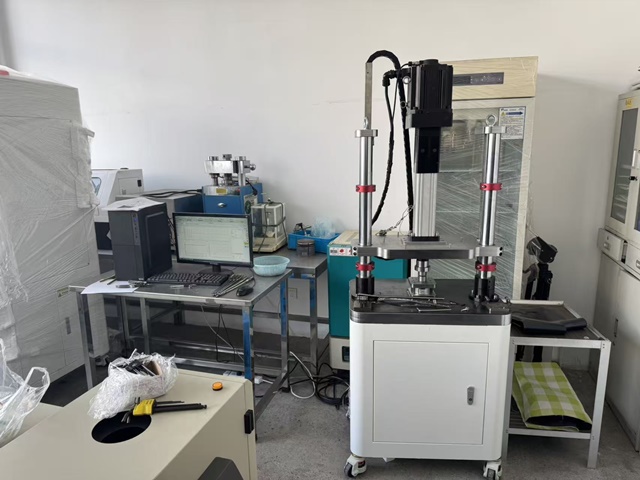
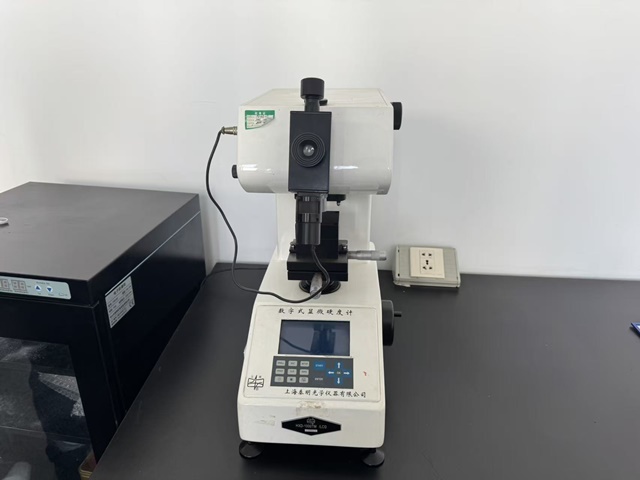
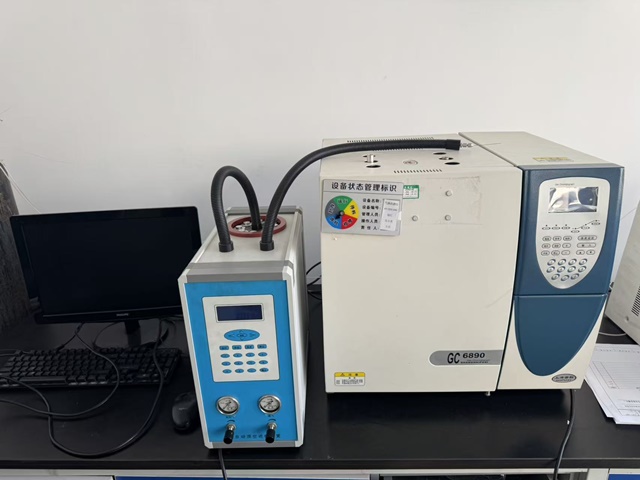
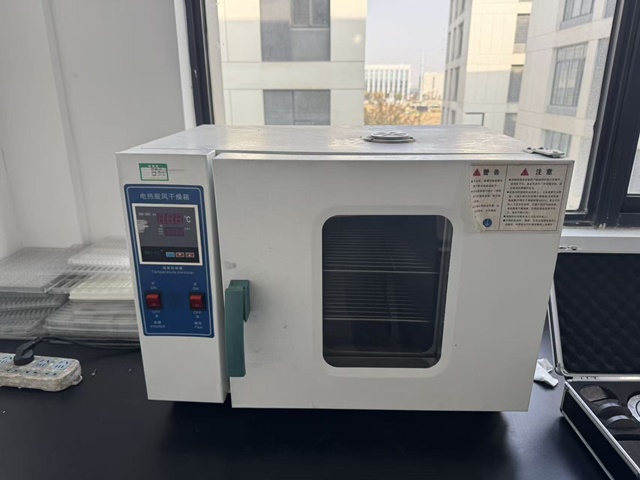
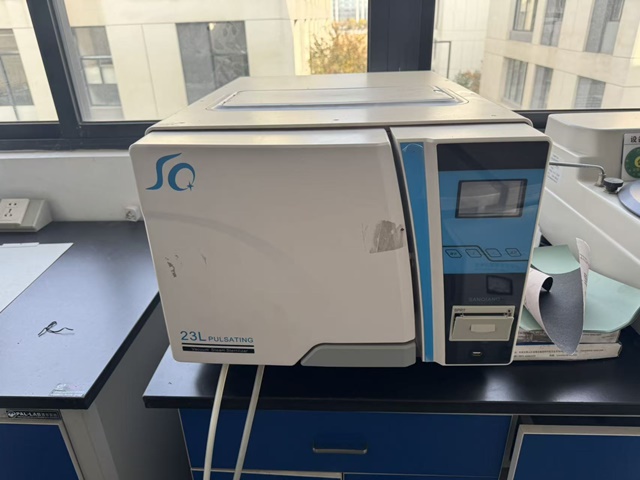
Implementing reliable inspection systems to meet global medical regulatory guidelines.
Our entire management and manufacturing workflow conforms strictly to ISO 13485 quality standards, ensuring medical-grade safety throughout production.
We perform mechanical fatigue testing, dimensional verification via vision systems, and Vickers hardness tests to verify structural integrity.
Our team of 42 QC inspectors conducts in-process checks and final sampling protocols to ensure no defective implants leave the facility.
How surgical centers and hospital groups globally deploy our monoaxial and spinal stabilization systems.
In pediatric deformity correction, achieving high rotational torque is essential for restoring physiological sagittal profile. Surgeons depend on monoaxial pedicle screws due to their rigid fixed-head construction. This rigidity ensures direct translation of forces from the rod during Direct Vertebral Rotation (DVR) maneuvers, resulting in reliable deformity correction without risking component breakdown under high mechanical stress.
For thoracic and lumbar fractures resulting from high-impact accidents, stabilizing the injured segment is critical for neurological recovery. Sourced from medical-grade Ti6Al4V ELI, Osteora's pedicle screws provide secure bony purchase. The rigid interface stabilizes the fracture zone, supporting immediate mobilization and encouraging successful bony fusion.
Key information regarding material parameters, OEM/ODM processes, and compliance standards.
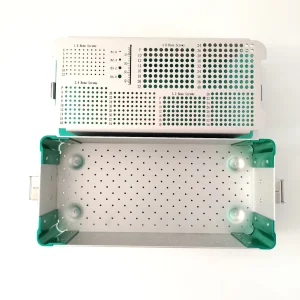
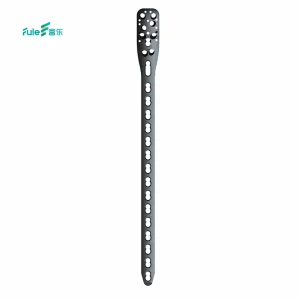
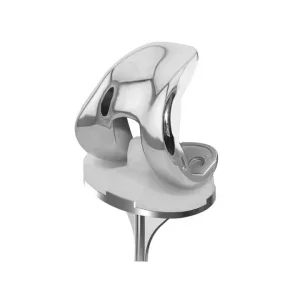
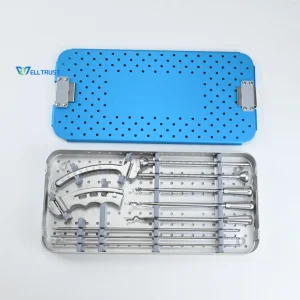
Complete surgical lines, joint prostheses, and sterile storage configurations designed for clinical reliability.