Osteora
Osteora
Osteora
Explore our elite medical-grade orthopedic implants and surgical instruments, designed for Class III clinical performance and complete biomechanical reliability.
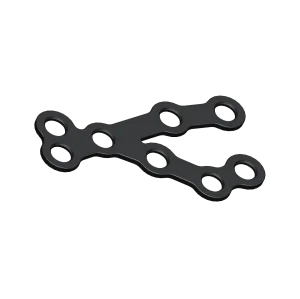
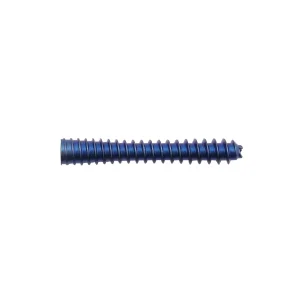
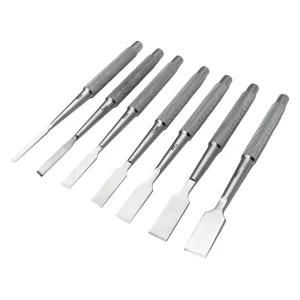
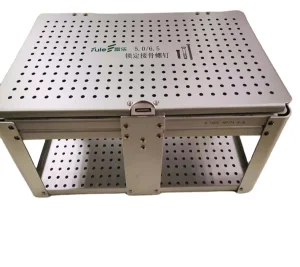
Understanding the clinical, structural, and regulatory factors driving modern orthopedic contract manufacturing.
The clinical demands on fracture fixation systems have evolved beyond simple mechanical stabilization. Today, successful clinical outcomes rely on internal fixation devices that achieve optimal biomechanical compliance, stress distribution, and biological compatibility. Rigid fixation systems are transitioning to dynamic, load-sharing locking mechanisms that reduce bone atrophy and accelerate osteosynthesis.
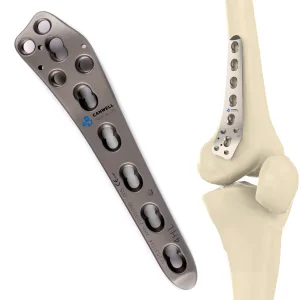
As OEM/ODM requirements scale globally, medical device distributors and healthcare authorities demand absolute traceability, material purity, and structural tolerance. For trauma plates, intramedullary nails, and compression screws, this means adhering strictly to raw materials like medical-grade titanium alloys (Ti-6Al-4V ELI) and ultra-pure stainless steel alloys, conforming to ASTM F136 and ISO 5832 specifications.
A professional orthopedic implant and surgical solution manufacturer specializing in trauma, spine, and joint reconstruction systems.
Founded in 2016, Osteora has developed a strong reputation in the global orthopedic industry through continuous innovation and strict quality control standards. Supporting integrated production, assembly, and testing operations, the company achieves an annual export revenue ranging from USD 6 million to 14 million, reflecting steady global market growth.
With 8 years of export experience, Osteora has established stable cooperation with international distributors and hospitals across multiple regions including Europe, Southeast Asia, the Middle East, and South America. The supply chain includes approximately 1,200 certified upstream and downstream partners, guaranteeing stable production capacity and reliable delivery performance.
A chronological view inside our production facility, showcasing high-precision machining, chemical finishing, and structural testing.
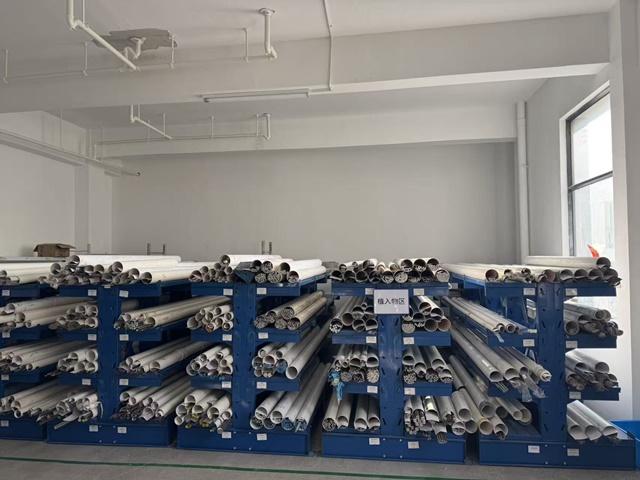
High-purity titanium bars and stainless steel alloys are subjected to chemical spectral analysis and hardness testing before entering production lines.
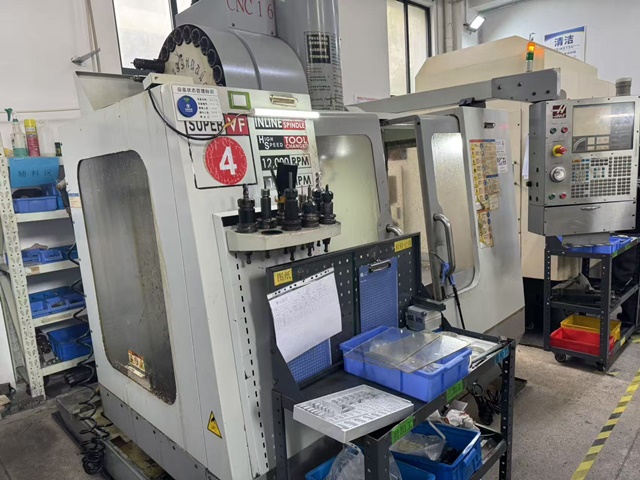
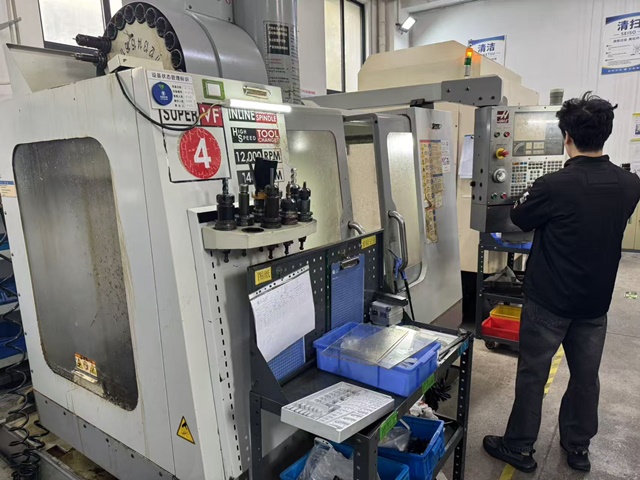
Multi-axis vertical machining centers mill bone plates to exact anatomical profiles, ensuring minimal structural variation.
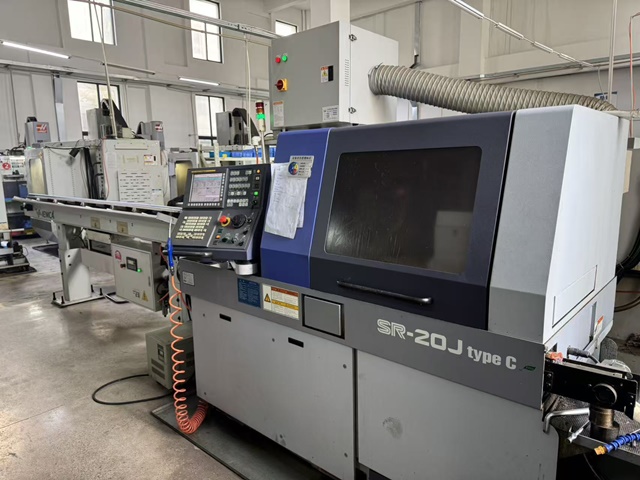
High-speed turning centers process micro-dimensional compression and locking screws with micro-inch accuracy on thread profiles.
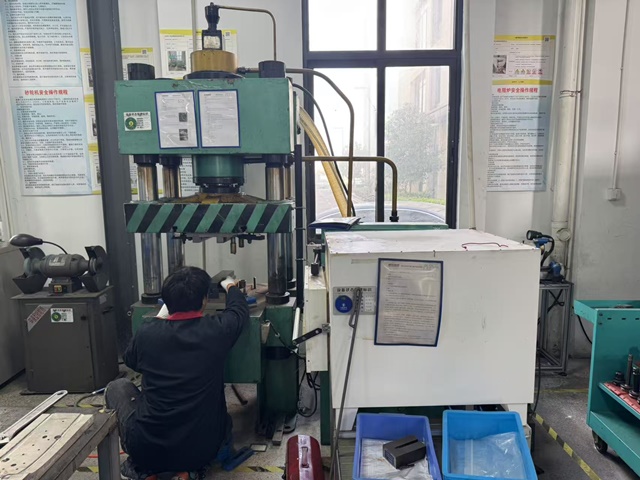
Progressive stamping machinery produces raw profiles of structural components with repeatable stamping force parameters.
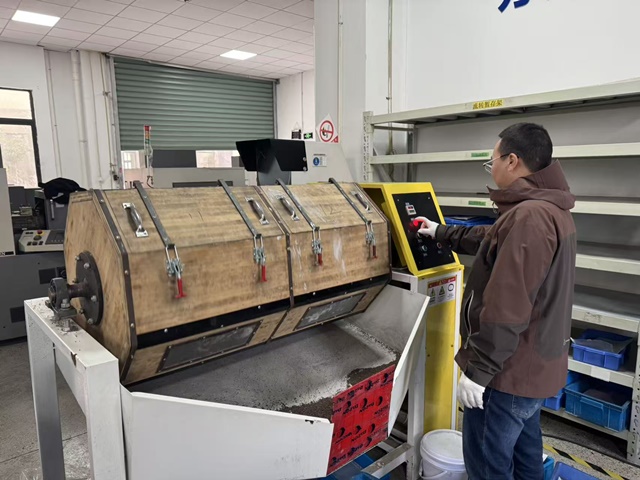
Fine surface grinding removes burs and ensures uniform plate thickness across multi-hole implant configurations.
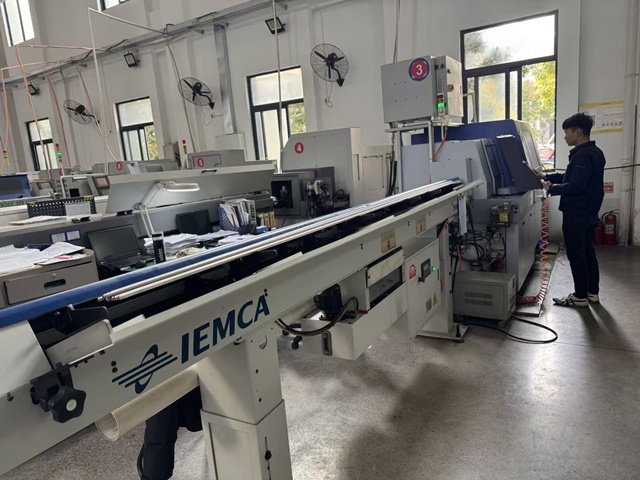
Anodic oxidation and chemical passivation treat implant surfaces, enhancing biocompatibility and corrosion resistance.
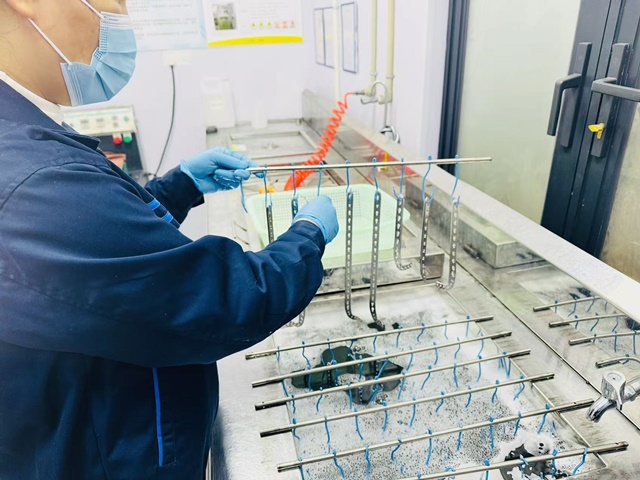
Ultrasonic degreasing and purified water rinsing remove all manufacturing residues prior to final cleanroom packing.
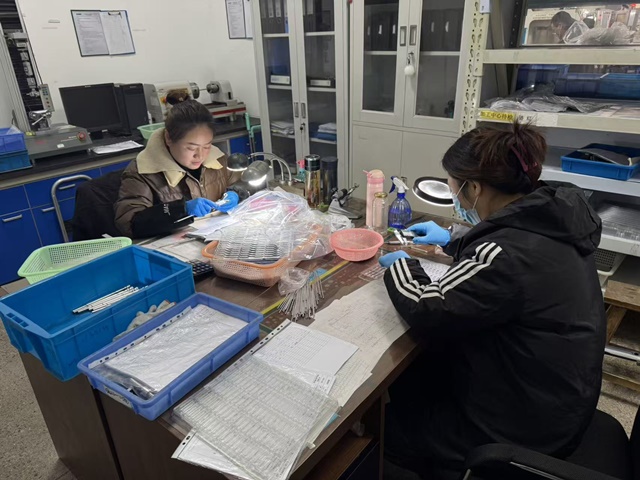
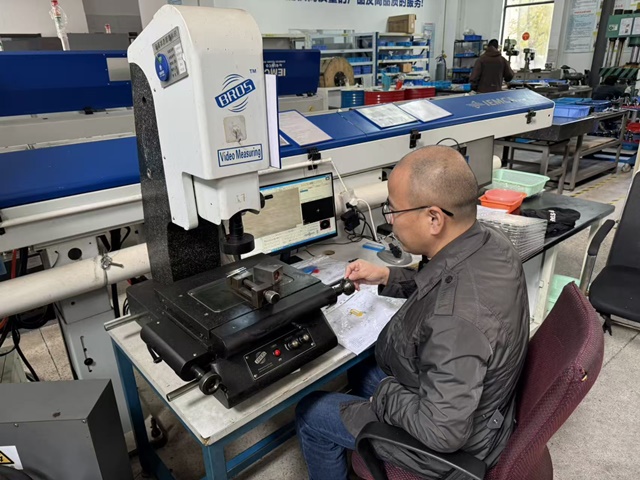
Dimensional tolerance verification using visual measurement devices to confirm matching locking screw/plate geometry.
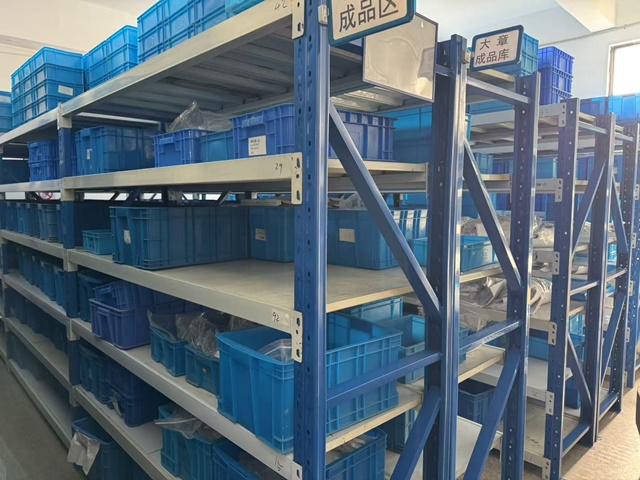
Classified material and product storage ensuring lot-traceability, humidity control, and secure shipping preparation.
Automated fluid tanks for acid cleaning and nitric passivation cycles ensuring sterile and inert oxide film creation.
High-magnification microscopes visually scan screw pitches for structural micro-cracks or processing deviations.
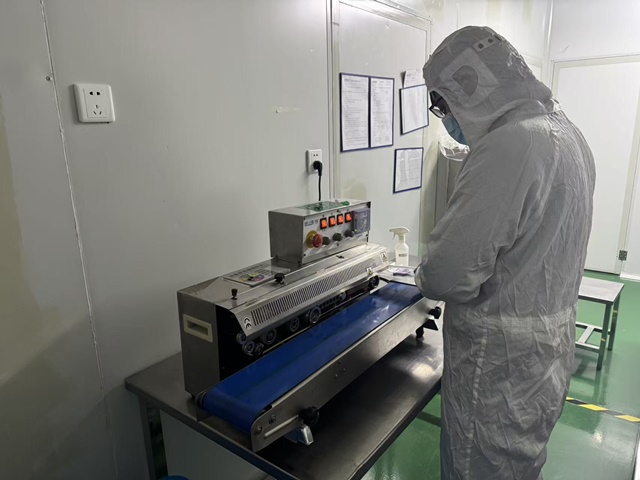
Implants are packaged in medical-grade Tyvek pouches under positive-pressure cleanroom environments to maintain absolute sterility.
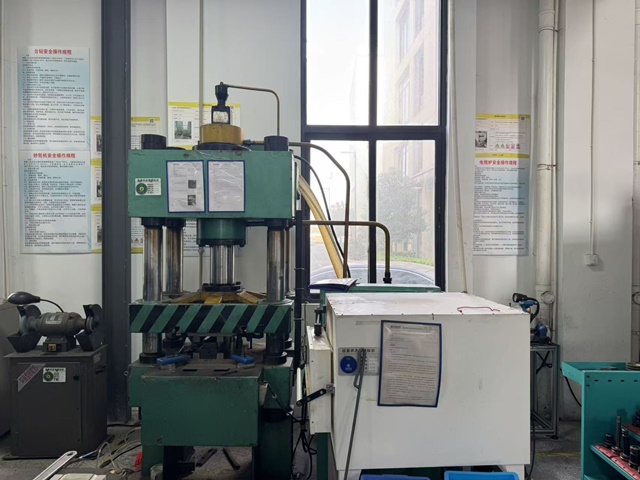
Hydraulic press and bending machinery shaping specialized complex reconstructive trauma plate sections.
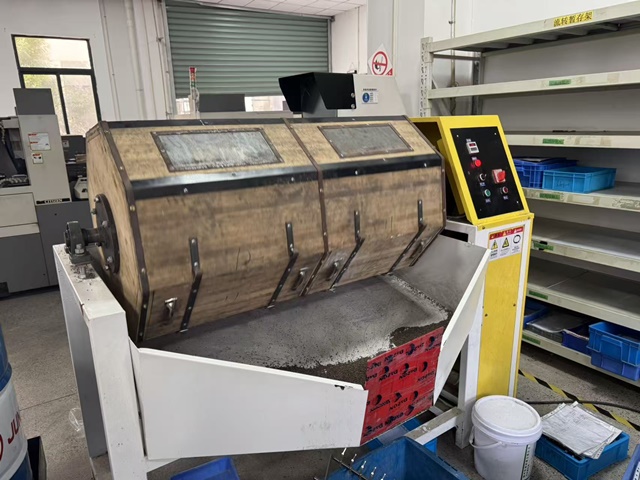
Automated grinding wheels ensuring surface roughness (Ra) values remain within critical clinical tolerances.
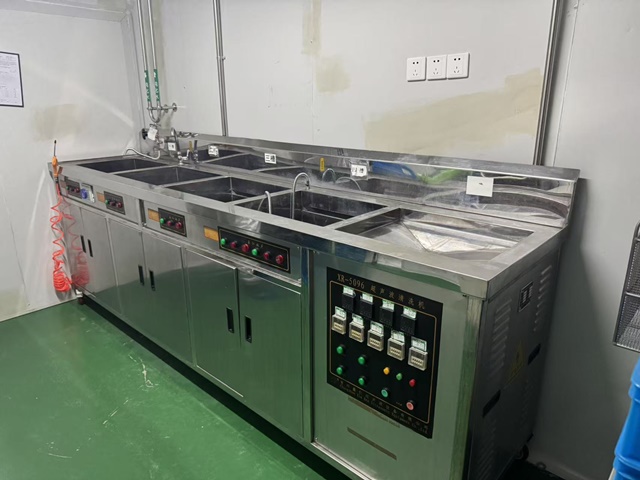
Multi-frequency ultrasonic chambers ensuring complete elimination of microscopic machining oil particles.
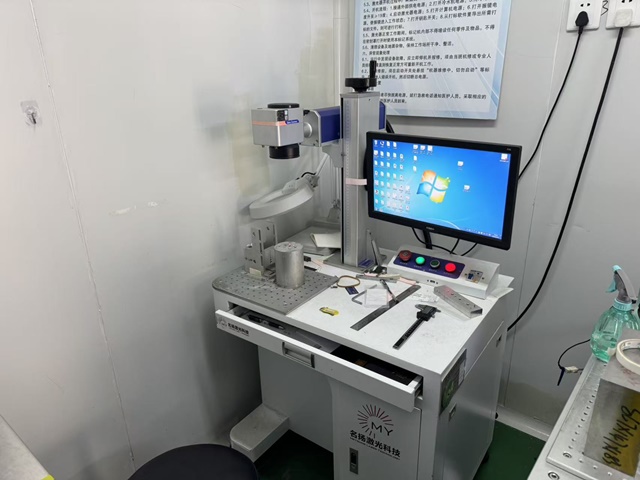
High-precision laser etching for Unique Device Identification (UDI) tracking and part number marking on implant surfaces.
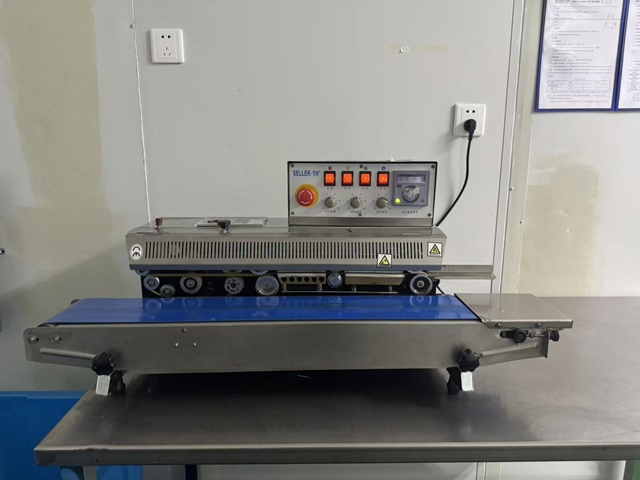
Secondary sterile barrier sealers lock out moisture and atmospheric contaminants before final distribution box boxing.
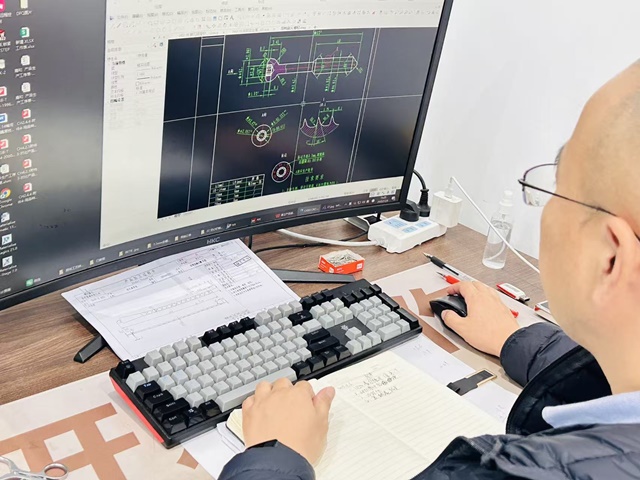
Clinical engineers simulate anatomical compliance and draft digital blueprints to optimize bone-implant interface contacts.
How our QC engineering team validates biomechanical integrity and material properties for zero-failure performance.
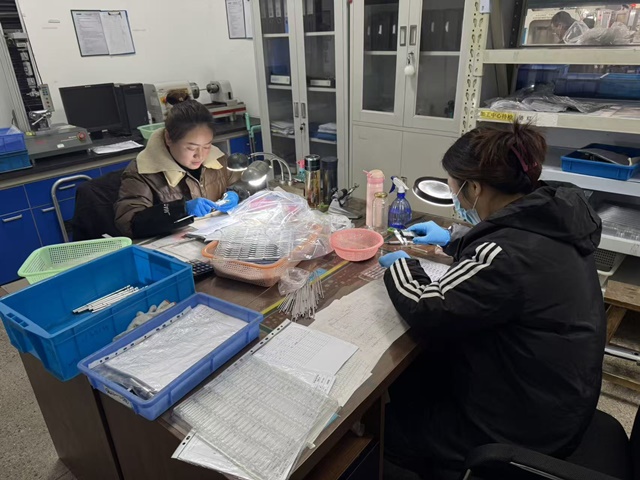
Every finished batch undergoes independent visual inspection by two certified quality assurance inspectors using coordinate measurement machines (CMM).
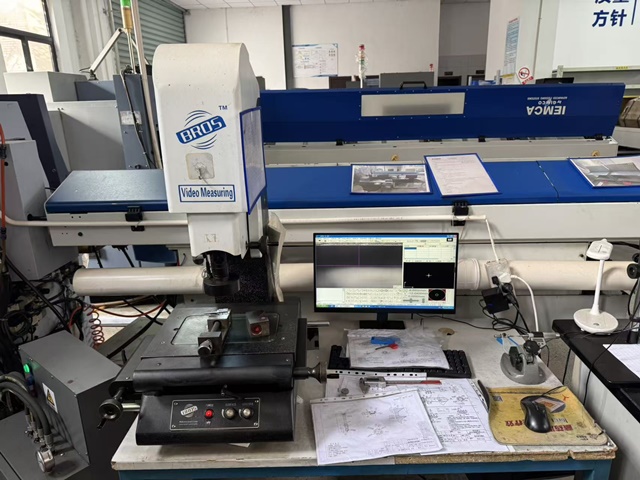
Optical vision measuring instruments verify screw thread angles and plate contour deviations without physical surface contact.
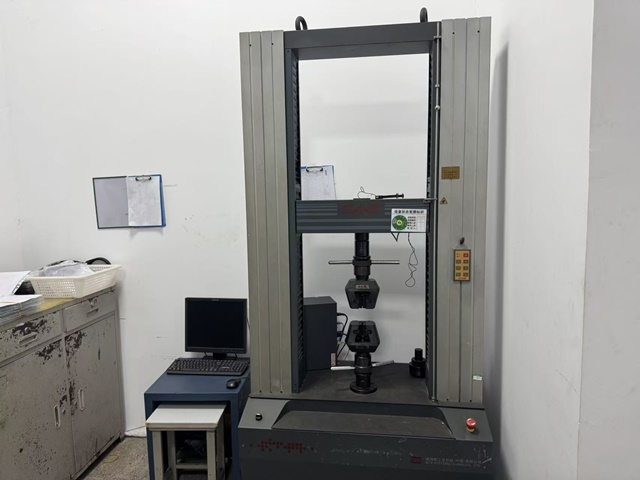
Multifunctional mechanical testing machinery applies stress up to structural breaking limits to record ultimate load capacity.
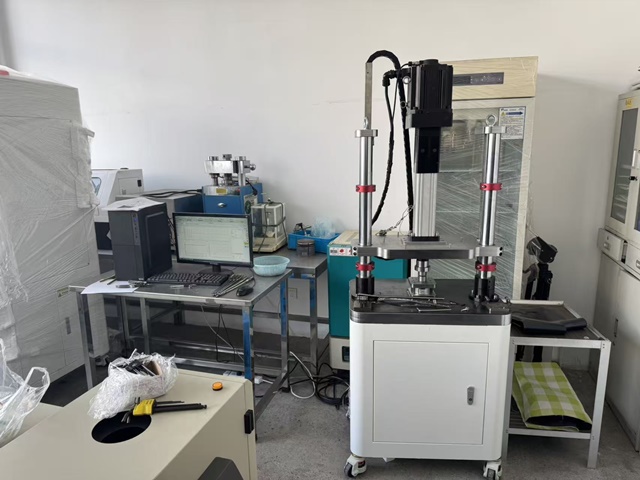
Subjecting structural hardware to cyclic loading simulations mimicking natural human movement over millions of cycles.
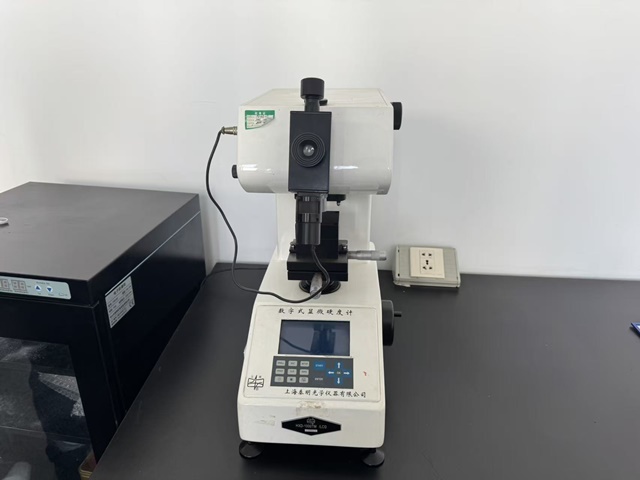
Micro-hardness measurements on key structural interfaces to verify correct heat treatment and grain structure density.
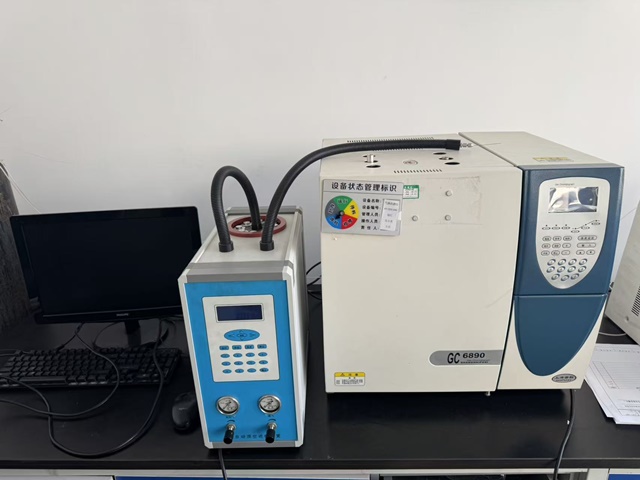
Gas spectrometers confirm the exact percentage of oxygen, nitrogen, and hydrogen trace elements in titanium alloys.
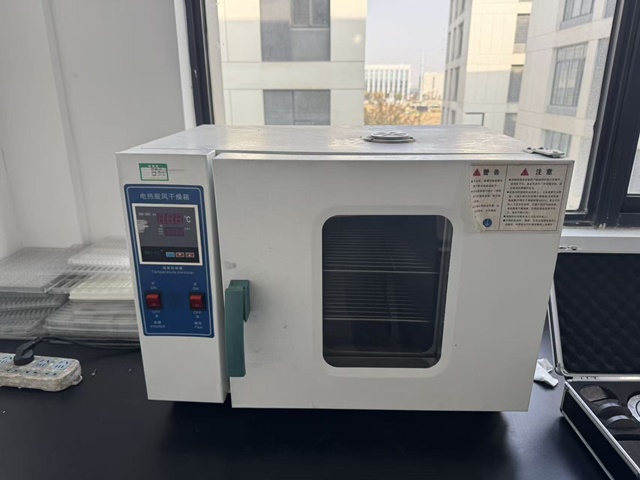
Drying ovens ensure absolute removal of residual moisture prior to packaging, avoiding risk of biological incubation.
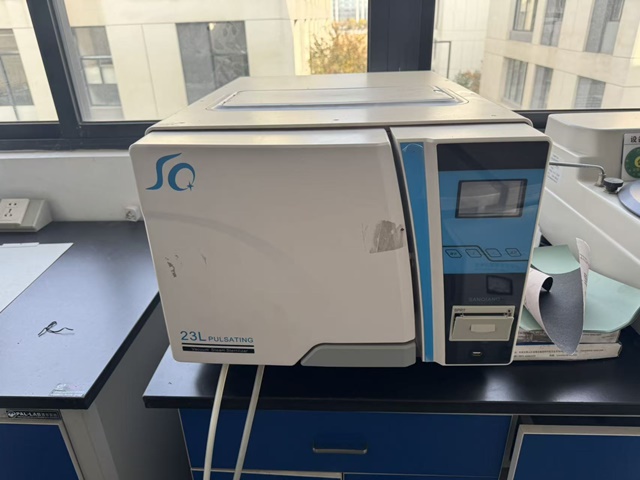
High-pressure pulsating testing checks package integrity to ensure long-term sterile barriers remain functional.
The global orthopedic landscape is transitioning toward intelligent, minimally invasive, and bioabsorbable trauma fixation solutions. Smart implants equipped with micro-sensors that measure bone-healing strain and localized biological activity are currently in clinical trials. At the same time, additive manufacturing (3D printing) of custom trabecular titanium structures allows for patient-specific anatomical matching, promoting rapid osseointegration. Osteora’s R&D division has anticipated these developments, continually investing in specialized toolsets and implant designs that prepare distributors for the next generation of orthopedic surgery.
The strength of Chinese contract manufacturing lies in localized industrial clustering. By integrating upstream raw material suppliers, high-capacity Swiss CNC machining centers, and local packaging validation agencies, Osteora minimizes lead times while maintaining a highly resilient supply chain. Our facility uses advanced production planning systems to maintain steady output during global transport fluctuations, allowing us to supply international distributors with stable, competitively priced, CE-marked trauma hardware without sacrificing material quality.
How our implant systems adapt to diverse medical settings and acute care departments.
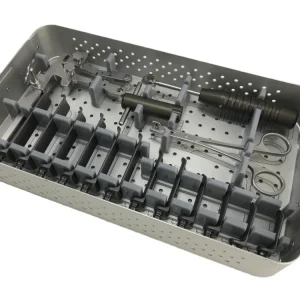
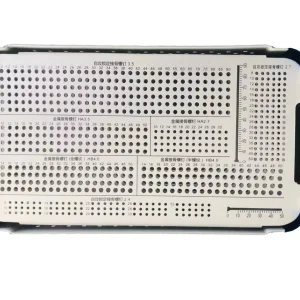
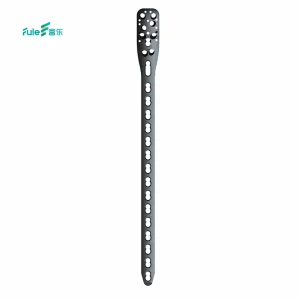
Designed for rapid surgical intervention in high-energy polytrauma cases, featuring comprehensive screw boxes and anatomical pre-contoured plates to shorten intraoperative assembly times.
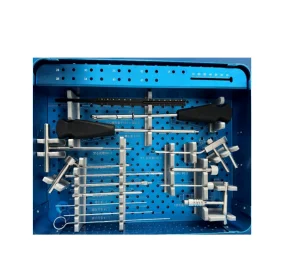
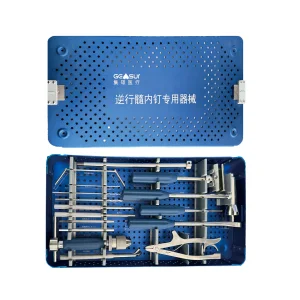
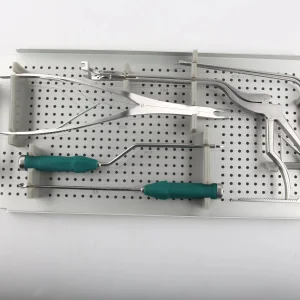
Optimized for high-turnover outpatient settings with standardized instrument kits and simplified sterilization procedures, helping centers reduce reprocessing expenses.
Designed to support international health tenders with complete clinical data trails, ISO 13485 certification, and scalable manufacturing output to fulfill high-volume public tenders.
Detailed answers to key operational, manufacturing, and regulatory questions from orthopedic implant buyers.
We exclusively manufacture using certified medical-grade titanium alloy (Ti-6Al-4V ELI conforming to ASTM F136/ISO 5832-3) and ultra-clean surgical stainless steel. Every raw batch is chemically validated using gas spectrometers and material traceability numbers before production.
Yes, our manufacturing facility operates under a certified ISO 13485 Quality Management System. The entire process—from machining to packaging and cleanroom operations—conforms to international guidelines for Class III medical devices.
Our ODM team, led by 85 R&D engineers, works directly from 3D CAD/CAM models or CT scan data. We optimize the physical geometry, simulate stress distribution using Finite Element Analysis (FEA), and manufacture custom prototypes for clinical validation.
Each product design undergoes extensive mechanical validation, including static bending testing, pull-out resistance tests, and dynamic fatigue tests. We verify fatigue performance over millions of stress cycles to avoid structural failure in clinical environments.
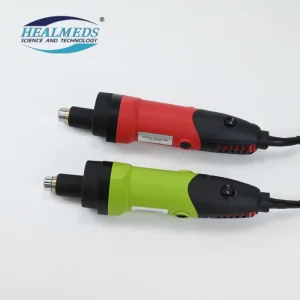
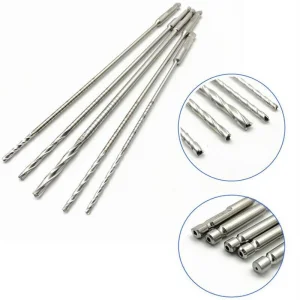
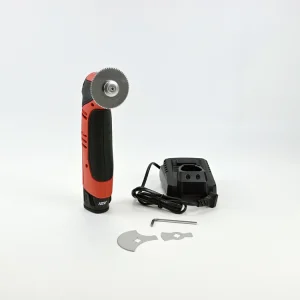
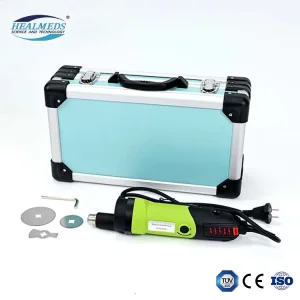
Specialized surgical power tools, spinal retractors, and micro-fixation implant components for orthopedic departments.