Osteora
Osteora
Osteora
Featured CE & ISO certified surgical implants and clinical instrumentation systems designed for precision recovery.
Strategic analysis of technological innovations, regulatory pathways, and market dynamics shaping the musculoskeletal healing industry.
The global orthopedic market has entered a phase of rapid transformation. Driven by an aging population, an increasing prevalence of chronic joint conditions, and a surge in sports-related musculoskeletal injuries, the demand for precision orthopedic braces, implants, and surgical instrumentation is higher than ever. Hospitals and surgical centers worldwide are shifting their preferences toward solutions that not only fix fractures and structural deficiencies but also minimize post-operative rehabilitation times.
In this high-stakes landscape, orthopedic products must bridge the gap between external support and internal stabilization. Orthopedic braces, surgical trauma plates, intramedullary nails, and total joint replacements must satisfy strict mechanical and biological criteria. The integration of bio-compatible materials, such as high-grade Titanium Alloys, ultra-high-molecular-weight polyethylene (UHMWPE), and specialized cobalt-chromium alloys, has redefined what surgeons and patients expect from orthopedic devices.
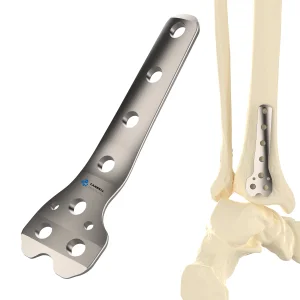
"Modern orthopedic solutions require an interconnected approach. Whether managing joint degradation with dual mobility arthroplasty or stabilizing trauma cases via distal locking compression plates, the focus remains on biocompatibility, mechanical durability, and user-centric surgical instrumentation."
Furthermore, local clinical contexts dictate the success of orthopedic treatments. For instance, European markets under the Medical Device Regulation (MDR) demand rigorous clinical data and traceabilities, while developing healthcare sectors in Southeast Asia and South America require cost-effective, high-precision implants to serve expanding healthcare infrastructure. Distributors and sourcing procurement managers must build alliances with medical manufacturers capable of custom engineering (OEM/ODM) to address these diverse regulatory and clinical needs.
Bridging Chinese engineering precision with global orthopedics standards for hospitals and distributors.
Osteora Medical Devices Co., Ltd. is a professional orthopedic implant and surgical solution manufacturer specializing in trauma, spine, and joint reconstruction systems under the brand Osteora. Founded in 2016, the company has developed a strong reputation in the global orthopedic industry through continuous innovation and strict quality control standards. Our state-of-the-art facility covers an area of approximately 18,500㎡, supporting fully integrated production, assembly, and testing operations.
With 8 years of export experience and 12 years of industry expertise, Osteora has established stable cooperation with international distributors and hospitals across multiple regions. Our annual export revenue ranges from USD 6 million to 14 million, reflecting steady global market growth and our commitment to serving patients and clinical teams worldwide.
To support this high-performance network, Osteora operates a robust supply chain that includes approximately 1,200 certified upstream and downstream partners. This ecosystem guarantees stable production capacity, raw material availability, and reliable delivery performance. Our primary customer base consists of hospitals, orthopedic clinics, surgical centers, and medical distributors in Europe, Southeast Asia, the Middle East, and South America.
| Strategic Indicator | Osteora Capability Specifications | Clinical & Business Value |
|---|---|---|
| Quality Standards | ISO 13485 Compliance, CE Class III Ready | Guarantees regulatory alignment for global market entry. |
| R&D Infrastructure | 85 Specialized Engineers, 120 new products/year | Rapid prototyping and customized anatomical implants. |
| Testing Capability | Biocompatibility validation, Vickers hardness, fatigue test | Reduces clinical implant failures and litigation risks. |
| Global Distribution | Active partnerships in 40+ countries | Reliable medical device delivery and supply chain assurance. |
Step-by-step visual documentation of our end-to-end manufacturing and QA processes.
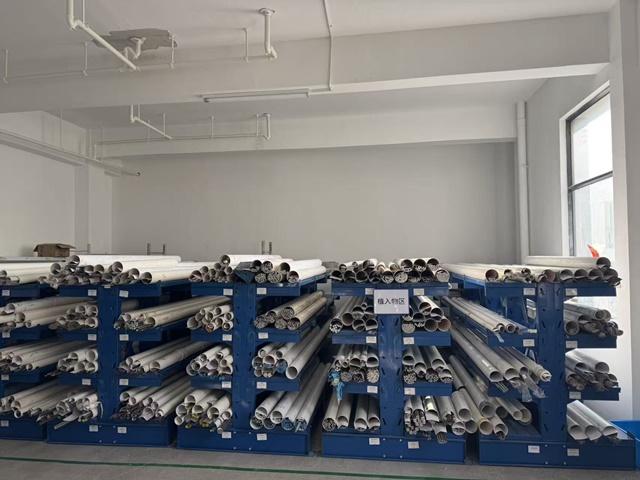
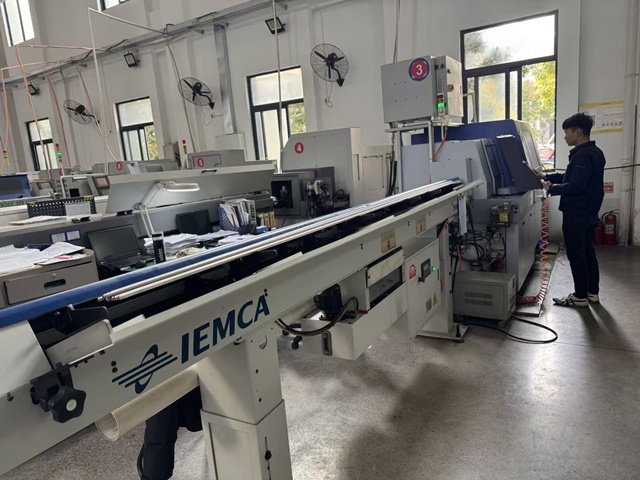
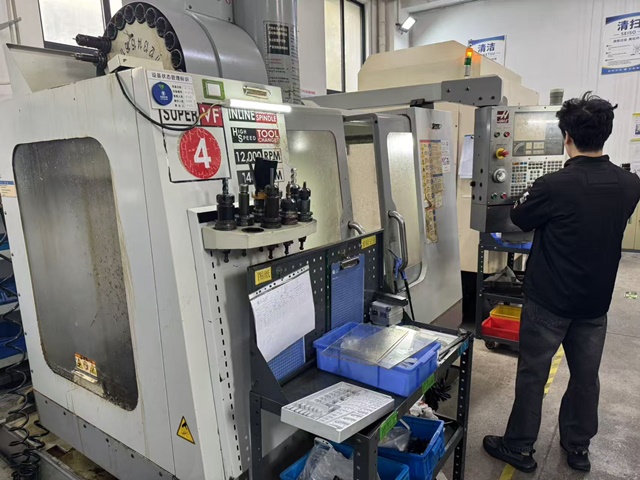
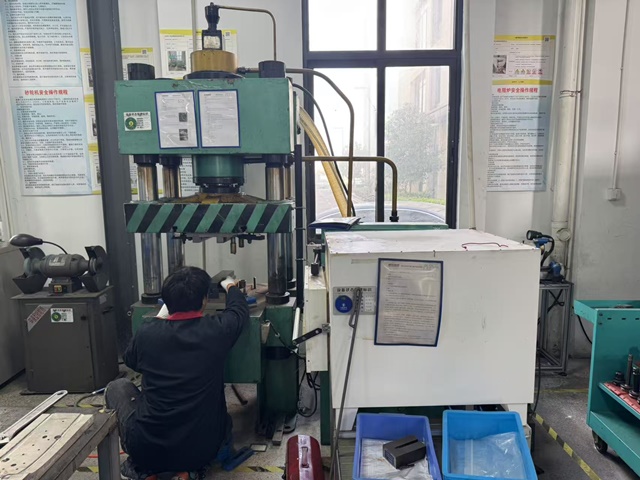
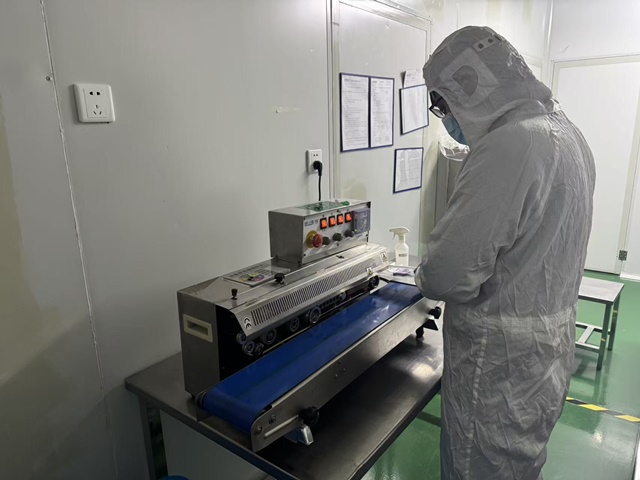
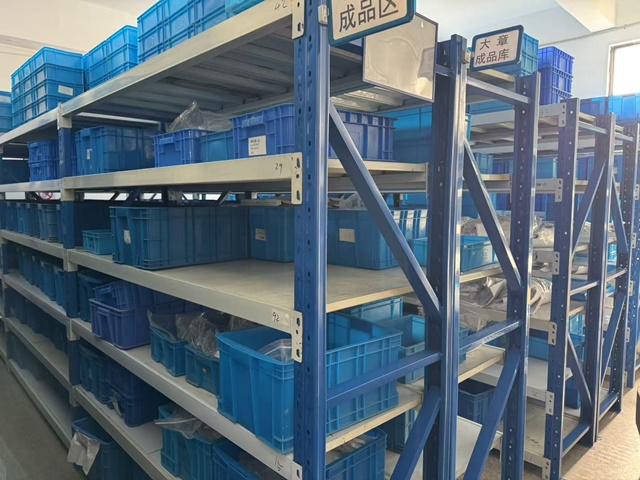
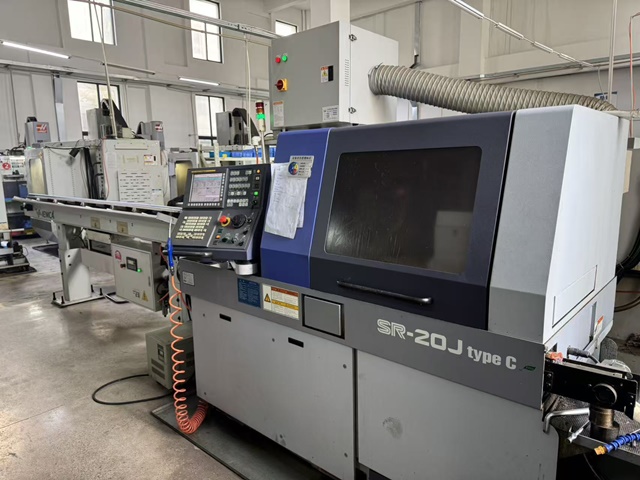
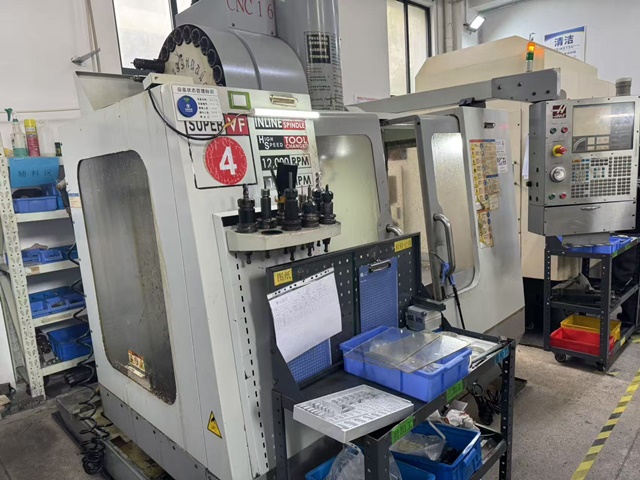
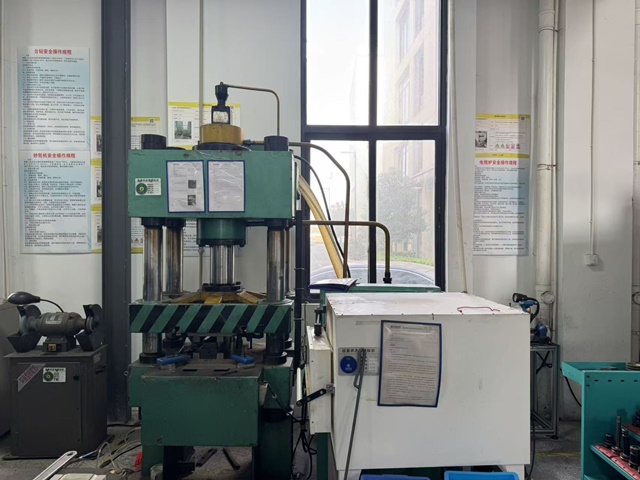
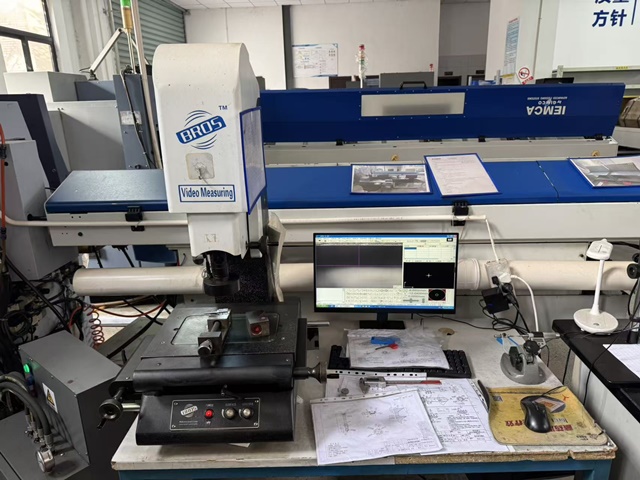
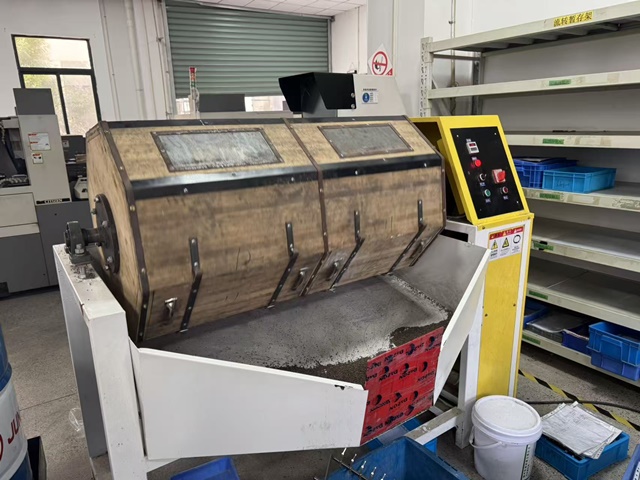
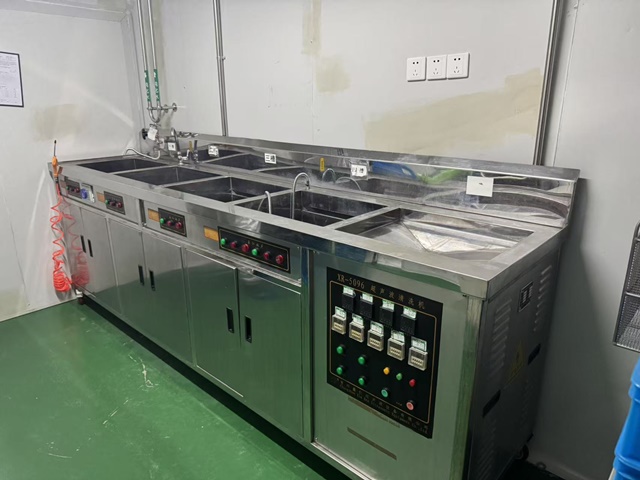
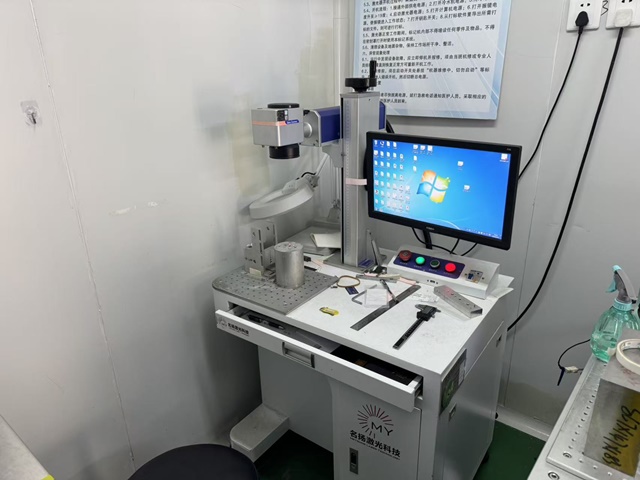
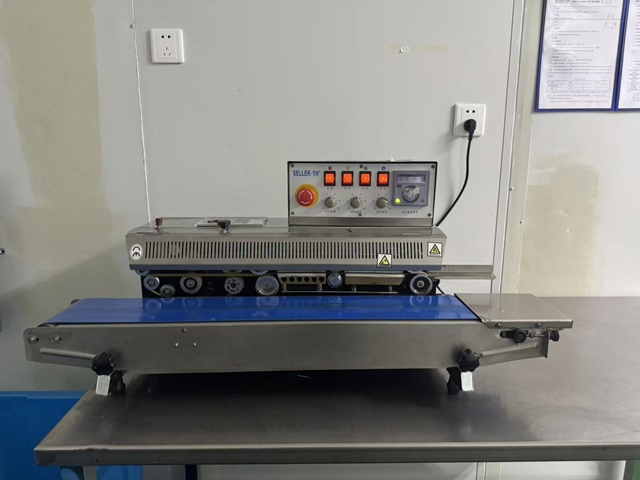
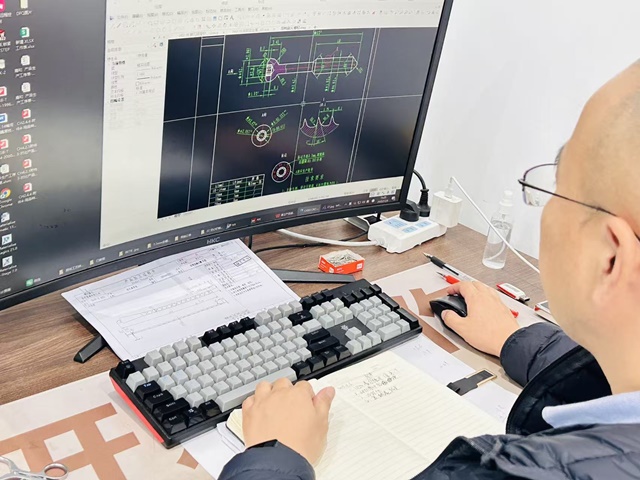
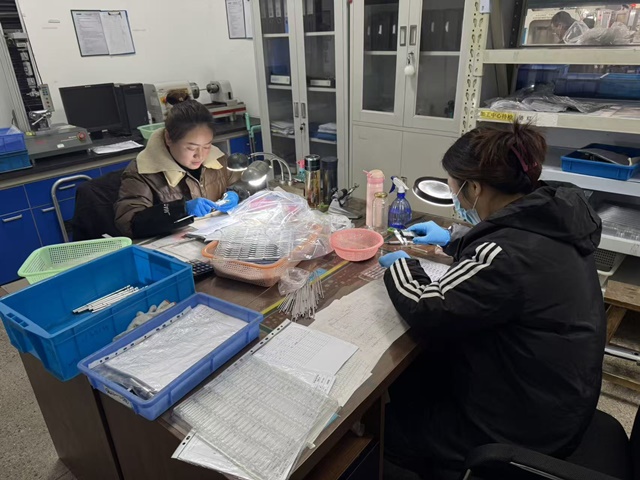
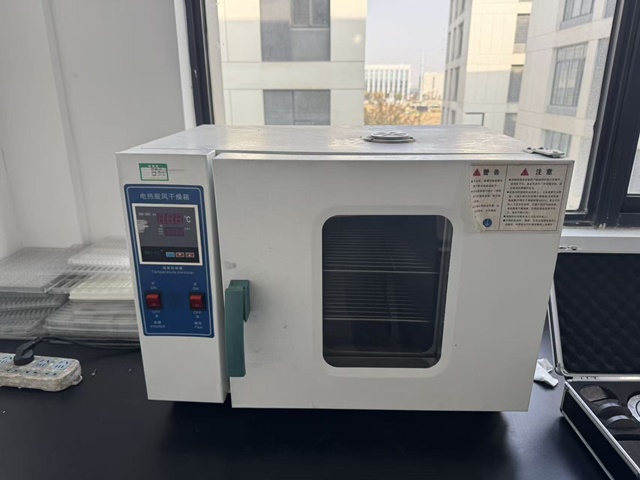
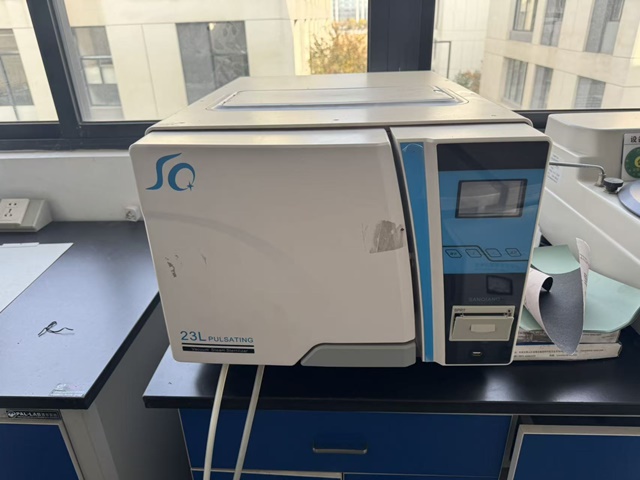
Every implant and surgical tool produced by Osteora undergoes a rigorous manufacturing journey. The process begins with the procurement of certified medical-grade titanium and polymer materials, which are machined using advanced Haas CNC systems and Swiss-type lathes. From stamping and grinding to electrochemical polishing, laser etching, cleanroom washing, and sterile packaging, we maintain total control over every variable. Our quality control team consists of 42 specialized inspectors who manage in-process audits and final random testing to protect patients and surgeons alike.
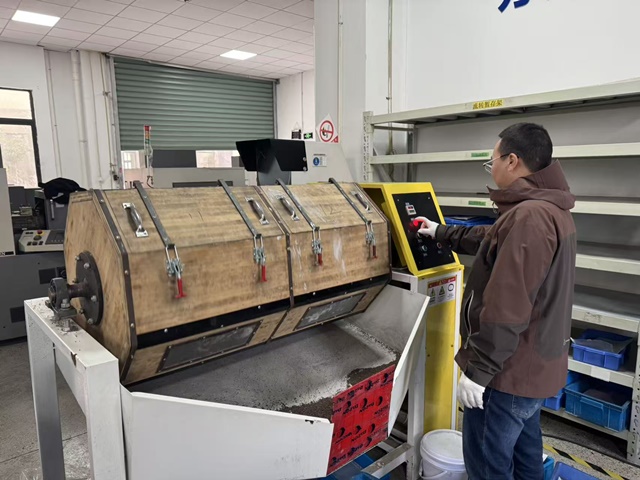
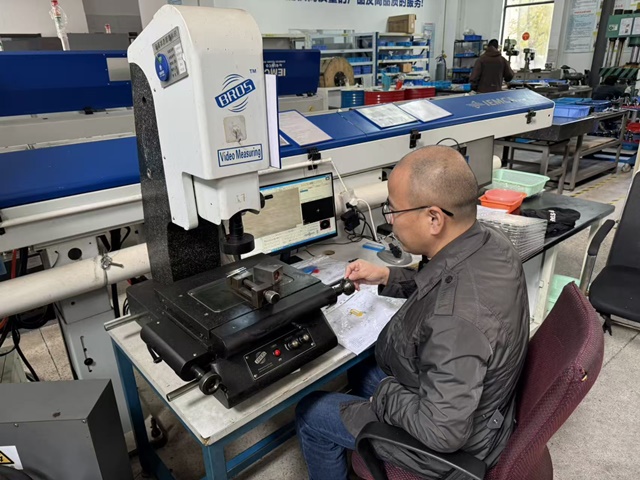
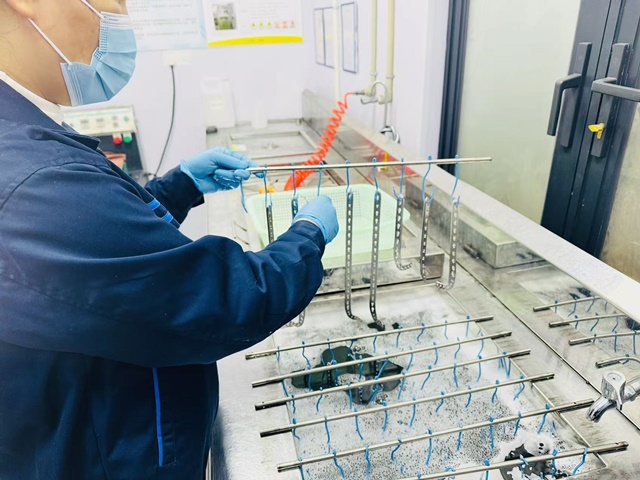
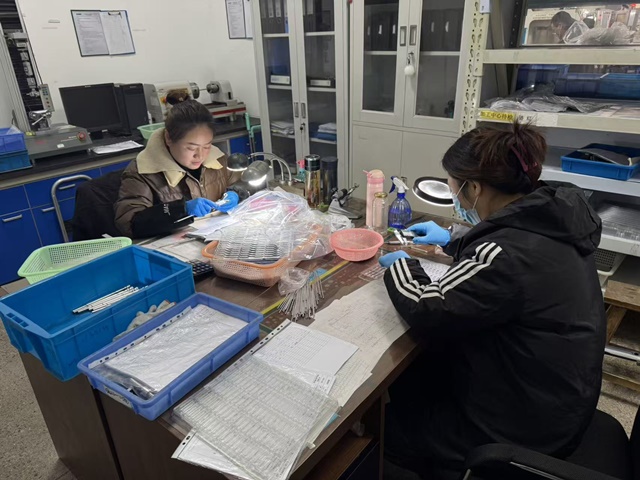
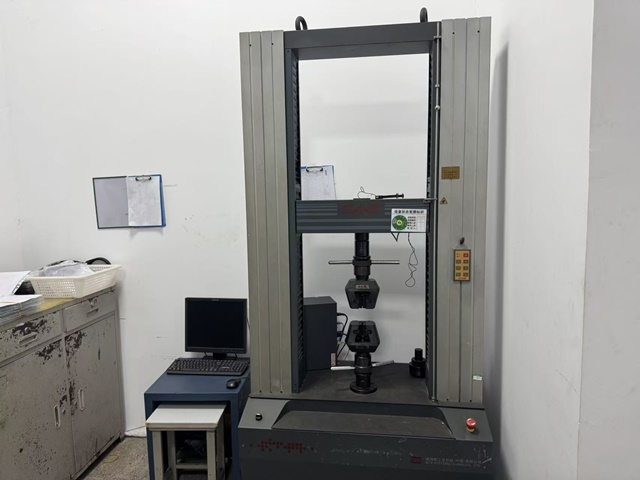
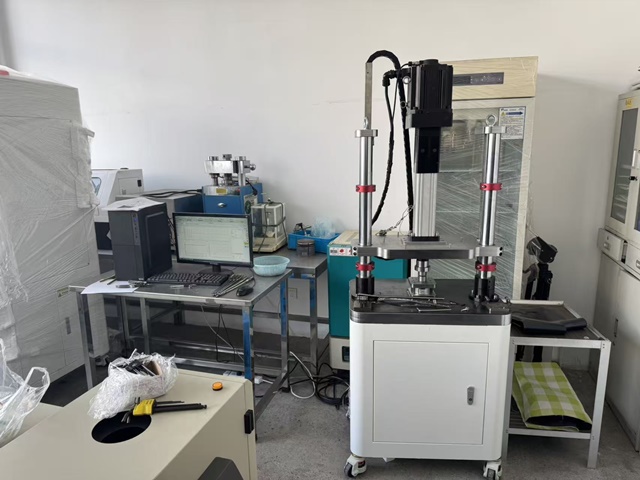
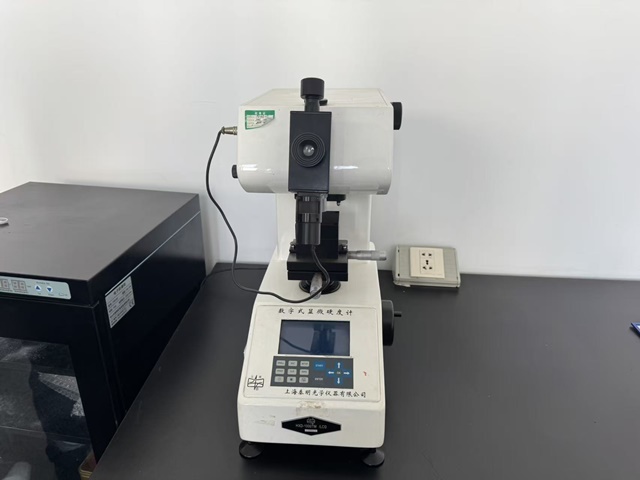
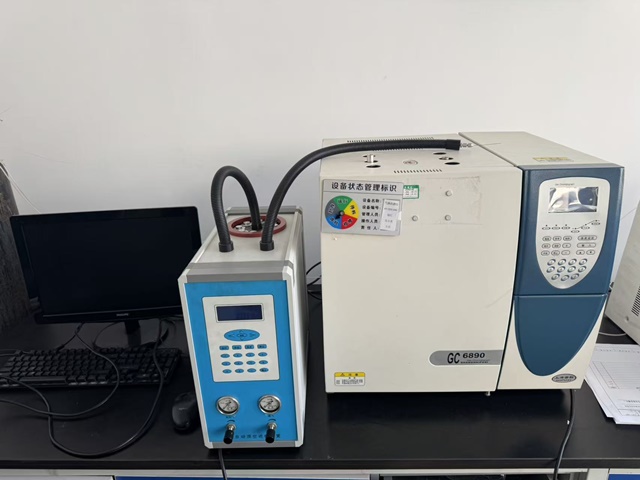
Exploring Osteora's continuous technological breakthroughs and design philosophies.
Continuous evolution is fundamental to modern orthopedic devices. Through our 85 dedicated R&D engineers, Osteora has established a robust pipeline of design improvements, launching approximately 120 new products in the past year alone. This rapid evolution addresses shifting clinical demands, including the adoption of minimally invasive surgery (MIS) and pediatric-specific internal fixation.
Our technical roadmap focuses on three core pillars:
"By collaborating directly with surgical departments and orthopedic clinics, our engineering team translates clinical feedback into mechanical improvements, ensuring our products perform consistently in the OR."
Essential information for medical distributors, purchasing managers, and clinical operators.
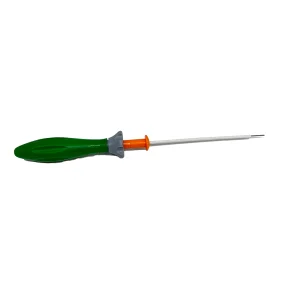
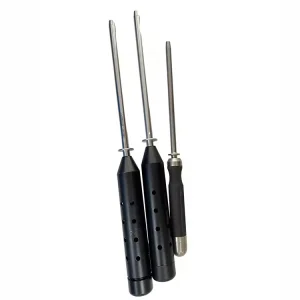
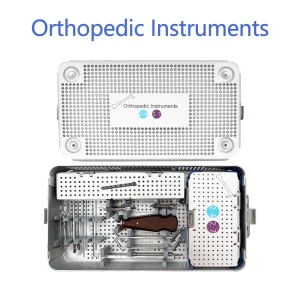
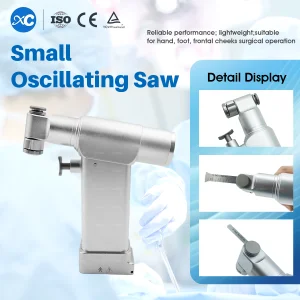
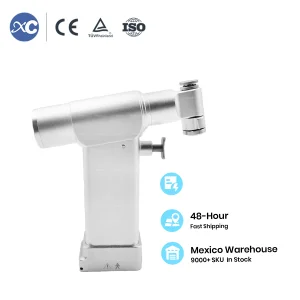
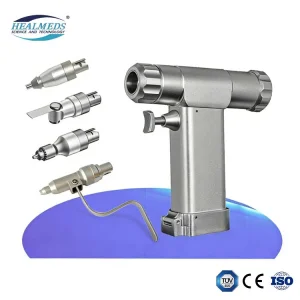
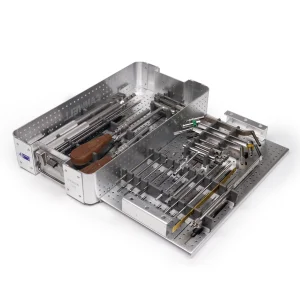
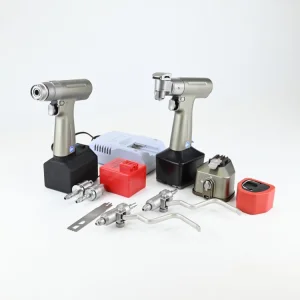
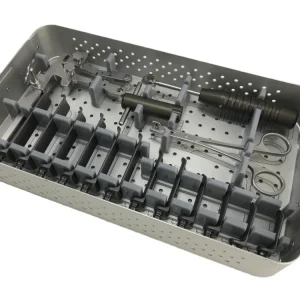
High-durability orthopedic saws, spine retractor systems, and fixation instruments for veterinary and clinical applications.