Osteora
Osteora
Osteora
Engineered for Superior Clinical Outcomes & Surgical Precision
Technical Insights into Global Manufacturing Leadership
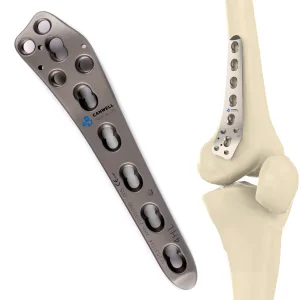
Modern Chinese manufacturing focuses on the synergy between Titanium Alloy (Ti-6Al-4V ELI) and polyaxial locking mechanisms. This allows for customized angular stability, which is crucial for complex comminuted fractures and osteoporotic bone fixations.
Utilizing Swiss-type CNC lathes and Haas machining centers ensures tolerances within microns. The integration of Vision Measuring Instruments and mechanical fatigue testing provides a guarantee of long-term implant integrity.
With a network of over 1,200 certified partners, Chinese factories offer an unparalleled response rate to global medical supply shortages, ensuring that hospitals and clinics maintain critical inventory levels.
The global orthopedic market is witnessing a paradigm shift toward Minimally Invasive Surgery (MIS) and patient-specific implants. Locking Plating Systems, once a standard commodity, have evolved into high-tech solutions requiring advanced Anatomical Contouring. This technology ensures that the plate fits the bone morphology perfectly, reducing the need for intraoperative bending and thus preserving the mechanical properties of the titanium.
As a leading hub for wholesale manufacturing, China has integrated Artificial Intelligence in R&D to simulate stress distribution across various fracture patterns. This "Digital Twin" approach in design allows manufacturers like Osteora to optimize the thickness-to-strength ratio of bone plates, enhancing patient comfort without compromising stability.
Furthermore, the trend of Carbon Fiber Reinforced PEEK implants is emerging, offering radiolucency for better post-operative monitoring. Chinese factories are at the forefront of this material transition, investing heavily in biocompatibility validation and high-cycle fatigue testing to meet FDA and CE Class III requirements.
For global procurement officers, the focus has shifted from "lowest cost" to "Information Gain"—the ability to track the manufacturing journey of an implant from raw titanium ingot to sterile packaging. Our transparency in the production process, involving Gas Spectrometry and Pulsating Cleaning, provides the reliability required by modern surgical centers.
A Visual Journey Through Our ISO 13485 Certified Production Line
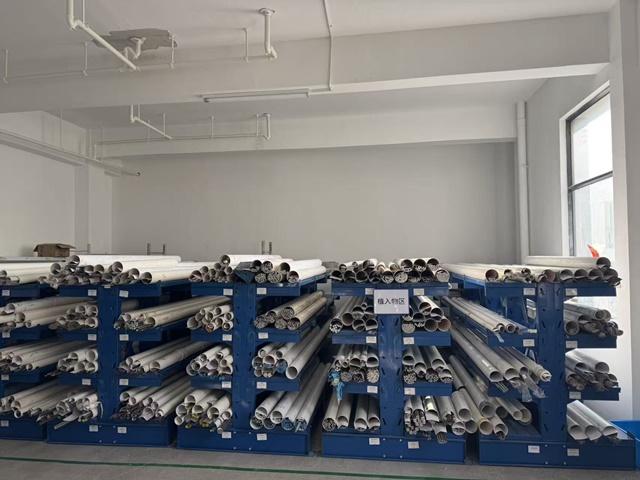
Raw Material Selection
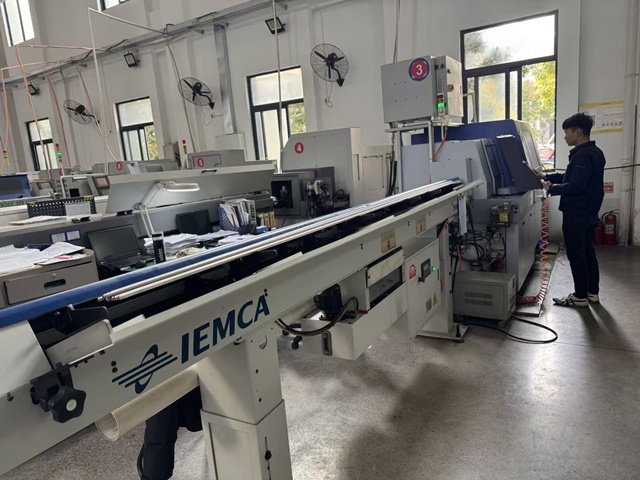
Finishing Process
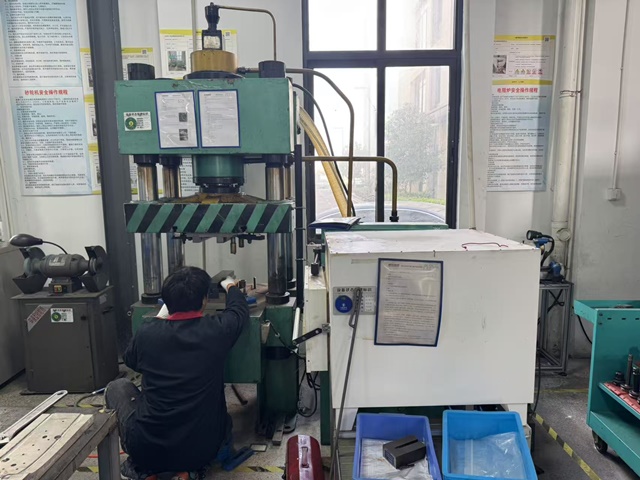
Precision Stamping
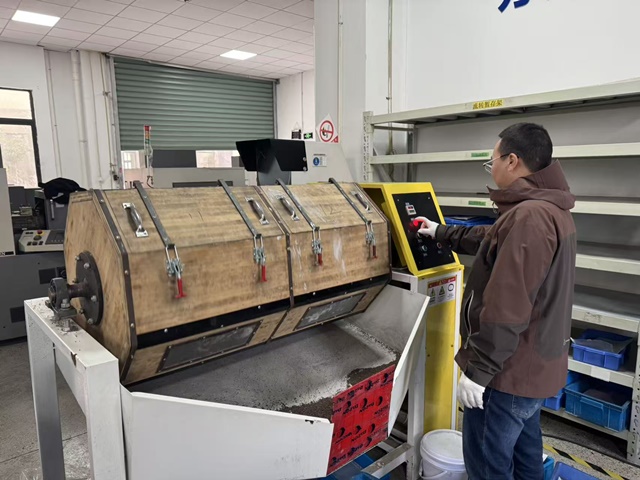
Grinding & Polishing
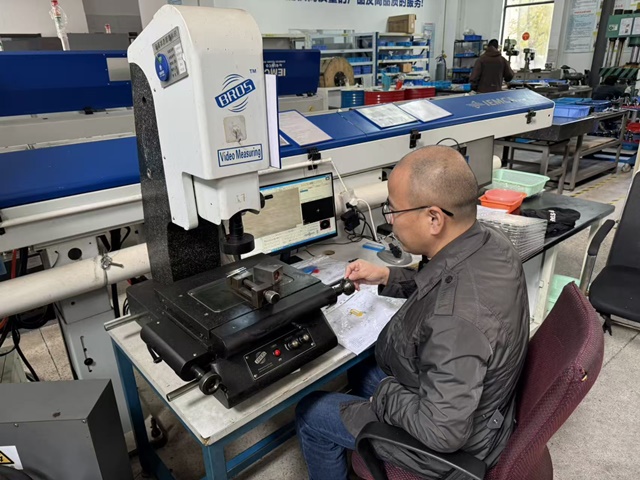
Stringent Checking
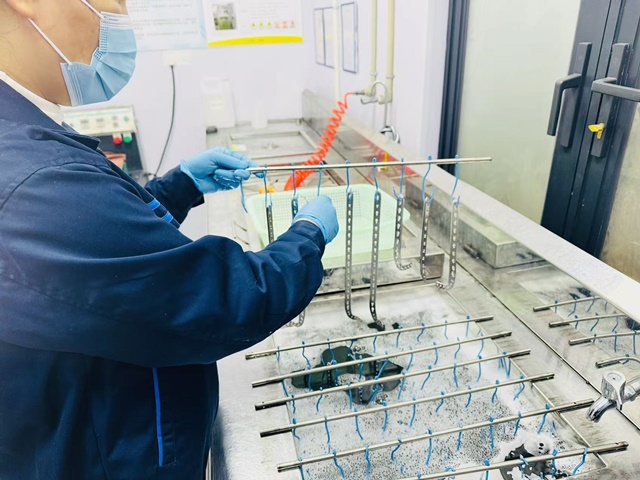
Ultrasonic Cleaning
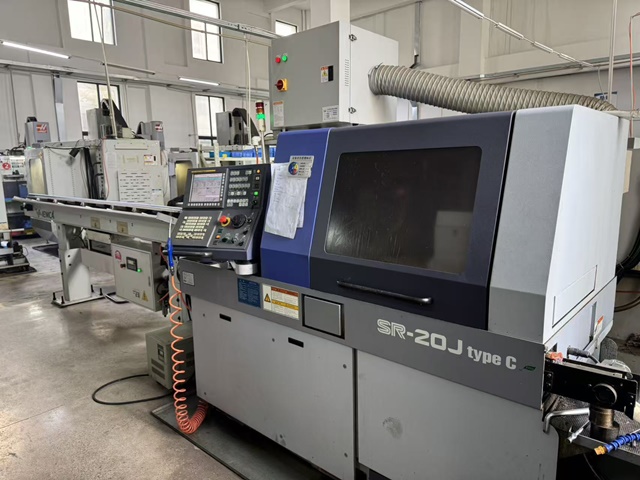
Swiss-type Lathe Work
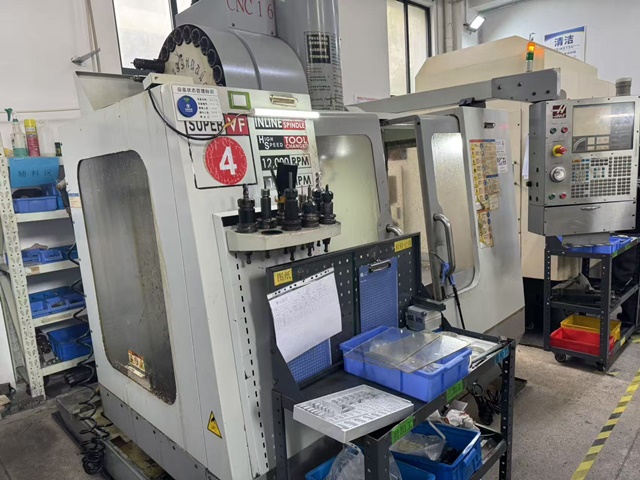
HAAS CNC Machining
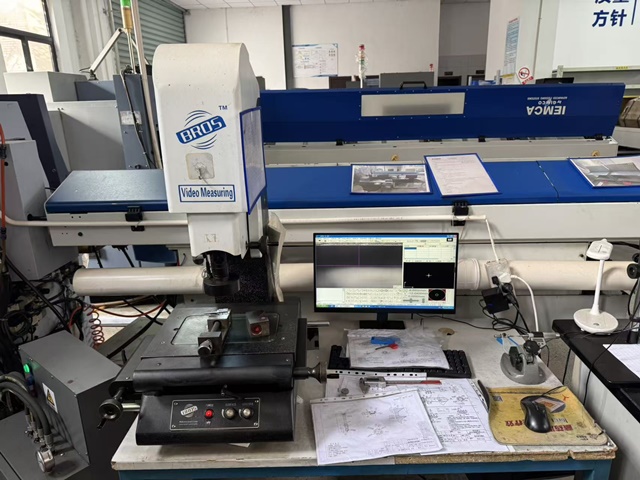
Vision Measurement
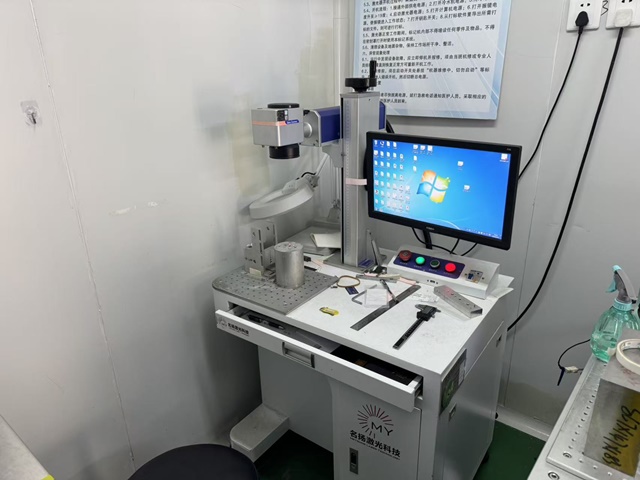
Laser Marking
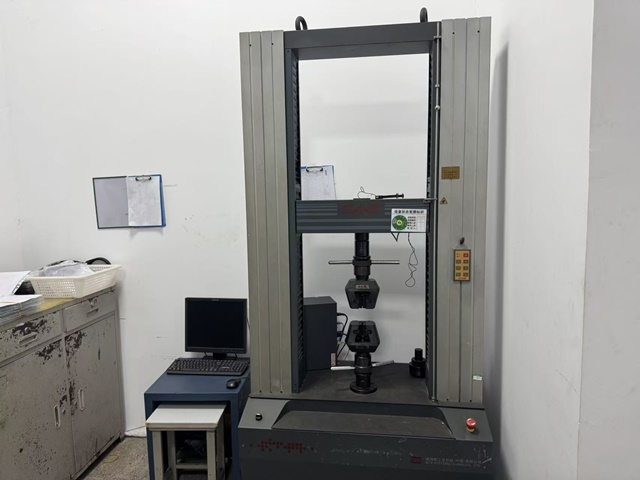
Mechanical Testing
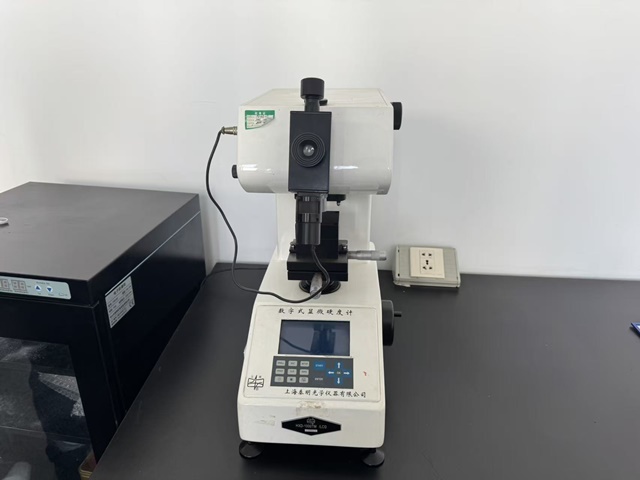
Hardness Verification
Osteora Medical Devices Co., Ltd. is a professional orthopedic implant and surgical solution manufacturer specializing in trauma, spine, and joint reconstruction systems under the brand Osteora.
Founded in 2016, the company has developed a strong reputation in the global orthopedic industry through continuous innovation and strict quality control standards. The facility covers an area of approximately 18,500㎡, supporting integrated production, assembly, and testing operations.
With 8 years of export experience and 12 years of industry expertise, Osteora has established stable cooperation with international distributors and hospitals across multiple regions. Annual export revenue ranges from USD 6 million to 14 million, reflecting steady global market growth.
The company implements comprehensive quality assurance systems, including ISO 13485 compliance, in-process inspection, and final random sampling testing. Product inspection methods include dimensional measurement, mechanical fatigue testing, and biocompatibility validation. The quality control team consists of 42 specialized inspectors ensuring strict adherence to international medical device standards.
Osteora maintains long-term partnerships with distributors in Europe, Southeast Asia, the Middle East, and South America. The supply chain includes approximately 1,200 certified upstream and downstream partners.
Addressing the Complexities of International Orthopedic Procurement
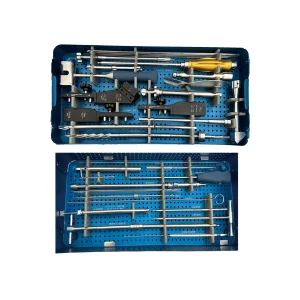
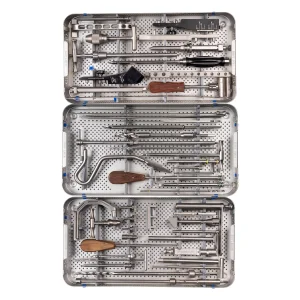
We provide localized instrumentation sets tailored to the surgical preferences of different regions, ensuring that surgeons in Europe or Southeast Asia have the exact ergonomic tools they require for locking plate fixation.
With an engineering team of 85 R&D engineers, we offer extensive customization, including material variations and private labeling for established global brands seeking reliable manufacturing partners in China.
Beyond the product, we offer online technical support and detailed surgical manuals, helping clinics adopt new locking plating technologies with minimal learning curves.
Expert Answers for Professional Sourcing Managers
Locking plates act as internal fixators, where the screw heads lock into the plate. This creates a fixed-angle construct that does not rely on plate-to-bone compression, preserving periosteal blood supply and improving stability in osteoporotic bone.
We use medical-grade Titanium Alloy (Grade 5 ELI) and perform rigorous biocompatibility testing, including cytotoxicity, sensitization, and intracutaneous reactivity tests, in accordance with ISO 10993 standards.
Yes. Our 18,500㎡ facility and 1,200-strong supply chain network allow us to scale production rapidly for large-scale hospital tenders and national health ministry contracts.
Typically, the R&D and prototyping phase takes 4-6 weeks, followed by production. Our team of 85 engineers ensures rapid iteration and compliance with your specific design requirements.
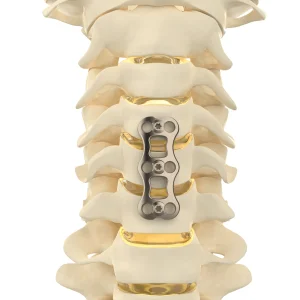
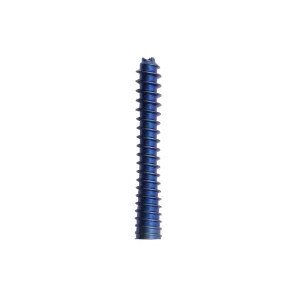
Comprehensive Trauma and Spinal Solutions