Osteora
Osteora
Osteora
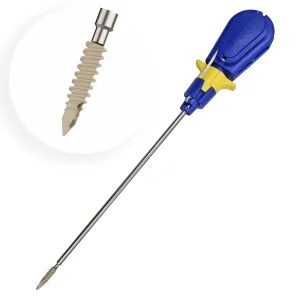
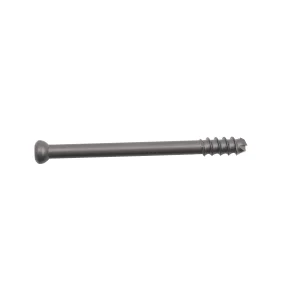
In the biomechanical landscape of modern orthopedic traumatology, cortical screws serve as the cornerstone of rigid internal fixation systems. Designed to purchase securely into dense, compact cortical bone, these components utilize narrow, shallow threads with a relatively small pitch to optimize pull-out strength and structural stability. The global demand for cortical screws is driven by an aging demographic, a rising incidence of high-energy motor vehicle trauma, and an exponential increase in sports-related orthopedic injuries.
Currently, the industrial ecosystem for orthopedic trauma fixation is undergoing a paradigm shift towards customized, high-precision manufacturing. Leading global markets are transitioning from standardized medical grade stainless steels (like 316LVM) to advanced medical titanium alloys (primarily Ti-6Al-4V ELI / Grade 23) and engineering polymers such as PEEK (Polyetheretherketone). This migration is fueled by the clinical requirement for superior biocompatibility, optimized modulus of elasticity matching native bone, and the elimination of image distortion during post-operative MRI or CT scans.
As a global manufacturing hub, China has transitioned from a high-volume component producer to a center of sophisticated R&D and high-precision CNC manufacturing. Advanced Chinese exporters now utilize Swiss-type multi-axis CNC machines and automated finishing lines to supply Class III medical devices that achieve compliance under stringent regulatory frameworks such as EU MDR and US FDA.
"Clinical efficacy in cortical bone fixation is dictated by thread profile geometry, pitch optimization, and the control of surface micro-roughness. At Osteora, we integrate clinical feedback with state-of-the-art manufacturing to deliver screws that guarantee structural integrity under physiological loading conditions."
Osteora Medical Devices Co., Ltd. is a premier, specialized orthopedic implant and surgical solution manufacturer. We design, engineer, and manufacture state-of-the-art trauma fixation systems, spinal implants, and joint reconstruction technologies under the internationally recognized brand Osteora.
Founded in 2016, Osteora has capitalized on over 12 years of core industry expertise and 8 years of dedicated export experience to establish a formidable footprint in the global medical device sector. Our manufacturing operations are headquartered in a modern, integrated 18,500㎡ facility that houses state-of-the-art CNC machinery, dynamic mechanical testing laboratories, Class 100,000 cleanrooms, and automated chemical processing lines.
With an annual export revenue ranging between USD 6 million and 14 million, Osteora serves as a vital supply chain partner for healthcare institutions and medical distributors across Europe, Southeast Asia, the Middle East, and South America. Our operations are backed by an extensive network of 1,200 certified upstream and downstream partners, guaranteeing reliable supply chain continuity and manufacturing capacity.
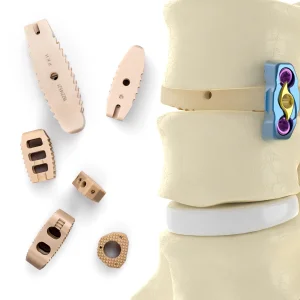
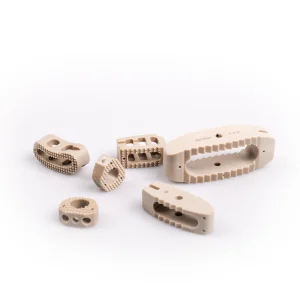
Osteora's manufacturing plant implements a fully closed-loop quality control cycle. Each cortical screw, bone plate, and spinal cage undergoes rigorous raw material characterization, multi-axis machining, surface engineering, and dynamic mechanical validation.
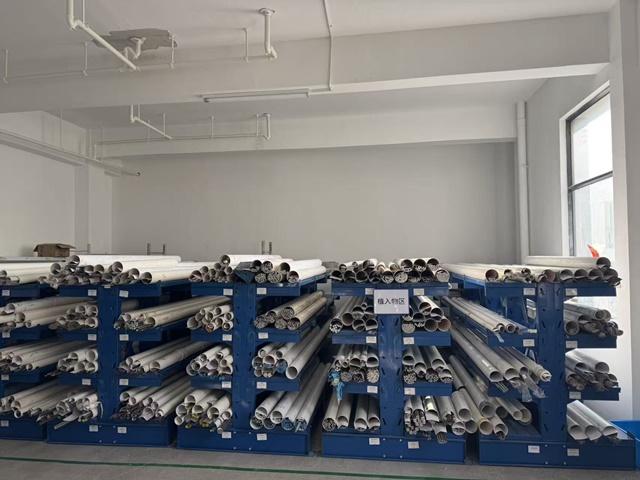
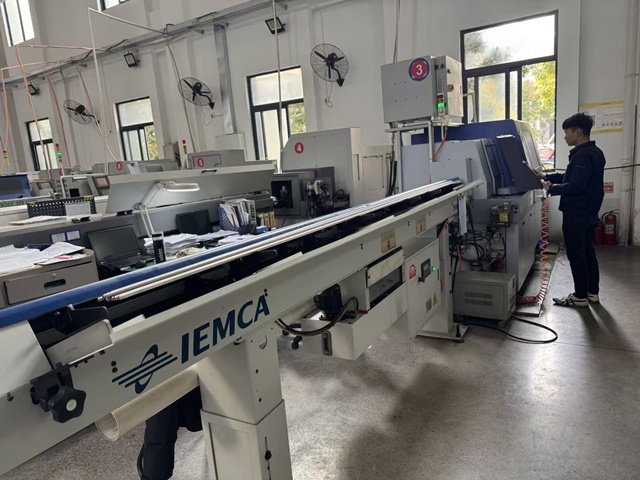
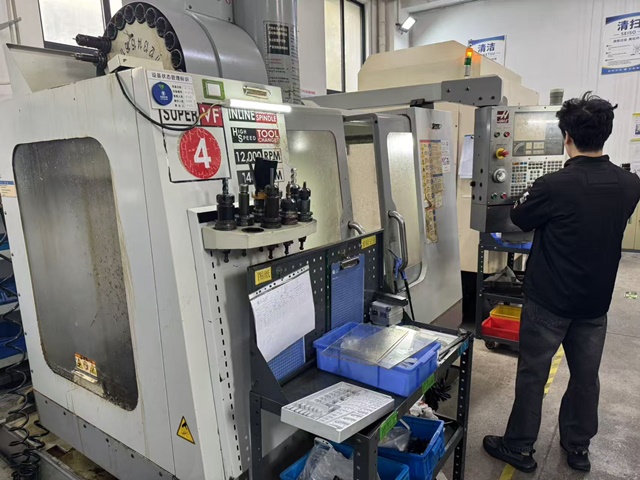
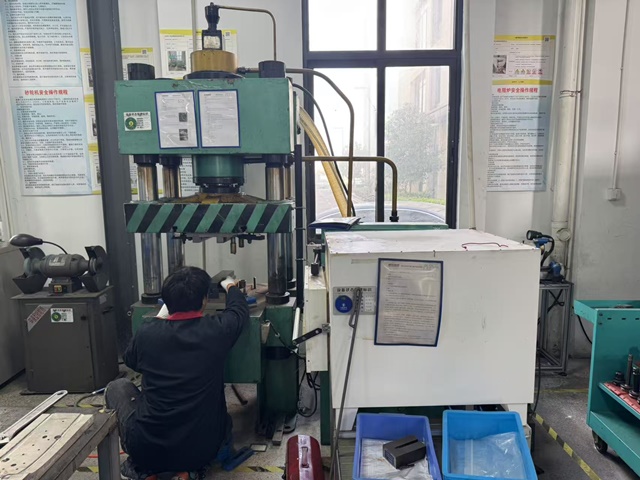
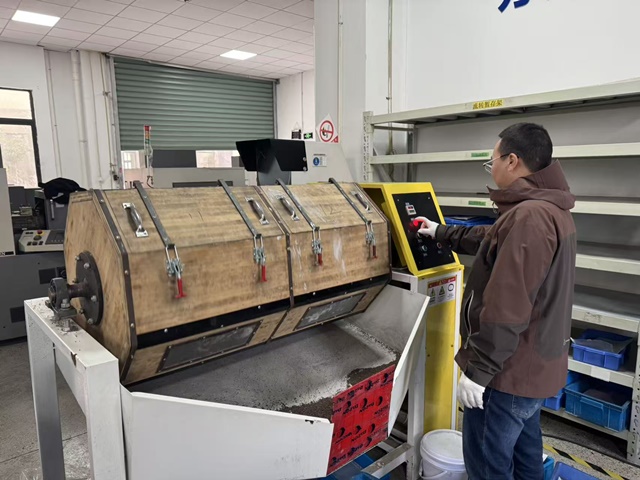
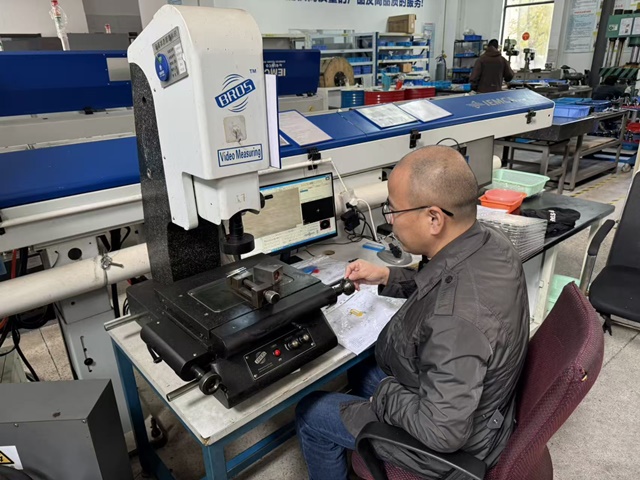
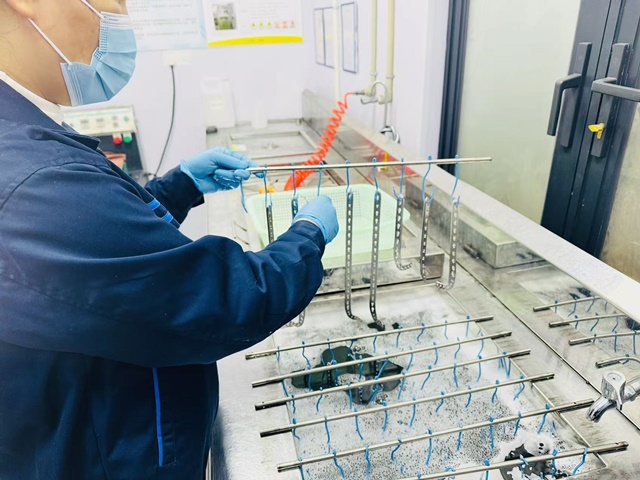
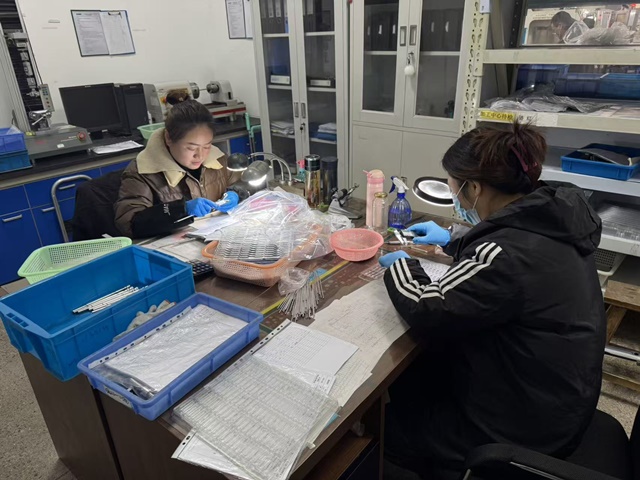
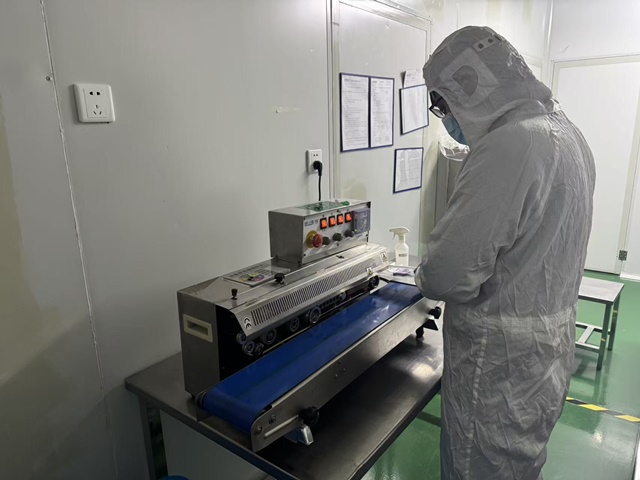
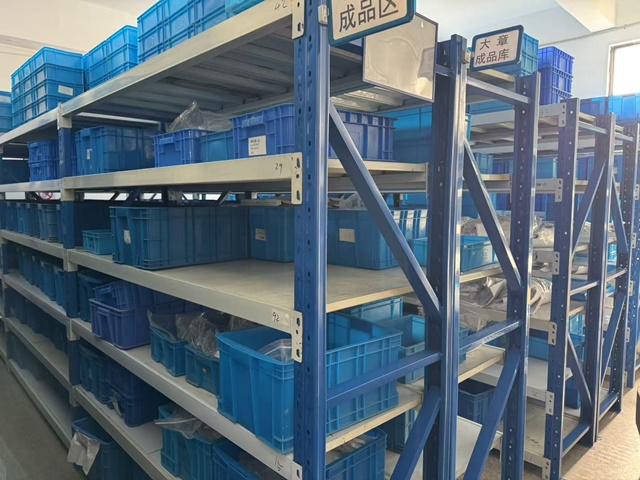
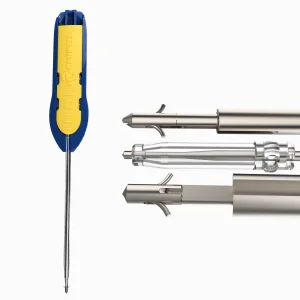
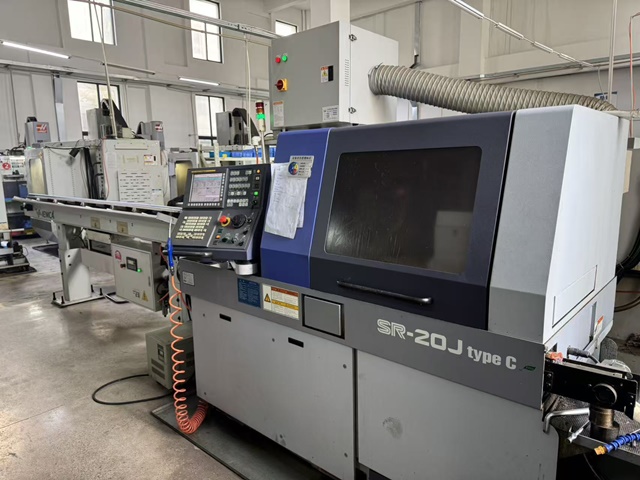
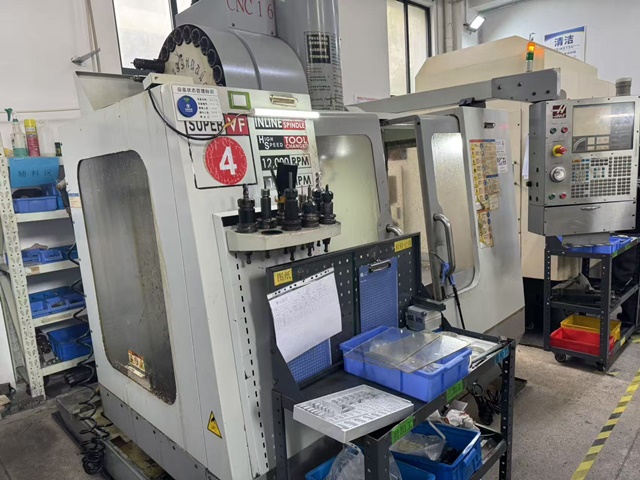
To ensure micron-level dimensional precision and structural fatigue resistance, Osteora continuously invests in advanced hardware. Our tooling workshop features Swiss-type lathes, HAAS CNC machining centers, and structural validation instruments capable of verifying metallurgy, hardness, and dynamic behavior.
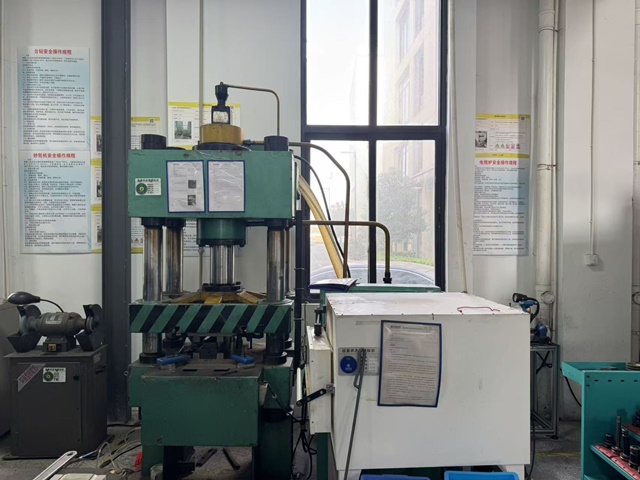
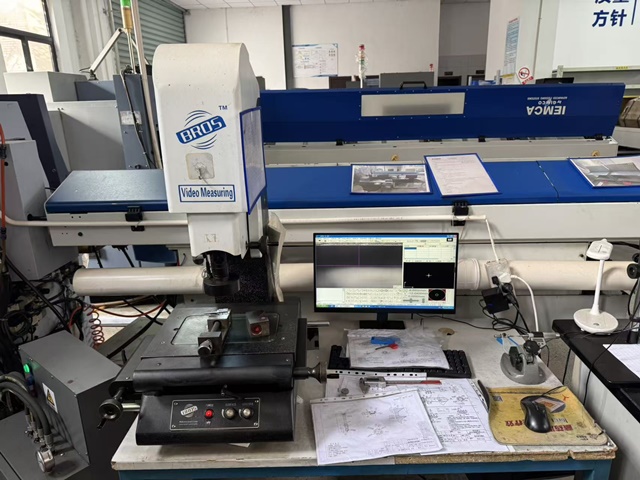
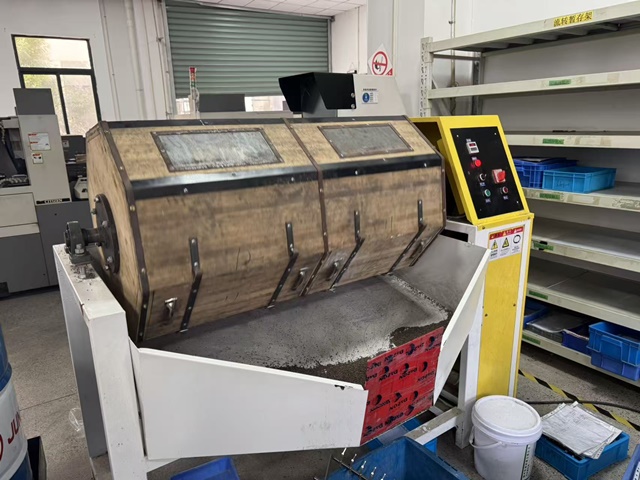
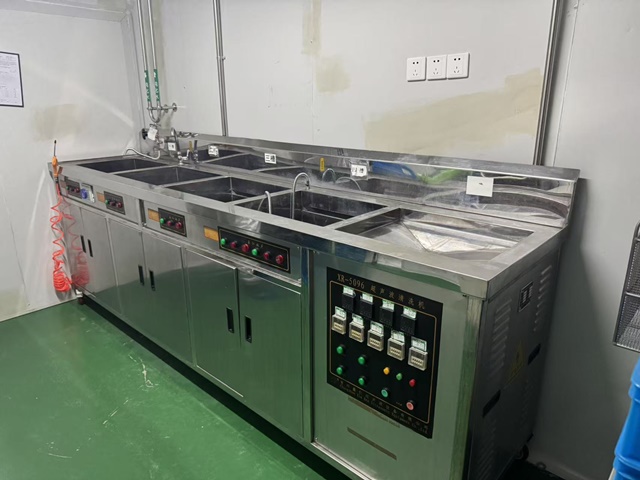
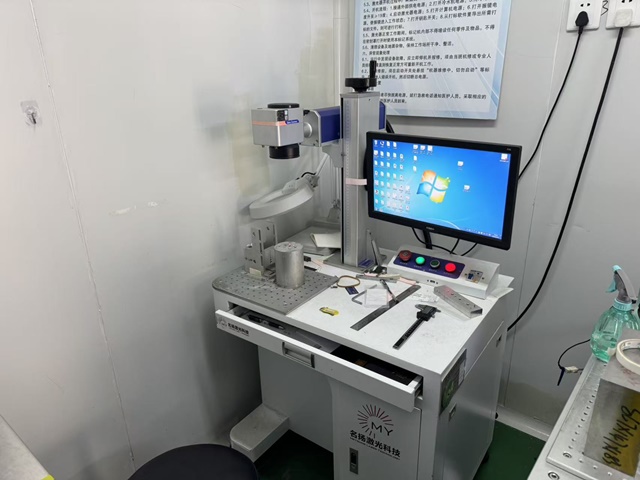
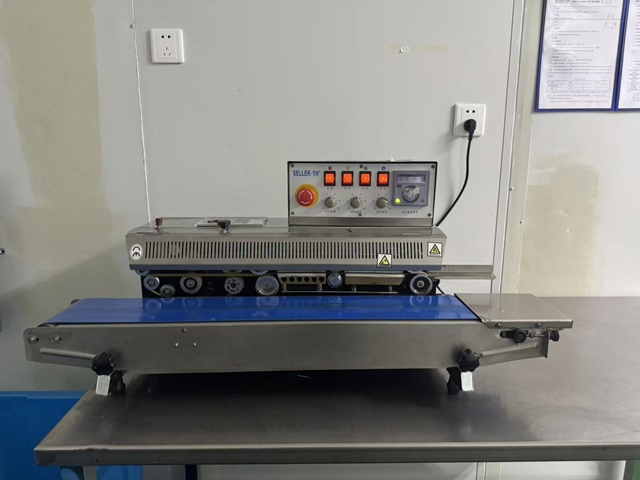
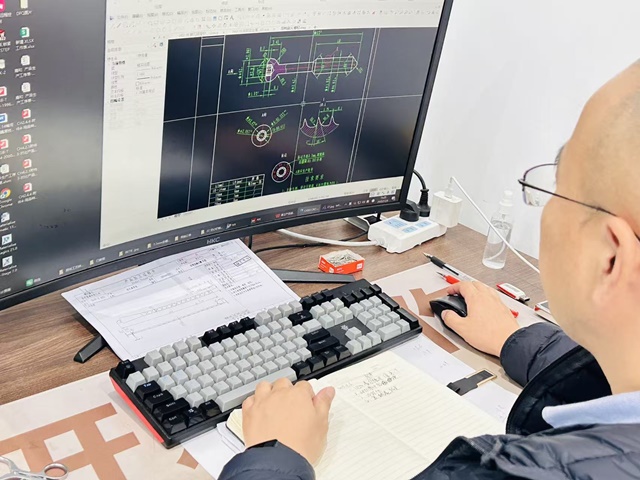
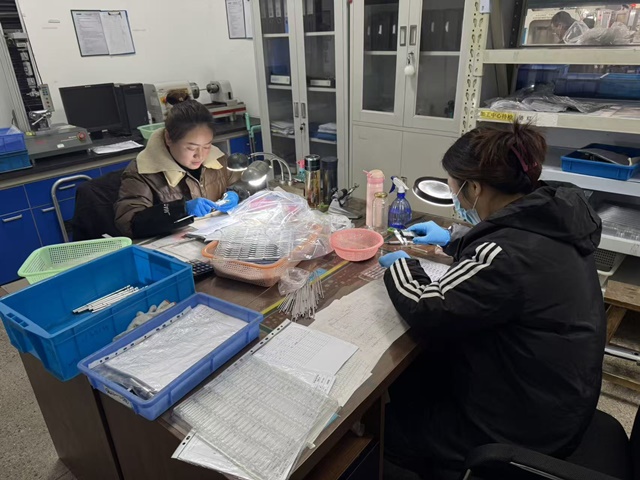
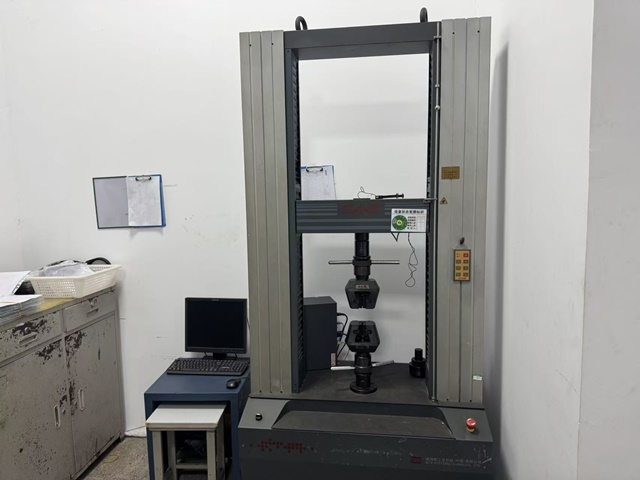
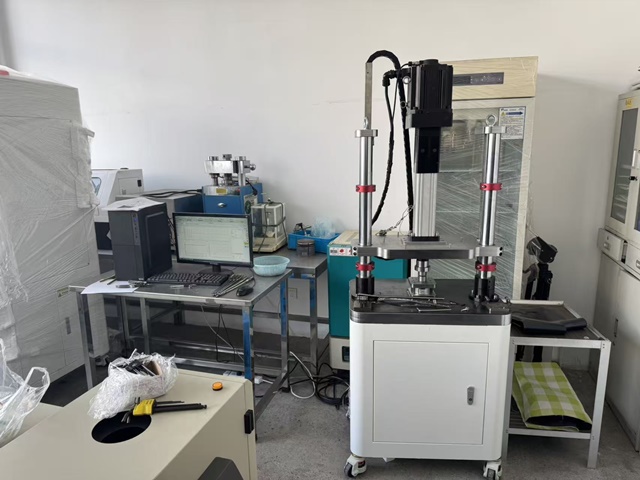
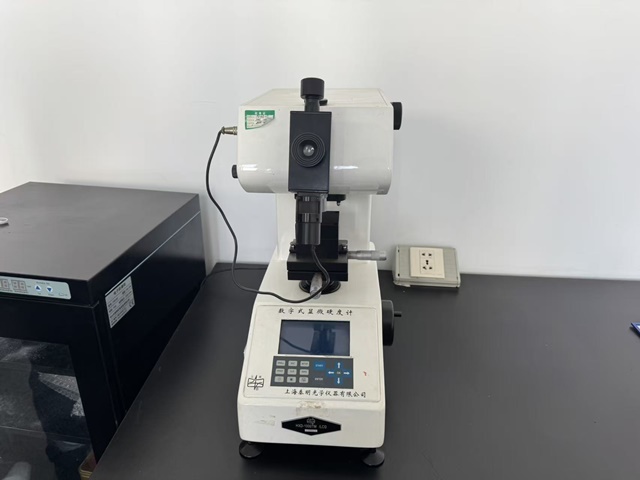
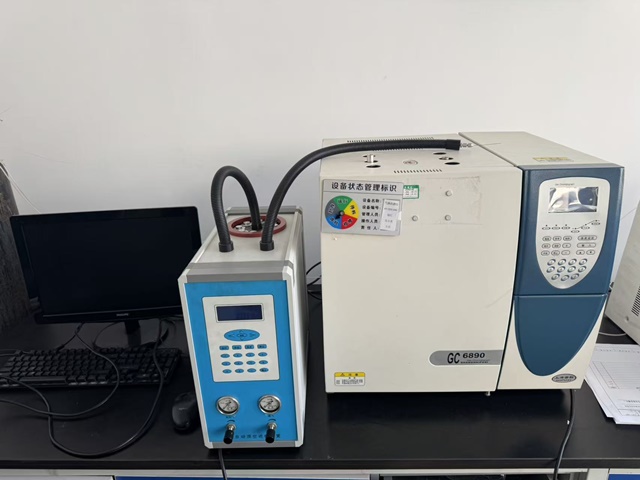
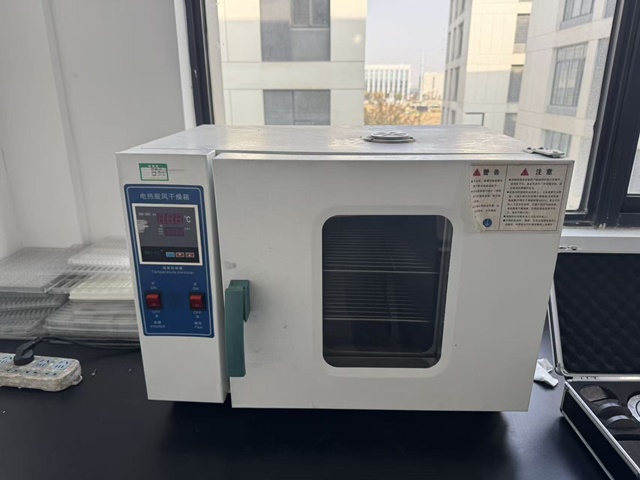
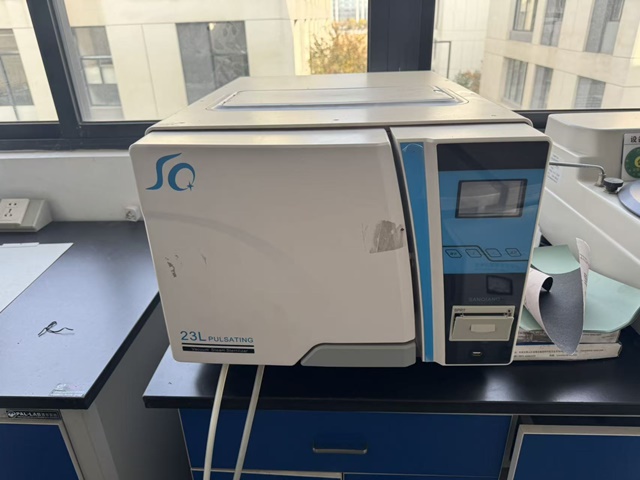
The orthopedic trauma fixation sector is moving beyond basic structural stabilization to bio-active and patient-specific solutions. Osteora is positioning itself at the leading edge of this transition through focused investments in clinical materials science and automated smart manufacturing.
Our engineering initiatives focus on three primary technological pillars:
Osteora understands that clinical protocols, surgical preferences, and regulatory landscapes vary significantly by region. We develop tailored solutions to meet these distinct regional and clinical requirements:
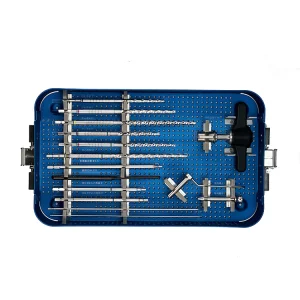
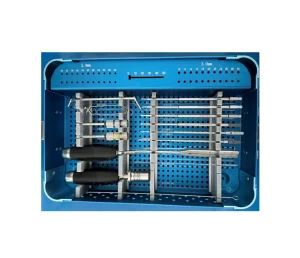
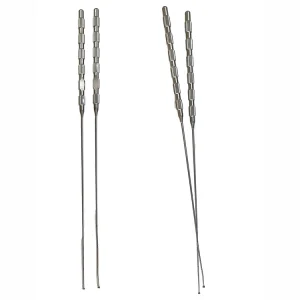
Europe & North America: High-end, certified surgical centers in these regions demand extreme traceablity, CE/FDA certification, and comprehensive surgical instrumentation sets. Our response includes the delivery of color-coded anodized titanium alloy instrument sets with lifetime warranties, supporting seamless integration into modern surgical workflows.
Southeast Asia & South America: In these fast-growing markets, cost-effectiveness, supply chain reliability, and robust, high-performance systems are essential. Osteora offers customizable OEM and private labeling services, allowing local distributors to establish local compliance and gain market share under localized branding.
Macro Trauma Fixation Solutions: For complex diaphyseal fractures of long bones (such as the femur, tibia, and humerus), our cortical screws work in tandem with locking compression plates (LCP). This combination provides rigid internal splinting, supporting early patient mobilization and physical rehabilitation.