Osteora
Osteora
Osteora
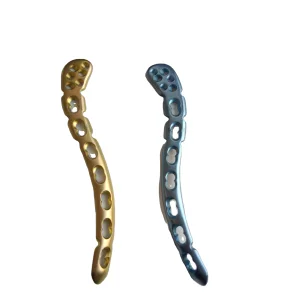
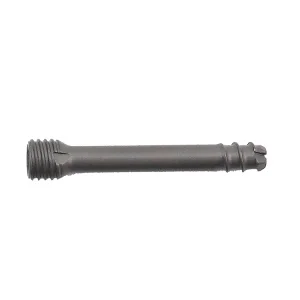
Explore our elite portfolio of clinically approved trauma fixation devices and specialized orthopedic instruments.
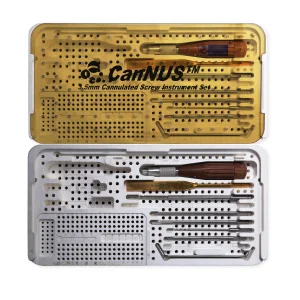
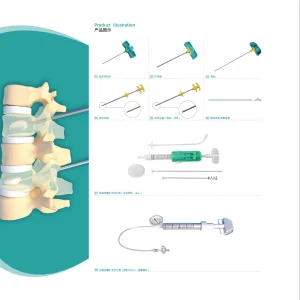
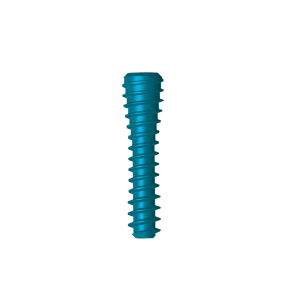
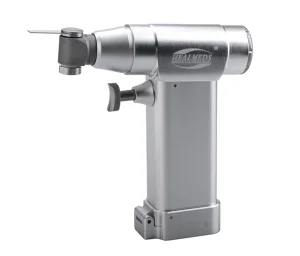
An authoritative deep-dive into Osteora Medical Devices Co., Ltd.’s infrastructure and clinical engineering standards.
In the demanding realm of surgical orthopedics, the choice of clinical implants represents one of the most critical links between medical engineering and human health. Osteora Medical Devices Co., Ltd. stands as a premier medical device pioneer, offering a comprehensive suite of orthopedic trauma solutions, spinal implant architectures, and joint reconstruction technologies. Trading under the globally registered clinical brand Osteora, the organization represents an optimized marriage of rigorous R&D expertise and scalable production, serving critical trauma requirements across the global healthcare ecosystem.
Global purchasing officers and medical distributors require verified evidence of financial capacity and scale before committing to long-term OEM/ODM contracts. Osteora’s annual export turnover ranges from USD 6 million to 14 million, showcasing a consistent upward curve in market penetration. This financial health allows for heavy, continuous reinvestment in advanced diagnostic instrumentation, robotic manufacturing tools, and regulatory alignment efforts required by major global bodies.
The company’s market presence covers a diverse and demanding geographical map. Through reliable regulatory support and logistical stability, Osteora maintains long-term supply networks and distribution lines across key target areas: Europe, Southeast Asia, the Middle East, and South America. This wide-ranging geographical reach is supported by a robust supply chain network of approximately 1,200 certified upstream and downstream partners, ensuring that component materials, surface-treatment compounds, and packaging supplies remain shielded from global transport disruptions.
Understanding how advanced automation and precise machining guarantee metallurgical and structural reliability.
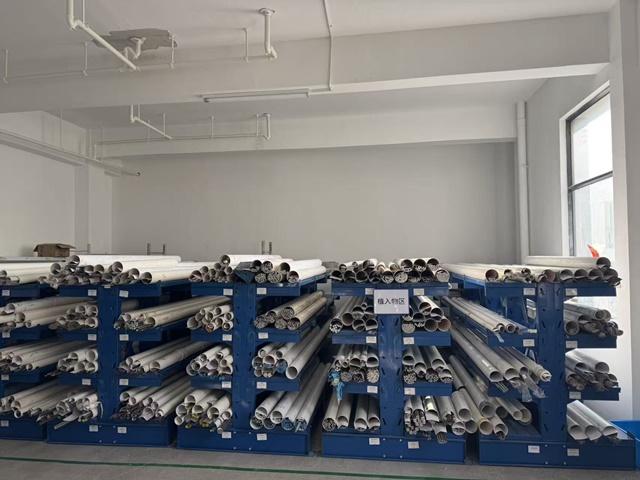
At the heart of Osteora’s manufacturing success is its transition into a Factory 4.0 smart facility. Orthopedic trauma implants demand extreme mechanical precision, where sub-micron dimensional variations can alter biomechanical stress distribution and affect osseointegration. By combining high-performance tooling machinery with automated feedback loops, Osteora achieves high yield rates and excellent consistency across production batches.
The manufacturing sequence is divided into specialized departments, each designed to optimize safety margins and raw material properties:
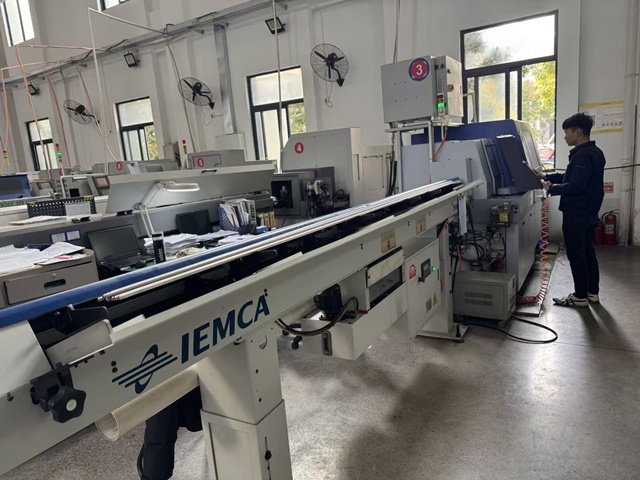
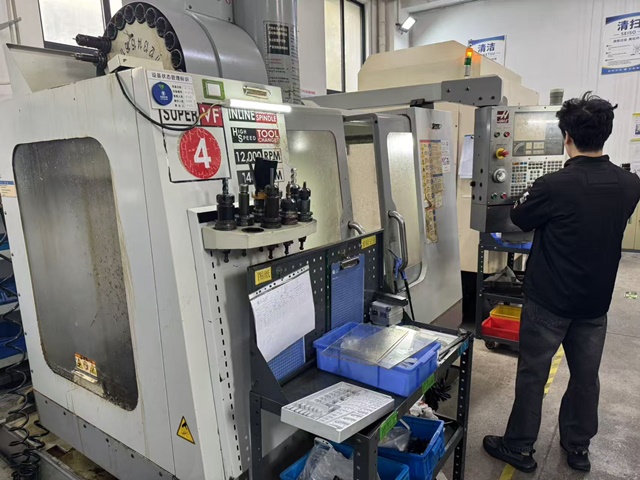
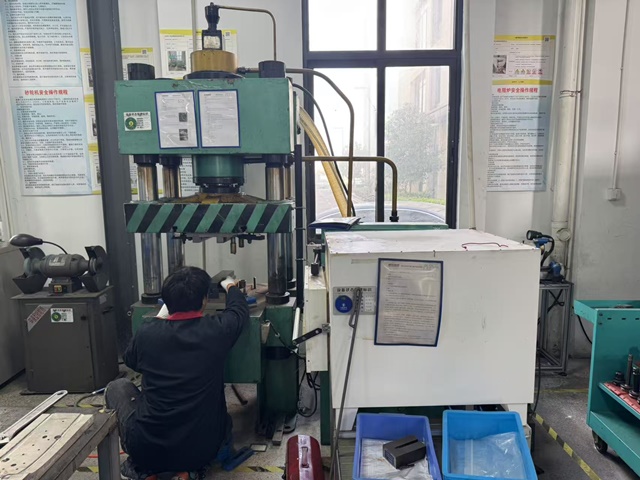
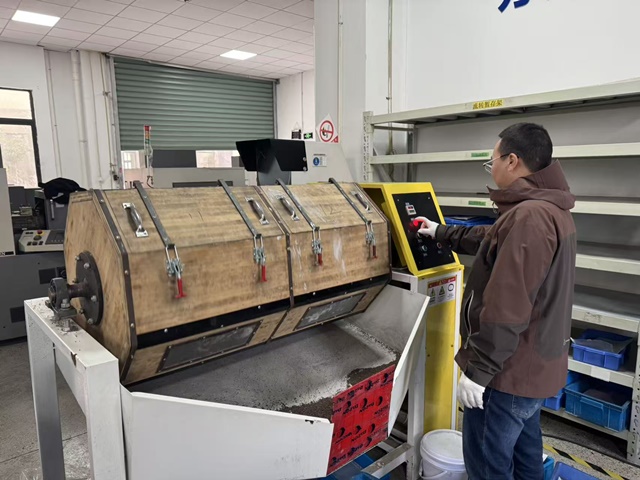
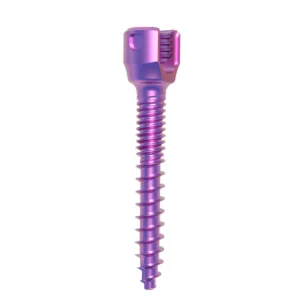
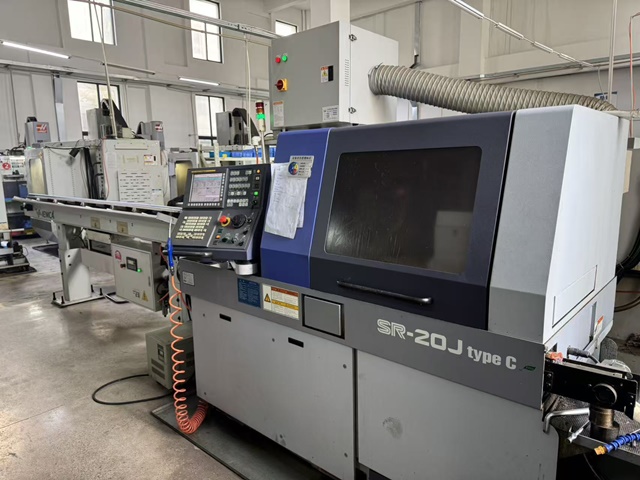
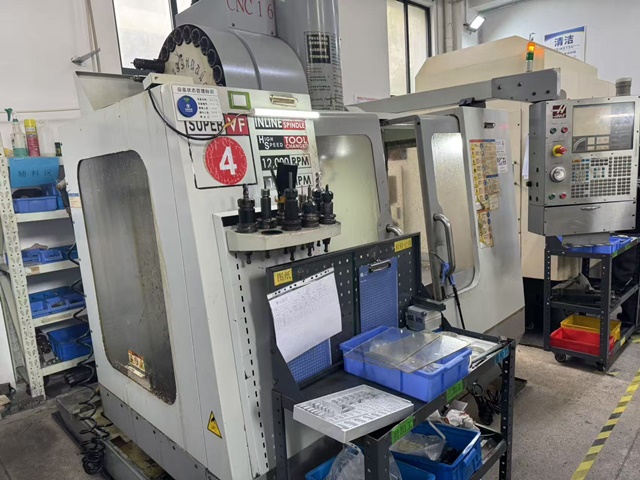
By leveraging high-end international equipment, Osteora achieves tight machining tolerances. Standard operations rely on multi-axis Swiss-type lathe equipment, allowing for single-setup processing of complex geometry screws (such as cannulated and polyaxial pedicle screws). Additionally, Haas CNC centers perform specialized milling for anatomically pre-shaped locking plates.
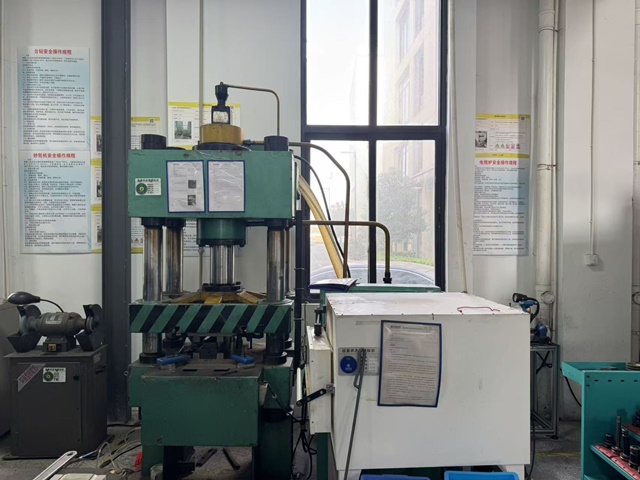
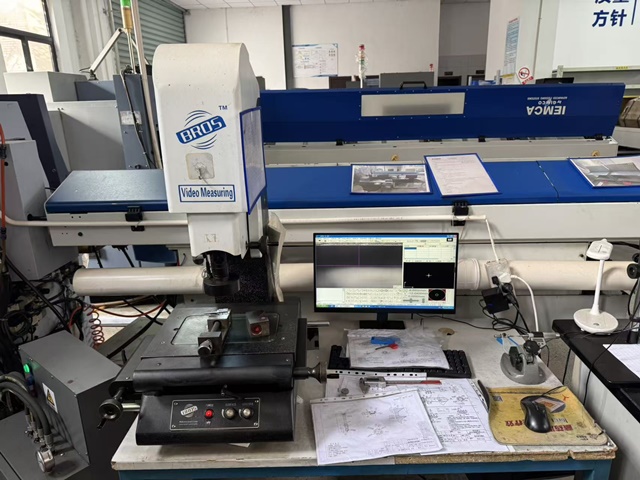
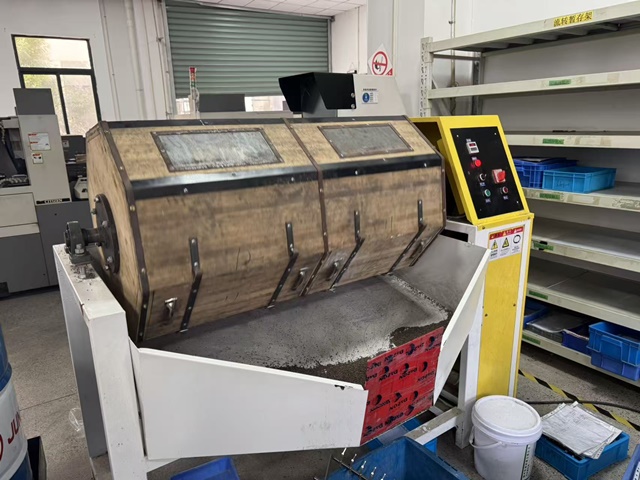
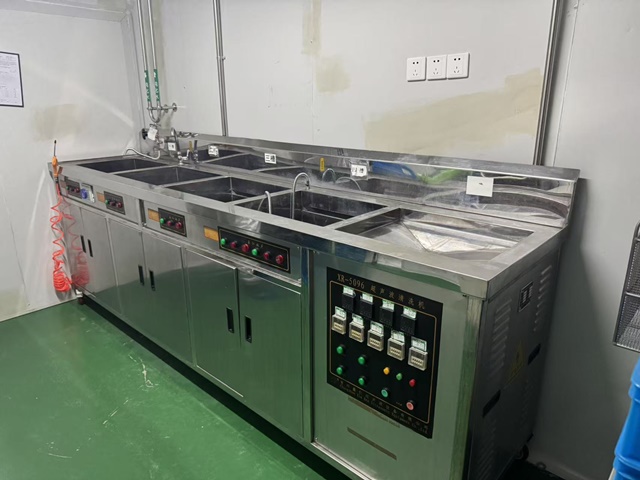
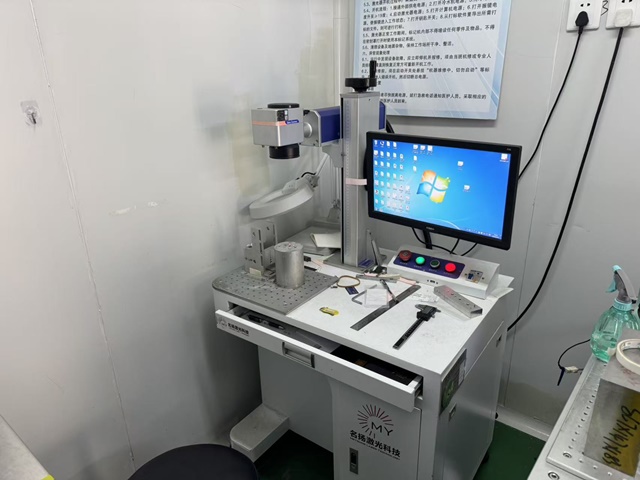
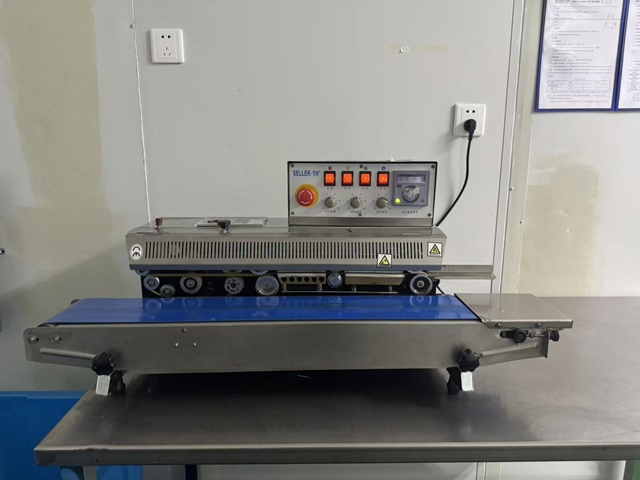
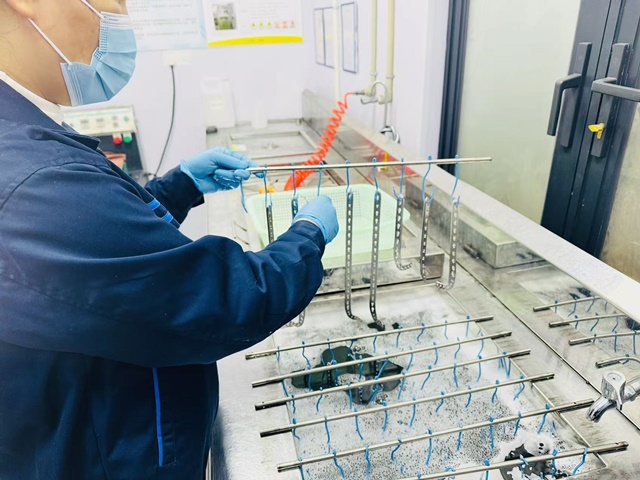
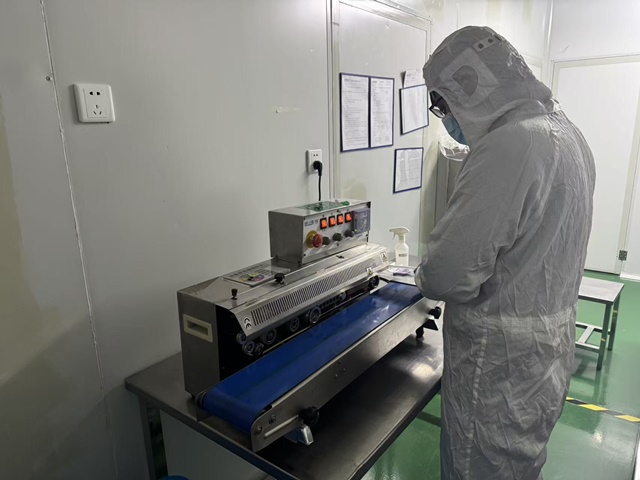
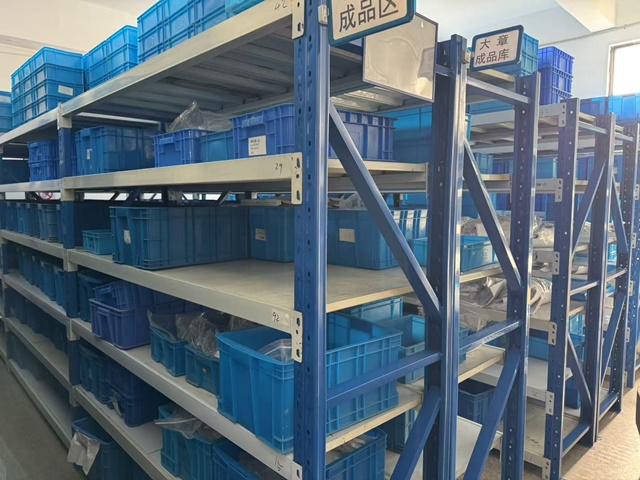
Integrating these production units reduces manual handling, lowering the risk of superficial defects. Post-machining, products undergo strict chemical and ultrasonic cleaning protocols to eliminate manufacturing residues and dust particles, ensuring the titanium substrates are ready for cleanroom packaging.
ISO 13485 compliance backed by scientific instrumentation and exhaustive testing regimes.
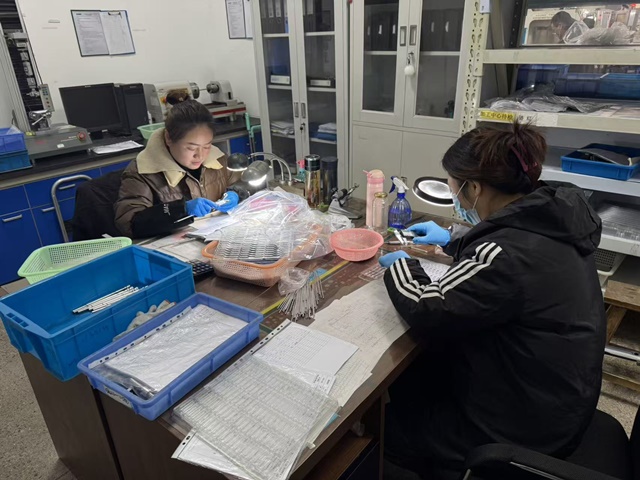
Regulatory authorities like the FDA and European Notified Bodies require clear, trace-analyzable quality control workflows. Osteora implements an extensive quality management system, employing a team of 42 specialized inspectors. This quality control team is present at every phase, from raw material receipt through to final batch dispatch.
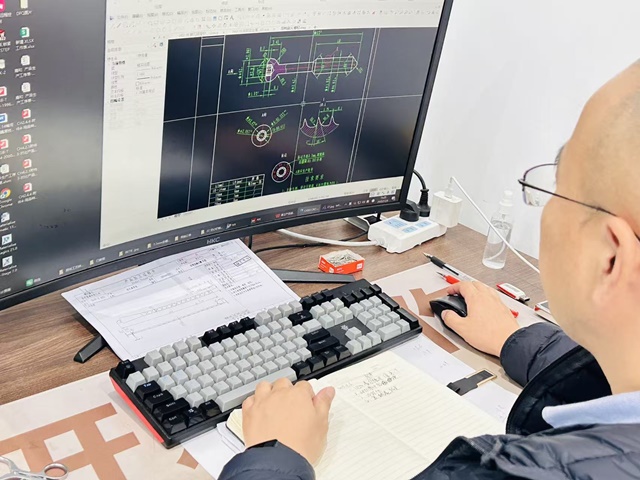
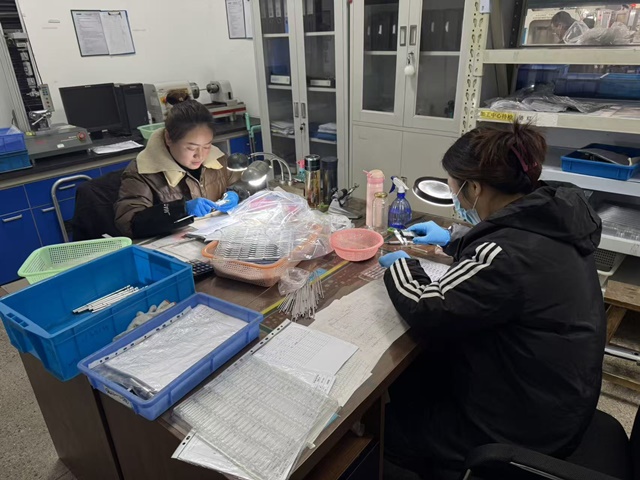
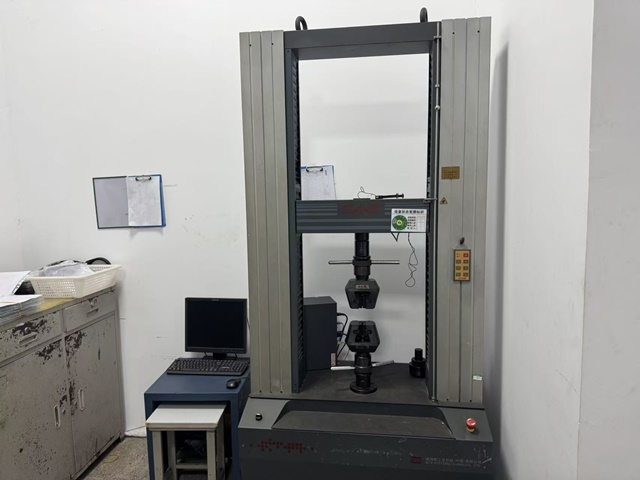
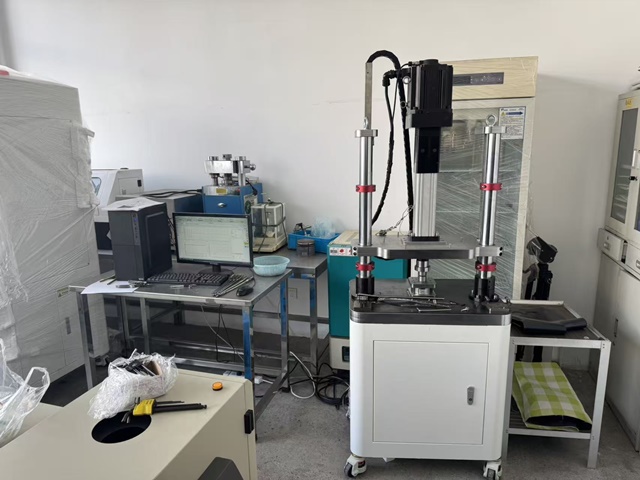
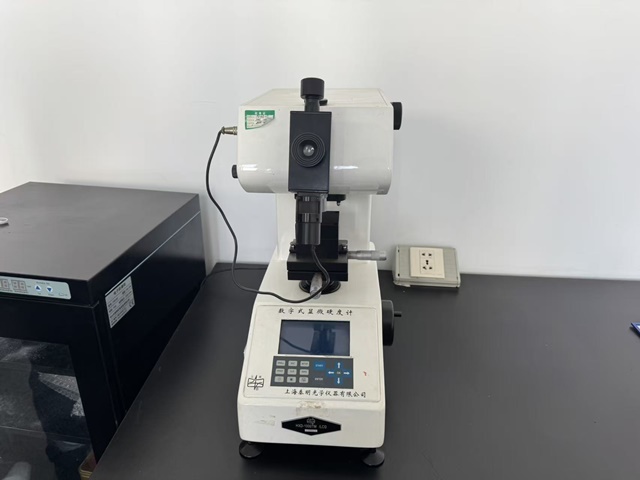
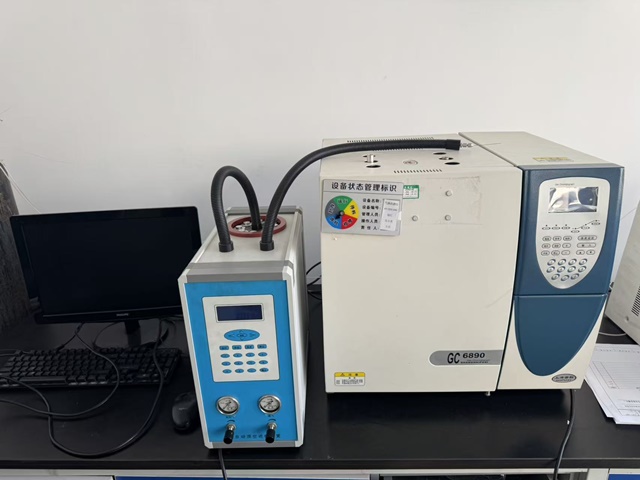
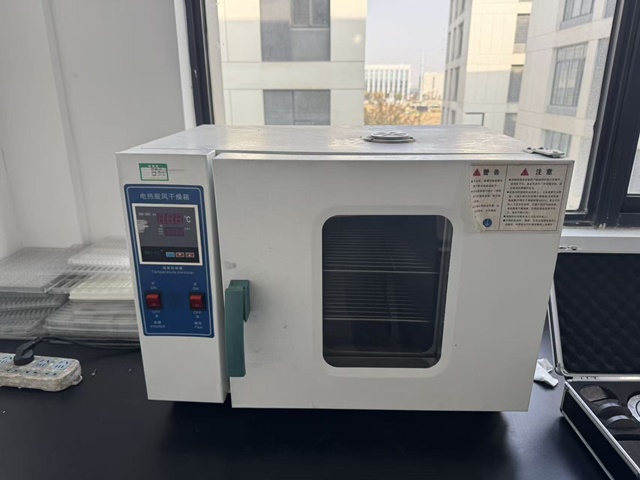
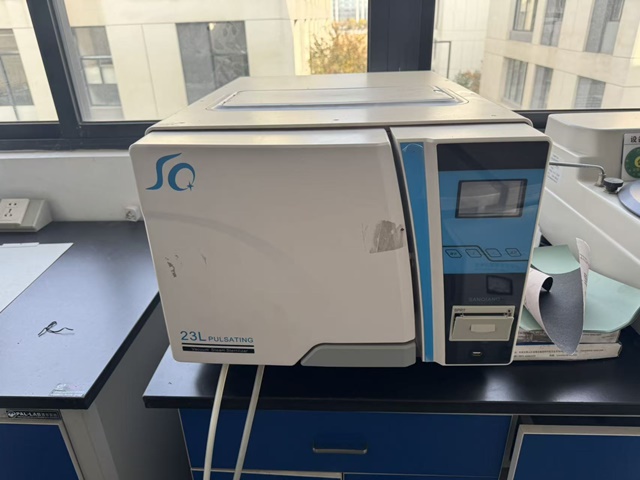
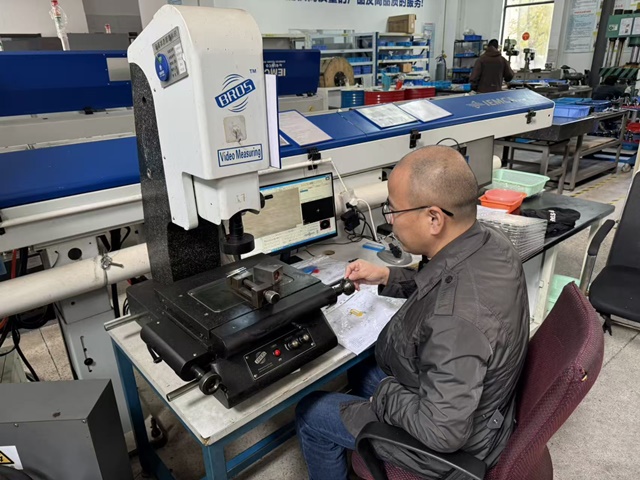
Osteora's chemical safety process utilizes gas spectrometers to confirm that incoming titanium (typically Ti-6Al-4V ELI) and implantable stainless steel match the required chemical composition profiles. At the testing stage, Vickers hardness testers verify cross-sectional hardness, while specialized mechanical testing machines apply fatigue loads to ensure the implants can withstand physiological stresses after insertion. Final verification includes dimensional analysis on vision measuring instruments and manual inspections by two certified auditors before vacuum packaging.
Pioneering next-generation orthopedic technologies to enhance clinical performance.
As clinical standards shift toward faster recovery cycles and lower complication rates, the engineering demands on trauma implants are changing. Osteora’s R&D team, comprised of 85 experienced engineers, is driving a technology roadmap focused on improving surgical precision and long-term implant integration:
Developing anodic oxidation methods and micro-arc coatings to improve bio-integration, decrease healing times, and provide localized defense against bacterial growth.
Researching high-performance bioabsorbable designs for pediatric and low-load applications, reducing the need for follow-up implant removal surgeries.
Integrating direct metal laser sintering (DMLS) to build personalized, porous implant architectures that closely mimic the modulus of natural trabecular bone.
These development steps help ensure that Osteora’s product line remains aligned with clinical needs. With 120 new products launched last year alone, the company continues to update and refine its catalog to match evolving surgical techniques.
Streamlining hospital supply chains and distributor procurement with standardized and custom medical devices.
Global medical device procurement involves balancing cost constraints, quality verification, and reliable delivery. Purchasing managers for hospitals and distribution networks need manufacturers that can provide consistent supply volumes alongside robust quality controls. Osteora addresses these requirements through a structured operational model:
Osteora's product range provides complete systemic solutions for varied orthopedic conditions:
Navigating global regulatory landscapes and ensuring seamless market entry.
Entering new markets with medical implants requires rigorous regulatory compliance. Regulatory pathways like the EU MDR, US FDA 510(k), and ANVISA demand thorough documentation, trace-analytical tracking, and clinical evaluations. Osteora provides regulatory support documentation to simplify the registration process for import partners.
The company’s quality management framework aligns with ISO 13485, and its cleanroom packaging protocols help maintain sterility and product integrity during transit. By offering comprehensive technical dossiers, biocompatibility data, and sterilization certificates, Osteora helps partners reduce administrative delays and speed up local approvals.
Frequently asked questions regarding Osteora's manufacturing standards, materials, and international logistics.
We use high-grade implantable titanium alloy (primarily Ti-6Al-4V ELI conforming to ASTM F136 / ISO 5832-3) and pure titanium (Grades 2 and 4 conforming to ASTM F67 / ISO 5832-2). These materials are selected for their biocompatibility, high strength-to-weight ratio, and excellent fatigue resistance under load.
Our QC team uses high-resolution vision measuring instruments to verify dimensional accuracy down to the micron level. We conduct automated inspections on CNC machines, followed by manual sample checks by our QA inspectors before packing.
Our manufacturing facilities operate under a certified ISO 13485 Quality Management System for medical devices. We maintain clear trace-analytical records for all raw materials and production stages, allowing for complete process auditing.
Yes. Backed by our team of 85 R&D engineers, we provide comprehensive OEM/ODM services. This includes custom implant geometries, material variations, specialized surgical instrument sets, and full private label packaging solutions.
Standard catalog configurations typically ship within 30 to 45 days, depending on batch sizes and order queues. For custom OEM/ODM requests involving tooling modification, delivery schedules are determined based on technical complexity and prototype approvals.
After machining, all implants undergo a multi-stage ultrasonic cleaning process to remove manufacturing residues. Packaging and final assembly are conducted in certified cleanrooms, where environmental particulates, humidity, and airflow are monitored.
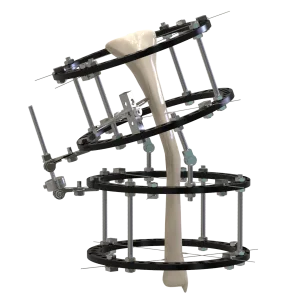
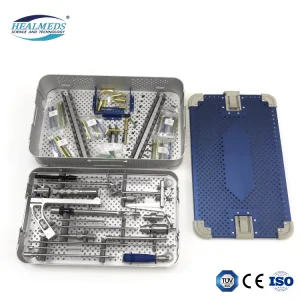
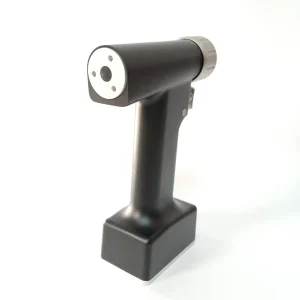
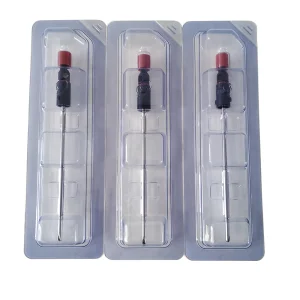
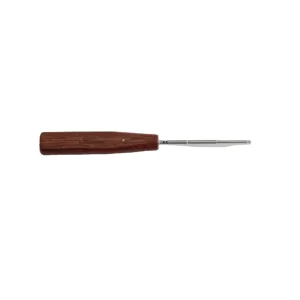
Explore our collection of internal fixation plates, external fixator hardware, and power tools.