Osteora
Osteora
Osteora
Advanced trauma, spinal, and joint reconstruction platforms manufactured under strict international regulatory compliance frameworks.
How Osteora Medical Devices Co., Ltd. integrates advanced R&D and manufacturing capacity to supply global markets.
Osteora Medical Devices Co., Ltd. is a professional orthopedic implant and surgical solution manufacturer specializing in trauma, spine, and joint reconstruction systems under the brand Osteora.
Founded in 2016, the company has developed a strong reputation in the global orthopedic industry through continuous innovation and strict quality control standards. The facility covers an area of approximately 18,500㎡, supporting integrated production, assembly, and testing operations.
With 8 years of export experience and 12 years of industry expertise, Osteora has established stable cooperation with international distributors and hospitals across multiple regions. Our supply chain includes approximately 1,200 certified upstream and downstream partners, supporting stable production capacity and reliable delivery performance. The primary markets include Europe, Southeast Asia, the Middle East, and South America.
Addressing the critical engineering challenges of ligament reconstruction and arthroscopic procedures.
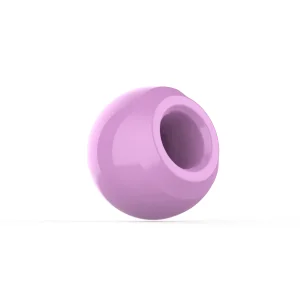
Interference screws provide mechanical stabilization of soft tissue and bone-tendon-bone (BTB) grafts within the femoral and tibial tunnels. Osteora's titanium alloy interference screws ensure optimized thread-to-bone contact to minimize graft slippage during the early phase of remodeling.
Using medical-grade Ti-6Al-4V ELI (Grade 23) alloy, our implants show excellent bio-inertness. The chemical passivation and precision surface-blasting techniques foster micro-roughness, promoting osteointegration and minimizing inflammatory responses.
With an active team of 85 R&D engineers, we specialize in custom thread designs, specialized driver configurations (such as star or hex drive systems), and variations in cannulation dimensions to fit proprietary surgical instrumentation sets.
Visual overview of the machinery and processing steps deployed within our 18,500㎡ facility.
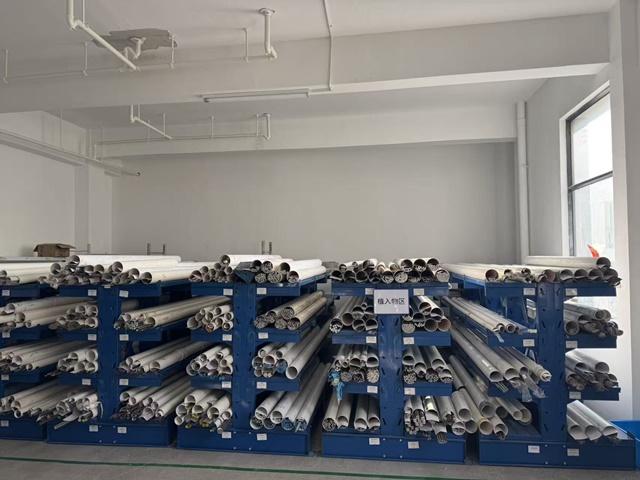
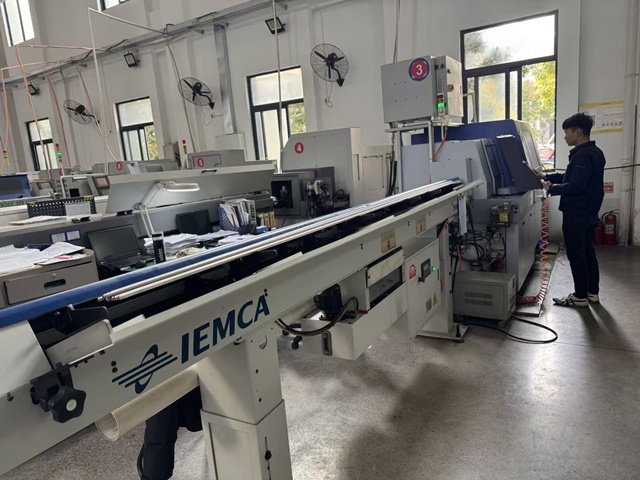
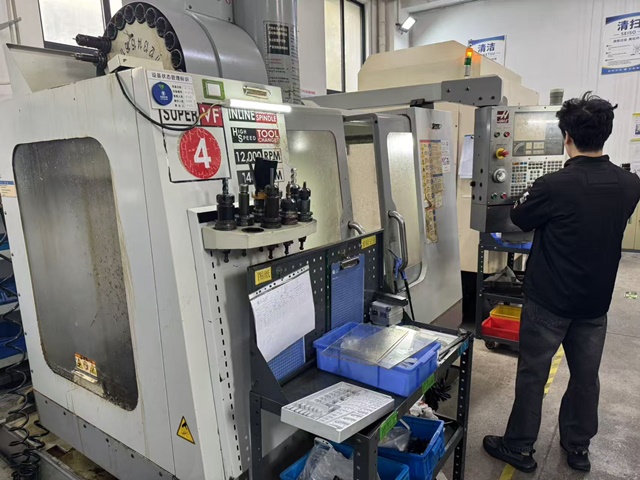
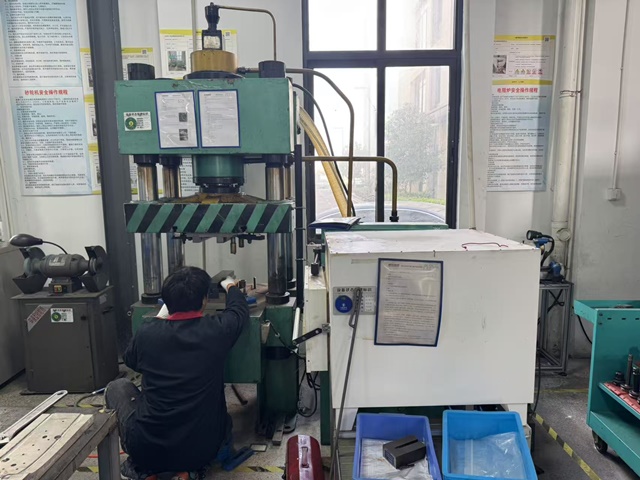
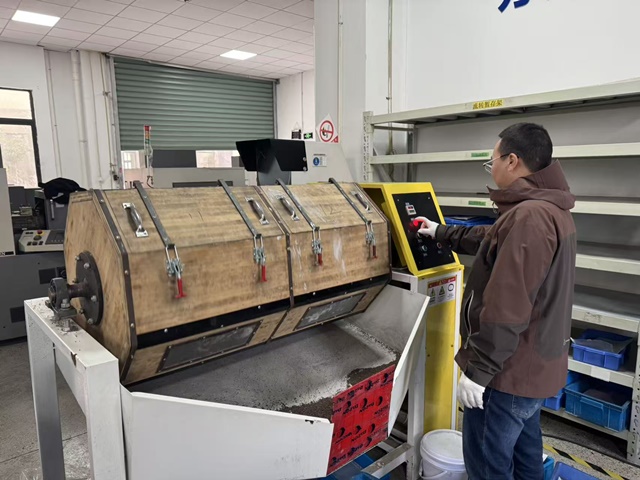
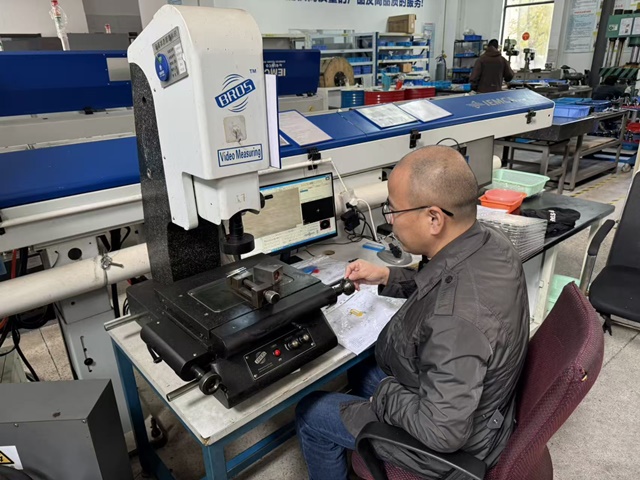
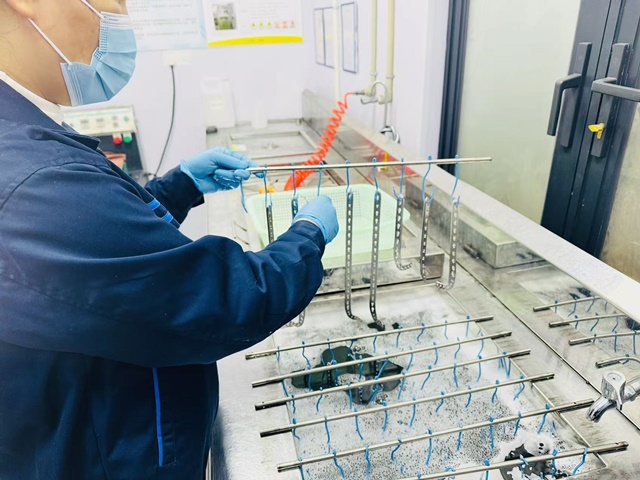
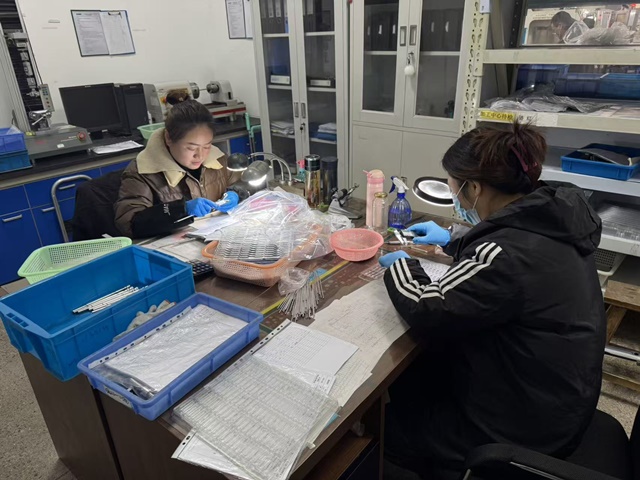
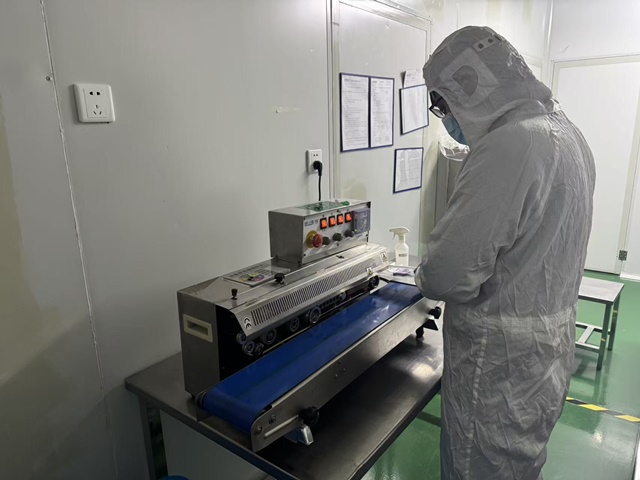
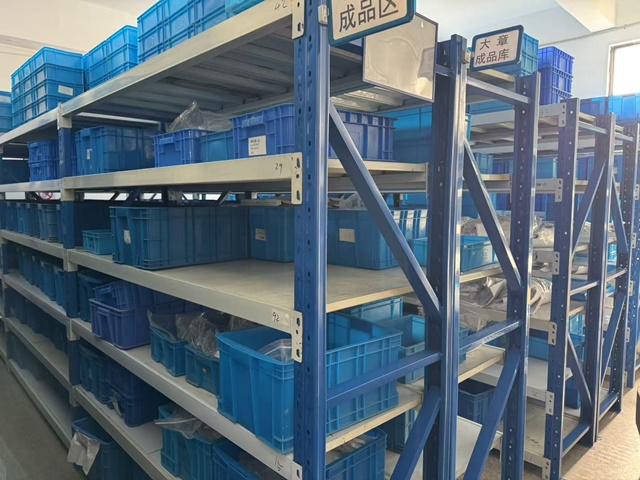
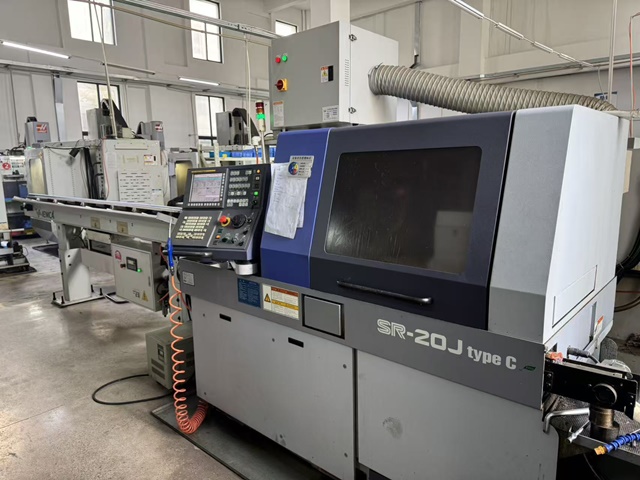
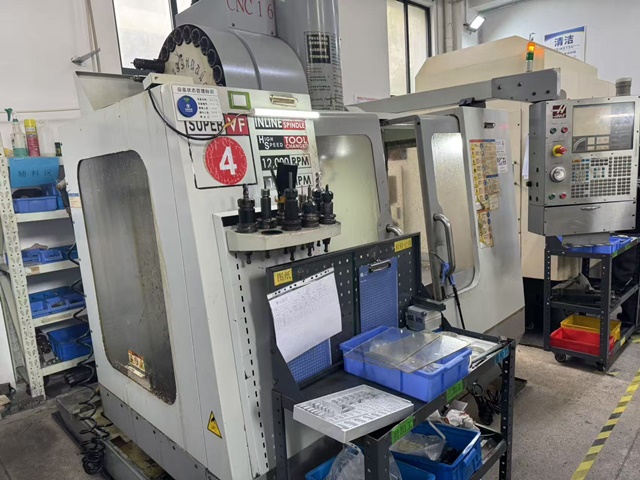
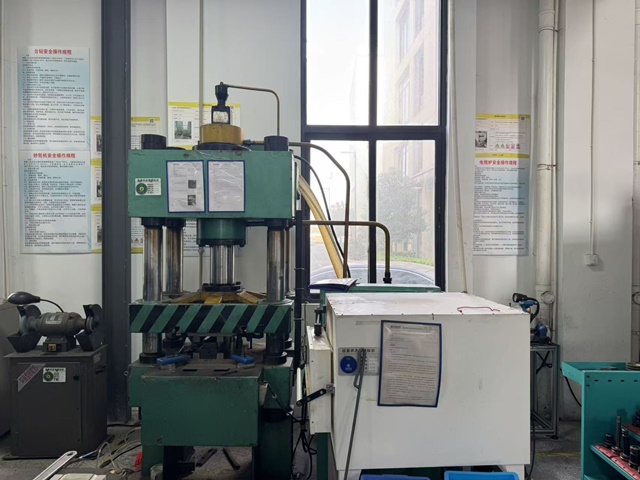
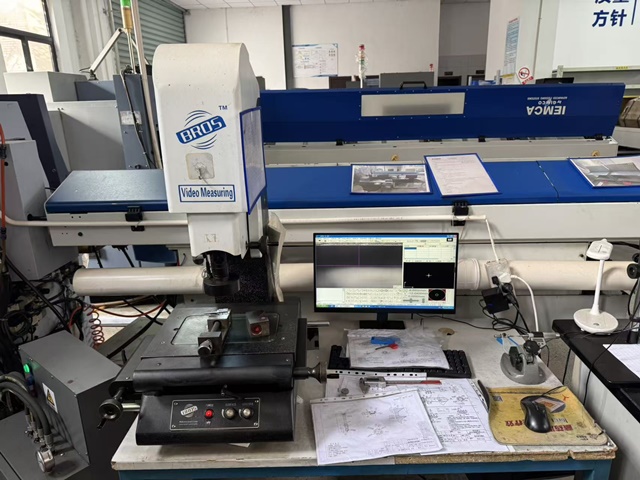
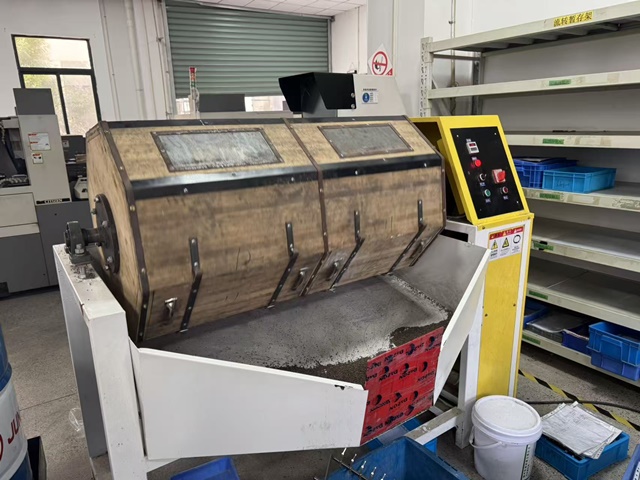
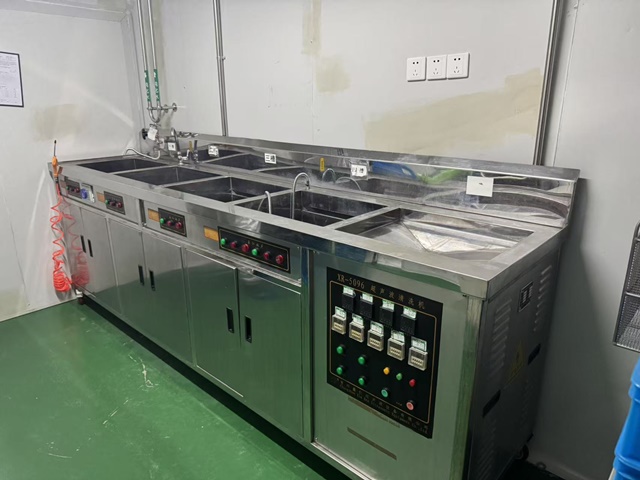
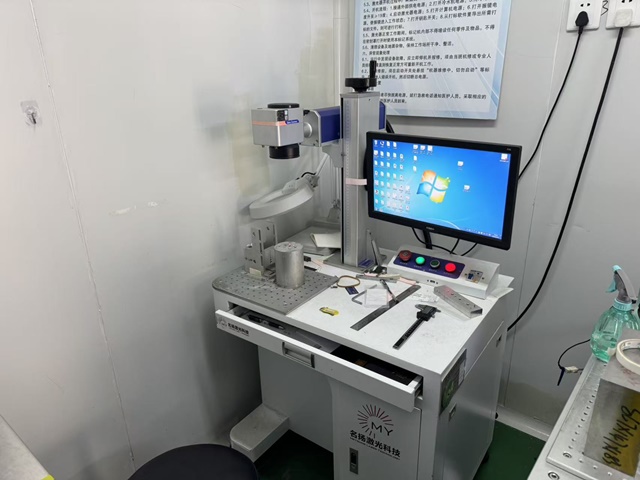
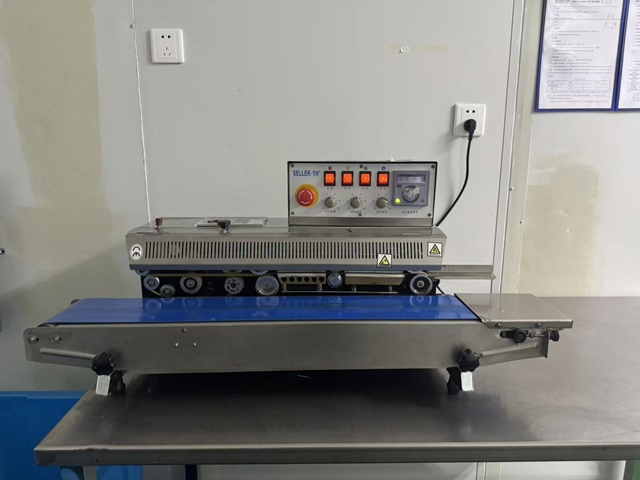
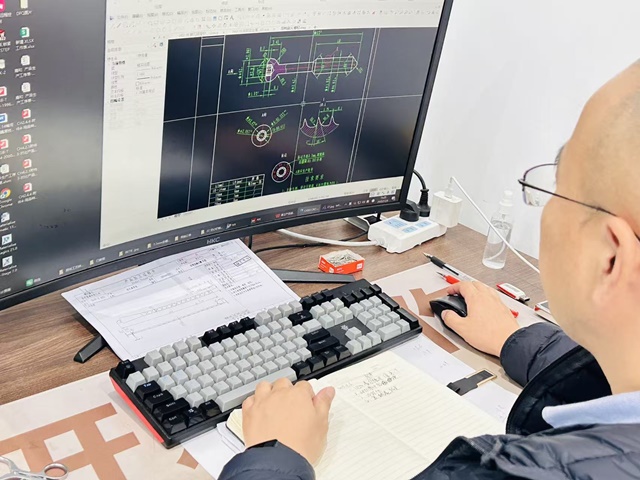
Every single titanium interference screw undergoes structural validation using advanced mechanical and chemical testing methodologies.
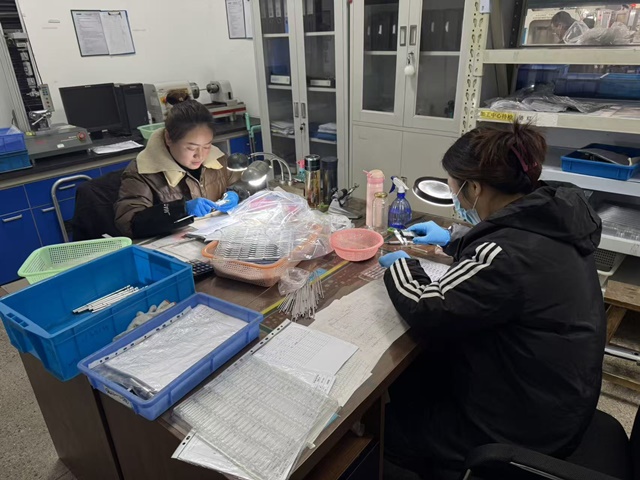
We deploy two dedicated inspectors to perform the final checks on every batch. Testing processes check dimensional tolerances, surface imperfections, and thread profile consistency.
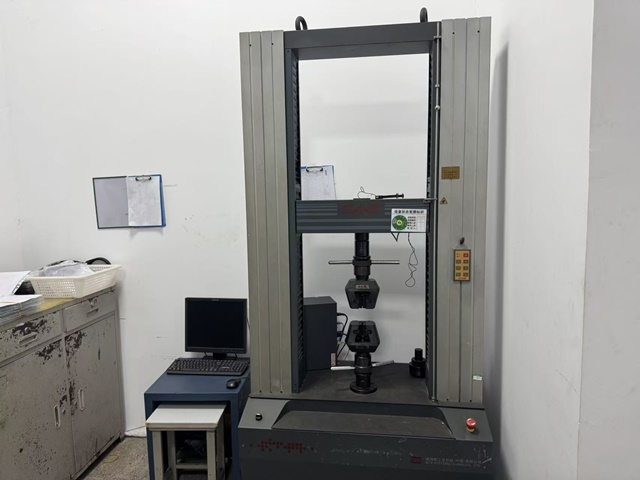
Using our Multifunctional Mechanical Testing Machine, we verify the pull-out strength, torque limits, and fatigue performance under simulated load conditions matching clinical sport stress profiles.
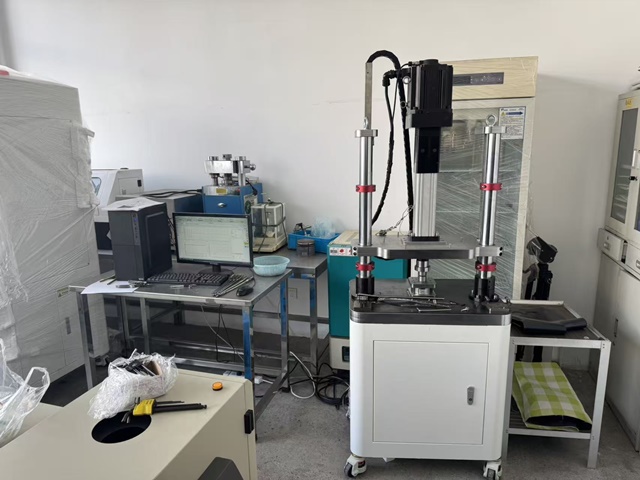
Dedicated mechanical testing equipment evaluates raw bar stock structural yield and finished screw tensile strength. This ensures our implants resist shearing forces during insertion.
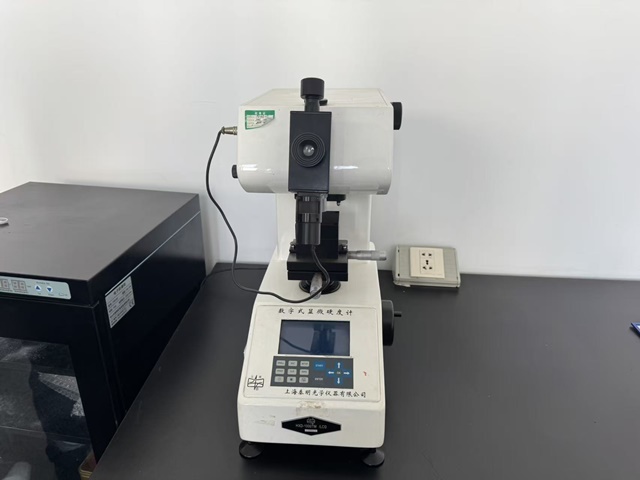
Vickers Hardness Testing systems ensure the titanium alloy maintains appropriate surface hardness values without being overly brittle.
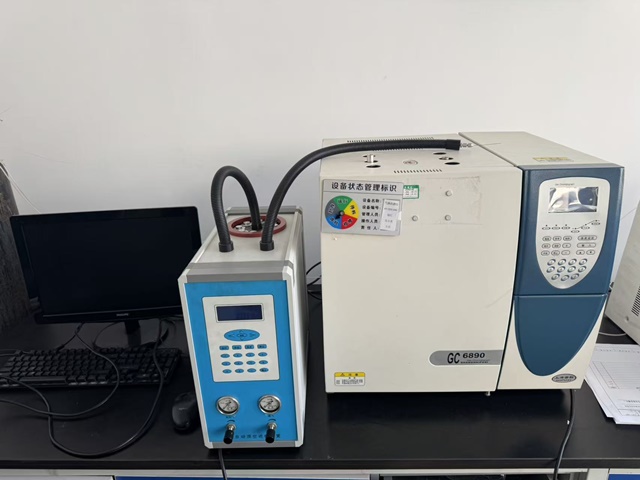
Verification of exact titanium alloy composition (nitrogen, carbon, hydrogen, iron, and oxygen content limits) to match ISO 5832-3 medical implant grades.
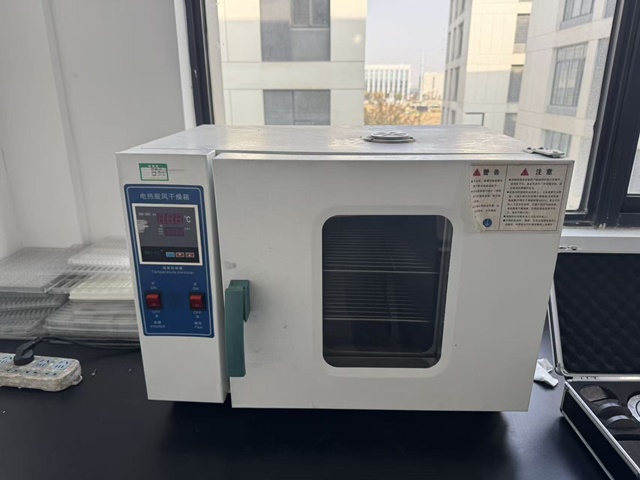
Industrial drying ovens stabilize surface finishes post-wash, preparing implants for class-10,000 cleanroom packaging processes.
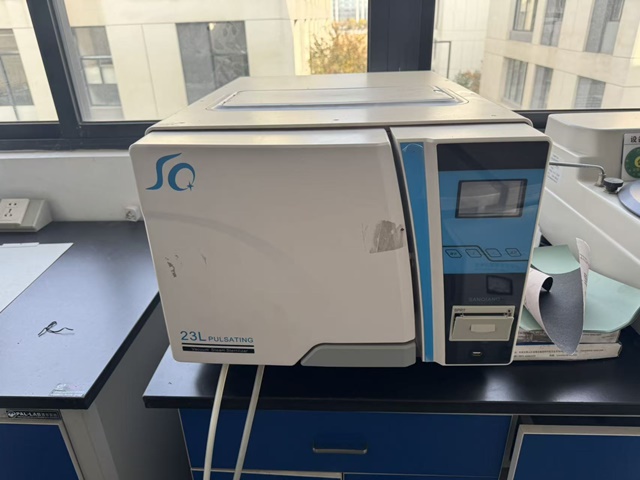
Deep cleaning steps wash out residual production lubricants and machining dust, assuring low bio-burden counts prior to terminal sterilization packaging.
Supporting orthopedic surgeons and international procurement teams with certified medical products.
Our entire manufacturing cycle operates under ISO 13485:2016 quality management systems. Process controls extend from tracking raw titanium bar stock back to the mill, up to final sterility maintenance post-delivery.
With CE Class III regulatory pathways cleared, our implants undergo strict clinical evaluation reports (CER). We offer all validation documentation, including biocompatibility data sheets and package integrity evaluations.
By partnering with 1,200 verified upstream and downstream vendors, we offer reliable delivery and product availability. This system supports stable distribution pipelines for orthopedic hubs in Europe and South America.
Pioneering new designs in sports medicine fixation systems and material surface treatments.
Osteora's upcoming product lines integrate Type II Anodization (gray anodizing) processes. This surface modification reduces coefficient of friction and limits titanium wear debris, extending implant lifespan.
To supplement our titanium portfolio, we are testing PLLA-HA (poly-L-lactic acid and hydroxyapatite) bioabsorbable screws. These implants slowly dissolve while promoting bone ingrowth to fill the tunnel.
To support emerging surgical protocols (including dual-tunnel reconstructions), we are adding specialized screw sizes (e.g., 5mm, 6mm diameters, and shorter 15mm lengths) to our catalog.
In-depth responses to common technical and regulatory questions raised by orthopedic surgeons, biomedical engineers, and global distributors.
Ti-6Al-4V ELI (Extra Low Interstitial), classified as Grade 23, features lower oxygen, nitrogen, and iron content limits than standard Grade 5. This material optimization provides increased fracture toughness, better fatigue resistance, and higher biocompatibility, making it well-suited for demanding orthopedic implants.
The thread profile affects both graft protection and primary stability. Rounded, blunt-edge threads prevent lacerating soft tissue grafts (such as hamstring autografts) during insertion, while sharp threads are optimized for bone-patellar tendon-bone (BTB) blocks to secure bone-to-bone contact within the tunnel.
We provide a reliable warranty framework for our class III titanium trauma plates and screws. This is backed by mechanical testing, raw material traceability, and our team of 42 QC inspectors who check all output parameters.
Yes. Our in-house engineering team designs custom driver interfaces (star, hex, or torx) and custom screw thread pitches. We align designs with your current surgical driver styles to ensure complete compatibility.
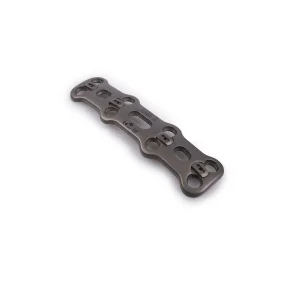
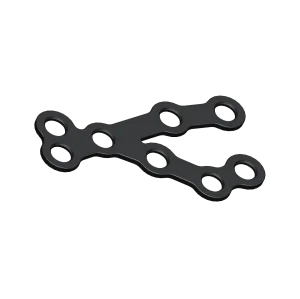
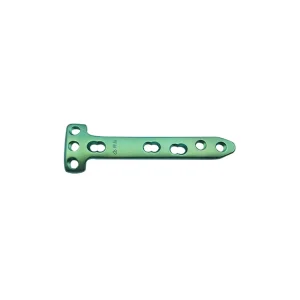
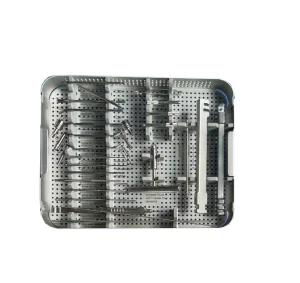
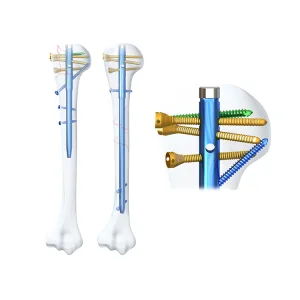
Explore our precision fixation plates, interlocking nails, and specialized tools for bone repair and soft tissue reattachment.