Osteora
Osteora
Osteora
An authoritative review of material science, stress-shielding mitigation, and rigid internal fixation in maxillofacial surgery.
Mandibular reconstruction is one of the most demanding challenges in oral and maxillofacial surgery. Because the mandible is a dynamic bone subject to multi-directional biomechanical forces—including torsion, bending, and shear stress during mastication—achieving rigid internal fixation requires implants with exceptional fatigue resistance and biocompatibility.
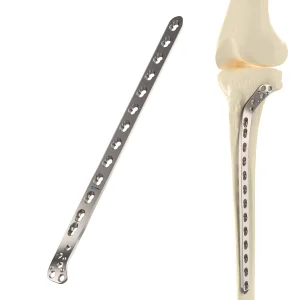
Historically, the treatment of mandibular continuity defects arising from oncology resections, severe trauma, or osteomyelitis relied on structural bone grafts without stable stabilization. Modern surgical protocols mandate the use of mandibular reconstruction plates to bridge defects, maintain correct anatomical occlusion, and support immediate or delayed microvascular free tissue transfers (e.g., fibular or iliac crest free flaps).
"By implementing titanium alloy formulation optimizing (Ti-6Al-4V ELI) and advanced locking plate technologies, modern manufacturers can reduce the incidence of screw loosening, hardware exposure, and structural failure, resulting in vastly improved patient outcomes and long-term implant survival rates."
Selecting a qualified medical device manufacturer in China requires understanding the technical parameters of mandibular plates. Key performance indicators include yield strength, tensile limits, bending properties, and surface finish treatment. High-end mandibular reconstruction plates are developed to reduce stress-shielding, allowing controlled loads to pass through bone grafts to promote osteogenesis (Wolff's Law) while maintaining structural integrity.
Analyzing the shift toward custom patient-specific implants (PSIs), localization, and high-throughput production lines.
The global market for cranio-maxillofacial (CMF) reconstruction devices is undergoing rapid transformation. While North American and European markets have traditionally been dominated by proprietary biomedical systems, Chinese medical device exporters are gaining substantial market share. This growth is driven by significant investments in R&D, integration of CNC precision machining, and cost-competitiveness.
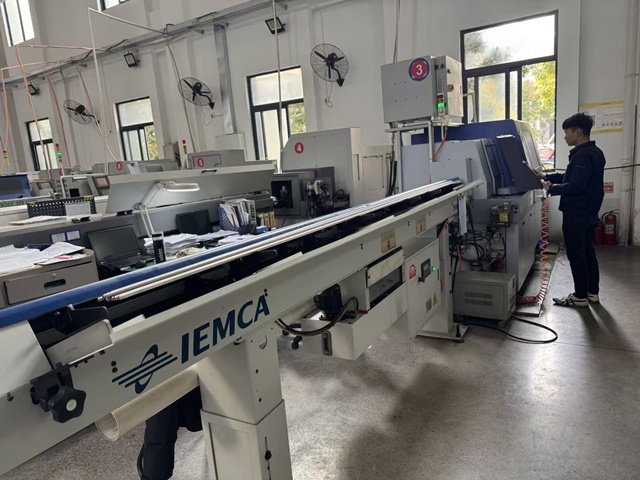
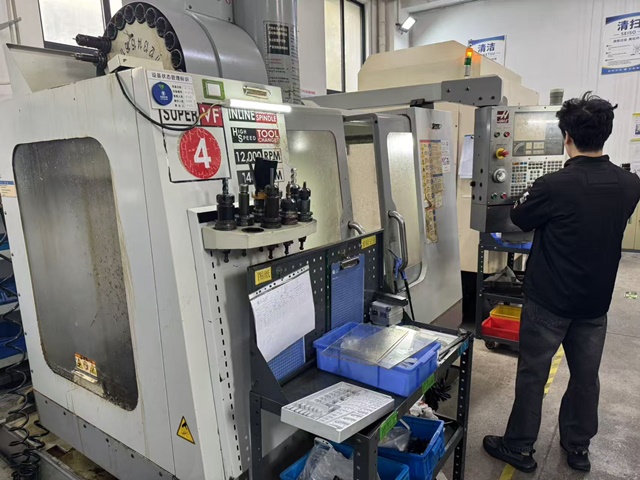
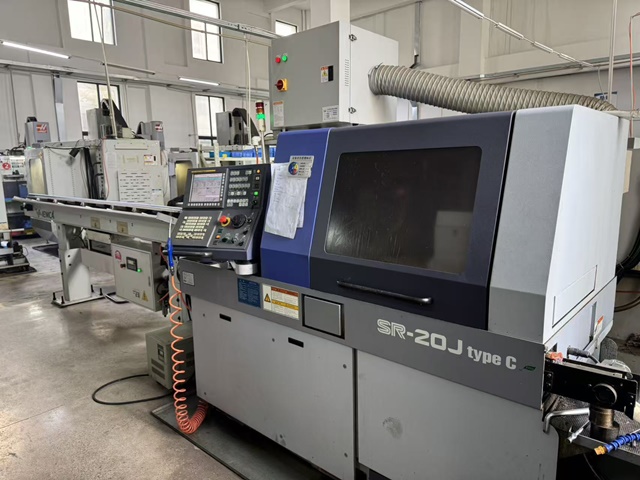
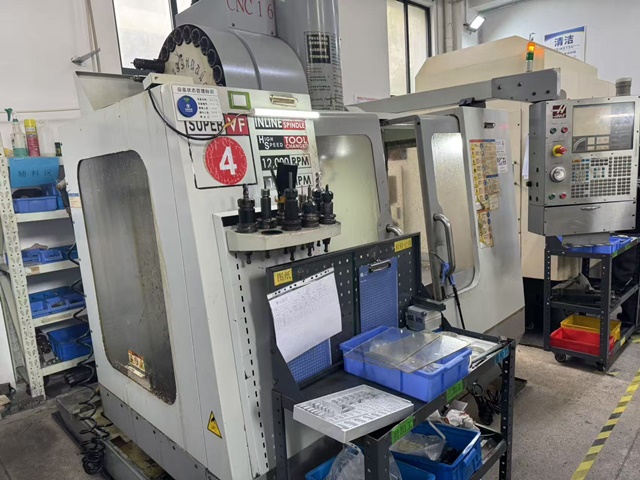
Medical institutions and global distributors are shifting procurement strategies toward suppliers that offer both standardized implant lines and custom patient-specific options (OEM/ODM). Modern hospitals demand fast turnaround times for customized implants to support pre-surgical planning. Consequently, top-tier manufacturers are deploying computer-aided design (CAD) and finite element analysis (FEA) directly connected to high-precision Swiss-type lathes and CNC centers.
Advanced electrochemical anodization and acid-etching processes form a uniform titanium oxide (TiO2) barrier, enhancing corrosion resistance and supporting superior cell adhesion.
Components undergo millions of cycles of mechanical fatigue testing to simulate physiological loads, ensuring long-term structural integrity inside the oral cavity.
Locking screw mechanisms lock directly into the plate, eliminating compression of the plate onto the bone cortex and preserving the vital periosteal blood supply.
A strategic overview of Osteora Medical Devices Co., Ltd.'s global export capacity and engineering capabilities.
Under the brand Osteora, Osteora Medical Devices Co., Ltd. has established itself as an expert manufacturer of clinical-grade trauma, spinal, and joint reconstruction systems. Operating since 2016, our facilities combine advanced manufacturing infrastructure with strict regulatory compliance to supply distributors and healthcare providers worldwide.
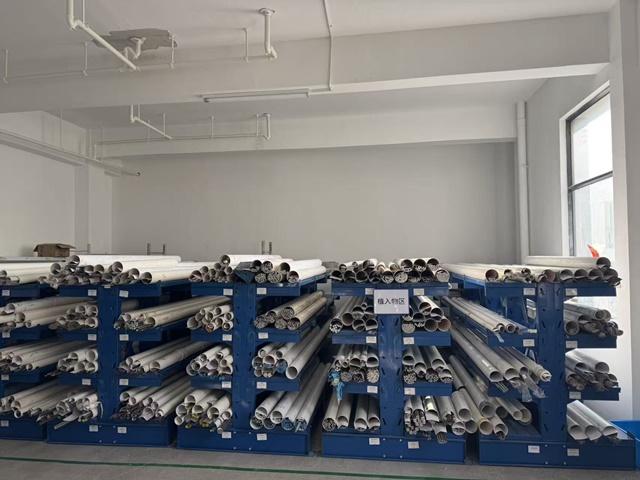
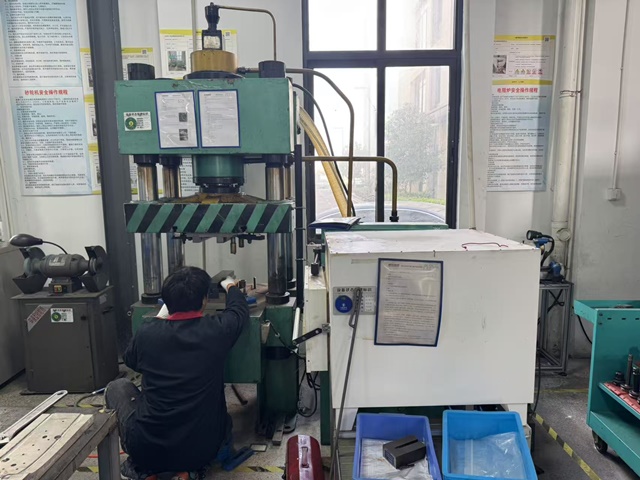
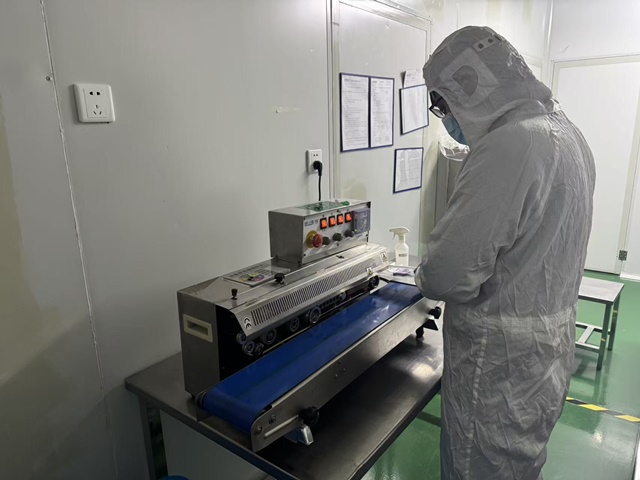
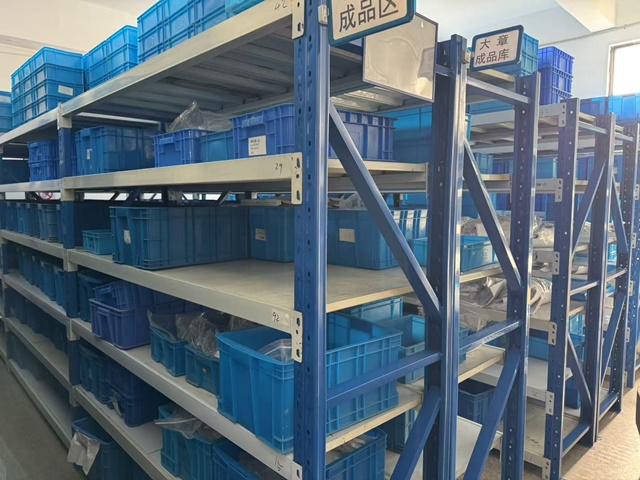
With an integrated production footprint spanning 18,500㎡, our facility supports full-cycle medical manufacturing: from raw titanium processing to mechanical fatigue validation, automated cleaning, and sterile-barrier packaging. This integrated workflow ensures traceability, regulatory adherence, and production scaling.
Our global supply footprint covers primary markets across Europe, Southeast Asia, the Middle East, and South America. Supported by a robust network of 1,200 upstream and downstream partners, Osteora guarantees stable production capacity, secure material sourcing, and efficient lead times.
From raw titanium alloy stock validation to Class 100,000 cleanroom packaging and mechanical verification.
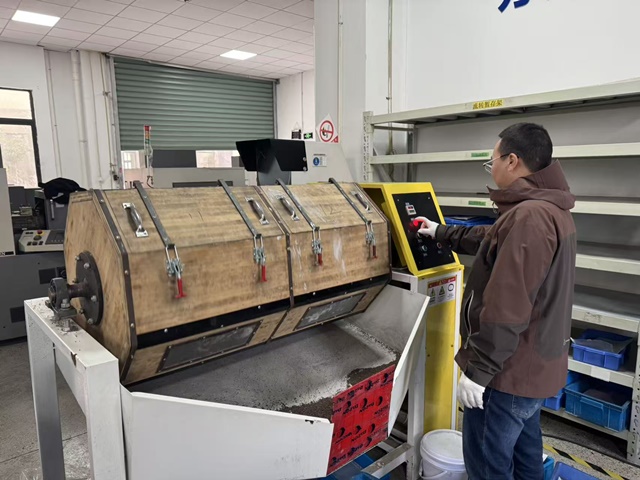
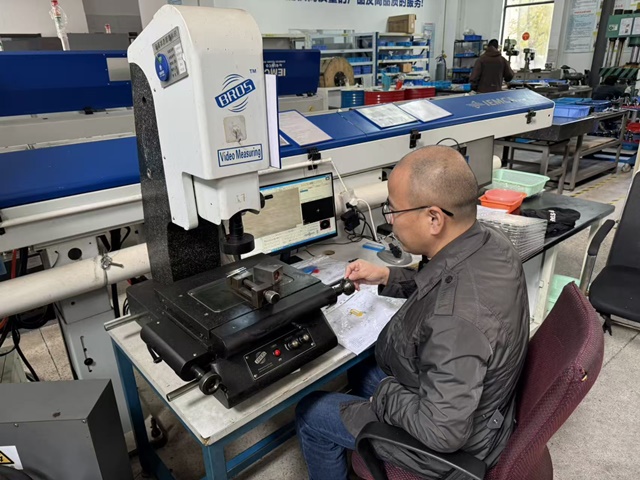
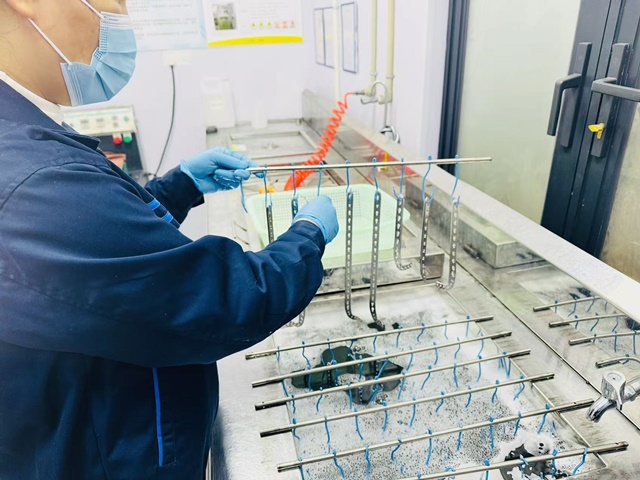
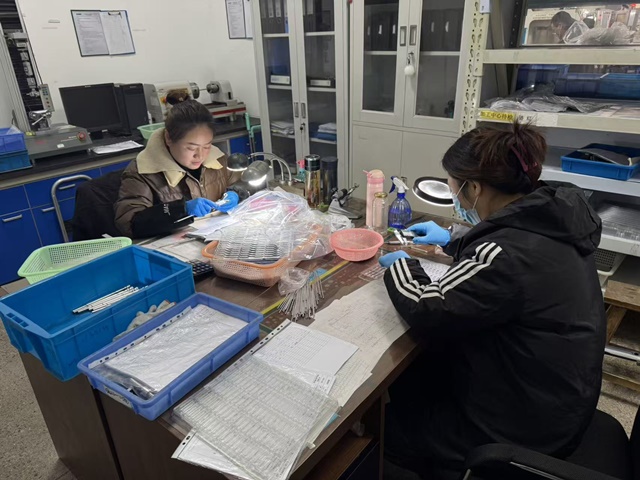
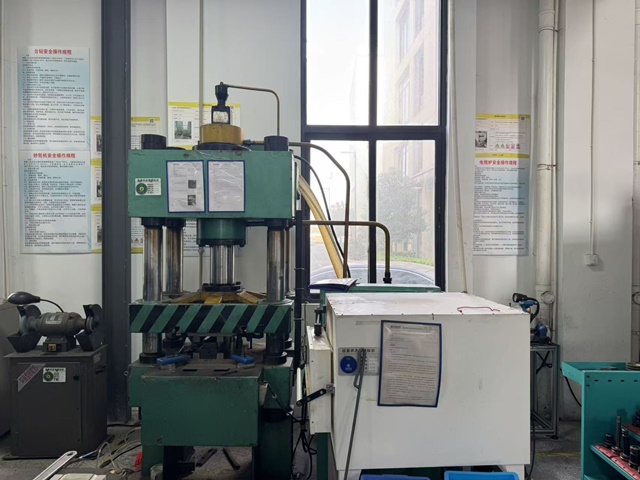
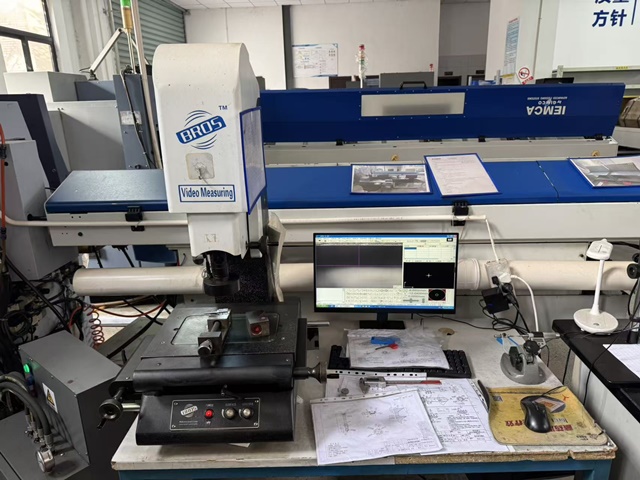
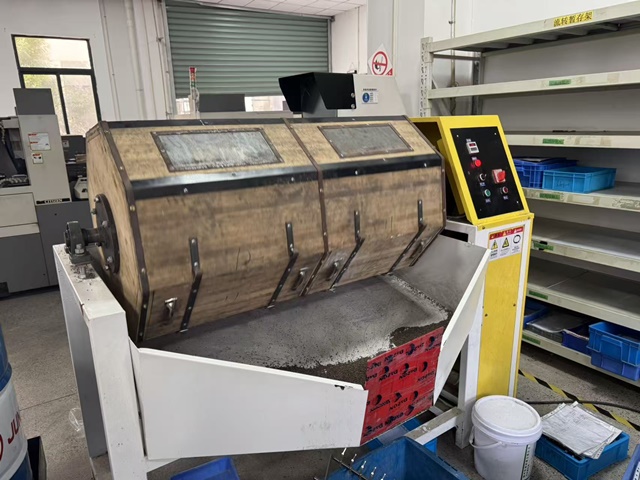
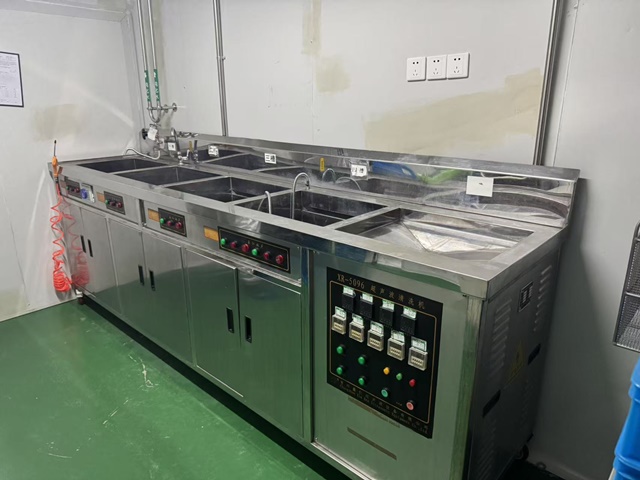
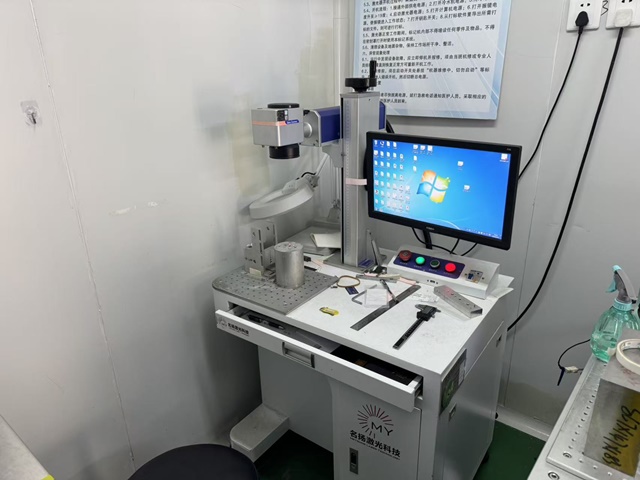
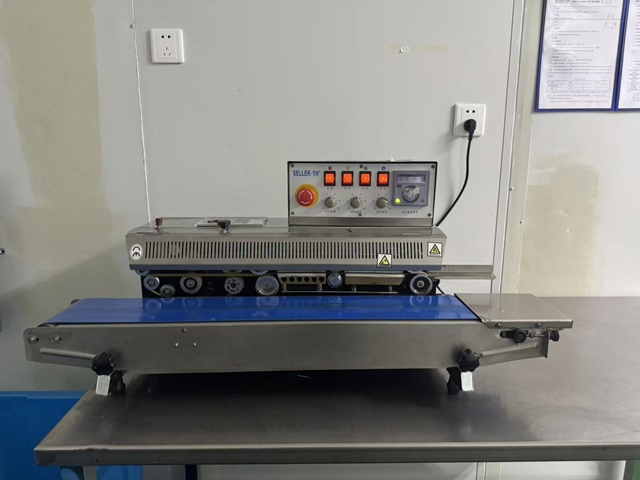
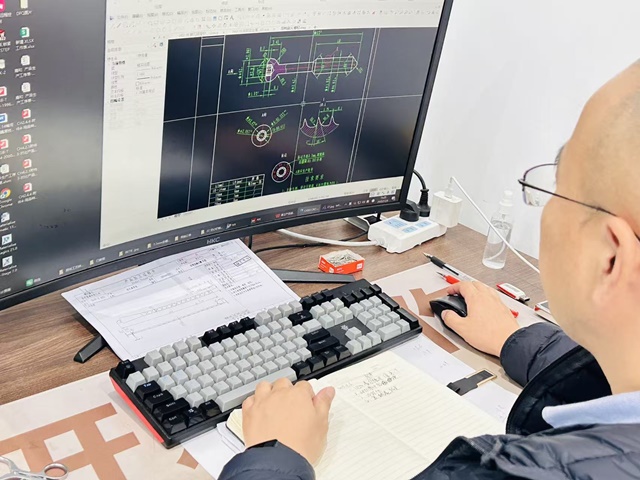
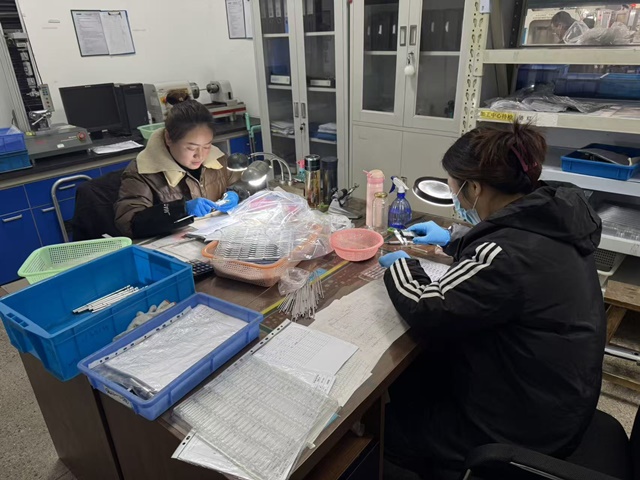
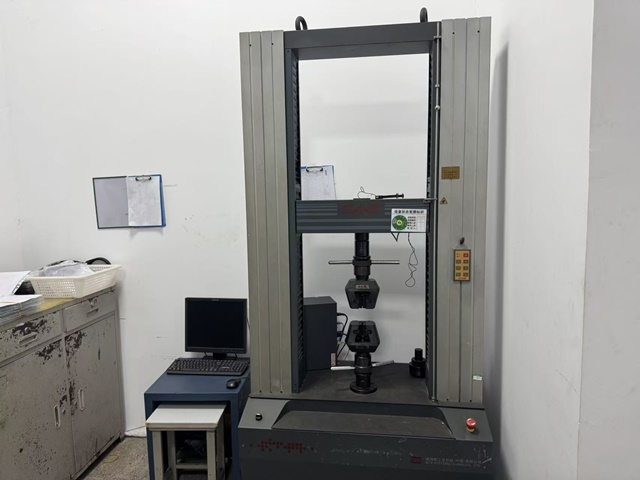
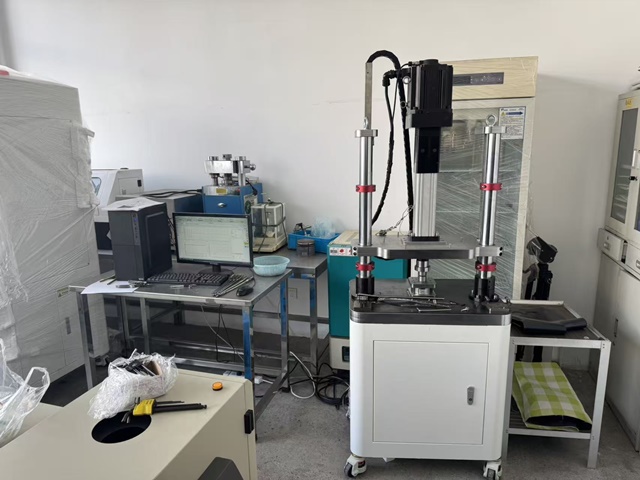
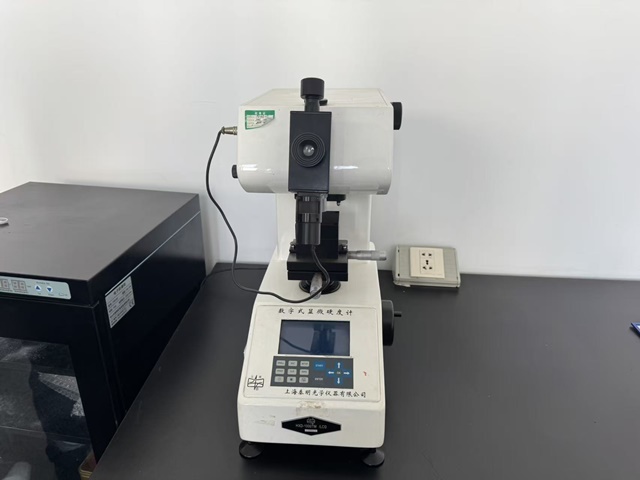
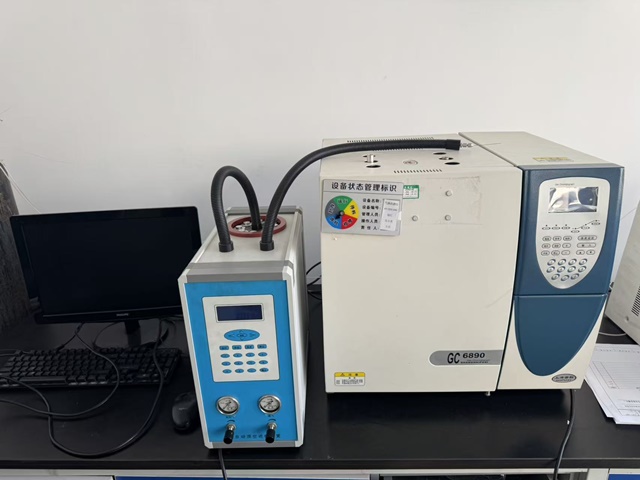
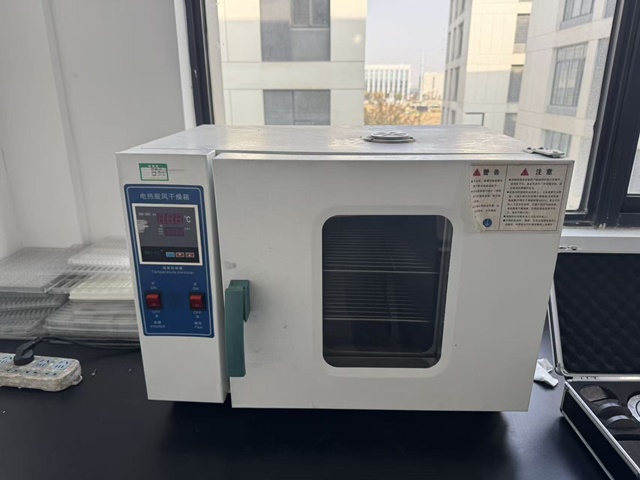
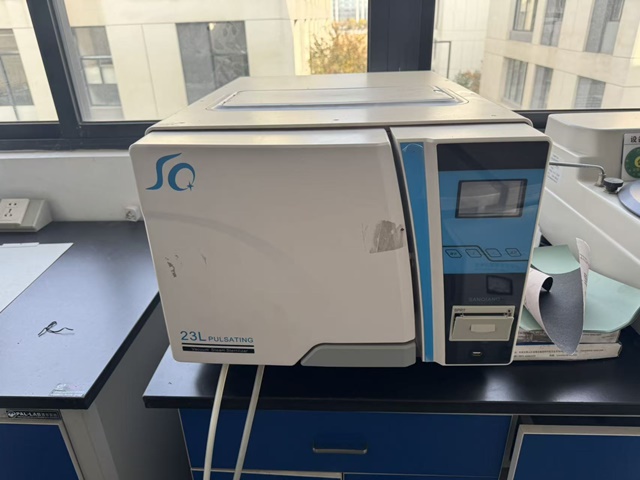
How Osteora guarantees failure-free implants under stringent regulatory pathways (ISO 13485 & CE Markings).
Medical implants must comply with stringent quality standards. Osteora maintains a rigorous ISO 13485 quality management system. Our testing lab uses advanced testing technology to verify that every production lot meets the exact mechanical properties required for surgical placement.
Every shipment undergoes our multi-stage Quality Inspection Protocol, managed by 42 certified medical QA engineers:
This verification process minimizes the risk of mechanical failures, screw back-out, and adverse tissue reactions, ensuring reliability for clinical use.
Leading the industry toward patient-specific implants, bioactive surfaces, and integrated surgical guides.
The future of reconstructive surgery lies in digital integration. Over the past year, Osteora's engineering team launched 120 new products, focusing on the interface between digital surgical planning and production engineering.
Our technological roadmap is built on three core pillars:
Technical specifications, procurement procedures, and regulatory guidance for international buyers.