Osteora
Osteora
Osteora
Explore our elite portfolio of clinically approved orthopedic trauma implants and surgical instrumentation, engineered for absolute precision and clinical longevity.
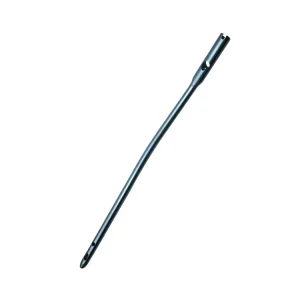
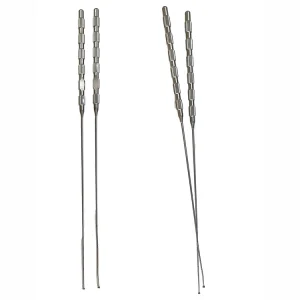
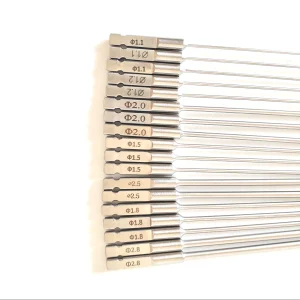
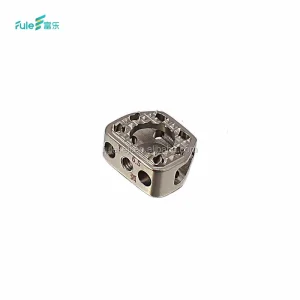
A premier manufacturer and supplier of trauma, spine, and joint reconstruction systems. Offering robust global supply solutions from a position of verified experience and regulatory authority.
Founded in 2016, Osteora has established a dominant global footprint in the orthopedic implants sector. We operate a highly unified manufacturing ecosystem that sustains export revenues between USD 6 million to 14 million. Backed by 8 years of export experience and a network of 1,200 certified upstream and downstream partners, Osteora seamlessly delivers ISO 13485-compliant internal fixation products to trauma centers, healthcare networks, and medical distributors worldwide.
The global orthopedics market demands high clinical performance without compromising financial sustainability. China has evolved to meet this balance by offering cutting-edge industrial infrastructure, unparalleled raw material access, and advanced metallurgical integration.
By coordinating large-scale supply structures under strict Class III medical device standards, Chinese manufacturers significantly reduce global procurement margins while ensuring implants exhibit biological compatibility and dynamic load endurance matching European and North American alternatives.
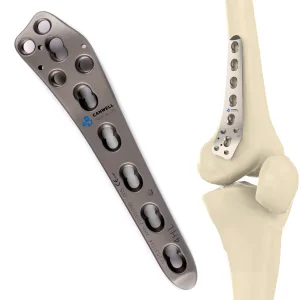
Orthopedic pathology requires macro-level engineering solutions to meet diverse patient populations. From anatomically contoured locking compression plates (LCP) to expandable interbody cages, Osteora focuses on delivering systems that minimize intraoperative adjustment times and support biological osteointegration.
Targeting specialized clinical problems with custom OEM/ODM pathways to support patient outcomes across diverse regulatory zones.
Providing anatomically pre-bent distal lateral plates and intramedullary antirotation nails that match bone geometries, reducing surgical execution time and soft-tissue dissection.
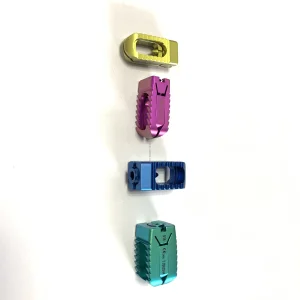
Leveraging high-tensile titanium alloys and medical-grade PEEK for lumbar and cervical interbody cages, supporting optimal load distribution and clear radiographic visualization.
Complete regulatory package alignment, dimensional variation control, and customized packaging setups built to satisfy local health authority registration requirements.
Behind every precision implant is an advanced sequence of machining, finishing, surface treatment, and stringent mechanical testing.
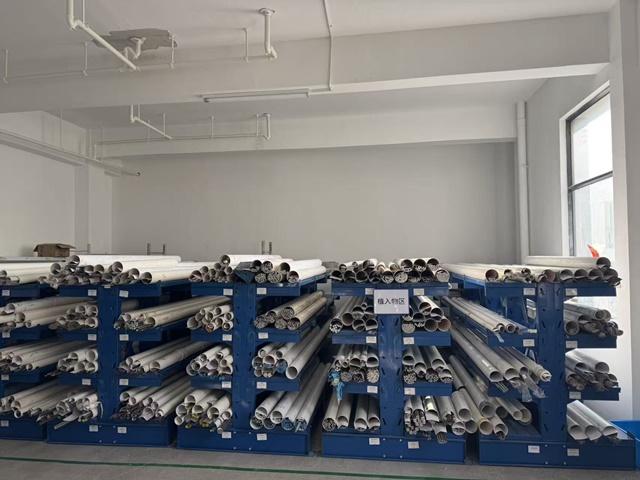
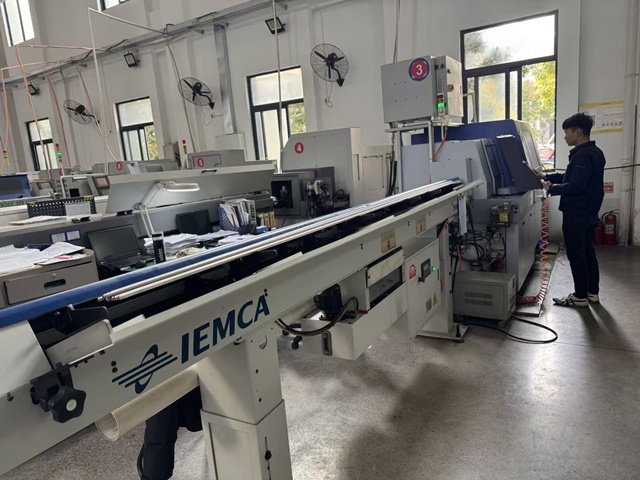
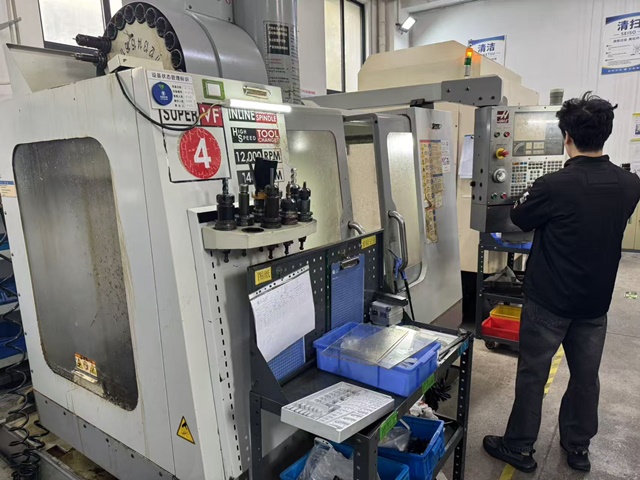
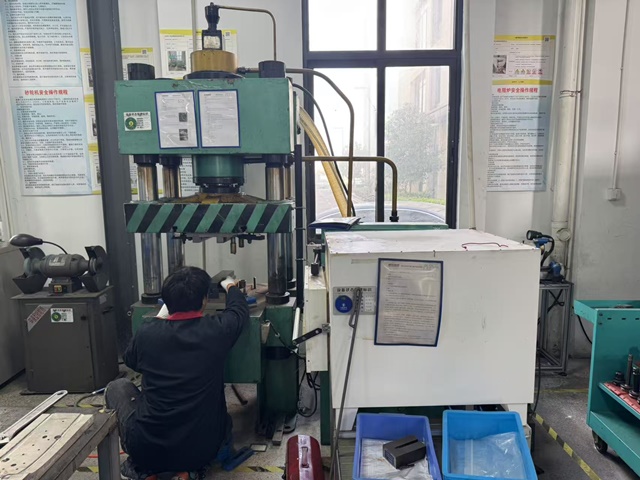
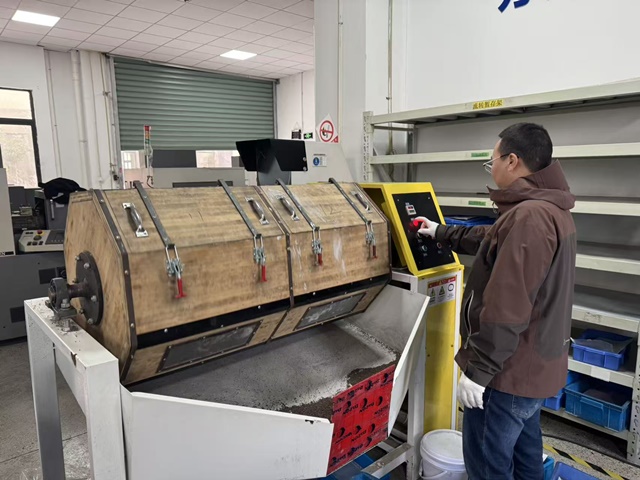
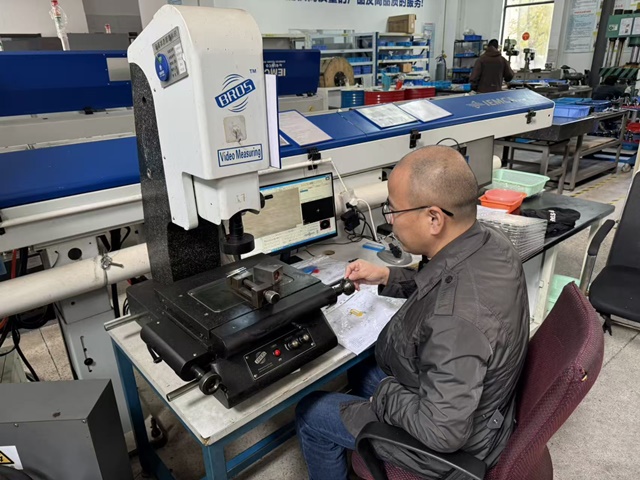
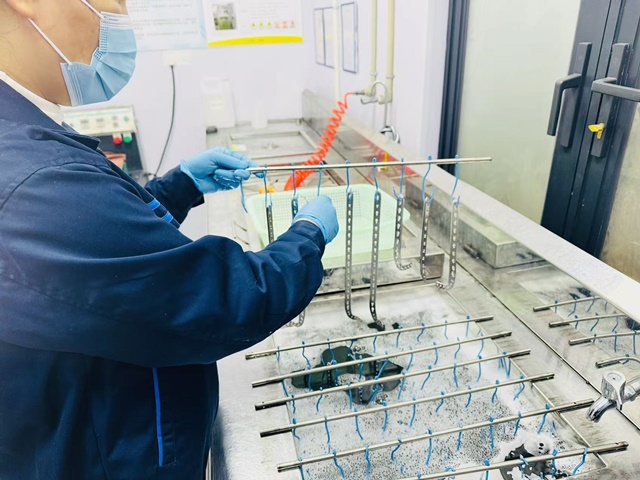
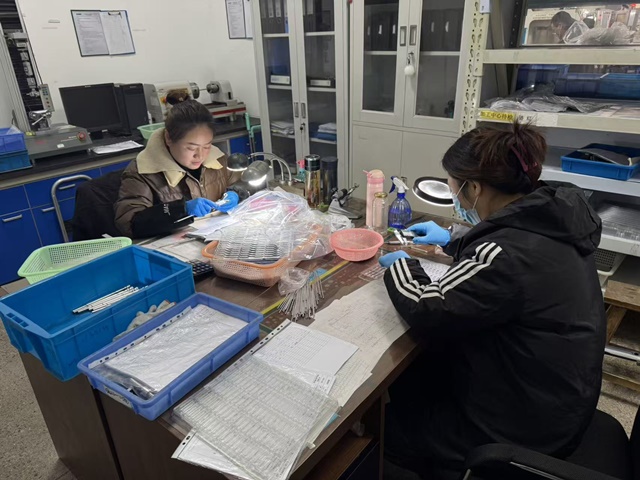
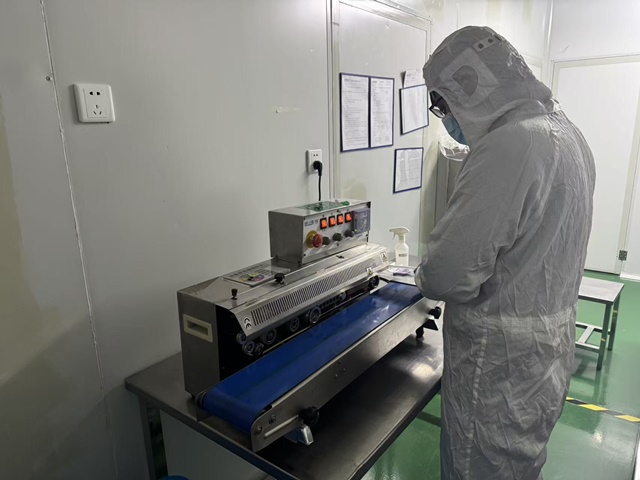
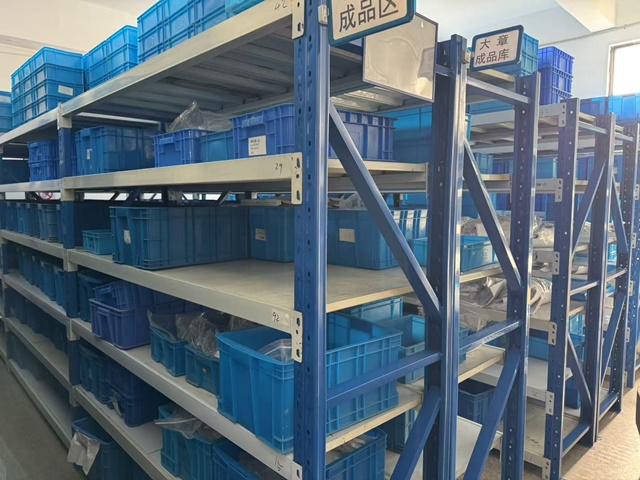
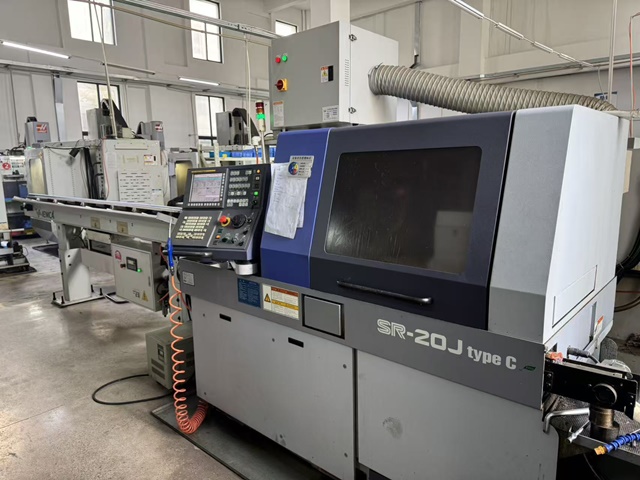
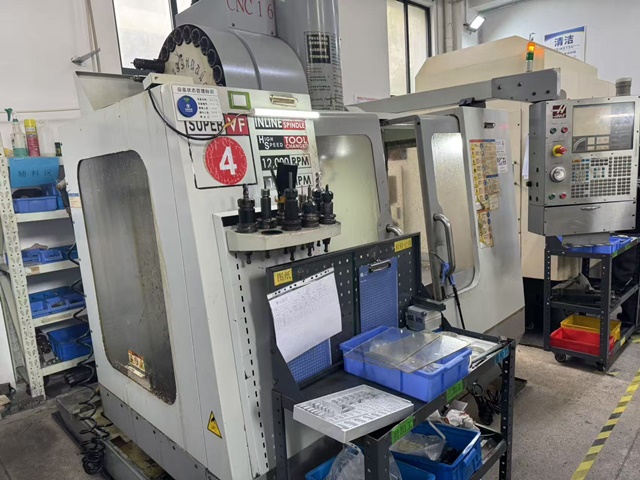
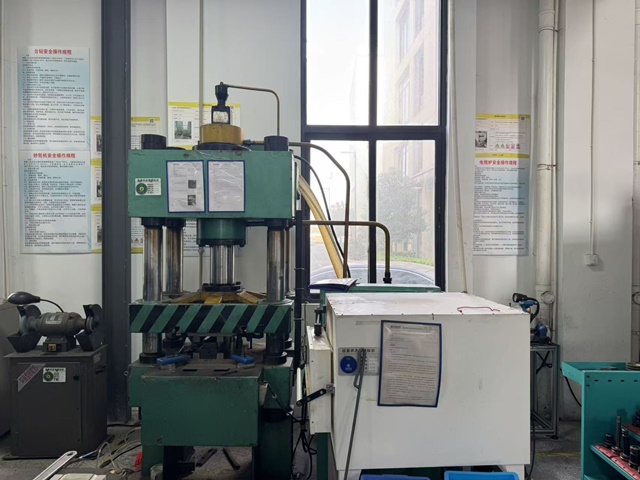
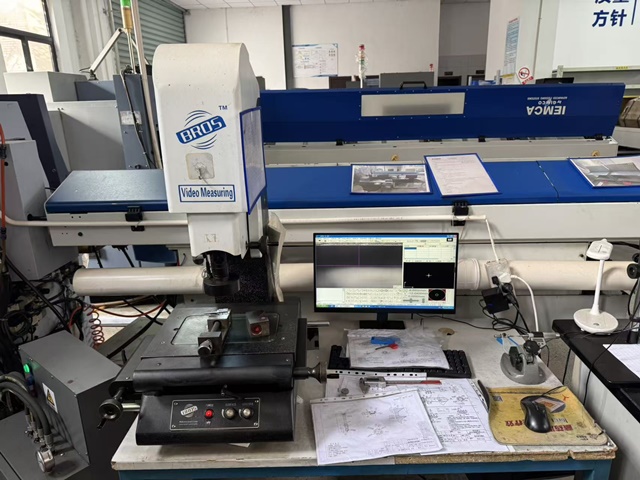
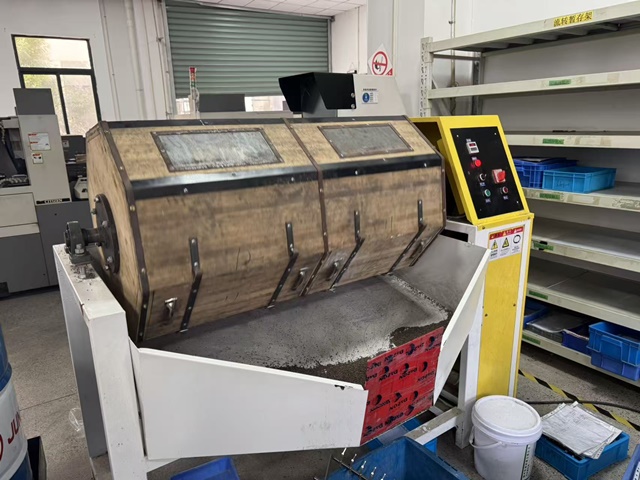
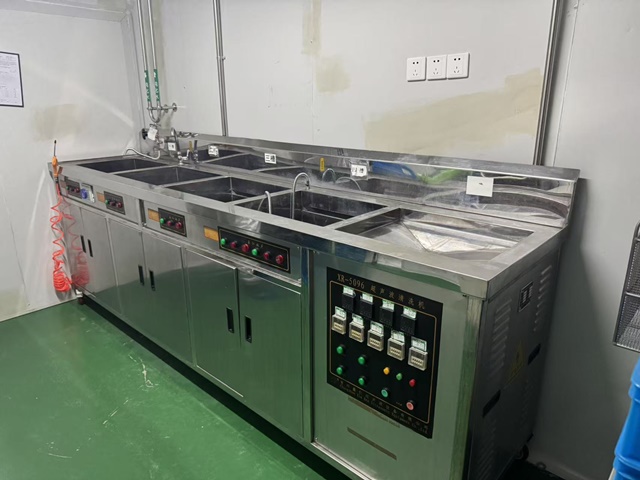
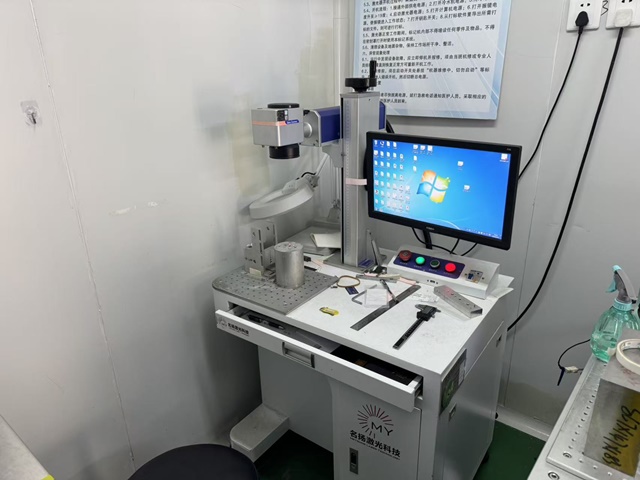
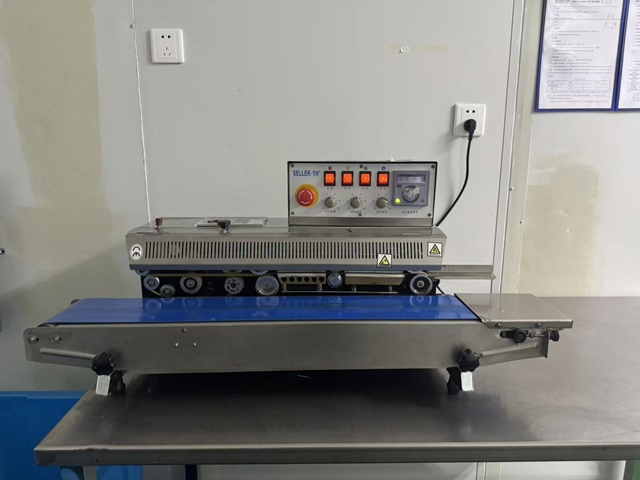
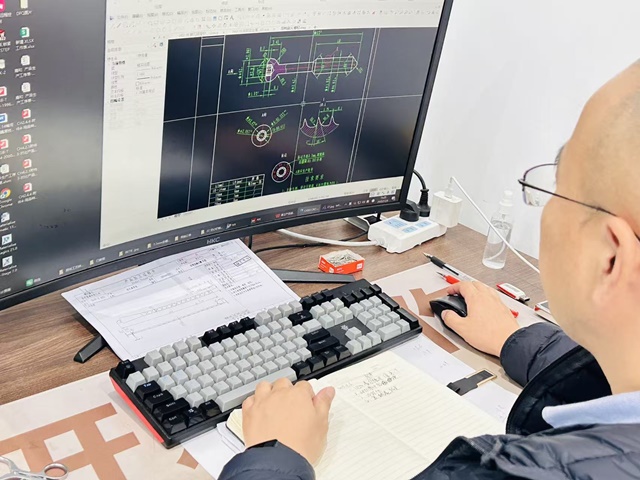
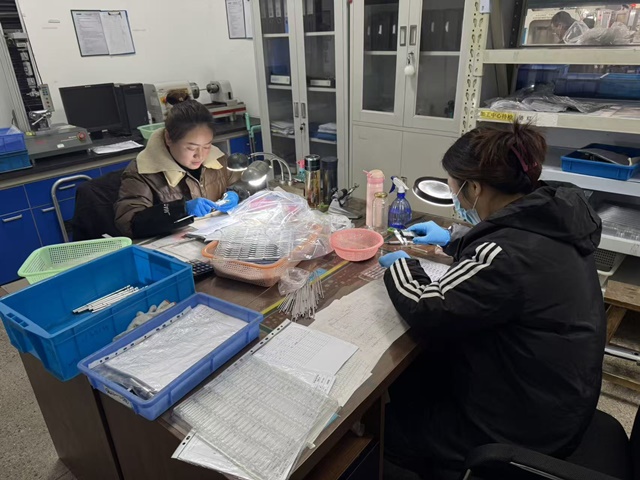
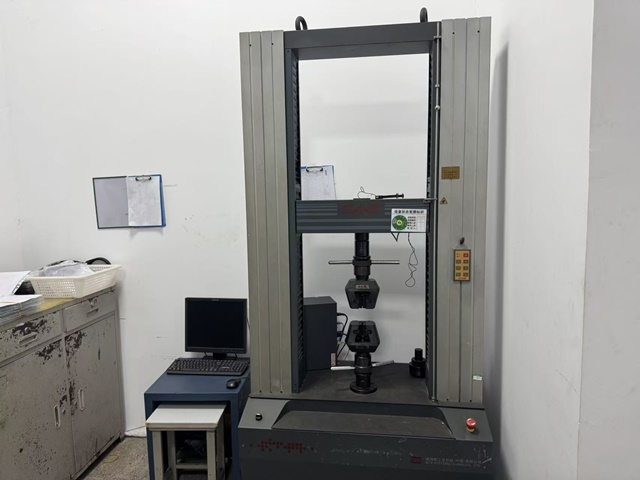
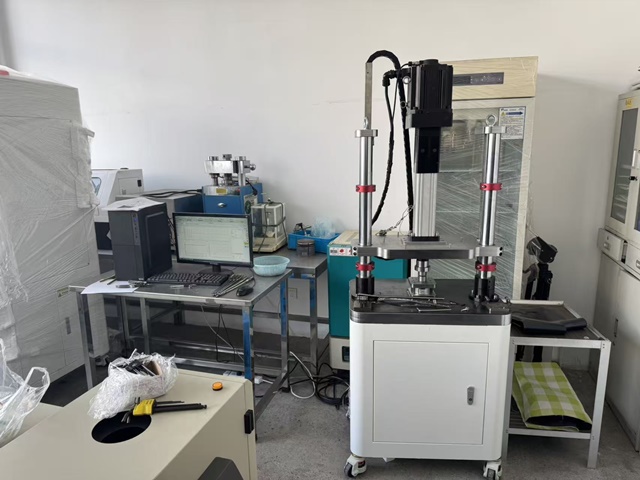
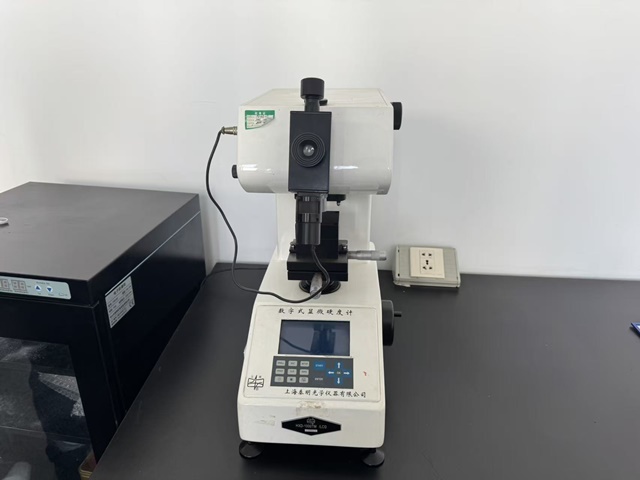
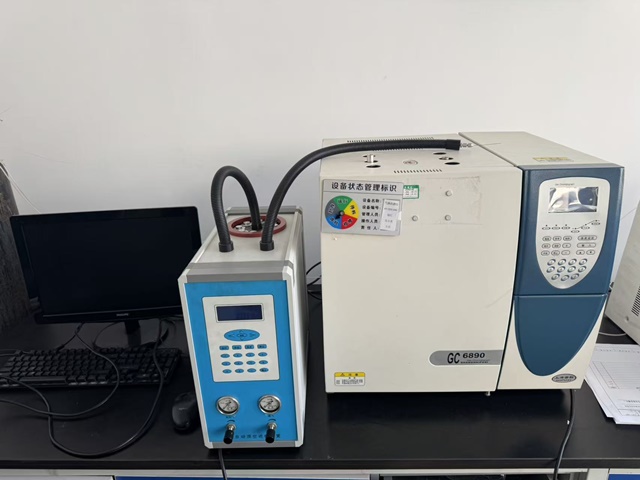
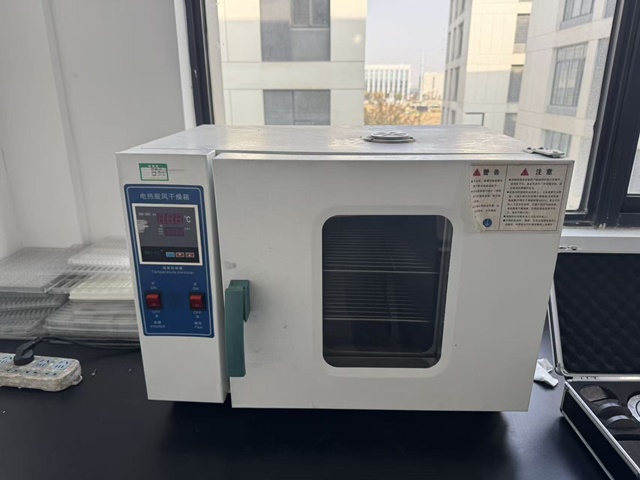
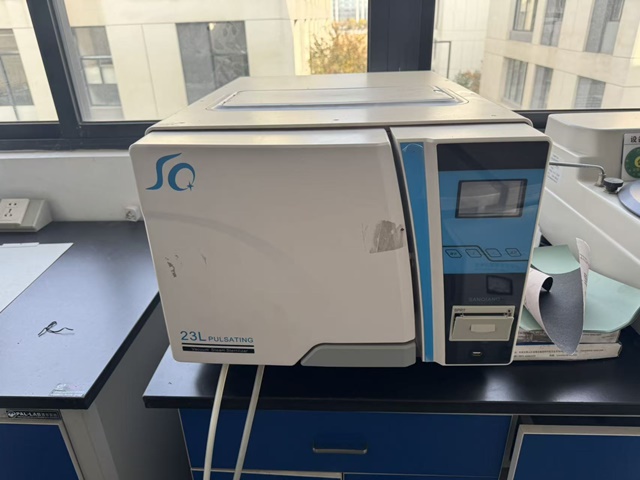
A comparative overview of materials and precision standards utilized in next-generation trauma implants.
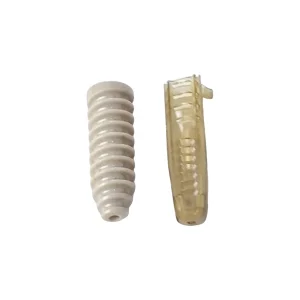
In modern orthopedic trauma management, the choice of materials directly impacts long-term osteointegration and bone healing kinetics. Titanium alloys (primarily Ti-6Al-4V ELI) remain the gold standard due to their outstanding strength-to-weight ratio and low elastic modulus, which minimizes stress shielding. When comparing Titanium with newer biocompatible polymers like PEEK (Polyetheretherketone), specific applications dictate the material path. PEEK, often utilized in spinal interbody fusion and knee arthroscopy interference screws, matches the elastic modulus of cortical bone and is completely radiolucent, allowing surgeons to trace fusion progress via X-ray without metallic artifacts.
Trauma plates and intramedullary nails are subject to repetitive dynamic loading cycles during patient rehabilitation. At Osteora, every design undergoes rigorous mechanical fatigue validation using multi-functional testing systems. Implants are subjected to millions of cycles to map their endurance limits. Furthermore, surface treatment technologies like Type II anodization generate a protective titanium oxide layer that increases wear resistance, prevents material degradation, and mitigates metal ion release in the biological environment.
Transitioning from local supply to global partnerships requires complete regulatory alignment. The introduction of the European Union Medical Device Regulation (EU MDR 2017/745) has escalated quality standards, requiring comprehensive clinical data validation and strict post-market surveillance. Operating with 42 specialized inspectors and executing structured in-process checking alongside final random inspections ensures that every single batch dispatched from our 18,500㎡ facility meets or exceeds safety benchmarks, lowering cross-border compliance risks for global medical device importers.
Streamlining lead times, customizations, and supply chain logistics for medical institutions and distributors worldwide.
From custom lengths of intramedullary nails to unique hole counts on anatomical locking plates, our 85 R&D engineers translate clinical requests into functional CAD designs and verified production runs quickly.
Sterilization integrity is paramount. Our packaging systems utilize specialized medical-grade Tyvek materials and cleanroom processes to secure sterile barrier systems according to ISO 11607.
Leveraging 1,200 upstream and downstream partners ensures Osteora maintains consistent manufacturing operations, buffering global distributors against raw material shortages and long lead times.
Expert technical answers addressing key regulatory, metallurgical, and operational queries from procurement managers.
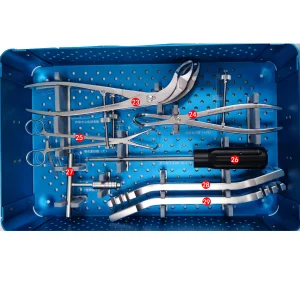
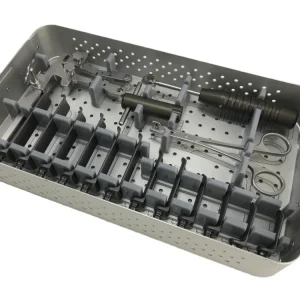
Explore additional surgical kits, spinal cages, and instrumentation configurations designed for high-performance orthopedic surgery.