Osteora
Osteora
Osteora
Precision-engineered orthopedic devices, spinal cages, surgical power tools, and custom instrumentation systems certified for clinical application.
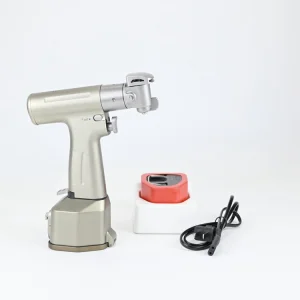
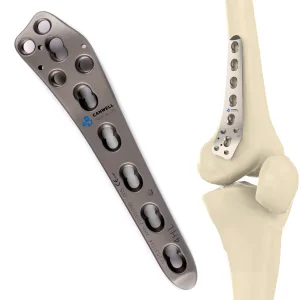
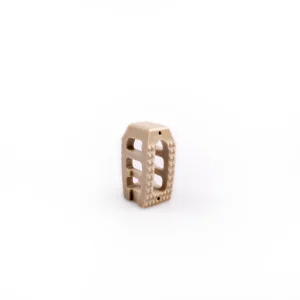
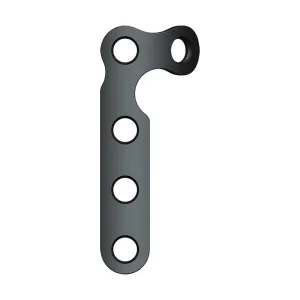
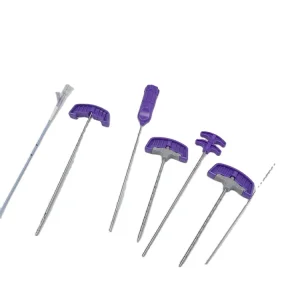
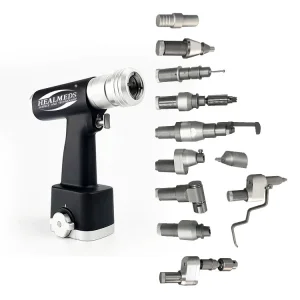
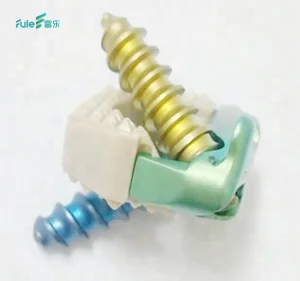
Osteora Medical Devices Co., Ltd. is a professional orthopedic implant and surgical solution manufacturer specializing in trauma, spine, and joint reconstruction systems under the brand Osteora. Founded in 2016, the company has developed a strong reputation in the global orthopedic industry through continuous innovation and strict quality control standards.
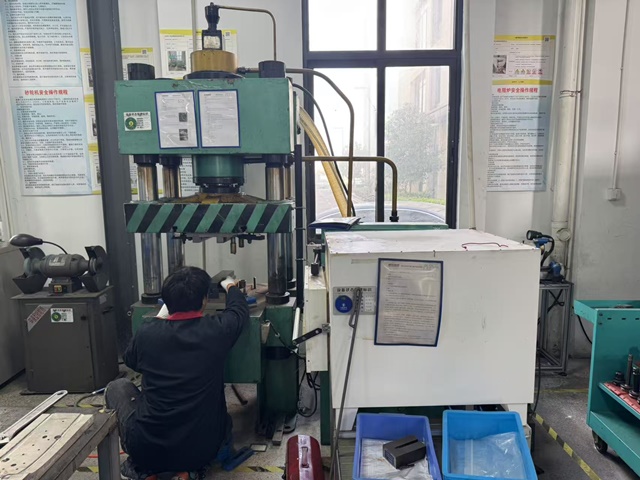
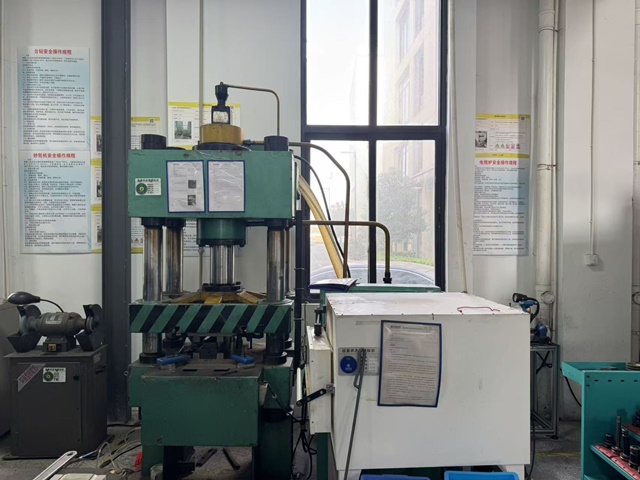
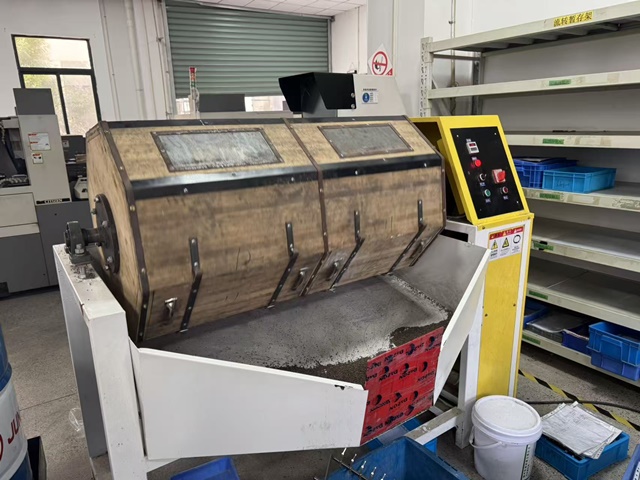
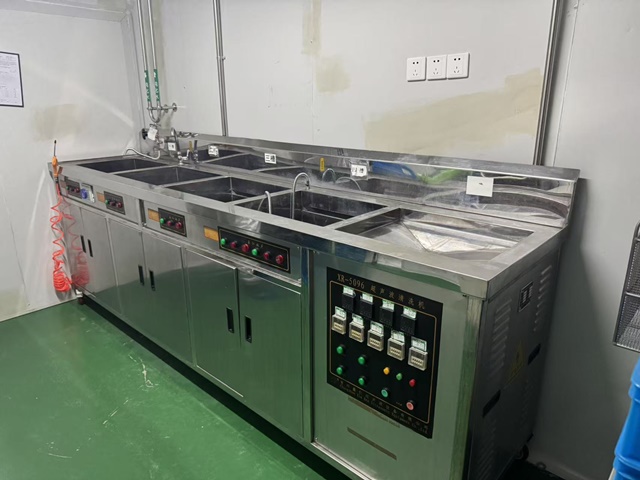
Our state-of-the-art facility covers an area of approximately 18,500㎡, supporting fully integrated production, cleanroom assembly, and mechanical testing operations. With 8 years of export experience and 12 years of industry expertise, Osteora has established stable, long-term cooperation with international distributors and healthcare institutions across multiple regions, reporting annual export revenues ranging from USD 6 million to 14 million.
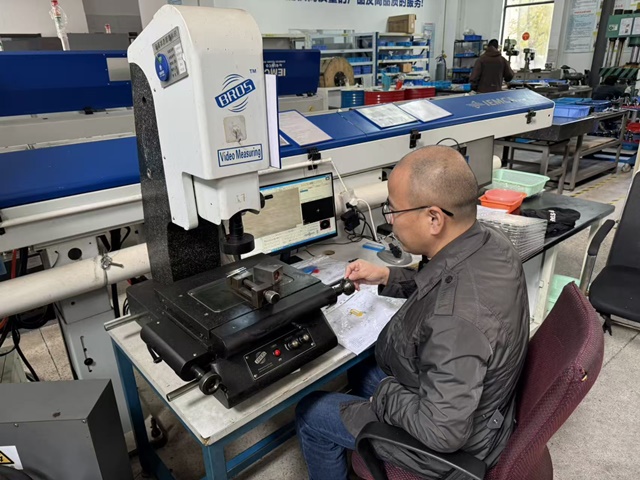
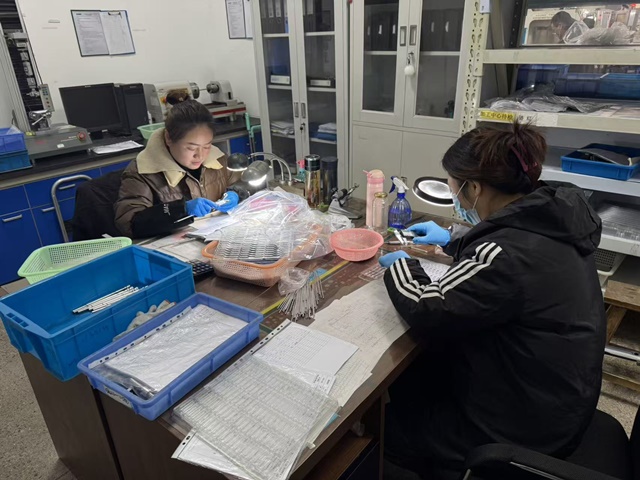
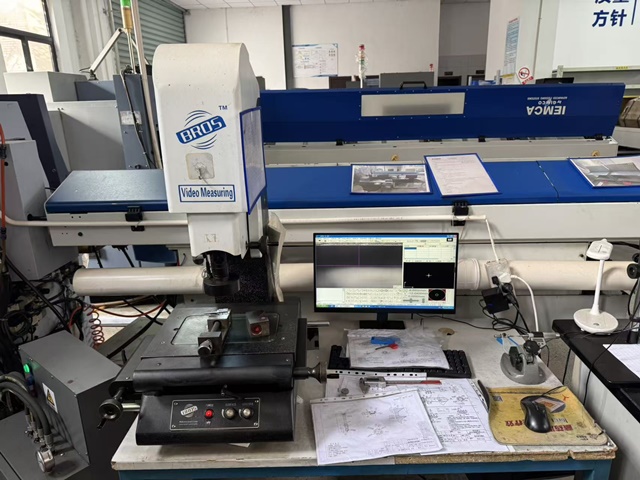
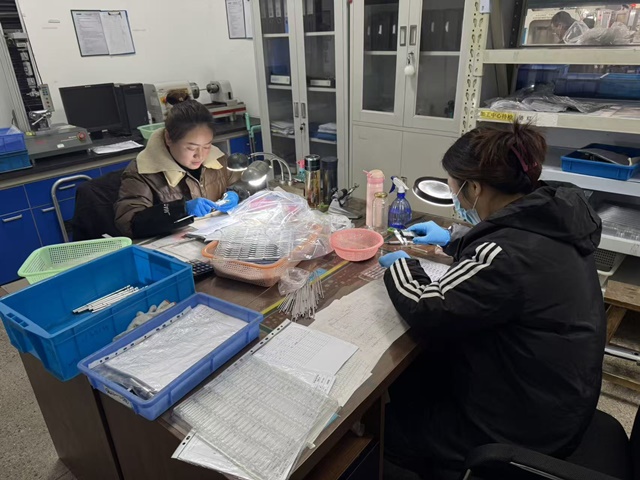
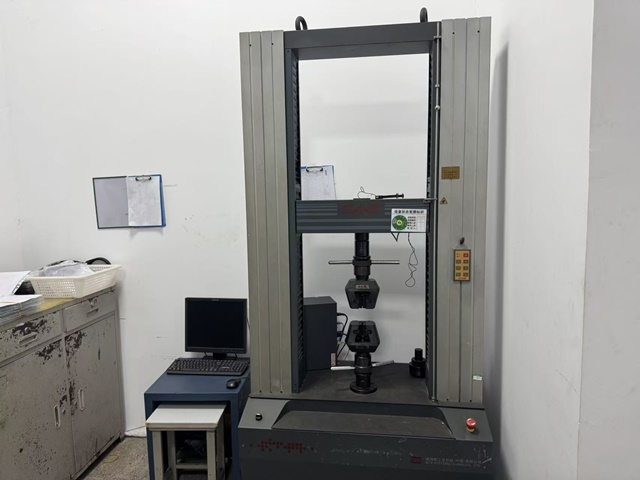
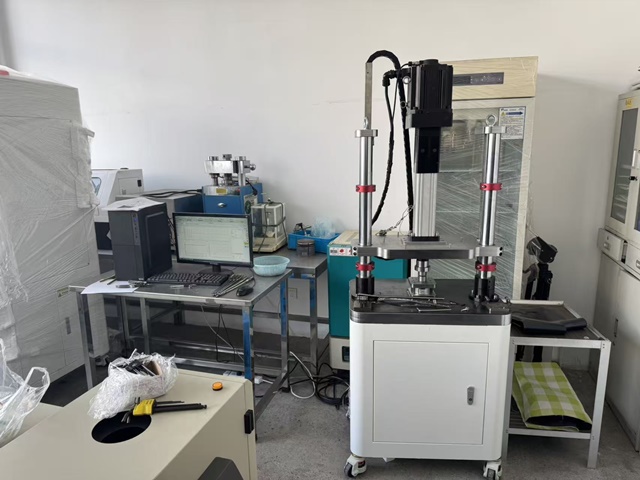
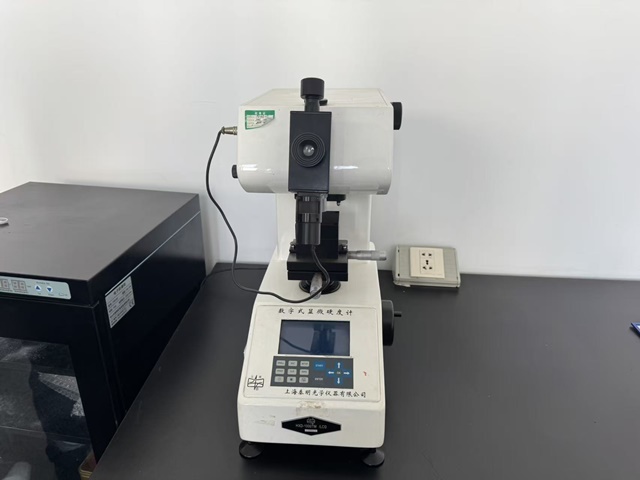
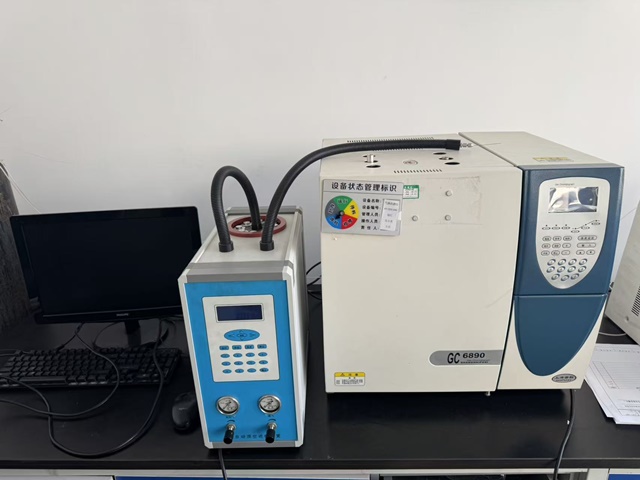
We implement rigorous quality assurance systems, including ISO 13485 compliance, in-process inspection, and final random sampling testing. Product verification methods encompass dimensional measurement, mechanical fatigue testing, and biocompatibility validation, overseen by a dedicated team of 42 specialized inspectors ensuring strict adherence to international standards.
The demand for interlocking intramedullary (IM) nails has expanded rapidly, driven by the global rise in geriatric populations, high-velocity motor vehicle accidents, and industrial injuries. Historically dominated by multi-national corporations, the global supply chain has shifted significantly toward Chinese manufacturers due to extensive investments in precision machinery and metallurgical expertise.
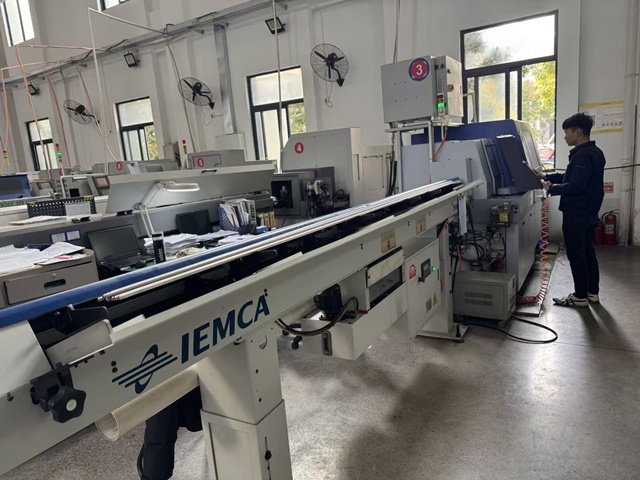
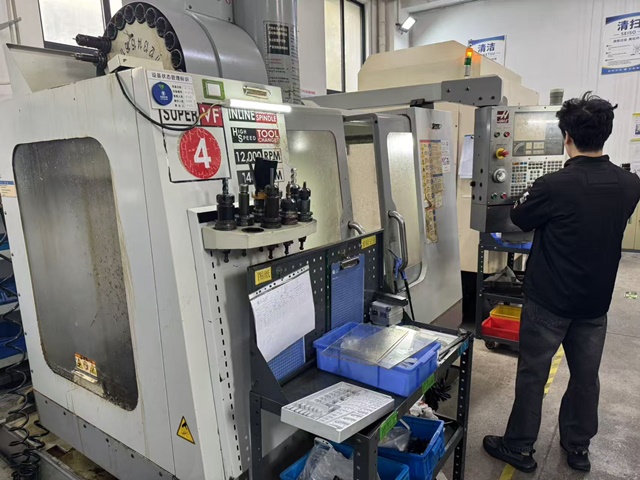
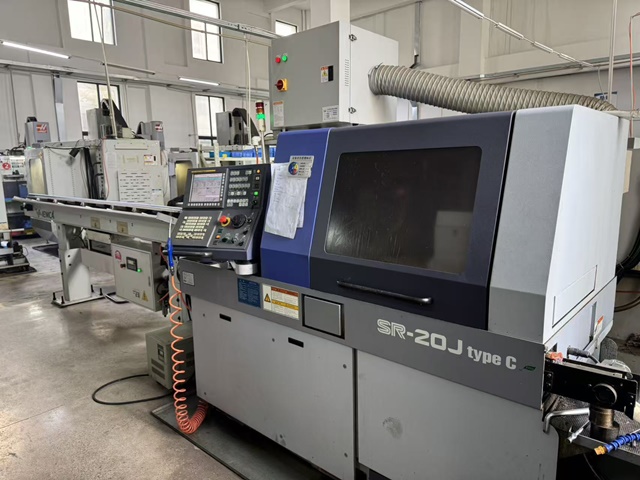
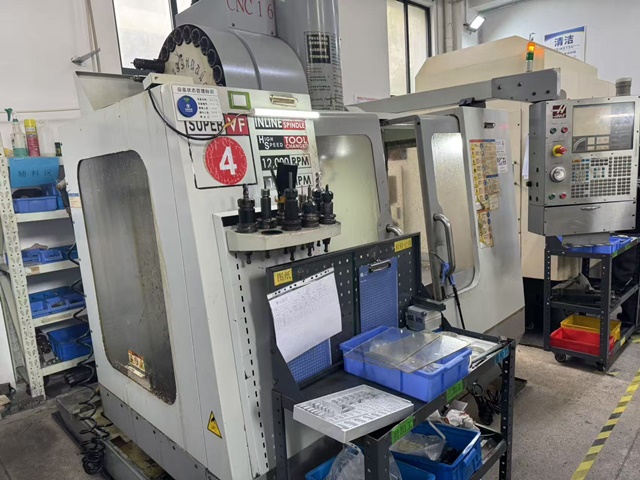
Today, leading Chinese factories act as primary suppliers and strategic OEM/ODM partners for top-tier medical device brands worldwide. By utilizing Swiss-type CNC lathe equipment, advanced multi-axis machining centers, and strict cleanroom operations, Chinese manufacturers consistently match global performance benchmarks. This industrial capacity enables healthcare providers globally to access high-quality trauma care solutions while maintaining sensible clinical budgets.
Understanding the clinical performance, load-sharing biomechanics, and surface treatment methodologies of intramedullary fixation.
Modern interlocking intramedullary nails are fabricated from biocompatible titanium alloys (Ti-6Al-4V ELI) and ultra-clean 316L medical stainless steel. Titanium alloys present a lower modulus of elasticity closer to cortical bone, significantly reducing stress-shielding effects and promoting healthier callus formation.
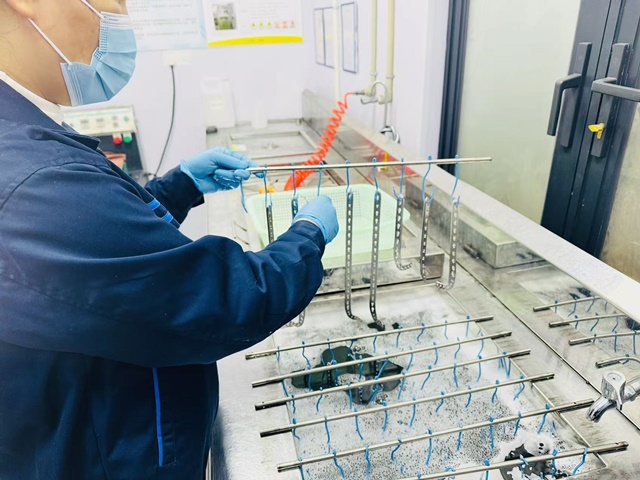
To reduce bacterial colonization and enhance tissue integration, nails undergo Type II anodization or chemical passivation. This modifies the superficial titanium oxide layer, yielding a highly stable, corrosion-resistant barrier that supports reliable long-term performance within the patient.
Integrated proximal and distal locking geometry allows surgeons to configure either static or dynamic locking configurations. Transverse and oblique locking options provide high rotational stability, while dynamic slots permit axial load-sharing during early postoperative weight-bearing.
Clinical Insight: The mechanical stability of long-bone fracture reduction is highly dependent on the intramedullary nail's working length and inner core geometry. Our R&D department works closely with clinical advisors to optimize anatomical curvature profiles, ensuring straightforward insertion with minimal risk of cortical perforation.
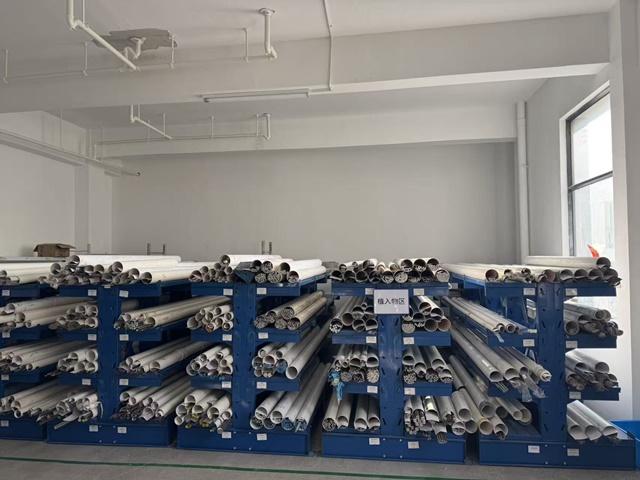
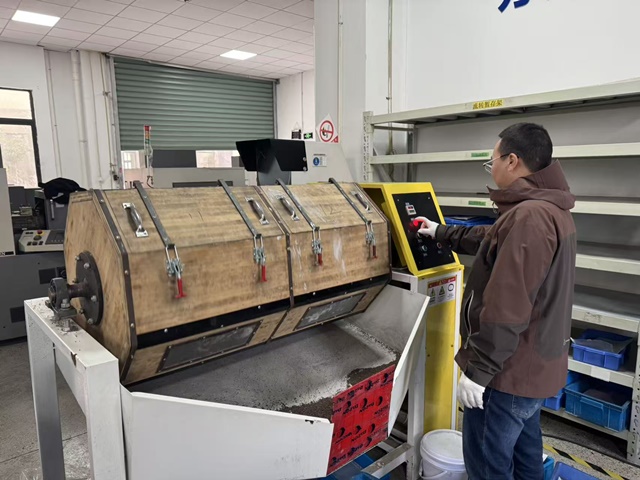
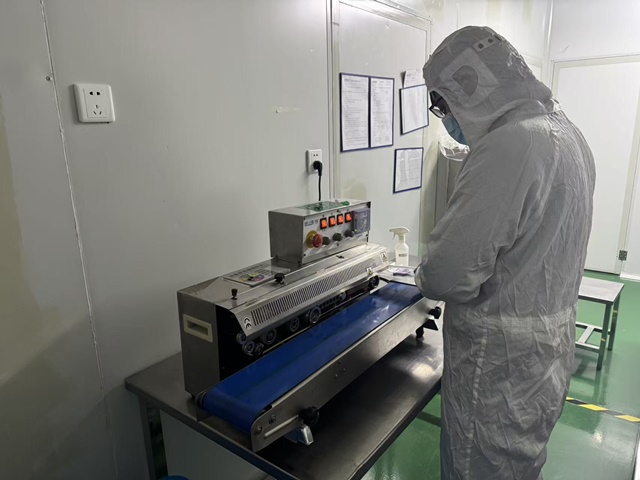
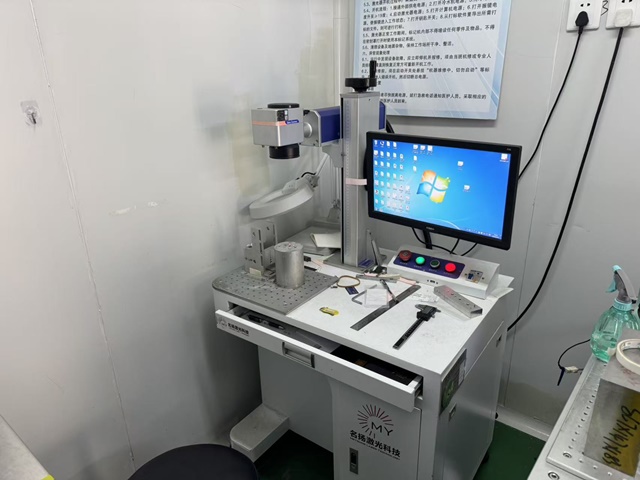
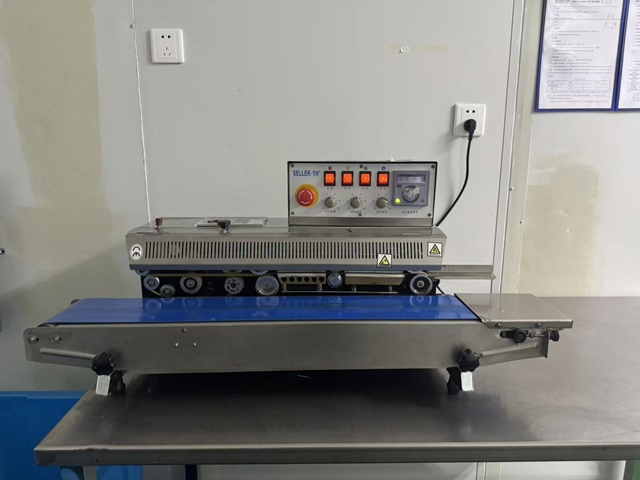
From certified medical-grade titanium raw material to double-sterile cleanroom packing, our manufacturing facilities adhere strictly to ISO 13485 regulations.
Pioneering smart implants, customized geometry, and biologically active osteosynthesis products.
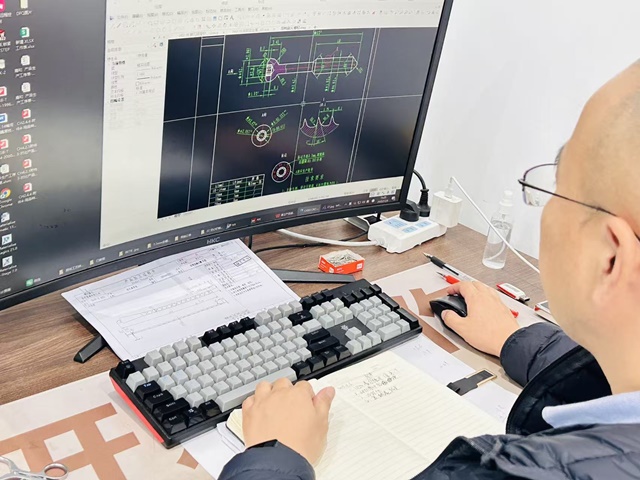
Using CT imaging data and advanced 3D modeling, we are developing patient-specific implant programs to address complex non-unions, malunions, and congenital skeletal deformities. Customized nails match patient anatomy, reducing complications like stress concentration and cortical damage during insertion.
Future orthopedic systems will monitor the healing process in real-time. By embedding micro-sensors, next-generation implants will measure local strain, temperature, and micro-motion within the medullary canal. This data can help clinicians monitor bone healing progress and identify early infections or hardware failure.
We are researching magnesium alloys and polymer composites to design temporary fixation systems that gradually degrade as the host bone heals, eliminating the need for a secondary implant removal procedure. This approach helps reduce healthcare costs and patient anxiety, particularly in pediatric trauma cases.
Healthcare-associated infections pose significant risks in complex trauma surgery. Osteora is developing smart coatings that release silver ions, copper ions, or localized antibiotics in a controlled manner, targeting implant-related osteomyelitis and improving long-term clinical outcomes.
We partner with global healthcare distributors to supply optimized inventory solutions and clinical support packages.
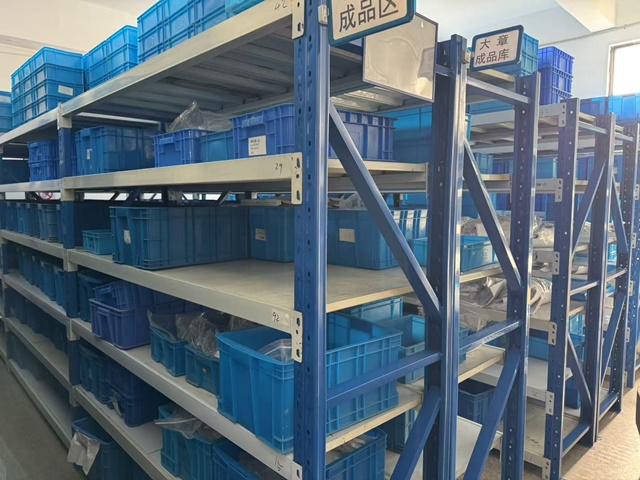
Our network of over 1,200 partners ensures reliable, high-capacity delivery of titanium medical implants and orthopedic tools, minimizing delays for regional distributors.
Leverage our 85 R&D engineers to customize sizing, mechanical configurations, and surface treatments, accelerating regulatory compliance and product launch times.
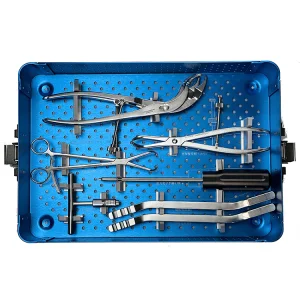
We provide comprehensive instrument sets, including guides, reamers, drills, and extraction tools, designed to simplify surgery and improve outcomes.
Answers to common questions regarding regulatory certification, metallurgy, surgical techniques, and sourcing.
Titanium alloys like Ti-6Al-4V ELI offer high biocompatibility, corrosion resistance, and fatigue strength. Their modulus of elasticity aligns closer to natural cortical bone, reducing stress shielding and promoting early callus formation.
Osteora maintains ISO 13485 certification, and our core implants carry CE marks. We provide material mill test certificates, sterilization validation reports, biocompatibility documentation, and registration dossiers to support local import approvals.
Our quality control team uses specialized testing systems to perform cyclic fatigue testing. These evaluations simulate long-term physiological loading conditions to ensure the implants meet or exceed international standards like ASTM F382 and ISO 15032.
We offer full-spectrum customization, including anatomical geometry adjustments, material grade selection, custom surface anodization, localized packaging, and laser-marked private labeling to meet specific clinical demands.
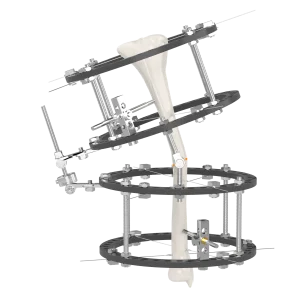
Browse our complete product range, featuring spinal implant kits, external fixators, and customized veterinary instruments.