Osteora
Osteora
Osteora
Premium class mechanical assemblies and sterile-ready trauma devices engineered for global orthopaedic surgical centers.
Osteora Medical Devices Co., Ltd. is a leading-edge designer and professional manufacturer of orthopaedic implants and high-precision trauma osteosynthesis solutions. Under the internationally registered trade mark Osteora, the firm provides premium trauma, spine, and joint reconstruction technologies matching state-of-the-art orthopaedic practices globally.
Founded in 2016, Osteora has built reliable capabilities backed by over 12 years of industry engineering experience and 8 years of dedicated medical-grade export processes. With a modern centralized production facility covering approximately 18,500㎡, Osteora integrates complex structural design, raw material testing, high-speed Swiss-type CNC machining, cleanroom packaging, and multi-stage mechanical validation under one roof.
Osteora's core business revolves around serving clinical practitioners, hospital networks, specialized orthopedic surgical centers, and regional distributors. Through constant R&D investments, the team launched over 120 new products last year alone, meeting emerging demands in sports medicine, micro-fixation, and patient-specific implant designs.
Osteora addresses specialized localized clinical protocols through extensive bespoke engineering services. Our solutions encompass:
A technical guide on how thread pitch differentiation, material choice, and micro-structures drive internal fixation stability.
Modern headless compression screws rely on variable pitch dynamics. By engineering the distal thread pitch to be wider than the proximal thread pitch, the screw advances faster at the tip than at the entry point. This draws two bone fragments together, yielding stable micro-compression without a traditional screw head. Osteora optimizes these configurations using HAAS CNC machines for consistent thread profiles.
Cannulated compression systems allow surgeon-guided placement over K-wires. Centered guide wire holes must feature strict concentricity to prevent drill-bit wandering and structural failure during bone penetration. Osteora maintains strict tolerances via continuous laser inspections and Swiss-type lathe turning to guarantee true axial orientation across the entire shaft.
Our raw material supply chain ensures access to medical-grade Titanium Alloy (Ti-6Al-4V ELI) and PEEK. We conduct extensive gas spectrometry to trace nitrogen, hydrogen, and oxygen inclusions, ensuring the implant material maintains high fatigue life, superior elasticity match to human bone, and absolute biocompatibility under heavy physiological loads.
A transparent look inside Osteora's 18,500㎡ facility, showcasing our strict technical steps from raw material verification to final export packing.
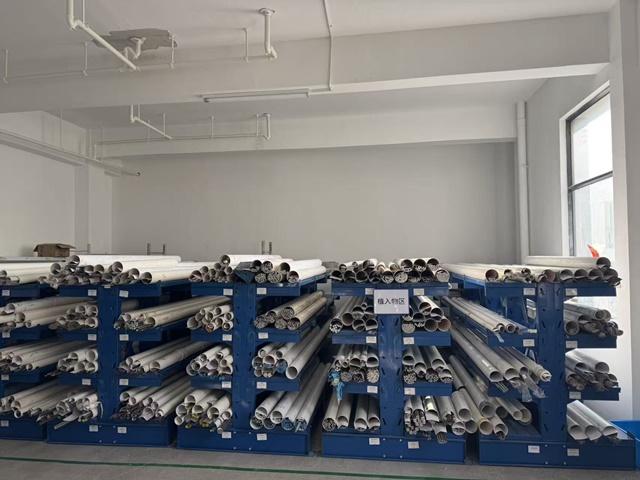
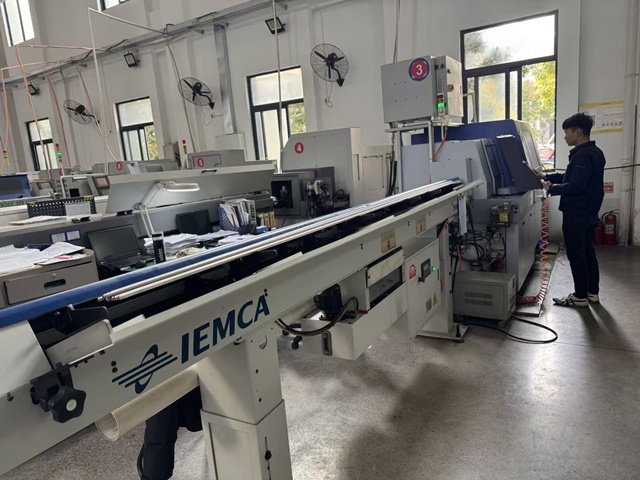
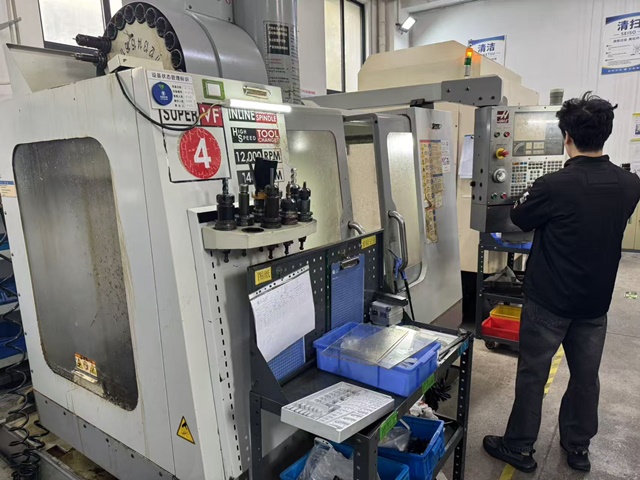
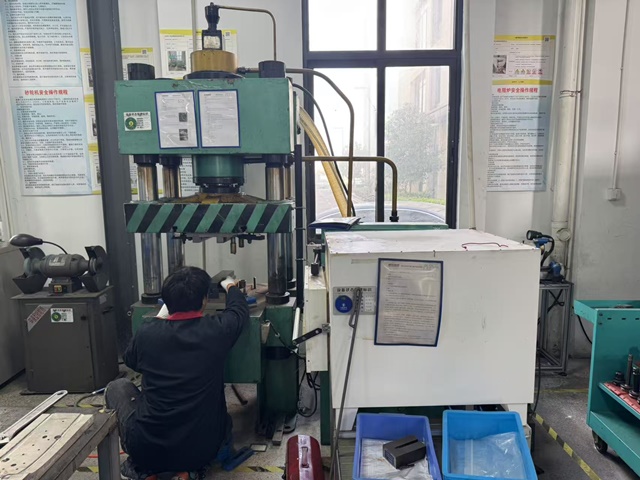
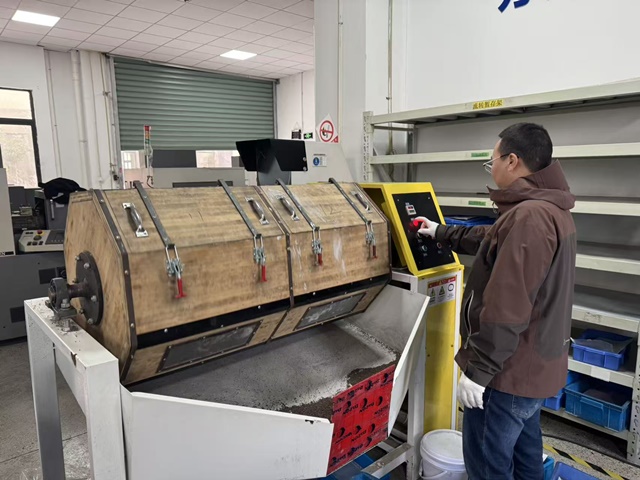
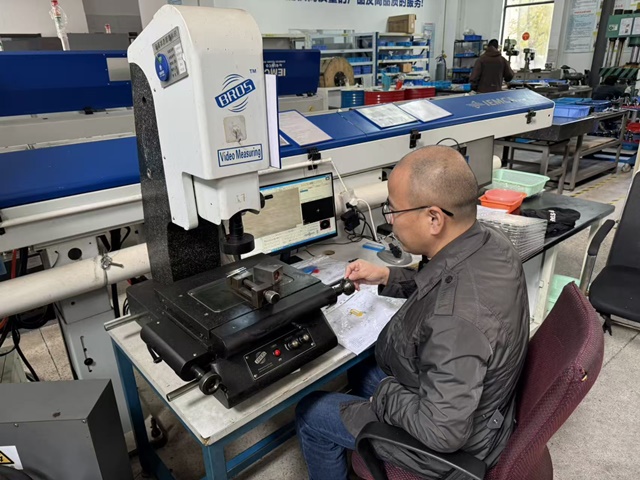
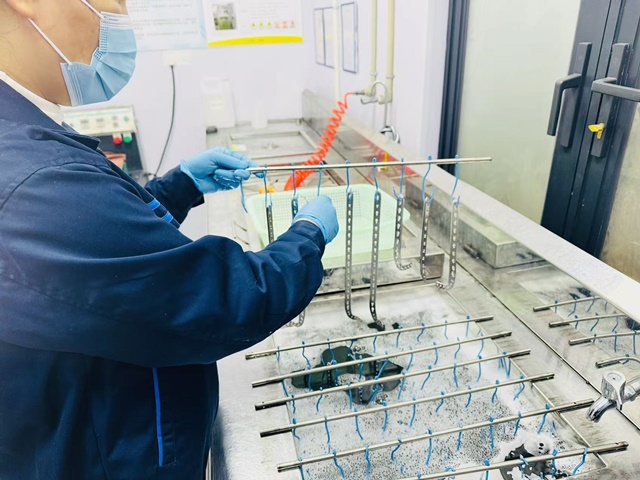
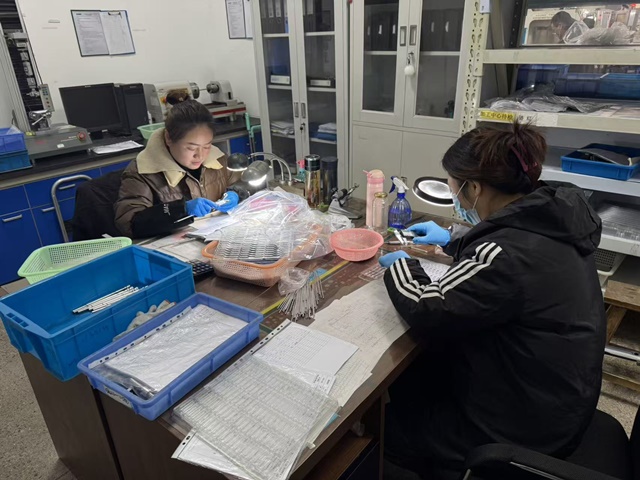
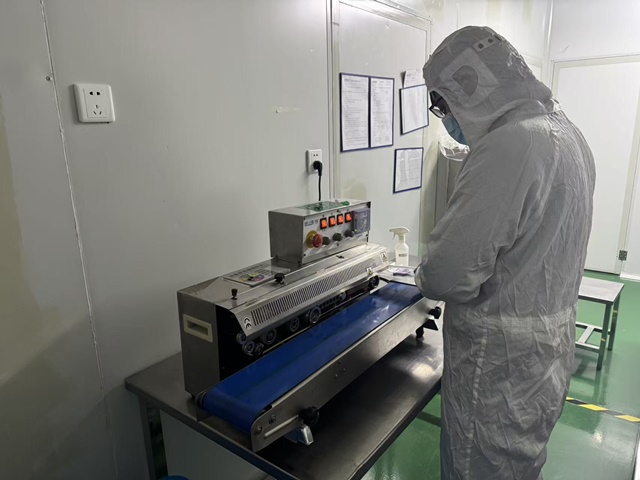
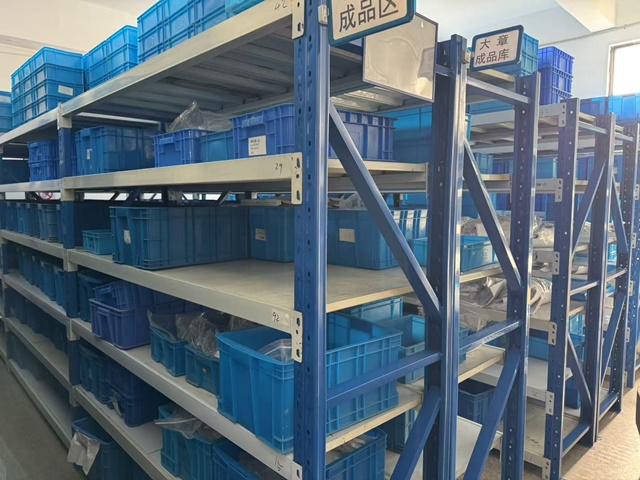
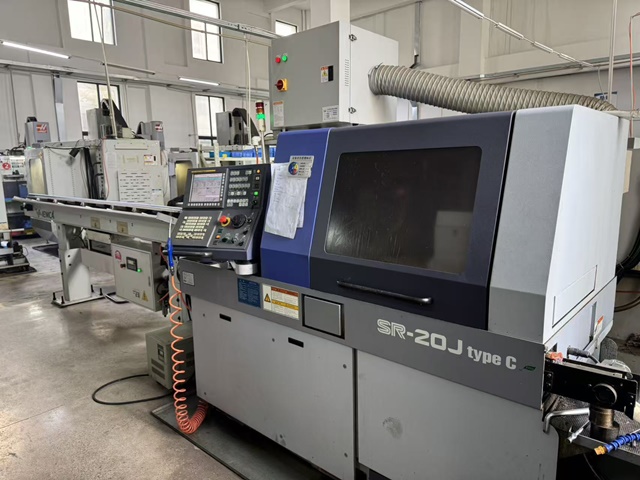
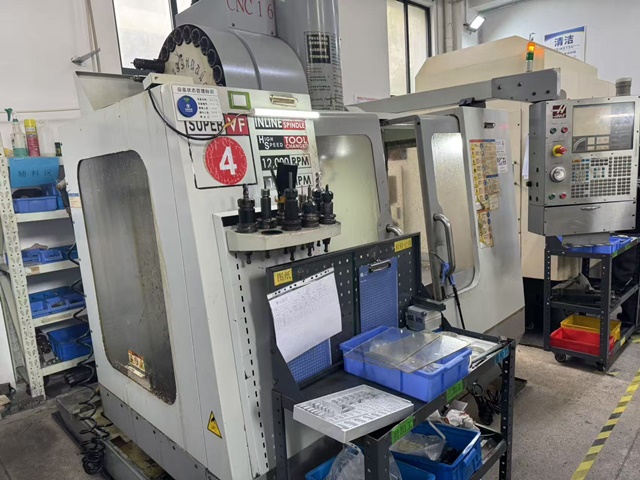
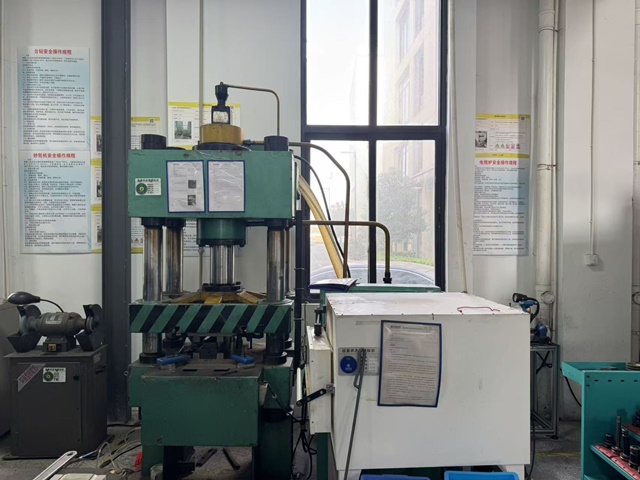
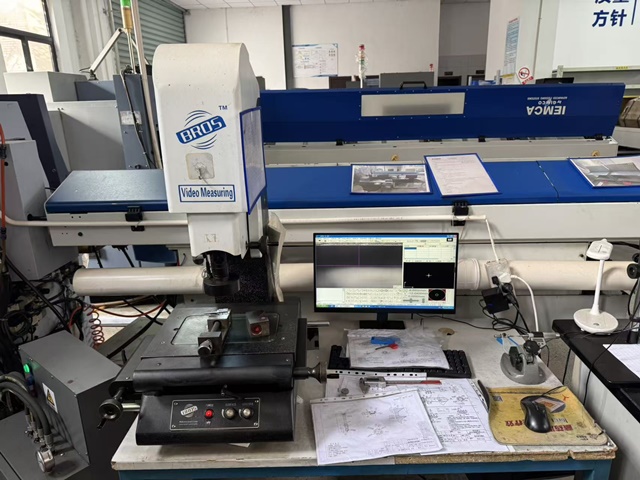
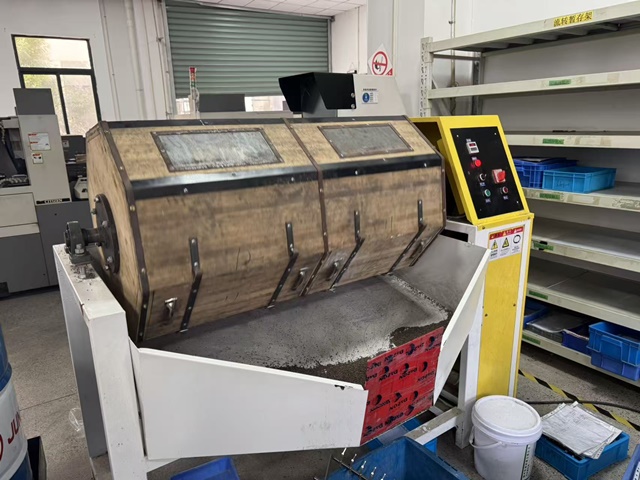
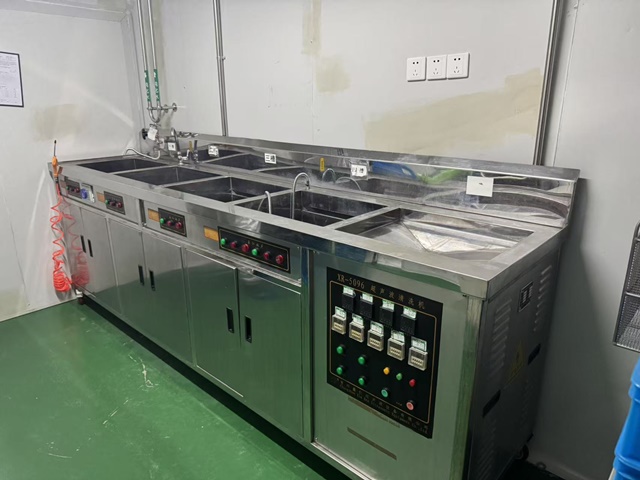
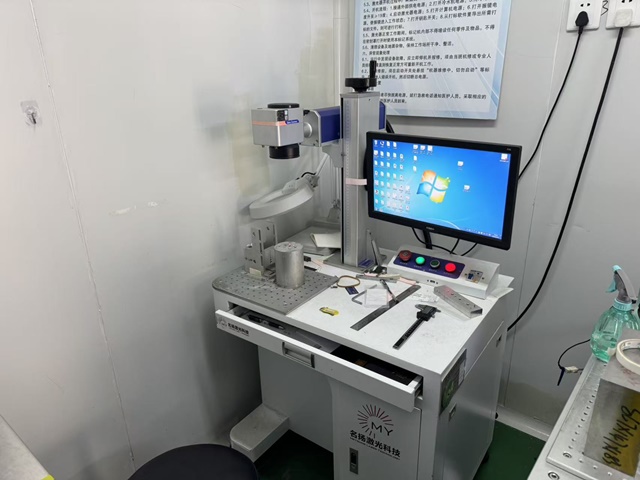
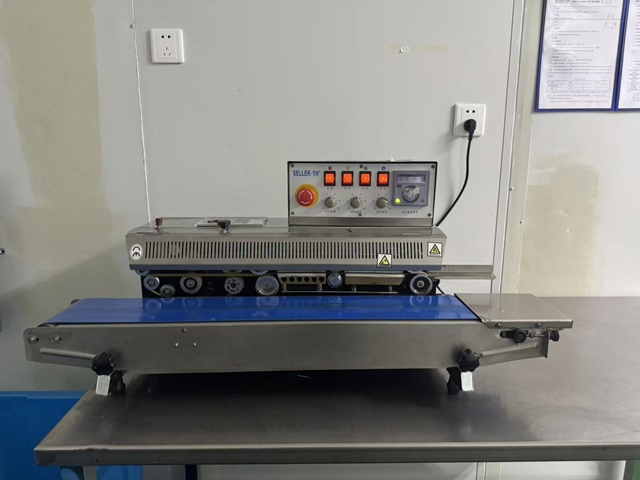
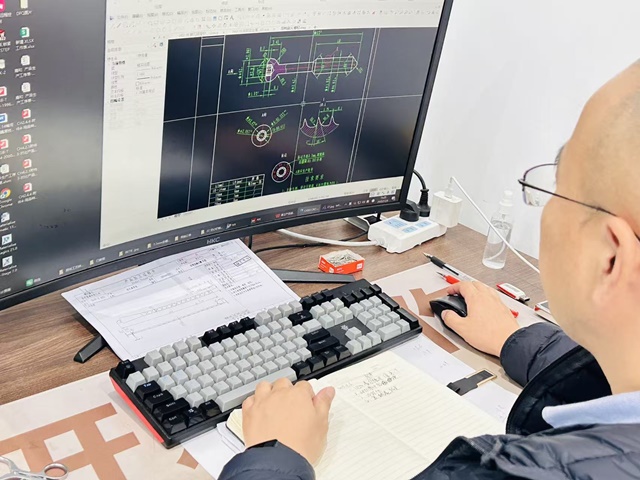
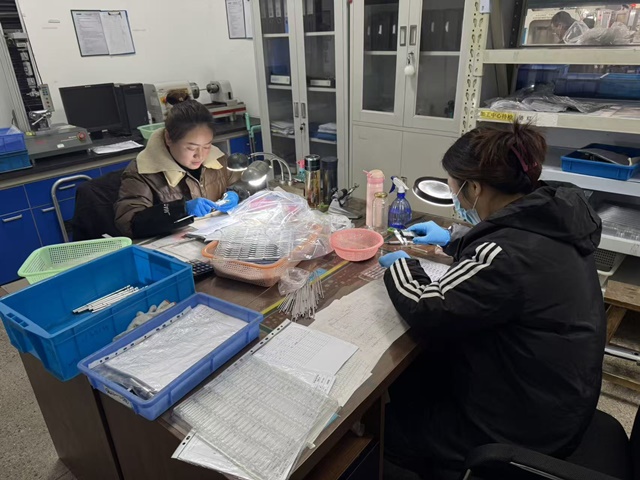
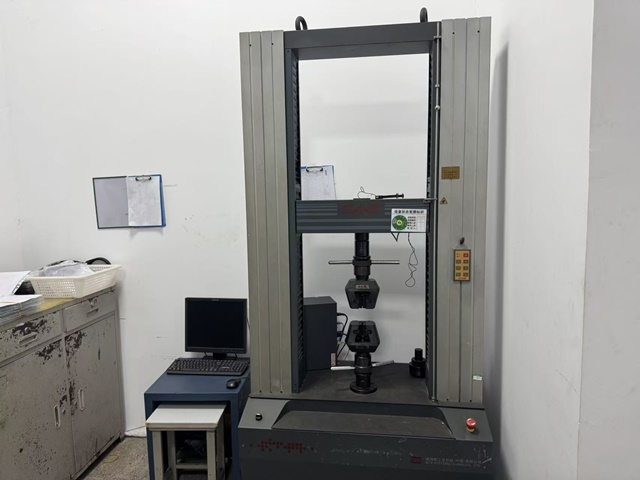
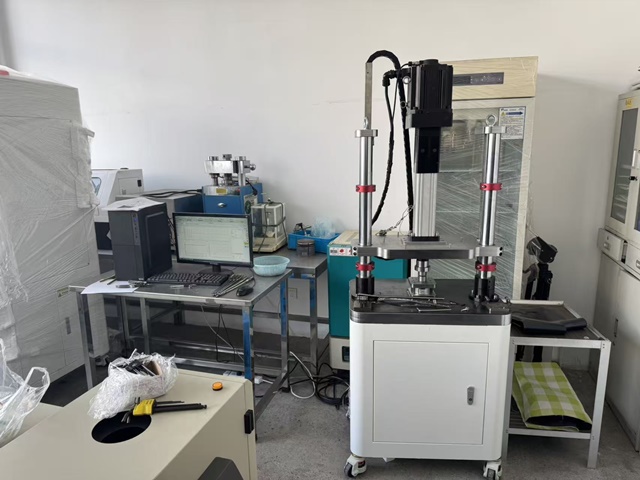
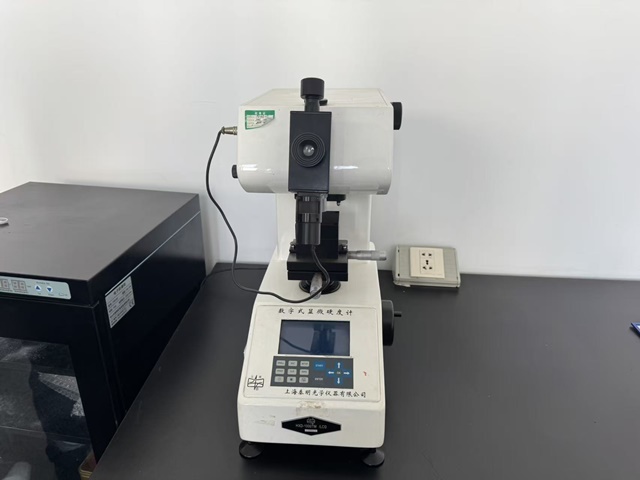
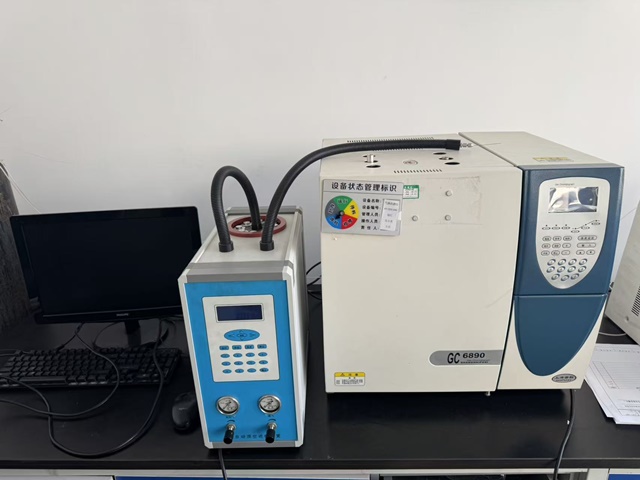
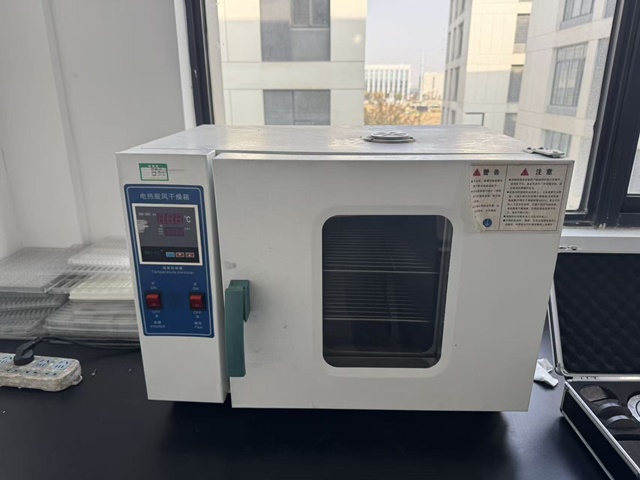
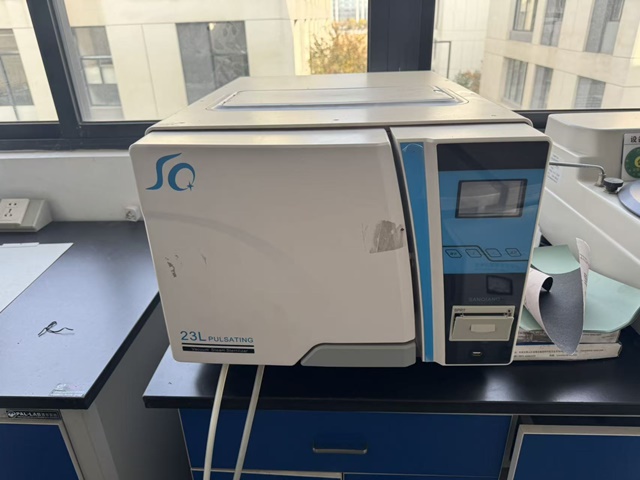
For load-bearing implants, structural and dimensional integrity is critical. Osteora relies on a strict QA setup monitored by 42 specialized medical inspectors ensuring 100% adherence to ISO 13485:2016 and international standards.
Our laboratory uses a range of physical validation tools:
Every shipment is backed by raw material heat-treatment certifications, mechanical batch reports, and non-destructive inspection documents, allowing full traceability from raw bar stock to individual surgical lots.
Strategic perspectives for procurement managers, medical distributors, and surgical implant design teams.
Under tight MDR (EU 2017/745) requirements and FDA regulatory updates, medical procurement managers require fully traceable supply chains. Global supply chain risks necessitate reliable partners capable of handling high-volume outputs without compromising quality. Osteora offers clear regulatory documentation and localized registration dossiers to help simplify import compliance globally.
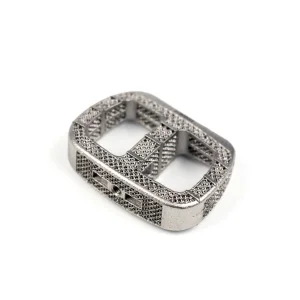
Future orthopedic trends prioritize faster healing and anti-microbial surfaces. Osteora's engineering team is developing type II anodization, silicon-doped HA (hydroxyapatite) coatings, and 3D-printed porous implants to encourage immediate bone growth. This strategy helps reduce recovery times for patients and helps prevent post-surgical infections.
With exports reaching South America, Europe, the Middle East, and Southeast Asia, Osteora adapts to regional certification requirements. Whether navigating CE certifications, HSA submissions, or ANVISA audits, our regulatory affairs team works with your local distributors to expedite approval pathways.
Essential guidance on product validation, order fulfillment, customization parameters, and supply chain operations.
Complementary reconstructive devices, specialty instrument kits, and high-performance surgical accessories.