 Osteora
Osteora
Osteora
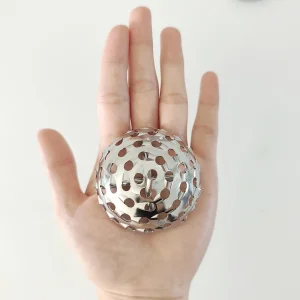
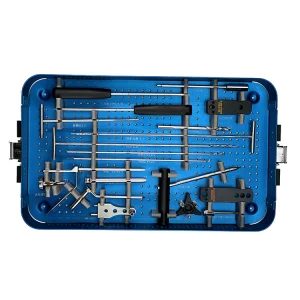
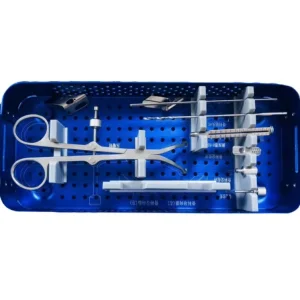
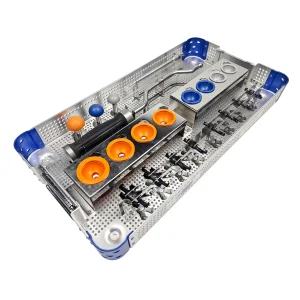
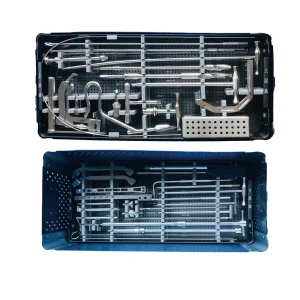
Established in 2016, Osteora Medical Devices Co., Ltd. is a professional orthopedic implant and surgical solution manufacturer specializing in trauma, spine, and joint reconstruction systems under the premium brand Osteora.
Our state-of-the-art facility spans approximately 18,500㎡ in China, forming a fully integrated manufacturing base for production, automated cleanroom assembly, and advanced mechanical testing operations. With 12 years of industry expertise and 8 years of international export experience, Osteora has achieved a reputation as a trusted manufacturing partner for global medical device distributors, hospitals, and surgical centers.
By building a highly efficient supply chain consisting of over 1,200 certified upstream and downstream partners, Osteora ensures continuous production capacity and highly resilient supply logistics. Our focus on quality and innovation has expanded our market presence across Europe, Southeast Asia, the Middle East, and South America, generating an annual export revenue between USD 6 million and 14 million.
Exploring the convergence of materials science and design topology in modern Cervical Interbody Fusion Devices.
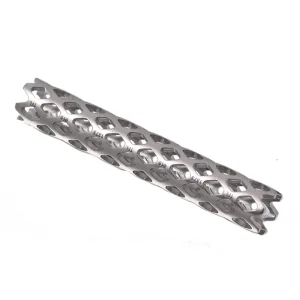
Polyetheretherketone (PEEK) has long been favored for its bone-like elastic modulus (~3.6 GPa), reducing stress shielding risks. However, additive manufactured (3D-printed) titanium scaffolds with interconnected porosity (300-800 microns) mimic trabecular bone architecture, optimizing osseointegration and mechanical anchoring.
To overcome PEEK's hydrophobic nature, Osteora uses plasma spraying of Titanium coatings (Ti-PEEK) and nano-hydroxyapatite infusion. This creates a surface topography that promotes osteoblast adhesion, differentiation, and bone deposition directly onto the implant surface without compromising radiolucency.
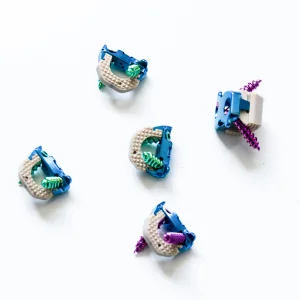
The technological migration towards stand-alone cages with integrated fixation screws minimizes the footprint of the implant. Eliminating the need for anterior cervical plating prevents adjacent segment disease (ASD), shortens operation times, and dramatically reduces post-operative dysphagia rates.
The future of cervical interbody cages lies in smart and customizable implants. Rapid prototyping using patient-specific MRI/CT scans allows manufacturers to build customized anatomically-conforming cages that address severe bone defects and complex sagittal balance corrections. Researchers are also investigating biodegradable implants that slowly resorb while guiding native bone replacement, alongside built-in nano-sensors that transmit telemetry on fusion rates and local mechanical load to post-operative clinical teams.
Overcoming biomechanical degradation and optimizing sagittal alignment in anterior cervical discectomy and fusion (ACDF) procedures.
ACDF procedures frequently suffer from cage subsidence, where the implant sinks into the vertebral endplate. To address this, Osteora's cervical cages feature wide contact footprints and defined perimeter load-bearing margins. These distribute mechanical pressure evenly across the cortical bone ring, preserving disc height.
Physiological recovery depends heavily on restoring cervical lordosis (normal curve). Our cages are designed with pre-configured lordotic angles (ranging from 5° to 12°). This anatomical slope relieves neural tension and helps prevent adjacent level degeneration over the long-term lifecycle of the implant.
A key metric in spinal fusion is the rate of bone graft contact. Our cages feature a large central grafting window. This window maximizes contact between the bone graft and host endplates, creating an environment that accelerates complete bony bridging and ensures long-term biomechanical stability.
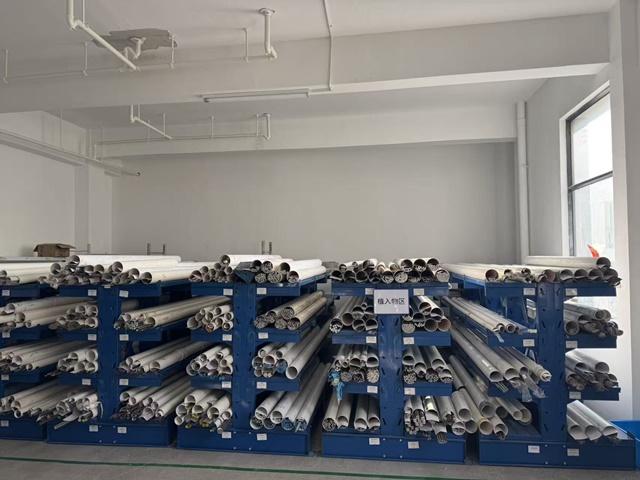
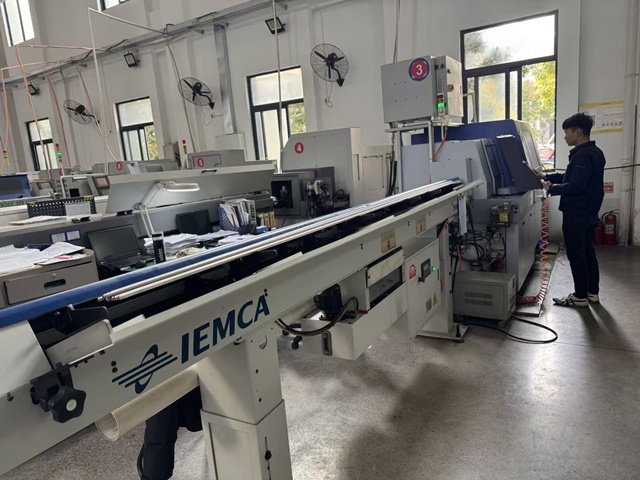
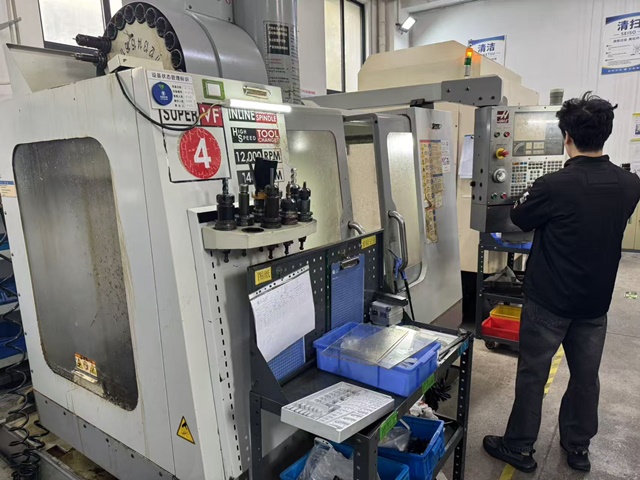
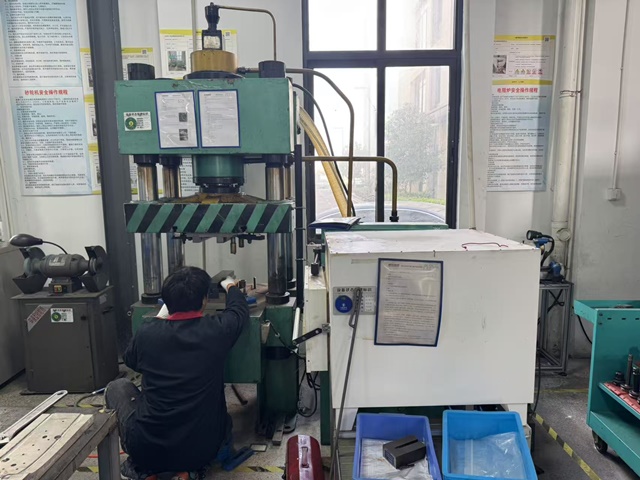
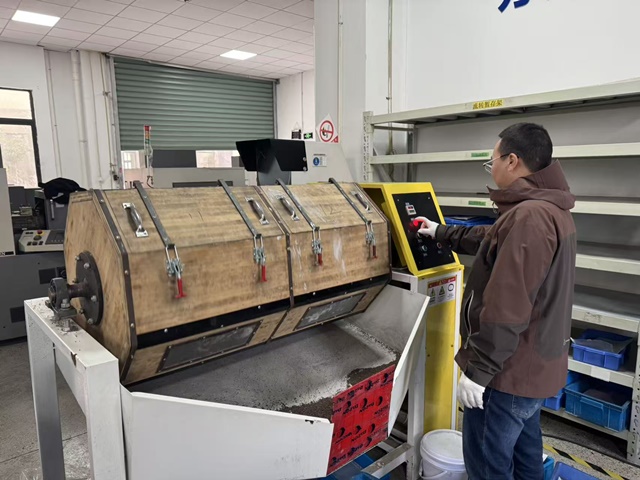
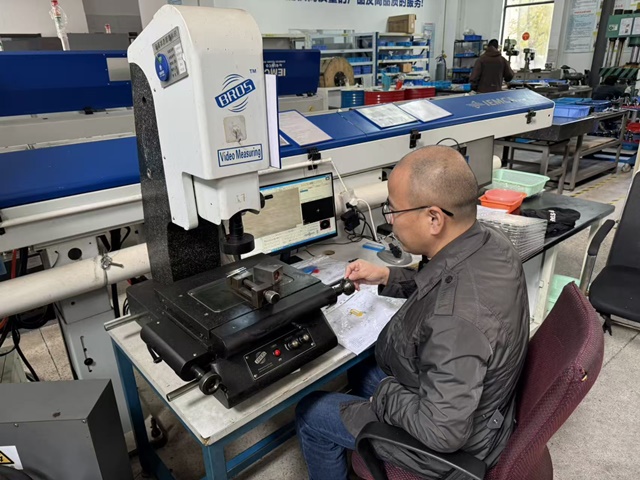
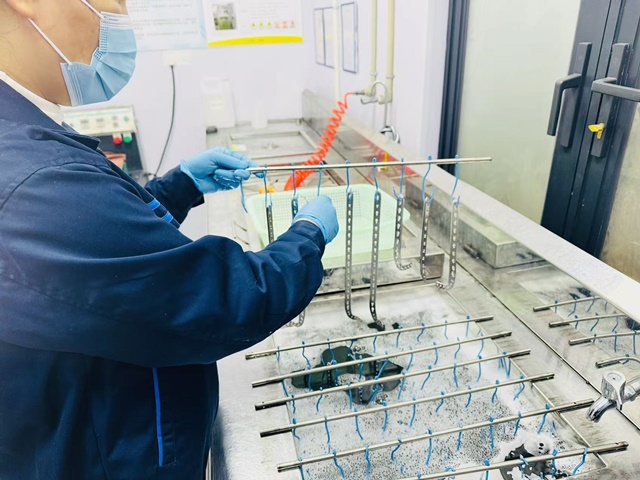
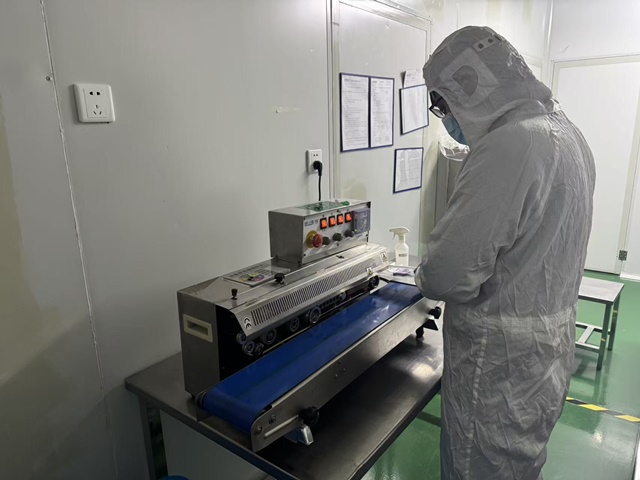
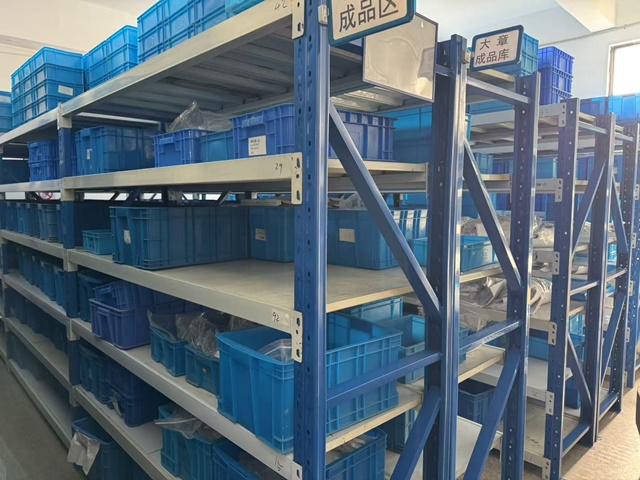
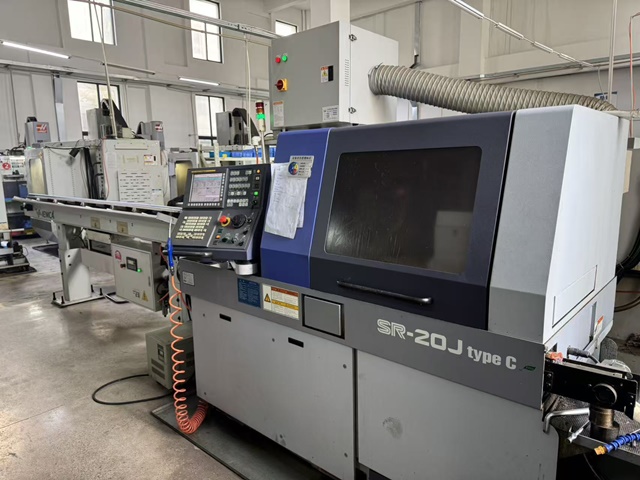
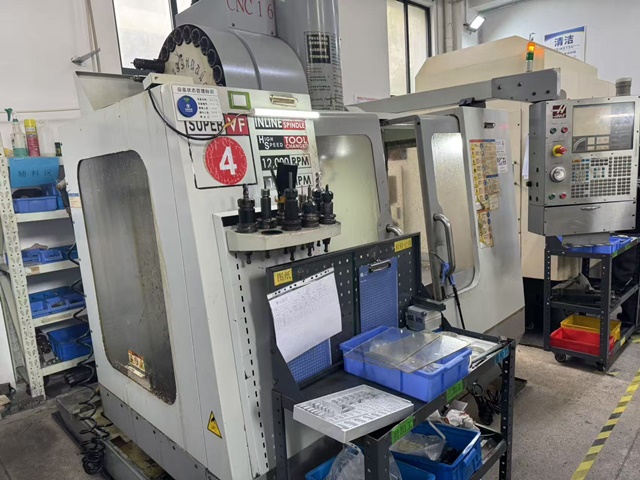
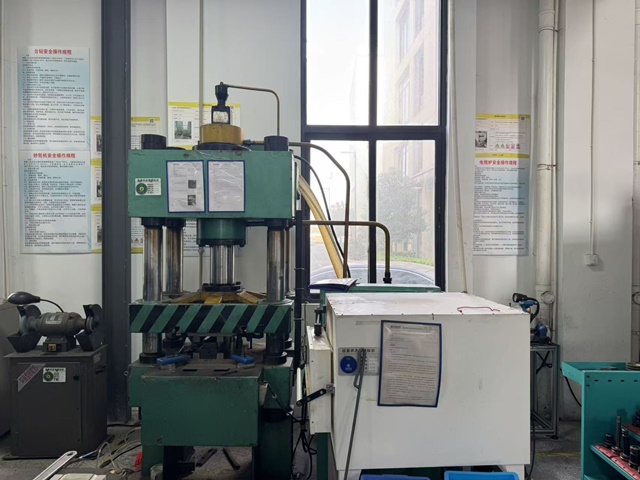
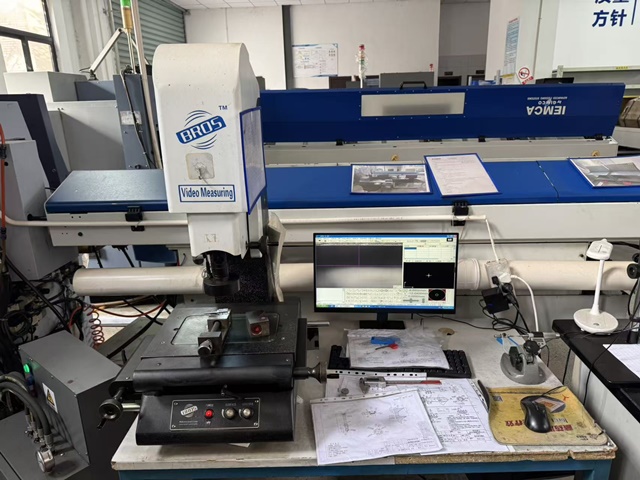
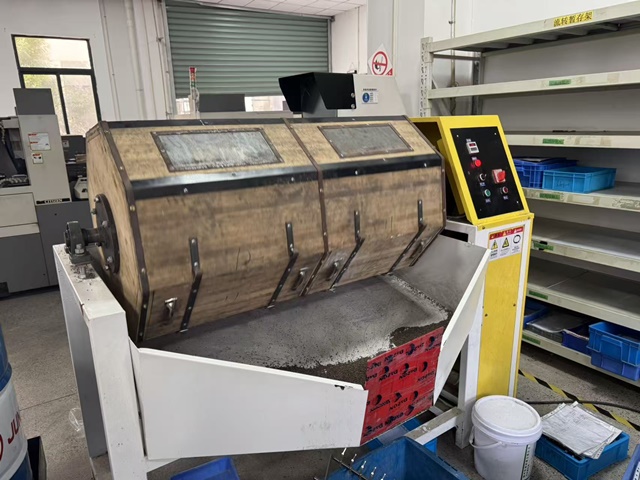
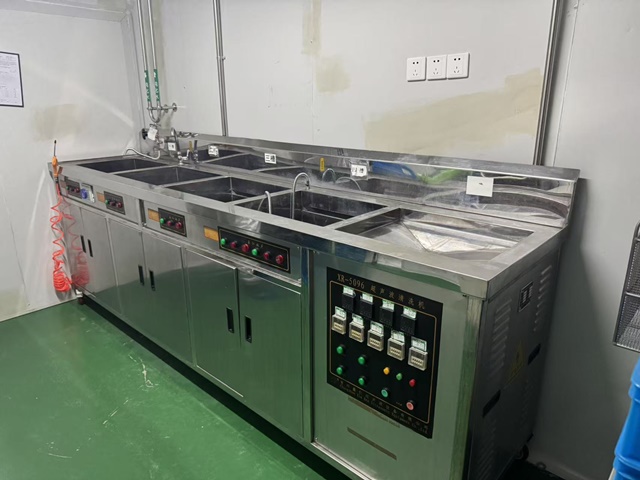
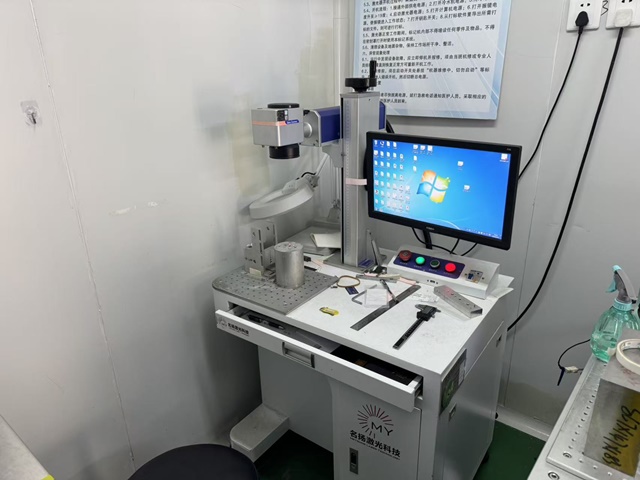
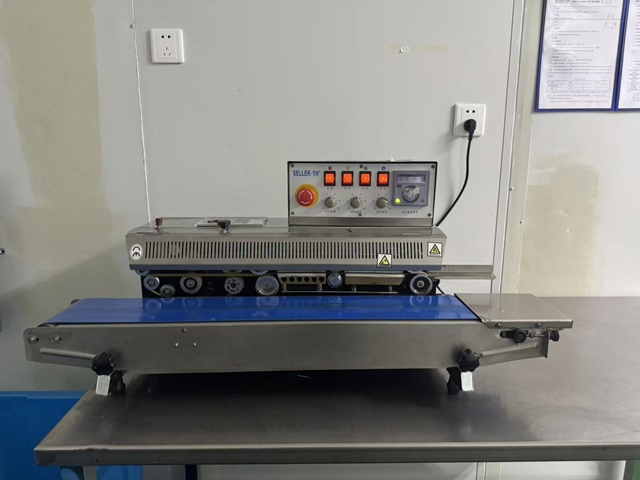
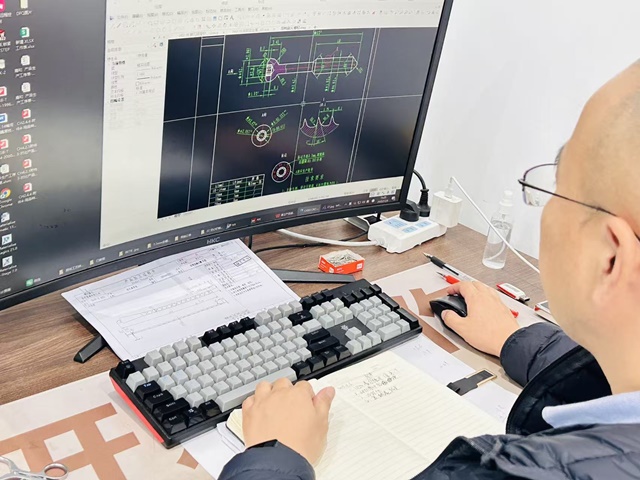
Inside Osteora's intelligent manufacturing ecosystems, where orthopedic components are milled to micron-level tolerances.
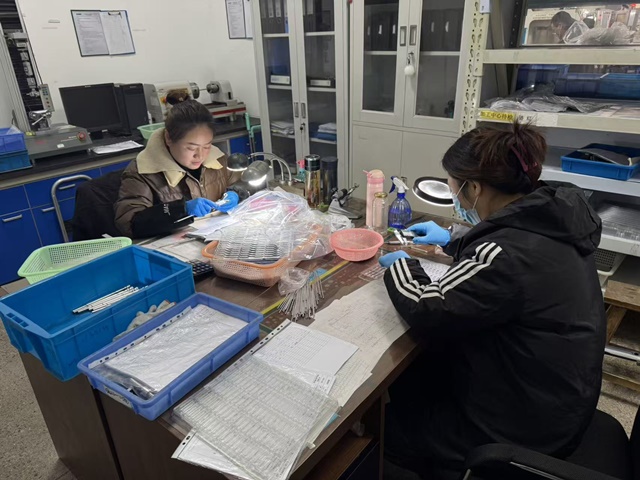
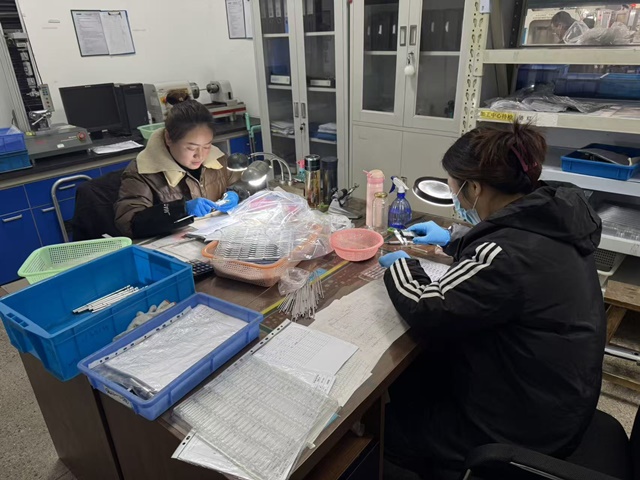
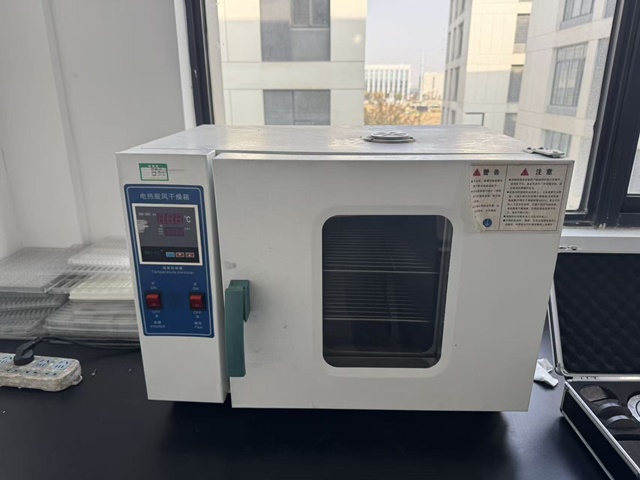
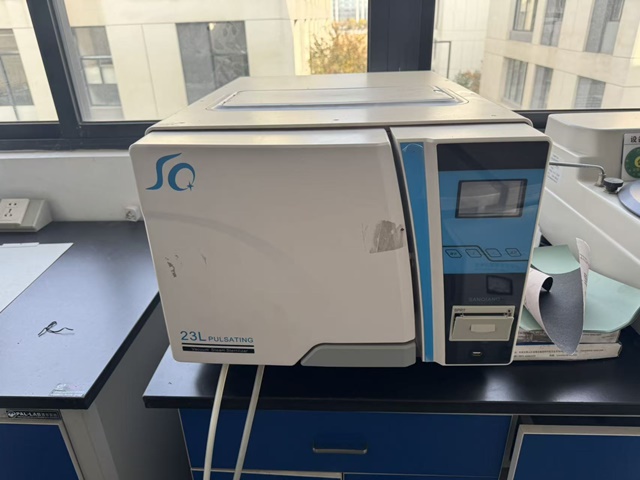
To consistently supply the global medical market, Osteora leverages advanced precision equipment and automated production control systems. Our facility houses high-precision machinery, including HAAS CNC milling centers, Swiss-type lathe equipment, and specialized surface-finishing instruments. Supported by 85 R&D engineers and 42 QC inspectors, we ensure that every spinal cage, pedicle screw, and joint component matches the exact dimensions required by orthopedic surgeons worldwide.
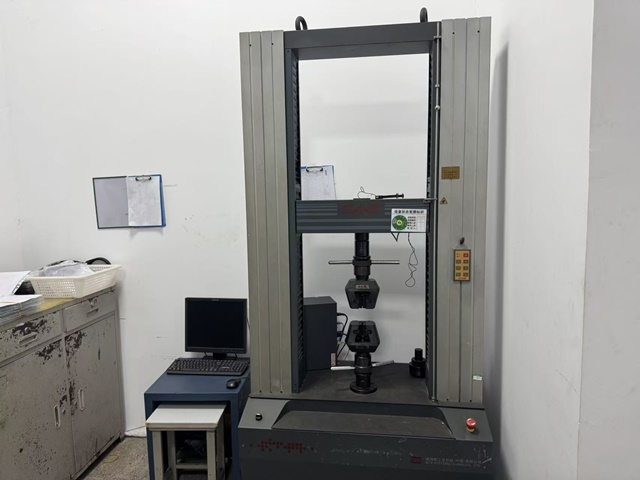
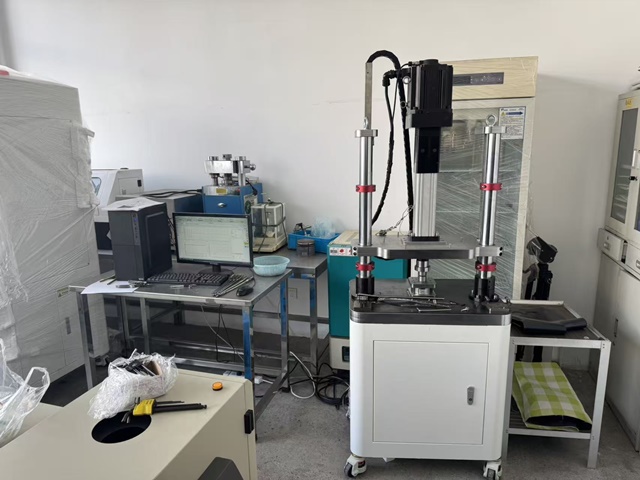
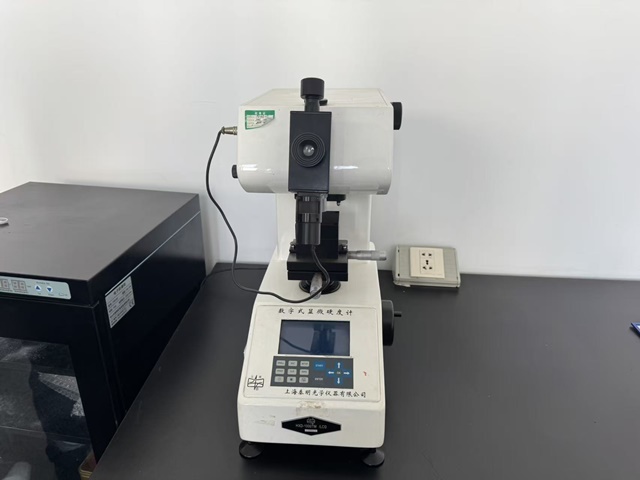
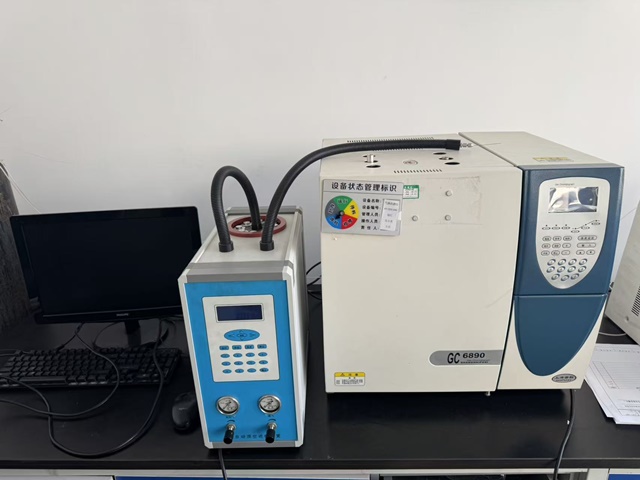
Operating under absolute alignment with ISO 13485 and stringent medical device validation requirements.
At Osteora, quality is not a retrofitted inspection point—it is built into every step of the process. We run a comprehensive ISO 13485-compliant quality system utilizing 42 dedicated quality inspectors.
| Standard | Target Area |
|---|---|
| ISO 13485 | Global Quality Management for Medical Devices |
| CE (MDR Compliant) | European Union Health & Safety Compliance |
| ASTM F136 / ASTM F2026 | Standard Specifications for Titanium / PEEK Materials |
| US FDA 510(k) | US Regulatory Market Access Pathway (Clearance Ready) |
Empowering distributors, healthcare systems, and clinical networks with flexible supply models.
Whether a market requires specific footprints, footprints for posterior lumbar applications, or unique cervical lordotic angles, Osteora provides swift anatomical configuration adaptations to meet regional preferences.
We offer specialized packaging, laser marking, and custom labeling to support private brands. This includes supply chains configured for bulk cleanroom components or ready-to-use Gamma sterilized packs.
Supported by over 1,200 downstream partners and reliable international shipping lines, we guarantee continuous fulfillment for long-term distributor contracts and acute hospital purchase orders.
Technical and procurement answers directly from our spinal implant design engineers.