Osteora
Osteora
Osteora
Premium Orthopedic Devices and Surgical Toolkits Manufactured Under Strict ISO 13485 Standards for Trauma, Spine, and Joint Reconstruction.
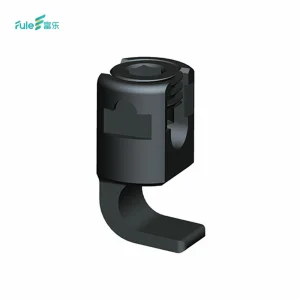
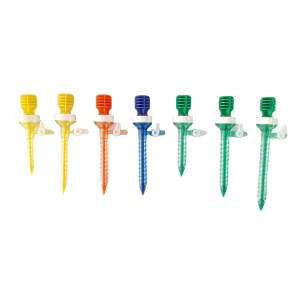
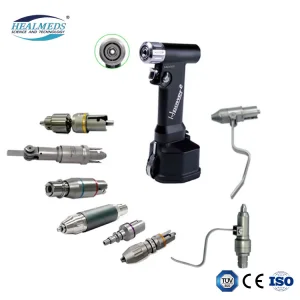
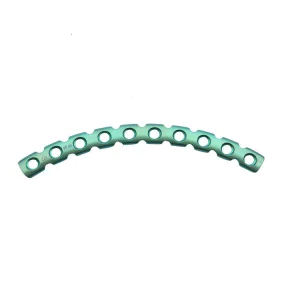
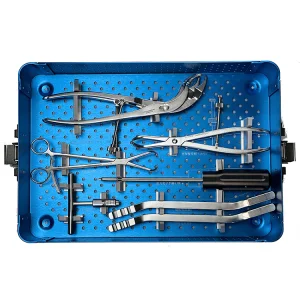
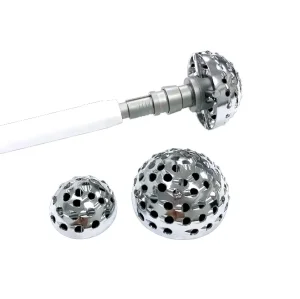
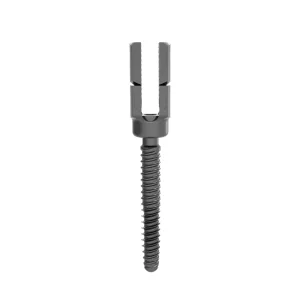
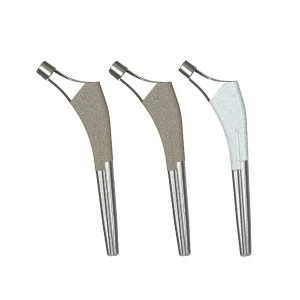
Established in 2016, Osteora Medical Devices Co., Ltd. has grown to become a premium manufacturer of orthopedic implants and advanced surgical solutions. Specializing in trauma systems, spinal reconstruction, and joint reconstruction technologies, Osteora is dedicated to improving patient mobility through technical innovation and rigorous quality control.
With over 12 years of industry experience and 8 years of export competence, the company facilitates orthopedic advancements across key regional markets, including Europe, Southeast Asia, the Middle East, and South America. Empowered by a stable upstream/downstream network of 1,200 partners and an annual export value between USD 6 million and 14 million, Osteora provides reliable, long-term procurement structures for global medical networks.
Key variables evaluated by hospital networks, procurement boards, and medical device distributors when acquiring joint replacement solutions.
Global procurement systems demand comprehensive certification. Strict adherence to EU MDR regulations guarantees product safety, biocompatibility, and clinical efficacy, minimizing liability and streamlining import clearance pathways.
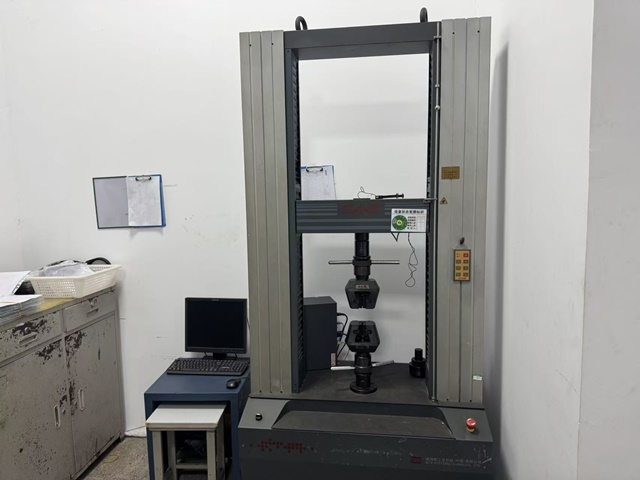
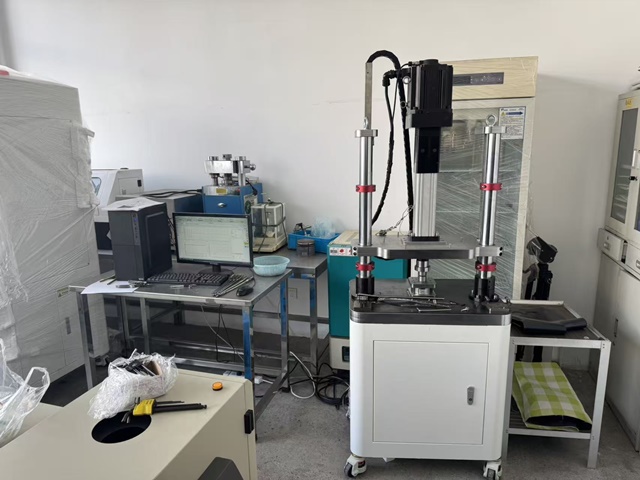
Implant components undergo millions of loading cycles. Distributors require verifiable fatigue testing reports demonstrating that humeral components and glenospheres endure mechanical stresses without osteolysis or structural collapse.
Optimized outcomes require versatile options. Procurement programs prioritize systems that feature modular glenosphere offsets, humeral neck angles, and humeral cup heights to adapt to individual anatomical configurations.
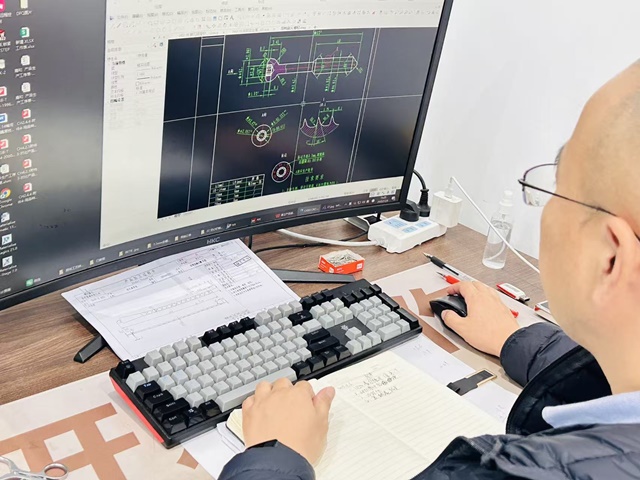
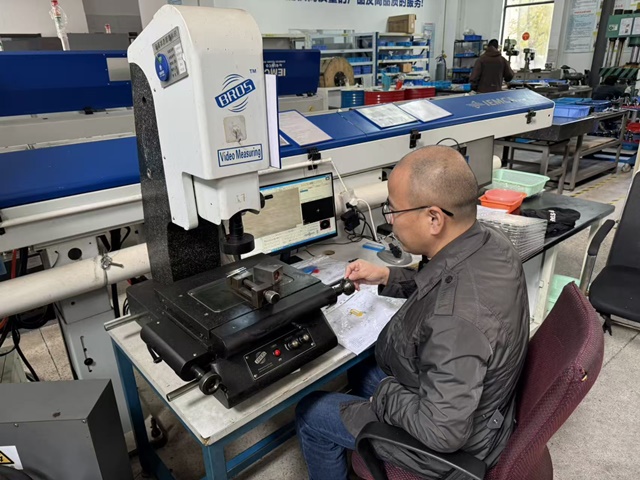
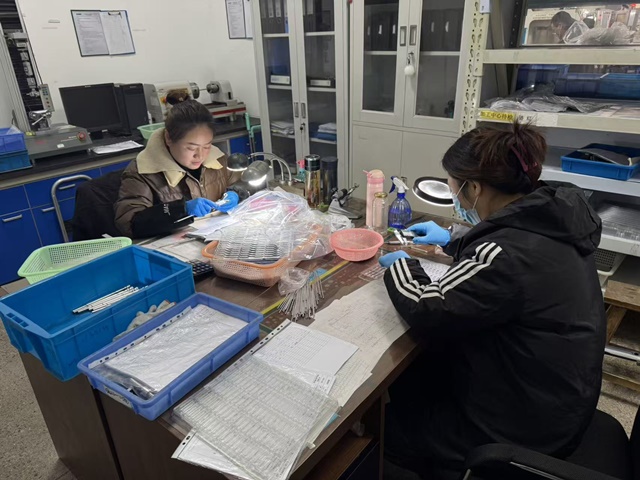
Take an in-depth look at our state-of-the-art facility, showing how raw biocompatible materials are transformed into life-changing orthopedic implants.
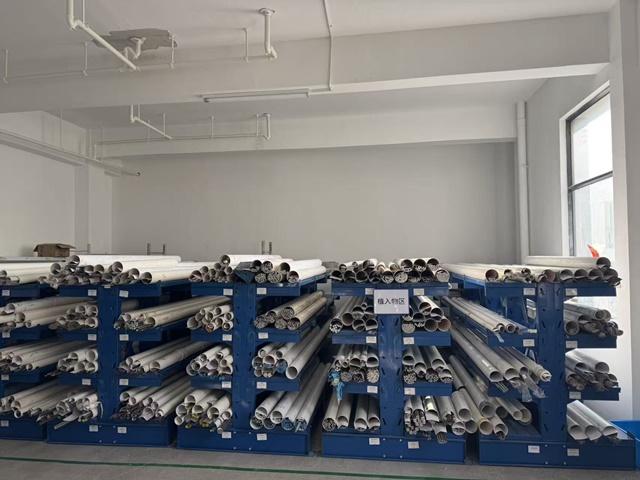
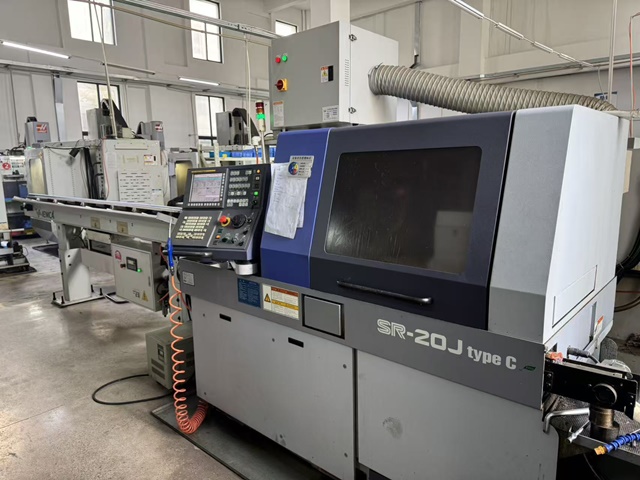
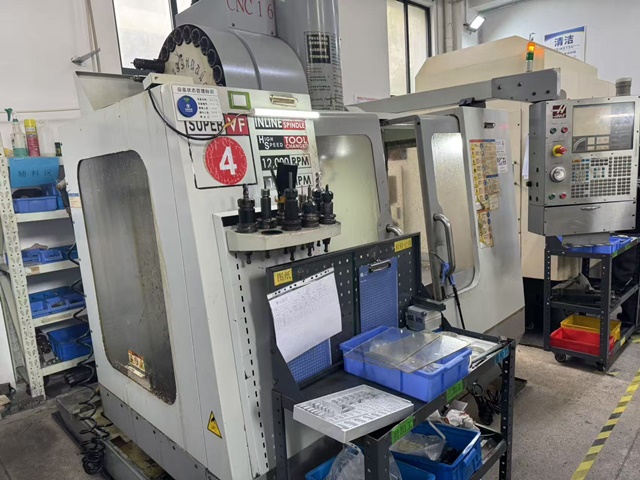
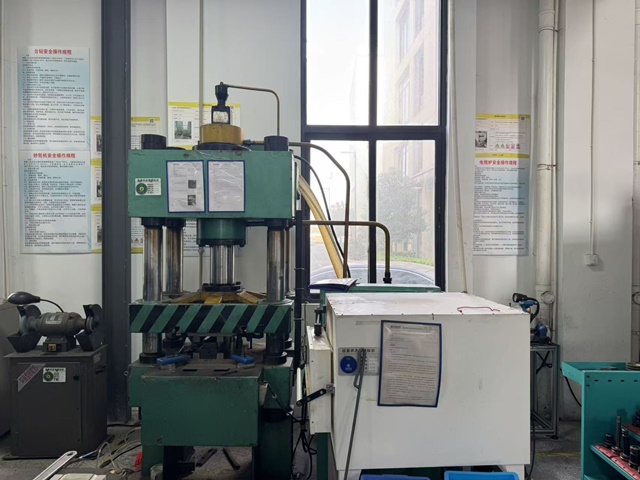
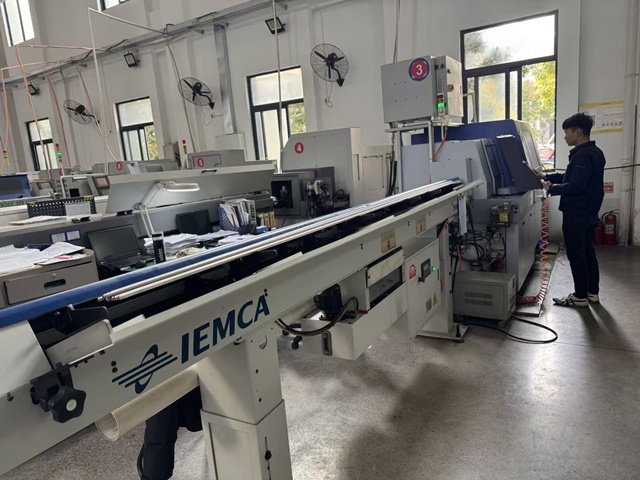
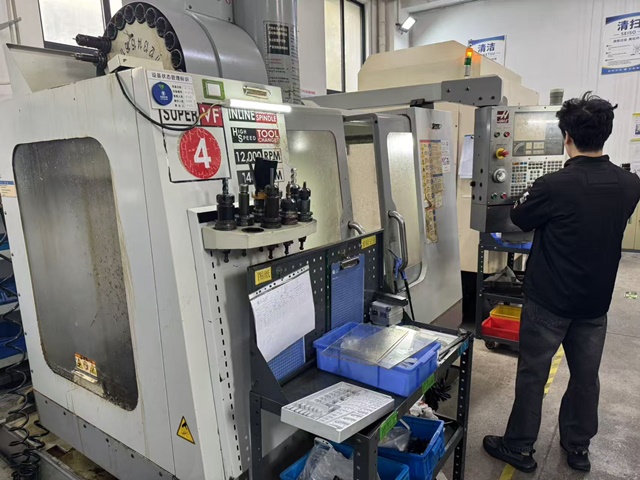
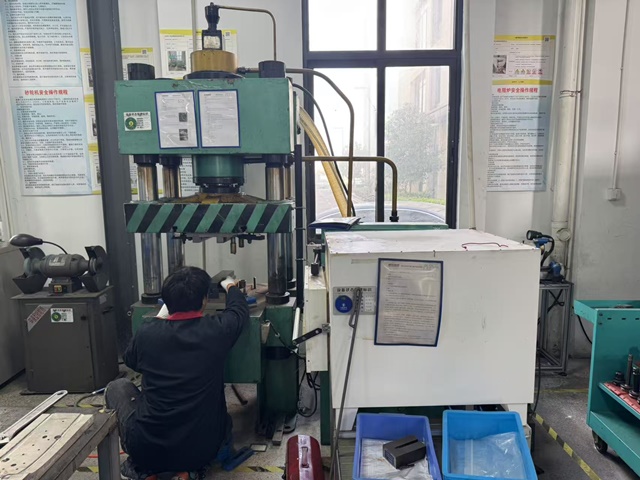
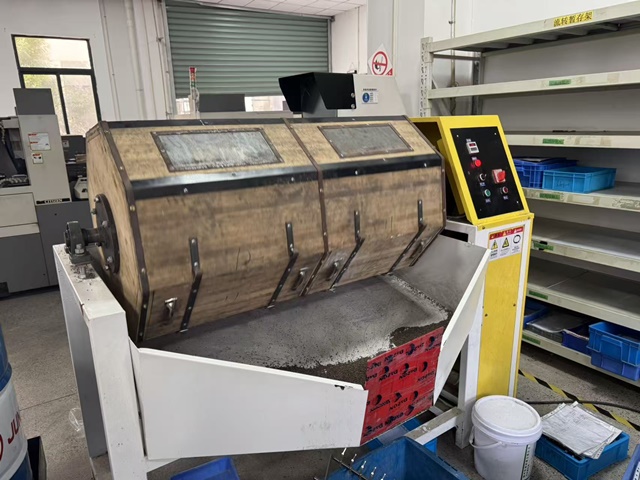
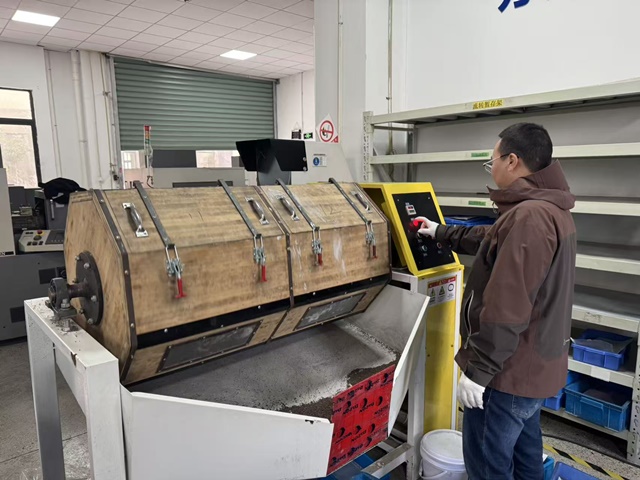
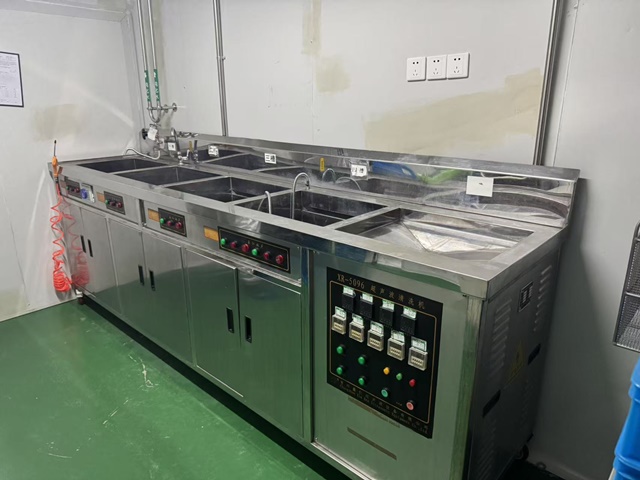
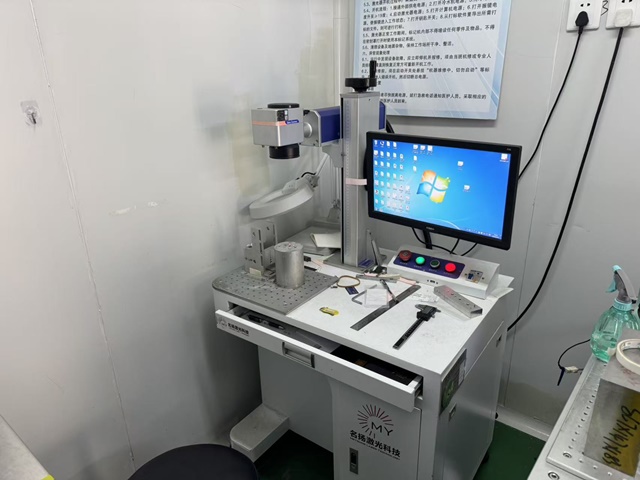
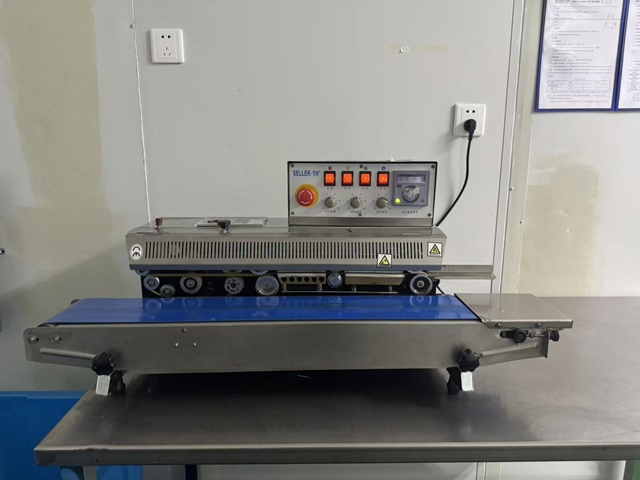
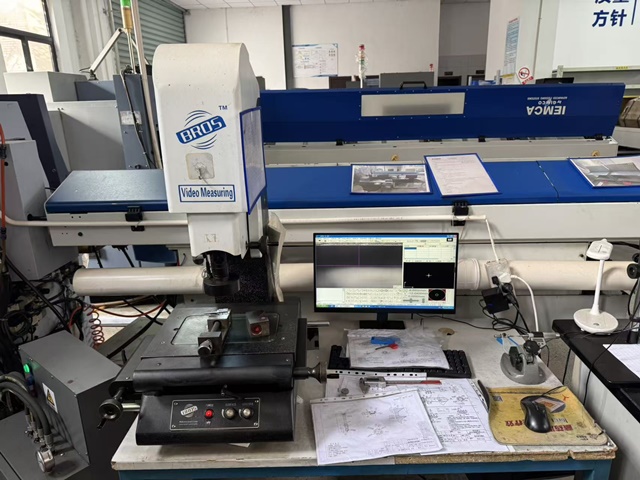
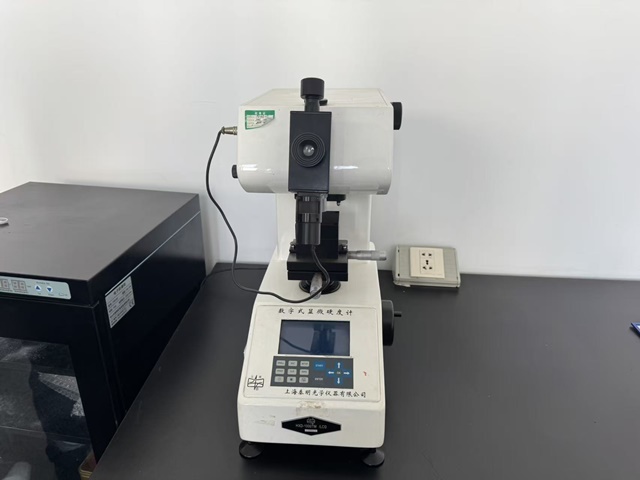
Equipped with modern testing technology, our 42-inspector QC department validates dimensional accuracy, structural strength, and chemical composition.
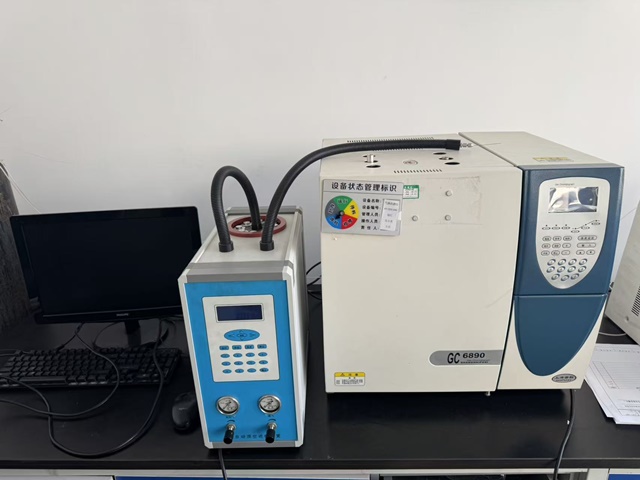
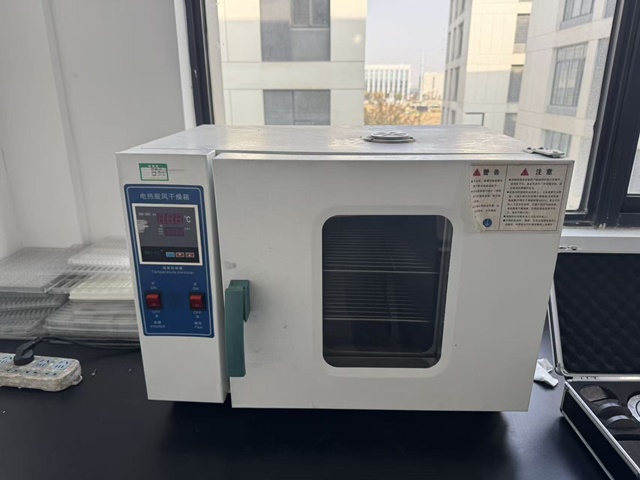
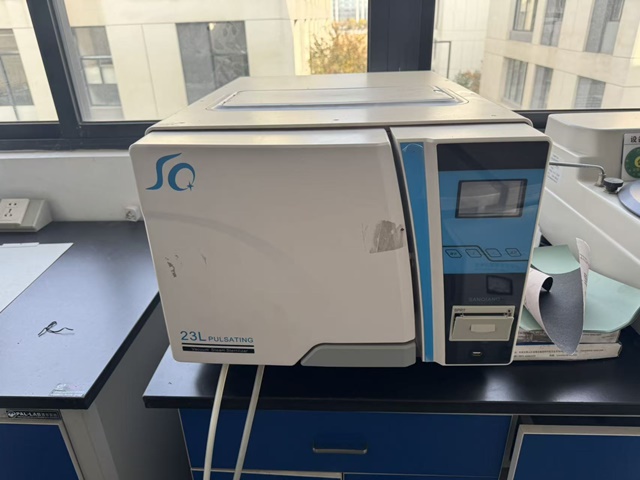
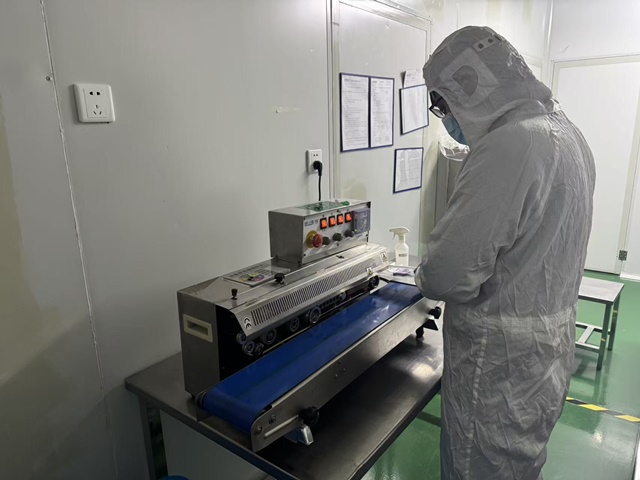
A comprehensive overview of mechanical design, clinical indications, and material technologies.
Reverse Shoulder Arthroplasty (RSA) transforms the anatomical arrangement of the glenohumeral joint. By positioning a spherical glenosphere on the glenoid side and a concave humeral cup on the humerus, the system shifts the center of rotation medially and distally. This biomechanical shift increases the moment arm of the deltoid muscle, enabling it to compensate for a non-functional or deficient rotator cuff.
This surgical solution is highly effective for patients suffering from rotator cuff tear arthropathy, complex proximal humeral fractures, severe osteoarthritis, and failed prior shoulder reconstructions.
To withstand high mechanical stress and avoid adverse tissue reactions, RSA implants are manufactured from advanced, biocompatible materials:
Traditional Grammont-style designs occasionally resulted in scapular notching—a condition where the humeral cup contacts the inferior scapular neck during adduction. Our R&D team works to mitigate this issue through modern design improvements:
We support medical device distributors and hospital networks with custom manufacturing services. Our in-house engineering team uses CAD/CAM modeling to develop specialized designs, custom sizing, variable surface texturing, and private label packaging to help you stand out in competitive markets.
Addressing global supply chain challenges, regulatory shifts, and commercial logistics to build stable, scalable partnerships.
With an established network of 1,200 verified partners and a large, structured warehouse system, we maintain a steady supply of raw materials and finished products, minimizing lead times and preventing project delays.
We supply all technical files required for product registration, including sterile packaging validations, biocompatibility assessments, clinical evaluation reports, and trace material certificates.
Navigating different regulatory landscapes can be complex. Our team provides dedicated support for local registrations, FDA clearances, and MDR procedures, ensuring compliant entry into your target market.
An overview of upcoming technologies, modern manufacturing methods, and next-generation implant systems.
Additive manufacturing (3D printing) enables the production of highly porous titanium structures that mimic human trabecular bone. These structures encourage rapid bone ingrowth and improve the primary fixation of glenoid baseplates, especially in patients with poor bone quality.
Digital planning tools allow surgeons to plan cases using 3D models before entering the operating room. We are expanding our development of Patient-Specific Instruments (PSI)—customized, 3D-printed cutting jigs and drill guides designed to match each patient's unique anatomy, helping surgeons achieve highly accurate implant placement.
Our materials development team is working on vitamin E-infused cross-linked polyethylene. Vitamin E acts as an antioxidant, preventing long-term material oxidation and maintaining mechanical strength over time to extend the implant's lifespan.
By integrating laser-marked Unique Device Identification (UDI) codes on all implants and tools, we ensure complete traceability from raw material to final surgical application. This approach simplifies inventory management and supports patient safety initiatives worldwide.
Answers to common questions regarding our manufacturing processes, certifications, customization options, and partnership agreements.
Yes. Our orthopedic implants and manufacturing processes comply with international quality standards. We hold ISO 13485 certification, and our products carry the CE mark, indicating compliance with the European Medical Devices Regulation (MDR) for safety and performance.
We use high-grade, biocompatible materials sourced from verified suppliers. Stems and plates are machined from Medical Grade 5 Titanium Alloy (Ti6Al4V-ELI), articulating components are made from Cobalt-Chromium-Molybdenum (CoCrMo), and liners are constructed from Ultra-High-Molecular-Weight Polyethylene (UHMWPE).
Yes. With an R&D department of 85 engineers, we offer extensive OEM/ODM support. This includes customized sizes, surface treatment modifications, custom surgical instrument development, and private label packaging to fit your brand.
Our 42-person quality team conducts detailed testing throughout the production process. This includes coordinate measuring machine (CMM) dimensional checks, mechanical fatigue testing, Vickers hardness verification, and gas spectrometry for material purity.
Timelines depend on order volume and customization details. Standard items are typically dispatched from our managed storehouse within 15–30 days. Custom OEM orders require additional time for CAD approval, tool adjustment, and production, generally taking 45–90 days.
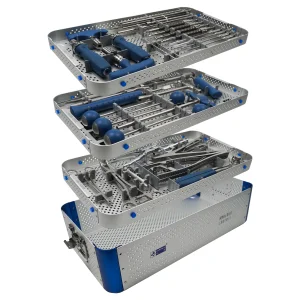
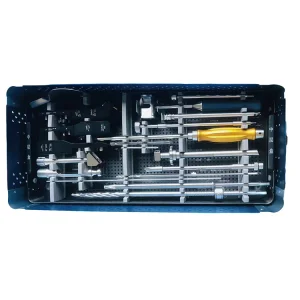
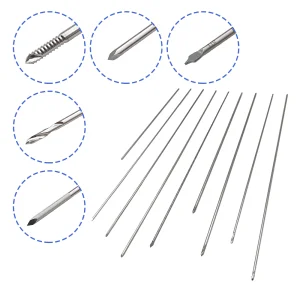
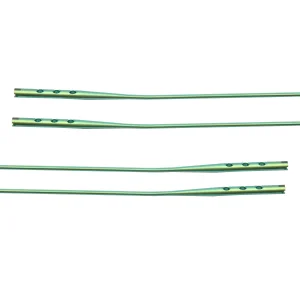
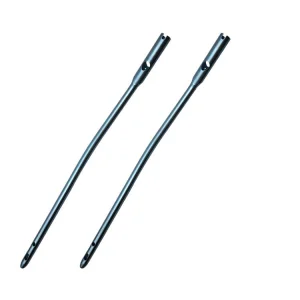
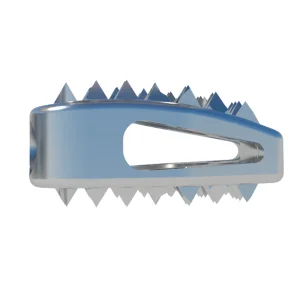
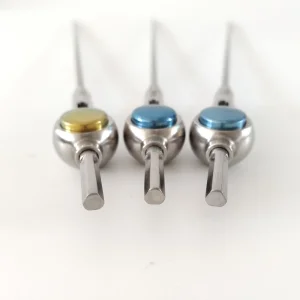
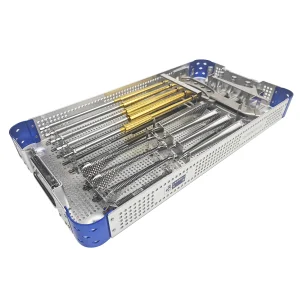
Explore our wider range of medical products, including spinal fixation kits, intramedullary nails, arthroscopic systems, and custom orthopedic tools.