Osteora
Osteora
Osteora
High-precision orthopedic hardware, surgical instruments, and trauma systems manufactured to strict ISO 13485 standards.
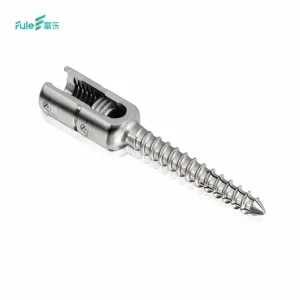
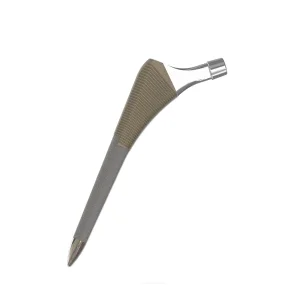
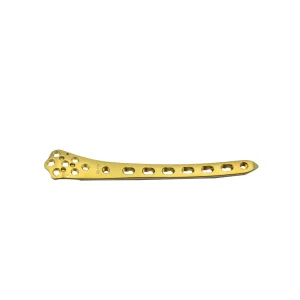
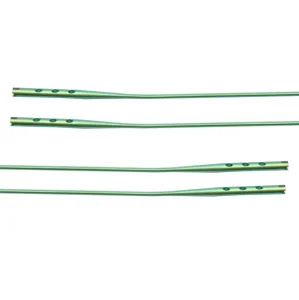
Osteora Medical Devices Co., Ltd. is a leading professional orthopedic implant and surgical solution manufacturer specializing in the research, design, and commercial production of trauma, spine, and joint reconstruction systems. Operating under the globally recognized brand Osteora, we provide high-grade surgical components engineered to improve patient mobility and clinical outcomes.
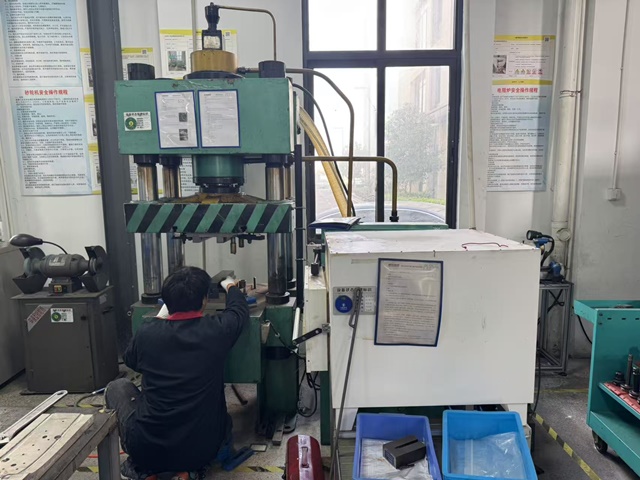
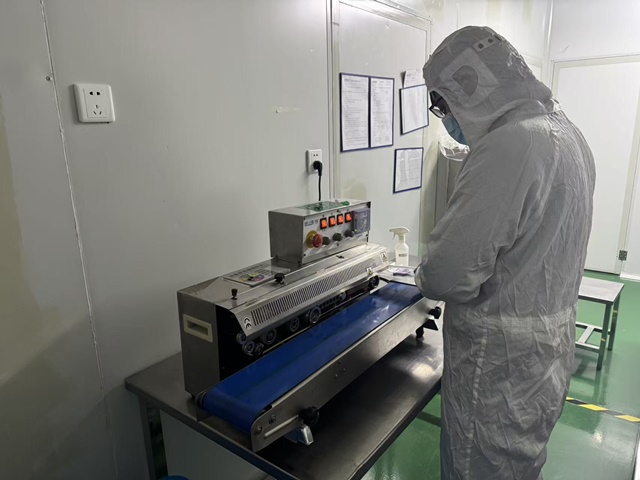
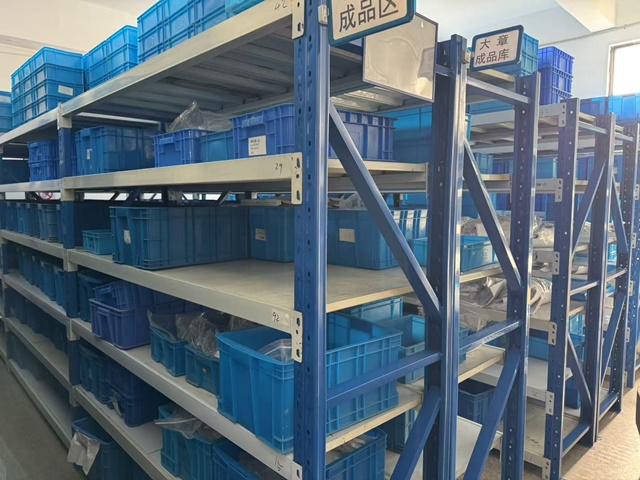
Founded in 2016, the company has built an outstanding reputation in the international orthopedic sector through continuous technical innovation, material research, and strict adherence to international quality management guidelines. Our state-of-the-art facility covers an area of approximately 18,500㎡, which houses fully integrated production floors, sterile cleanrooms, assembly facilities, and mechanical testing operations.
Backed by 12 years of industry expertise and 8 years of global export experience, Osteora has established sustainable distribution partnerships with medical distributors, orthopedic clinics, and hospitals in multiple key markets. Our annual export revenue ranges from USD 6 million to 14 million, representing solid year-on-year growth and robust international adoption of our joint replacement and fixation products.
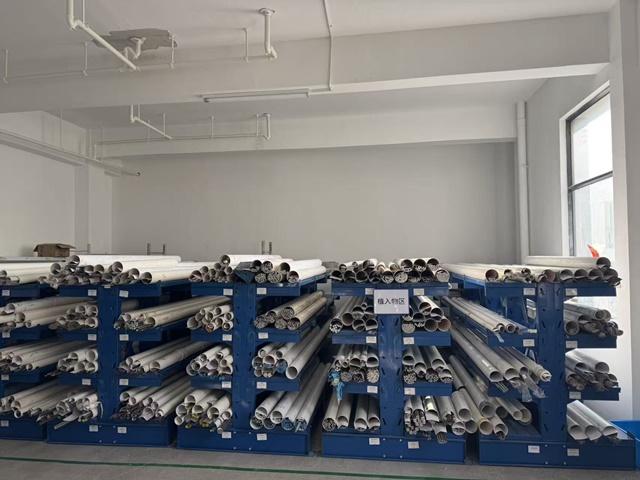
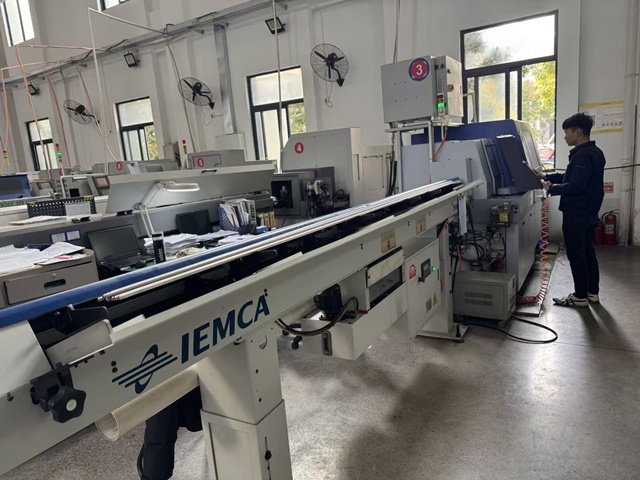
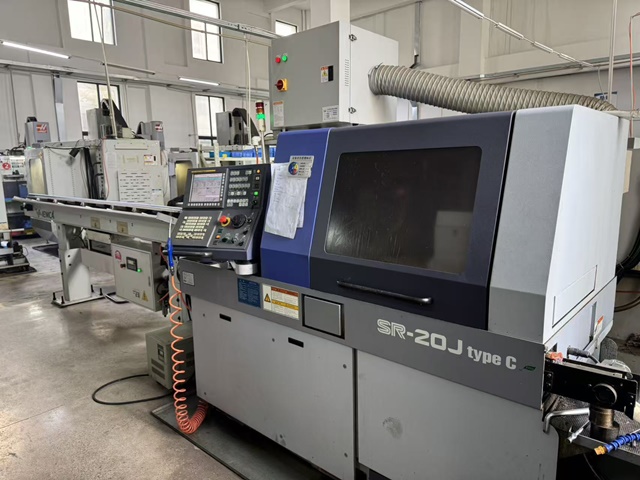
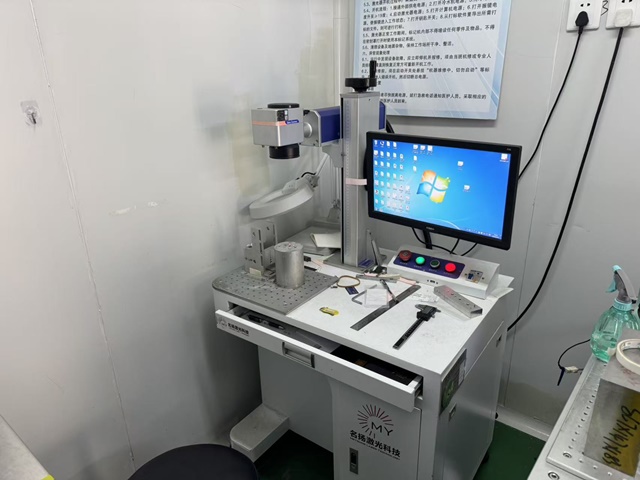
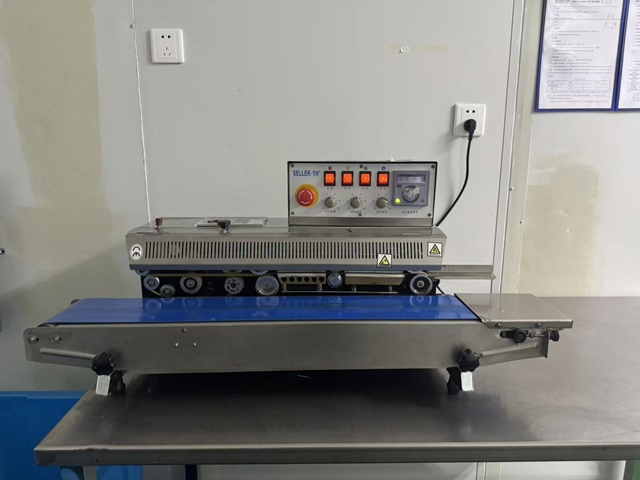
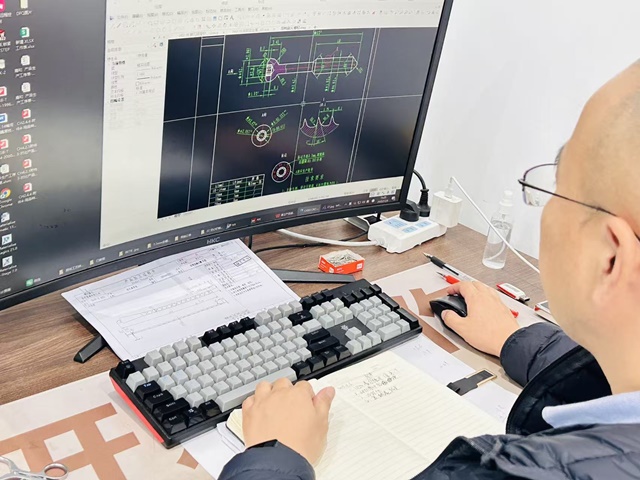
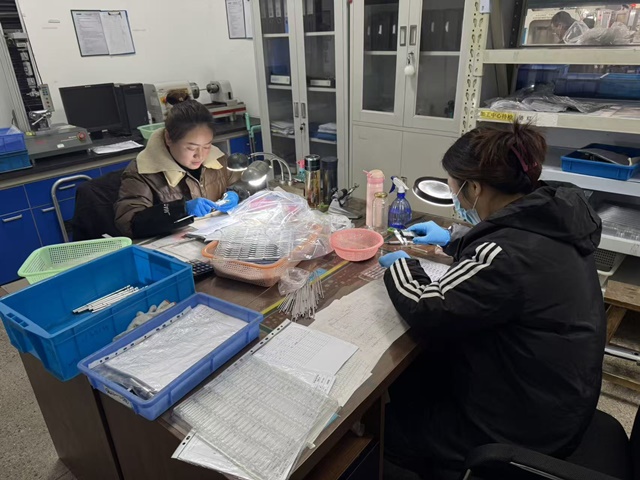
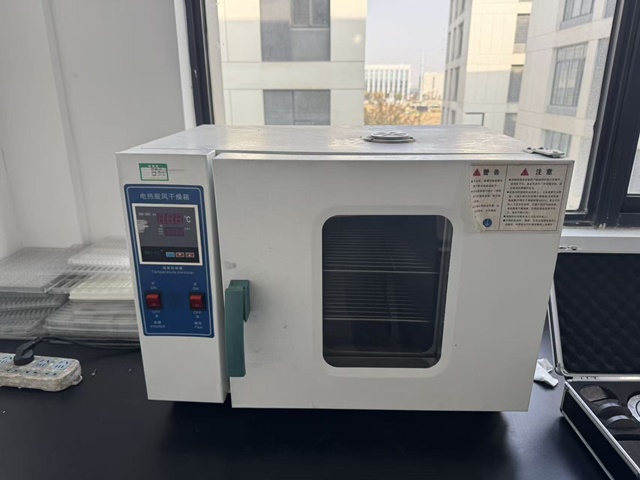
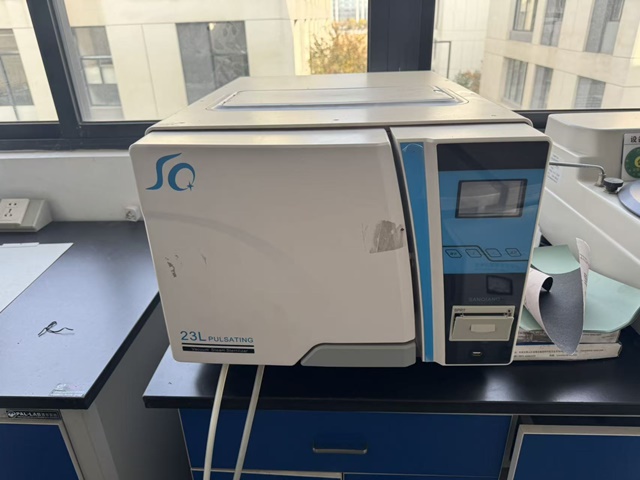
Under strict ISO 13485 quality systems, our manufacturing chain integrates Swiss precision technology, raw material validation, and meticulous testing cycles.
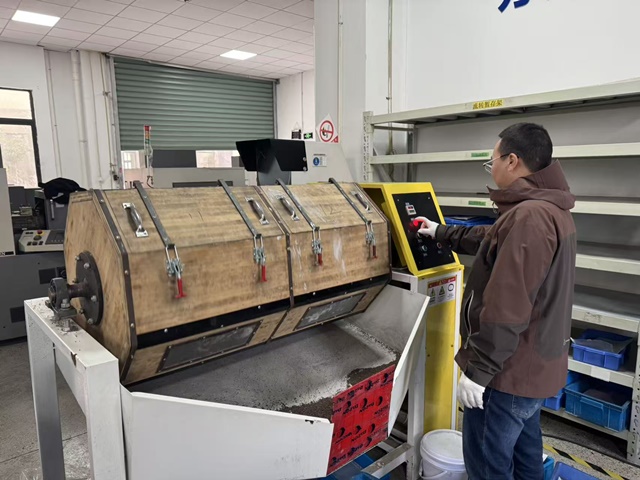
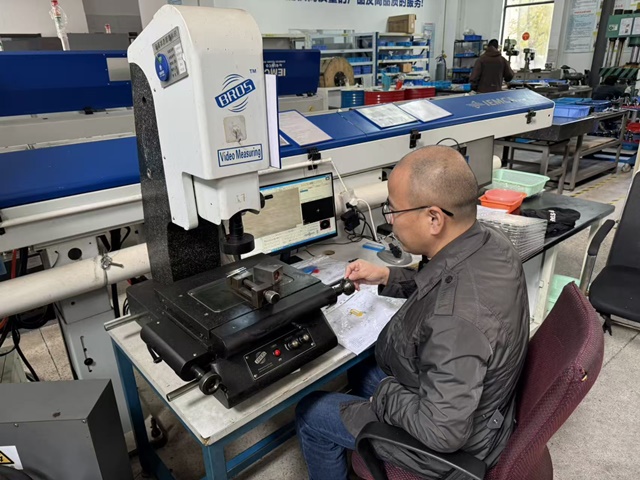
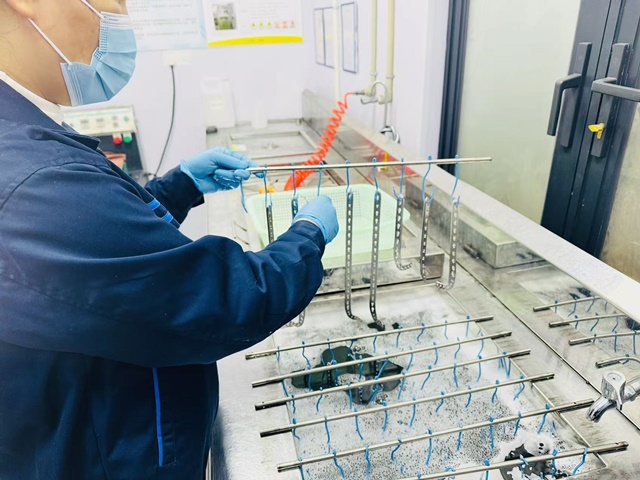
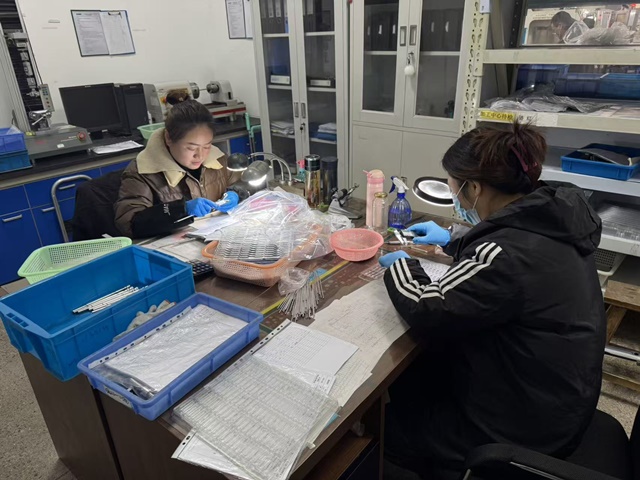
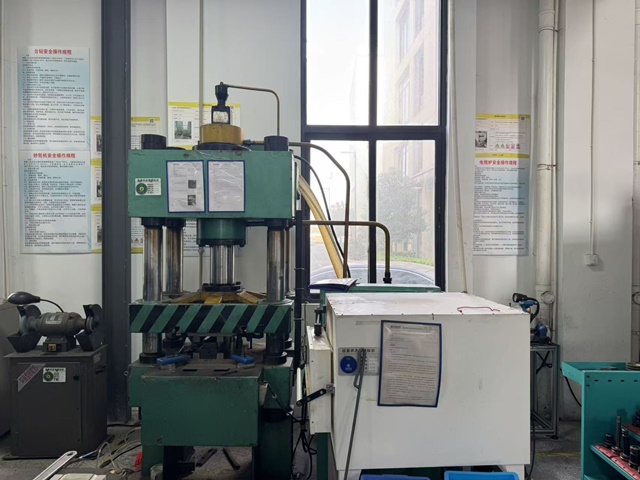
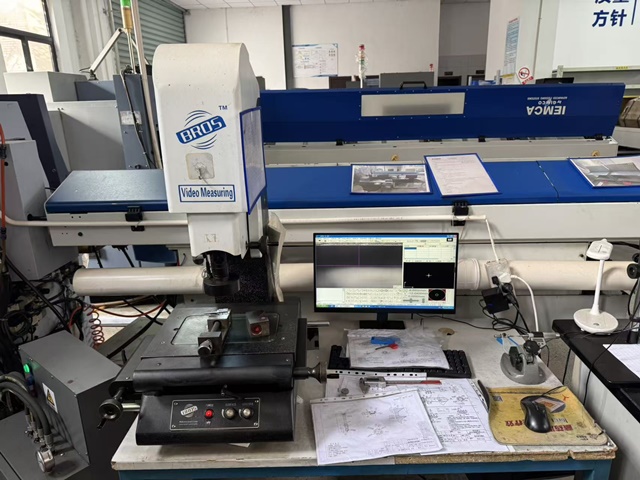
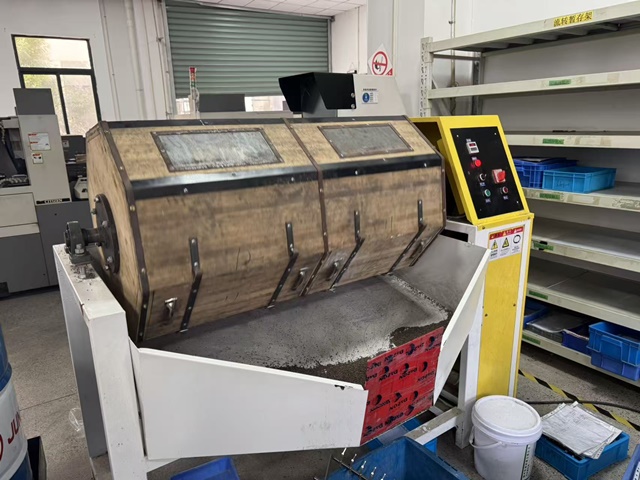
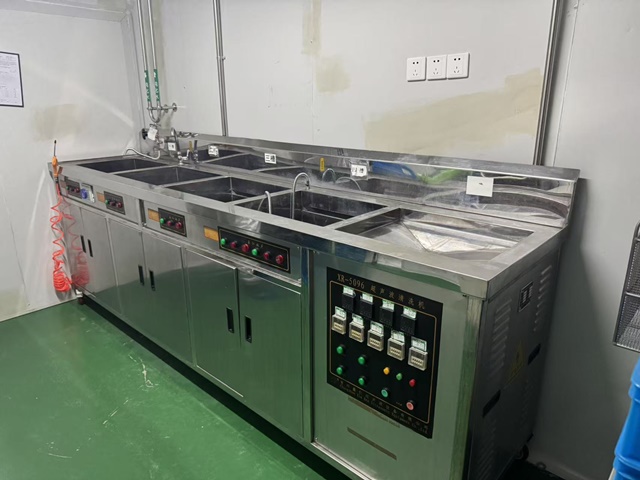
Why leading global medical brands trust Chinese orthopedic manufacturers for high-volume, compliant component sourcing.
Chinese manufacturers have direct, localized access to high-purity medical titanium (Ti-6Al-4V ELI), cobalt-chromium alloys (CoCrMo), and ultra-high-molecular-weight polyethylene (UHMWPE) meeting ASTM F136 and ISO 5832 standards, reducing raw material procurement cycle times.
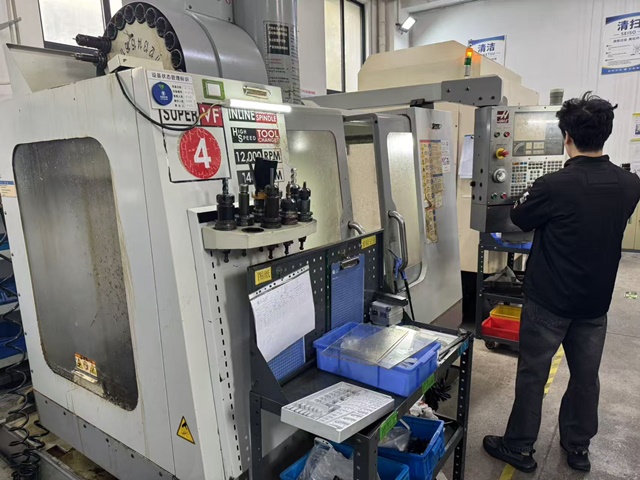
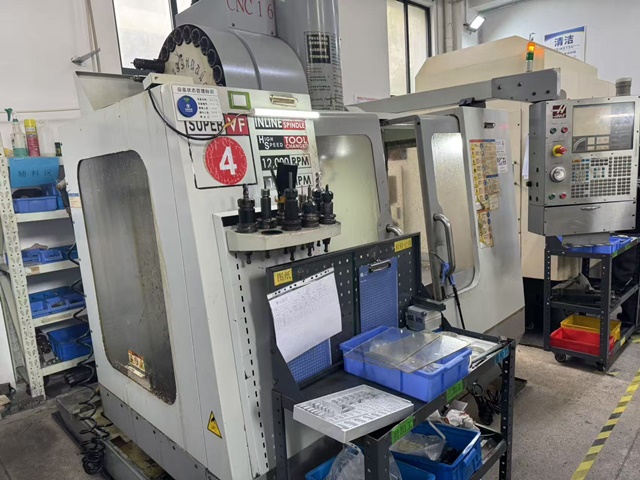
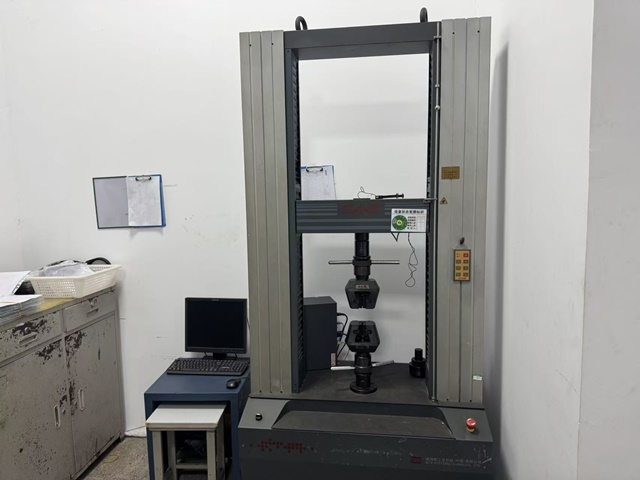
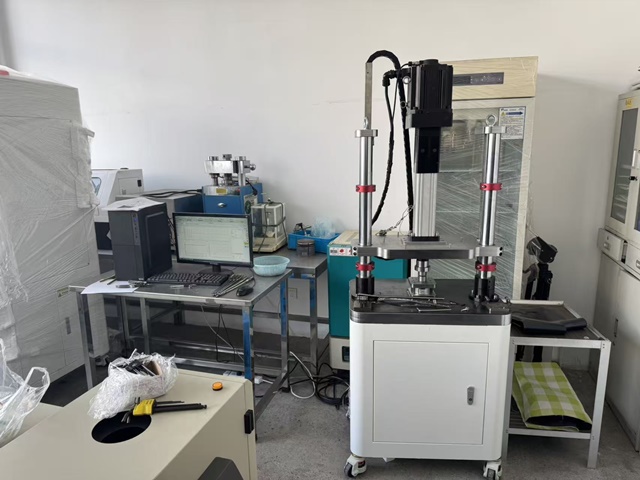
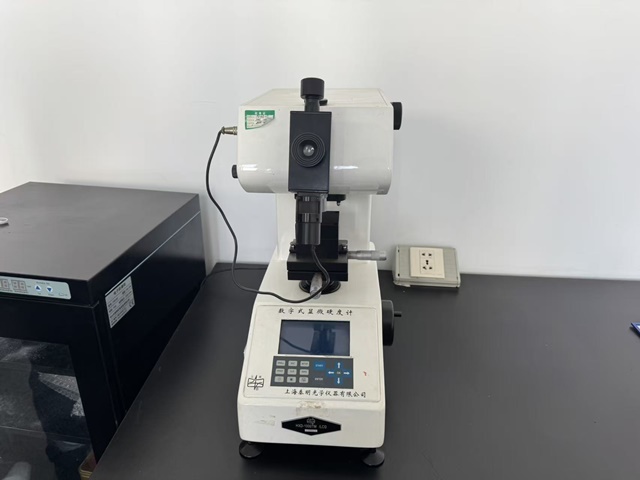
By coupling Swiss-type precision lathes and HAAS CNC systems with advanced metrology like coordinate measuring machines (CMM) and mechanical simulator testers, our facility achieves tolerances within single-digit microns to ensure long-term implant survival rates.
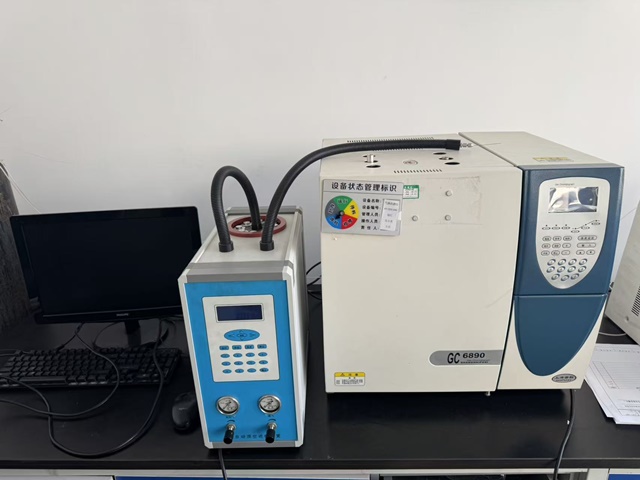
Our Quality Management System complies with ISO 13485, featuring dynamic monitoring from gas spectrometry for chemical validation to fatigue testing on multi-functional mechanical testing machines, matching CE MDR requirements for high-risk Class III devices.
The technical developments shaping modern orthopedic surgeries and implant longevity.
Transitioning from traditional coatings to 3D-printed porous surfaces on acetabular cups and femoral stems. These biomimetic geometries mimic trabecular bone structures, accelerating biological osseointegration and lowering component loosening rates.
Using advanced radiation cross-linking combined with vitamin E infusion in joint liners. This technique decreases wear debris production, preventing subsequent osteolysis and prolonging the life expectancy of total hip and knee prostheses.
By leveraging CT-to-CAD processing pathways, manufacturers produce customized joint replacement assemblies matching individual patient anatomies. This is ideal for complex revision arthroplasties and severe orthopedic trauma reconstructions.
Integrating raw engineering into actual medical applications and distribution pathways.
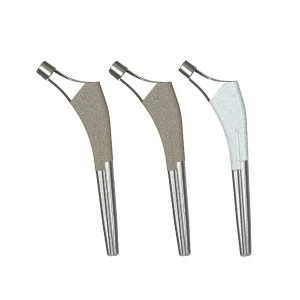
For patients suffering from degenerative osteoarthritis, avascular necrosis, or rheumatoid arthritis, our high-quality cementless femoral stems combined with modular acetabular cups offer stability and early load-bearing capacities. The vacuum-sintered titanium plasma spray (TPS) or hydroxyapatite (HA) coatings optimize mechanical anchoring.
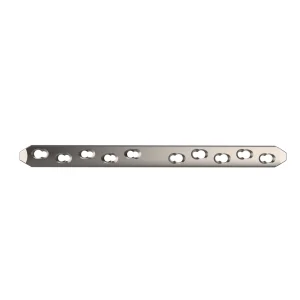
In high-velocity trauma scenarios, surgeons require immediate, reliable bone locking mechanisms. Our titanium compression plates, distal femoral locking plates, and intramedullary interlocking nails provide stabilization of long-bone fractures, encouraging anatomical alignment and union. For spinal instability, our Class III Usmart Spinal Screw-Rod System supports vertebral stabilization during fusion procedures.
Addressing the growing demand in veterinary surgical centers, Osteora supplies specialized veterinary hip joint medical prostheses and cemented femoral stems. Built to the same high standards as human implants, these components ensure optimal recovery outcomes for canine and feline patients undergoing hip replacement procedures.
Critical indicators procurement managers must verify before onboarding an orthopedic component manufacturer.
Verify the availability of CE certificates (under MDR 2017/745), FDA 510(k) clearances, and ISO 13485 documentation to ensure rapid customs clearance and clinical authorization in European and American medical networks.
Ensure that all raw materials are validated for biocompatibility (ISO 10993) and that components have undergone structural fatigue analysis (ASTM F1717 / ASTM F1800) to withstand millions of gait cycles without mechanical failure.
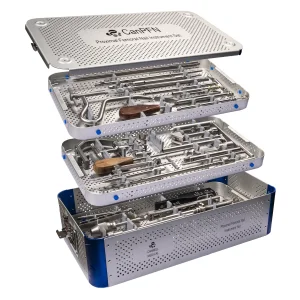
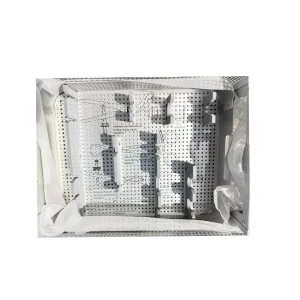
A capable partner should demonstrate clear CAD modeling capabilities, rapid prototyping, and private labeling services, allowing distributors to purchase custom dimensions, specialized coating options, and surgical instrumentation kits.
Technical and procurement inquiries regarding Osteora’s joint replacement and orthopedic components.
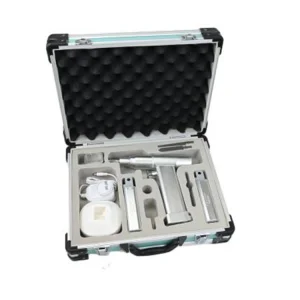
Explore our technical range of high-durability surgical handpieces, suture anchors, and trauma fixation assemblies.