Osteora
Reconstruction Nails are vital in orthopedic surgery. They serve a critical role in stabilizing fractured bones. Data from the National Center for Biotechnology Information indicates that surgical fixation methods significantly decrease recovery time. Reconstruction Nails provide biocompatibility and structural support during healing.
Recent studies reveal that approximately 85% of patients experience enhanced mobility following the use of these devices. Proper implantation technique is crucial. Surgeons must consider factors such as bone density and fracture type. Without careful planning, complications can arise, highlighting the importance of expertise in this field.
Research highlights evolving designs and materials, improving patient outcomes. However, the effectiveness can vary based on individual cases. It's essential to continue refining techniques and technologies. Ongoing studies are necessary to address the persistent challenges in fixation surgeries, ensuring that Reconstruction Nails reliably meet patient needs.
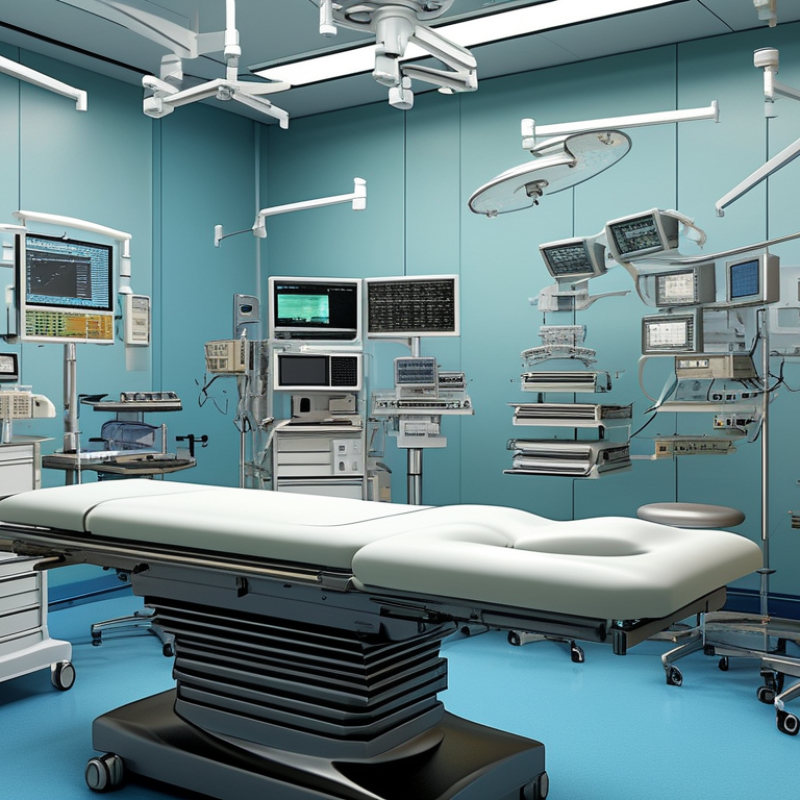
Reconstruction nails are specialized medical implants used in orthopedic surgery. They help fix broken bones, especially in complex cases like fractures in the arm or leg. These nails are designed to provide stability, allowing bones to heal properly. They come in various sizes and lengths to accommodate different types of fractures.
The unique design of reconstruction nails often features interlocking mechanisms. This helps secure the bone fragments together. The process involves inserting the nail through the bone and sometimes locking it to the outer surface. Surgeons aim for alignment and stability during the procedure. These nails can be made of steel or titanium, both known for their strength and biocompatibility.
While reconstruction nails offer numerous benefits, challenges may arise. Not every patient will respond positively to this method. Some may experience complications, such as infections or incomplete healing. Regular follow-ups are essential to monitor the healing process. Each case is unique, necessitating careful evaluation by a qualified orthopedic surgeon.
Reconstruction nails play a crucial role in orthopedic surgery, particularly in the treatment of complex fractures. These specialized nails are designed to provide stability and support after bone injuries. They are usually made from medical-grade materials that are durable and compatible with the human body. The primary purpose of reconstruction nails is to restore the alignment of fractured bones, allowing for proper healing.
The effectiveness of reconstruction nails lies in their design. They can be inserted into the medullary canal of long bones, offering internal support. This minimizes the need for external fixation devices, which can be uncomfortable and cumbersome. Surgeons often opt for reconstruction nails in cases where traditional methods may not provide sufficient stabilization. The use of these nails can lead to improved recovery times and better functional outcomes for patients.
However, there are challenges with reconstruction nails. Improper placement can lead to complications. Some patients may experience issues like infection or non-union of the fracture. These potential problems highlight the importance of careful planning and monitoring during the recovery process. Each case requires specialized attention and an experienced surgeon to navigate the complexities involved in their use. Balancing the risks and benefits is crucial in determining the best treatment approach.
| Feature | Description | Purpose | Material | Common Applications |
|---|---|---|---|---|
| Structural Support | Provides stabilization for fractured bones or bone defects. | To maintain bone alignment during healing. | Titanium or Stainless Steel | Long bone fractures, orthopedic surgeries. |
| Minimally Invasive | Requires smaller incisions compared to traditional fixation methods. | To reduce recovery time and complications. | Biocompatible alloys | Trauma cases, limb reconstruction. |
| Versatile Use | Can be adapted for various bone configurations and conditions. | To address complex orthopedic problems effectively. | Polymer composites, steel | Reconstructive surgery, pediatric fractures. |
Reconstruction nails are innovative medical devices used to stabilize fractures, particularly in long bones. These nails are crafted with precision to meet the needs of various injuries. Made from durable materials like titanium or stainless steel, they resist corrosion and ensure long-term stability. The design often includes interlocking mechanisms to enhance fixation. This allows for a better alignment of fractured bones, aiding in the healing process.
The manufacturing of reconstruction nails involves advanced technologies. They are created using computer-aided design (CAD) software, ensuring accuracy in size and shape. Once designed, the nails are produced through methods like forging or machining. Each nail undergoes rigorous testing to meet strict safety standards. This process highlights a commitment to creating reliable medical solutions.
However, challenges exist in their application. Not all fractures are suitable for reconstruction nails. Some may require additional support or alternative treatments. Surgeons must carefully evaluate each case. This underscores the importance of individual assessment in surgical practices. Continuous research can improve designs over time. It remains critical to adapt and refine these devices for better outcomes.
Reconstruction nails are specialized devices used in orthopedic surgery for the stabilization of fractured bones. The surgical procedure for inserting reconstruction nails requires a precise technique. Surgeons typically start by creating an incision at the fracture site. This allows them to access the bone directly. Fluoroscopy often guides the alignment of the nail during insertion. This ensures proper positioning within the medullary canal.
The choice of reconstruction nails varies based on patient needs. Studies indicate a considerable success rate, with over 85% of patients achieving satisfactory outcomes. However, complications can occur. Infection rates hover around 3% to 5% post-surgery. Surgeons must monitor these risks closely. Additionally, the healing process can vary greatly. Factors such as age, bone health, and lifestyle directly impact recovery time.
Proper insertion technique remains critical for the effectiveness of the nails. Misalignment can lead to delayed healing or further injury. Awareness of potential pitfalls is essential. Continuous training and education in this field are necessary for advancing surgical practices. Many professionals advocate for routine audits of surgical procedures to enhance outcomes. Thus, balancing expertise with ongoing evaluation can lead to improved patient care in orthopedic surgeries.
Reconstruction nails are critical in orthopedic surgery for long bone fractures. They offer various benefits but also come with associated risks. One significant advantage is the ability to stabilize complex fractures effectively. According to a study published in the Journal of Orthopaedic Trauma, nearly 80% of patients with diaphyseal fractures showed improved stability when treated with reconstruction nails.
Despite their benefits, the use of reconstruction nails is not without risks. Potential complications can include infection, malunion, or nonunion of the fracture. A report from the American Academy of Orthopaedic Surgeons (AAOS) noted that infection rates for patients with intramedullary nails range from 2% to 10%. Factors such as delayed treatment or poor surgical technique can exacerbate these risks.
Furthermore, while reconstruction nails enhance recovery times, they require careful monitoring. Patients often need follow-up imaging to ensure proper healing. The discomfort associated with implantation can also lead to patients experiencing anxiety about the procedure. With these factors in mind, it's essential for surgical teams to weigh the pros and cons of using reconstruction nails on a case-by-case basis.
: They are used to fix broken bones, especially in complex fractures of the arm or leg.
They provide stability by interlocking bone fragments together, helping bones heal properly.
They are typically made of steel or titanium, known for strength and biocompatibility.
They stabilize complex fractures and improve healing in many patients.
Potential risks include infection, malunion, or nonunion of the fracture.
Infection rates range from 2% to 10% among patients with intramedullary nails.
Regular follow-ups help monitor healing and prevent complications.
No, not every patient experiences positive outcomes; individual assessments are needed.
Complications can arise from delayed treatment or poor surgical technique.
Some may experience discomfort, leading to anxiety about the procedure.
Reconstruction nails are specialized orthopedic implants designed to aid in the stabilization and healing of fractured bones. Their primary purpose is to provide support during the recovery process, allowing the bone to heal properly while maintaining alignment. These nails are meticulously designed and crafted to meet various anatomical requirements, ensuring they can accommodate different types of fractures and bone structures.
The surgical procedure for inserting reconstruction nails involves precise placement within the medullary cavity of the bone, typically using minimally invasive techniques. While reconstruction nails offer numerous benefits, including enhanced stability and faster recovery times, they also come with certain risks, such as infection or complications associated with surgery. Overall, reconstruction nails play a critical role in modern orthopedic practices, significantly improving patient outcomes in the treatment of complex bone injuries.
