Osteora
Interlocking Intramedullary Nails are vital in modern orthopedic surgeries. They provide stability and alignment for fractured bones, particularly in long bones like the femur and tibia. These devices fit within the medullary cavity, allowing for effective load transfer during the healing process.
The benefits of Interlocking Intramedullary Nails are numerous. They enhance the healing environment, reduce complications, and improve patient outcomes. The precise placement of these nails aids in maintaining the anatomical structure of the bone. However, challenges exist. Surgeons must possess specialized skills to navigate the complexities of this technique.
While Interlocking Intramedullary Nails offer advantages, they are not without risks. Infections and misalignment can occur if proper protocols are not followed. Continuous education and training are essential for healthcare professionals to optimize patient care. Overall, understanding the nuances of this technology highlights its significance in orthopedic practices today.
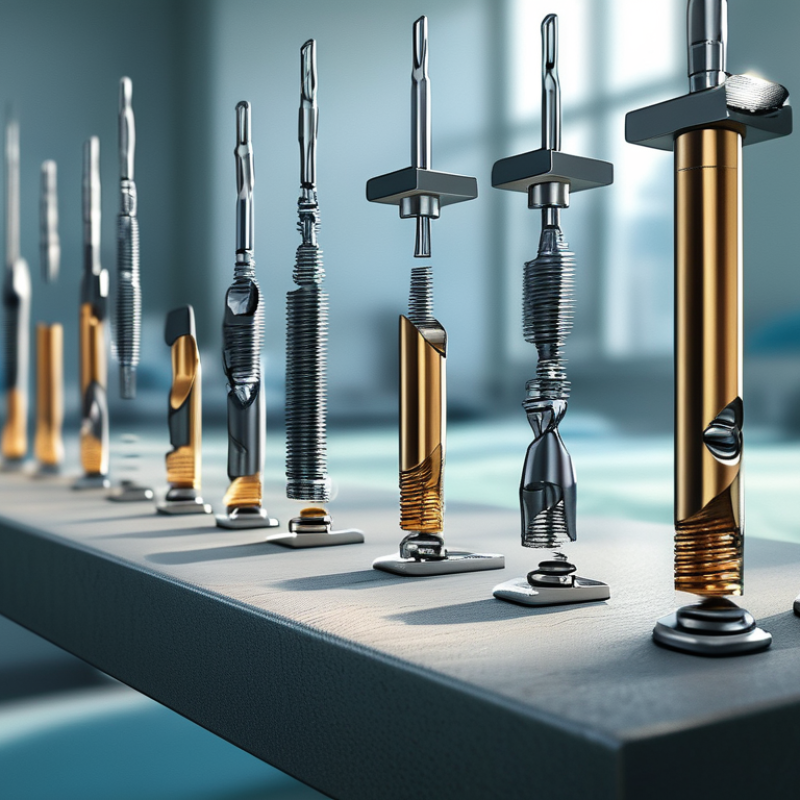
Interlocking intramedullary nails are vital tools in orthopedic surgery. They are typically used to stabilize long bone fractures. This method involves inserting a metal rod into the medullary cavity of a bone. The rod is then secured with locking screws, providing stability. This minimizes movement at the fracture site, allowing for better healing.
Using interlocking intramedullary nails offers several advantages. They help preserve the surrounding soft tissue. This approach can lead to fewer complications than traditional external fixation methods. However, complications can still arise, such as infection or improper alignment. It’s crucial to have skilled hands perform the procedure for optimal results.
Surgeons must consider patient-specific factors when choosing this method. Not all fractures are suitable for intramedullary nailing. Some may require other techniques for effective treatment. Awareness and continuous skill refinement in this field are key. Understanding potential shortcomings can improve surgical outcomes.
Interlocking intramedullary nails are innovative tools used in orthopedic surgery. They are designed to stabilize fractures, especially in long bones like the femur and tibia. The mechanism involves inserting a metal rod into the bone marrow cavity. This rod provides internal support to the fractured bone. Surgeons can secure the nail with locking screws. These screws anchor the nail securely, preventing it from moving.
The design of interlocking nails is crucial for effective healing. They come in various lengths and diameters to fit different patients’ needs. The nails can enhance stability during the early stages of healing. However, technique and experience play a vital role in their success. Surgeons need to ensure proper alignment and placement. Mistakes can lead to complications, such as malunion or nonunion of the bones.
Patients benefit from this method due to less invasive procedures. Recovery times can be faster than traditional methods. They allow for earlier mobilization, which is essential for rehabilitation. Yet, the system is not flawless. Some patients may experience discomfort or complications at the surgical site. Understanding these risks is crucial for informed consent before surgery.
Interlocking intramedullary nails are a crucial tool in modern orthopedic surgery. They are designed for treating long bone fractures. Their primary clinical indications include unstable fractures and those at high risk for nonunion. According to a report from the Journal of Bone and Joint Surgery, interlocking nails show a 90% union rate for diaphyseal femur fractures.
These nails allow for the stabilization of the bone while preserving the surrounding soft tissue. They are commonly used in tibial and femoral fractures. A study published in the Orthopedic Clinics of North America highlighted how these nails reduce the risk of infections compared to external fixation methods. This is essential as infection can increase recovery time and complications.
However, there are considerations. Not every fracture is suitable for intramedullary nailing. For example, fractures near the joint may not stabilize effectively with this technique. Moreover, complications such as malalignment and nerve injuries can occur. Surgeons must weigh the benefits and potential drawbacks carefully. This level of discernment showcases the complexity of orthopedic surgery and the need for ongoing research and training.
Interlocking intramedullary nails have emerged as a preferred method for fracture fixation. These nails provide strong stabilization for long bone fractures, enhancing healing and reducing complications. A study published in the Journal of Orthopaedic Trauma highlights that using interlocking intramedullary nails can decrease the risk of malunion or nonunion in complex fractures by 30%. This technique allows for early weight-bearing, which significantly improves recovery time.
The benefits of this method extend to reduced surgical time and better alignment of bone fragments. The interlocking mechanism allows the nails to lock into place, offering a stable environment for healing. According to the International Journal of Orthopaedics, this stability is crucial, especially in diaphyseal femur fractures, where movement can hinder recovery. Surgeons have reported higher success rates with this approach, making it a reliable choice for complex fracture cases.
**Tip:** Ensure proper post-operative care. Monitoring for infection is crucial, as improper care can lead to complications. Consult with healthcare providers regularly for optimal recovery. Healing is not just about the surgery but also the care you receive afterward.
Another important aspect is rehabilitation. Physical therapy plays a significant role after surgery. Engage in exercises that promote joint mobility and muscle strength. However, be mindful of pushing limits too soon. Individual recovery times can vary, and it’s essential to listen to your body. Overall, while interlocking intramedullary nails offer great advantages, patients and providers must remain vigilant in the healing process.
| Aspect | Details |
|---|---|
| Definition | Interlocking intramedullary nails are devices used to stabilize fractured long bones by being inserted into the medullary canal. |
| Application | Commonly used for femoral and tibial fractures, particularly in cases of complex fractures. |
| Key Benefits | Provides strong internal fixation, promotes early mobilization, and reduces the risk of malunion and nonunion. |
| Minimally Invasive | The insertion technique is less invasive compared to plate fixation, resulting in shorter recovery times. |
| Biocompatibility | Made from materials well-tolerated by the body, minimizing the risk of infection and rejection. |
| Weight-bearing | Allows for early weight-bearing activities post-surgery, positively impacting rehabilitation. |
| Complications | Potential risks include infection, bone union problems, and nail migration. |
| Population Suitability | Suitable for adults with various types of fractures, though careful consideration is required for pediatrics. |
Interlocking intramedullary nails (IMNs) have gained recognition as a reliable fixation method for long bone fractures. Clinical studies indicate that IMNs provide superior stability compared to traditional plate fixation. In a comparative study, it was found that IMNs reduced the risk of malunion by 25% compared to plates. This benefit is crucial for patients who need to regain mobility quickly.
Another aspect worth noting is the healing time. Data from orthopedic journals show that patients with IMNs typically return to weight-bearing activities six weeks earlier than those treated with external fixation. However, some challenges remain. The insertion technique requires precise alignment, which can complicate surgeries. Errors during insertion may lead to undesirable outcomes. Moreover, proficiency in using these devices varies among surgeons, which can affect results.
In terms of patient satisfaction, recent surveys suggest that over 80% of patients favor IMNs due to less postoperative pain. However, complications like hardware failure or infections still pose real risks. While IMNs show promising advantages, the learning curve and potential for complications must be carefully considered. More rigorous training for surgeons could mitigate these issues and improve outcomes.
: They are preferred for stabilizing long bone fractures, enhancing healing, and reducing complications.
Interlocking nails offer superior stability and reduce the risk of malunion by 25% compared to plates.
Patients can return to weight-bearing activities six weeks earlier than with external fixation methods.
It is crucial; monitoring for infection is essential for optimal recovery and healing.
It promotes joint mobility and muscle strength but should be approached with caution.
Yes, complications such as hardware failure or infections can occur, despite overall advantages.
The technique requires precise alignment; errors can lead to undesirable outcomes.
Over 80% of patients report higher satisfaction due to less postoperative pain.
Yes, better training could reduce complications and improve surgical outcomes.
They must listen to their bodies and not push limits too soon during recovery.
Interlocking Intramedullary Nails are specialized orthopedic devices designed to stabilize and support fractured long bones. Their unique design combines a central rod with interlocking screws, which enhances fixation by distributing load and improving stability. This method is notably effective for treating various fractures, particularly in complex cases and in patients with compromised bone quality.
The clinical indications for the use of Interlocking Intramedullary Nails include, but are not limited to, diaphyseal fractures and pathologic fractures. The benefits of this fixation method are significant: it provides excellent mechanical stability, minimizes soft tissue damage, and promotes quicker rehabilitation. Comparative studies have shown that Interlocking Intramedullary Nails often yield better outcomes in terms of bone union rates and functional recovery when compared to traditional fixation methods, making them a valuable option in modern orthopedic surgery.
