Osteora Osteora

What is a Femoral Locking Plate and Its Benefits for Surgeons?

Time:2026-07-06 Author:Isabella
0%

Femoral Locking Plates are innovative devices in orthopedic surgery. They offer surgeons enhanced stability for bone fractures. With their unique design, these plates allow for better fixation, particularly in complex cases. The locking mechanism creates a secure connection between the screws and the plate.

Surgeons appreciate the precision these plates provide during procedures. The improved stability reduces the risk of complications. This is particularly beneficial in challenging fracture patterns, such as those in the femur. Surgeons can trust Femoral Locking Plates for their reliability.

Despite their advantages, some surgeons may find them challenging to use initially. Mastery of techniques is essential for optimal results. Training and experience can significantly improve outcomes. Continuous evaluation of surgical practices is vital for advancing safety and effectiveness in surgical procedures. Femoral Locking Plates represent a significant step forward, but ongoing learning is always necessary.
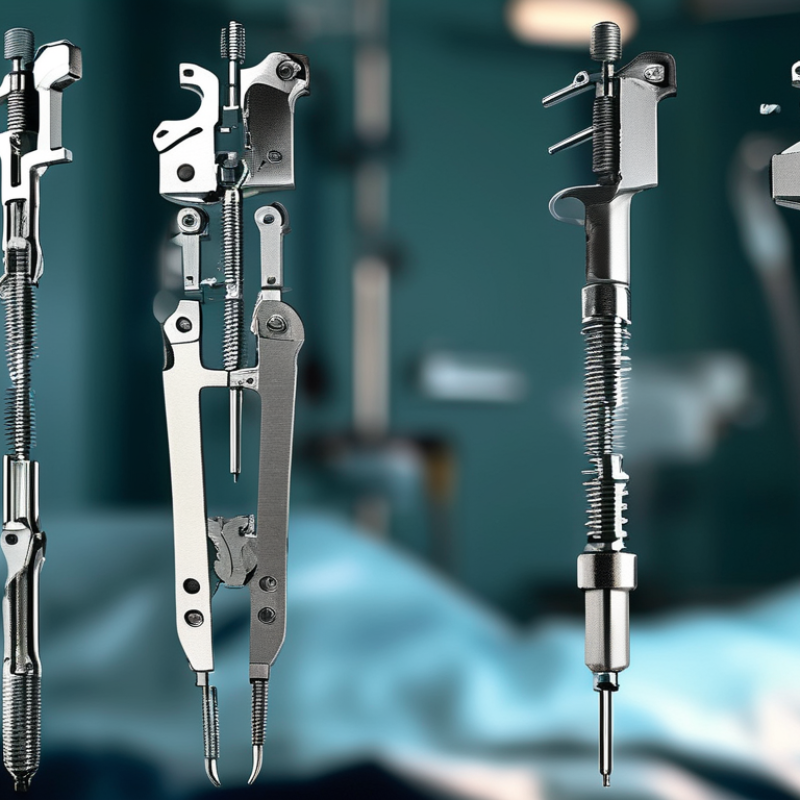
What is a Femoral Locking Plate and Its Benefits for Surgeons?

Understanding the Femoral Locking Plate: Definition and Purpose

The femoral locking plate is a specialized orthopedic device. It plays a crucial role in stabilizing fractures of the femur. With multiple locking screws, it provides a strong fixation. This design minimizes the risk of screw loosening, especially in osteoporotic bones. Surgeons often appreciate this reliability and strength during challenging cases.

Understanding the femoral locking plate highlights its purpose in surgical procedures. It enhances the alignment of fractured bones, allowing for a better healing environment. The locking mechanism allows for angular stability, reducing the risk of malunion. However, mastery of its use requires practice and experience. Many surgeons have reported a steep learning curve. Proper placement and adjustment are critical for optimal outcomes.

In some situations, surgeons might face challenges with soft tissue interference. Balancing screw placement can sometimes be tricky. This complexity adds to the reflection on surgical techniques and planning. Every fracture is different, and sometimes standard approaches might need modification. The femoral locking plate serves as a valuable tool, but it requires careful consideration in its application.

Key Components of a Femoral Locking Plate Design

A femoral locking plate is a specialized orthopedic device designed for the fixation of femoral fractures. Its design includes key components that enhance its effectiveness in surgery. The plate usually features multiple locking screws, which provide angular stability. This stability is crucial for the healing process, especially in complex fractures. The screws lock into the plate, preventing movement and ensuring reliable support for the bone.

Another significant aspect is the contour of the plate. It is typically pre-contoured to match the anatomy of the femur. This anatomical fit improves contact between the plate and the bone. Moreover, it reduces the risk of soft tissue irritation during surgery. A proper fit also helps in achieving optimal alignment of bone fragments. However, achieving this fit can sometimes be challenging for surgeons, requiring careful consideration during the operation.

Surgeons must also consider the material of the plate. Most plates are made from biocompatible materials such as titanium or stainless steel. These materials ensure strength and durability while minimizing potential allergic reactions. Despite these advantages, some surgeons find metal fatigue a concern over time. It is essential to reflect on these details; even advanced designs have their limitations. Understanding these nuances helps in providing optimal care for patients post-surgery.

Clinical Applications: When and Why Surgeons Use Femoral Locking Plates

Femoral locking plates are crucial in orthopedic surgery. Surgeons utilize these plates mainly for complex fractures. They provide enhanced stability, especially in areas with poor bone quality. Intramedullary stability is essential for proper healing. Locking mechanisms improve fixation and reduce the risk of screw loosening.

Clinical applications vary widely. In cases of osteoporotic fractures, these plates offer reliable support. Surgeons often choose femoral locking plates for distal femur fractures. The unique design allows for multiple fixation angles. This adaptability aids in challenging surgical scenarios. Still, some surgeons express concern about soft tissue irritation from the hardware.

Surgeons must weigh the pros and cons of femoral locking plates. They require thorough training to ensure effective use. Understanding the biomechanics of the plates is vital for successful outcomes. The decision to use these plates should consider individual patient factors. Balancing patient needs with surgical challenges is essential. Each case demands careful consideration and expertise.

Advantages of Femoral Locking Plates in Surgical Procedures

Femoral locking plates are a revolutionary advancement in orthopedic surgery. These plates enhance the stability of fractures, especially in challenging anatomical regions. The locking mechanism allows screws to secure better to the plate, which provides improved fixation. This is crucial in complex cases where traditional plates may fail. Surgeons appreciate this technology for its reliability and ability to restore function.

One significant benefit is the reduced risk of plate failure. The design allows for angular stability, making it suitable for unstable fractures. Moreover, it enables early mobilization of patients, leading to quicker rehabilitation. Surgeons can often achieve better outcomes with less invasive techniques. This contributes positively to patient satisfaction.

Tip: Always assess the fracture in detail before selecting a device. Customizing the approach can lead to better results. Communication with your surgical team about the chosen method fosters a collaborative environment. Consider reviewing past cases to identify what worked well and what didn’t. Learning from previous experiences can enhance future surgical performance.

Benefits of Femoral Locking Plates for Surgeons

Comparative Analysis: Femoral Locking Plates vs. Traditional Plates

In surgical settings, the choice between femoral locking plates and traditional plates can significantly impact patient outcomes. Femoral locking plates provide enhanced stability by locking screws into place. This locking mechanism distributes loads more effectively across fractures, which is crucial for promoting healing. Surgeons have noted fewer complications associated with these plates, particularly in complex fractures.

Conversely, traditional plates rely on compression for stability, which may not be as effective in certain cases. They can be more difficult to apply in areas where bone quality is compromised. While traditional plates have a long history, recent trends favor locking mechanisms for their superior fixation properties. However, the transition requires training and adapting to new techniques.

Surgeons must also consider potential downsides. Locking plates can be more expensive and may require additional instruments. Some surgeons express concern over the learning curve associated with this technology. Moreover, not all bone fractures may benefit equally from this method. It's essential to weigh the pros and cons before making a decision in the operating room.

What is a Femoral Locking Plate and Its Benefits for Surgeons? - Comparative Analysis: Femoral Locking Plates vs. Traditional Plates

Feature Femoral Locking Plates Traditional Plates
Stability High stability due to multiple locking points Moderate stability, relies on friction
Ease of Use Requires specific surgical technique Generally easier to apply
Bone Healing Promotes healing in complex fractures Effective for simple fractures
Post-operative Complications Lower risk of malunion and nonunion Higher risk of complications in complex cases
Overall Patient Satisfaction Higher due to better post-surgery outcomes Variable based on surgery type

FAQS

: What is the purpose of a femoral locking plate?

: It stabilizes femur fractures and enhances healing through reliable fixation.

How does the locking mechanism benefit the fixation?

It provides angular stability, reducing the risk of screw loosening.

Are there challenges surgeons face when using these plates?

Yes, soft tissue interference and screw placement can be tricky.

Why is practice important for using femoral locking plates?

Mastery requires experience to ensure proper placement for optimal outcomes.

What is a significant advantage of femoral locking plates?

They reduce the risk of plate failure and allow for better fixation.

How do these plates impact patient recovery?

They enable early mobilization, leading to quicker rehabilitation for patients.

What should be assessed before selecting a femoral locking plate?

A detailed evaluation of the fracture is crucial for better results.

How can a surgical team improve its performance?

Communicating about methods and reviewing past cases can enhance techniques.

Why might standard approaches need modification?

Each fracture is unique, requiring tailored solutions for effective treatment.

What reflection should surgeons have regarding their techniques?

They should consider what has worked and what hasn’t in previous cases.

Conclusion

Femoral Locking Plates are advanced orthopedic devices designed to provide stable fixation for fractures in the femur. They consist of a plate with screws that lock into the plate at fixed angles, ensuring secure attachment to the bone. The design of these plates enhances stability and promotes proper alignment during the healing process, making them ideal for complex fractures.

In clinical settings, surgeons rely on Femoral Locking Plates for various applications, particularly in cases where traditional plates may not provide sufficient support. The advantages include improved angular stability, reduced risk of screw loosening, and better overall outcomes for patients. In comparative analyses, Femoral Locking Plates demonstrate significant benefits over traditional plates, particularly in challenging fracture scenarios, thereby shaping modern surgical practices in orthopedic surgery.

Isabella

Isabella

Isabella is a dedicated marketing professional with a sharp focus on driving brand growth and engagement through strategic content creation. With an extensive background in digital marketing, she combines her passion for storytelling with her keen understanding of industry trends to deliver......