Osteora Osteora

China Top 10 Maxillofacial Plating Systems Suppliers

Time:2026-10-14 Author:Liam
0%

China’s maxillofacial device sector has developed rapidly, offering plates, screws, meshes, and supporting instruments for facial trauma and reconstructive procedures. This article introduces ten notable Chinese Maxillofacial Plating Systems suppliers and examines what separates a dependable manufacturer from a merely attractive catalog.

Dr. Edward Ellis III, a respected authority in maxillofacial trauma, has described the surgical objective as restoring “form and function.” That principle remains practical in the operating room, where a plate must contour accurately around the orbital rim, mandible, or zygomatic arch. It must also provide stable fixation without creating unnecessary soft-tissue irritation.

Supplier assessment requires more than production scale. Material quality matters. Titanium composition, screw compatibility, plate thickness, and surface finish can influence handling and clinical performance. Manufacturing controls matter too. Buyers should review quality certifications, traceability records, sterilization information, and regulatory documentation for the target market.

Experience matters.

A supplier may offer hundreds of designs, yet poor instrument fit can slow a procedure. Another may provide competitive pricing but limited technical support. These differences are easy to miss in online comparisons. Clinical evidence also varies, and promotional language can sound stronger than the available data.

The following selection should therefore be viewed as a practical starting point, not a universal ranking. Hospitals, distributors, and surgeons still need independent evaluation. Product registration, surgeon preference, anatomy, case complexity, and local compliance requirements can change the final decision. That uncertainty is important. It encourages careful comparison, realistic expectations, and safer purchasing decisions.
China Top 10 Maxillofacial Plating Systems Suppliers

Definition and Scope of Maxillofacial Plating Systems

China Top 10 Maxillofacial Plating Systems Suppliers

Definition and Scope of Maxillofacial Plating Systems

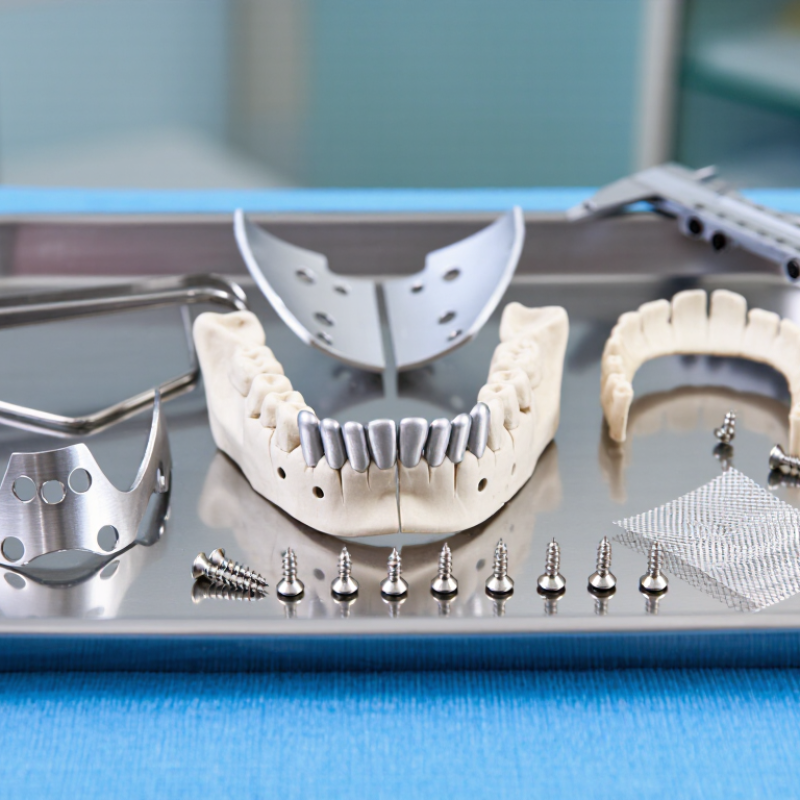
Maxillofacial plating systems are medical devices used to stabilize facial bones after trauma, reconstruction, or corrective surgery. They commonly include plates, screws, meshes, drills, and positioning instruments. These components support bone alignment while healing occurs. Designs may serve the mandible, midface, orbit, zygoma, or cranial region.

The scope extends beyond the metal plate itself. It includes material selection, implant geometry, screw compatibility, sterilization, surgical handling, and quality documentation. Titanium remains widely used because it combines strength, corrosion resistance, and relative biocompatibility. However, every case differs. Bone thickness, fracture location, soft-tissue coverage, and imaging results can change the preferred configuration. A supplier’s technical credibility should be assessed through traceable manufacturing, validated testing, and clear regulatory records. Marketing language alone is not enough.

Tips: Check plate thickness, hole design, screw fit, and instrument compatibility before evaluation. Request material certificates and inspection records. Review clinical evidence carefully, not just product photographs. Surgeons should confirm suitability within their own protocols. Small errors matter. Even an elegant system may perform poorly when contouring is excessive or fixation is poorly planned. Supplier comparisons should also consider training, packaging integrity, delivery consistency, and post-market support. This definition is practical, but not complete; emerging materials and patient-specific manufacturing continue to reshape the field.

Key Features of China’s Leading Plating System Suppliers

China’s leading maxillofacial plating system suppliers compete through material control, design accuracy, and clinical responsiveness. Grand View Research projects the global cranio-maxillofacial devices market to grow at roughly 7% annually through 2030. That growth increases pressure on Chinese manufacturers to prove quality, not merely offer low prices.

Strong suppliers commonly provide titanium plates made from ASTM F67 or F136 compliant materials. Their systems include low-profile plates, locking screws, reconstruction options, and dedicated surgical instruments. ISO 13485 certification, batch traceability, dimensional inspection, and fatigue testing are essential purchasing signals. Some manufacturers also support CT-based planning and patient-specific components. Useful, but not automatically superior.

MarketsandMarkets identifies trauma fixation, reconstruction, and resorbable technologies as important development areas. Suppliers with stable CNC machining, clean-room packaging, and validated sterilization can better support hospital procurement. Export experience also matters, especially when technical files, labeling, and post-market records must satisfy different regulatory systems. Ask for test reports. A catalogue is not evidence.

Lead time is another practical feature. A supplier may quote seven days, yet customization can take several weeks. That gap deserves attention. Clinical training, multilingual instructions, and responsive complaint handling reveal operational maturity. No supplier is perfect. Even experienced buyers should compare screw engagement, plate contouring behavior, instrument wear, and documentation quality before selecting a long-term partner.

Top 10 Maxillofacial Plating Systems Suppliers in China

China’s top ten maxillofacial plating systems suppliers are often evaluated through manufacturing quality, clinical experience, and documentation. Reliable suppliers should provide plates, screws, instruments, and clear technical specifications. Their systems may support mandibular, midface, orbital, and trauma procedures. However, product variety alone proves little.

A dependable evaluation includes material certificates, biocompatibility records, sterilization guidance, and batch traceability. Check whether the supplier follows recognized quality systems, such as ISO 13485, and maintains proper regulatory registration. Ask for fatigue testing data and surgical feedback. Real operating-room details matter. Can staff identify each screw quickly? Do instruments fit securely after repeated cleaning? A ranking can still be imperfect. Catalog size is not clinical evidence.

Tips: Request sample documentation before discussing price. Compare screw locking, plate contouring, and instrument ergonomics. Confirm delivery lead times and complaint handling procedures. Review packaging carefully. It should protect sterile barriers and show readable lot information. Speak with experienced maxillofacial surgeons when possible. Their comments may reveal bending difficulty, poor visibility, or inconsistent threads. Supplier audits should also include production records, employee training, and corrective-action reports. These checks create a more reliable view of China’s leading maxillofacial plating systems suppliers.

China Top 10 Maxillofacial Plating Systems Suppliers - Top 10 Maxillofacial Plating Systems Suppliers in China
Rank Anonymous Supplier Profile Primary System Focus Common Implant Material Typical Plate Thickness Common Screw Diameters Typical Clinical Applications Manufacturing & Quality Documentation Export Readiness
01 Supplier Profile A Comprehensive maxillofacial trauma portfolio Commercially pure titanium and Ti-6Al-4V 0.6–2.0 mm 1.2–2.0 mm Mandibular fractures, midface fractures, and facial trauma fixation ISO 13485 quality-management framework; material traceability and dimensional inspection commonly available High
02 Supplier Profile B Mini and micro plating systems Titanium alloy 0.4–1.5 mm 1.0–1.5 mm Orbital rim, zygomaticomaxillary complex, nasal, and small-fragment fixation Lot-based inspection, cleaning validation, packaging control, and implant identification procedures High
03 Supplier Profile C Mandibular reconstruction and load-bearing systems Ti-6Al-4V or commercially pure titanium 1.5–2.8 mm 2.0–2.7 mm Comminuted mandibular fractures, segmental defects, and reconstruction procedures Mechanical testing, fatigue assessment, surface-finish inspection, and production-process validation High
04 Supplier Profile D Orbital and midface contour systems Thin titanium sheet or titanium alloy 0.3–1.0 mm 1.0–1.5 mm Orbital floor, orbital wall, maxillary buttress, and zygomatic reconstruction Contour accuracy checks, burr and edge inspection, packaging integrity testing, and sterilization compatibility data Medium–High
05 Supplier Profile E Orthognathic surgery fixation systems Titanium alloy 0.6–1.5 mm 1.5–2.0 mm Le Fort osteotomy, bilateral sagittal split osteotomy, and genioplasty Dimensional verification, screw-driving torque checks, instrument compatibility records, and batch release controls High
06 Supplier Profile F Pediatric and low-profile fixation systems Commercially pure titanium or titanium alloy 0.4–1.2 mm 1.0–1.5 mm Pediatric craniofacial trauma, congenital reconstruction, and low-profile facial fixation Low-profile design verification, small-component inspection, biocompatibility documentation, and traceability controls Medium–High
07 Supplier Profile G Patient-specific and digitally planned implants Medical-grade titanium alloy Customized to anatomy and surgical plan Commonly 1.5–2.4 mm Complex trauma, tumor reconstruction, deformity correction, and secondary reconstruction CAD/CAM records, design verification, patient-specific manufacturing documentation, and inspection reports Medium–High
08 Supplier Profile H Resorbable maxillofacial fixation systems Biodegradable polymer systems such as PLLA, PGA, or PLGA-based materials Product-specific; commonly about 1.0–2.5 mm Product-specific; commonly about 1.5–2.5 mm Selected pediatric, craniofacial, and non-load-bearing fixation procedures Degradation profile, biocompatibility, strength-retention, shelf-life, and sterilization validation are essential Medium
09 Supplier Profile I Orthognathic and trauma instrument-compatible systems Titanium alloy 0.6–2.0 mm 1.5–2.4 mm General facial fracture fixation and corrective jaw surgery Instrument-to-implant compatibility testing, torque control, cleaning instructions, and reusable-instrument documentation Medium–High
10 Supplier Profile J Custom OEM/ODM and private-label system manufacturing Commercially pure titanium, titanium alloy, or customer-specified implant material 0.4–2.8 mm 1.0–2.7 mm Custom trauma, reconstruction, orthognathic, and specialty maxillofacial applications Design-transfer records, first-article inspection, supplier qualification, process validation, and customer-specific documentation Varies by project
Note: The table uses anonymous supplier profiles and presents representative technical ranges commonly found in maxillofacial plating systems manufactured in China. Exact specifications, regulatory status, sterilization configuration, and clinical indications must be confirmed from each supplier’s current technical file and product documentation.

Product Categories and Clinical Applications

China Top 10 Maxillofacial Plating Systems Suppliers

Product categories vary by surgical purpose, anatomy, and fixation load. Common systems include titanium plates, mesh sheets, screws, orbital floor implants, mandibular reconstruction plates, and resorbable fixation devices. Mini-plates suit midface and zygomatic repairs. Stronger reconstruction plates support load-bearing mandibular defects. Mesh helps restore orbital contours, although bending errors can affect symmetry.

Clinical selection should follow imaging, fracture pattern, bone quality, and surgeon experience. The AO Surgery Reference emphasizes stable fixation, anatomical reduction, and soft-tissue protection in craniofacial trauma care. Small details matter. A screw that is too long may threaten dental roots or the orbit. A poorly contoured plate can create palpable edges beneath thin tissue.

Market reports from Grand View Research and Fortune Business Insights indicate steady growth in cranio-maxillofacial implant demand, driven by trauma care, reconstructive surgery, and ageing populations. Exact market estimates differ because analysts classify dental, cranial, and facial devices differently. That inconsistency deserves attention. China’s leading suppliers generally provide modular sets, color-coded instruments, locking screws, and patient-specific options based on CT data. Clinical evidence remains more important than catalog size. Surgeons should examine sterilization validation, material traceability, fatigue testing, and post-market surveillance records before procurement. Supplier rankings alone cannot prove clinical suitability.

How to Evaluate and Select a Reliable Supplier

China Top 10 Maxillofacial Plating Systems Suppliers

Selecting a reliable maxillofacial plating system supplier requires more than comparing prices. Clinical experience should be visible in product design, testing records, and surgeon feedback. Ask how the plates perform around thin bone, tight spaces, and irregular fracture lines. Practical details matter. A plate that bends smoothly in the operating room can reduce unnecessary handling.

Review the supplier’s quality system and traceability process carefully. Certifications should be current and verifiable, not simply displayed in a brochure. Request material specifications, biocompatibility data, fatigue test results, sterilization validation, and lot records. Check whether each screw diameter, plate profile, and instrument is clearly identified. Reliable suppliers should also explain complaint handling, corrective actions, and product recall procedures.

Communication reveals much. Ask about sample evaluation, technical training, inventory levels, and typical delivery times. A dependable team answers specific questions without avoiding difficult details. It should also support surgeons when instruments are missing or a case changes unexpectedly. No supplier is flawless. I would still examine how openly the company discusses past delays or design limitations. That honesty may matter more than polished sales language. Visit the production site when possible, and compare written claims with actual inspection practices. Small inconsistencies deserve attention.

This chart presents a practical 100-point evaluation framework for selecting a reliable maxillofacial plating systems supplier in China. The criteria cover regulatory compliance, product quality, clinical suitability, manufacturing capability, supply reliability, technical support, and total cost. The percentages are recommended assessment weights rather than company-specific performance data.

FAQS

What are maxillofacial plating systems?

They are medical devices that stabilize facial bones after trauma, reconstruction, or corrective surgery. Systems may include plates, screws, meshes, drills, and positioning instruments.

Which facial areas can these systems support?

Designs may support the mandible, midface, orbit, zygoma, and cranial region. The suitable configuration depends on bone thickness, fracture location, and imaging results.

Why is titanium commonly used?

Titanium offers strength, corrosion resistance, and relative biocompatibility. However, material suitability still depends on the patient and surgical plan.

What should buyers check before evaluating a supplier?

Check plate thickness, hole design, screw fit, and instrument compatibility. Request material certificates, inspection records, and clear technical specifications.

Which documents should a dependable supplier provide?

Look for biocompatibility records, sterilization guidance, batch traceability, and quality-system documentation. Regulatory registration should also be verified carefully.

Does a large product catalog prove supplier quality?

No. Catalog size is not clinical evidence. Fatigue testing, surgical feedback, manufacturing records, and complaint handling reveal more.

What practical details matter in the operating room?

Staff should identify screws quickly, and instruments should fit securely after repeated cleaning. Surgeons may notice bending difficulty, poor visibility, or inconsistent threads.

How should packaging and delivery be evaluated?

Packaging should protect sterile barriers and display readable lot information. Also compare delivery times, employee training, corrective-action reports, and post-market support.

Can every plating system suit every patient?

No. Bone anatomy and soft-tissue coverage vary widely. Surgeons must confirm suitability within their own protocols.

Are supplier rankings completely reliable?

Not completely. A ranking may overlook handling problems, weak documentation, or inconsistent production. Small errors matter.

Conclusion

Maxillofacial Plating Systems are specialized medical devices used to stabilize and support facial bone structures during reconstructive, corrective, and trauma-related procedures. This article explains their scope, including plates, screws, meshes, and related fixation components designed for areas such as the jaw, cheekbone, orbit, and midface. It also highlights the key strengths commonly found among leading suppliers in China, including material consistency, structural design, manufacturing capacity, customization options, quality control, and technical support.

The article presents a structured overview of the top 10 Maxillofacial Plating Systems suppliers in China without focusing on brand promotion. It compares major product categories and their clinical applications, helping readers understand how different systems may meet surgical requirements. In addition, it outlines practical criteria for evaluating a reliable supplier, such as product certification, production standards, research capability, delivery stability, after-sales service, and communication efficiency. This information is intended to support objective supplier assessment and informed purchasing decisions.

Liam

Liam

Liam is a dedicated marketing professional with a profound expertise in the industry, where he excels at highlighting the unique advantages of our core products. With a keen understanding of market trends and consumer needs, Liam frequently updates our company’s professional blog, providing......