Osteora Osteora

10 Best Compression Screws for Reliable Sealing?

Time:2026-09-09 Author:Sienna
0%

Reliable sealing rarely depends on the screw alone. It depends on controlled compression, surface condition, thread engagement, and material compatibility. Compression Screws are valuable when equipment needs repeatable clamping without bulky hardware. They appear in electrical enclosures, inspection covers, filters, panels, and compact machine assemblies.

The global fasteners market was valued at approximately USD 90.6 billion in 2023, according to Grand View Research’s Fasteners Market Size, Share & Trends Analysis Report. That report covers fasteners broadly, not Compression Screws specifically. This limitation matters. Market size does not prove sealing performance. It only shows the scale of the surrounding industry.

John H. Bickford, a recognized bolted-joint specialist, wrote, “The purpose of a fastener is to clamp parts together.” That principle remains practical during product selection. A good compression screw should maintain pressure after repeated opening, resist loosening, and protect the seal from uneven loading. A stainless-steel screw may suit a damp enclosure, while a captive design can prevent dropped hardware during maintenance. Small details matter.

This guide evaluates ten Compression Screws for reliable sealing, using thread design, compression control, installation behavior, corrosion resistance, and service life. Product claims still require careful checking. Real assemblies may behave differently under vibration, heat, contamination, or imperfect alignment. That is where this selection becomes useful, but not infallible. Always confirm torque limits, gasket dimensions, and manufacturer test data before final specification.
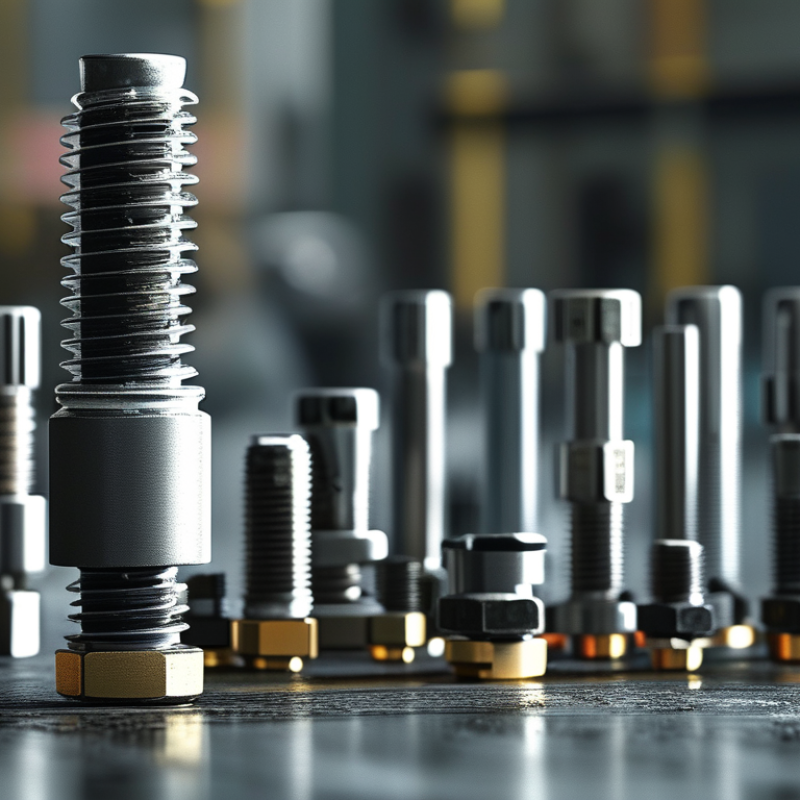
10 Best Compression Screws for Reliable Sealing?

What Are Compression Screws and How Do They Create Reliable Seals?

Compression screws are fasteners designed to apply steady, controlled pressure around an opening. They usually work with rubber washers, bonded seals, or flexible gaskets. When tightened, the screw compresses the sealing element against a panel or housing. That pressure closes small surface gaps. It also helps resist vibration, moisture, dust, and pressure changes.

The seal depends on more than torque. Material compatibility, washer thickness, hole size, and surface flatness matter just as much. The U.S. Department of Energy reports that compressed-air leaks may waste 20–30% of compressor output. Poorly sealed screw penetrations can contribute to that loss. ASME PCC-1 guidance also supports controlled tightening practices for reliable bolted joints. In field inspections, over-tightening often looks reassuring. It can crush the washer and create a leak path later. Under-tightening is less dramatic, but equally unreliable. Small gaps remain visible under a flashlight.

Choose a screw with a corrosion-resistant finish for humid environments. Check the gasket’s temperature and chemical resistance before installation. A calibrated torque tool improves repeatability, although real panels may flex unexpectedly. That is where specifications sometimes fail.

Inspect the seal after thermal cycling and vibration testing. Replace hardened or distorted washers instead of reusing them. Reliable sealing is a controlled compression problem, not simply a stronger tightening problem.

Key Factors for Choosing the Right Compression Screw

10 Best Compression Screws for Reliable Sealing?

Choosing the right compression screw starts with the sealing environment. Check pressure, temperature, vibration, and exposure to chemicals. A screw suitable for a dry enclosure may fail in hot, fluid-filled equipment. Seal material matters too. Match it with the housing, media, and operating temperature.

Thread design controls clamping force and installation stability. Fine threads offer better adjustment, while coarse threads resist damage during repeated assembly. Select corrosion-resistant screw materials for humid or outdoor applications. The screw head must fit the available tool and clearance. Small spaces punish poor choices.

Torque deserves careful attention. Too little force can create leakage paths. Too much force may crush the seal or distort the enclosure. Use a calibrated torque tool when possible, then verify the joint with a pressure or leak test. I have seen perfectly machined parts fail because installation was rushed. The checklist was correct, but the process was not.

Compression travel should remain within the seal maker’s recommended range. Hard stops can improve repeatability, although they add manufacturing cost. Inspect threads, washers, and sealing surfaces before installation. Tiny scratches can become visible leaks later. No option is perfect. Real selection requires balancing reliability, service access, cost, and the consequences of failure.

10 Best Compression Screws for Reliable Sealing

Compression screws can provide reliable sealing when clamping force stays consistent. The screw, washer, gasket, and mating surface must work together. A polished fastener cannot rescue a scratched sealing face.

The U.S. Department of Energy reports that compressed-air leaks may waste 20–30% of compressor output. That figure makes small sealing failures financially important. Choose a screw with enough thread engagement, but avoid excessive compression. Over-tightening can crush an elastomer seal or distort thin sheet metal. ISO 3601 guidance also highlights the importance of controlled seal dimensions and surface conditions. In practice, clean threads matter more than many installers expect.

Tips: Use a calibrated torque tool. Tighten in stages. Mark the final position. Inspect the seal after thermal cycling and vibration testing. A leak test is still necessary.

Material selection needs careful thought. Nitrile suits many general oil and air applications, while fluorocarbon compounds handle higher temperatures and chemical exposure. Confirm compatibility with the actual fluid. Check the seal groove for cuts, dust, and uneven contact. I still recheck the first assembly; torque alone can mislead because friction changes clamping force. The U.S. DOE recommends ultrasonic inspection for difficult-to-hear compressed-air leaks, which can help verify screw-sealed connections in noisy facilities. Reliable sealing is measurable, not assumed.

How to Install Compression Screws for Consistent Performance

Consistent compression starts with clean, accurately prepared surfaces. Remove dust, oil, burrs, and loose coating from the joint. Check the screw, washer, gasket, and panel for damage before assembly. A small cut in the gasket can become a leak path. Measure hole diameter and material thickness against the approved drawing, not memory. This step feels slow. It prevents rework.

Insert the screw squarely, keeping the gasket flat and centered. Tighten by hand until the washer contacts the surface. Then use a calibrated torque driver set to the specified value. Do not guess. Excess torque may crush the gasket, distort thin panels, or strip threads.

Insufficient torque can allow vibration and moisture entry. For multiple screws, tighten in a diagonal or alternating pattern. This spreads pressure more evenly. Keep the tool aligned with the screw head.

After installation, inspect the gasket edge for uniform compression. Look for gaps, bulges, or panel deformation under bright, angled light. Record torque values, installer, date, and any deviations. A controlled leak or pressure test may suit the application. Follow the equipment maker’s procedure and local safety requirements.

Recheck fasteners after thermal cycling or vibration when the design requires it. I have learned not to trust appearance alone. A neat joint can still seal poorly. If results vary, investigate thread engagement, surface flatness, and gasket compatibility before replacing parts at random.

Common Compression Screw Problems and Maintenance Solutions

Compression screw failures rarely come from the screw alone. Leaks often begin with uneven clamping, damaged sealing faces, or incorrect gasket compression. The NASA Fastener Design Manual, NASA-RP-1228, explains that friction changes can create preload scatter of roughly 25–30% during torque tightening. That variation is enough to leave one side loose while another side becomes overstressed. Not every leak is a screw problem. It is easy to blame the fastener, and that assumption is often wrong.

Common symptoms include thread galling, washer indentation, cracked seals, and repeated loosening under vibration. ISO 3601 provides dimensional controls for O-rings, but it does not replace inspection of the actual seal groove. Technicians should check groove cleanliness, seal hardness, surface scratches, and screw alignment. Replace distorted screws or washers. Reusing them may appear economical, but it can reduce clamping consistency. Temperature cycling deserves attention too. A seal that works at room temperature may harden or relax in service. One overlooked detail: lubricant contamination can change torque results dramatically.

Tips: Clean threads before assembly. Use a calibrated torque tool. Tighten in a cross pattern. Record torque, seal material, temperature, and leak-test results. Retorque only when the engineering procedure permits it. A short inspection log often reveals patterns that memory misses. My cautious view is simple: measure the joint, not just the screw.

FAQS

: What should guide compression screw selection?

: Start with pressure, temperature, vibration, and chemical exposure. A dry enclosure needs different protection than hot, fluid-filled equipment. The seal must match the housing, fluid, and operating temperature.

How does thread design affect performance?

Fine threads allow precise compression adjustment. Coarse threads tolerate repeated assembly and resist damage better. Choose enough thread engagement without creating excessive clamping force.

Which seal materials are commonly suitable?

Nitrile suits many general oil and air applications. Fluorocarbon compounds handle higher temperatures and chemical exposure. Always confirm compatibility with the actual fluid. Material labels alone can mislead.

How much torque should a compression screw receive?

Use a calibrated torque tool when possible. Too little force may create leakage paths. Too much force can crush the seal or distort thin metal. Torque is not everything.

Why are sealing surfaces important?

Inspect the groove, washer, threads, and mating surface. Remove dust, cuts, and uneven contact before assembly. A tiny scratch can become a visible leak later. A polished screw cannot fix a damaged surface.

Should compression travel have a limit?

Keep compression travel within the seal maker’s recommended range. A hard stop can improve repeatability during installation. However, it may increase manufacturing cost. The trade-off needs review.

How can a sealed connection be verified?

Tighten screws in stages and mark the final position. Then perform a pressure or leak test. Inspect the assembly after heat cycling and vibration testing. Do not assume success.

Why do small leaks deserve attention?

Compressed-air leaks may waste 20–30% of compressor output. Small sealing failures can therefore increase operating costs. Ultrasonic inspection helps locate quiet leaks in noisy facilities. I would still recheck the first assembly.

Conclusion

Compression Screws are designed to create dependable seals by applying controlled pressure between mating surfaces, helping prevent leaks, vibration, and unwanted movement. This article explains how their threaded design, head style, material, size, thread pitch, and sealing requirements affect performance. It also presents ten practical compression screw options suited to different applications, including equipment covers, access panels, housings, and assemblies exposed to moisture or vibration. The goal is to help readers compare features and select a screw that matches their operating conditions.

The guide also covers proper installation techniques for achieving consistent compression without damaging the seal or deforming the surrounding material. Attention is given to tightening sequence, torque control, alignment, and surface preparation. Finally, it reviews common problems such as uneven sealing, loosening, corrosion, damaged threads, and over-compression, along with straightforward maintenance solutions. With appropriate selection, installation, and inspection, compression screws can provide reliable, repeatable sealing performance over extended service periods.

Sienna

Sienna

Sienna is a skilled marketing professional with a deep expertise in our company’s core products and services. With a passion for innovation and detail, she plays a pivotal role in crafting insightful blog posts that not only highlight the unique features of our offerings but also provide valuable......