 Osteora
Osteora
Osteora
Choosing the best Acutrak Screws requires more than comparing prices, sizes, or glossy product photographs. Global buyers must examine clinical purpose, screw geometry, compression behavior, material quality, packaging, and supplier traceability. A screw that performs well in a small scaphoid may not suit a larger osteotomy or arthrodesis. The details matter.
Dr. Robert M. Szabo, a respected hand and wrist surgeon, has expressed a practical principle: “The right screw fits the fracture, the patient, and the surgical plan—not merely the inventory list.” This idea should guide every Acutrak Screws evaluation. Buyers should review headless design, variable thread pitch, available diameters, lengths, insertion instruments, and compatibility with the intended procedure. They should also request current technical documentation, batch information, sterilization details, and evidence of quality-system control. Product availability matters too. A technically excellent screw creates problems if replacement instruments arrive late.
Clinical experience can reveal what a catalog cannot. Surgeons may notice driver engagement, tactile compression, or difficulty maintaining alignment. Procurement teams may notice inconsistent labeling or unclear packaging records. Both perspectives are necessary. Not every buyer assesses these points equally well. That is a weakness worth admitting.
The best choice is rarely the cheapest option. It is the most suitable, traceable, and consistently supported option for the target market. Requirements also vary between countries and healthcare systems. This guide examines those differences carefully, helping global buyers compare Acutrak Screws with greater confidence and fewer costly assumptions.
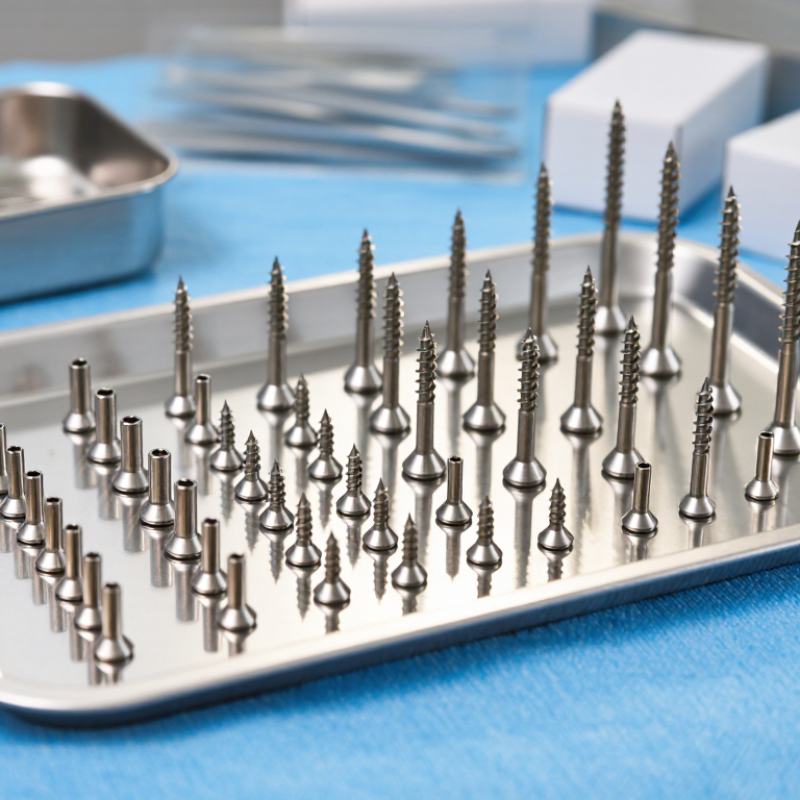
Headless compression screws are cannulated implants designed to stabilize small-bone fractures and fusions. A guidewire creates the planned path. The screw then follows that path with controlled rotation. Its threads usually have different pitches, allowing the trailing threads to advance faster. This draws two bone fragments together and creates compression. The headless design lets the screw sit below the surface, reducing irritation around joints and tendons. Small details matter.
The 2024 Global Orthopedic Devices Market report by Grand View Research estimated the market at more than USD 50 billion, showing strong demand for reliable fixation systems. However, market growth does not prove clinical quality. The FDA’s 510(k) database shows that comparable fixation devices still require evidence of substantial equivalence, material safety, and intended use. Buyers should request test data for compression strength, torsional resistance, cannula accuracy, and corrosion performance. Titanium alloy, commonly specified under ASTM F136, offers a familiar benchmark. Yet bone quality, screw diameter, thread profile, and insertion torque can change results.
Tips: Ask Chinese manufacturers for ISO 13485 certification, lot traceability, sterilization records, and dimensional inspection reports. Check whether the guidewire, drill, and screwdriver fit as one system. A catalog image is not enough. I would also review fatigue testing under realistic loading, not only maximum force. Some suppliers provide impressive numbers, but the test method remains unclear. That deserves a second look.
Match the diameter to bone size, fracture pattern, and required compression. Small screws suit tiny fragments in the hand, wrist, or foot. Larger screws may support ankle or hindfoot loads. Bigger is not automatically better. They can damage limited bone stock.
Micro screws generally suit small bone fragments. Mini screws offer stronger fixation for metacarpal and phalangeal repairs. Standard screws fit many mid-size fractures. Selection still depends on surgical judgment. Size alone cannot decide.
Titanium may reduce imaging interference during follow-up examinations. Stainless steel can provide familiar handling and strong performance. The best choice depends on the procedure. Review material certificates carefully. The label is not enough.
Request material certificates, dimensional inspection records, and lot traceability. Also review fatigue, torsional, and pull-out testing. Packaging and sterilization records should match the shipment. Check shelf-life information. Documents must describe the actual product.
Examine samples for burrs, damaged threads, and inconsistent markings. Check the core diameter and thread geometry. Test whether the driver connects smoothly. Inspect the guidewire fit. Small mismatches can delay procedures.
Confirm ISO 13485 certification and review its scope and validity dates. Destination markets may require separate registration or authorization. Some regions require specific conformity documents and labeling. Do not treat one certificate as worldwide approval. It is not.
Ask whether the material is implant-grade titanium or stainless steel. Where applicable, compare claims with recognized material standards. Review biocompatibility testing, sterilization validation, and packaging integrity data. Shelf-life evidence also matters. One report may be insufficient.
Compare compression, torsion, fatigue, and dimensional accuracy results. Testing methods and fixtures should be consistent. Different setups can produce misleading comparisons. Ask why the methods differ. Clinical conditions are messier.
Acutrak Screws are headless compression screws designed to stabilize bone fragments while reducing prominence beneath the surrounding tissue. Their variable thread designs can create controlled compression, making them suitable for selected procedures involving small bones, joints, and fracture fixation. Different screw diameters, lengths, thread patterns, and material options should be matched carefully to the surgical site, bone quality, and required stability.
For global buyers, evaluating Acutrak Screws requires more than comparing prices. Important factors include dimensional accuracy, material consistency, surface finish, mechanical strength, packaging integrity, and traceability. Buyers should also review applicable quality-management certifications, product documentation, sterilization information, and regulatory compliance for the destination market. A reliable supplier should provide clear technical specifications, sample evaluation, production-quality records, responsive communication, and stable delivery capability. By comparing product performance, documentation, manufacturing controls, and after-sales support, purchasers can select Acutrak Screws that offer dependable quality and suitability for professional medical use.
