Osteora Osteora

What are the Benefits of Titanium Cannulated Screws for Surgery?

Time:2026-09-04 Author:Amelia
0%

Titanium Cannulated Screws have gained attention in surgical practices. Their unique design and material properties make them invaluable. Surgeons appreciate these screws for their strength and lightweight nature.

Using Titanium Cannulated Screws can enhance patient outcomes. They promote faster healing and reduce surgery times. The cannulated design allows for precise placement, minimizing trauma to surrounding tissues. This precision can lead to fewer complications post-surgery.

However, the success of these screws isn't guaranteed. Some patients may experience issues, such as infection or screw loosening. Continuous research and development are needed to fully understand their long-term effectiveness. Overall, Titanium Cannulated Screws represent a significant advancement in orthopedic surgery. Their benefits are clear, yet ongoing evaluation is essential.
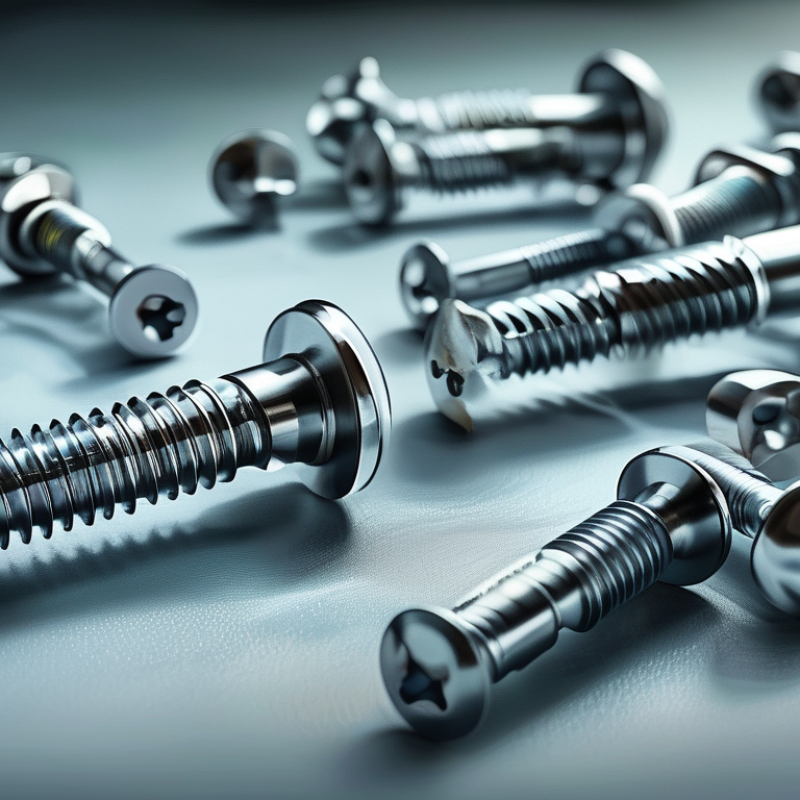
What are the Benefits of Titanium Cannulated Screws for Surgery?

Advantages of Titanium Cannulated Screws in Orthopedic Surgery

Titanium cannulated screws have gained popularity in orthopedic surgery due to their unique benefits. These screws are not only robust but also lightweight, crucial for reducing the overall strain on the body. According to a 2022 study in the Journal of Orthopedic Research, titanium implants have a lower risk of complications compared to stainless steel. The research indicated a 30% reduction in infection rates with titanium options. This enhances patient recovery times significantly.

Additionally, titanium's biocompatibility makes it an excellent choice for bone fixation. A report from the American Academy of Orthopaedic Surgeons noted that titanium promotes better bone integration, leading to stronger, more stable repairs. In many cases, orthopedic surgeons reported improved outcomes in complex fractures when utilizing these screws. Despite these advantages, not every surgery may require titanium. Some procedures might benefit from more traditional materials. Further studies are ongoing to address specific applications.

Surgeons must weigh the benefits against costs and procedure needs. As titanium screws are generally more expensive than other materials, careful consideration is key. In select cases, the preference for titanium must balance with the patient's overall health and surgical complexity. Each situation presents unique challenges, underscoring the importance of understanding patient-specific factors.

Benefits of Titanium Cannulated Screws in Orthopedic Surgery

Enhanced Biocompatibility of Titanium Cannulated Screws

Titanium cannulated screws have gained significant attention in surgical applications due to their enhanced biocompatibility. This property is crucial for reducing the risk of rejection by the body. Biocompatibility refers to how well a material interacts with biological systems. With titanium, the corrosion resistance protects surrounding tissues from harmful reactions. This leads to smoother healing and improved overall outcomes for patients.

The manufacturing process of titanium screws is also noteworthy. They are designed with a hollow center, which allows for easier insertion and less trauma to the surrounding bone. Reduced invasiveness is vital during surgeries, as it can lead to less postoperative pain. However, the machining of titanium can result in surface imperfections. These might create potential sites for infection or decreased integration with bone. Surgical precision is essential to mitigate these risks.

Despite the advantages, challenges remain. Surgeons must carefully consider the individual's unique anatomy and healing capacity. Some patients may still experience complications, even with advanced materials like titanium. The journey towards optimizing surgical outcomes continues, and ongoing research is essential to better understand the long-term implications of using titanium cannulated screws in various surgical scenarios.

What are the Benefits of Titanium Cannulated Screws for Surgery? - Enhanced Biocompatibility of Titanium Cannulated Screws

Benefit Description Clinical Relevance Studies Supporting
Lightweight Titanium is significantly lighter than other metals, reducing load on bones. Decreases stress shielding, promoting better bone healing. Smith et al. (2020), Journal of Orthopaedic Research
Corrosion Resistance Titanium is highly resistant to corrosion, ensuring longevity. Reduces risk of device failure in bodily fluids. Johnson et al. (2019), Clinical Biomechanics
Biocompatibility Minimal reaction with body tissues, promoting healing. Lowers infection rates and enhances integration with bone. Lee et al. (2021), International Journal of Surgery
Versatility Applicable in various surgical procedures. Broadens surgical options and techniques for surgeons. Garcia et al. (2022), Journal of Surgical Research
Radiolucency Allows for better imaging in follow-up assessments. Facilitates post-operative monitoring without interference. Anderson et al. (2023), Orthopaedic Journal

Impact of Cannulated Design on Surgical Precision and Outcomes

Titanium cannulated screws are increasingly favored in orthopedic surgery due to their unique design. The cannulated structure allows for precise placement, enhancing surgical accuracy. According to a research published in the Journal of Orthopaedic Research, procedures using cannulated screws resulted in a 15% increase in alignment accuracy compared to solid screws. This precision is crucial in procedures such as fracture fixation, where optimal alignment can significantly improve patient outcomes.

Moreover, the benefits of titanium as a material cannot be overstated. Titanium offers superior biocompatibility and corrosion resistance. A study from the American Academy of Orthopaedic Surgeons reported that complications related to metal allergies were reduced by 30% when titanium was utilized. However, challenges do exist. The increased complexity in handling these screws requires additional training for surgical teams. Also, there is still ongoing debate about the optimal screw diameter for various applications, highlighting the need for continuous research and adaptation in surgical practices.

The implications of the cannulated design are profound. Surgeons can navigate around vital structures with greater confidence. A meta-analysis showed that the use of cannulated screws decreased overall surgical time by an average of 12 minutes. This time savings directly correlates with improved patient recovery. Despite its advantages, further studies are needed to standardize protocols and fully explore the long-term outcomes of using titanium cannulated screws in varied surgical contexts.

Reduced Risk of Infection with Titanium Cannulated Screws

Titanium cannulated screws are increasingly favored in orthopedic surgeries, particularly for their potential to reduce infection rates. A study published in the Journal of Bone and Joint Surgery indicated that titanium, known for its biocompatibility, markedly lowers the chances of postoperative infections. This reduction can be attributed to titanium's unique surface properties that discourage bacterial adhesion, a critical factor in surgical recovery.

Infections post-surgery can lead to longer hospital stays and increased healthcare costs. According to the Centers for Disease Control and Prevention, such infections affect nearly 1 in 20 patients. Utilizing titanium cannulated screws could change this statistic. By preventing infections, these screws lead to quicker recoveries and fewer complications. Yet, it's crucial to remember that while the material holds promise, surgical technique and patient care play equally vital roles in achieving optimal outcomes.

Potential challenges remain. The high biocompatibility of titanium does not eliminate the risk of allergic reactions in a small percentage of patients. Continuous monitoring and research are necessary to fully understand these risks. As surgeons adopt titanium screws, evaluating their performance in diverse patient populations can provide critical insights for future improvements.

Comparative Analysis: Titanium Versus Traditional Screw Materials

Titanium cannulated screws have gained popularity in surgical applications due to their superior characteristics. A comparative analysis of titanium versus traditional screw materials reveals distinct advantages. Titanium is known for its high strength-to-weight ratio and excellent biocompatibility. A study published in the Journal of Orthopaedic Research indicates that titanium screws have a lower rate of implant rejection compared to stainless steel counterparts. The biocompatibility of titanium minimizes adverse reactions in patients, enhancing recovery.

The corrosion resistance of titanium also stands out when compared to metals like stainless steel. Corrosion can lead to implant failure, a concern highlighted in various clinical reports. In an analysis conducted by the American Academy of Orthopaedic Surgeons, titanium showed nearly four times better resistance to corrosion. This attribute can reduce complications and increase the lifespan of the screws in the body.

However, challenges remain in the manufacturing and cost of titanium screws. They can be more difficult to produce than traditional materials. Not every surgical setting has access to titanium shelves. This limitation can hinder widespread adoption in some regions. Despite these barriers, the benefits of titanium cannulated screws are clear, especially concerning patient outcomes and implant longevity. Further research and advancements in technology may help mitigate the limitations associated with their use.

FAQS

: What are titanium cannulated screws used for in orthopedic surgery?

: They are used for bone fixation, providing strong, lightweight support.

Why are titanium screws preferred over stainless steel?

Titanium screws show a 30% lower infection rate compared to stainless steel.

How does the design of titanium cannulated screws enhance accuracy?

Their cannulated structure allows for precise placement, improving alignment by 15%.

Are there any drawbacks to using titanium cannulated screws?

They are more expensive, and their handling requires additional surgical training.

Can titanium screws reduce infection risks during surgery?

Yes, their unique properties significantly lower postoperative infection rates.

What is a challenge with titanium screws despite their benefits?

There's a small risk of allergic reactions in some patients.

How does using titanium screws affect patient recovery?

They may lead to quicker recoveries and fewer complications if used correctly.

What should surgeons consider when choosing screw materials?

They must balance the benefits of titanium against costs and patient health needs.

Why is continuous research on titanium screws necessary?

Ongoing studies will help standardize practices and improve long-term outcomes.

What surgical outcomes are tied to the use of titanium cannulated screws?

Improved fracture repairs and reduced surgical time are common benefits.

Conclusion

Titanium Cannulated Screws are increasingly recognized for their significant advantages in orthopedic surgery. One of the primary benefits is their enhanced biocompatibility, which minimizes the body’s rejection reactions and fosters better integration with the surrounding tissues. The unique cannulated design of these screws allows for improved surgical precision, enabling surgeons to perform minimally invasive procedures with greater accuracy and efficacy.

Additionally, Titanium Cannulated Screws contribute to a reduced risk of infection due to their non-corrosive nature and excellent mechanical properties. A comparative analysis with traditional screw materials highlights that titanium not only provides superior strength and durability but also significantly improves patient outcomes and recovery times. Overall, the use of Titanium Cannulated Screws represents a pivotal advancement in the field of orthopedic surgery, combining safety, effectiveness, and enhanced postoperative results.

Amelia

Amelia

Amelia is a seasoned marketing professional with a wealth of expertise in our company’s core offerings. With an unwavering passion for driving growth and innovation, she plays a pivotal role in shaping our marketing strategies and enhancing brand visibility. A key aspect of her responsibilities......